“FOLLO PA QUE ME DEN UN TRABAJO” Y HAY QUE HABLAR EN INGLÉS PUES LO DICE RAJOY
“Ad te de nocte vigilo”, dije el salmo y uno, periodista con las antenas puestas, barre los perímetros. Internet es lo mejor y lo peor. Mi curiosidad la otra noche me llevó al horror de un video que presenta a una muchacha de tipo universitario, inocente hija de familia, que se presenta a una entrevista hablando inglés correctamente –seguramente su papá se había gastado sus buenos cuartos enviándole a cursos de verano a Inglaterra a aprender el idioma de Shakespeare-y es objeto de una violación ante la cámara.
Lo que ocurre en la cinta pertenece al mundo del delito y del horror. En la noche tuve pesadillas y sentí arcadas de asco. Se me hincharon las aortas de furor. La aspirante a un puesto de trabajo digno es sometida a todo tipo de vejaciones sexuales. El boss que habla el inglés con acento norteamericano la manda desnudarse y ella pregunta inocente si era necesario que le mostrase al mangante sus nobles y españoles senos. Que responde en inglés de sopetón y con toda la brutalidad de Brooklyn:
-I like Spanish eyes and Spanish cunts and Spanish teats. You always made good whores.
La traducción sobra por lo indecente. Al individuo ya debe de estar buscándolo nuestros sabuesos de la Guardia Civil. Pero es tan valentón que no dio la cara para responder por su afrenta a toda una raza, a todas las mujeres de España y de la tierra, como corresponde a un tío hecho y derecho. Los cojones no se demuestran solo en la cama, tío.
La pobre chica española sí. ¿Qué pensarán de ella cuando la vean por la calle sus amigos o la descubran sus primos por la Red? Fue sometida a toda clase de vejámenes: violación, sodomización, felación que acabó de forma horrisona con la polución del inmundo semen del de la big dick pero que no nos mostró la patita – por la entonación debía de ser un puertorriqueño o un afro americano de origen senegalés-en el rostro inocente de la muchacha aspirante a un empleo. Dice el Talmud que no hay cosa que dé más grima y más contamine que el cadáver y la lefa humana. Pero los fornicarios nunca leen la Biblia por desgracia.
De buenas a primera yo pensé en el rapto de España, en la violación de mi patria. La hispanofobia de los que hablan inglés llega hasta la locura. Lo malo es que el personal sumido como está en la Cultura de la queja e idiotizado por el segundo asalto del debate agacha la cabeza y no toma las medidas oportunas. Yo por lo pronto informé a la guardia Civil. Que encontrarán a la chica desde luego y así será fácil con su prospectivo empleador que no asoma la gaita en el transcurso en el transcurso de los diálogos en inglés. Buena la gaita sí que la asomó y por los visos trascendidos estaba mejor armado que un carabinero el gachó.
Para mí esta es una violencia de género en grado superlativo ante la cual callan y otorgan los programas mañaneros de las reinonas- reinones de las mañanas y sus mancebos y mancebas y anacondas.
Ante estas obscenidades y agresiones a la sensibilidad yo protesto porque la cosecha de las mujeres asesinadas por sus maridos y sus amantes empieza por aquí por estas degradaciones que no respetan al amor ni la sacralizad del sexo ni la más mínima decencia ni los derechos humanos. Es la cosificación de la mujer en estado puro y duro.
Los clásicos siempre relacionaron a Eros con Tanatos y por desgracia la expiración agonista y los berridos del coito carnal se asemejan. A veces la lujuria conduce no sólo a la degradación animal, a la fertilidad –recordemos que el imperio romano cayó por el rapto de una Vestal y porque la promiscuidad sexual de las mujeres- sino también a la muerte de las familias, de los pueblos y de los propios individuos.
El fulano trató a su entrevistada a aspirante a su oficina convertida en burdel (se la trajina delante del ordenador) igual que si fuera una oveja ejerciendo toda clase de superioridad machista sin ninguna ternura y con insultos como “You are a good bitch, señorita, cause You like my dick” (el individuo no dejaba en paz al instrumento en la mano. “Open your lips come on and look at the camera” humillación infinita. Close your eyes and think of England se decía a las meretrices de Hyde Park. Mira para el tendido y un saludo para la aficción.
Los garañones que yo veía cuando iba con mi abuelo a la parada de Aranda de Duero a echar la yegua al caballo no eran tan animales como el cabrón este angloparlante. Y el morueco amorece a su oveja con más cariño que el exhibicionista en jefe.
Se me atragantó la cena. He tenido pesadillas. Y la bilis formó una pelota en mi vesícula biliar. Podía ser una de mis hijas mileuristas que acuden a entrevista de trabajo, que hablan inglés. Y que fueran sometidas a una afrenta similar. Hay mucha engañada en esta España engañada. No creo que para ese viaje se necesitan alforjas. Para acabar de puta.
Posted: 16 Aug 2019 04:30 AM PDT
MARTIN VIGIL LAS FLECHAS DE MI HAZ. UNO QUE COMBAYABA
Veraniegas lecturas y pasmos al releer a Martin Vigil el escritor ovetense cuya vida nos salio al encuentro eramos jóvenes y nos la meneábamos en cuadrilla a ver quien era mas macho quien la tenia mas larga represiones internados seminarios camarillas confesionarios escrúpulos ay madre muchas veces pero cuantas hijo muchísimas unos docientas, padre iras al infierno de cabeza pues ahora releo al autor que fue cura jesuita y colg'o la sotana. Sus textos me llenan de admiraci'on porque sabe contar las cosas sin aburrirnos tiene la elegancia sartorial y el prurito jovial de los de Oviedo pero también me causa desazón asco incluso he aqui un tipo de derechas que fue alférez provisional participo en la represión nacionalista su familia paso las de Cain un hermano fue fusilado por los rojos y su padre estuvo en la checa pues he aqui que combaya, eso es muy asturiano, cambio de chaqueta colgó la sotana y se desdijo pero sin desdecirse que es lo malo o lo bueno segun se mire. El 18 de julio le pilla en Salinas veraneantes de pantalón blanco pandillas. el pobre pueblo enganado la bestialidad del tiro en la nunca y los muertos en las cunetas. el padre Martin Vigil dice cosas tremendas en este libro que es un insulto para los que por la noche seguimos mirando para los luceros donde montan guardia nuestros camaradas y el se mofa de algo tan sagrado como es el ideal que es lo que falta ahora en Espana, pero ya digo dice cosas importantes 1./ que la guerra civil fue organizada por la masonería y esos son los que mandan en nuestro país dado a la marraneria de todos los demonios 2.& que Espana nunca fue católica, lo había dejado de ser mucho antes de que Azana largara su frase infernal. 3. que el ejercito de Franco estuvo mucho mejor organizado aunque en el bando republicano se lucho con coraje. Vigil no oculta que formo parte de una patrulla de limpieza que se dedica a la búsqueda y caza del hombre entre los matorrales de las aldeas perdidas asturianas donde permanecen núcleos de resistencia, a la procura de huidos del maquis. No tuvo agallas para abrenunciar a esa misión que moralmente le repugnbaba. Se hizo alférez provisional, alférez provisional muerto seguro i, se fuye de putas en Sevilla lucio las estrellas en Segovia como artillero y deb'a de ser un oficial bonito con éxito entre laschicas. Opera en la zona de Puigcerda y Port Bou tareas de limpieza represion guerra sucia eso que llevan gtan a mal los verdaderos militares, pero lo afirma sin pudor. El libro esta bien escrito. Se anticipa a todos porque ya en el 77 empezó a hablar de memoria histórica *HISTERICA EN VERDAD%. Creo que fue un oportunista, nio era un tipo de una sola pieza y pior eso hoy es un literato descalostrado que DEJARON DE LEER LOS JOVENES DE NUESTRA GENERACION
LA ERMITA ROMANICA DE SAN VICENTE Y LA TORRE VISIGODA DE SAN GREGORIO EN FUENTESOTO
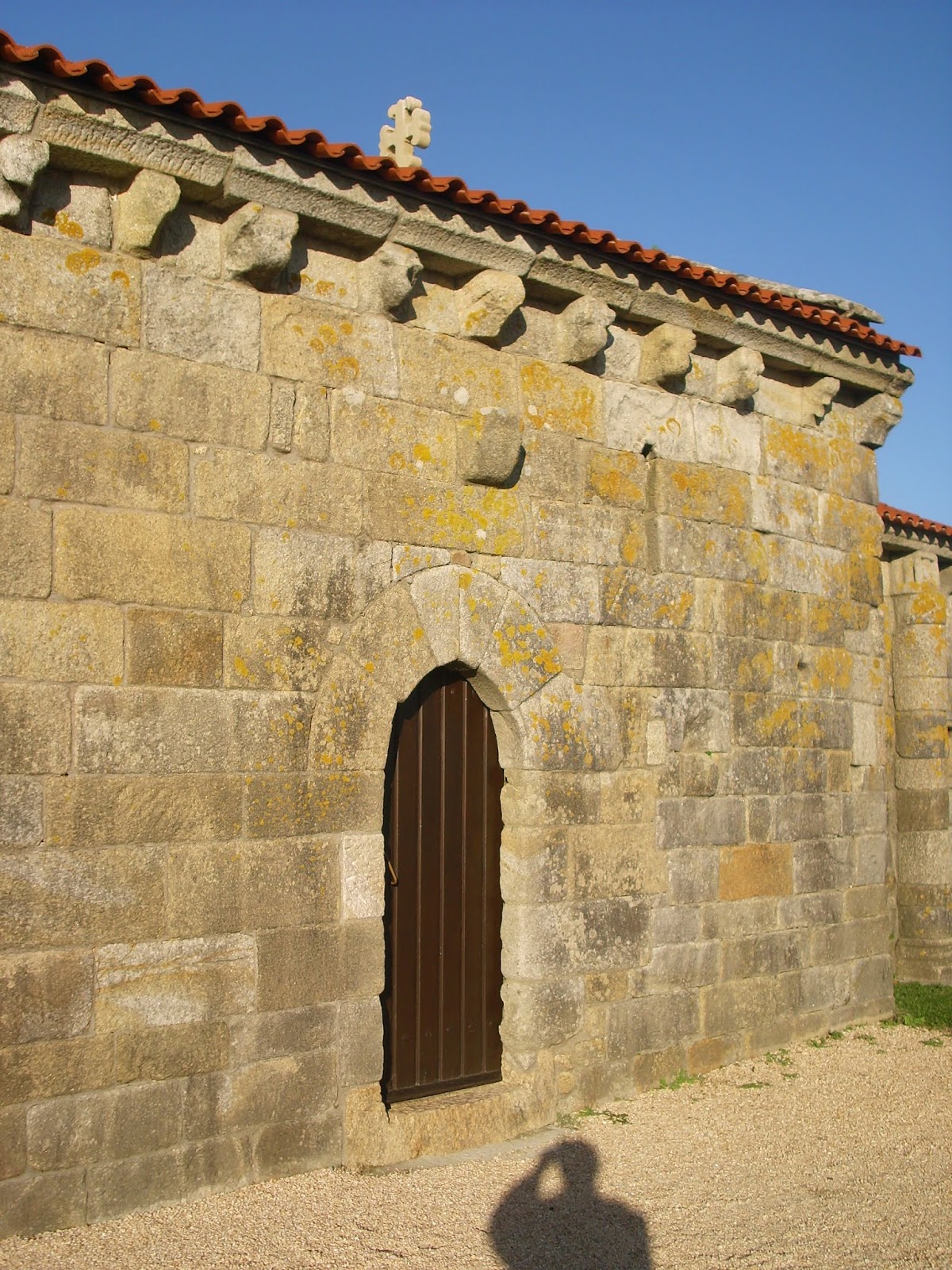
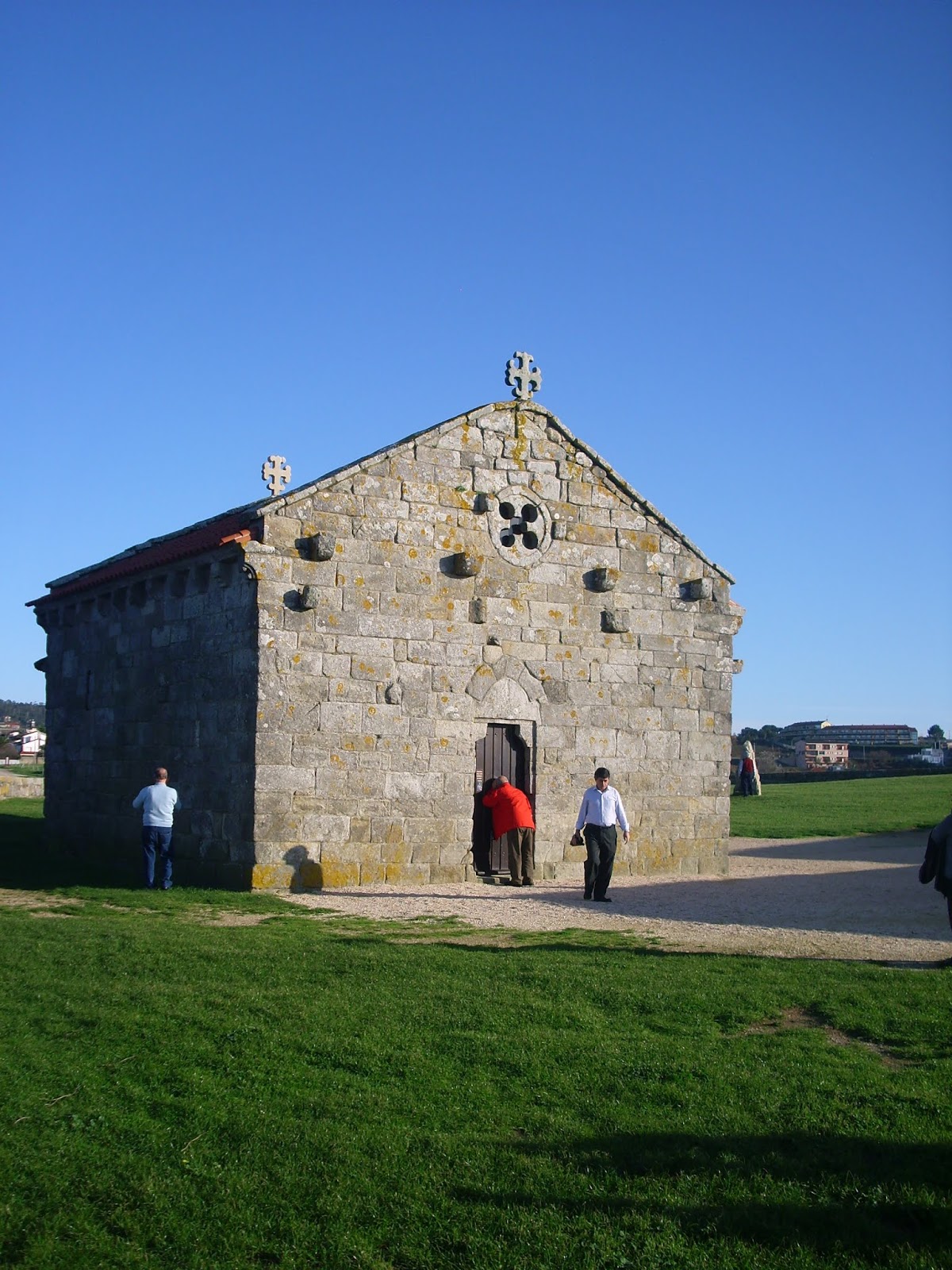
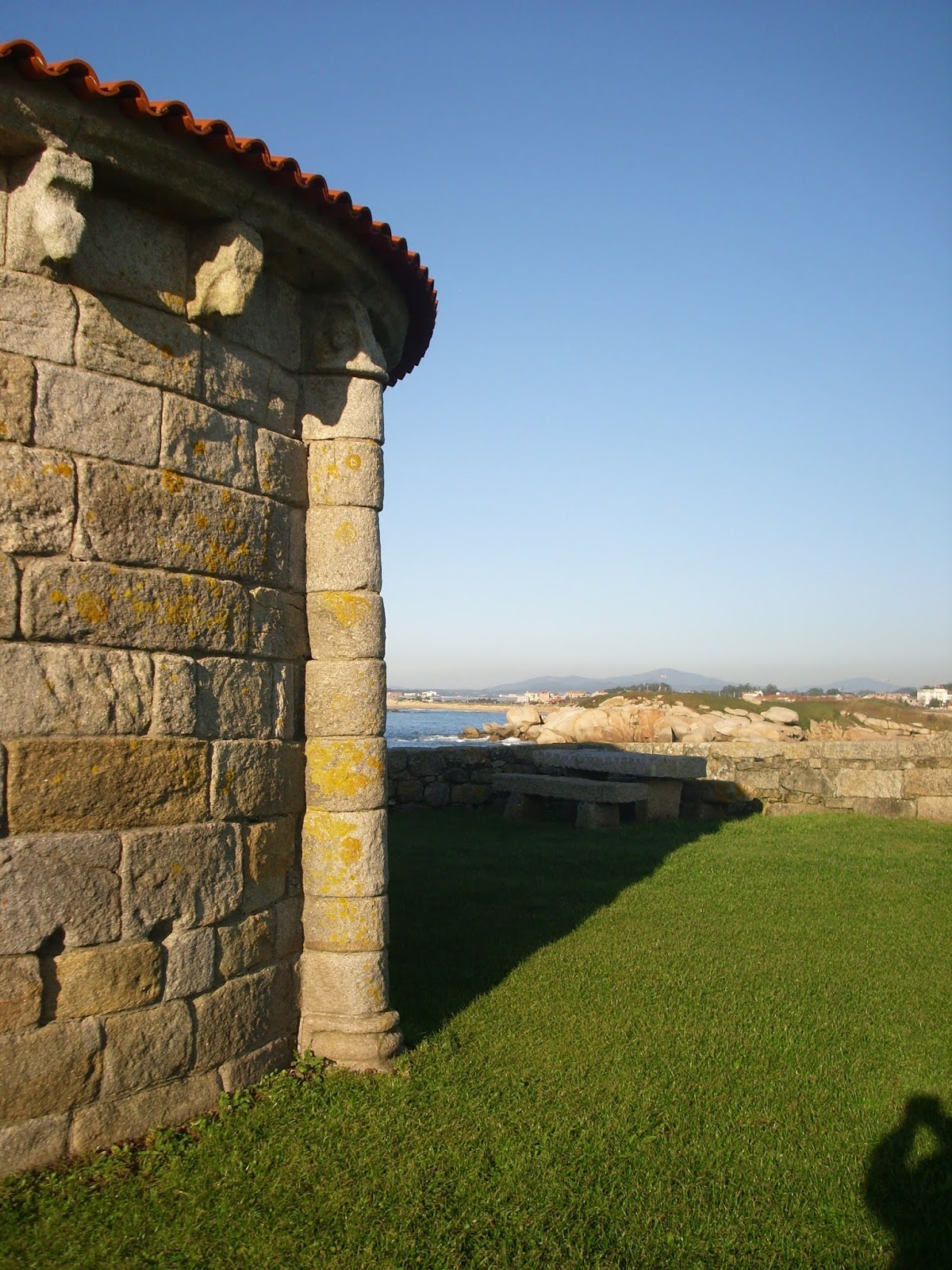
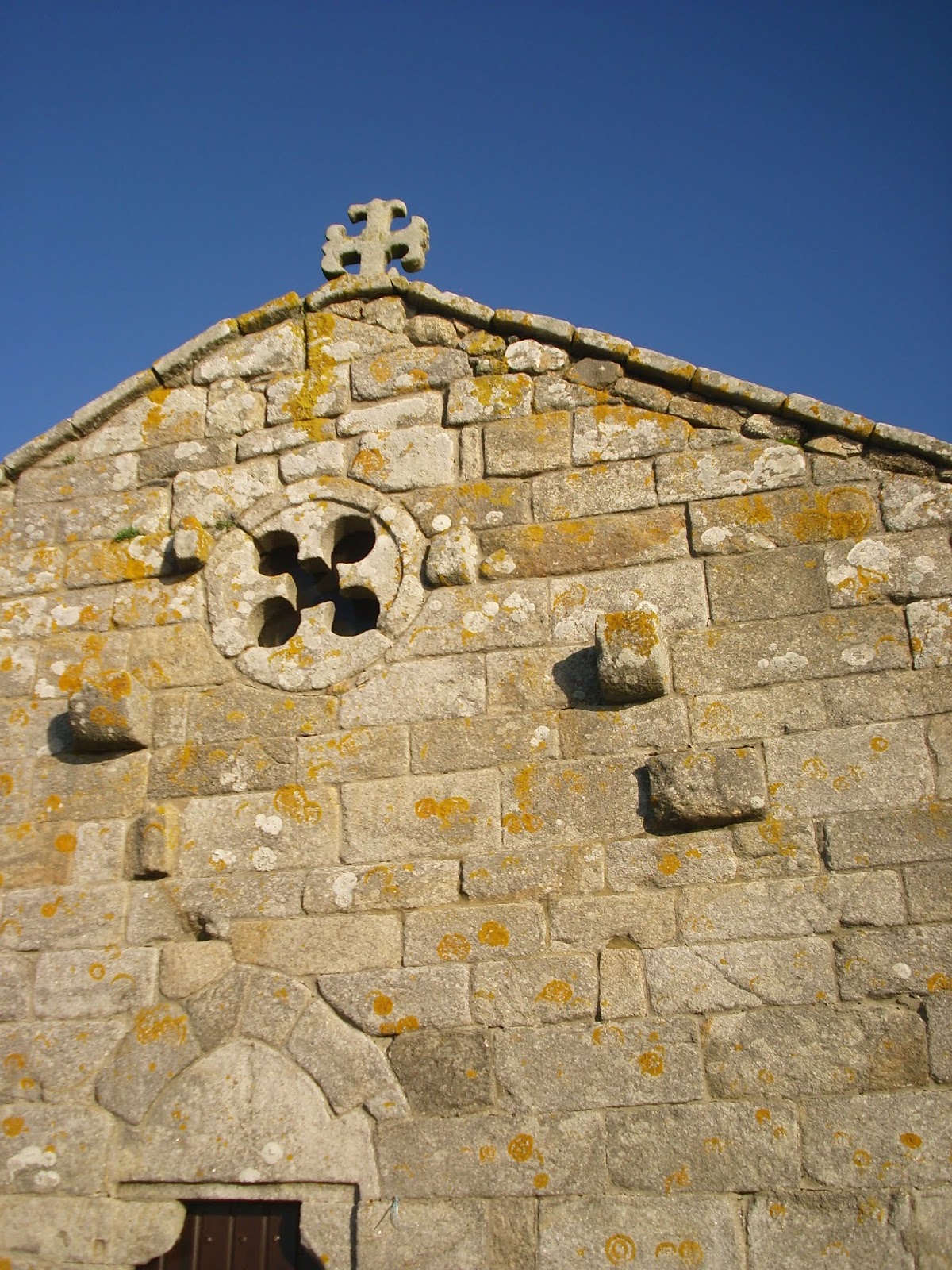
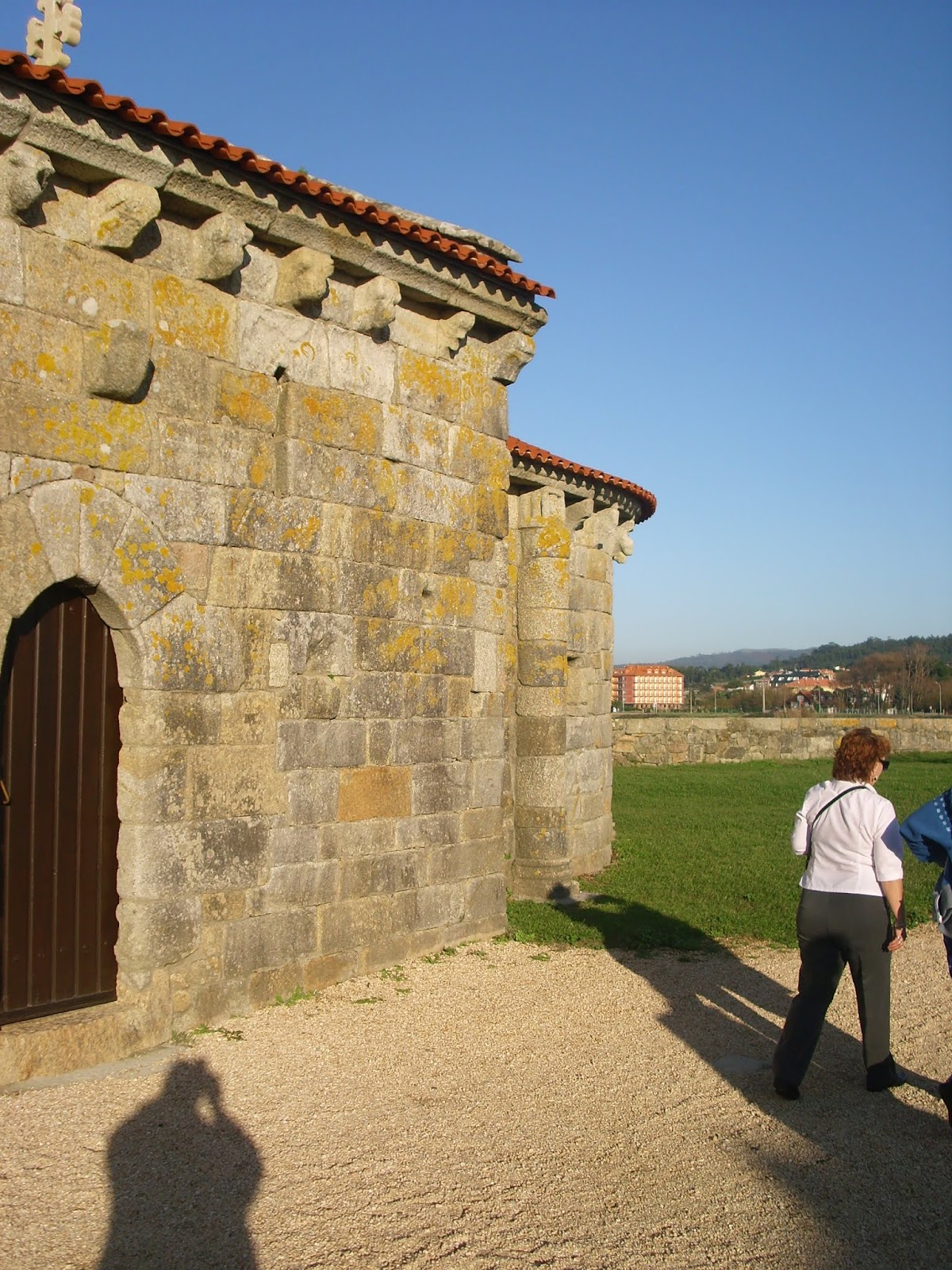
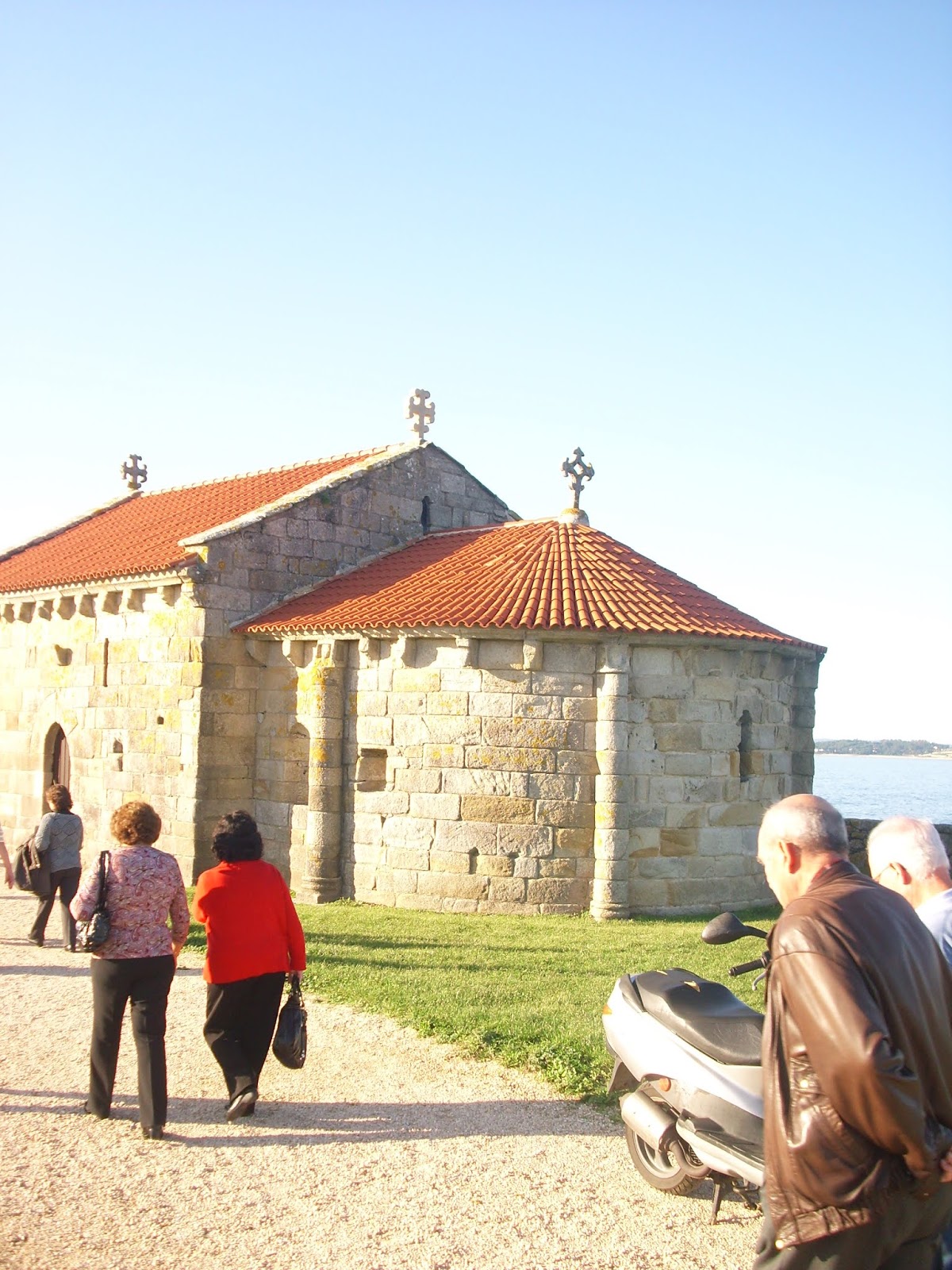
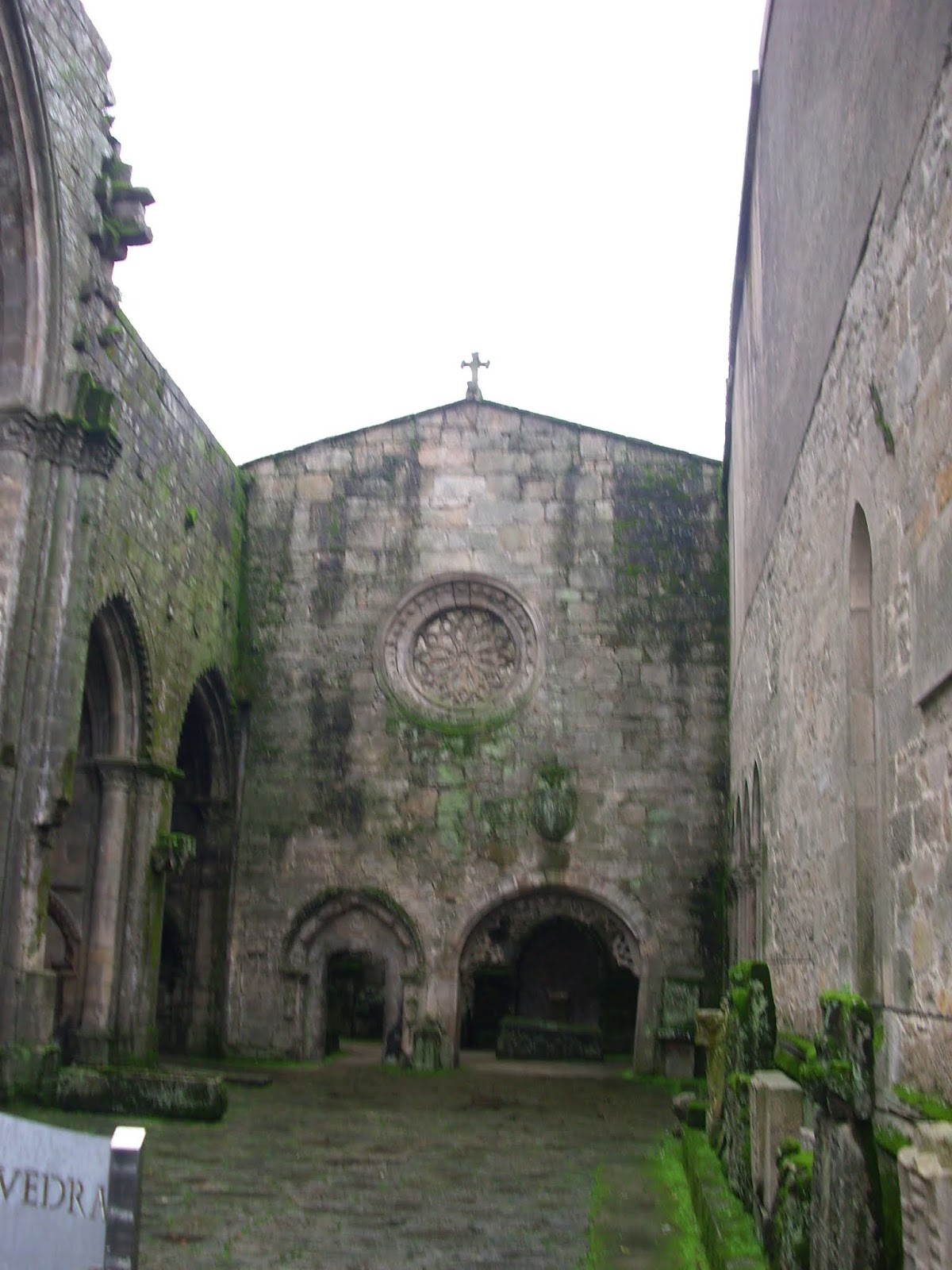
Es una de las joyas del románico rural margen oriental del Duero aguas abajo de San Saturio Berlanga y san Esteban de Gormaz para entender el espíritu que late dentro de estos capiteles, fustes, basas, columnas y gloriosa sillería hay que haberse empapado de las páginas del Poema del Mío Cid. Yo lo he hecho a lo largo de más de cincuenta años. Ya ha llovido desde aquel verano del año 66 cuando publiqué mi primer reportaje en SP que se titulaba “Ermitas abandonadas en el camino de Sepúlveda a Peñafiel”. Una mañana bajé en compañía del cura Laurentino y del alcalde Constantino a Peña Colgada (así llamamos al paraje de huertos y acequias) bajando por las pobedas, suiguiendo el curso del Rio Sacramenia que a la entrada de Fuentesoto tiene su hontanar. El bello ábside se había convertido en muladar. Unos iconoclastas habían destruido a hachazos una talla renacentista de Santo Tomás y habían hecho chisquereta junto a la credencia para guardar las vinajeras. Las paredes guardaban las señas del humo. El sagrario románico (en el rito mozárabe ancestral no se exponía el santísimo; el sacerdote consumía el sanguis y los fieles la oblea del pan bendito) conservaba las plumas y el ramujo de un nido de urraca pero el ara con reliquias del mártir del glorioso san Vicente estaba intacta. Dos arquillos ciegos a sendos lados de la epístola un lugar para sentarse (sedilia) y el evangelio daban solemnidad al recinto. Los oficios se celebraban de pie, desafiando al viento de Aquilón y los ojos puestos en el Este ─ex oriente lux ─y el pueblo fiel permanecía en pie la hora y media que duraban las misas “antes de los gallos cantar”. El templo orienta a levante y el preste oficiaba a de espaldas al pueblo mirando a Jerusalén. Los capiteles son un primor de frescura y candorosa espontaneidad tosca. Dan la apariencia de haber sido cincelados ayer mismo. Un obispo con báculo y sin mitra bendice con los dos dedos de la mano diestra enguantada la mano en una ─ quiroteca Dextera Patris ─. Representa al titular de la iglesia el mártir Vicente origen en España del culto vicentino muy importante entre los visigodos aunque también pudiera ser san Gregorio el personaje. A la derecha nos miran dos harpías que se abrazan el cuello retorcido. Representan al ave Isis, que se hacía sangre a sí misma para alimentar a sus polluelos. Los egipcios la veneraban como ánade sagrada. Debía de ser este pájaro mitológico hoy extinto de la familia del pelicano y que siguen venerando los coptos y los egipcios en sus ritos. Desde otro capitel se asoma el ojo de Ra que todo lo mira y todo lo ve en una ruda representación facial combinándose con los caulículos de las ramas de una palmera en representación forestal. La palmera ocupa el centro decorativo y troncal de san Baudelio de Berlanga y el ave del Paraíso se estira en los frescos y capiteles de san Esteban de Gormaz. Un misterioso parentesco enlaza el arte románico de este solemne tiemplo circular que no pudo ser acabado a causa de una de las frecuentes razzias del sarraceno y los conjuntos sorianos. Durante muchos años me ha perseguido la mirada de ese obispo que surge exaltando y bendiciendo entre palmeras y ese cordero pascual o esa oveja descarriada que vulgarmente evidencia el ademán del buen pastor dando la vida por sus ovejas. El románico es una didáctica cincelada para gentes humildes que no sabían leer pero que escuchaban en las misas campesinas la Palabra. He de felicitar, para concluir, a los buenos cristianos de Fuentesoto y a los que no lo son pero que aprecian el arte e intuyen el valor ancestral de estas piedras sagradas. `Por la generosidad y celo con que han reconstruido este hermoso templo. Hace medio siglo lo utilizaban de pajar y hoy es una hermosa y recoleta iglesia románica donde me acerco a orar para dar gracias a Dios por el tiempo fenecido y a rogar por mis difuntos en la memoria de san Vicente bendito patrono del Pueblo de Peñacolgada anejo de Fuentesoto junto con Tejares.
Posted: 31 Aug 2019 06:07 AM PDT
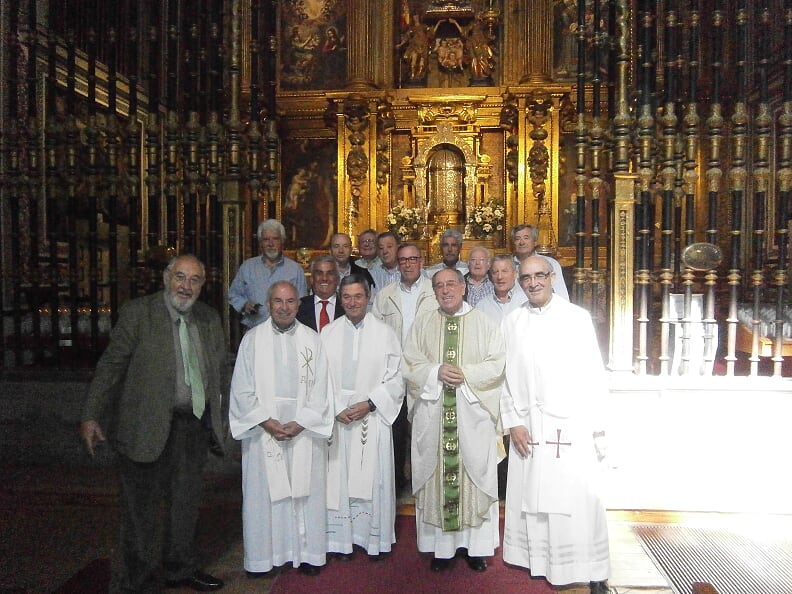
POR FIN NOS REUNIMOS LOS DE LA PROMOCIÓN DEL 55. ¡BENDITO SEA DIOS!
Será el 5 de septiembre en nuestro viejo seminario de Segovia, aquel caserón herreriano en el que enseñó Retórica Diego Laínez, el segundo prepósito después de Aguaviva.
En la noche del 9 de agosto, acababa de bisbisear Completas en honor del santo del día: el Santo Cura de Ars, patrono de los párrocos.Todo un síntoma.Siempre le tuve una gran devoción a este cura francés que, corto de luces, y al que siempre tumbaban en latin y estuvieron a punto de negarle las ordenes del presbiterato porque era un negado para el musa /musae pero a fuerza de tesón y con las ayudas y remaches de Sancti Spiritu llegó a dominar la lengua de la Iglesia con la elegancia de un Agustín, de un Cicerón.
Bueno no tanto; pero san Juan María Vianney -en su persona hablaba elocuente el poder de la gracia- le hizo un corte de manga a Voltaire y fue uno de los héroes de la Iglesia que más pelearon contra el diablo, viviendo una época terrible para la iglesia francesa como fueran los días antecedentes a Termidor y al terror de los enciclopédicos muy liberales, equitativos y fraternos pero que acabaron cortando cabezas.
¿No me digan que tales membranzas nos llevan al hic et nunc actual?Cada día tiene su afán y cada tiempo de la iglesia su santo.Pero hay que dar la cara. Y él presentó cara y batalla contra Satanás con el que sostuvo una lucha atroz; fue uno de esos santos valederos para mí al que profeso gran devoción casi desde niño.Por desgracia no todos podemos ser el Cura de Ars.
Entonces sonó el móvil y al otro lado del espacio estaba Ángel San Vicente, el que saltó tan alto “que llegó a cura” (era el cabo gastador del curso) y hoy curaalmas de Basardilla y de no sé cuantos pueblos más de nuestra querida diócesis de Segovia, la sede de san Geroteo, si no la más antigua de España al menos una de las que siempre conservó una recia personalidad.Era una voz que no escuchaba yo en medio siglo o más, la del querido compañero, el pipi alto, buen defensa en el equipo y que no ganaba su padre para sotanas, pues cada semestre crecía un palmo, y sostenía aquel tono firme y joven de misacantano cuando arrecharon bandera blanca en la torre de su pueblo, allá en Valverde de Majano hace ya la tira de años.
Pues “business as usual” y “decíamos ayer.Más de medio siglo ha transcurrido peroen las mismas estamos creo que entonces, cada uno portando su cruz, dueño de sus esperanzas, alegrías, desesperos y fracasos.Seguimos en las mismas, algo más viejos y vencidos por la edad.Veteranos pero no anquilosados ni caducos (¡qué más quisieran nuestros enemigos y los que nos persiguen!) y hombres de hoySan Pablo decía: os derriban y no podrán remataros.Por más que la ley de las horas inexorables haya pintado de nieve nuestras colodras, los que todavía conserven el pelo, que algunos estarán calvísimos.
Pues fue todo un síntoma lo de la fiesta del Santo Cura de Ars y el libro que tenía yo entre manos que era la Epístola Ad Romanos donde se descubre a los enemigos de siempre que ponen chirlas en el zapato de los pobres apóstoles y chinas en las cáligas de los venerables obispos.Son siempre los mismos: la misma rebeldía, esa protervia, ese odio contumaz a la cruz.Idénticos argumentos.No cambian el chip.Sin embargo, no dicen una verdad y, carentes de escrúpulos o de entrañas, hacen pasar por verdadero lo falso.
La paz significa guerra en su lenguaje; pacto, rendición; laicismo, anticristianismo o ateísmo; Violencia de género -y esta es una sociedad violenta- destrucción de la autoridad paterna, patente de corso para el libertinaje y el adulterio, y emasculación del macho al que las feministas quieren transformar en hombre objeto, en papel decorativo de zángano de colmena; inmigración quiere decir invasión.Hablan de solidaridad a todas horas pero ninguno cree en la Caridad cristiana.Y ubi Charitas et amorDeus ibi est, nos recordaba el papa meses atrás en una encíclica, glosando al augusto Agustin.Como han puesto todo del revés y adoran la cruz inversa, todo es posible, todo les está permitido pues su poder carece de límites.Cuentan con el ejecutivo, el legislativo, el judicial, y la massmedia.Ahora tratan de someter a la SRI bajo su férula y esto es lo que más me encorajina a mí.
Así ya se puede, abusones, los ministerios de la Verdad están en vuestras manos.
San Pablo, duro con ellos, se las tuvo tiesas con esa estirpe de adoradores de Belial, y por eso lo degollaron. Pero en fin él fue alférez de nuestra lucha.Y todavía algunos, en medio de nuestras dudas, vacilaciones y humanas miserias, militamos bajo sus banderas.
Alguno tiene que volver a cantarles las cuarenta.Alguno ha de colocarle el cascabel al gato.Al calducho.Al calducho. Ex ore infantium etlactantium y, si no habláis vosotros, serán las piedras las que tengan que contar el caso.
Te entiendo, Remondo, ya sabes, el chiste que nos contaba don Valeriano en tercero de latín de aquel que cruzó una apuesta con uno.A que le digo al alcalde lo que es en sus propios morros. ¡A que sí! ¡ A que no!Ya veremos.
Fueron entonces convidadosa una matanza.En la mesa se sentaba el alcalde cacique y tiránico de aquella localidad.Sirvieron el primer plato.Y el buen munícipe algo tirano tuvo ración doblada de “entre claveles y rosas su majestad es coja”.El que estaba en la matanza muy bien pudiera haber sido George Bush y su cohorte patibularia de Warmongers agitadores profesionales y profesionales del agit propque pasan por ser honestos, gente decente y de confianza en apariencia de un probidad.Por dentro son malvados.Aquellos sepulcros blanqueados a los que se refiere Nuestro Señor.
Y ante la carestía de sacerdotes y la penuria de apóstoles ¿por qué no se hace uso de nuestros servicios en lo doctrinal o en lo pastoral a los que iniciamos la carrera y llevados por el ventalle del cambio que sopló sobre nuestra sociedad y la propia iglesia aportando muchas cosas buenas pero llevandose otras en lo atañedero a la fe y a la defensa de los valores cristianos, y que eran medulares a la esencia de nuestra religión [no me refiero a cambios accidentales a los que se daba tanta importancia] que han vaciado algunos aspectos del contenido de la fe, hoy sólo son reminiscencia, no fuimos capaces de culminar la carrera?Si nos llamarán yo gritaría inmediatamente: Adsum. ¡Presente!
Aportaríamos veteranía, un cierto conocimiento de los hombres y el amor imperecedero a la Iglesia por cuya libertad y exaltación oramos.Supongo que mi pregunta propuesta sonará a herejía en muchos oídos o inspirará la sonrisa de compasión que se dispensa a los ilusos y a los que a los ojos del mundo parece que no andan bien de la cabeza.Sin embargo, el pensamiento de Dios, y su lenguaje, va por sendas diferentes a las de los hombres.Toda nuestra esperanza está en Él.
Recuerdo a muchos obispos que andan también sumidos en la confusión de estos convulsos tiempos que la SRI hubo un tiempo en que era un poder independiente frente al poder civil e incluso plantaba cara a las tropelías y malfetrías de la jurisdicción.Añoro a aquellos Gelmírez, a aquellos Ximenez de Rada, caballeros con espuelas de oro que alternaban la mitra con el casco de acero pues vita militia est y eran capaces de defender a su grey incluso con la espada.Actualmente entre los creyentes crece una sensación de indefensión y de indiferencia.Parece que nos dicen: los cristianos a los leones.Habéis hecho las diez de últimas.Y sin embargo...
No he de callar por más que con el dedo, signando ya los labios ya la frente, silencio avises o menaces miedo, ¿No ha de haber un espíritu valiente? ¿Ha de sentirse lo que se dice, nunca decir lo que se siente[1]
Sus predios eran inviolables y la iglesia y los monasterios brindaban protección a los perseguidos.Acogerse a altana se llamaba esa figura y con esas intenciones yo diría que me gustaría refugiarme dentro del recinto sagrado de nuestro viejo seminario.Acaso esta ilusión no sea más que un sueño, un desiderátum quijotescos pero no sólo de pan vive el hombre.Y la fortuna ayuda a los audaces.
Hoy, en los días del pensamiento único y de las decisiones unilaterales aparentemente democrática pero fruto de la componenda y deltrapicheo, cuando unos pocos deciden el futuro de unos muchos, hay mucho trágala.Vive mucha más gente perseguida, ninguneada y pisoteada en sus derechos de lo que parece.Nos sume la batahola del doble lenguaje que alimenta el monstruo de la confusión, la contumelia y la tristeza.El pensamiento plano reclama sumisiones al Nuevo Orden y al Doble Lenguaje que pronosticó George Orwell.
Cunde la apostasía y eso es aterrador.En sus orígenes la Barca del Pescador alzó proa contra las olas del pensamiento único, plasmado en elsincretismo pagano y la férula ideológica del Sanedrín.Quizás tengamos que volver a los orígenes, aunque sin obviar los dos mil años de nuestra tradición milenaria, el martirologio, la liturgia y el rito latino (soy partidario de la misa y las preces en ese idioma, según las recomendaciones de S.S.Benedicto XVIy del celibato ad libitum de los presbiteros, una norma que es contingente, procedente de un canon del Concilio de Toledo , no de un mandato de los apostoles, y que no fue firme hasta el siglo XIV, a instancia de los papas de Aviñón para la iglesia latina), y todo lo demás se nos dará por añadidura.Toda religión ha de ser mistérica y culto de adoración, como legataria de los viejos ritos órficos.A veces el lenguaje de Dios no tiene porque entenderse.Pero está ahí.Es palabra de vida.
La Bestia, con todo, es muy fuerte. Convendría rezar con más frecuencia al Arcángel San Miguel y que la oración del “Sub tuumpraesidium” no se apee de nuestros labios.Tengo ganas de volver al seminario y cantarle salves al Virgen de los Tránsitos como lo hacíamos con tanto fervor e ilusión en aquellas sabatinas de Mayo.
Las verdades al lucero del alba.Aunque duelan.Retumbe sonora la voz de los diáconos.Ha habido una matanza en el Caúcaso y un tipo que debe de ser pariente de Stalin pues se llama Dzhigasvili o algo parecido ha organizado un holocausto en toda la regla y ha acusado a los rusos de la masacre cuando los autores de los bombardeos que asesinaron a victimas inocentes eran aviones norteamericanos.Vivimos en un mundo bronco donde nada es lo que aparece, donde se proclama la verdad útil.Un mundo plagado de trampas y de recursos torticeros.
Otra vez regresan las guerras de nuestros antepasados y nada menos que a una región tan peligrosa como es el Monte Ararat donde posó el Arca de Noé.Me perdería en consideraciones sobre arcas y alianzas pero preferí la noche pasada escuchar el responso doliente de un chantre ortodoxo que entona las preces desde un monasterio lejano en esta mañana de domingo a través de una radio lejana que las elaboradas explicaciones interesadas de los entendidos de la Sienén.Otra vez Rusia, la Rusia cristiana, fue agredida, y aquí se trata vender la idea de que fue la agresora.Nos rodean por todas partes los profetas falsos y los manipuladores de la verdad.
Porque son breves nuestros días y nuestro paso por la tierra como el humo.La voz de ese monje sigue resonando en las cavidades lo mismo que la de mi viejo compañero de curso que hoy me ha llamado.“Alcalducho”.“Alcalducho”.Bueno vayamos al caldo que luego vendrán las morcillas.Por fin nos reunimos.Loado sea Dios.
No estamos viejos.Solo de cuerpo.Pero nuestro amor a los hombres no menguó y seguimos tan ilusionados con el mundo, amando a los hombres como entonces.Claro que ya vamos de vencida.Pero la palabra y el amor el verdadero amor que conocimos en el viejo caserón alguna veces a palo pero ello no es óbice para que sigamos amando a la iglesia, aunque la critiquemos pues las cartas cantan y así lo dicen las epístolas de San Pablo. Una cosa es la cáscara, lo exterior, y lo que es accidente y otra la medula eterna de nuestra comunión con Cristo.
El día 5 de septiembre a la sombra del la aceitera estaremos dispuestos a entonar un Te Deum, con la secuencia del Veni Creator o el himno de San Frutos, si nos vaga.Acudid a la cita, hermanos.Hoy estoy lleno de ardores.Día de San Lorenzo diácono de Huesca.Ando en ascuas.Ya soy tostoncillo asado de un lado y pediré al pretor que me den la vuelta.No cabe el regreso al pasado.Esa es mi oferta.Y las condiciones para la vuelta al redil, consignadas arriba.Mi fe no es más que la fe de la Iglesia, aunque tal vez esté soñando con los ojos abiertos. ¿Un iluminado?Ese remoquete ya lo he escuchado unas cuantas veces.Pues bueno.Pax vobis, mis queridos pipis.Paz y Bien.
65 AÑOS DEL INGRESO EN EL SEMINARIO DE LA PROMOCIÓN DE 1955.
Parece que fue ayer cuando un grupo de muchachos asustados pero entusiastas recorrían las calles de Segovia con los colchones y baúles en carretillas tirados en tracción de sangre por maleteros ad hoc por maleteros que sudaban la gota gorda. Muchos era la primera vez que pisaban la gran ciudad proviniendo depueblos de la provincia y de la diócesis que entonces era mayor que en la actualidad. Penetramos por el postigo del Consuelo o subimos zarceando por la cuesta de san Juan o por la calle Real. Con mirada atónita y recién apeados de los coches de linea (Galo Álvarez, la Sepúlveda o Gutiérrez los de Aranda) iban los que venían a hacerse curas y a estudiar las declinaciones del musa-musae, la aritmética, la gramática, la retórica, y en todo caso la Teología y la Filosofía. Llevamos en las entrañas metido a todo Aristóteles y nos aprendimos de pe a pa las súmulas de santo Tomás. Claro que alguna vez topamos con algún que otro silogismo cornudo. Fue una formación arcaica pero, sólida, con mucho fundamento la recibida, de acuerdo con las sapiencias medievales del Trivium y el Quadrivium y el bel canto.
Veníamos a acogernos bajo la sombra de la sombra de la Aceitera en aquel vetusto y bien cuadrado caserón que había sido casa de la Compañía y preparatorio del tirocinio jesuítico en Alcalá. Lomandó construir Felipe II, en honor de su esposa y que aparece en un cuadro que está sin terminar al lado de la Epístola en la iglesia del Mayor los ojos abiertos como platos. Porque nos tocaba vivir algo de la edad media. Y el mundo cambió bastante desde entonces.
Íbamos a pasar la niñez la adolescencia y parte de la juventud a la sombra de la Aceitera la torre más alta de la ciudad, parte inconfundible del perfil amurallado de Segovia, que retaba a duelo a la inmensa cúpula de la catedral y vigilaba la sierra. Con su admirable esbeltez del gótico tardío. Han pasado 65 años y parece que fue ayer.
Con este motivo el próximo día 11 de septiembre, viernes, a las doce de la mañana en el Santuario de la Fuencisla los que aun quedamos en pie de aquella promoción y alentamos la misma ilusión que entonces encanecidos pero con el corazón joven todavía puesto que repetimosuna y mil veces aquel salmo del introito de la antigua misa tridentina “ad deum qui laetificat juventutem meam” nos daremos cita en el amado santuario.
Están invitados cuantos segovianos deseen acompañarnos en nuestro júbilo. Para entonar un solemne Tedeum y una salve a la Virgen de la Fuencisla dándole gracias a Dios por esta vida que nos ha dado y conservado y por esa gracia de haber formado parte de aquellos seminarios atestados que fueron la gloria de la iglesia.
La vida de seminario nos marcó a todos para bien y para mal. Tanto a los que fueron curas como los que no llegaron al altar. Fue un carisma y acaso un signo que llevaremos de por vida marcado en nuestras frentes.
Vaya pues nuestro agradecimiento a la iglesia y la rígida formación que nos dieron aquellos operarios diocesanos que luego nos sirvió en gran medida para bandearnos en la lucha por la vida y orientarnos en los avatares de nuestra existencia.
Nuestra promoción – los pipiolos del 55 – de los 85 que éramos en el curso— 30cantaron misa lo que es un buen porcentaje. Fue la última promoción antes de las muevas reformas litúrgicas del Concilio Vaticano II. Ungidos fueron veintitantos de los nuestros por aquel gran obispo de Segovia un verdadero santo don Daniel Llorente de Federico.
Después de nosotros vino el diluvio, empezó la desbandada.Los seminarios se despoblaron a tenor con el espiritu de los nuevos tiempos y de las condiciones de la sociedad. Las masas agrícolas se desplazaron a la gran ciudad. Otro tipo de sociedad. Otros alcances en el tránsito de la cultura rural casi milenaria que añoran tantos pero cuando entonces la vida era más incómoda, a la cultura urbana con sus inconvenientes y ventajas. El desarrollo económico. La motorización, la tecnología, el aggiornamiento la puesta al día en tantas cosas terminaronun cambio de rumbo en el mundo, en la Iglesia y en España.
Muchos de los nuestros, gracias a la formación recibida en aquellos claustros, alcanzaron puestos eminentes en el campo de la abogacía la medicina o la política, el periodismo, el mundo empresarial, la milicia.
Por todo eso y muchos más le damos gracias, Señor. Te Deum laudamus. Han transcurrido LXV años y parece que fue ayer cuando nos presentamos en la plaza de los Espejos con nuestros baúles, el pobre ajuar, nuestros colchones nuestras carretillas, nuestra ilusión y nuestro pasmo. Parecíamos pajarillos recién caídos del nido. Y han pasado 65 años. Toda una vida.
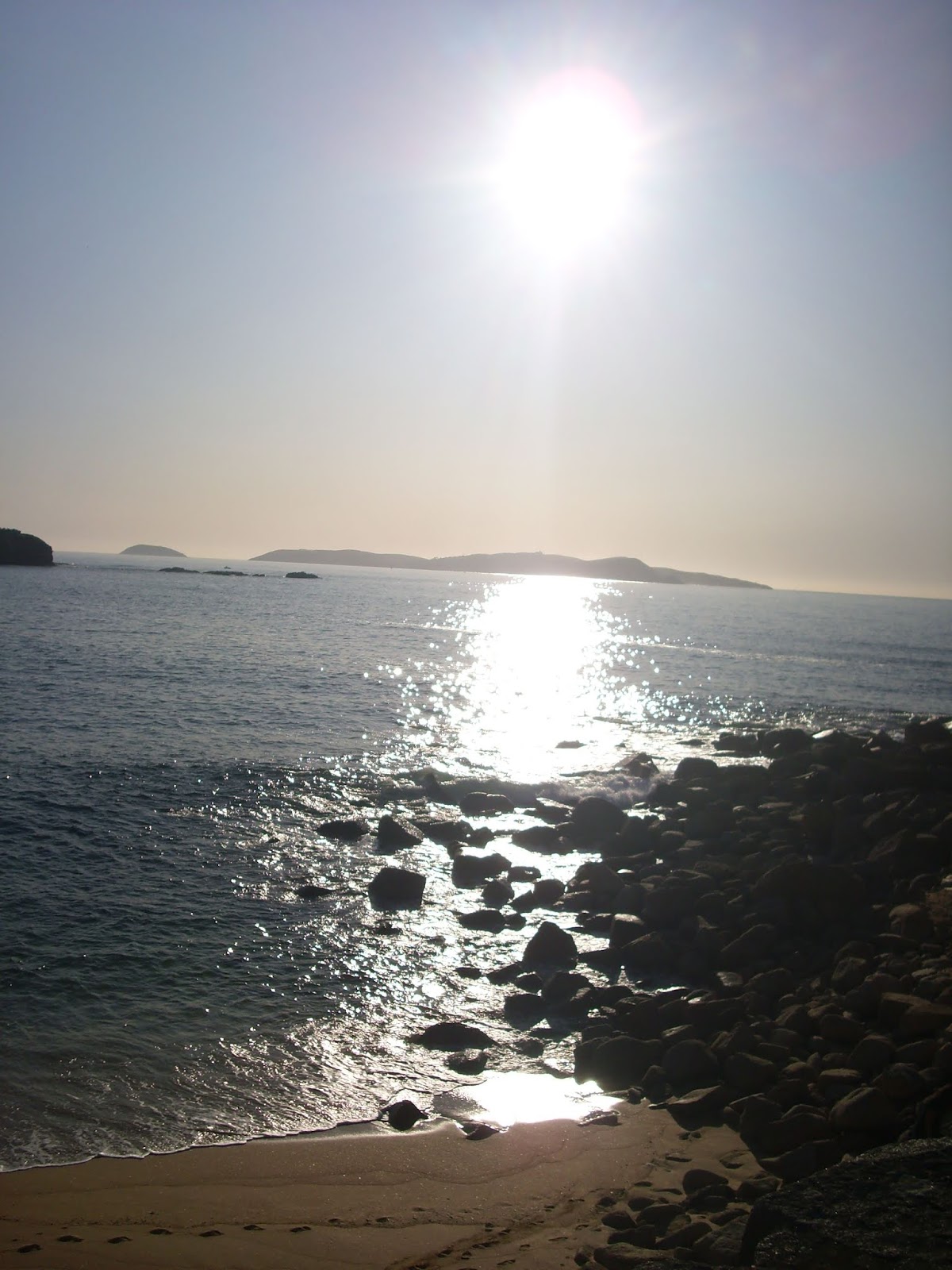
August could be the cruellest month of the year, being the crudest April, according to T. S. Elliot. However, there is not more pleasant time in this part of the world than the month dedicated by the Romans to the Sun [Solis invictus] and we belong to an heliocentric culture. Time to ripe and to reap. On apple and peach trees mature; nuts are ready for harvest. The heat of the summer has reached its algid point. Grass is less green and cuts better, light is declining and there are shorter days. Views of the meadows behind our bungallow extended a luxurious Asturian green. Apples are not doing bad this season, considering the heavy heil we had by the end of May, and also peaches but plums gave nothing. The feast of the Assumption, in the West, or the Celestial Sleep to Heavens (Durmition, Yspeñie) precedes Saint Austins Day. Nature always rules and goes uncomittal of our worries and grudges Usually, over here, middle of the Cantabric Ocean, we have the big tides, called by the sailing people the Swells of San Agustín. Spanish cities empty themselves, every body going to the sea side, not so many, though, this 2008, wirh the crisis, the crumbling of the industry of the birck, the dole cue getting bigger and bigger and half of the subsaharian youth arriving at Canaries, uninvited. In spite of that, Madrid closes for holidays amd there is an air of uncorcerned broadmindness. July and June could be tough but in August, relax. Forget the adrenaline. The beach of San Pedro is also beautiful in this radiant Thursday with blowing northeastern wind. The high cliffs covered with blushes and its vegetation of thicket seem, seem to precipitate over the yellow sands, their rocks ready to feel the caress of the waves. This apparent neutrality of the landscape (it was just the same over the years and over the centuries) and the amiable atmosphere contrast with the inner current under the surface. Hay mar de fondo. No swimming allow. Red flag on the beach. Laying on the sand I try to read a paper. The headline depict a panorama of wars and quarrels contrasting with the atmosphere of pleasantness confronting me. Bush has don it again. Here we are in a situation that is much the like that the crisis of Yugoslavia 15 years ago and gave leeway to the independence of Kosovo and a complicated situation where genocides were rampant. Of course, at this juncture, there is a double standard. You are a bunch of warmonger. Why do you snatch our tranquility? Nato went in, reportedly to defend the alienated rights of the minorities of Kosovares Muslim, against the Serbs Christians of Eastern Orthodox confession. nobody talked of the crimes and atrocities perpetrated by the Albanians. Paradoxically, being Saracens, the goodies of this Western to the Germans, to the French, to the Italians, to the British. Now Russia has acted in the legitimate defense of the lives, households and possessions of the Osetians of Russian extraction who had been attacked by the Georgian and their towns and villages bombed by planes of Georgian flag. A whole undercover operation pursued by the Yanks. They have used as a Quisling by their own standards and to service their strategic interests the Georgian president, a certain Zakackersvilli. The resemblance of this individual with Stalin’s surname, who was by the way a Georgian, born and bred in the town of Gori, also the resemblance is by his insolence and cunning. This guy acts as the perfect Mafioso, entering the gang of the big gangsters: Bush and his cronies ( Zarkossy, le petit juif, Angela Merkel the German Chancellor who talks with frenillo, since her vowels come as muzzled up, and Dona Gondolezza-esa) has done it again. Tiflis hits Osetia and Moscow replies back repelling the aggression. then Tiflis calls Uncle Sam and Uncle Sam threats. These are tactics used by the big cons of Mafia. Russia alleged that its intervention took place on the frame of guarantee human rights pf a minority abused by the thugs of Zackervilli. The Westerners refused such explanation. that is what they called double talk, double standards. And not only that the Pentagon, adding wound to the injury, uses another trump card to tighten the strategic circle against Moscow setting up in Poland a dozen of war head nuclear launchers. Warsaw, after Wojtyla, with his indecent form of nationalistic Catholicism is another Quisling the American hold neigh to the Russian Border. Praise the Lord and pass the ammunition. back to square one. We are again hearing the language of Cold War. That s why we say August is a beautiful month but dangerous. In August we remember Sarajevo. The II W.W exploded in its last day in 1939. And in the 6rh and 8th the nuclear attacks against two innocent cities like Hiroshima and Nagasaki. The Yanks are specialists in terror bur they are clever enough to blame the others for the genocides they commit. George Bush, bullying the Russians, acts dangerous. he is not a very good fellow. at this rate his name shall be written below those of Nero, Caligula, Herodes, Nabucadonosur and other hideous tyrants. And that is how his name will go down in history. And the worst: he justifies his atrocities to be done on the name of Democracy. Today many people who were swimming enjoying the mild waves and the freshness of northern midsummer were in an attitude of getting away from all that. A man was reading a Sport daily. His beautiful and young wife and his daughter adolescent shared his lie down on the arena. No Politics please we are Spaniards. The papers and the newsreels are quite alarmist. A hot Autumn ahead. There is not a sensation of panic but a feeling of surrender. I felt among this platitude the odd man out. Perhaps because I think too much and there is no room for ideals this day and age. But in the Caucasus there’s is a war and that war could mean that trouble is looming. That region keeps certain notion of apocalypses. It reminds us of Noe´s Ark who landed by Mount Ararat. And it was the center from which irradiated Christianity. There is also a petrol pipe line. To cut it shall signify to strangle the prosperous Russian economy. Moscow has reacted with exigency and quick. Georgia is not Kosovo. For the moment Russia won the battle in the battlefield. His diplomatic maneuvers led also president Mevdeved to a moral victory but if I were him I should not trust the Americans. Bush is clumsy, and tricky and also a warmonger. A real threat to peace in the world. That red flag in the beach sent alarm signals of preoccupation. We live a life of hidden violence that you don’t see. But there are very destructive currents coming from underneath. It was a wise advice today. No swimming. You can be drowned by the tow of the surf. The world is in a quagmire. Even the Pope Benedicts published a biased declaration against the Russian siding up with Merkle and Bush. He did not condemned but condoned the previous aggression by Georgians to the Russian Osetians. What can you expect, though? The Pope is a German.
nunca falta un judas ni alguien hijo de puta como Valdivieso, Maroto y Herguerdas en todo cenaculo. El problema que plantea cmi novela Seminario Vacío la falta de caridad en la iglesia frente a las prédicas de los eclesiásticos. Entre los clérigos y ex clérigos católicos no manda la caridad sino la ferocidad y la falta de caridad unos con otros. He dicho
Posted: 30 Aug 2019 08:18 AM PDT
DONILLEROS Y SILLAS COPRONICAS
Nuestras teles son la taza del inodoro
Sillas coprónicas
Cagandp mierda a toda hora
A pescado del coño y lavativa terminal
España huele mal
Sangre y esperma
Los violadores en cuadrilla
Bajan a Benidorm
Gritando vivas y mueras a san Fermín
Fuerzan a las mujeres
Esto es la guerra
Y ellas se ponen a tiro
Van descocadas
Pidiendo guerra
Las moritas con su almaizar
Griñón y tocas
¡Quien las desnudará!
Son las novias de Alá
Métemela toda un cacho
Nunca entera
Sexo estéril
Desnudeces y culos al aire
Más tarea para los jueces
hispanos
Yo soy el donillero
De la suerte y la muerte
Sentado en el banco la cocina
Que miro y las veo venir
Ciclistas de luna menguante
Echando carreras
Por la alameda
Es un esferidero la pradera
Todos los días gimnasio y Casa de Campo
Cuida tus mollas
Los perros nos laten
Ladrando improperios sin cabalgar
Embolismos chanchullos repeticiones del telediario
¿Qué fue de aquellos principios religiosos de los años cincuenta, sesenta y setenta?
27 de Agosto del 2019 - Ángel Alonso Pachón (Getafe)
Muchos jóvenes, allá por la década de los 50, ingresaron en centros educativos pertenecientes a órdenes religiosas. Eran conocidos como centros de formación para posibles futuros religiosos.
El tiempo, la reflexión personal y las decisiones internas iban haciendo una selección de futuros religiosos: postulantes, novicios, religiosos, sacerdotes...
Eran tiempos de religión selectiva, rígida, estatalizada... Las bases de la formación estaban sustentadas en la doctrina moral tradicional de la Iglesia.
Las virtudes eran ideales de perfección. La fe, la esperanza y la caridad eran Dios, ¡solo Dios!. A pesar de la rigidez hierática de las normas, los profesos recibieron una formación religiosa sincera, profunda, comprometida...
La criba de la vida fue repartiendo por el "mundo" a muchas personas desencantadas, derrotadas y, en algunos casos, expulsadas. Todas ellas, sin embargo, no borraron su pasado. Lo llevaban dentro, esculpido.
Han pasado muchos años, estamos en el 2019 y aquellas personas abrazan ahora la ancianidad. La mayoría la abrazan con los recuerdos y con los principios que les inculcaron en sus internados, noviciados, escolasticados...
Sin embargo, la triste realidad de esos ideales truncados es que hoy ya no tienen la limpieza de aquellos años. Las verdades, duras verdades en muchos casos, se cuentan en las órdenes religiosas de forma suavizada, ocultando los detalles, las tragedias personales, las traiciones en nombre, dijeron, de la religión.
Hoy, internet nos da la posibilidad de conocer las compañías religiosas, las órdenes contemplativas, las "modernas fundaciones", engendros creados para tapar el fracaso vocacional.... Internet nos abre la historia... Historia de medias verdades... Historia llena de tapaderas si son ofensivas para las órdenes... Historia mediática... interesada... Se ocultan nombres, hechos, escándalos, mentiras...
Basta con buscar "Colegio... Marianista", "Colegio... Salesiano", Colegio... Jesuita", "Fundación... para el seguimiento del Espíritu Marianista... Salesiano... Jesuita". ¡Cuántas medias verdades! ¡Cuántas virtudes difuminadas! ¡Cuánto dolor tapado! ¡Cuántas realidades coloreadas!
Leyendo en internet, uno llora la hipocresía con traje, que no hábito, de la moderna Iglesia...
Esa Iglesia que llenó de fe, esperanza y caridad a miles de jóvenes en los años cincuenta, sesenta y setenta... y que ahora disfraza sus realidades para no afear las órdenes", mejor dicho, las hipócritas "fundaciones".
Dormition of the Most Holy Mother of God in Rakovica Monastery
28. August 2019 - 18:23
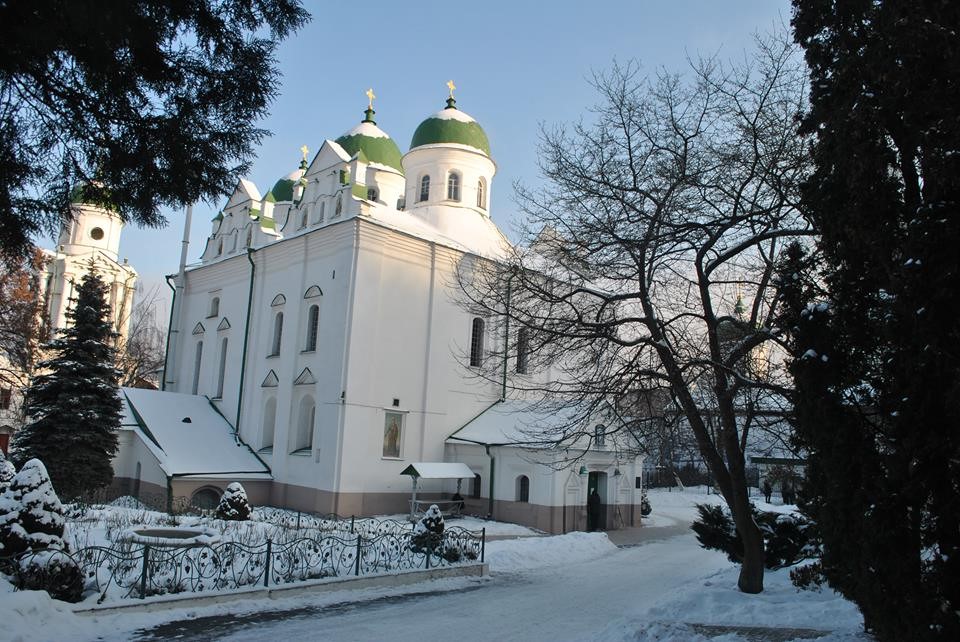
His Grace Bishop Stefan of Remesiana, Vicar of the Serbian Patriarch, celebrated the Holy Hierarchal Liturgy in the monastery Rakovica on the feast day of the Dormition of the Most Holy Mother of God, 28 August 2019.
He was concelebrated by protopresbyter-staurophor Dr Sava Jovic, Ignjat Tovarevic, Caslav Marinkovic, Jovan Blagojevic and Jeremija Starovlah, protopresbyter Milos Sarenac, protodeacons Stefan Rapajic and Mladen Kovacevic, deacons Savo Topalovic and Djordje Petrovic and readers Milos Saric and Milos Stamenkovic.
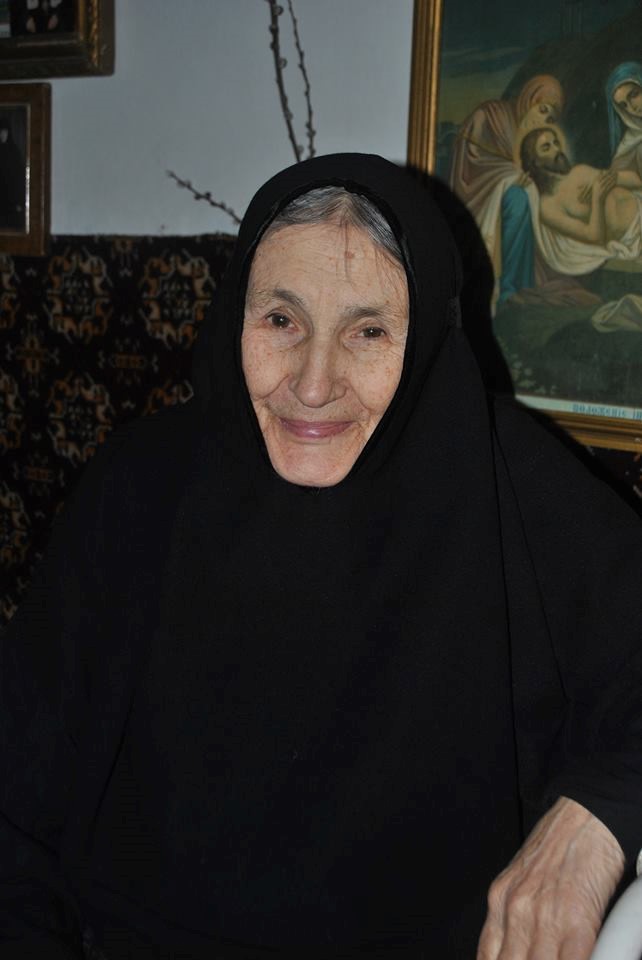
After the solem procession around the holy church, the Bishop broke the slava cake with abbess Eugenia.
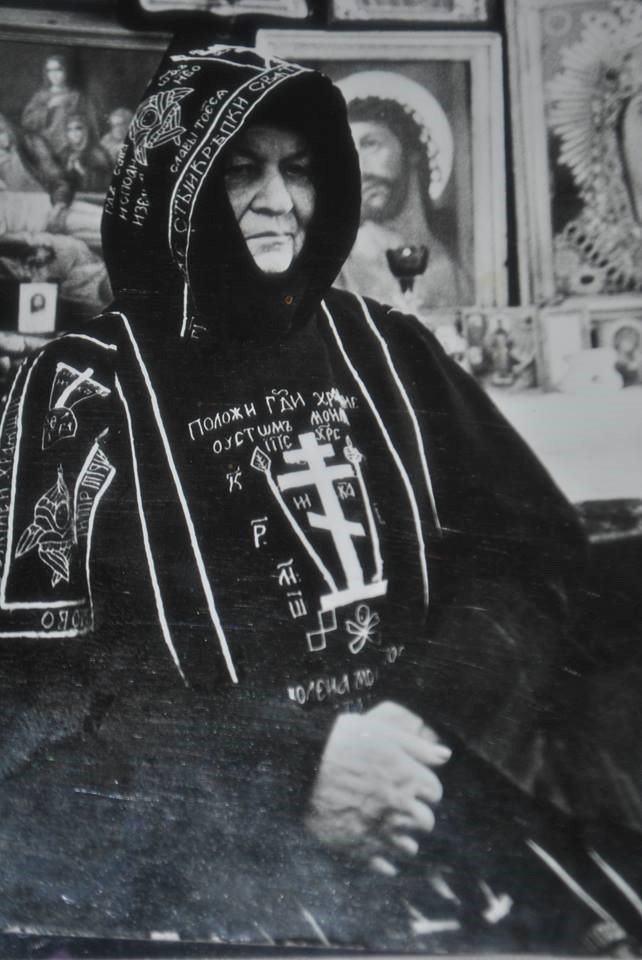
Valaam Monastery tonsures 15 monks during Great Lent
27. March 2018 - 15:17
The historic Valaam Monastery in Russia’s northeast has celebrated the rite of monastic tonsure three times so far this Great Lent, in the first and fifth weeks, thus adding 15 men to the monastery’s ranks. The men, previously living at the monastery as novices, have entered the riassaphore stage of monasticism, reports Valaam Monastery.
The tonsure as a riassaphore monk is the last step before the full monastic tonsure. At this stage, the monks do not yet take vows of poverty, chastity, and obedience. Monks are received gradually into the angelic way of life, so as to avoid hasty and rash decisions.
At the beginning of the rite, His Grace Bishop Pankraty of Troitsk, the abbot of Valaam Monastery, calls the novices by their usual names, announcing their new names for the first time upon completion of the tonsuring.
The first six monks arrived in 1989 to restore the hugely influential Valaam Monastery. There are now well over 100 monks laboring in asceticism there.
Source: Orthochristian.com (са енглеског Информативна служба СПЦ)
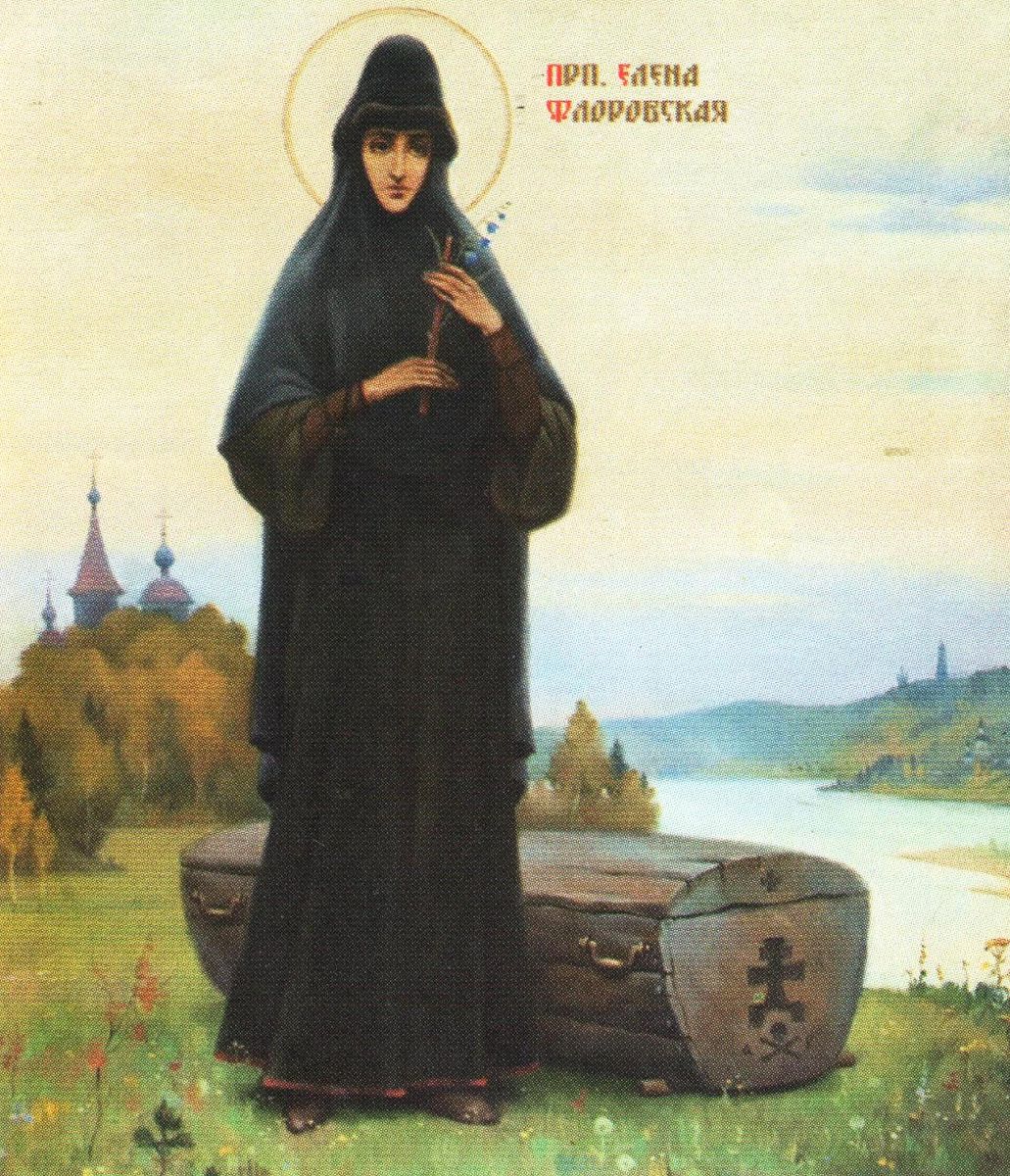
La isla de Valaam en Carelia, ubicada en el lago Ladoga, no es solo un lugar hermoso. Hay un increíble monasterio de Valaam. Tal es su atmósfera dura y fértil que la isla misma se ha convertido en un lugar de curación de enfermedades. Sigue leyendo: el acertijo hirviendo de Ladoga En el norte de Karelia se encuentra la misteriosa isla de Trinity. Según la leyenda, hay un silencio absoluto. No puedes escuchar a los pájaros cantando, en verano ni siquiera hay mosquitos ... Sí, y la bestia pasa por alto este lugar. Porque supuestamente no es simple: quien muera en esta isla, todos los pecados serán perdonados. La isla en sí siempre está oculta en la niebla. En el centro de la misma se levantan dos templos de troncos, una vez que había un monasterio o un asentamiento de antiguos creyentes. Las paredes de la Iglesia de la Trinidad de la Iglesia que da vida, construida en 1553, están cubiertas de musgo y líquenes. Un poco más lejos: la capilla del Salvador no hecha por manos. Frente a ella hay una gran roca, sobre la cual los justos se acostaron, deseando aceptar la "muerte blanca", habiendo quitado sus pecados. Después de que se erigió la capilla en 1602, se colocó un ataúd de madera en el interior, donde los que estaban en la isla comenzaron a morir. Además, los cuerpos en el ataúd no se descompusieron hasta que el siguiente buscador de una muerte fácil entró en la capilla. Alrededor de la iglesia: docenas de cruces desvencijadas cubiertas de musgo ... Dicen que muchos de los que aspiran a reducir sus puntajes a la vida y no quieren llevar la vida después del suicidio buscan la isla. Pero no hay camino a Trinity Island para la cobardía de los suicidios: todos regresan, asustados por el camino difícil y lleno de peligros a través del agua. Morir aquí, en el sentido literal de la palabra que ha confiado su alma a Dios, está destinado solo a los elegidos. Otro milagro del norte es una pequeña isla en el Mar Blanco llamada Kizhi (región de Arkhangelsk). El complejo del templo está construido aquí.
S. Introíbo ad altáre Dei. M. Ad Deum, qui lætíficat iuventútem meam. S. Iúdica me, Deus, et discérne causam meam de gente non sancta: ab hómine iníquo et dolóso érue me. M. Quia tu es, Deus, fortitudo mea: quare me reppulísti, et quare tristis incédo, dum afflígit me inimícus? S. Emítte lucem tuam et veritátem tuam: ipsa me deduxérunt, et adduxérunt in montem sanctum tuum et in tabernácula tua. M. Et introíbo ad altáre Dei: ad Deum, qui lætíficat iuventútem meam. S. Confitébor tibi in cíthara, Deus, Deus meus: quare tristis es, ánima mea, et quare contúrbas me? M. Spera in Deo, quóniam adhuc confitébor illi: salutáre vultus mei, et Deus meus. S. Glória Patri, et Fílio, et Spirítui Sancto. M. Sicut erat in princípio, et nunc, et semper: et in saecula sæculórum. Amen. S. Introíbo ad altáre Dei. M. Ad Deum, qui lætíficat iuventútem meam.
3
P. I will go in unto the altar of God. S. To God who giveth joy to my youth. P. Judge me, O God, and distinguish my cause from the nation which is not holy: deliver me from the unjust and deceitful man. S. For Thou, O God, art my strength: why hast Thou cast me off? and why go I sorrowful whilst the enemy afflicteth me? P. Send forth Thy light and Thy truth: they have conducted me and brought me unto Thy holy mount, and into Thy tabernacles. S. And I will go into the altar of God: to God who giveth joy to my youth. P. To Thee, O God, my God, I will give praise upon the harp; why art thou sad, O my soul, and why dost thou disquiet me? S. Hope in God, for I will still give praise to Him: the salvation of my countenance and my God. P. Glory be to the Father, and to the Son, and to the Holy Ghost. S. As it was in the beginning, is now, and ever shall be, world without end. Amen. P. I will go in unto the altar of God. S. To God who giveth joy to my youth.
V. Adiutórium nostrum ✠ in nómine Dómini. R. Qui fecit coelum et terram. Confíteor Deo omnipoténti, beátæ Maríæ semper Vírgini, beáto Michaéli Archángelo, beáto Ioánni Baptístæ, sanctis Apóstolis Petro et Paulo, ómnibus Sanctis, et vobis, fratres: quia peccávi nimis cogitatióne, verbo et opere: mea culpa, mea culpa, mea máxima culpa. Ideo precor beátam Maríam semper Vírginem, beátum Michaélem Archángelum, beátum Ioánnem Baptístam, sanctos Apóstolos Petrum et Paulum, omnes Sanctos, et vos, fratres, orare pro me ad Dóminum, Deum nostrum. M. Misereátur tui omnípotens Deus, et, dimíssis peccátis tuis, perdúcat te ad vitam ætérnam. S. Amen, M. Confíteor Deo omnipoténti, beátæ Maríæ semper Vírgini, beáto Michaéli Archángelo, beáto Ioánni Baptístæ, sanctis Apóstolis Petro et Paulo, ómnibus Sanctis, et tibi, pater: quia peccávi nimis cogitatióne, verbo et opere: mea culpa, mea culpa, mea máxima culpa. Ideo precor beátam Maríam semper Vírginem, beátum Michaélem Archángelum, beátum Ioánnem Baptístam, sanctos Apóstolos Petrum et Paulum, omnes Sanctos, et te, pater, orare pro me ad Dóminum, Deum nostrum. S. Misereátur nostri omnípotens Deus, et, dimíssis peccátis nostris , perdúcat nos ad vitam ætérnam. R. Amen. S. Indulgéntiam, ✠ absolutionem et remissiónem peccatórum nostrórum tríbuat nobis omnípotens et miséricors Dóminus. R. Amen.
4
P. Our help ✠ is in the Name of the Lord. S. Who made heaven and earth. P. I confess to almighty God, to the blessed Mary ever Virgin, blessed Michael the Archangel, blessed John the Baptist, the holy Apostles Peter and Paul, to all the Saints, and to you, brothers, that I have sinned exceedingly in thought, word, and deed, through my fault, through my fault, through my most grievous fault. Therefore I beseech the blessed Mary, ever Virgin, blessed Michael the Archangel, blessed John the Baptist, the holy Apostles Peter and Paul, all the Saints, and you, brothers, to pray to the Lord our God for me. S. May almighty God be merciful to thee, and forgiving thy sins, bring thee to everlasting life. P. Amen. S. I confess to almighty God, to the blessed Mary ever Virgin, blessed Michael the Archangel, blessed John the Baptist, the holy Apostles Peter and Paul, to all the Saints, and to you, Father, that I have sinned exceedingly in thought, word, and deed, through my fault, through my fault, through my most grievous fault. Therefore I beseech the blessed Mary, ever Virgin, blessed Michael the Archangel, blessed John the Baptist, the holy Apostles Peter and Paul, all the Saints, and you, Father, to pray to the Lord our God for me. P. May almighty God be merciful to us , and forgiving thy sins, bring us to everlasting life. S. Amen. P. May the ✠ almighty and merciful Lord grant us pardon, absolution, and remission of our sins. S. Amen.
V. Deus, tu convérsus vivificábis nos. R. Et plebs tua lætábitur in te. V. Osténde nobis, Dómine, misericórdiam tuam. R. Et salutáre tuum da nobis. V. Dómine, exáudi oratiónem meam. R. Et clamor meus ad te véniat. V. Dóminus vobíscum. R. Et cum spíritu tuo. Orémus, Aufer a nobis, quaesumus, Dómine, iniquitátes nostras: ut ad Sancta sanctórum puris mereámur méntibus introíre. Per Christum, Dóminum nostrum. Amen. Orámus te, Dómine, per mérita Sanctórum tuórum, quorum relíquiæ hic sunt, et ómnium Sanctórum: ut indulgére dignéris ómnia peccáta mea. Amen.
5
P. O God, Thou wilt turn again and quicken us. S. And thy people shall rejoice in Thee. P. Show us, O Lord, Thy mercy. S. And grant us Thy salvation. P. O Lord, hear my prayer. S. And let my cry come before Thee. P. The Lord be with you. S. And with thy spirit. Let us pray. Take away from us our iniquities, we beseech Thee, O Lord, that we may be worthy to enter with pure minds into the Holy of Holies, through Christ our Lord. Amen. We beseech Thee, O Lord, by the merits of Thy Saints, whose relics are here, and of all the Saints, that Thou wouldst vouchsafe to forgive me all my sins. Amen.
Introitus Ps 118:46-47. Loquébar de testimóniis tuis in conspéctu regum, et non confundébar: et meditábar in mandátis tuis, quæ diléxi nimis Ps 91:2 Bonum est confitéri Dómino: et psállere nómini tuo, Altíssime. V. Glória Patri, et Fílio, et Spirítui Sancto. R. Sicut erat in princípio, et nunc, et semper, et in saecula saeculórum. Amen Loquébar de testimóniis tuis in conspéctu regum, et non confundébar: et meditábar in mandátis tuis, quæ diléxi nimis
6
Introit Ps 118:46-47 I will speak of Your decrees before kings without being ashamed. And I will delight in Your commands, which I love exceedingly. Ps 91:2 It is good to give thanks to the Lord, to sing to Your name, Most High. V. Glory be to the Father, and to the Son, and to the Holy Ghost. R. As it was in the beginning, is now, and ever shall be, world without end. Amen. I will speak of Your decrees before kings without being ashamed. And I will delight in Your commands, which I love exceedingly.
Kyrie S. Kýrie, eléison. M. Kýrie, eléison. S. Kýrie, eléison. M. Christe, eléison. S. Christe, eléison. M. Christe, eléison. S. Kýrie, eléison. M. Kýrie, eléison. S. Kýrie, eléison.
7
Kyrie P. Lord, have mercy. S. Lord, have mercy. P. Lord, have mercy. S. Christ, have mercy. P. Christ, have mercy. S. Christ, have mercy. P. Lord, have mercy. S. Lord, have mercy. P. Lord, have mercy.
Gloria Gloria in excelsis Deo Et in terra pax homínibus bonæ voluntátis. Laudámus te. Benedícimus te. Adorámus te. Glorificámus te. Grátias ágimus tibi propter magnam glóriam tuam. Dómine Deus, Rex coeléstis, Deus Pater omnípotens. Dómine Fili unigénite, Iesu Christe. Dómine Deus, Agnus Dei, Fílius Patris. Qui tollis peccáta mundi, miserére nobis. Qui tollis peccáta mundi, súscipe deprecatiónem nostram. Qui sedes ad déxteram Patris, miserére nobis. Quóniam tu solus Sanctus. Tu solus Dóminus. Tu solus Altíssimus, Iesu Christe. Cum Sancto Spíritu ✠ in glória Dei Patris. Amen.
8
Gloria Glory be to God on high, and on earth peace to men of good will. We praise Thee. We bless Thee. We adore Thee. We glorify Thee. We give Thee thanks for Thy great glory. O Lord God, heavenly King, God the Father almighty. O Lord Jesus Christ, the only begotten Son. O Lord God, Lamb of God, Son of the Father. Who takest away the sins of the world, have mercy on us. Who takest away the sins of the world, receive our prayer. Who sittest at the right hand of the Father, have mercy on us. For Thou only are holy. Thou only art the Lord. Thou only art most high, O Jesus Christ. Together with the Holy Ghost ✠ in the glory of God the Father. Amen.
Oratio V. Dóminus vobíscum. R. Et cum spiritu tuo. Orémus. Sancti Ioánnis Baptístæ Præcursóris et Martyris tui, quǽsumus, Dómine, veneránda festívitas: salutáris auxílii nobis præstet efféctum: Qui vivis et regnas cum Deo Patre, in unitate Spiritus Sancti, Deus, per omnia saecula saeculorum. R. Amen.
Orémus. Pro S. Sabina Martyre Deus, qui inter cétera poténtiæ tuæ mirácula étiam in sexu frágili victóriam martýrii contulísti: concéde propítius; ut, qui beátæ Sabínæ Mártyris tuæ natalítia cólimus, per eius ad te exémpla gradiámur. Per Dominum nostrum Iesum Christum, Filium tuum: qui tecum vivit et regnat in unitate Spiritus Sancti Deus, per omnia saecula saeculorum. R. Amen.
9
Collect V. The Lord be with you. R. And with thy spirit. Let us pray. May the great festival of St. John the Baptist, Your Precursor and Martyr, we beseech You, O Lord, assure for us the results of Your saving help. Who livest and reignest with God the Father, in the unity of the Holy Spirit, one God, world without end. R. Amen
Let us pray. For St. Sabina O God, Who among the other miracles of Your power bestowed the victory of martyrdom even upon the weaker sex, graciously grant that we who commemorate the anniversary of blessed Sabina, Your Martyr, may come unto You by the path of her example. Through Jesus Christ, thy Son our Lord, Who liveth and reigneth with thee, in the unity of the Holy Ghost, ever one God, world without end. R. Amen.
Lectio Léctio Ieremíæ Prophétæ. Ier 1:17-19 In diébus illis: Factum est verbum Dómini ad me, dicens: Accínge lumbos tuos, et surge, et lóquere ad Iuda ómnia, quæ ego præcípio tibi. Ne formides a fácie eórum: nec enim timére te fáciam vultum eórum. Ego quippe dedi te hódie in civitátem munítam, et in colúmnam férream, et in murum æreum, super omnem terram, régibus Iuda, princípibus eius, et sacerdótibus, et pópulo terræ. Et bellábunt advérsum te, et non prævalebunt: quia ego tecum sum, ait Dóminus, ut líberem te. R. Deo gratias.
10
Lesson Lesson from the book of Jeremias Jer 1:17-19 In those days, the word of the Lord came to me, saying: Gird your loins; stand up and tell Juda all that I command you. Be not crushed on their account, as though I would leave you crushed before them; for it is I this day Who have made you a fortified city, a pillar of iron, a wall of brass, against the whole land; against Juda’s kings and princes, against its priests and people. They will fight against you, but not prevail over you, for I am with you to deliver you, says the Lord. R. Thanks be to God.
Graduale Ps 91:13; 91:14 Iustus ut palma florébit: sicut cedrus Líbani multiplicábitur in domo Dómini. Ps 91:3 Ad annuntiándum mane misericórdiam tuam, et veritátem tuam per noctem. Allelúia, allelúia Osee 14:6 Iustus germinábit sicut lílium: et florébit in ætérnum ante Dóminum. Allelúia.
11
Gradual Ps 91:13-14 The just man shall flourish like the palm tree, like a cedar of Lebanon shall he grow in the house of the Lord. Ps 91:3 V. To proclaim Your kindness at dawn and Your faithfulness throughout the night. Alleluia, alleluia. Osee 14:6 V. The just shall blossom like the lily; and flourish forever before the Lord. Alleluia.
Evangelium Munda cor meum, ac labia mea, omnípotens Deus, qui labia Isaíæ Prophétæ cálculo mundásti igníto: ita me tua grata miseratióne dignáre mundáre, ut sanctum Evangélium tuum digne váleam nuntiáre. Per Christum, Dóminum nostrum. Amen. Iube, Dómine, benedícere. Dóminus sit in corde meo et in lábiis meis: ut digne et competénter annúntiem Evangélium suum. Amen. V. Dóminus vobíscum. R. Et cum spíritu tuo. Sequéntia +︎ sancti Evangélii secúndum Marcum. R. Gloria tibi, Domine! Marc 6:17-29 In illo témpore: Misit Heródes, ac ténuit Ioánnem, et vinxit eum in cárcere propter Herodíadem, uxorem Philíppi fratris sui, quia dúxerat eam. Dicebat enim Ioánnes Heródi: Non licet tibi habére uxórem fratris tui. Heródias autem insidiabátur illi, et volébat occídere eum, nec póterat. Heródes enim metuébat Ioánnem, sciens eum virum iustum et sanctum: et custodiébat eum, et audíto eo multa faciébat, et libénter eum audiébat. Et cum dies opportúnus accidísset, Heródes natális sui coenam fecit princípibus et tribúnis et primis Galilææ. Cumque introísset fília ipsíus Herodíadis, et saltásset, et placuísset Heródi simúlque recumbéntibus; rex ait puéllæ: Pete a me, quod vis, et dabo tibi. Et iurávit illi: Quia quidquid petiéris dabo tibi, licet dimídium regni mei. Quæ cum exiísset, dixit matri suæ: Quid petam? At illa dixit: Caput Ioánnis Baptístæ. Cumque introísset statim cum festinatióne ad regem, petívit dicens: Volo, ut protínus des mihi in disco caput Ioánnis Baptístæ. Et contristátus est rex: propter iusiurándum et propter simul discumbéntes nóluit eam contristáre: sed misso spiculatóre, præcépit afférri caput eius in disco. Et decollávit eum in cárcere. Et áttulit caput eius in disco: et dedit illud puéllæ, et puella dedit matri suæ. Quo audíto, discípuli eius venérunt et tulérunt corpus eius: et posuérunt illud in monuménto. R. Laus tibi, Christe! S. Per Evangelica dicta, deleantur nostra delicta.
12
Gospel Cleanse my heart and my lips, O almighty God, who didst cleanse the lips of the prophet Isaias with a burning coal, and vouchsafe, through Thy gracious mercy, so to purify me, that I may worthily announce Thy holy Gospel. Through Christ our Lord. Amen. Give me Thy blessing, O Lord. The Lord be in my heart and on my lips, that I may worthily and in a becoming manner, proclaim His holy Gospel. Amen. P. The Lord be with you. S. And with thy spirit. Continuation ✠ of the Holy Gospel according to Mark R. Glory be to Thee, O Lord. Mark 6:17-29 At that time, Herod had sent and taken John, and bound him in prison, because of Herodias, his brother Philip’s wife, whom he had married. For John had said to Herod, It is not lawful for you to have your brother’s wife. But Herodias laid snares for him, and would have liked to put him to death, but she could not. For Herod feared John, knowing that he was a just and holy man, and protected him; and when he heard him talk, he did any things, and he liked to hear him. And a favorable day came when Herod on his birthday gave a banquet to the officials, tribunes and chief men of Galilee. And Herodias’ own daughter having come in and danced, she pleased Herod and his guests. And the king said to the girl, Ask of me what you will, and I will give it to you. And he swore to her, Whatever you ask, I will give you, even though it be the half of my kingdom. Then she went out and said to her mother, What am I to ask for? And she said, The head of John the Baptist. And she came in at once with haste to the king, and asked, saying, I want you right away to give me on a dish the head of John the Baptist. And grieved as he was, the king because of his oath and his guests, was unwilling to displease her. But sending an executioner, he commanded that his head be brought on a dish. Then he beheaded him in the prison, and brought his head on a dish, and gave it to the girl, and the girl gave it to her mother. His disciples, hearing of it, came and took away his body, and laid it in a tomb. R. Praise be to Thee, O Christ. S. By the words of the Gospel may our sins be blotted out.
Offertorium V. Dóminus vobíscum. R. Et cum spíritu tuo. Orémus Ps 20:2-3 In virtúte tua, Dómine, lætábitur iustus, et super salutáre tuum exsultábit veheménter: desidérium ánimæ eius tribuísti ei.
14
Offertory P. The Lord be with you. S. And with thy spirit. Let us pray. Ps 20:2-3 O Lord, in Your strength the just man is glad; in Your victory how greatly he rejoices! You have granted him his heart’s desire.
Suscipe, sancte Pater, omnipotens ætérne Deus, hanc immaculátam hóstiam, quam ego indígnus fámulus tuus óffero tibi Deo meo vivo et vero, pro innumerabílibus peccátis, et offensiónibus, et neglegéntiis meis, et pro ómnibus circumstántibus, sed et pro ómnibus fidélibus christiánis vivis atque defúnctis: ut mihi, et illis profíciat ad salútem in vitam ætérnam. Amen.
Accept, O holy Father, almighty and eternal God, this unspotted host, which I, Thy unworthy servant, offer unto Thee, my living and true God, for my innumerable sins, offenses, and negligences, and for all here present: as also for all faithful Christians, both living and dead, that it may avail both me and them for salvation unto life everlasting. Amen.
Deus, qui humánæ substántiæ dignitátem mirabíliter condidísti, et mirabílius reformásti: da nobis per huius aquæ et vini mystérium, eius divinitátis esse consórtes, qui humanitátis nostræ fíeri dignátus est párticeps, Iesus Christus, Fílius tuus, Dóminus noster: Qui tecum vivit et regnat in unitáte Spíritus Sancti Deus: per ómnia saecula sæculórum. Amen.
O God, who, in creating human nature, didst wonderfully dignify it, and still more wonderfully restore it, grant that, by the Mystery of this water and wine, we may be made partakers of His divine nature, who vouchsafed to be made partaker of our human nature, even Jesus Christ our Lord, Thy Son, who with Thee, liveth and reigneth in the unity of the Holy Ghost, God: world without end. Amen.
Offérimus tibi, Dómine, cálicem salutáris, tuam deprecántes cleméntiam: ut in conspéctu divínæ maiestátis tuæ, pro nostra et totíus mundi salute, cum odóre suavitátis ascéndat. Amen. In spíritu humilitátis et in ánimo contríto suscipiámur a te, Dómine: et sic fiat sacrifícium nostrum in conspéctu tuo hódie, ut pláceat tibi, Dómine Deus. Veni, sanctificátor omnípotens ætérne Deus: et bene ✠ dic hoc sacrifícium, tuo sancto nómini præparátum.
17
We offer unto Thee, O Lord, the chalice of salvation, beseeching Thy clemency, that it may ascend before Thy divine Majesty, as a sweet savor, for our salvation, and for that of the whole world. Amen. Accept us, O Lord, in the spirit of humility and contrition of heart, and grant that the sacrifice which we offer this day in Thy sight may be pleasing to Thee, O Lord God. Come, O almighty and eternal God, the Sanctifier, and bless ✠ this Sacrifice, prepared for the glory of Thy holy Name.
Lavábo inter innocéntes manus meas: et circúmdabo altáre tuum. Dómine: Ut áudiam vocem laudis, et enárrem univérsa mirabília tua. Dómine, diléxi decórem domus tuæ et locum habitatiónis glóriæ tuæ. Ne perdas cum ímpiis, Deus, ánimam meam, et cum viris sánguinum vitam meam: In quorum mánibus iniquitátes sunt: déxtera eórum repléta est munéribus. Ego autem in innocéntia mea ingréssus sum: rédime me et miserére mei. Pes meus stetit in dirécto: in ecclésiis benedícam te, Dómine. V. Glória Patri, et Fílio, et Spirítui Sancto. R. Sicut erat in princípio, et nunc, et semper, et in saecula saeculórum. Amen
18
I will wash my hands among the innocent: and I will compass Thine altar, O Lord That I may hear the voice of praise: and tell of all Thy wonderous works. I have loved, O Lord, the beauty of Thy house and the place where Thy glory dwelleth. Take not away my soul, O God, with the wicked: nor my life with blood-thirsty men. In whose hands are iniquities, their right hand is filled with gifts. But I have walked in my innocence: redeem me, and have mercy on me. My foot hath stood in the direct way, in the churches I will bless Thee, O Lord. V. Glory be to the Father, and to the Son, and to the Holy Ghost. R. As it was in the beginning, is now, and ever shall be, world without end. Amen.
Súscipe, sancta Trinitas, hanc oblatiónem, quam tibi offérimus ob memóriam passiónis, resurrectiónis, et ascensiónis Iesu Christi, Dómini nostri: et in honórem beátæ Maríæ semper Vírginis, et beáti Ioannis Baptistæ, et sanctórum Apostolórum Petri et Pauli, et istórum et ómnium Sanctórum: ut illis profíciat ad honórem, nobis autem ad salútem: et illi pro nobis intercédere dignéntur in coelis, quorum memóriam ágimus in terris. Per eúndem Christum, Dóminum nostrum. Amen.
Receive, O holy Trinity, this oblation which we make to Thee, in memory of the Passion, Resurrection and Ascension of our Lord Jesus Christ, and in honor of Blessed Mary, ever Virgin, blessed John the Baptist, the holy Apostles Peter and Paul, and of all the Saints, that it may avail unto their honor and our salvation, and may they vouchsafe to intercede for us in heaven, whose memory we celebrate on earth. Through the same Christ our Lord. Amen.
S. Oráte, fratres: ut meum ac vestrum sacrifícium acceptábile fiat apud Deum Patrem omnipoténtem. M. Suscípiat Dóminus sacrifícium de mánibus tuis ad laudem et glóriam nominis sui, ad utilitátem quoque nostram, totiúsque Ecclésiæ suæ sanctæ. S. Amen.
Secreta Múnera, quæ tibi, Dómine, pro sancti Martyris tui Ioánnis Baptístæ passióne deférimus: quǽsumus; ut eius obténtu nobis profíciant ad salútem. Per Dominum nostrum Iesum Christum, Filium tuum: qui tecum vivit et regnat in unitate Spiritus Sancti Deus, per omnia saecula saeculorum. R. Amen. Pro S. Sabina Martyre Hóstias tibi, Dómine, beátæ Sabínæ Mártyris tuæ dicátas méritis, benígnus assúme: et ad perpétuum nobis tríbue proveníre subsídium. Per Dominum nostrum Iesum Christum, Filium tuum: qui tecum vivit et regnat in unitate Spiritus Sancti Deus, per omnia saecula saeculorum. R. Amen.
20
P. Brethren, pray that my Sacrifice and yours may be acceptable to God the Father almighty. S. May the Lord receive the Sacrifice from thy hands, to the praise and glory of His Name, to our benefit and that of all His holy Church. P. Amen.
Secret We pray, O Lord, that the offerings we bring You in memory of the agonizing death of Your holy Martyr, John the Baptist, may, by his help, be of profit for our salvation. Through Jesus Christ, thy Son our Lord, Who liveth and reigneth with thee, in the unity of the Holy Ghost, ever one God, world without end. R. Amen. For St. Sabina Graciously accept the sacrificial gifts offered You, O Lord, through the merits of blessed Sabina, Your Virgin and Martyr, and grant they may prove an unfailing aid for us. Through Jesus Christ, thy Son our Lord, Who liveth and reigneth with thee, in the unity of the Holy Ghost, ever one God, world without end. R. Amen.
Praefatio V. Dóminus vobíscum. R. Et cum spíritu tuo. V. Sursum corda. R. Habémus ad Dóminum. V. Grátias agámus Dómino, Deo nostro. R. Dignum et iustum est.
Communis Vere dignum et iustum est, æquum et salutáre, nos tibi semper et ubíque grátias agere: Dómine sancte, Pater omnípotens, ætérne Deus: per Christum, Dóminum nostrum. Per quem maiestátem tuam laudant Angeli, adórant Dominatiónes, tremunt Potestátes. Coeli coelorúmque Virtútes ac beáta Séraphim sócia exsultatióne concélebrant. Cum quibus et nostras voces ut admitti iubeas, deprecámur, súpplici confessione dicéntes:
Sanctus, Sanctus, Sanctus Dóminus, Deus Sábaoth. Pleni sunt coeli et terra glória tua. Hosánna in excélsis. Benedíctus, qui venit in nómine Dómini. Hosánna in excélsis.
21
Preface P. The Lord be with you. S. And with thy spirit. P. Lift up your hearts. S. We have lifted them up to the Lord. P. Let us give thanks to the Lord our God. S. It is meet and just.
Common It is truly meet and just, and profitable unto salvation, that we should at all times, and in all places, give thanks to thee, O Holy Lord, Father Almighty, eternal God, through Christ, our Lord. Though whom the angels praise thy majesty, the dominions adore it, the powers are in awe. Which the heavens and the hosts of heaven together with the blessed seraphim joyfully do magnify. And do thou command that it be permitted to us join with them in confessing thee, while we say with lowly praise:
Holy, Holy, Holy, Lord God of Sabaoth! Heaven and earth are full of Thy glory! Hosanna in the highest! Blessed is He that cometh in the Name of the Lord! Hosanna in the highest!
Canon Te igitur, clementíssime Pater, per Iesum Christum, Fílium tuum, Dóminum nostrum, súpplices rogámus, ac pétimus, uti accepta habeas et benedícas, hæc ✠ dona, hæc ✠ múnera, hæc ✠ sancta sacrifícia illibáta, in primis, quæ tibi offérimus pro Ecclésia tua sancta cathólica: quam pacificáre, custodíre, adunáre et régere dignéris toto orbe terrárum: una cum fámulo tuo Papa nostro et Antístite nostro et ómnibus orthodóxis, atque cathólicæ et apostólicae fídei cultóribus.
22
Canon We therefore, humbly pray and beseech Thee, most merciful Father, through Jesus Christ; Thy Son, our Lord, that Thou wouldst vouchsafe to accept and bless these ✠ gifts, these ✠ presents, these ✠ holy unspotted Sacrifices, which in the first place we offer Thee for Thy holy Catholic Church to which vouchsafe to grant peace, as also to preserve, unite, and govern it throughout the world, together with Thy servant our Pope, and our Bishop, and all orthodox believers and professors of the Catholic and Apostolic Faith.
Meménto, Dómine, famulórum famularúmque tuarum N. et N. et ómnium circumstántium, quorum tibi fides cógnita est et nota devótio, pro quibus tibi offérimus: vel qui tibi ófferunt hoc sacrifícium laudis, pro se suísque ómnibus: pro redemptióne animárum suárum, pro spe salútis et incolumitátis suæ: tibíque reddunt vota sua ætérno Deo, vivo et vero.
Be mindful, O Lord, of Thy servants and handmaidens, N. et N. and of all here present, whose faith and devotion are known unto Thee, for whom we offer, or who offer up to Thee, this sacrifice of praise for themselves, their families and friends, for the redemption of their souls, for the health and salvation they hope for; and who now pay their vows to Thee, the everlasting, living and true God.
Communicántes, et memóriam venerántes, in primis gloriósæ semper Vírginis Maríæ, Genetrícis Dei et Dómini nostri Iesu Christi: sed et beati Ioseph, eiusdem Virginis Sponsi, et beatórum Apostolórum ac Mártyrum tuórum, Petri et Pauli, Andréæ, Iacóbi, Ioánnis, Thomæ, Iacóbi, Philíppi, Bartholomaei, Matthaei, Simónis et Thaddaei: Lini, Cleti, Cleméntis, Xysti, Cornélii, Cypriáni, Lauréntii, Chrysógoni, Ioánnis et Pauli, Cosmæ et Damiáni: et ómnium Sanctórum tuórum; quorum méritis precibúsque concédas, ut in ómnibus protectiónis tuæ muniámur auxílio. Per eúndem Christum, Dóminum nostrum. Amen.
24
We pray in union with and honor the memory, especially of the glorious ever Virgin Mary, mother of our God and Lord Jesus Christ: as also of the blessed Joseph, her Spouse, and of the blessed Apostles and Martyrs Peter and Paul, Andrew, James, John, Thomas, James, Philip, Bartholomew, Matthew, Simon, and Thaddeus; Linus, Cletus, Clement, Xystus, Cornelius, Cyprian, Lawrence, Chrysogonus, John and Paul, Cosmas and Damian, and of all Thy Saints, through whose merits and prayers, grant that we may in all things be defended by the help of Thy protection. Through the same Christ our Lord. Amen.
Hanc igitur oblatiónem servitutis nostræ, sed et cunctae famíliæ tuæ, quaesumus, Dómine, ut placátus accípias: diésque nostros in tua pace dispónas, atque ab ætérna damnatióne nos éripi, et in electórum tuórum iúbeas grege numerári. Per Christum, Dóminum nostrum. Amen.
25
We therefore beseech Thee, O Lord, graciously to accept this oblation of our service, as also of Thy whole family; and to dispose our days in Thy peace, preserve us from eternal damnation, and rank us in the number of Thine Elect. Through the same Christ our Lord. Amen.
Quam oblatiónem tu, Deus, in ómnibus, quaesumus, bene ✠ díctam, adscríp ✠ tam, ra ✠ tam, rationábilem, acceptabilémque fácere dignéris: ut nobis Cor ✠ pus, et San ✠ guis fiat dilectíssimi Fílii tui, Dómini nostri Iesu Christi.
Which oblation do Thou, O God, vouchsafe in all respects, to bless, ✠ approve, ✠ ratify, ✠ make worthy and acceptable; that it may be made for us the Body ✠ and Blood ✠ of Thy most beloved Son Jesus Christ our Lord.
Qui prídie quam paterétur, accépit panem in sanctas ac venerábiles manus suas, elevátis óculis in coelum ad te Deum, Patrem suum omnipoténtem, tibi grátias agens, bene ✠ dixit, fregit, dedítque discípulis suis, dicens: Accípite, et manducáte ex hoc omnes.
Who, the day before He suffered, took bread into His holy and venerable hands, and with His eyes lifted up towards heaven unto Thee, God, His almighty Father, giving thanks to Thee, He blessed ✠ it, broke it and gave it to His disciples saying: Take and eat ye all of this,
Símili modo postquam coenátum est, accípiens et hunc præclárum Cálicem in sanctas ac venerábiles manus suas: item tibi grátias agens, bene ✠ dixit, dedítque discípulis suis, dicens: Accípite, et bíbite ex eo omnes.
29
v. In like manner, after He had supped, taking also this excellent chalice into His holy and venerable hands He blessed ✠ , and gave it to His disciples, saying: Take and drink ye all of this,
HIC EST ENIM CALIX SANGUINIS MEI, NOVI ET AETERNI TESTAMENTI: MYSTERIUM FIDEI: QUI PRO VOBIS ET PRO MULTIS EFFUNDETUR IN REMISSIONEM PECCATORUM.
Hæc quotiescúmque fecéritis, in mei memóriam faciétis.
30
FOR THIS IS THE CHALICE OF MY BLOOD OF THE NEW AND ETERNAL TESTAMENT, THE MYSTERY OF FAITH; WHICH SHALL BE SHED FOR YOU AND FOR MANY UNTO THE REMISSION OF SINS.
As often as ye do these things, ye shall do them in remembrance of Me.
Unde et mémores, Dómine, nos servi tui, sed et plebs tua sancta, eiusdem Christi Fílii tui, Dómini nostri, tam beátæ passiónis, nec non et ab ínferis resurrectiónis, sed et in coelos gloriósæ ascensiónis: offérimus præcláræ maiestáti tuæ de tuis donis ac datis, hóstiam ✠ puram, hóstiam ✠ sanctam, hóstiam ✠immaculátam, Panem ✠ sanctum vitæ ætérnæ, et Calicem ✠ salútis perpétuæ.
31
Wherefore, O Lord, we Thy servants, as also Thy holy people, calling to mind the blessed Passion of the same Christ, Thy Son, our Lord, and also His Resurrection from the dead and His glorious Ascension into heaven: do offer unto Thy most excellent Majesty of Thine own gifts, bestowed upon us, a pure ✠ Host, a holy ✠ Host, an unspotted ✠ Host, the holy ✠ Bread of eternal life, and the Chalice ✠ of everlasting salvation.
Supra quæ propítio ac seréno vultu respícere dignéris: et accépta habére, sicúti accépta habére dignátus es múnera púeri tui iusti Abel, et sacrifícium Patriárchæ nostri Abrahæ: et quod tibi óbtulit summus sacérdos tuus Melchísedech, sanctum sacrifícium, immaculátam hóstiam.
32
v. Upon which vouchsafe to look with a propitious and serene countenance, and to accept them, as Thou wert graciously pleased to accept the gifts of Thy just servant Abel, and the sacrifice of our patriarch Abraham, and that which Thy high priest Melchisedech offered to Thee, a holy Sacrifice, and unspotted Victim.
Súpplices te rogámus, omnípotens Deus: iube hæc perférri per manus sancti Angeli tui in sublíme altáre tuum, in conspéctu divínæ maiestátis tuæ: ut, quotquot ex hac altáris participatióne sacrosánctum Fílii tui Cor ✠ pus, et Sán ✠ guinem sumpsérimus, omni benedictióne coelésti et grátia repleámur. Per eúndem Christum, Dóminum nostrum. Amen.
We most humbly beseech Thee, almighty God, command these offerings to be borne by the hands of Thy holy Angels to Thine altar on high, in the sight of Thy divine majesty, that as many as shall partake of the most holy Body ✠ and Blood ✠ of Thy Son at this altar, may be filled with every heavenly grace and blessing. Through the same Christ our Lord. Amen.
Meménto étiam, Dómine, famulórum famularúmque tuárum N. et N., qui nos præcessérunt cum signo fídei, et dórmiunt in somno pacis. Ipsis, Dómine, et ómnibus in Christo quiescéntibus locum refrigérii, lucis pacis ut indúlgeas, deprecámur. Per eúndem Christum, Dóminum nostrum. Amen.
Remember also, O Lord, Thy servants and handmaids N. and N., who are gone before us with the sign of faith, and rest in the sleep of peace. To these, O Lord, and to all that rest in Christ, grant, we beseech Thee, a place of refreshment, light, and peace; Through the same Christ our Lord. Amen.
Nobis quoque peccatóribus fámulis tuis, de multitúdine miseratiónum tuárum sperántibus, partem áliquam et societátem donáre dignéris, cum tuis sanctis Apóstolis et Martýribus: cum Ioánne, Stéphano, Matthía, Bárnaba, Ignátio, Alexándro, Marcellíno, Petro, Felicitáte, Perpétua, Agatha, Lúcia, Agnéte, Cæcília, Anastásia, et ómnibus Sanctis tuis: intra quorum nos consórtium, non æstimátor mériti, sed véniæ, quaesumus, largítor admítte. Per Christum, Dóminum nostrum.
To us also, Thy sinful servants, confiding in the multitude of Thy mercies, vouchsafe to grant some part and fellowship with Thy holy Apostles and Martyrs, with John, Stephen, Matthias, Barnabas, Ignatius, Alexander, Marcellinus, Peter, Felicitas, Perpetua, Agatha, Lucy, Agnes, Cecilia, Anastasia, and with all Thy Saints, into whose company we beseech Thee to admit us, not weighing our merits, but pardoning our offenses. Through Christ our Lord.
Per quem hæc ómnia, Dómine, semper bona creas, sancti ✠ ficas, viví ✠ ficas, bene ✠ dícis et præstas nobis. Per ip ✠ sum, et cum ip ✠ so, et in ip ✠ so, est tibi Deo Patri ✠ omnipotenti, in unitáte Spíritus ✠ Sancti, omnis honor, et glória. Per omnia saecula saecolorum. R. Amen.
36
By Whom, O Lord, Thou dost ever create. sanctify, ✠ quicken, ✠ bless, ✠ and give unto us all these good things. By Him, ✠ and with Him, ✠ and in Him ✠ is to Thee, God the Father ✠ almighty, in the unity of the Holy✠ Ghost, all honor and glory. P. World without end. S. Amen.
Orémus: Præcéptis salutáribus móniti, et divína institutione formati audemus dicere:
Pater noster, qui es in caelis, Sanctificetur nomen tuum. Adveniat regnum tuum. Fiat voluntas tua, sicut in coelo et in terra. Panem nostrum quotidianum da nobis hodie. Et dimitte nobis debita nostra, sicut et nos dimittimus debitoribus nostris. Et ne nos inducas in tentationem: R. Sed libera nos a malo. S. Amen.
37
Preparation for Communion Let us pray. Instructed by Thy saving precepts, and following Thy divine institution, we are bold to say: Our Father, who art in heaven, hallowed be Thy Name; Thy kingdom come; Thy will be done on earth as it is in heaven. Give us this day our daily bread. And forgive us our trespasses, as we forgive those who trespass against us. And lead us not into temptation. M. But deliver us from evil. P. Amen.
Líbera nos, quaesumus, Dómine, ab ómnibus malis, prætéritis, præséntibus et futúris: et intercedénte beáta et gloriósa semper Vírgine Dei Genetríce María, cum beátis Apóstolis tuis Petro et Paulo, atque Andréa, et ómnibus Sanctis, da propítius pacem in diébus nostris: ut, ope misericórdiæ tuæ adiúti, et a peccáto simus semper líberi et ab omni perturbatióne secúri. Per eúndem Dóminum nostrum Iesum Christum, Fílium tuum. Qui tecum vivit et regnat in unitáte Spíritus Sancti Deus. V. Per omnia saecula saeculorum. R. Amen. Pax Domini sit semper vobiscum. R. Et cum spiritu tuo.
38
Deliver us, we beseech Thee, O Lord, from all evils, past, present, and to come; and by the intercession of the Blessed and glorious ever Virgin Mary, Mother of God, and of the holy Apostles, Peter and Paul, and of Andrew, and of all the Saints, mercifully grant peace in our days, that through the assistance of Thy mercy we may be always free from sin, and secure from all disturbance. Through the same Jesus Christ, Thy Son, our Lord. Who with Thee in the unity of the Holy Ghost liveth and reigneth God, P. World without end. S. Amen. P. The peace ✠ of the Lord be ✠ always with ✠ you. S. And with thy spirit.
Haec commíxtio, et consecrátio Córporis et Sánguinis Dómini nostri Iesu Christi, fiat accipiéntibus nobis in vitam ætérnam. Amen.
May this mixture and consecration of the Body and Blood of our Lord Jesus Christ be to us who receive it effectual unto eternal life. Amen.
Agnus Dei, qui tollis peccáta mundi: miserére nobis. Agnus Dei, qui tollis peccáta mundi: miserére nobis. Agnus Dei, qui tollis peccáta mundi: dona nobis pacem.
40
Lamb of God, who takest away the sins of the world, have mercy on us. Lamb of God, who takest away the sins of the world, have mercy on us. Lamb of God, who takest away the sins of the world, grant us peace.
Dómine Iesu Christe, qui dixísti Apóstolis tuis: Pacem relínquo vobis, pacem meam do vobis: ne respícias peccáta mea, sed fidem Ecclésiæ tuæ; eámque secúndum voluntátem tuam pacificáre et coadunáre dignéris: Qui vivis et regnas Deus per ómnia saecula sæculórum. Amen.
O Lord Jesus Christ, who saidst to Thine Apostles: Peace I leave you, My peace I give you: regard not my sins, but the faith of Thy Church; and vouchsafe to grant her that peace and unity which is agreeable to Thy will: Who livest and reignest God, world without end. Amen.
Dómine Iesu Christe, Fili Dei vivi, qui ex voluntáte Patris, cooperánte Spíritu Sancto, per mortem tuam mundum vivificásti: líbera me per hoc sacrosánctum Corpus et Sánguinem tuum ab ómnibus iniquitátibus meis, et univérsis malis: et fac me tuis semper inhærére mandátis, et a te numquam separári permíttas: Qui cum eódem Deo Patre et Spíritu Sancto vivis et regnas Deus in saecula sæculórum. Amen.
O Lord Jesus Christ, Son of the living God, who, according to the will of Thy Father, with the cooperation of the Holy Ghost, hast by Thy death given life to the world; deliver me by this Thy most sacred Body and Blood, from all my iniquities and from all evils; and make me always cleave to Thy commandments, and suffer me never to be separated from Thee, Who livest and reignest, with the same God the Father and the Holy Ghost, God, world without end. Amen.
Percéptio Córporis tui, Dómine Iesu Christe, quod ego indígnus súmere præsúmo, non mihi provéniat in iudícium et condemnatiónem: sed pro tua pietáte prosit mihi ad tutaméntum mentis et córporis, et ad medélam percipiéndam: Qui vivis et regnas cum Deo Patre in unitáte Spíritus Sancti Deus, per ómnia saecula sæculórum. Amen.
Let not the partaking of Thy Body, O Lord, Jesus Christ, which I, though unworthy, presume to receive, turn to my judgment and condemnation; but let it, through Thy mercy, become a safeguard and remedy, both for soul and body; Who with God the Father, in the unity of the Holy Ghost, livest and reignest God, world without end. Amen.
Panem coeléstem accipiam, et nomen Dómini invocábo. V. Dómine, non sum dignus, ut intres sub tectum meum: sed tantum dic verbo, et sanábitur ánima mea V. Dómine, non sum dignus, ut intres sub tectum meum: sed tantum dic verbo, et sanábitur ánima mea. V. Dómine, non sum dignus, ut intres sub tectum meum: sed tantum dic verbo, et sanábitur ánima mea.
44
I will take the Bread of heaven, and will call upon the Name of the Lord. V. Lord, I am not worthy that Thou shouldst enter under my roof; say but the word, and my soul shall be healed. V. Lord, I am not worthy that Thou shouldst enter under my roof; say but the word, and my soul shall be healed. V. Lord, I am not worthy that Thou shouldst enter under my roof; say but the word, and my soul shall be healed.
Corpus Dómini nostri Iesu Christi custódiat ánimam meam in vitam ætérnam. Amen.
The Body of our Lord Jesus Christ preserve my soul unto life everlasting. Amen.
Quid retríbuam Dómino pro ómnibus, quæ retríbuit mihi? Cálicem salutáris accípiam, et nomen Dómini invocábo. Laudans invocábo Dóminum, et ab inimícis meis salvus ero. Sanguis Dómini nostri Iesu Christi custódiat ánimam meam in vitam ætérnam. Amen.
46
What return shall I make to the Lord for all He has given to me? I will take the chalice of salvation, and call upon the Name of the Lord. Praising I will call upon the Lord, and I shall be saved from my enemies. The Blood of our Lord Jesus Christ preserve my soul unto life everlasting. Amen.
Quod ore súmpsimus, Dómine, pura mente capiámus: et de munere temporáli fiat nobis remédium sempitérnum. Corpus tuum, Dómine, quod sumpsi, et Sanguis, quem potávi, adhaereat viscéribus meis: et præsta; ut in me non remáneat scélerum mácula, quem pura et sancta refecérunt sacraménta: Qui vivis et regnas in saecula sæculórum. Amen.
48
Grant, O Lord, that what we have taken with our mouth, we may receive with a pure mind; and from a temporal gift may it become to us an eternal remedy. May Thy Body, O Lord, which I have received, and Thy Blood which I have drunk, cleave to my bowels; and grant that no stain of sin may remain in me, who have been fed with this pure and holy Sacrament; Who livest and reignest for ever and ever. Amen.
Postcommunio S. Dóminus vobíscum. R. Et cum spíritu tuo. Orémus. Cónferat nobis, Dómine, sancti Ioánnis Baptístæ sollémnitas: ut et magnífica sacraménta, quæ súmpsimus, significáta venerémur, et in nobis pótius édita gaudeámus. Per Dominum nostrum Iesum Christum, Filium tuum: qui tecum vivit et regnat in unitate Spiritus Sancti Deus, per omnia saecula saeculorum. R. Amen.
Orémus. Pro S. Sabina Martyre Divíni muneris largitáte satiáti, quǽsumus, Dómine, Deus noster: ut, intercedénte beáta Sabína Mártyre tua, in eius semper participatióne vivámus. Per Dominum nostrum Iesum Christum, Filium tuum: qui tecum vivit et regnat in unitate Spiritus Sancti Deus, per omnia saecula saeculorum. R. Amen.
50
Post Communion P. The Lord be with you. S. And with thy spirit. Let us pray. May the solemn festival of St. John the Baptist bring us the grace, O Lord, both to venerate the foreshadowing of the wondrous sacrament we have received and to rejoice because it has been fulfilled in us. Through Jesus Christ, thy Son our Lord, Who liveth and reigneth with thee, in the unity of the Holy Ghost, ever one God, world without end. R. Amen.
Let us pray. For St. Sabina We who have been refreshed by the richness of Your divine sacrament, beseech You, O Lord our God, that through the intercession of blessed Sabina, Your Virgin and Martyr, we may forevermore abide in its participation. Through Jesus Christ, thy Son our Lord, Who liveth and reigneth with thee, in the unity of the Holy Ghost, ever one God, world without end. R. Amen.
Pláceat tibi, sancta Trínitas, obséquium servitútis meæ: et præsta; ut sacrifícium, quod óculis tuæ maiestátis indígnus óbtuli, tibi sit acceptábile, mihíque et ómnibus, pro quibus illud óbtuli, sit, te miseránte, propitiábile. Per Christum, Dóminum nostrum. Amen.
May the performance of my homage be pleasing to Thee, O holy Trinity: and grant that the Sacrifice which I, though unworthy, have offered up in the sight of Thy Majesty, may be acceptable to Thee, and through Thy mercy, be a propitiation for me, and for all those for whom I have offered it. Through Christ our Lord. Amen.
V. Dominus vobiscum. R. Et cum spiritu tuo. Initium +︎ sancti Evangélii secúndum Ioánnem. R. Gloria tibi, Domine! Ioann. 1, 1-14. Iunctis manibus prosequitur: In princípio erat Verbum, et Verbum erat apud Deum, et Deus erat Verbum. Hoc erat in princípio apud Deum. Omnia per ipsum facta sunt: et sine ipso factum est nihil, quod factum est: in ipso vita erat, et vita erat lux hóminum: et lux in ténebris lucet, et ténebræ eam non comprehendérunt. Fuit homo missus a Deo, cui nomen erat Ioánnes. Hic venit in testimónium, ut testimónium perhibéret de lúmine, ut omnes créderent per illum. Non erat ille lux, sed ut testimónium perhibéret de lúmine. Erat lux vera, quæ illúminat omnem hóminem veniéntem in hunc mundum. In mundo erat, et mundus per ipsum factus est, et mundus eum non cognóvit. In própria venit, et sui eum non recepérunt. Quotquot autem recepérunt eum, dedit eis potestátem fílios Dei fíeri, his, qui credunt in nómine eius: qui non ex sanguínibus, neque ex voluntáte carnis, neque ex voluntáte viri, sed ex Deo nati sunt. Genuflectit dicens: Et Verbum caro factum est, Et surgens prosequitur: et habitávit in nobis: et vídimus glóriam eius, glóriam quasi Unigéniti a Patre, plenum grátiæ et veritatis. R. Deo gratias.
55
P. The Lord be with you. S. And with thy spirit. The beginning +︎ of the holy Gospel according to John. R. Glory be to Thee, O Lord. Joann. 1, 1-14. In the beginning was the Word, and the Word was with God, and the Word was God. The same was in the beginning with God. All things were made by Him, and without Him was made nothing that was made: in Him was life, and the life was the Light of men; and the Light shineth in darkness, and the darkness did not comprehend it. There was a man sent from God, whose name was John. This man came for a witness, to testify concerning the Light, that all might believe through Him. He was not the Light, but he was to testify concerning the Light. That was the true Light, which enlighteneth every man that cometh into this world. He was in the world, and the world was made by Him, and the world knew Him not. He came unto His own, and His own received Him not. But as many as received Him to them He gave power to become sons of God, to them that believe in His Name, who are born not of blood, nor of the will of the flesh, nor of the will of man, but of God. Here all kneel. And the Word was made flesh, and dwelt among us: and we saw His glory, the glory as of the Only begotten of the Father, full of grace and truth. R. Thanks be to God.
Oratio Leonis XIII S. Ave Maria, gratia plena, Dominus tecum, benedicta tu in mulieribus et benedictus fructus ventris tui, Iesus. O. Sancta Maria, Mater Dei, ora pro nobis peccatoribus, nunc et in hora mortis nostrae. Amen. S. Ave Maria, gratia plena, Dominus tecum, benedicta tu in mulieribus et benedictus fructus ventris tui, Iesus. O. Sancta Maria, Mater Dei, ora pro nobis peccatoribus, nunc et in hora mortis nostrae. Amen. S. Ave Maria, gratia plena, Dominus tecum, benedicta tu in mulieribus et benedictus fructus ventris tui, Iesus. O. Sancta Maria, Mater Dei, ora pro nobis peccatoribus, nunc et in hora mortis nostrae. Amen.
O. Salve Regina, Mater misericordiae, vita, dulcedo, et spes nostra, salve. Ad te clamamus, exsules filii Evae. Ad te suspiramus gementes et flentes in hac lacrymarum valle. Eia ergo, Advocata nostra, illos tuos misericordes oculos ad nos converte. Et Iesum, benedictum fructum ventris tui, nobis, post hoc exilium, ostende. O clemens, o pia, o dulcis Virgo Maria. S. Ora pro nobis, sancta Dei Genitrix. O. Ut digni efficiamur promissionibus Christi.
S. Orémus. Deus, refúgium nostrum et virtus, populum ad te clamantem propitius respice; et intercedente gloriosa, et immaculata Virgine Dei Genitrice Maria, cum beato Ioseph, eius Sponso, ac beatis Apostolis tuis Petro et Paulo, et omnibus Sanctis, quas pro conversione peccatorum, pro libertate et exaltatione sanctae Matris Ecclesiae, preces effundimus, misericors et benignus exaudi. Per eundem Christum Dominum nostrum. Amen.
O. Sancte Michaël Archangele, defende nos in proelio; contra nequitiam et insidias diaboli esto praesidium. Imperet illi Deus, supplices deprecamur: tuque, Princeps militiae Caelestis, satanam aliosque spiritus malignos, qui ad perditionem animarum pervagantur in mundo, divina virtute in infernum detrude. Amen.
S. Cor Iesu sacratissimum. O. Miserere nobis. S. Cor Iesu sacratissimum. O. Miserere nobis. S. Cor Iesu sacratissimum. O. Miserere nobis.
56
PRAYERS ORDERED BY THE POPE Leo XIII P. Hail Mary, full of grace; The Lord is with thee; Blessed art thou amongst women, And blessed is the fruit of thy womb, Jesus. A. Holy Mary, Mother of God, Pray for us sinners, now and at the hour of our death. Amen. P. Hail Mary, full of grace; The Lord is with thee; Blessed art thou amongst women, And blessed is the fruit of thy womb, Jesus. A. Holy Mary, Mother of God, Pray for us sinners, now and at the hour of our death. Amen. P. Hail Mary, full of grace; The Lord is with thee; Blessed art thou amongst women, And blessed is the fruit of thy womb, Jesus. A. Holy Mary, Mother of God, Pray for us sinners, now and at the hour of our death. Amen.
A. Hail, holy Queen, Mother of mercy, our life, our sweetness, and our hope. To thee do we cry, poor banished children of Eve. To thee do we send up our sighs, mourning and weeping in this valley of tears. Turn then, most gracious Advocate, thine eyes of mercy towards us. And after this our exile, show unto us the blessed Fruit of thy womb, Jesus. O clement, O loving, O sweet Virgin Mary. P. Pray for us, O Holy Mother of God. O. That we may be made worthy of the promises of Christ.
P. Let us pray. O God, our refuge and our strength, look down in mercy on Thy people who cry to Thee; and by the intercession of the glorious and immaculate Virgin Mary, Mother of God, of St. Joseph her Spouse, of Thy blessed Apostles Peter and Paul, and of all the Saints, in mercy and goodness hear our prayers for the conversion of sinners, and for the liberty and exaltation of our holy Mother and Church. Through the same Christ our Lord.
A. Holy Michael Archangel, defend us in the day of battle; be our safeguard against the wickedness and snares of the devil. -- May God rebuke him, we humbly pray: and do thou, Prince of the heavenly host, by the power of God thrust down to hell Satan and all wicked spirits, who wander through the world for the ruin of souls.
P. Most Sacred Heart of Jesus, A. Have mercy upon us. P. Most Sacred Heart of Jesus, A. Have mercy upon us. P. Most Sacred Heart of Jesus, A. Have mercy upon
UNA VISITA A COMILLAS Y A LAS CALDAS DE BESAYA DOS SEMINARIOS VACIOS. LAS CORRUPCIONES DE JESÚS TORBADO Y LAS MÍAS ( de mi libro Seminario vacio. Los pecados mortaleds de la iglesia)
Desde el miradero del Pinarejo con la mirada de la carne contemplaba la torre de la catedral (ebúrnea y misteriosa piedra sin tiempo capitel redondo dando cobijo a los vanos del campanario) alzándose sobre los merlones de la muralla y el negro ciprés que besaba con la punta de sus ramas… el matacán donde estuvo el aula de mi primer colegio y la monja como yo era zurdo me ataba la mano izquierda a la pata la mesa para que escribiera con la derecha.
Vi a los soldados de la guardia romana el morrión rematando la galea en forma de cresta de gallo y escuché las alertas del centinela al relevo de la primara vigilia. Segovia ciudad amurallada y romana. Cerca de la plazoleta y el arco del socorro estaba el bufadero. Los cierzos del invierno hacían concilio allí y se disputaban con el ábrego y el solano el sombrero de los viandantes. En lo alto del templo estaba la acrópolis. Cesar Augusto empezó a recibir culto de idolatría en la ciudad donde yo había nacido. Fue coronado el emperador dios del Olimpo el año 34 Ad. Era invocado por las congregaciones populares y su estatua incensada cada tarde por uno de los flámines de turno que trepaba hasta su imagen por una escalera colocada en medio del Acueducto. A mi izquierda a los pies de la sacramental de san Andrés estaba el Corral de los Huesos donde siempre oí yo decir que estaba enterrada gran parte de mi parentela. El osario de los huesos desapareció a finales del siglo XV por orden de la inquisición. Tibias y calaveras ardieron en la gran pira que se preparó. Muchos de mis paisanos hablar por hablar desconocen su historia y ubican la necrópolis hebrea donde no es. En las cuevas del Pinarillo allí donde el Clamores abraza a la ciudad para casarse con el Eresma se alojaron ermitaños durante roda la edad media, hacían penitencia, se flagelaban y lloraban sus pecados frente a la ciudad donde no podían entrar por haber cometido algún agravio. Segovia pecadora magna peccatrix. Albergue de putas y de perailes.Cuando yo era niño se alojaban en aquellas espeluncas tenebrosas familias gitanas. Yo recuerdo a una gitana con el pelo negro subiendo aguas al Clamores por el Camino Nuevo toda vestida de luto y en alpargatas también negras como el mandil la cara cubierta de arrugas y los ojos penetrantes de vidente hasta Santi Espiritu con manojos de romero. Que ofrecía a los viandantes. Al que no le adquiría un manojito le largaba una tremebunda maldición:
—Mañana te enterrarán, señorito. Ya oigo el gorigori, caminas por el mundo con la vela en la mano
A veces la sentencia de la gitana se cumplía y en alguna de las cien torres de la ciudad tocaban a clamor… Qué miedo uy.
La Sacramento a los niños de posguerra nos infundía pavor. Al verla huíamos hasta refugiarnos en el regazo de neutras madres:
—Mamá que viene la gitana Sacramento
Los gitanos habían establecido un aduar en el Pinarillo y aquella bruja moraba en lo que hoy llaman cementerio hebreo donde se exhibe un rotulo con la bandera de Israel y se canta la Hativka algunas tardes pero no era un cementerio sino un eremitorio.
Caminabala madre Sacramento acompañada de un gato negro y detrás venía el jefe de la tribu su marido en un caballo lucio. Cuando vendían toda la cesta regresaban a su guarida pero allí donde aparece hoy día una lápida con la estrella de David no había camposanto ninguno que ya digo el verdadero lugar de reposo para mis antecesores que fueron a descansar al seno de Abrahán se encontraba intramuros cerca del enlosado de la catedral a espaldas del templo de san Andrés allí donde alguna vez rendimos culto a Erifos el cabrito que es como se representaba en Grecia a Baco. Se disfraza de cabrito pero es un lobo feroz. No le hagáis caso, alejaos de la botella.
Sklepos y albacora
Duro es el mundo pero esta mañana de verano misa de san Agustín mis males lleve después de la avenida que anegó los campos de Valdemoro me acuerdo de mi amigo Paco fenecido hace doce años como pasa el tiempo. Umbral era Umbral. Le canto un responso mientras me zampo una albacora de la primera cosecha de la higuera que planté en el huerto. Chimenea y huerto soy feliz mientras miro para los muros derruidos de la patria mía Segovia triunfal el gran cedro del convento de las jesuitinas los merlones de la muralla por donde se asoman los fantasmas de mi pasado todo son pesares y arrepentimientos. La Virgen del Socorro desde su camarín engastado en la veranda me mira con ojos maternales e indiferentes extendiendo su manto protector sobre el barrio judío. Un rabino baja por las escalerillas de san Roque con los doce panes de la preposición. Una parida lleva las velas de la purificación el cantor ante la congregación de san Andrés entona la Shema. En el océano de las borrascas se precipitaron nuestras ansias y desdenes por causa de la política. Suben y bajan los espectros (Wraith) el caballista Jurry cabalga sobre su mejor alazán. Una recién casada alza el velo “huppah” y el mundo se hace de noche en espera del amanecer de los hijos. La congregación entona epitalamios… cuando el rey Nimrod al campo salía… yo contemplo desde mi tabuco toda la estrellería que ilumina el mundo de la edad media cómo era este barrio antes de 1492. Miriam que acaba de ser desvirgada por Jonás su marido en la noche de bodas hace un baño ritual (mikveh) se frota sus partes con agua de lluvia, el sacristán va de acá para allá picando a las puertas de todos los miembros de la comunidad clamando a voz en grito:
—Nos ha nacido un niño que será rey de Israel.
Cunde en aquel instante la alegría por toda la aljama
Así fue y así será. Me envuelvo en las filacteriasdel tefillot bufanda de oración y lloro mis pecados que perdonará siempre Adonai por Yom Kippur. Portamos los judíos la llama del fuego sagrado libamos de la copa del dolor y del vino eucaristía. Señor bendice este zumo de la vida fruto de la labor y de los trabajos del hombre (kidush) amen… amen que este pan y este vino sean la garantía de nuestra salvación (pikuah nefesh) pues para salvar vidas y no para destruirla fuimos puestos los judíos. Somos los elegidos del sufrimiento de la paz y del perdón nos agrada decir shalom. Que esa palabra esté siempre en nuestros labios amin… amin. Todo es perecedero y extinguible pero los hombres van de acá para allá en una Poriomanía incansable buscando la tierra prometida somos trotamundos viajeros peregrinos en esta vida devorados por los félidos tigres leones gatos y alimentados por los solípedos. El mundo se divide en buenos y malos y en animales de garra y pezuña. Seamos prudentes y diligentes… Cunctanter… oído al parche y ojo al cristo que es de plata. Tañe el esquilón y se duermen todos los tordos al sur. S k l e p o s… dura y áspera es la vida misma… este adjetivo griego es un monograma que vale para definir cómo es la vida entre españoles envidiosos desalmados indiferentes ladrones y escoliastas. I am a dangling man. Vivo colgado de una percha subido a lo alto de una columna como Simón Estilita. Vivo dentro de un arco formero y mi punto de apoyo es un ladrillo sardinel pero como soy algo escaro y tengo una pierna más larga que otra y se me hinchan los tobillos piso mal y me fatigo cuando me atrevo con largas caminata tú me dirás, Rui Blas. Sé manejar el escardín y el almocafre
Posted: 26 Aug 2019 01:44 AM PDT
Posted: 25 Aug 2019 03:20 AM PDT
LA SACRAMENTAL O EL CEMENTERIO SIN RELOJES
Don Juan de Mañara reposa la cabeza meditabunda sobre la mano cansada frente a un nicho con nombre de mujer y detrás viene Ciutti el paje portando el brial de doña Inés. Escenas de amor baldío en el cementerio. Místicos cementerios españoles embebecidos de romanticismo que no son más que ruina y reliquia del pasado. Majestad solemne y oasis de silencio en medio del crepitante bullicio rodado de la M-30. Cruces y capillas vacías, aras desplomadas cabe los cipreses. Todos querían que les enterrasen en sagrado y éste es precisamente el origen de la Iglesia Latina y de la Griega: el culto a la otra vida. Las donaciones pro ánima, libranzas, mandas y bodigos. Otorgo en testamento que me digan misas gregorianas. De estos sufragios vivían monasterios y parroquias. Oh queridos muertos que fuisteis origen de tanta vida. Sólo a partir del siglo XIX que fueron prohibidas las inhumaciones en los recintos eclesiales. Los cementerios que recogieron la tradición medieval del calavernario cristiano y de la almacabra muslímica son productos de las medidas higienistas de los enciclopédicos ilustrados. Empezaron a utilizarse cuando son abatidas las murallas y fueron decretados los ensanches por los concejos medievales.
-Recalificando estos terrenos al otro lado del río-observa el amigo banquero de la city que es un púa- para construir pisos de lujo nos haríamos millonarios, Parrita.
-¿Y dónde echaríamos a los muertos, si se puede saber? ¿Al osario?
- A eso los quemábamos que igual les da. Ya no protestan.
-Pues a lo mejor el Gallardón se lo está pensando. Con sus delirios de grandeza quiere convertir Madrid en una hiper megapolis. Hay que ocultar los muertos a toda prisa pues la muerte, tan humana, a estos mindundis y munícipes les resulta obscena. Fundemos grandes crematorios bajo tierra y en las viejas sacramentales de los barrios “transmanzanarinos” hagamos apartamentos. Al oro de este siglo lo llaman poner ladrillos. Con ellos van a construir la torre de Babel que luego se les quema.
El vivo al bollo. Camino de la huesa los especuladores echaban cuentas. Nadie guarda luto por el Tenorio en este país de Celestina. Se nos va la fuerza por la boca y los dineros en putas. Y nos morimos a la californiana. Anónimos mutis por el foro. Hay que irse sin meter ruido. Ya nos amordazaron hace tiempo. Oí la siguiente conversación el otro día en el bar de los viejos:
-Parece que Florentino no viene a jugar la partida desde hace unos cuantos días.
-Anda leche. Como que la palmó el otro miércoles.
Hablando de Roma por la puerta asoma y hablando de Florentino ya está dando malvas.
-¿Quién fue a su entierro? ¿Quién le cantó el gorigori?
-Nadie. Estaba separado. Su mujer se fue con un negro y no le podían ver ni los hijos.
Todos nos quedamos un poco de cuerpo presente pero al poco rato siguió el tute y los tahures continuábamos barajando.
Venimos a honrar a Larra pero no encontramos su sepultura por ningún lado. Antes, damos vista a la de Zorrilla que es el padre de esta cultura necrófila de nuestra tradición castellana de la cual no quieren saber nada los nuevos españoles tan vitalistas que han optado por ocultar la muerte y maquillar a sus muertos en velorios funcionales. Comen como cerdos, copulan como simios, utilizan la inteligencia militar para solventar viejas cuentas pendientes entre vecinos, ha vuelto a los patios y a las oficinas el viejo delator de la Inquisición, en vez de parar los pies a los moros y a los etarras con la bomba, se asesinan a la sombra de Caín pues nacimos en país de rencores y mueren como herejes sin dar un cuarto al pregonero. Y luego nadie les llora. No quedan plañideras de oficio. La muerte no vende excepto para tus enemigos que se mueren de ganas por ver tu esquela en el matutino, o los especialistas en obituarios que forman sección aparte en el nuevo periodismo, según las nuevas modas impuestas por el gusto del imperio y las pautas de la cultura urbana. Don Emilio Romero Maestro nuestro que se murió otro trece de febrero, ya digo, lo mismo que Ramón Gómez de la Serna, no tenía por costumbre ir detrás del coche de respeto en ningún entierro. “Por no ir no iría ni al mío”, le escuché decir, y en paz descanse, una vez con esa sorna de las Morañas, capital Arévalo, que Dios le dio. Tampoco yo, pero a la fuerza ahorcan, Director, dondequiera que estés.
A todo esto, José Zorrilla se reveló como gran poeta previamente en el sepelio de Larra. Leyó unos versos en los que suena la campana del romanticismo como movimiento literario y algunos entusiastas de la literatura lo pasearon por la calle de Alcalá a hombros. Aquellos sí que eran tiempos. Un buen soneto te labraba un porvenir. Escribir puede que siempre sea llorar en este país pero don Mariano José Larra creo que se quejaba demasiado porque en contra de lo que suele ser pauta por estos tesos ganó muchos duros con el ejercicio del periodismo. Supo sacarle partido a la literatura. Un genio precoz y con buen golpe de vista. Ahora, verdaderamente escribir, siempre para el cajón sí que es llorar. Y a lágrima viva. Este oficio siempre estuvo en colusión con el de la prostitución. Ya lo decía Romanones: pasen los periodistas y coman. Pero ahora el correlativo es mayor que nunca. O si no miren para la caja tonta y observen soporíferos el interrogatorio de las anacondas de la alcahuetería nacional que se sientan mesa camilla frente a un famoso previo pago de millones y destripan su vida íntima. Aquí ya nadie tiene pudor. Se dicen periodistas todas esas/esos/sexos/epicenos pero no viven del noble oficio de la información sino de la tercería arrimando putas y violadores mandingas al cajón contando sus amores con la peluquera del negro que acaba de descender de la patera. Como se refocilan, como hozan llevados de su morbo. Es febrero y ya macha el ajo la cigüeña en los altos pabellones.
Navas se echó el enésimo pito y qué bien sabe y huele en un lugar como éste en medio de los que han dejado de fumar un cigarrito. Brindis al sol pues se piensan los enemigos de la venganza de los indios, tan repugnantes en su anti tabaquismo como recalcitrantes antaño en el vicio, que dejarlo les hará inmortales. Sí. Sí. No cometas, José Luis, la tontería de abandonar el humo como he hecho yo.
Las que sí que lloran son varias mujeres de piedra que hacen cordón en torno a la sepultura de don Ramón de Campoamor. El autor de las “Doloras” era un caso con las mujeres ¿Qué las daba el vate de Navia? Pues a Castelar le pasaba lo mismo. Poseía un atractivo especial para las féminas sobre toda ponderación. Debía de ser cuestión de piel. O de centímetros. Hasta muchos años después de su muerte siempre podían verse flores en el lugar que estaba enterrado. Y este lugar de la sacramental de San Justo podría ser un parnaso o un Olimpo, o formar una tertulia con el maestro de Pombo. Larra decía que España vive en el café que es el mejor lugar del mundo para perder el tiempo y darse ínfulas. Pues aquí tenemos a todos nuestros ilustres de cháchara en el café de la eternidad donde los pincernas son los verdaderos ángeles de la palabra y cuya única libación es la ambrosía, una borrachera feliz sin resaca. Las palabras no suenan, las hojas de los árboles no se mueven, son difuntos, pero eto es una invitación a que lean por favor a todos los románticos del siglo XIX.
La estatuaria de algunos sarcófagos está que da pena. Una mujer aparece desnarigada. A aquel ángel le quebraron un ala de un cantazo y esa pobre viuda desconsolada luce el orificio de una bala de máuser que atravesó el moquero con que jugaba las lágrimas por su marido mientras suspiraba con alivio, ya pasó todo, y miraba alegre para el horizonte. La viuda rica que con un ojo llora y otro repica. Se parecía un poco a Laurita Valenzuela que mejoró bastante de aspecto cuando murió el pobre Dibildos y cuyo riguroso luto la hace más atractiva y lleva ya muchos años sin ponerse de alivio. A los lutos le saca pelas.
Clarín, que en muchos aspectos supera a Larra que como buen afrancesado era seco, frío y descarnado en acuidad, sarcasmo y ternura, describió la escena del pobre marido que apenas la espicha ya sabe que su mujer se va a ir con otro. Clarín no está aquí, en este panteón de Ilustres. Está en un recodo del cementerio de San Salvador de Oviedo. He acudido a ese triste monte al pie del Naranco un par de ocasiones.
Por este lugar pasó la guerra civil. Algunos salvajes la emprendieron a tiros o a martillazos contra estos solemnes ejemplares del arte de Fidias por inquina a los burgueses. Pienso en la dama que asiste a su marido en el último momento ataviada a la moda fin de siglo con miriñaque y polisón. El hombre se muere sobre sun sofá, reclina su yerta cabeza sobre un almohadón cuyos pliegues recoge el mármol esculpidos casi con mimo, y la escena forma un conjunto de perfecciones esculturarias como no se hayan visto jamás en el vaciado del género fúnebre. La escena es de un singular patetismo. Es el instante perfecto de la última agonía, del último suspiro.
A uno se le encoge el corazón ante tanto epitafio pero mientras Navas acaba su cigarrillo y yo canto el responso gregoriano que ha sonado millones de veces, cuando teníamos Iglesia verdadera y no tanto Wojtyla, dentro de este recinto años y años hasta que vino el puñetero concilio, una banda de gorriones juega bajo la sombra de un ciprés y cerca de una cripta cineraria que tiene forzada la verja de hierro y un altar se ve profanado allá abajo, como si tal cosa. Se conoce que el sitio tiene frecuentadores poco recomendables, los amigos de lo macabro, los profanadores sacrílegos y aquellos que se ciscan sobre las lápidas, le dan al botellón, coitan o invocan al Príncipe de las Tinieblas a lo furtivo. Están muy de moda las misas negras donde se invoca a Belcebú.
El señor del Bilbao Vizcaya sigue a lo suyo; es el que con buen ojo clínico dice que estos terrenos recalificados valdrían un potosí, y él, que estuvo de delegado en Londres, no habla a humo de pajas. Nos explica cómo él ganó pelas a porrillo cuando la devaluación de la libra esterlina el año 67. Ya ha llovido. Tuvieron la culpa los gnomos de Zúrich. Muy perspicuo nos salió el renovero. Cabe recordar que los Rothschild mediante una banda de palomas mensajeras de la primera agencia Reuters que llevaron a la city la noticia de la derrota de Waterloo, dándole aviso para comprar a la baja, basó entera su fortuna.
Hablar de tales menudencias entre gente que ya no cotiza y entre toda esta panda de millonarios que yacen por estos nichos, es una forma de espantar el cenizo y conjurar la presencia callada de los “muchos” en esta inmensa Casa de Todos. Siempre impone ir pegando tumbos sobre las tumbas aunque sea en una mañana diáfana como esta que sólo da Madrid cuando se barrunta casi la primavera y a una hora tan solidaria como es la del vermú.
¿Dónde cantarán a estas horas los gallos de don Emilio? ¿Desde qué bardales del alma alzarán el grito? No pisaba un camposanto jamás. Ya se sabe que por fuerza o de grado todos hemos de asistir a un entierro. Al nuestro. Antonio D´Olano, colega y sin embargo amigo, piensa lo mismo. Como buen gallego también le tiene una cierta prevención a la Santa Compaña. ¿Cómo estás, príncipe? He perdido veinte kilos. ¡Qué barbaridad. Este paisano de Fraga y del cardenal Rouco siempre tuvo fama de parlamentar con mucha retranca y nunca sabes si sube o baja. Ahora siempre que ve a uno le larga qué barbaridad, su actual coletilla.
Por fin dimos con la dichosa tumba de Larra. Allí nos presentamos con nuestras flores, nuestras cámaras y nuestro silencio. Amestoy temblando su voz en un papel leyó su maravilloso padrenuestro del periodista. Sí; que Larra esté en los cielos, que nos aguarde allá mucho tiempo y que nos perdone nuestros plagios. Las nueve musas debían de escuchar con unción la dulce plegaria laica- pues en laicos tiempos vivimos- del querido Alfredo, un seductor de la palabra hablada y del gesto por la televisión. Nadie le ha superado en ese difícil arte de la comunicación a este vasco de la melena rebelde hoy algo canescente pero tan fuerte y tupida como entonces. Viva la literatura y que sigan volando sobre nuestras cabezas las nobles becadas camino de Basauri y todos esos nobles pájaros locos que envió hacia Castilla la noble, la acérrima Vizcaya.
Los del 98 se acercaban hasta aquí con sus versos y nosotros queremos volver por donde ellos solían a suplicar la libertad de España. Nosotros somos de una generación más modesta, los del 68, pero tan empecinada o más que nuestros predecesores los cuales no hubieran de bailar con una tan fea. Somos los locos chiflados de Larra, los desfacedores de entuertos, los que adarga en ristre pugnamos contra los zaguanetes malandrines que han tomado al asalto el templo de la libertad, esos predicadores de la uniformidad del pensamiento único.
Recordad que no sois más que ceniza. Aquí yace media España; murió de la otra media. ¡Qué cosas! Esa frase sólo se le pudo ocurrir a un genio que leía el pensamiento encabritado del alma nacional anticipando el futuro guerracivilista y frentepopulista. Ahora, a efectos del pensamiento totalizado, no quedan dos Españas. Están muertas las dos y el Pensamiento Único las vela de cuerpo presente. Han fusilado unos cuantos millonarios y unos banqueros que traen del ronzal atraillados a iconos de la imagen y los hacen pasar por periodistas a la alegre libertad. Pero de pronto un pajarillo sobre el tejado de un panteón rompió a cantar. Milagro. Todavía no es primavera. Si yo fuera Larra - y por poco no lo soy por algo tan baladí como una triste consonante inicial de nuestros apellidos- escribiría La Nochebuena de 1836 o Día de Difuntos. Me atendría a las enseñanzas que nos legó el maestro: ser liberal, no vocinglero; literato y no pedante; escritor y no amanuense de las ideas que me dicta el marketing; seguir el camino de la recta razón y de tu conciencia.
-Pides la luna, Parrita, en estos tiempos que vivimos
-Pura deontología profesional.
-Pero ¡qué dices! Esas palabras largas de raíz greca no las entiende ni su padre. Hay lectores que se quejan de no saber lo que es la locución adverbial ad hoc. Eres un iluso. Además, escribes largo y sesquipedal.
-Yo escribo como me da la real gana. Si la gente no sabe castellano, si cree que basta con sacar oposiciones para obtener un curro y tumbarse a la bartola, eso forma parte de la incuria nacional que tanto fustigó Fígaro. Soy un estudiante perenne. La curiosidad me mantiene vivo. No me preocupa si desean ahorcarse o quieren seguir tirando de la collera. El personal se ha vuelto muy burro. Es su problema. Fuera de eso, vivimos en tiempos complicados y las explicaciones no han de ser sucintas. Puedo hacer entregas más breves, casi mínimas, pero no me lo pide cuerpo. El que me quiera que me compre. Quien me conozca que me siga. Eso, por contera, era el vicio que me achacaba Luis Foix, ese catalán que se pasó la vida refritando al “Times” y yo no refrito nunca. A lo más, le doy la vuelta a las informaciones. Desconfía y atinarás. Pero ni Foix, las butifarras, ni todo el Opus ni toda la Escuela de Navarra me enseña a mí periodismo. Yo busco la excelencia. A pulir el idioma me enseñaron los americanos. Acaso la mejor enseñanza que saqué en conclusión del tiempo de marjales de Staten Island. En Manhattan aprendí a trabajar la prosa como hace el New York Times. En aquella orilla me convertí en picapedrero de la palabra, un oficio que tiene tanto que ver con el de orfebre. Cejas altas soy. ¿Me sigue?
-No. Lo tuyo hubiera sido dedicarte a la filosofía.
-La vacante está cubierta por los hijos de Julián Marías y otros aristarcos en adobo que tratan de explicar lo que ocurre en nuestros días.
-Pues que le den por el saco. I am number one. El Luis Miguel Dominguín de este ruedo virtual. ¿Se entera?
-Joder con el tío. Encima de chulo, entrometido.
Embelesados en estas consideraciones y tuteos alcanzamos la salida del lugar y otra vez nos perdimos. ¡Vaya un día! A la puerta intenté restregarme la albardilla de un osario que se me había pegado a los zapatones. Según la ley de Moisés, el que toca un cadáver se vuelve impuro pero yo no toqué un cadáver aunque esté rodeado de cadáveres ambulantes todos los días. La muerte os hará libres, “Arbeit macht frei” que era lema de los centros penitenciarios nazis. Había un letrero en el dintel que no quieren mirar muchos pero que yo vi y era cifra y compendio del Läger. Al final, siempre nos aguarda un campo de concentración. Tod macht frei. Un aire colado subió desde la panza oculta del Manzanares. El sabio en su retiro y el villano en su rincón. Nuestra norma de vida. Soy periodista. Paso la mayor parte de mis días escribiendo lo que no pienso y haciendo creer a los demás lo que yo no creo. Haz lo que yo diga y no hagas lo que yo hago. ¡Vaya un cura! Sí, señor. Nuestro oficio tiene algo de sacerdocio pero empezamos a hacer curas que ofician el sacramento de una religión muerta, la de la libertad. Lo que admira uno en Larra es su sentido de la anticipación. Dijo que el periódico es el mejor archivo de los conocimientos y si hay en este siglo un modo de ser ignorante es no leer ningún periódico. Debería de estar pensando en Internet.
-Un momento. El conocimiento allega dolor.
-Pues también es verdad. Los más felices de este mundo, los analfabetos. Pero, Larra, anduve tus mismos pasos. He ido mucho a misa a la iglesia del Desnudo donde usted se casó con Pepita Wettoret un 12 de agosto de 1829 a la que dejó por Dolores Armijo. Y reclino la cabeza junto a un libro como el Doncel de don Enrique el Doliente una novela autobiográfica que retrata esos amores y que va Leticia y se la regala a Felipe como arras de pedida. Es lo peor de tu producción porque Larra no eras novelista o al menos no se te desarrolló el instinto narrativo pues moriste en la mocedad. ¡Qué cosas! Aquellas guerras carlistas te hicieron suspirar por la dorada edad media de la misma forma que yo trato de ignorar las bombas de eta y el berenjenal de la política española con sus farfollas y enrevesamientos que sólo entienden masoquistas y mentes revesadas. Trabajo entre una víbora y una culebra. Llego a casa y me ladran las tres trujillanas que guardan mi solitario jardín. Destinos bien similares, pero te garantizo que por ahora no pienso pegarme un tiro.
-Lo que os pasa es que sois unos pardillos. Que vais para viejos que vivís una vida indolente y oculta.
-Cuidado no me mientes la bicha, que lo que yo digo va a misa. Después de tiempos vendrán tiempos. Estamos viejos, achacosos, fondones pero nuestro espíritu es joven. En la ilusión seguimos siendo misacantanos seminaristas.
-Eres un filosofo. ¿Por qué escribes? ¿Para guardar en el cajón?
-Soy masoquista. Además, en este país nunca se sabe lo que puede pasar. Cambian muy de golpe las tortillas.
Pusimos fin a estos coloquios y deliquios en una reunión de hermandad en un chigre del Puente de Segovia y allí iba a saltar una anécdota digna de la pluma de nuestro homenajeado. Era un bar regentado por uno gallego, no por uno de esos gallegos finos de Puentedeume o de Mondoñedo como es Olano, sino por un gallego chambón, de esos brutos afiladores orensanos que luego se metieron a cantineros del mandilón. Por unas raciones de pulpo, algo de jalufo y unas cervezas nos clavó 22 euros por barba. Al salir montó en cólera contra nosotros.
-Se estuvieron ustedes riendo de mí.
-¿Por qué?
-Estuvieron más tiempo del convenido y, además, arrimaron las mesas más de lo conveniente.
- Carallo ¿Y?
-Esta comida en otro restaurante les hubiera salido a más de dos mil duros cubierto.
-¡Qué barbaridad!
Amestoy, al que todo el tiempo le estuve observando por la elegancia con que sabe tomarse un ribeiro (al vino como rey y al agua como buey y él tiene gestos de señor) de la misma forma que aguanté a Antoñito D Olano hablar mal de todo quisque, una atavismo suyo, miraba para el ventero gallego que nos apostrofaba hecho un energúmeno con cara de circunstancias. Era una supina contravención de la ley de las tabernas, tan importantes entre nosotros, las normas de la hospitalidad y las reglas de urbanidad que mandan dar de comer al hambriento y de beber al sediente y reparar las fuerzas de los que acaban de venir del funeral por aquello del muerto al hoyo y el vivo al bollo. Como para partirle la cara, vamos. Pero en vistazoalaprensa.com siempre tan altruistas dimos callada por respuesta, pero el tipo en otro figón hubiera sido acogido en sus monsergas con otro tipo de respuesta más contundentes. No se puede pisotear el derecho de los que van a los figones de esa forma. Y Larra, cuyo humor satírico revoloteaba por los alrededores, se hubiera despachado con uno de sus certeros artículos a la media vuelta. Esto no cambia. Seguimos viviendo entre mesoneros, mozos de cuerda y ninfas del cantón me refiero a las televisivas inalcanzables claro está pues las otras hacen siempre la vida más llevadera. ¡Qué país! Volveremos a vernos el año que viene otra vez en Jerusalén digo en la sacramental transtiberina. Esperemos no perdernos por entre los arriates de cipreses y las hileras de nichos.¡Viva Larra! A la pocilga del jalufo y del gallego mal encarado y transmanzanarino fronterizo no volveremos. Nunca mais. Por estas.
Entre candar el sepulcro del Cid con siete llaves y abrir la tumba de Larra pienso al revés que Ernesto Gimenez Caballero que lo que cumple aquí es levantar la losa de los dos sepulcros. La España heroica y la liberal. A ver si así dejamos correr un poco el aire. Falta nos hace.
Antonio Parra
26 de febrero de 2005
Posted: 25 Aug 2019 02:57 AM PDT
romería asturiana en honor de santa ana
Santana 2015
Todos los cojos van pa Santana y arriba subo yo con mi pata galana. Ay santa Anita de Montarésque guapina yés. Ermita blanca en lo alto de un cerro mirando para Cudillero con amorosos ojos marineros. Danos tú protección ruega por nos. Cuando atisbaban las lanchas que embocan la rada del puerto pixueto toda la tripulación cantaban alegres su himno. Pasaron la marola y tuvieron buena pesca y navegación.
Ella estaba en lo alto en el trono que tiene en aquella ermita blanca y buen dibujada sobre un paisaje de ensueño que hace pensar que estamos en el paraíso los días de sol como este 26 de julio del año de gracia 2015.
Otra vez acometimos las vargas de las pistas madereras como todos los años, tantos años ya. Quico el alcalde de la villa de Cudillero, tan calumniado, fue el que hizo posible que la maravillosa autopista que cruza el valle de Artedo y las Luiñas sobre grandes puentes arbotantes y macizos pilares, no destruyera las vistas y el monte de Montarés al cual los romanos llamaban Betulia (abedules) se salvó al trazar la vía sin detrimento a los pueblos circundantes. Una grandiosa obra de ingeniería.
Muchos no se lo reconocen. Yo sí que para eso he vivido cuatro años en Norteamérica y de allí regresé por primera vez en 1975 y subí a la romería que se celebra a finales de julio.
Me sentí tan impresionado y feliz que no deseaba volverme para Nueva York. Aquello no era civilización. La Asturias de mis sueños sí.
Ha querido Yahvé en sus inescrutables designios que este pobre pecador fuera a aparcar la boina en un “ñero” a pie del monte sagrado de Betulia anidando con el miruello la golondrina el avefría la collalba y el ruiseñor astur que es el pájaro que mejor canta del mundo.
Media hora zarceando por la calella entre tojos y zarzamoras y a las doce ya estábamos arriba cuando tocaban a misa. El tañido de la campana se mezclaba con los sones de la gaita. Dos guapas gaiteras vestidas con sayas de vuelo, jubón y pañoleta, atacaban la marcha real mientras un gallardo gaitero buen mozo hacía arpegios maravillosos que me ponían los pelos de punta con el roncón. Me recordaban a Demetria la heroína de Palacio Valdés en la Aldea Perdida.Una misa entrañable de tambor y gaita. Hijas mías de mi vida y corazón con esos capisayos lucís más guapas y atractivas que las “girls” de Telecinco en porreta viva, les dije.
El cura ay don José mucho madruga usted nos recordó en aquella iglesia aldeana de toscos bancos y de una piedad de sencillez rústica en la cual el cristianismo se combina con las viejas creencias sincretistas y paganas que el templo fue reconstruido en 1886 y a él alude Armando Palacio Valdés en alguno de sus cuentos. Esto forma parte de la Asturias mágica. Los fieles se ciñen las partes doloridas de su cuerpo con los eslabones de la cadena de la santa y sanan —es fe— de sus enfermedades: el reuma, la artritis, litiasis, dolor de aguijada fiebres pauperales el terror de las parturientas desde tiempo inmemorial encomendadas a Santa Ana en espera de una hora corta. El tabardillo el baile de san vito y las bubas porque la ermita está en emplazada en plena ruta jacobea y me da a mí que fuera antiguamente una iglesia de asilo integran parte de la lista “inter alia” de las dolamas que curaba milagrosamente la gloriosa Santa Ana.
De las paredes cuelgan exvotos de los “quebraos” a los que se les mitigó la hernia al hacer un esfuerzo con la fesoria que aquí se trajo lo suyo, compañero; gorras de plato de soldaditos de la armada que regresaron con bien de la marina o de la guerra, muletas de “coxus” y bragueros de baldados y hasta observo entre las colgaduras el pecho de cera de una operada de cáncer de mamá.
Uno a la fuerza tiene que creer en los milagros que “si non la vida non vale pa nada”, me dice una paisana de cerca de ochenta años y que viene subiendo al monte santo desde niña.
Montarés es para los cudillerenses el monte Horeb donde Jehová le dio a Moisés las Tablas, el monte Moria o el Carmelo, el monte de las Bienaventuranzas o el Tabor donde se transfiguró Cristo Salvador patrono de Oviedo y cuya fiesta ayer celebrábamos.
Es posible que antes de nuestra Era ya los astures veneraran en este lugar a la diosa Volutia la que les mandaba estar callados como en misa. Chist… en las iglesias hay que estar callados como en misa, y puede que también a Dionisios.
La fiesta se compadece con reminiscencias paganas. Empina el codo la muchachada, son jóvenes, hacen bien y una vez al año no hace daño. El señor cura no baila porque tiene corona, baile, señor cura baile que Dios todo lo perdona. Estos cantares así como el gusto por las libaciones báquicas evidencian un aire de relajo pero que siga la fiesta.
Sin embargo ya no hay peleas ni navajazos, como antaño, por una moza, por una mirada de través o por un simple pisotón que entonces se armaba la de Dios y las peleas eran homéricas (consultar de nuevo a don Armando Palacio Valdés). Algo progresamos.
Uno de los cofrades va repartiendo azumbres y herradas de tintorro. Observo que algunas chicas beben a morro aunque sin ganas. Como si honrar a la Abuela de Jesús fuese una obligación avalada por tradición milenaria. Cantemos a Baco sus alabanzas.
Toda España es una fiesta de Virgen a Virgen esto es desde el Carmen hasta la Asunta, del 15 de julio al 15 de agosto y entre medias, la VirgenBlanca cuando baja hasta Vitoria el aldeano Celedonio con su paraguas.
Bulle medio país a pesar de la crisis con el toletole de las verbenas las ruedas de tiro al plato, los tiovivos, los caballitos, las pistas de coches eléctricos o las carreras de saco sin que falten encierros y corridas de toros. Por San Fermín siete de julio los navarros lanzan el primer chupinazo y sigue la fiesta por todo el verano.
Creo que estas ganas de vivir y el dinamismo característico al mocerío hispano es una prueba de la superioridad del catolicismo sobre sus religiones hermanas. En el Islam el vino está prohibido. El Talmud veda el acceso de los judíos a las bebidas fermentadas excepto una vez al año. Entre nosotros que bebemos lo que nos legó Noé y nos deleitamos con la sidra que no quiso probar el Bautista como buen nazareno, cuando se tercie, nos podrán llamar borrachos pero somos más tolerantes y humanos.
Además el vino es sangre de Cristo. Y eso lo saben bien los ingleses entusiastas secuaces de Dionisios el dios oscuro traidor y jovial y no hay más que darse una vuelta por Mallorca. Cómo soplan esos tíos hasta caer redondos.
Ello tiene una explicación: de los sacramentos sólo admiten dos el bautismo y el Supper of the Lord aunque sin transustanciación. Así y todo son un pueblo de lo más eucarístico. El vino de la cena del Señor es uno de los 48 Artículos de la Fe según la reforma protestante que mandó practicar la Reina Virgen a fines del siglo XVI.
Este articulista que también pasó diez años de su vida en Reino Unido da testimonio de esta pasión por las bebidas espiritosas y por la gran devoción que siempre tuvieron los ingleses hacia la Abuelade Cristo.
Una bula del papa Calisto III de junio de 1426 estableció el Día de Santa Ana como fiesta nacional en Inglaterra. No se trabajaba y ese día se organizaban peregrinaciones a la catedral de Lincoln donde se venera una imagen milagrosa de la Madre de Santa María. Su devoción fue difundida por san Hugo y los agustinos recoletos a través de las Islas Británicas.
Es una tradición que se remonta a la alta edad media y tiene relación con la mujer como ama de casa que pare los hijos cuida al marido y ordena el hogar. Administra. Mulierem fortem quis inveniet…
Por más que las citas a esta buena mujer cuyo nombre en hebreo signifique la “llena de gracia”, sean mínimas en la Escritura, la escasez de datos biográficos se remplaza, como acontece, con el fervor de la fe y los sueños del corazón que acarician el mito soteriológico, en demanda de la intercesión divina ante nuestras necesidades.
En España es un culto que se relaciona con el de hiperdulía y con el culto miguelino, el más antiguo en Occidente. En mi pueblo, Sacramenia, hay una iglesia románica dedicada a su advocación que se emplaza en lo alto de un cerro. El de Santa Ana.
Toda aquella zona fue repoblada por asturianos, de acuerdo con el Fuero de Avilés, y es posible que este culto estuviera muy arraigado en el pueblo visigodo.
En los barcos de nuestra escuadra siempre acompañaba a la imagen de Nuestra Señora otra de su madre y un galeón que salvó del naufragio de la Invencible se llamaba el “San Ana”. Seguramente que los pixuetos buenos mareantes sintieran hacia la santina de Montarés una especial veneración en la creencia de que ella siempre les acompañaba al surcar las olas y les devolvía a puerto seguro.
El 26 de julio del año que viene, si dios me da vida, volveré a ascender la cumbre de Montarés. A besar su manto de airosos caireles, porque la imagen siempre fue muy prestosa y atalajada, pasarme las cadenas, y poner una vela por la paz de España, por mis hijos por mi mujer. Y a todos paz y bien. De hoy en un año.
ORACIÓN A NUESTRA SEÑORA MADRE DE LA ORDEN CISTER SANCTA MARÍA SUCURRE MISEROS ORA PRO CLERO INTERCEDE PRO DEVOTO FEMINEO SEXU ADJUVA PUSILANIMES CURA INFIRMOS SENTIANT TUUM JUVAMEN QUICUMQUE TE INVOCANT AMEN
“Tañe el esquilón, la banda de tordosduermese al son”. Sin embargo, nosotros no paramos quietos. La humanidad anda de acá para allá, “mondo cane” mondo inquieto. ¿Cómo es posible tanto azacaneo?
España saturada de turistas hasta el punto de que en Mallorca ya no caben en la isla y se les pone el veto. Barcelona la ciudad sin ley ha soltado a los forajidos por la Rambla. Los peristas, los atracadores, las cuadrillas de violadores, tramperos y cuatreros andan en manada por Vía Layetana.
A mí sin ir más lejos en una tranquila y abacial villa gallega sonde fui a tomar las aguas me atracaron, paró un coche, me preguntó por donde se iba a Compostela y me pidieron agua para un niño enfermo que llevaban a la trasera. Hice un movimiento para darles unos céntimos y cuando me quise dar cuenta saltó del coche un rumano que medía casi dos metros y me echó mano a la cartera. Fue visto y no visto. El dacio que hablaba inglés se hacía pasar porárabe Saudí, era ario y muy negro. Arrancaron a toda la velocidad no me dio tiempo a anotar la matricula del coche creo quefrancesa.
Ya somos ricos más quenababs. España va bien que decía Aznar, ya estamos todos.
Cuntis hermosa Galicia provincia de Pontevedra aguas termales romanas me sirvió de consuelo.
Esos forajidos no podrán reventar mis sueños, me alejé del sitio del asalto cantando naveira do mar y en un chigre consumí los cinco euros que me quedaban en un buen vaso de ribeiro que es un vino suave, entra dulce al coleto como una saudade en el alma.
De mozo yo tuve una novia gallega, ella se cansó de mi pero yo nunca cansé de Galicia, es hermoso volver amiña terra, la que cantó en sus poemas Rosalía y escuchar el hablar dulce de las Maruxiñas.
En el balneario que se llana Hotel la Virgen trabo contacto con unos asturianos de Noreña.
—¿A qué non sabes quienes son los más gallasperus y presumidos deAsturias— me pregunta Joaquín un mozo de 75 años, de mi quinta.
— No.
— Los de Pola Siero.
— ¿Cómo?
— Por Pascuapintanse de colorines los huevos
Chiste viejo, rompo a reír, echando el cabreo lejos de mí.
Poriomaniasi es una virtud o un vicioentre nosotros no lo sabría decir aunque meigas haberlas haylas y Galicia es una tierra maravillosa donde puede ocurrir cualquier cosa; que un gitano de Rumania te birle 120 euros o toparte con la Santa Compaña al cruzar una carballeda.
Si me hubiese quedado en casa y no fuera ese zascandil soy el culo de mal asiento no me hubieran pegado el trancazo esos extranjeros que vienen acá a delinquir. La vida con todo y eso es un ir y venir que llaman acarrear y ya lo decía mi abuela;
—Si vas a la romería que golfo y si te quedas en la cocina que maricón.
Todo eso son frases hechas, ideas moldes con las que vamos de acá para allá, nos han puesto en el culo azogue. Últimos días de agosto vísperas de san Bartolomé pronto acaban las vacaciones. A pesar de todo es hermoso vivir. Demos gracias al cielo.
S. Introíbo ad altáre Dei. M. Ad Deum, qui lætíficat iuventútem meam. S. Iúdica me, Deus, et discérne causam meam de gente non sancta: ab hómine iníquo et dolóso érue me. M. Quia tu es, Deus, fortitudo mea: quare me reppulísti, et quare tristis incédo, dum afflígit me inimícus? S. Emítte lucem tuam et veritátem tuam: ipsa me deduxérunt, et adduxérunt in montem sanctum tuum et in tabernácula tua. M. Et introíbo ad altáre Dei: ad Deum, qui lætíficat iuventútem meam. S. Confitébor tibi in cíthara, Deus, Deus meus: quare tristis es, ánima mea, et quare contúrbas me? M. Spera in Deo, quóniam adhuc confitébor illi: salutáre vultus mei, et Deus meus. S. Glória Patri, et Fílio, et Spirítui Sancto. M. Sicut erat in princípio, et nunc, et semper: et in saecula sæculórum. Amen. S. Introíbo ad altáre Dei. M. Ad Deum, qui lætíficat iuventútem meam.
3
P. I will go in unto the altar of God. S. To God who giveth joy to my youth. P. Judge me, O God, and distinguish my cause from the nation which is not holy: deliver me from the unjust and deceitful man. S. For Thou, O God, art my strength: why hast Thou cast me off? and why go I sorrowful whilst the enemy afflicteth me? P. Send forth Thy light and Thy truth: they have conducted me and brought me unto Thy holy mount, and into Thy tabernacles. S. And I will go into the altar of God: to God who giveth joy to my youth. P. To Thee, O God, my God, I will give praise upon the harp; why art thou sad, O my soul, and why dost thou disquiet me? S. Hope in God, for I will still give praise to Him: the salvation of my countenance and my God. P. Glory be to the Father, and to the Son, and to the Holy Ghost. S. As it was in the beginning, is now, and ever shall be, world without end. Amen. P. I will go in unto the altar of God. S. To God who giveth joy to my youth.
V. Adiutórium nostrum ✠ in nómine Dómini. R. Qui fecit coelum et terram. Confíteor Deo omnipoténti, beátæ Maríæ semper Vírgini, beáto Michaéli Archángelo, beáto Ioánni Baptístæ, sanctis Apóstolis Petro et Paulo, ómnibus Sanctis, et vobis, fratres: quia peccávi nimis cogitatióne, verbo et opere: mea culpa, mea culpa, mea máxima culpa. Ideo precor beátam Maríam semper Vírginem, beátum Michaélem Archángelum, beátum Ioánnem Baptístam, sanctos Apóstolos Petrum et Paulum, omnes Sanctos, et vos, fratres, orare pro me ad Dóminum, Deum nostrum. M. Misereátur tui omnípotens Deus, et, dimíssis peccátis tuis, perdúcat te ad vitam ætérnam. S. Amen, M. Confíteor Deo omnipoténti, beátæ Maríæ semper Vírgini, beáto Michaéli Archángelo, beáto Ioánni Baptístæ, sanctis Apóstolis Petro et Paulo, ómnibus Sanctis, et tibi, pater: quia peccávi nimis cogitatióne, verbo et opere: mea culpa, mea culpa, mea máxima culpa. Ideo precor beátam Maríam semper Vírginem, beátum Michaélem Archángelum, beátum Ioánnem Baptístam, sanctos Apóstolos Petrum et Paulum, omnes Sanctos, et te, pater, orare pro me ad Dóminum, Deum nostrum. S. Misereátur nostri omnípotens Deus, et, dimíssis peccátis nostris , perdúcat nos ad vitam ætérnam. R. Amen. S. Indulgéntiam, ✠ absolutionem et remissiónem peccatórum nostrórum tríbuat nobis omnípotens et miséricors Dóminus. R. Amen.
4
P. Our help ✠ is in the Name of the Lord. S. Who made heaven and earth. P. I confess to almighty God, to the blessed Mary ever Virgin, blessed Michael the Archangel, blessed John the Baptist, the holy Apostles Peter and Paul, to all the Saints, and to you, brothers, that I have sinned exceedingly in thought, word, and deed, through my fault, through my fault, through my most grievous fault. Therefore I beseech the blessed Mary, ever Virgin, blessed Michael the Archangel, blessed John the Baptist, the holy Apostles Peter and Paul, all the Saints, and you, brothers, to pray to the Lord our God for me. S. May almighty God be merciful to thee, and forgiving thy sins, bring thee to everlasting life. P. Amen. S. I confess to almighty God, to the blessed Mary ever Virgin, blessed Michael the Archangel, blessed John the Baptist, the holy Apostles Peter and Paul, to all the Saints, and to you, Father, that I have sinned exceedingly in thought, word, and deed, through my fault, through my fault, through my most grievous fault. Therefore I beseech the blessed Mary, ever Virgin, blessed Michael the Archangel, blessed John the Baptist, the holy Apostles Peter and Paul, all the Saints, and you, Father, to pray to the Lord our God for me. P. May almighty God be merciful to us , and forgiving thy sins, bring us to everlasting life. S. Amen. P. May the ✠ almighty and merciful Lord grant us pardon, absolution, and remission of our sins. S. Amen.
V. Deus, tu convérsus vivificábis nos. R. Et plebs tua lætábitur in te. V. Osténde nobis, Dómine, misericórdiam tuam. R. Et salutáre tuum da nobis. V. Dómine, exáudi oratiónem meam. R. Et clamor meus ad te véniat. V. Dóminus vobíscum. R. Et cum spíritu tuo. Orémus, Aufer a nobis, quaesumus, Dómine, iniquitátes nostras: ut ad Sancta sanctórum puris mereámur méntibus introíre. Per Christum, Dóminum nostrum. Amen. Orámus te, Dómine, per mérita Sanctórum tuórum, quorum relíquiæ hic sunt, et ómnium Sanctórum: ut indulgére dignéris ómnia peccáta mea. Amen.
5
P. O God, Thou wilt turn again and quicken us. S. And thy people shall rejoice in Thee. P. Show us, O Lord, Thy mercy. S. And grant us Thy salvation. P. O Lord, hear my prayer. S. And let my cry come before Thee. P. The Lord be with you. S. And with thy spirit. Let us pray. Take away from us our iniquities, we beseech Thee, O Lord, that we may be worthy to enter with pure minds into the Holy of Holies, through Christ our Lord. Amen. We beseech Thee, O Lord, by the merits of Thy Saints, whose relics are here, and of all the Saints, that Thou wouldst vouchsafe to forgive me all my sins. Amen.
Introitus Ps 138:17. Mihi autem nimis honoráti sunt amíci tui, Deus: nimis confortatus est principatus eórum. Ps 138:1-2 Dómine, probásti me et cognovísti me: tu cognovisti sessiónem meam et resurrectionem meam. V. Glória Patri, et Fílio, et Spirítui Sancto. R. Sicut erat in princípio, et nunc, et semper, et in saecula saeculórum. Amen Mihi autem nimis honoráti sunt amíci tui, Deus: nimis confortatus est principatus eórum.
6
Introit Ps 138:17 To me, Your friends, O God, are made exceedingly honorable; their principality is exceedingly strengthened. Ps 138:1-2 O Lord, You have probed me and You know me; You know when I sit and when I stand. V. Glory be to the Father, and to the Son, and to the Holy Ghost. R. As it was in the beginning, is now, and ever shall be, world without end. Amen. To me, Your friends, O God, are made exceedingly honorable; their principality is exceedingly strengthened.
Kyrie S. Kýrie, eléison. M. Kýrie, eléison. S. Kýrie, eléison. M. Christe, eléison. S. Christe, eléison. M. Christe, eléison. S. Kýrie, eléison. M. Kýrie, eléison. S. Kýrie, eléison.
7
Kyrie P. Lord, have mercy. S. Lord, have mercy. P. Lord, have mercy. S. Christ, have mercy. P. Christ, have mercy. S. Christ, have mercy. P. Lord, have mercy. S. Lord, have mercy. P. Lord, have mercy.
Gloria Gloria in excelsis Deo Et in terra pax homínibus bonæ voluntátis. Laudámus te. Benedícimus te. Adorámus te. Glorificámus te. Grátias ágimus tibi propter magnam glóriam tuam. Dómine Deus, Rex coeléstis, Deus Pater omnípotens. Dómine Fili unigénite, Iesu Christe. Dómine Deus, Agnus Dei, Fílius Patris. Qui tollis peccáta mundi, miserére nobis. Qui tollis peccáta mundi, súscipe deprecatiónem nostram. Qui sedes ad déxteram Patris, miserére nobis. Quóniam tu solus Sanctus. Tu solus Dóminus. Tu solus Altíssimus, Iesu Christe. Cum Sancto Spíritu ✠ in glória Dei Patris. Amen.
8
Gloria Glory be to God on high, and on earth peace to men of good will. We praise Thee. We bless Thee. We adore Thee. We glorify Thee. We give Thee thanks for Thy great glory. O Lord God, heavenly King, God the Father almighty. O Lord Jesus Christ, the only begotten Son. O Lord God, Lamb of God, Son of the Father. Who takest away the sins of the world, have mercy on us. Who takest away the sins of the world, receive our prayer. Who sittest at the right hand of the Father, have mercy on us. For Thou only are holy. Thou only art the Lord. Thou only art most high, O Jesus Christ. Together with the Holy Ghost ✠ in the glory of God the Father. Amen.
Oratio V. Dóminus vobíscum. R. Et cum spiritu tuo. Orémus. Omnípotens sempitérne Deus, qui huius diei venerándam sanctámque lætítiam in beáti Apóstoli tui Bartholomæi festivitáte tribuísti: da Ecclésiæ tuæ, quǽsumus; et amáre quod crédidit, et prædicáre quod dócuit. Per Dominum nostrum Iesum Christum, Filium tuum: qui tecum vivit et regnat in unitate Spiritus Sancti Deus, per omnia saecula saeculorum. R. Amen.
9
Collect V. The Lord be with you. R. And with thy spirit. Let us pray. Almighty, eternal God, Who bestowed on us the devout and holy joy of this day to celebrate the feast of Your blessed Apostle Bartholomew, grant unto Your Church, we beseech You, both to love what he believed and to preach what he taught. Through Jesus Christ, thy Son our Lord, Who liveth and reigneth with thee, in the unity of the Holy Ghost, ever one God, world without end. R. Amen.
Lectio Léctio Epístolæ beáti Pauli Apóstoli ad Corínthios 1 Cor 12:27-31 Fratres: Vos estis corpus Christi et membra de membro. Et quosdam quidem pósuit Deus in Ecclésia primum apóstolos, secúndo prophetas, tertio doctores, deinde virtútes, exinde grátias curationum, opitulatiónes, gubernatiónes, genera linguarum, interpretatiónes sermonum. Numquid omnes apóstoli? numquid omnes prophétæ? numquid omnes doctóres? numquid omnes virtútes? numquid omnes grátiam habent curationum? numquid omnes linguis loquúntur? numquid omnes interpretántur? Æmulámini autem charísmata melióra. R. Deo gratias.
10
Lesson Lesson from the first letter of St. Paul the Apostle to the Corinthians 1 Cor. 12:27-31 Brethren: You are the body of Christ, member for member. And God indeed has placed some in the Church, first Apostles, secondly prophets, thirdly teachers; after that miracles, then gifts of healing, services of help, power of administration, and the speaking of various tongues. Are all Apostles? Are all prophets? Are all teachers? Are all workers of miracles? Do all have the gift of healing? Do all speak with tongues? Do all interpret? Yet strive after the greater gifts. R. Thanks be to God.
Graduale Ps 44:17; 44:18 Constítues eos príncipes super omnem terram: mémores erunt nóminis tui, Dómine. V. Pro patribus tuis nati sunt tibi fílii: proptérea pópuli confitebúntur tibi. Allelúia, allelúia. V. Te gloriósus Apostolórum chorus laudat, Dómine. Allelúia.
11
Gradual Ps 44:17-18 You shall make them princes through all the land; they shall remember Your name, O Lord. V. The place of your fathers your sons shall have; therefore shall nations praise You. Alleluia, alleluia. V. The glorious choir of the Apostles praises You, O Lord. Alleluia.
Evangelium Munda cor meum, ac labia mea, omnípotens Deus, qui labia Isaíæ Prophétæ cálculo mundásti igníto: ita me tua grata miseratióne dignáre mundáre, ut sanctum Evangélium tuum digne váleam nuntiáre. Per Christum, Dóminum nostrum. Amen. Iube, Dómine, benedícere. Dóminus sit in corde meo et in lábiis meis: ut digne et competénter annúntiem Evangélium suum. Amen. V. Dóminus vobíscum. R. Et cum spíritu tuo. Sequéntia +︎ sancti Evangélii secúndum Lucam. R. Gloria tibi, Domine! Luc 6:12-19 In illo témpore: Exiit Iesus in montem oráre, et erat pernóctans in oratióne Dei. Et cum dies factus esset, vocavit discípulos suos, et elégit duódecim ex ipsis - quos et Apóstolos nominávit -: Simónem, quem cognominávit Petrum, et Andream fratrem eius, Iacóbum et Ioánnem, Philíppum et Bartholomæum, Matthǽum et Thomam, Iacóbum Alphæi et Simónem, qui vocátur Zelótes, et Iudam Iacóbi, et Iudam Iscariótem, qui fuit próditor. Et descéndens cum illis, stetit in loco campéstri, et turba discipulórum eius, et multitúdo copiósa plebis ab omni Iudæa, et Ierúsalem, et marítima, et Tyri, et Sidónis, qui vénerant, ut audírent eum et sanaréntur a languóribus suis. Et, qui vexabántur a spirítibus immúndis, curabántur. Et omnis turba quærébat eum tángere: quia virtus de illo exíbat, et sanábat omnes. R. Laus tibi, Christe! S. Per Evangelica dicta, deleantur nostra delicta.
12
Gospel Cleanse my heart and my lips, O almighty God, who didst cleanse the lips of the prophet Isaias with a burning coal, and vouchsafe, through Thy gracious mercy, so to purify me, that I may worthily announce Thy holy Gospel. Through Christ our Lord. Amen. Give me Thy blessing, O Lord. The Lord be in my heart and on my lips, that I may worthily and in a becoming manner, proclaim His holy Gospel. Amen. P. The Lord be with you. S. And with thy spirit. Continuation ✠ of the Holy Gospel according to Luke R. Glory be to Thee, O Lord. Luke 6:12-19 At that time, Jesus went out to the mountain to pray, and continued all night in prayer to God. And when day broke, He summoned His disciples; and from these He chose twelve - whom He also named Apostles- Simon, whom He named Peter, and his brother Andrew; James and John; Philip and Bartholomew; Matthew and Thomas; James the son of Alpheus, and Simon called the Zealot; Jude the brother of James, and Judas Iscariot, who turned traitor. And coming down with them, He took His stand on a level stretch, with a crowd of His disciples, and a great multitude of people from all Judea and Jerusalem, and the sea coast of Tyre and Sidon, who came to listen to Him and to be healed of their diseases. And those who were troubled with unclean spirits were cured. And all the crowd were trying to touch Him, for power went forth from Him and healed all. R. Praise be to Thee, O Christ. S. By the words of the Gospel may our sins be blotted out.
Credo Credo in unum Deum, Patrem omnipoténtem, factórem coeli et terræ, visibílium ómnium et in visibílium. Et in unum Dóminum Iesum Christum, Fílium Dei unigénitum. Et ex Patre natum ante ómnia saecula. Deum de Deo, lumen de lúmine, Deum verum de Deo vero. Génitum, non factum, consubstantiálem Patri: per quem ómnia facta sunt. Qui propter nos hómines et propter nostram salútem descéndit de coelis. Et incarnátus est de Spíritu Sancto ex María Vírgine: Et homo factus est. Crucifíxus étiam pro nobis: sub Póntio Piláto passus, et sepúltus est. Et resurréxit tértia die, secúndum Scriptúras. Et ascéndit in coelum: sedet ad déxteram Patris. Et íterum ventúrus est cum glória iudicáre vivos et mórtuos: cuius regni non erit finis. Et in Spíritum Sanctum, Dóminum et vivificántem: qui ex Patre Filióque procédit. Qui cum Patre et Fílio simul adorátur et conglorificátur: qui locútus est per Prophétas. Et unam sanctam cathólicam et apostólicam Ecclésiam. Confíteor unum baptísma in remissiónem peccatórum. Et exspécto resurrectiónem mortuórum. Et vitam ventúri saeculi. Amen.
13
Creed I believe in one God, the Father almighty, Maker of heaven and earth, and of all things, visible and invisible. And in one Lord Jesus Christ, the only begotten Son of God. And born of the Father, before all ages. God of God: Light of Light: true God of true God. Begotten, not made, consubstantial with the Father, by whom all things were made. Who, for us men, and for our salvation, came down from heaven. And became incarnate by the Holy Ghost of the Virgin Mary: and was made man. He was crucified also for us, suffered under Pontius Pilate, and was buried. And the third day He rose again according to the Scriptures. And ascended into heaven, and sitteth at the right hand of the Father. And He shall come again with glory to judge both the living and the dead, of whose kingdom there shall be no end. And in the Holy Ghost, the Lord and Giver of Life, proceeding from the Father and the Son. Who together, with the Father and the Son, is adored and glorified: Who spoke by the prophets. And in one, holy, Catholic and Apostolic Church. I confess one baptism for the remission of sins. And I look for the resurrection of the dead. And the life of the world to come. Amen.
Offertorium V. Dóminus vobíscum. R. Et cum spíritu tuo. Orémus Ps 138:17 Mihi autem nimis honoráti sunt amíci tui, Deus: nimis confortátus est principátus eórum.
14
Offertory P. The Lord be with you. S. And with thy spirit. Let us pray. Ps 138:17 To me, Your friends, O God, are made exceedingly honorable; their principality is exceedingly strengthened.
Suscipe, sancte Pater, omnipotens ætérne Deus, hanc immaculátam hóstiam, quam ego indígnus fámulus tuus óffero tibi Deo meo vivo et vero, pro innumerabílibus peccátis, et offensiónibus, et neglegéntiis meis, et pro ómnibus circumstántibus, sed et pro ómnibus fidélibus christiánis vivis atque defúnctis: ut mihi, et illis profíciat ad salútem in vitam ætérnam. Amen.
Accept, O holy Father, almighty and eternal God, this unspotted host, which I, Thy unworthy servant, offer unto Thee, my living and true God, for my innumerable sins, offenses, and negligences, and for all here present: as also for all faithful Christians, both living and dead, that it may avail both me and them for salvation unto life everlasting. Amen.
Deus, qui humánæ substántiæ dignitátem mirabíliter condidísti, et mirabílius reformásti: da nobis per huius aquæ et vini mystérium, eius divinitátis esse consórtes, qui humanitátis nostræ fíeri dignátus est párticeps, Iesus Christus, Fílius tuus, Dóminus noster: Qui tecum vivit et regnat in unitáte Spíritus Sancti Deus: per ómnia saecula sæculórum. Amen.
O God, who, in creating human nature, didst wonderfully dignify it, and still more wonderfully restore it, grant that, by the Mystery of this water and wine, we may be made partakers of His divine nature, who vouchsafed to be made partaker of our human nature, even Jesus Christ our Lord, Thy Son, who with Thee, liveth and reigneth in the unity of the Holy Ghost, God: world without end. Amen.
Offérimus tibi, Dómine, cálicem salutáris, tuam deprecántes cleméntiam: ut in conspéctu divínæ maiestátis tuæ, pro nostra et totíus mundi salute, cum odóre suavitátis ascéndat. Amen. In spíritu humilitátis et in ánimo contríto suscipiámur a te, Dómine: et sic fiat sacrifícium nostrum in conspéctu tuo hódie, ut pláceat tibi, Dómine Deus. Veni, sanctificátor omnípotens ætérne Deus: et bene ✠ dic hoc sacrifícium, tuo sancto nómini præparátum.
17
We offer unto Thee, O Lord, the chalice of salvation, beseeching Thy clemency, that it may ascend before Thy divine Majesty, as a sweet savor, for our salvation, and for that of the whole world. Amen. Accept us, O Lord, in the spirit of humility and contrition of heart, and grant that the sacrifice which we offer this day in Thy sight may be pleasing to Thee, O Lord God. Come, O almighty and eternal God, the Sanctifier, and bless ✠ this Sacrifice, prepared for the glory of Thy holy Name.
Lavábo inter innocéntes manus meas: et circúmdabo altáre tuum. Dómine: Ut áudiam vocem laudis, et enárrem univérsa mirabília tua. Dómine, diléxi decórem domus tuæ et locum habitatiónis glóriæ tuæ. Ne perdas cum ímpiis, Deus, ánimam meam, et cum viris sánguinum vitam meam: In quorum mánibus iniquitátes sunt: déxtera eórum repléta est munéribus. Ego autem in innocéntia mea ingréssus sum: rédime me et miserére mei. Pes meus stetit in dirécto: in ecclésiis benedícam te, Dómine. V. Glória Patri, et Fílio, et Spirítui Sancto. R. Sicut erat in princípio, et nunc, et semper, et in saecula saeculórum. Amen
18
I will wash my hands among the innocent: and I will compass Thine altar, O Lord That I may hear the voice of praise: and tell of all Thy wonderous works. I have loved, O Lord, the beauty of Thy house and the place where Thy glory dwelleth. Take not away my soul, O God, with the wicked: nor my life with blood-thirsty men. In whose hands are iniquities, their right hand is filled with gifts. But I have walked in my innocence: redeem me, and have mercy on me. My foot hath stood in the direct way, in the churches I will bless Thee, O Lord. V. Glory be to the Father, and to the Son, and to the Holy Ghost. R. As it was in the beginning, is now, and ever shall be, world without end. Amen.
Súscipe, sancta Trinitas, hanc oblatiónem, quam tibi offérimus ob memóriam passiónis, resurrectiónis, et ascensiónis Iesu Christi, Dómini nostri: et in honórem beátæ Maríæ semper Vírginis, et beáti Ioannis Baptistæ, et sanctórum Apostolórum Petri et Pauli, et istórum et ómnium Sanctórum: ut illis profíciat ad honórem, nobis autem ad salútem: et illi pro nobis intercédere dignéntur in coelis, quorum memóriam ágimus in terris. Per eúndem Christum, Dóminum nostrum. Amen.
Receive, O holy Trinity, this oblation which we make to Thee, in memory of the Passion, Resurrection and Ascension of our Lord Jesus Christ, and in honor of Blessed Mary, ever Virgin, blessed John the Baptist, the holy Apostles Peter and Paul, and of all the Saints, that it may avail unto their honor and our salvation, and may they vouchsafe to intercede for us in heaven, whose memory we celebrate on earth. Through the same Christ our Lord. Amen.
S. Oráte, fratres: ut meum ac vestrum sacrifícium acceptábile fiat apud Deum Patrem omnipoténtem. M. Suscípiat Dóminus sacrifícium de mánibus tuis ad laudem et glóriam nominis sui, ad utilitátem quoque nostram, totiúsque Ecclésiæ suæ sanctæ. S. Amen.
Secreta Beáti Apóstoli tui Bartholomæi sollémnia recenséntes, quǽsumus, Dómine: ut eius auxílio tua benefícia capiámus, pro quo tibi laudis hóstias immolámus. Per Dominum nostrum Iesum Christum, Filium tuum: qui tecum vivit et regnat in unitate Spiritus Sancti Deus, per omnia saecula saeculorum. R. Amen.
20
P. Brethren, pray that my Sacrifice and yours may be acceptable to God the Father almighty. S. May the Lord receive the Sacrifice from thy hands, to the praise and glory of His Name, to our benefit and that of all His holy Church. P. Amen.
Secret We beseech You, O Lord, that we who keep the feast of Your blessed Apostle Bartholomew, may, by his help, obtain Your blessings, since we offer You this sacrifice of praise in his honor. Through Jesus Christ, thy Son our Lord, Who liveth and reigneth with thee, in the unity of the Holy Ghost, ever one God, world without end. R. Amen.
Praefatio V. Dóminus vobíscum. R. Et cum spíritu tuo. V. Sursum corda. R. Habémus ad Dóminum. V. Grátias agámus Dómino, Deo nostro. R. Dignum et iustum est.
de Apostolis Vere dignum et iustum est, æquum et salutáre: Te, Dómine, supplíciter exoráre, ut gregem tuum, Pastor ætérne, non déseras: sed per beátos Apóstolos tuos contínua protectióne custódias. Ut iísdem rectóribus gubernétur, quos óperis tui vicários eídem contulísti præésse pastóres. Et ídeo cum Angelis et Archángelis, cum Thronis et Dominatiónibus cumque omni milítia coeléstis exércitus hymnum glóriæ tuæ cánimus, sine fine dicéntes:
Sanctus, Sanctus, Sanctus Dóminus, Deus Sábaoth. Pleni sunt coeli et terra glória tua. Hosánna in excélsis. Benedíctus, qui venit in nómine Dómini. Hosánna in excélsis.
21
Preface P. The Lord be with you. S. And with thy spirit. P. Lift up your hearts. S. We have lifted them up to the Lord. P. Let us give thanks to the Lord our God. S. It is meet and just.
of Apostles It is truly meet and just, right and for our salvation, to entreat Thee humbly, O Lord, that Thou wouldst not desert Thy flock, O everlasting Shepherd, but, through Thy blessed Apostles, wouldst keep it under Thy constant protection; that it may be governed by those same rulers, whom as vicars of Thy work, Thou didst set over it to be its pastors. And therefore with Angels and Archangels, with Thrones and Dominations, and with all the hosts of the heavenly army, we sing the hymn of Thy glory, evermore saying:
Holy, Holy, Holy, Lord God of Sabaoth! Heaven and earth are full of Thy glory! Hosanna in the highest! Blessed is He that cometh in the Name of the Lord! Hosanna in the highest!
Canon Te igitur, clementíssime Pater, per Iesum Christum, Fílium tuum, Dóminum nostrum, súpplices rogámus, ac pétimus, uti accepta habeas et benedícas, hæc ✠ dona, hæc ✠ múnera, hæc ✠ sancta sacrifícia illibáta, in primis, quæ tibi offérimus pro Ecclésia tua sancta cathólica: quam pacificáre, custodíre, adunáre et régere dignéris toto orbe terrárum: una cum fámulo tuo Papa nostro et Antístite nostro et ómnibus orthodóxis, atque cathólicæ et apostólicae fídei cultóribus.
22
Canon We therefore, humbly pray and beseech Thee, most merciful Father, through Jesus Christ; Thy Son, our Lord, that Thou wouldst vouchsafe to accept and bless these ✠ gifts, these ✠ presents, these ✠ holy unspotted Sacrifices, which in the first place we offer Thee for Thy holy Catholic Church to which vouchsafe to grant peace, as also to preserve, unite, and govern it throughout the world, together with Thy servant our Pope, and our Bishop, and all orthodox believers and professors of the Catholic and Apostolic Faith.
Meménto, Dómine, famulórum famularúmque tuarum N. et N. et ómnium circumstántium, quorum tibi fides cógnita est et nota devótio, pro quibus tibi offérimus: vel qui tibi ófferunt hoc sacrifícium laudis, pro se suísque ómnibus: pro redemptióne animárum suárum, pro spe salútis et incolumitátis suæ: tibíque reddunt vota sua ætérno Deo, vivo et vero.
Be mindful, O Lord, of Thy servants and handmaidens, N. et N. and of all here present, whose faith and devotion are known unto Thee, for whom we offer, or who offer up to Thee, this sacrifice of praise for themselves, their families and friends, for the redemption of their souls, for the health and salvation they hope for; and who now pay their vows to Thee, the everlasting, living and true God.
Communicántes, et memóriam venerántes, in primis gloriósæ semper Vírginis Maríæ, Genetrícis Dei et Dómini nostri Iesu Christi: sed et beati Ioseph, eiusdem Virginis Sponsi, et beatórum Apostolórum ac Mártyrum tuórum, Petri et Pauli, Andréæ, Iacóbi, Ioánnis, Thomæ, Iacóbi, Philíppi, Bartholomaei, Matthaei, Simónis et Thaddaei: Lini, Cleti, Cleméntis, Xysti, Cornélii, Cypriáni, Lauréntii, Chrysógoni, Ioánnis et Pauli, Cosmæ et Damiáni: et ómnium Sanctórum tuórum; quorum méritis precibúsque concédas, ut in ómnibus protectiónis tuæ muniámur auxílio. Per eúndem Christum, Dóminum nostrum. Amen.
24
We pray in union with and honor the memory, especially of the glorious ever Virgin Mary, mother of our God and Lord Jesus Christ: as also of the blessed Joseph, her Spouse, and of the blessed Apostles and Martyrs Peter and Paul, Andrew, James, John, Thomas, James, Philip, Bartholomew, Matthew, Simon, and Thaddeus; Linus, Cletus, Clement, Xystus, Cornelius, Cyprian, Lawrence, Chrysogonus, John and Paul, Cosmas and Damian, and of all Thy Saints, through whose merits and prayers, grant that we may in all things be defended by the help of Thy protection. Through the same Christ our Lord. Amen.
Hanc igitur oblatiónem servitutis nostræ, sed et cunctae famíliæ tuæ, quaesumus, Dómine, ut placátus accípias: diésque nostros in tua pace dispónas, atque ab ætérna damnatióne nos éripi, et in electórum tuórum iúbeas grege numerári. Per Christum, Dóminum nostrum. Amen.
25
We therefore beseech Thee, O Lord, graciously to accept this oblation of our service, as also of Thy whole family; and to dispose our days in Thy peace, preserve us from eternal damnation, and rank us in the number of Thine Elect. Through the same Christ our Lord. Amen.
Quam oblatiónem tu, Deus, in ómnibus, quaesumus, bene ✠ díctam, adscríp ✠ tam, ra ✠ tam, rationábilem, acceptabilémque fácere dignéris: ut nobis Cor ✠ pus, et San ✠ guis fiat dilectíssimi Fílii tui, Dómini nostri Iesu Christi.
Which oblation do Thou, O God, vouchsafe in all respects, to bless, ✠ approve, ✠ ratify, ✠ make worthy and acceptable; that it may be made for us the Body ✠ and Blood ✠ of Thy most beloved Son Jesus Christ our Lord.
Qui prídie quam paterétur, accépit panem in sanctas ac venerábiles manus suas, elevátis óculis in coelum ad te Deum, Patrem suum omnipoténtem, tibi grátias agens, bene ✠ dixit, fregit, dedítque discípulis suis, dicens: Accípite, et manducáte ex hoc omnes.
Who, the day before He suffered, took bread into His holy and venerable hands, and with His eyes lifted up towards heaven unto Thee, God, His almighty Father, giving thanks to Thee, He blessed ✠ it, broke it and gave it to His disciples saying: Take and eat ye all of this,
Símili modo postquam coenátum est, accípiens et hunc præclárum Cálicem in sanctas ac venerábiles manus suas: item tibi grátias agens, bene ✠ dixit, dedítque discípulis suis, dicens: Accípite, et bíbite ex eo omnes.
29
v. In like manner, after He had supped, taking also this excellent chalice into His holy and venerable hands He blessed ✠ , and gave it to His disciples, saying: Take and drink ye all of this,
HIC EST ENIM CALIX SANGUINIS MEI, NOVI ET AETERNI TESTAMENTI: MYSTERIUM FIDEI: QUI PRO VOBIS ET PRO MULTIS EFFUNDETUR IN REMISSIONEM PECCATORUM.
Hæc quotiescúmque fecéritis, in mei memóriam faciétis.
30
FOR THIS IS THE CHALICE OF MY BLOOD OF THE NEW AND ETERNAL TESTAMENT, THE MYSTERY OF FAITH; WHICH SHALL BE SHED FOR YOU AND FOR MANY UNTO THE REMISSION OF SINS.
As often as ye do these things, ye shall do them in remembrance of Me.
Unde et mémores, Dómine, nos servi tui, sed et plebs tua sancta, eiusdem Christi Fílii tui, Dómini nostri, tam beátæ passiónis, nec non et ab ínferis resurrectiónis, sed et in coelos gloriósæ ascensiónis: offérimus præcláræ maiestáti tuæ de tuis donis ac datis, hóstiam ✠ puram, hóstiam ✠ sanctam, hóstiam ✠immaculátam, Panem ✠ sanctum vitæ ætérnæ, et Calicem ✠ salútis perpétuæ.
31
Wherefore, O Lord, we Thy servants, as also Thy holy people, calling to mind the blessed Passion of the same Christ, Thy Son, our Lord, and also His Resurrection from the dead and His glorious Ascension into heaven: do offer unto Thy most excellent Majesty of Thine own gifts, bestowed upon us, a pure ✠ Host, a holy ✠ Host, an unspotted ✠ Host, the holy ✠ Bread of eternal life, and the Chalice ✠ of everlasting salvation.
Supra quæ propítio ac seréno vultu respícere dignéris: et accépta habére, sicúti accépta habére dignátus es múnera púeri tui iusti Abel, et sacrifícium Patriárchæ nostri Abrahæ: et quod tibi óbtulit summus sacérdos tuus Melchísedech, sanctum sacrifícium, immaculátam hóstiam.
32
v. Upon which vouchsafe to look with a propitious and serene countenance, and to accept them, as Thou wert graciously pleased to accept the gifts of Thy just servant Abel, and the sacrifice of our patriarch Abraham, and that which Thy high priest Melchisedech offered to Thee, a holy Sacrifice, and unspotted Victim.
Súpplices te rogámus, omnípotens Deus: iube hæc perférri per manus sancti Angeli tui in sublíme altáre tuum, in conspéctu divínæ maiestátis tuæ: ut, quotquot ex hac altáris participatióne sacrosánctum Fílii tui Cor ✠ pus, et Sán ✠ guinem sumpsérimus, omni benedictióne coelésti et grátia repleámur. Per eúndem Christum, Dóminum nostrum. Amen.
We most humbly beseech Thee, almighty God, command these offerings to be borne by the hands of Thy holy Angels to Thine altar on high, in the sight of Thy divine majesty, that as many as shall partake of the most holy Body ✠ and Blood ✠ of Thy Son at this altar, may be filled with every heavenly grace and blessing. Through the same Christ our Lord. Amen.
Meménto étiam, Dómine, famulórum famularúmque tuárum N. et N., qui nos præcessérunt cum signo fídei, et dórmiunt in somno pacis. Ipsis, Dómine, et ómnibus in Christo quiescéntibus locum refrigérii, lucis pacis ut indúlgeas, deprecámur. Per eúndem Christum, Dóminum nostrum. Amen.
Remember also, O Lord, Thy servants and handmaids N. and N., who are gone before us with the sign of faith, and rest in the sleep of peace. To these, O Lord, and to all that rest in Christ, grant, we beseech Thee, a place of refreshment, light, and peace; Through the same Christ our Lord. Amen.
Nobis quoque peccatóribus fámulis tuis, de multitúdine miseratiónum tuárum sperántibus, partem áliquam et societátem donáre dignéris, cum tuis sanctis Apóstolis et Martýribus: cum Ioánne, Stéphano, Matthía, Bárnaba, Ignátio, Alexándro, Marcellíno, Petro, Felicitáte, Perpétua, Agatha, Lúcia, Agnéte, Cæcília, Anastásia, et ómnibus Sanctis tuis: intra quorum nos consórtium, non æstimátor mériti, sed véniæ, quaesumus, largítor admítte. Per Christum, Dóminum nostrum.
To us also, Thy sinful servants, confiding in the multitude of Thy mercies, vouchsafe to grant some part and fellowship with Thy holy Apostles and Martyrs, with John, Stephen, Matthias, Barnabas, Ignatius, Alexander, Marcellinus, Peter, Felicitas, Perpetua, Agatha, Lucy, Agnes, Cecilia, Anastasia, and with all Thy Saints, into whose company we beseech Thee to admit us, not weighing our merits, but pardoning our offenses. Through Christ our Lord.
Per quem hæc ómnia, Dómine, semper bona creas, sancti ✠ ficas, viví ✠ ficas, bene ✠ dícis et præstas nobis. Per ip ✠ sum, et cum ip ✠ so, et in ip ✠ so, est tibi Deo Patri ✠ omnipotenti, in unitáte Spíritus ✠ Sancti, omnis honor, et glória. Per omnia saecula saecolorum. R. Amen.
36
By Whom, O Lord, Thou dost ever create. sanctify, ✠ quicken, ✠ bless, ✠ and give unto us all these good things. By Him, ✠ and with Him, ✠ and in Him ✠ is to Thee, God the Father ✠ almighty, in the unity of the Holy✠ Ghost, all honor and glory. P. World without end. S. Amen.
Orémus: Præcéptis salutáribus móniti, et divína institutione formati audemus dicere:
Pater noster, qui es in caelis, Sanctificetur nomen tuum. Adveniat regnum tuum. Fiat voluntas tua, sicut in coelo et in terra. Panem nostrum quotidianum da nobis hodie. Et dimitte nobis debita nostra, sicut et nos dimittimus debitoribus nostris. Et ne nos inducas in tentationem: R. Sed libera nos a malo. S. Amen.
37
Preparation for Communion Let us pray. Instructed by Thy saving precepts, and following Thy divine institution, we are bold to say: Our Father, who art in heaven, hallowed be Thy Name; Thy kingdom come; Thy will be done on earth as it is in heaven. Give us this day our daily bread. And forgive us our trespasses, as we forgive those who trespass against us. And lead us not into temptation. M. But deliver us from evil. P. Amen.
Líbera nos, quaesumus, Dómine, ab ómnibus malis, prætéritis, præséntibus et futúris: et intercedénte beáta et gloriósa semper Vírgine Dei Genetríce María, cum beátis Apóstolis tuis Petro et Paulo, atque Andréa, et ómnibus Sanctis, da propítius pacem in diébus nostris: ut, ope misericórdiæ tuæ adiúti, et a peccáto simus semper líberi et ab omni perturbatióne secúri. Per eúndem Dóminum nostrum Iesum Christum, Fílium tuum. Qui tecum vivit et regnat in unitáte Spíritus Sancti Deus. V. Per omnia saecula saeculorum. R. Amen. Pax Domini sit semper vobiscum. R. Et cum spiritu tuo.
38
Deliver us, we beseech Thee, O Lord, from all evils, past, present, and to come; and by the intercession of the Blessed and glorious ever Virgin Mary, Mother of God, and of the holy Apostles, Peter and Paul, and of Andrew, and of all the Saints, mercifully grant peace in our days, that through the assistance of Thy mercy we may be always free from sin, and secure from all disturbance. Through the same Jesus Christ, Thy Son, our Lord. Who with Thee in the unity of the Holy Ghost liveth and reigneth God, P. World without end. S. Amen. P. The peace ✠ of the Lord be ✠ always with ✠ you. S. And with thy spirit.
Haec commíxtio, et consecrátio Córporis et Sánguinis Dómini nostri Iesu Christi, fiat accipiéntibus nobis in vitam ætérnam. Amen.
May this mixture and consecration of the Body and Blood of our Lord Jesus Christ be to us who receive it effectual unto eternal life. Amen.
Agnus Dei, qui tollis peccáta mundi: miserére nobis. Agnus Dei, qui tollis peccáta mundi: miserére nobis. Agnus Dei, qui tollis peccáta mundi: dona nobis pacem.
40
Lamb of God, who takest away the sins of the world, have mercy on us. Lamb of God, who takest away the sins of the world, have mercy on us. Lamb of God, who takest away the sins of the world, grant us peace.
Dómine Iesu Christe, qui dixísti Apóstolis tuis: Pacem relínquo vobis, pacem meam do vobis: ne respícias peccáta mea, sed fidem Ecclésiæ tuæ; eámque secúndum voluntátem tuam pacificáre et coadunáre dignéris: Qui vivis et regnas Deus per ómnia saecula sæculórum. Amen.
O Lord Jesus Christ, who saidst to Thine Apostles: Peace I leave you, My peace I give you: regard not my sins, but the faith of Thy Church; and vouchsafe to grant her that peace and unity which is agreeable to Thy will: Who livest and reignest God, world without end. Amen.
Dómine Iesu Christe, Fili Dei vivi, qui ex voluntáte Patris, cooperánte Spíritu Sancto, per mortem tuam mundum vivificásti: líbera me per hoc sacrosánctum Corpus et Sánguinem tuum ab ómnibus iniquitátibus meis, et univérsis malis: et fac me tuis semper inhærére mandátis, et a te numquam separári permíttas: Qui cum eódem Deo Patre et Spíritu Sancto vivis et regnas Deus in saecula sæculórum. Amen.
O Lord Jesus Christ, Son of the living God, who, according to the will of Thy Father, with the cooperation of the Holy Ghost, hast by Thy death given life to the world; deliver me by this Thy most sacred Body and Blood, from all my iniquities and from all evils; and make me always cleave to Thy commandments, and suffer me never to be separated from Thee, Who livest and reignest, with the same God the Father and the Holy Ghost, God, world without end. Amen.
Percéptio Córporis tui, Dómine Iesu Christe, quod ego indígnus súmere præsúmo, non mihi provéniat in iudícium et condemnatiónem: sed pro tua pietáte prosit mihi ad tutaméntum mentis et córporis, et ad medélam percipiéndam: Qui vivis et regnas cum Deo Patre in unitáte Spíritus Sancti Deus, per ómnia saecula sæculórum. Amen.
Let not the partaking of Thy Body, O Lord, Jesus Christ, which I, though unworthy, presume to receive, turn to my judgment and condemnation; but let it, through Thy mercy, become a safeguard and remedy, both for soul and body; Who with God the Father, in the unity of the Holy Ghost, livest and reignest God, world without end. Amen.
Panem coeléstem accipiam, et nomen Dómini invocábo. V. Dómine, non sum dignus, ut intres sub tectum meum: sed tantum dic verbo, et sanábitur ánima mea V. Dómine, non sum dignus, ut intres sub tectum meum: sed tantum dic verbo, et sanábitur ánima mea. V. Dómine, non sum dignus, ut intres sub tectum meum: sed tantum dic verbo, et sanábitur ánima mea.
44
I will take the Bread of heaven, and will call upon the Name of the Lord. V. Lord, I am not worthy that Thou shouldst enter under my roof; say but the word, and my soul shall be healed. V. Lord, I am not worthy that Thou shouldst enter under my roof; say but the word, and my soul shall be healed. V. Lord, I am not worthy that Thou shouldst enter under my roof; say but the word, and my soul shall be healed.
Corpus Dómini nostri Iesu Christi custódiat ánimam meam in vitam ætérnam. Amen.
The Body of our Lord Jesus Christ preserve my soul unto life everlasting. Amen.
Quid retríbuam Dómino pro ómnibus, quæ retríbuit mihi? Cálicem salutáris accípiam, et nomen Dómini invocábo. Laudans invocábo Dóminum, et ab inimícis meis salvus ero. Sanguis Dómini nostri Iesu Christi custódiat ánimam meam in vitam ætérnam. Amen.
46
What return shall I make to the Lord for all He has given to me? I will take the chalice of salvation, and call upon the Name of the Lord. Praising I will call upon the Lord, and I shall be saved from my enemies. The Blood of our Lord Jesus Christ preserve my soul unto life everlasting. Amen.
Quod ore súmpsimus, Dómine, pura mente capiámus: et de munere temporáli fiat nobis remédium sempitérnum. Corpus tuum, Dómine, quod sumpsi, et Sanguis, quem potávi, adhaereat viscéribus meis: et præsta; ut in me non remáneat scélerum mácula, quem pura et sancta refecérunt sacraménta: Qui vivis et regnas in saecula sæculórum. Amen.
48
Grant, O Lord, that what we have taken with our mouth, we may receive with a pure mind; and from a temporal gift may it become to us an eternal remedy. May Thy Body, O Lord, which I have received, and Thy Blood which I have drunk, cleave to my bowels; and grant that no stain of sin may remain in me, who have been fed with this pure and holy Sacrament; Who livest and reignest for ever and ever. Amen.
Postcommunio S. Dóminus vobíscum. R. Et cum spíritu tuo. Orémus. Sumptum, Dómine, pignus redemptiónis ætérnæ: sit nobis, quǽsumus; interveniénte beáto Bartholomæo Apóstolo tuo, vitæ præséntis auxílium páriter et futúræ. Per Dominum nostrum Iesum Christum, Filium tuum: qui tecum vivit et regnat in unitate Spiritus Sancti Deus, per omnia saecula saeculorum. R. Amen.
50
Post Communion P. The Lord be with you. S. And with thy spirit. Let us pray. We have received, O Lord, the pledge of everlasting redemption; may it, by the intercession of blessed Bartholomew, Your Apostle, be our help both now and in the life to come. Through Jesus Christ, thy Son our Lord, Who liveth and reigneth with thee, in the unity of the Holy Ghost, ever one God, world without end. R. Amen.
Pláceat tibi, sancta Trínitas, obséquium servitútis meæ: et præsta; ut sacrifícium, quod óculis tuæ maiestátis indígnus óbtuli, tibi sit acceptábile, mihíque et ómnibus, pro quibus illud óbtuli, sit, te miseránte, propitiábile. Per Christum, Dóminum nostrum. Amen.
May the performance of my homage be pleasing to Thee, O holy Trinity: and grant that the Sacrifice which I, though unworthy, have offered up in the sight of Thy Majesty, may be acceptable to Thee, and through Thy mercy, be a propitiation for me, and for all those for whom I have offered it. Through Christ our Lord. Amen.
V. Dominus vobiscum. R. Et cum spiritu tuo. Initium +︎ sancti Evangélii secúndum Ioánnem. R. Gloria tibi, Domine! Ioann. 1, 1-14. Iunctis manibus prosequitur: In princípio erat Verbum, et Verbum erat apud Deum, et Deus erat Verbum. Hoc erat in princípio apud Deum. Omnia per ipsum facta sunt: et sine ipso factum est nihil, quod factum est: in ipso vita erat, et vita erat lux hóminum: et lux in ténebris lucet, et ténebræ eam non comprehendérunt. Fuit homo missus a Deo, cui nomen erat Ioánnes. Hic venit in testimónium, ut testimónium perhibéret de lúmine, ut omnes créderent per illum. Non erat ille lux, sed ut testimónium perhibéret de lúmine. Erat lux vera, quæ illúminat omnem hóminem veniéntem in hunc mundum. In mundo erat, et mundus per ipsum factus est, et mundus eum non cognóvit. In própria venit, et sui eum non recepérunt. Quotquot autem recepérunt eum, dedit eis potestátem fílios Dei fíeri, his, qui credunt in nómine eius: qui non ex sanguínibus, neque ex voluntáte carnis, neque ex voluntáte viri, sed ex Deo nati sunt. Genuflectit dicens: Et Verbum caro factum est, Et surgens prosequitur: et habitávit in nobis: et vídimus glóriam eius, glóriam quasi Unigéniti a Patre, plenum grátiæ et veritatis. R. Deo gratias.
55
P. The Lord be with you. S. And with thy spirit. The beginning +︎ of the holy Gospel according to John. R. Glory be to Thee, O Lord. Joann. 1, 1-14. In the beginning was the Word, and the Word was with God, and the Word was God. The same was in the beginning with God. All things were made by Him, and without Him was made nothing that was made: in Him was life, and the life was the Light of men; and the Light shineth in darkness, and the darkness did not comprehend it. There was a man sent from God, whose name was John. This man came for a witness, to testify concerning the Light, that all might believe through Him. He was not the Light, but he was to testify concerning the Light. That was the true Light, which enlighteneth every man that cometh into this world. He was in the world, and the world was made by Him, and the world knew Him not. He came unto His own, and His own received Him not. But as many as received Him to them He gave power to become sons of God, to them that believe in His Name, who are born not of blood, nor of the will of the flesh, nor of the will of man, but of God. Here all kneel. And the Word was made flesh, and dwelt among us: and we saw His glory, the glory as of the Only begotten of the Father, full of grace and truth. R. Thanks be to God.
Oratio Leonis XIII S. Ave Maria, gratia plena, Dominus tecum, benedicta tu in mulieribus et benedictus fructus ventris tui, Iesus. O. Sancta Maria, Mater Dei, ora pro nobis peccatoribus, nunc et in hora mortis nostrae. Amen. S. Ave Maria, gratia plena, Dominus tecum, benedicta tu in mulieribus et benedictus fructus ventris tui, Iesus. O. Sancta Maria, Mater Dei, ora pro nobis peccatoribus, nunc et in hora mortis nostrae. Amen. S. Ave Maria, gratia plena, Dominus tecum, benedicta tu in mulieribus et benedictus fructus ventris tui, Iesus. O. Sancta Maria, Mater Dei, ora pro nobis peccatoribus, nunc et in hora mortis nostrae. Amen.
O. Salve Regina, Mater misericordiae, vita, dulcedo, et spes nostra, salve. Ad te clamamus, exsules filii Evae. Ad te suspiramus gementes et flentes in hac lacrymarum valle. Eia ergo, Advocata nostra, illos tuos misericordes oculos ad nos converte. Et Iesum, benedictum fructum ventris tui, nobis, post hoc exilium, ostende. O clemens, o pia, o dulcis Virgo Maria. S. Ora pro nobis, sancta Dei Genitrix. O. Ut digni efficiamur promissionibus Christi.
S. Orémus. Deus, refúgium nostrum et virtus, populum ad te clamantem propitius respice; et intercedente gloriosa, et immaculata Virgine Dei Genitrice Maria, cum beato Ioseph, eius Sponso, ac beatis Apostolis tuis Petro et Paulo, et omnibus Sanctis, quas pro conversione peccatorum, pro libertate et exaltatione sanctae Matris Ecclesiae, preces effundimus, misericors et benignus exaudi. Per eundem Christum Dominum nostrum. Amen.
O. Sancte Michaël Archangele, defende nos in proelio; contra nequitiam et insidias diaboli esto praesidium. Imperet illi Deus, supplices deprecamur: tuque, Princeps militiae Caelestis, satanam aliosque spiritus malignos, qui ad perditionem animarum pervagantur in mundo, divina virtute in infernum detrude. Amen.
S. Cor Iesu sacratissimum. O. Miserere nobis. S. Cor Iesu sacratissimum. O. Miserere nobis. S. Cor Iesu sacratissimum. O. Miserere nobis.
56
PRAYERS ORDERED BY THE POPE Leo XIII P. Hail Mary, full of grace; The Lord is with thee; Blessed art thou amongst women, And blessed is the fruit of thy womb, Jesus. A. Holy Mary, Mother of God, Pray for us sinners, now and at the hour of our death. Amen. P. Hail Mary, full of grace; The Lord is with thee; Blessed art thou amongst women, And blessed is the fruit of thy womb, Jesus. A. Holy Mary, Mother of God, Pray for us sinners, now and at the hour of our death. Amen. P. Hail Mary, full of grace; The Lord is with thee; Blessed art thou amongst women, And blessed is the fruit of thy womb, Jesus. A. Holy Mary, Mother of God, Pray for us sinners, now and at the hour of our death. Amen.
A. Hail, holy Queen, Mother of mercy, our life, our sweetness, and our hope. To thee do we cry, poor banished children of Eve. To thee do we send up our sighs, mourning and weeping in this valley of tears. Turn then, most gracious Advocate, thine eyes of mercy towards us. And after this our exile, show unto us the blessed Fruit of thy womb, Jesus. O clement, O loving, O sweet Virgin Mary. P. Pray for us, O Holy Mother of God. O. That we may be made worthy of the promises of Christ.
P. Let us pray. O God, our refuge and our strength, look down in mercy on Thy people who cry to Thee; and by the intercession of the glorious and immaculate Virgin Mary, Mother of God, of St. Joseph her Spouse, of Thy blessed Apostles Peter and Paul, and of all the Saints, in mercy and goodness hear our prayers for the conversion of sinners, and for the liberty and exaltation of our holy Mother and Church. Through the same Christ our Lord.
A. Holy Michael Archangel, defend us in the day of battle; be our safeguard against the wickedness and snares of the devil. -- May God rebuke him, we humbly pray: and do thou, Prince of the heavenly host, by the power of God thrust down to hell Satan and all wicked spirits, who wander through the world for the ruin of souls.
P. Most Sacred Heart of Jesus, A. Have mercy upon us. P. Most Sacred Heart of Jesus, A. Have mercy upon us. P. Most Sacred Heart of Jesus, A. Have mercy upon us.
È morto a Roma all’età di 83 anni l’attore Carlo Delle Piane. Ne dà notizia la moglie, Anna Crispino. L’attore aveva da poco festeggiato i 70 anni di carriera, durante i quali aveva lavorato con alcuni dei più importanti registi e attori, ricordando i molteplici successi al fianco di Alberto Sordi, Aldo Fabrizi, Totò, De Sica e molti altri ancora, fino al fortunatissimo decennio con Pupi Avati.
Von Venezuela nach SpanienDie willkommenen Flüchtlinge
Zehntausende Menschen aus Venezuela fliehen vor Hunger und Verfolgung nach Europa. Fast alle gehen nach Spanien, Erick Zuleta ist einer von ihnen. Wie geht das Land mit den vielen Asylbewerbern um?
Fast zwei Jahre nach der Flucht aus seiner Heimat Venezuela steht Erick Zuleta plötzlich wieder inmitten von Venezolanern. Die Parroquia de Santa Elena, eine prachtvolle Kirche im Zentrum Madrids, ist gut gefüllt.
Zuleta, 64 Jahre alt, trägt am Handgelenk eine Casio-Uhr, das Armband viel zu groß, die Zeiger zeigen die falsche Uhrzeit an. Er zögert kurz, faltet dann aber auch seine Hände zum Gebet und stimmt ein ins Gemurmel der anderen: "Unser tägliches Brot gib uns heute. Und vergib uns unsere Schuld, wie auch wir vergeben unseren Schuldigern." Dabei macht sich Zuleta eigentlich nicht viel aus Gott, seit Jahren war er schon nicht mehr in der Kirche. Früher, zu Hause in Venezuela, wäre Zuleta an einem so schönen Sonntag wohl zu seiner Familie gefahren; heim nach Barquisimeto, um bei seinen Verwandten zu sein, vielleicht auf dem Bauernhof, den er gerade gekauft hatte.
Steffen Lüdke/ SPIEGEL ONLINE
Erick Zuleta: Die Kirche ist eigentlich nicht sein Ding
Doch jetzt ist Madrid seine Gegenwart - die Stadt, die gerade zum Hauptquartier der wachsenden venezolanischen Diaspora in Europa wird.
Wer derzeit vor Hunger, Inflation und Gewalt aus Venezuela flieht, geht meist in die Nachbarländer Kolumbien oder Brasilien. Doch wer irgendwie das Geld für die Tickets zusammenkratzen kann, bucht einen Flug nach Madrid. Fast jeden Tag kommen im Terminal 4 die Flüge aus Caracas an, reisen hier Venezolaner als Touristen ein - und meist nie wieder aus. 21.700 Venezolaner haben im ersten Halbjahr 2019 in der EU Asyl beantragt. Zurzeit verdoppeln sich die Zahlen Jahr für Jahr. Nur aus Syrien und Afghanistan kommen noch mehr Bewerber. Wenn der Trend sich fortsetzt, könnte Venezuela schon bald Herkunftsland Nummer eins werden.
Maria Feck
Erick Zuleta mit Frau, Töchtern und seiner Enkelin
Fast alle Venezolaner, die in die EU kommen, bitten in Spanien um Asyl, fast alle gehen nach Madrid. Deswegen verzeichnet Spanien derzeit so viele Anträge wie noch nie. Geschätzte 300.000 Venezolaner leben im ganzen Land. Tendenz steigend. Madrid, scherzt so mancher, verwandele sich gerade in Little Caracas. Viele Venezolaner haben europäische Vorfahren und bisweilen sogar einen spanischen oder italienischen Pass. Wer keinen hat, bittet in Spanien um Asyl. Die Chancen stehen so gut wie nie. Gerade hat die spanische Regierung beschlossen, abgelehnten Asylbewerbern aus Venezuela - nach einer Einzelfallprüfung - einen Schutzstatus aus humanitären Gründen zu gewähren. Damit dürfen die Asylbewerber ein Jahr im Land bleiben und arbeiten - bekommen allerdings auch kein Geld mehr vom Staat. Anschließend kann die Aufenthaltsgenehmigung verlängert werden. Die Venezolaner sind die einzige Nation, der Spanien diesen Status zugesteht. Das spanische Asylsystem steht wegen der vielen Anträge kurz vor dem Kollaps, die neue Regelung soll Abhilfe schaffen. Gut möglich, dass nun noch mehr Venezolaner versuchen werden, an ein Flugticket zu kommen. Doch Angst hat davor in Spanien kaum jemand, die Integration verläuft bisher nahezu geräuschlos.
Maria Feck
Zuleta öffnet die Tür seines neuen Apartments in Móstoles
Drei Tage vor der Messe zwängt sich Erick Zuleta an den Esstisch seines kleinen Zweizimmer-Apartments in Móstoles, einem Vorort von Madrid. Hier lebt er mit seiner Frau, drei Töchtern, einem Enkelkind und seinem Schwiegersohn. Früher residierte die Familie in einer Villa im spanischen Kolonialstil: 86 Meter lang, sieben Zimmer, die Decken sechs Meter hoch. So erzählt es Zuleta. Er muss nicht nachdenken, um die Zahlen zu nennen. Jetzt wohnen sieben Personen auf 65 Quadratmetern, vielleicht sind es auch weniger, so genau weiß es keiner in der Familie. Der Kühlschrank steht auf dem Balkon. Zuletas Frau kommt gerade vom Probearbeiten nach Hause, sie hat bei einer spanischen Familie geputzt. Auch seine Töchter haben bereits Arbeit gefunden. Die 21-jährige Estefania studiert Jura, nebenbei arbeitet sie an der Kasse eines Supermarktes. Die Töchter versorgen nun die Familie, vor der Flucht war das anders.
Maria Feck
Zuletas Töchter mit Enkelin: Plötzlich Hauptverdiener
Daheim in Venezuela hatte Zuleta einen Job, der ihn zum Sprecher von Tausenden Bus- und Taxifahrer machte. Als Chef der Transportgewerkschaft verhandelte er mit der Elite des Landes. Doch als Zuleta die Proteste gegen dasMaduro-Regime unterstützte, geriet er ins Visier des Geheimdienstes Sebin. Mehrere Male, so erzählt es Zuleta, setzte die Polizei ihn fest, immer wieder ließ sie ihn frei. Am entscheidenden Tag im Juli 2017 hatte Zuleta Gewerkschafter aus dem ganzen Land einberufen, als ein Vertrauter ihm eine Nachricht überbrachte: "Der Direktor des Sebin sucht dich mit allen Mitteln." Seine Gewerkschafter blockierten den Eingang zu seinem Büro, er floh in einem Kleinwagen, versteckte sich zunächst in Caracas. Ein Glücksschrei am Telefon Am Morgen des 2. August 2017 setzte er sich auf den Rücksitz eines Wagens, vorne ein junges Paar, Zuleta spielte den Großvater. Drei Mal stoppte die Polizei sie, drei Mal bezahlte Zuleta und durfte weiterfahren - bis zur Brücke Simón Bolívar, die den Fluss Táchira kreuzt. Tausende Menschen überqueren dort jeden Tag zu Fuß die Grenze zu Kolumbien. Zuleta ließ sich von Dutzenden Busfahrern und Chauffeuren umringen, versuchte sich, so gut es ging, in der Menge zu verbergen. "Man sagte mir: Wenn dich jemand erkennt, renn los", erinnert sich Zuleta. 315 Meter musste er auf der Brücke zurücklegen. "Sie kam mir endlos vor." Schritt für Schritt ging die Gruppe in Richtung Kolumbien, bis sie eine weiße Linie erreichten. Dann war der Gewerkschaftschef in Sicherheit. Zuleta steckte den Chip in sein Handy, rief seine Familie an, ein Glücksschrei fuhr aus dem Telefon, erst dann kaufte er ein Flugticket nach Spanien und eines zurück. Nur so konnte er als Tourist in Spanien einreisen. Wenig später kam er in Madrid an, wo ihn niemand erwartete.
Maria Feck
Das Symbol der Heimat: In einer Hosentasche trägt Zuleta ständig die venezolanische Flagge mit sich herum
Venezuela war einmal das reichste Land Lateinamerikas. Als Francisco Franco Spanien in eine Diktatur verwandelte, flohen viele in die ehemalige Kolonie, auf der Suche nach einem besseren Leben. Heute hungern die Venezolaner. Sie können Lebensmittel und Medikamente nicht mehr bezahlen. Die Ströme haben sich umgekehrt. Flüchtlinge sind in Spanien zu einem beliebten Wahlkampfthema geworden. Rechte und Rechtsradikale nutzen jedes Flüchtlingsboot, um zu punkten. Doch dabei geht es meist um afrikanische Flüchtlinge aus der Subsahara. Die Venezolaner hingegen fallen kaum auf, selbst rechte und konservative Parteien umgarnen sie gar. Die spanische Rechte nutzt die venezolanische Staatskrise gern, um vor dem Sozialismus zu warnen; venezolanische Flüchtlinge, besonders Oppositionelle, sind da gern gesehen.
Maria Feck
Luxusapartments in Salamanca: Makler schwärmen von der venezolanischen Kaufkraft
"Natürlich haben es Venezolaner einfacher als andere Gruppen, sich bei uns zu integrieren", sagt Carlos Gómez Gil. Der Migrationsexperte forscht und lehrt an der Universität Alicante und berät die Behörden in Asylfragen. Die Kultur, die Sprache, all das erleichtere das Zusammenleben. "Auch deshalb gibt es bislang keine Probleme." Und: Vor allem die venezolanische Mittel- und Oberklasse schafft es nach Spanien. Im reichen Zentrum Madrids haben Venezolaner Tausende Apartments gekauft. Immobilienmakler schwärmen von der Kaufkraft der Kunden. Wer in Spanien eine Immobilie im Wert von 500.000 Euro oder mehr erwirbt, bekommt automatisch ein Visum. Zuleta glaubt, dass es vor allem die korrupten Helfer des Maduro-Regimes sind, die hier, im teuersten Viertel Madrids, zugreifen und ihr Geld anlegen. "In Venezuela würde unser Baby sterben" Wer dagegen für den Traum von Madrid alles verkaufen muss, fängt bei null an. So wie Kennedy. Der 33-Jährige macht Pause auf der Gran Via im Stadtzentrum, neben seinem Mountainbike. Seit sechs Tagen ist er in Madrid, schon arbeitet er als "Rider" für Glovo, die spanische Variante von Lieferando und Deliveroo. Die Lizenz und das dazugehörige Profil hat er von einem Bekannten übernommen. Legal ist das nicht. Aber Kennedy muss Geld verdienen, möglichst schnell, 1500 Euro für Miete und einen Flug, damit seine Freundin nachkommen kann. Wenn sie endlich da ist, wollen die beiden Kinder kriegen. "In Venezuela würde unser Baby sterben", sagt Kennedy. "Deswegen bin ich hier."
Maria Feck
Sechs Tage in Madrid, schon Fahrradkurier: Kennedy wird heute nur wenige Euro verdienen
Auffällig viele Venezolaner fahren in Madrid für Glovo, so können sie relativ einfach ein bisschen Geld verdienen - auch ohne Arbeitserlaubnis. Aber Kennedy kennt Madrid noch nicht. Bis er herausfindet, wohin er fahren muss, vergehen wertvolle Minuten. Endlich ploppt auf seinem Handy die nächste Bestellung auf. An diesem Tag wird er nicht viel mehr als vier Euro verdienen. Zuleta hofft noch, eines Tages nach Venezuela zurückkehren zu können. Natürlich würde auch er in der Zwischenzeit gern arbeiten, doch er findet nichts. "Zu alt", sagt er mit einem milden Lächeln. Wenn Zuleta in sein altes Leben eintauchen möchte, öffnet er WhatsApp auf seinem Handy. Freunde und Kollegen berichten dort von unglaublichen Preisen und Stromausfällen. Er schaut sich Videos an von Menschen, die wie Tiere in einen Transporter gepfercht wurden, nur um zum nächsten Ort zu kommen. Sein Lebenswerk, der öffentliche Verkehr, ist zusammengebrochen.
Maria Feck
Bild auf dem Handy von Erick Zuleta: Das Verkehrssystem ist zusammengebrochen
Kurz bevor Zuleta in die Kathedrale treten wird, um mit den anderen Venezolanern zu beten, sitzt er im Garten der Kirchengemeinde auf einem viel zu kleinen Kinderstuhl. Der Mann, den Oppositionsführer Juan Guaidó zu seinem Botschafter in Madrid ernannt hat, ist gekommen. Dazu noch der ehemalige Bürgermeister von Caracas. Es werden Reden gehalten und Arepas gegessen, ein Weizenfladen, der mit Fleisch gefüllt wird. Die Venezolaner sollen ihre Namen und ihre Berufe in eine Liste eintragen. Damit der spanische Staat verstehe, was für gebildete Menschen hier gekommen sind, so heißt es. Bisher hat sich die venezolanische Diaspora kaum organisiert. Der Tag in der Kirche soll ein Anfang sein. Schließlich tritt ein venezolanischer Sänger auf, singt Coversongs. Zuletas Tochter Estefania singt laut mit, ihr Handy hält sie wie ein Mikrofon. Sie dreht sich zu ihrem Vater um: "Mach doch mal mit!"
Steffen Lüdke/ SPIEGEL ONLINE
Estefania, 21 Jahre alt, performt ein Lied, das Handy dient als Mikrofon
Zuleta, immer noch auf dem grünen Kinderstuhl, lächelt kurz. "Für die Kinder ist es einfacher", sagt er. Die Casio an seinem Handgelenk ist inzwischen stehen geblieben, die Batterie hat den Geist aufgegeben. Auch Monate nach seiner Flucht zeigte die Uhr noch die venezolanische Zeit an. Zuleta hatte sie absichtlich nicht umgestellt.
Dieser Beitrag gehört zum Projekt Globale Gesellschaft, für das unsere Reporter von vier Kontinenten berichten. Das Projekt ist langfristig angelegt und wird von der Bill & Melinda Gates Foundation unterstützt.
Was ist das Projekt Globale Gesellschaft?
Unter dem Titel Globale Gesellschaft werden Reporterinnen und Reporter aus Asien, Afrika, Lateinamerika und Europa berichten - über Ungerechtigkeiten in einer globalisierten Welt, gesellschaftspolitische Herausforderungen und nachhaltige Entwicklung. Die Reportagen, Analysen, Fotostrecken, Videos und Podcasts erscheinen im Politikressort des SPIEGEL. Das Projekt ist langfristig angelegt und wird über drei Jahre von der Bill & Melinda Gates Foundation (BMGF) unterstützt.
Sind die journalistischen Inhalte unabhängig von der Stiftung?
Haben auch andere Medien ähnliche Projekte?
Gab es bei SPIEGEL ONLINE bereits ähnliche Projekte?
Wo finde ich alle Veröffentlichungen zur Globalen Gesellschaft?
Whatever the truth, the “care” of the Patriarch of Constantinople for the Ukrainian Orthodox Church and its sacred objects, and especially the claim to some historical subordination to him of our ancient monasteries and churches looks strange, to say the least. As for Florovsky Monastery, which was included in thelist of Poroshenko’s “donations”to the Patriarch of Istanbul, the situation also defies all logic. Although, there can’t be any logic in the creation of a new schism except for the political intrigue of the initiator of the establishment of the OCU and the ambitions of the Patriarchate of Constantinople.
Florovsky Monastery today
The history of the ancient Florovsky Monastery is directly connected with the Russian Orthodox Church and its Kiev Metropolia. And it, like the majority of the monasteries on the territory of today’s Ukraine, it was erected with donations both from the royal treasury and from other high patrons. Suffice it to recall that in past centuries, nuns from famous Russian noble families labored here: Schemanun Nektaria, in the world Princess Natalia Borisovna Dolgorukova, daughter of the famous field marshal and friend of Emperor Peter I Count Boris Petrovich Sheremetevo, and Abbess Parthenia, in the world Apollinaria Alexandrovna Adabash from a noble Moldovan family.
St. Elena of Florovsky Monastery
St. Elena of Kievo-Florovsky—Ekaterina Alexeevna Bekhteeva in the world (canonized in 2009)—finished her earthly life in the second half of the nineteenth century. Her relics are now in the monastery church. She was born in 1756 in a prominent family in Zadonsk. St. Tikhon of Zadonsk († 1783) was a family friend, and communication with him influenced young Ekaterina’s desire to choose monasticism. He bequeathed his grave to the saint. The founder of the St. Seraphim-Diveyevo Convent, St. Alexandra (Melgunova), received the tonsure in Florovsky Monastery. According to tradition, the young Prokhor—the future great lamp, St. Seraphim of Sarov—visited Florovsky Monastery before his tonsure. Thus, it’s not necessary to speak of any, even nominal, involvement of the Patriarchate of Constantinople with Florovsky Monastery, as with the majority of the historical monasteries of the UOC.
Florovsky Monastery, at the foot of Castle Hill
An amazing acquaintance with the 85-year-old Nun Elena (Mikhaleva), one of the oldest inhabitants of the monastery, who spent sixty-three (!) years there, awaited us in the monastery. As Mother herself told us, there were ascetics living in the monastery in the 1950s who had arrived before the revolution in 1917. Thus, the school of Russian monasticism in Florovsky Monastery passes through many centuries and preserves its traditions to this day.
Mother Elena’s contemporaries include the still-living nuns Marionila, Margarita, 97-year-old Schemanun Epistimia, Nun Mariam—the dean of the monastery who has labored in the monastery for more than forty years, and Nun Emilia—the ustavschitsa[1] who, according to the testimony of the nuns of the monastery, never missed a single service over the years. Abbess Antonia (Filkina, † 04.16.2018), who reposed in the Lord last year, came on obedience from the Bryansk Province and devoted her entire life to the monastery.
It should be noted that the monastery’s tradition included housing and raising orphans, and even in Soviet times girls lived and were educated in Florovsky Monastery. Many nuns came here with the blessing of St. Kuksha of Odessa and Elder Nikolai Guryanov.
Mother Elena welcomed us cordially and greeted us with the coming Nativity of Christ. And to the question of how she feels about the emergence in Ukraine of the new schismatic structure called the “OCU,” she answered that she has experienced various forms of persecution in her life, from open atheism in school to harassment and eviction from the monastery under Khrushchev, and that the current “initiatives” of the Ukrainian authorities headed by Poroshenko[2] are also aimed against the true Church of Christ—only now not under any atheistic slogans, but under the cunning signage of some “spirituality,” about which spoke the Savior of the world: For many shall come in My name, saying, I am Christ; and shall deceive many (Mt. 24:5).
Mother’s story about her life, about the Christian education she received during the fierce persecutions against the Church of God, about her desire to dedicate her life to God in a monastery of ancient Kiev where Russian monasticism was born, and about her love for her native Florovsky Monastery, flourishing near Castle Hill in Podil since the sixteenth century, serves, in our view, as a beautiful illustration of loyalty to the canonical Orthodox Church, which, according to Christ, thegates of hell shall not prevail against until the end of the ages (Mt. 16:18).
My father’s upbringing shaped my faith and my inner self-discipline
—Matushka, tell us about yourself: Where were you born and who led you to the Orthodox faith? After all, you entered the monastery at seventeen…
—I was born in 1936 in a very religious family. My father—Mikhail Egorevich Mikhalev was from Kursk, and my mother—Maria Ulyanovna, a native of Brest, wound up in Kursk, where her family fled during the First World War, and they met there. I remember the beginning of the Great Patriotic War, the raids—everything is still right before my eyes.
Young Olga with her father Mikhail and her brother Alexei, a future priest, 1951
My father was a man of the nineteenth century, you could say. He was always at church: He sang, he led the choir; they knew him in Kursk. The family also did everything appointed by the Church typikon. When we began to grow up a little, everyone, from small to big, went to church. So we had an old-fashioned upbringing; that is, we weren’t allowed to cut our hair, to go to the movies, to dance. And if my father found out from an acquaintance that I broke his rules, he would summon me and ask: “Did you dance in school?” and after an affirmative answer he would ask why I did it. “Look, Herod’s daughter danced beautifully, and how did that end? She received the head of St. John the Forerunner as a reward. You’re not going to do that anymore, are you?” I answered all of his questions: “I won’t, I won’t, I won’t.” Until I would forget…
When we moved to my mother’s relatives’ place in Belarus (during the Second World War), I went with some of my peers to the movies; I was nine then (they were showing a lot of war films then), and there was only one showing, in the evening. Children are children. We left the theater in a crowd, we dispersed, each to his own place, and then I remembered my father’s order and began to think about what would happen, what my father would say, ai yai yai… I was walking home along the street past the cemetery—I wasn’t afraid, then I looked at the window in our house—the light was on, and I was afraid… Papa opened the door: “What, you were at the movies? Come over here…” and he took off his belt. Then Mama intervened and began to calm him down and persuade him saying: “It’s late, the neighbors will hear, they’ll get angry. We’ll sort it out tomorrow.” Papa sat me down next to him, he spoke to me, but did not hit me—he just frightened me.
As soon as I learned how to read, I was given the duty of reading the lives of the saints for the whole family. My friends would invite me out, but Papa would say: “Read this, and then this.” Sweat was pouring off me, but I read. And Papa kept saying: “It’s nothing, your friends will wait. Finish reading, then go.” That’s how he raised me. We didn’t go to school on the big feasts; everyone knew we were a family of believers. And regarding the authorities, we got away with it. Of course, we never missed Liturgy. After the service, my father always asked which Gospel was read. You know how children behave at church: They stand for a little then they run around the church. But if I couldn’t retell what happened in the festal Gospel reading, I didn’t get any candy after lunch, unlike my younger brother and sister. To my resentful “And for me?” he would answer that I hadn’t been at church since I couldn’t tell him the Gospel…
The next time I would stand in church and listen attentively. I would go home and retell the reading. My father would nod approvingly, saying: “Well done, I see you were at the service. And what did Batiushka say in his homily?” But I didn’t remember. “Tell me next time, then you’ll get some candy.” Next time I would listen to the homily, not getting distracted, and my father would say: “I didn’t see (he was on the kliros and could see everything!) you go up to the cross.” “Oi, merciful mother…” I sighed. I had to stand from start to finish and then to listen to the thanksgiving prayers after Communion too… That’s the kind of Church upbringing we had…
—It wasn’t a burden for you? There were no protests?
—No, no. Papa instilled a love of reading in me, thanks to which I began to love the printed word in general. First I reread the school literature, then I got interested in the classics: Pushkin, Saltikov-Schedrin, Lermontov, Nekrasov. I remember one time we lived far from church—more than four miles in one direction. I was fourteen to fifteen then. I was getting ready for Matins and Papa gave me some money to buy myself something tasty. After the service I ran to the bookstore and instead of gingerbread I bought some books. I read so much that Mama began to lament: “You read every kind of nonsense; you used to read the lives of the saints to us”—so I had to do it in secret from my mother. And one day I thought—my father had so many books on his shelves, I’ll try to start with the Bible. I read the Old Testament, then the New. Since not everything was clear, I decided to open St. John Chrysostom’s interpretations of the Gospel. I started to read it, and, oh my God, how different it was from fiction—an entirely new world was opened to me!
“To live like everyone else, or only with God?...”
—How old were you when this happened?
—I was sixteen then…
—And what about your first infatuations, feelings for young men?
—Somehow it turned out that my friends, most of whom were older, were invited out, but I wasn’t satisfied by association with them. It didn’t interest me—I wanted something else, something greater; I was drawn to knowledge. History piqued my interest and I wanted to know a lot in general. I experienced some fluctuation when I was fifteen: to live like everyone else or only with God?... And the latter prevailed. And the more I became enlightened, the more I was drawn to another life, farther from the worldly hustle and bustle. But my parents were uneasy: “Why are you always sitting at home with books? Your friends invite you out, we give you money—go to the movies.”
15-year-old Olga Mikhaleva
—When did the thought of the monastery first arise?
—I remember when I was still a girl, I would take my mama’s scarf, wrap it around my head, and see if they would take me for a nun; and I got frustrated because I didn’t look like one thanks to my rosy cheeks… I also liked to teach my classmates what I knew. We formed a group of ten to fifteen girls whom I instructed and to whom I explained what Great Lent is and taught them prayers. I had nearly memorized the lives of saints and loved to tell what kind of labors and sufferings the saints endured, what podvigs they undertook, and I called them to follow their example. “There’s nothing to eat, and so what?” I told them. “Let’s go to the river, we’ll dig up some roots and be full.” At that time, children ate everything edible that grew on the earth…
Match-making. Thoughts on the monastic life
I soon left my father’s house for good. This is how it happened: When I was seventeen, my father had an operation in Brest, and I couldn’t shake the thought of going to Kiev, where my father had walked to on foot in his youth, which he told me about many times. And in Kiev I saw the monastery… Returning home, Papa lamented that the doctor who did the operation was remarkable and could help many but had to stay home because of her young child, and they called her only in extreme cases: “Maybe you could work as a nanny for her?” I agreed, in hope of receiving a city residency permit. The farewell was hard, although it was only twenty-five miles from Brest. I walked along the road, crying the whole way as if something had broken within me. Thus ended my childhood, thus I entered into adult life…
And so I arrived to the family’s house, I settled in, I babysat the child, helped with the housework, and I thought: With my passport and registration I could freely go to Kiev to find out about convents. But circumstances, or the enemy of my intentions put up all sorts of obstacles on the path to my goal.
This is how it went: After the operation, my older brother took Papa to his place. My brother Alexei served as a village priest from 1950. Two words about him: He was a very zealous priest and did not agree to any of the compromises of the time. When he studied in Zhirovitsy, the seminary authorities ordered to hang a red flag on the cathedral. He refused. They punished him for insubordination but he remained firm in his opinion. Second episode: His young matushka wanted to have a radio at the parish. My brother would cut the radio wires and she would fix it. This happened several times until Matushka gave up the idea…
I soon got a telegram from them—an invitation to the church feast. With such an event, you have to go. After all the festivities, the guests left, and we sat at the table—my brother’s family, Papa, and a seminarian Nikolai, my brother’s friend. My brother suddenly said: “Live with us for a year, Olya, and then we’ll have a wedding.” “A wedding? What wedding?” I asked. “Yours,” my brother answered. “What are you planning for me? I’m going to a monastery!” They didn’t attach any important to this, as I hadn’t shown any external signs of a desire for monasticism: I dressed in a secular way, I put curls in my hair, I wore high heels. “And what do we have here if not a monastery? You’ll be a matushka, and here’s the future batiushka Nikolai.”
At her brother Alexei’s wedding. The last photo before leaving for Kiev
I kept thinking about the monastery all the time, endlessly asking Papa to go with me to Kiev, and he promised that as soon as we saved the money, we would definitely go. And then he got sick, had the operation, and it became clear that I had to go myself.
After the talk of a possible marriage, I sharply turned around and said it was time for me to go home to Mama. She was home alone, and here we were staying and celebrating, and I had to honor her. And no matter how they tried to persuade me, no matter how much Papa asked me to stay at least two weeks for him, I was adamant and stood my ground like a wall. I said I was going to see Mama, but I was thinking only about Kiev. My brother and his wife were so offended that they didn’t even come to say goodbye. My poor father sobbed and hugged me, not wanting to let go for anything, as if he felt that we were saying goodbye forever, while I stood like a statue, not shedding a tear. Nikolai couldn’t resist, and said: “I didn’t think, Olga, that you had such a heart of stone; at least have pity upon your father.” I just glanced back, and Papa was bowing and waving his hat at me… I disappeared…
A blessing for monasticism
I arrived to my mother’s place in Kamenets. I didn’t tell her anything about meeting the seminarian or about their plans. Then I went to confession with Fr. Vladimir, who was good friends with my father, respected him, and knew me since I was six. I blurted out that I wanted to go to a monastery. He immediately said: “God bless you. Go to Kiev—there are three women’s monasteries there.” That was it—he didn’t name a monastery or advise me about which one to go to. It was clear that the Lord had revealed my intention to him. He wasn’t even interested in what my family thought of my intention, whether they agreed with my desire or discouraged me. There wasn’t another word.
Inspired by the blessing of the priest, I went to my mother and said: “Mama, I’m going to Kiev.” “Go. You’ve been playing games with us for three years about this Kiev.” Mama reacted to my announcement without any extra sentimentality. “Mama, I want to enter a monastery.” And then it started: “What’s with you? God be with you! You won’t be able, you won’t endure, you don’t know how difficult it is there.” I presented my main argument: “Fr. Vladimir blessed me!”
Mama was stupefied; then she went to the icons, threw her hands up and moaned: “Lord, if Thy blessing is upon her, then I bless her too.” Then she turned to me and said: “And if there is no blessing, stay there, pray, and come back. And please, when you arrive in Kiev, let us know immediately; give us your address where you’ll be staying, where to find you.” Having received this good word, I ran to the girls singing in the church and told them about my trip and asked them to sew a covering on my suitcase. “You’ve gone crazy. What do you mean, which monastery? Did your mother give you permission? It’s better to consult with your brother,” and the like. But I didn’t hear anyone anymore. The Lord had called me…
In Kiev: first impressions and first temptations
—So, there wasn’t a drop of doubt that you were doing the right thing?
—I had no doubts. I got on the train, crossed myself, and we left. Of course, some fear of the unknown crept into my soul, and at the same time there was a great desire for life changes…
I arrived to the Kiev Station, I dropped my bags at the checkroom, but where to go, I didn’t know… I didn’t even know the name of a single monastery and I was scared to ask—maybe they’d suddenly take me somewhere. I crossed myself: “Lord, bless!” and I started off. The road went down, and I went down; the road went to the right, and I went to the right; the road went up and I went up. I only prayed: “Lord, send me someone who will not deceive me and tell me where to go.” I saw a beggar sitting there and I went up to him with a question about what monasteries there were in Kiev. He named only one for me—Florovsky. And he didn’t just answer me, but through him the Lord showed me where to be. But I didn’t immediately wind up at Florovsky. I had to pass through several trials first.
Passers-by, who came upon me along the way, didn’t know anything about Florovsky Monastery and showed me the way to Holy Protection Monastery. Thus, I reached Holy Protection Monastery on foot from the station by evening. I sat on a bench quietly, as if without any worries. I rested. Then I asked one nun about staying for the night. She showed me to the pilgrims’ house. Among the pilgrims was a young girl named Nina who sang on the kliros. I shared my plans for the future with her. “You what?” she exclaimed. “Did your mother bless it?” She again exclaimed at my affirmative answer: “How happy you are! My mama says no way. I’ve been singing in church here for three years already. I’m a soprano.”
Holy Protection Monastery today
Since she was older than me and already knew the structure of the monastery; she led me to the dean. I told my story, who I am, where I was from, and, looking at my passport, she shook her head and explained that it was forbidden to take girls younger than twenty into the monastery. She advised me to get a job and live in the world until I was twenty!
I was upset and went out on the porch. I stood there crying, but I understood there was no road back. Suddenly a nun came out wearing a white apostolnik[3] with a cross and asked why I was crying. I explained that I wanted to enter a monastery. It turns out she was the sister of Patriarch Alexei I (Simansky), Euphrosynia, and it was her name’s day that day. She brought out a large prosphora, gave it to me, hugged me, and said: “Don’t cry, you will live in a monastery.” Next, out came the Abbess of Florovsky Convent, Flavia (Tischenko). She had come to congratulate Euphrosynia and one of the nuns said to me: “That’s who you need to ask!” The Holy Protection sisters really loved Abbess Flavia, who had grown up in a monastery since she was three.
Mother Euphrosynia comforted me a little—it meant my path to the monastery wasn’t closed. But without any result, I went to find a job. They took me to a construction site—no one would take me at the school as a janitor, and they refused to take teachers of my age either. And I had to register somewhere. Then by chance a woman in a store began to complain that she had to stand in line while no one was at home watching her child. The housekeeper she had for three years quit and went to a monastery. I was with my new friend Nina. Nina turned to the woman, pointed at me, and we got acquainted. The next day it turned out that her husband had already hired another housekeeper. Another temptation!
I returned to Holy Protection with nothing. The abbess beckoned me and showed me a telegram: “Come quickly. Father and brother.” Mother demanded an explanation—had I run away from home, and if so, then I had to immediately leave the monastery. Well, what could I do?
—You didn’t have any desire to go back home?
—Come on! Go home?! One of the nuns, the guestmaster Manefa, realizing I had nowhere to go, advised me not to walk past the abbess’ room, so as not to catch her eye.
After a while, the sisters of Florovsky Monastery came to my benefactress, and Manefa asked them to take me to the monastery. We went there, I sat down on a bench, and I already decided I wasn’t going anywhere else!
Liturgy began, after which the nuns go to their cells. Florovsky Monastery was idiorhythmic (not cenobitic) and you had to live there “at your own expense.” I also found out that the experienced nuns would take a novice for themselves and answer for them. News about me quickly spread around the monastery; after the service I was surrounded by nuns, both old and young, and they started thinking about whom to assign me to. That’s how it was then. One of them offered me to go with her. She lived with her niece.
They re-dressed me more modestly, and took me to meet the abbess. Having learned that I was from western Belarus, she was very angry and started thundering and lecturing me: “The state spent money on your education and instead of going to work, you came to a monastery at seventeen!”
It’s like I was doused with cold water, it was so unexpected. The sisters who were there calmed me down, telling me that wasn’t the abbess but the treasurer Antonia. As I later learned, she was very frightened of the phrase “western Belarus.”
The abbess turned out to be a completely different person, received me kindly, asked about everything, and said she would think about it until morning. I went to see her after Liturgy, and she sighed and said: “You’ll be in the monastery. But you have to wait at least a year. Go find a job.” Then Mother explained to me why she said that—the abbess couldn’t go against the will of the treasurer. So I waited an entire year.
I worked as a nanny-housekeeper in a family from a long line of doctors. My little pupil Tanya is now an experienced cardiologist and often comes to help me, since I have a bad heart… That’s how God arranged it.
—And how did you work as a housekeeper, Mother? Was it hard?
—Tired isn’t the word for it. My responsibilities included going to the market for groceries, cooking all the food, doing the laundry (there was no washing machine or hot water), tidying up, taking their child out to play, and buffing the floor. Of course, I never did so much work at home. Sometimes I would sit in the tub, wringing out the linens by hand—my hands were small and weak—and I would cry. But I was ready to endure everything for the sake of the monastery.
—Did your parents reconcile with your life choice?
—Well, they are spiritual people after all. My father himself once wanted to become a monk. Once he wrote to me in a letter that he always feels my soul and when he goes to the kliros, he prays to my patron (our church had a full-length icon of Princess Olga) that she would help me in everything. Once he even had a vision: Princess Olga smiled at him and walked past him to the Mother of God to entreat her for me. Interestingly, after this vision that my father told me about, I received my residency permit. Three years later my father died. We didn’t see one another…
The last temptation before entering the monastery
I worked for a year. My mistress’s brother, an officer, came from Moscow. The entire family went on vacation to Crimea and the daughter and I went to the dacha near Kiev. So, for an entire month I went to church with three-year-old Tanyusha, took her to Communion—throwing her onto my shoulder—and after Liturgy we would go to Mother at Florovsky and drink tea. Later, when her parents had already returned from vacation, she asked me: “Do you remember, we went to church and Batiushka gave me some honey, and do you remember, we drank tea with Mother?” It turns out Tanyusha remembered everything. I was afraid she’d tell her parents and they’d punish me. But the child didn’t blab once; the Lord showed her the way. After all, her father was a factory director and had three orders; her mother and grandmother were doctors and there could have been great trouble for them at work if they knew I took their daughter to church. And they would have fired me since I hadn’t asked permission for it.
And just then they told me at the monastery that they’d already added me to the list for a permit and I could move there for permanent residency.
Florovsky Monastery’s St. Nicholas Church
I went to my mistress, Alla Efimovna, and told her that this and that happened, and I was leaving her. Clasping her hands, she cried out: “How can you leave?! You’re already one of us, a member of the family! We planned to send Tanechka to kindergarten and you to study; you’re one of us, and my brother Zhenya likes you. We thought you would get married.” But I did not lose courage and answered: “My dears, I came to Kiev not for work and not to get married. I came to enter a monastery.” She began to cry.
Then her mother stood up for me, reminding her that she has no rights over me, because I have my own parents who are the only ones who can give permission or prevent it. So, that temptation passed…
In Florovsky
In 1955, I received permanent residency in Florovsky Monastery and was a novice until I was forty-eight. There were many young people here at that time and we had a different format: After thirty they would put the riassa on us, and after our tonsure—the mantia, and they would give us a new name. The years imperceptibly passed—difficult, but happy, joyous. After all, there is no greater joy than to be in a monastery!
Of course, having entered the monastery, I grieved for my parents; I received news and wept that they were so helpless and had no one to help them; and here you couldn’t please Mother, my mentor, with whom I lived in a cell; she would get angry. But my parents always supported me, never even suggesting that I come help. They understood it was God’s calling for me.
Nun Elena (right)
—You were Olga and became Elena. Who were you named after in Baptism?
—My mama told me how in infancy I suddenly began to die: My eyes rolled back in my head and I stopped breathing. Mama was home alone and was scared that I would die unbaptized, so she wrapped me up and ran out onto the street, where she saw a woman walking past and explained that I was dying and asked her to have me baptized quickly. She asked what to name me, and waving her hand, Mama said: “As you wish, maybe Olga.” I think she wasn’t thinking about a name at that point but was just worried about getting me baptized in time. When my father returned home, he asked Mama why she decided to name me Olga instead of Elena, since I was born on June 7, just before the commemoration day of the martyr Elena. But at my tonsure in 1984, they gave me the name of the mother of St. Constantine the Great—the holy Equal-to-the-Apostles Queen Elena. And anyways, the Equal-to-the-Apostles St. Olga was Elena in Baptism. That is how Divine providence played out over me, a sinner.
Khrushchev persecutions
—So, Mother, you’ve been here for sixty-three years without leaving?
—Not exactly. In 1963, under Khrushchev, the monastery wasn’t closed, but all the young women were tossed out like kittens. People in plain clothes came and began to threaten and interrogate us: How long have you been here, what tasks do you carry out, when did you start going to church?... To which I confidently replied that I started going to church in 1936 when my mother carried me in her womb: “She went, and I went with her, and you won’t get anything else out of me!”
Then they went to the abbess and ordered that no one under thirty remain in the monastery. Our abbess, like the abbesses of other monasteries, was very worried about all of us, that we might be exiled somewhere. They got permission for all the young novices to be registered in in the city, so they made up a list and sent us to work: Some to the hospital, some to be guards—but we still went to the monastery and fulfilled our obediences.
With her mother in Kiev during the Khrushchev persecutions, 1965
I had no one to be registered with, so they registered me to the yard. I didn’t manage to get a job because I got an ulcer from worrying. But the matter didn’t end there. The supervisory authorities wouldn’t leave us alone, but came for inspections. For example, they would come to our cells with the police at 5:00 in the morning or at 9:00 at night. Whoever they found they would expel. “Get out of here and don’t come back!”
I found work all the same—first in a nursery, then I helped a laundrywoman, and I was also a coal heaver. I tried every labor for the Lord’s sake… I spent eighteen years that way, from 1962 to 1979…
I also did obediences in the Metropolia from 1958 to 1962. We worked for hire, responsible for the chancery and for receiving guests, and we also served the vicars.
None of us who had been evicted even thought we would ever return to the monastery. But the Lord looked upon our patience and returned us to the monastery.
But we could only be registered at the monastery again when Metropolitan Theodosius (Dikun, † 2001) wrote a famous letter to Moscow in which he denounced the persecution of the Church of Christ. We were somehow registered back to the monastery through the Gorny Convent in Jerusalem, where they sent our personal affairs…
When I entered the monastery, there were more than 200 sisters in Florovsky, many of whom had come there in tsarist times.
With sisters of the monastery. Mother Elena is second from the left
—What was memorable for you about those nuns?
—They were people from another world—in education, upbringing, culture, manners, behavior, speech. It was a completely different monastery.
My first matushka, Eunice, was a Cossack from the Krasnodar region. I was seventeen and she was seventy. She was a unique person. In the monastery since she was sixteen, she could do any work: paint roofs, bake the artos. She was an altar server. Everyone respected her.
Schemanun Eunice
And what rules we had! Go and buy some bread and knock on the neighboring cell: Maybe someone needs something brought to them; and obediences of all kinds—in the prosphora bakery, in the gardens, harvesting vegetables for the winter, and many others. I also sang on the kliros for many decades…
And so, gradually, year after year passed my monastic life. And glory to God for all things! I managed to live until the 1,000th anniversary of the Baptism of Rus’, when they began to reopen the churches, a spiritual revival began, and the chains of atheism broke. But the other nuns warned us: Don’t hurry to rejoice—there will come a time when heretics will begin to seize the churches. And we have lived to see these times.
Today
—Today, a new “church”—the OCU—was created in Ukraine, courtesy of the president…
—What other “church” can there be? We have one Church—one, holy, and apostolic, headed on the territory of Russia by Patriarch Kirill and in Ukraine by Metropolitan Onuphry, and that’s it. The territory may be divided into states, but Rus’ is one, Orthodox from the time of its Baptism by the holy Prince Vladimir, and our Church cannot be divided. And may the Lord help our hierarchs to bear their heavy cross!
In her cell
—Mother, how should the simple believer relate to everything that is happening now? They’re taking churches and passing laws against the Church…
—Nothing is fearful with God. We have to be with God. They may take churches away and evict people from monasteries. But no one can evict the faith from our souls. We have to strive for this—that our faith would be strong, that we might not lose it, that the Lord would be in our hearts. Then our Church will be strong. I think and I pray that these times of oppression will pass soon. For God is with us.