

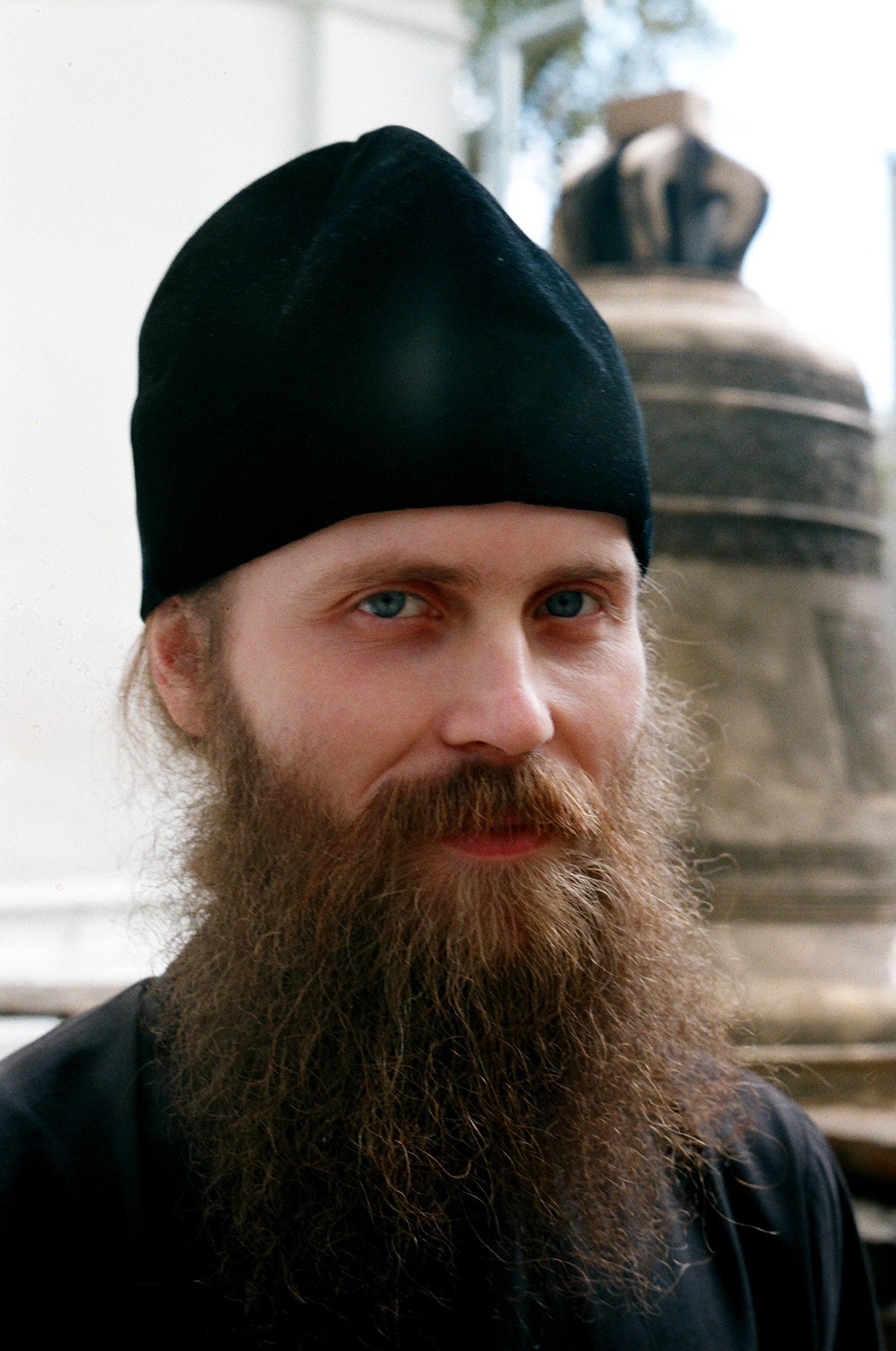
- cinco hijos tiene este obispo ruso. debieran aprender los cardenalñes y curas torrezneros y pederastas del Vaticano
- llamada a mis compañeros seminaristas en latin convocatio fraternalis
- los ortodoxos americanos condenan al pagtriarca bnartolomé y al presidente ucraniano que ha causado un cisma en la iglesia ucrania
- LA VIEJA ORONIA CASTRO ROMANO
- DIAZ CAÑETE EX MINISTRO CORRUPTO Y FELÓN
- martes de pasion
- me honro de haber sido corresponsal de la NUEVA ESPAÑA. GRACIAS TERESA RIVERO ASTURIANA FUERTE
- DE LO QUE ME PASÓ EN SEGOVIA AL LLEGAR ESCUCHÉ UNA VOZ CLAMANTE ELI, LAMMA SABACTANÍ. ERAN LAS PALABRAS DEL REDENTOR AL EXPIRAR. DIOS MIO POR QUÉ ME HAS ABANDONADO
- YAHVÉ ES EL QUE ES. ELOIM ES EL QUE ESTÁ DOS CONCEPTOS DE LA DIVINIDAD HEBREA QUE UN BUEN JUDÍO NUNCA E ATREVERÁ A NOMBRAR
- vuelve el mester con sus canciones viva castilla
Posted: 10 Apr 2019 01:37 AM PDT Епископ Колпашевский Силуан: «Когда до села, где служит священник, дороги нет вообще»Епископ Колпашевский и Стрежевской Силуан когда-то приехал на восток страны с самого ее запада – из Калининграда. Сейчас он руководит епархией, в некоторые приходы которой до сих пор нет дорог. Как помочь священнику в удаленном селе организовать достойную жизнь, можно ли наладить строительство храмов и развивать церковное искусство в условиях крайней бедности и на что надеялись люди в самолете с отказавшим двигателем, глава Колпашевской епархии рассказал в интервью «Правмиру». Хотелось бы строить величественные храмы, но приходится – маленькие и простые– В епархии, которую вы возглавляете, наверняка немало удаленных приходов. Как живут там священники, какие есть возможности облегчить им служение? – Любой архиерей в первую очередь архипастырь и заинтересован в том, чтобы священники были священниками с большой буквы, отдавались целиком своему служению, а для этого у них должны быть необходимые для достойной жизни средства, почва под ногами. Не так давно я переводил одного священника из удаленного прихода. До села, где находится этот приход, дороги нет вообще. До меня епископы приезжали туда только до революции – приплывали летом по реке. В новейшее время я – первый архиерей, который уже несколько раз там побывал, но только по зимнику ‒ дороге, проложенной по болотам в зимний период. Церковь там была еще до революции, село старинное, но как не было там дороги, так ее и нет. У нас до сих пор через регион нет сквозной дороги. От Томска, который на самом юге области, до Стрежевого – это мой второй кафедральный город, расположенный на самом севере, ‒ нельзя проехать на машине в любое время года, только в зимнее можно, и то не без труда. Так вот, как только открыли приход в том недоступном селе, туда поставили священника, где он и прослужил 15 лет, сейчас у него пятеро детей. Сам священник в голос не кричал: «Вывезите меня отсюда!» Приход неплохой, но чисто по-человечески хотелось, чтобы у семьи, у детей было больше возможностей в части основного и дополнительного образования. Но прежде чем предложить другой приход, мы позаботились, чтобы там был построен специально для священника просторный дом. – Вы активно занимаетесь строительством храмов в епархии. Сейчас идут дискуссии, какой должна быть современная церковная архитектура. Как у вас решается этот вопрос? – У нас он решается просто: епархия очень бедная и малочисленная. По территории – большая, равна Румынии. Но, в отличие от Румынии, у нас живет менее 200 тысяч человек ‒ плотность населения одна из самых низких в России. Чтобы добраться до прихожан, порой нужно преодолевать сотни километров по бездорожью, нередко только в определенное время года, потому что в другое не доедешь. Мы строим храмы даже там, где живет 400-500 человек. 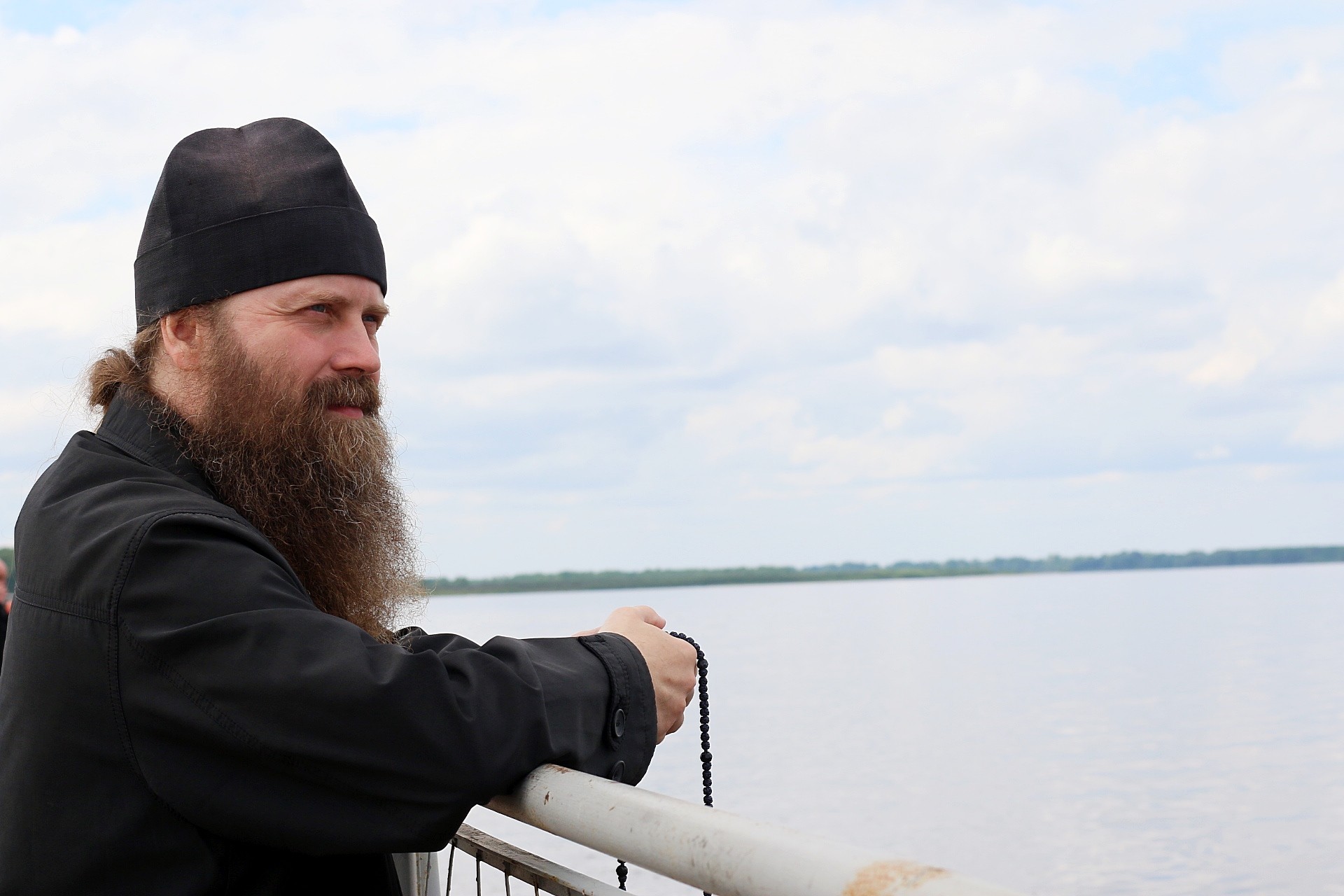 Хотелось бы, конечно, строить величественные храмы из камня, а приходится в основном ‒ простенькие из дерева, по типу клетских деревянных церквей. Даже в этом случае строим довольно долго, после чего приходится решать проблемы с внутренним убранством: если на сам сруб, на крышу, на купол деньги удается найти, то когда дело доходит до иконостаса… Так что приходится иногда ставить иконы полиграфические, но и это хорошо. Бывает, найдется благотворитель, но чаще храм строится всем миром. А бывает и так, когда в одном селе храм строит не бизнесмен, а простой человек: он ездит на заработки на север к нефтяникам и газовикам, там зарплаты хорошие. С вахты вернется – и продолжает строить храм. На свои средства закупает материал и своими руками строит. – Бывает, общаешься с настоятелем небогатого прихода, и он говорит, что архиерей требует расписать храм быстро и целиком, вот и приходится нанимать низкооплачиваемых художников, в итоге – некачественная работа. – Я много лет преподавал церковное искусство в семинарии, потому у меня профессиональная деформация ‒ не люблю некачественные росписи. Пусть расписывать будут дольше, росписей будет меньше, но они будут лучше! Мы здесь никуда не торопимся: даже в кафедральный собор сравнительно небольшой иконостас писали три года. Нам удалось это лишь благодаря благотворителям. Икона в жизни Церкви важна. Это и окно в Горний мир, образ-посредник для молитвы, но, кроме того ‒ богатейший потенциал для миссионерского делания. Одно дело – на пальцах рассказывать о каких-то богословских истинах, а другое дело ‒ говорить о том же самом перед иконами, в пространстве храма, раскрывая символическое значение его архитектурных форм, иконостаса, стилистического и иконографического своеобразия православной иконописи. Тогда все воспринимается совершенно иначе: глубже и полнее. В плане богослужебной культуры идеальным образом храма был и остается крестово-купольный. У него наиболее выразительная форма с богословски-символической точки зрения, а также наиболее соответствующая строю уставного богослужения. 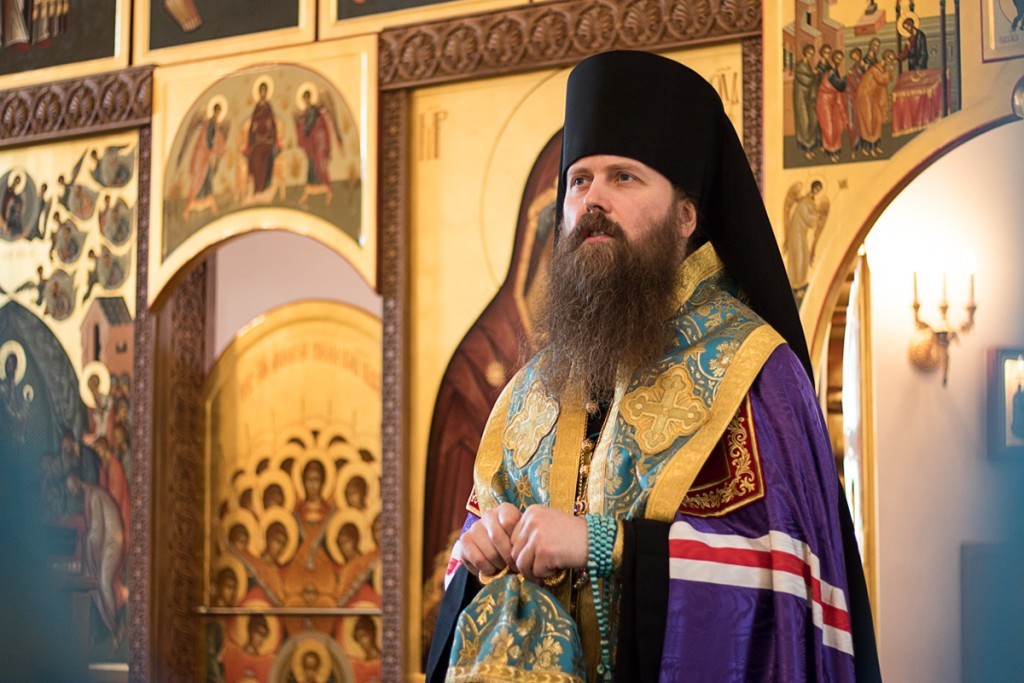 Богословски содержателен и многоярусный иконостас. Возможно, не всегда он удобен при службах, особенно в больших храмах, когда бывает, что даже возгласы из алтаря не слышны. Но эту проблему помогает решить современная техника, можно, в конце концов, микрофон поставить. Зато высокий иконостас с его рядами разворачивает перед нашим духовным взором всю историю диалога человека с Богом, историю любви Бога к человеку, и вместе с тем он приоткрывает тайну соборного молитвенного предстояния Вседержителю, в котором мы участвуем здесь и сейчас вместе со святыми. – Но ведь люди, которые регулярно бывают в церкви, порой просто не знают, кто и для чего изображается на иконе просто с точки зрения сюжета, не говоря уже о каких-то глубоких богословских смыслах. – Это ‒ другая проблема. Тут дело не в сложности иконографии и вообще не в иконе, а в уровне церковной культуры. В течение прошедших 30 лет в Церковь пришли такие же люди, как и я в свое время, ничего о ней не знающие. Но люди – разные. Есть такие, которые прилагают усилия, чтобы что-то узнать, разобраться, а есть и те, кто годами Символ веры с ошибками читает. У меня и такие знакомые есть, при том искренне верующие люди. Удивляться этому не приходится – в своей новейшей истории наша Церковь переживает почти то же, что было с христианством в IV веке после Миланского эдикта. Тогда была Церковь мучеников, где все всё знали, где все жили Евангелием. И вдруг туда буквально ввалилась многомерно превосходящая осознанных христиан толпа ничего не знающих неофитов. Это, кстати, дало импульс развитию церковного искусства – появились настенные росписи: они были Библией для этих людей, богословски неграмотных, утверждали в их сознании смысловые и ценностные акценты религиозного сознания и религиозной жизни. Так же постепенно формировалась и архитектура храма, самими своими формами призванная просвещать людей. Мы живем в похожее время, разница только в том, что тогда все начиналось, а нашу эпоху иногда называют постхристианской. С этим термином можно спорить, соглашаться или нет, но он передает специфику времени – уставшая эпоха, уставшее от всего человечество, в том числе, к сожалению, и от Бога. Трудно, конечно, в этих условиях заниматься миссионерской, пастырской деятельностью, но не невозможно.
Не нарочито зашифрованного ребуса, а той тайны, глубина которой бездонна и потому неисчерпаема, тайны, которая одна только может наполнить бездонность человеческого духа, Тайны, которую мы называем Богом. – Как конкретно на примере росписей и икон можно прихожанам рассказывать о вере? – Вариантов много. Можно даже на проповедях когда-то об этом сказать. У меня был такой опыт, когда передо мной стояла задача – на проповеди рассказать о Троице. Я вижу, что на литургии собрались люди ‒ образованные в своей сфере, я могу с ними говорить на интеллектуальном языке, но в богословской сфере они почти не разбираются. Если я начну им рассказывать про «ипостась», «сущность», «Божественную энергию», они вряд ли воспримут и вдохновятся моими словами. Зато в иконостасе был список «Троицы» Рублева, и я прямо с амвона подошел к этой иконе и всю проповедь построил на основе этого образа, и люди очень осмысленно слушали и смотрели, а потом благодарили, говоря, что многое для них стало понятней. «Троица» Рублева ‒ это бездна богословских смыслов, о ней можно не одну проповедь сказать. Очень важно помнить, что визуальное искусство, как и любое другое искусство в Церкви, существует не автономно, а в контексте того, что отец Павел Флоренский называет храмовым синтезом искусств, а по сути, это все – часть богослужения. 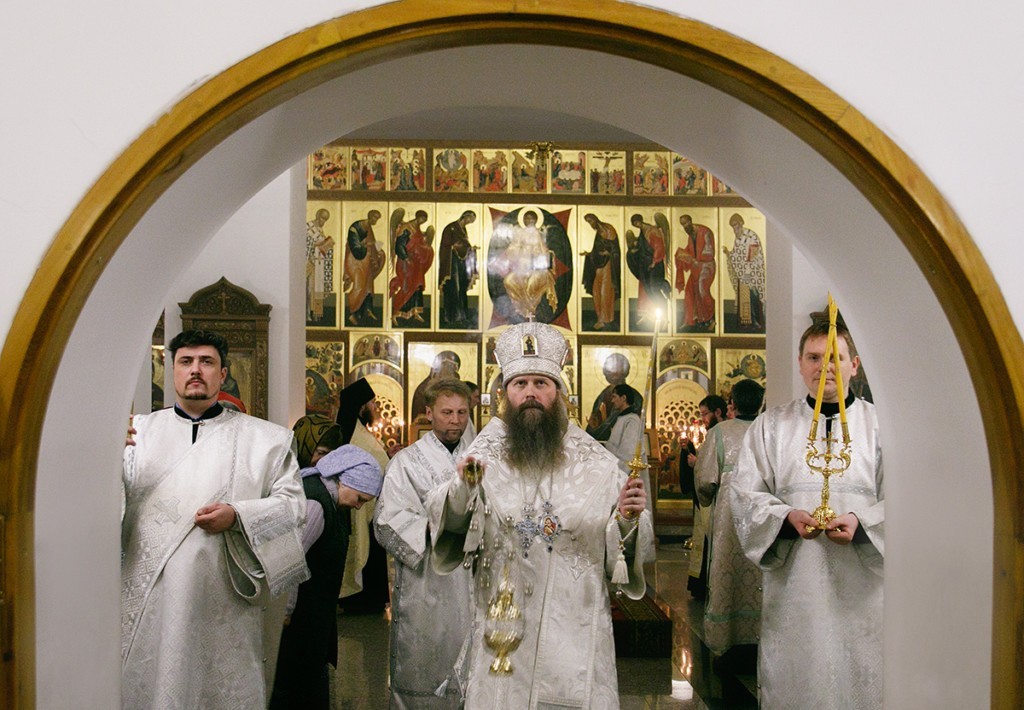 Фото: svjatoynarym.ru Богослужение в совокупности всех его сторон должно выстраиваться очень благоговейно и, по возможности, в русле литургического предания. Я считаю, что наиболее адекватно духу богослужения, его смыслу ‒ знаменное пение или византийское пение, то есть традиционное для Церкви. А партес ‒ несколько разрушает ощущение тайны, он словно переносит в зал консерватории, на концерт. Да, это тоже высокое искусство, но оно не открывает духовные тайны. То же касается и всего остального. Скажем, читать на клиросе надо вдумчиво, «не как пономарь, а с чувством, с толком, с расстановкой», чтобы чтеца все услышали и поняли. Конечно, и прихожане не должны быть пассивными потребителями эстетических или духовных «продуктов», а ‒ со-творцами, читающими Евангелие, Святых отцов. Внутреннюю их работу не заменишь никакими миссионерскими технологиями. Невозможно человека удержать в Церкви, если ему не привит вкус к богослужению, если богослужение проводится так, что трудно приобрести к нему вкус – сокращается, поется и читается так, что ничего не поймешь, а на стенах храма – хаотично расположенные и некачественно написанные образы, или качественно, но в стиле академической живописи XIX века, который никакой тайны в себе не несет. Все это разрушает ощущение таинственности духовного мира. – Когда будущим священникам вы читаете курс церковного искусства, то говорите им, как должен строиться диалог священника и иконописца? – Чтобы этот диалог был продуктивен, священники должны разбираться в церковном искусстве настолько, чтобы понимать художественные и богословские принципы, лежащие в основе росписи, знать каноническую традицию, потому что она ‒ бесценное наследие Церкви, лучше которого ничего не придумать. Художник может выйти к чему-то своему только на основе укорененности в Предании, которое и выражает каноническое искусство. Когда Предание отметается, придумывается что-то принципиально новое, это называется «обмирщением».
Так что общий язык в диалоге священника-заказчика и иконописца ‒ каноническое предание, на основе которого только и можно прийти к каким-то по-настоящему творческим решениям. Я не знаю двух одинаковых росписей среди церковных памятников. Но это различие не разрушает предание, а наоборот, его воспроизводит, реализует его творческое ядро. Предание – это не какой-то набор стереотипов, которым мы должны жестко следовать. Канон – это вектор, который задает нам правильное направление, а идти в этом направлении и как идти ‒ дело нашей свободы. 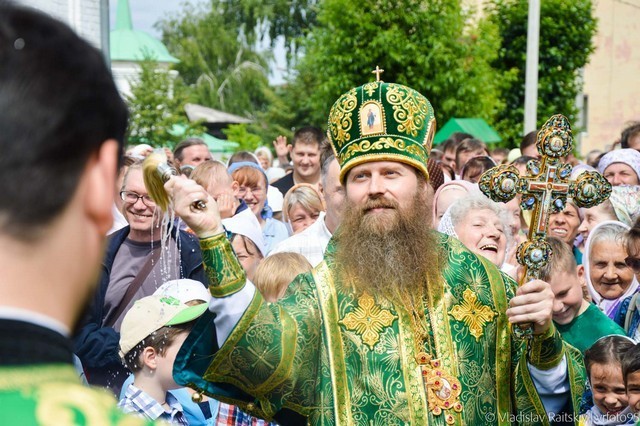 «Не бойтесь, с нами батюшка летит!»– В минуту смертельной опасности человек по-другому смотрит на мир. У вас были такие минуты? – Смерть ходила рядом не один раз. В 5 лет тонул, в 13 у меня был перитонит, когда, как оказалось, время шло на минуты, и мне повезло, что меня успели вовремя доставить в больницу. Позднее, в середине девяностых, когда я служил в Магаданской епархии, в одной из миссионерских поездок по приходам Чукотки у самолета отказал один двигатель, так на одном и долетели. Как только стало известно о неисправности, сразу весь самолет стал храмом: молились все. «Не бойтесь, с нами батюшка летит!» – сказала одна пассажирка, имея в виду меня. Тогда было не до смеха. А потом, когда вспоминали эту историю, улыбались, что вот, я оказался успокаивающим фактором для других пассажиров. А у меня самого таких внешних факторов не было, только четки в руках. – Часто знакомство с верой у советских детей происходило через бабушек. Как было у вас? 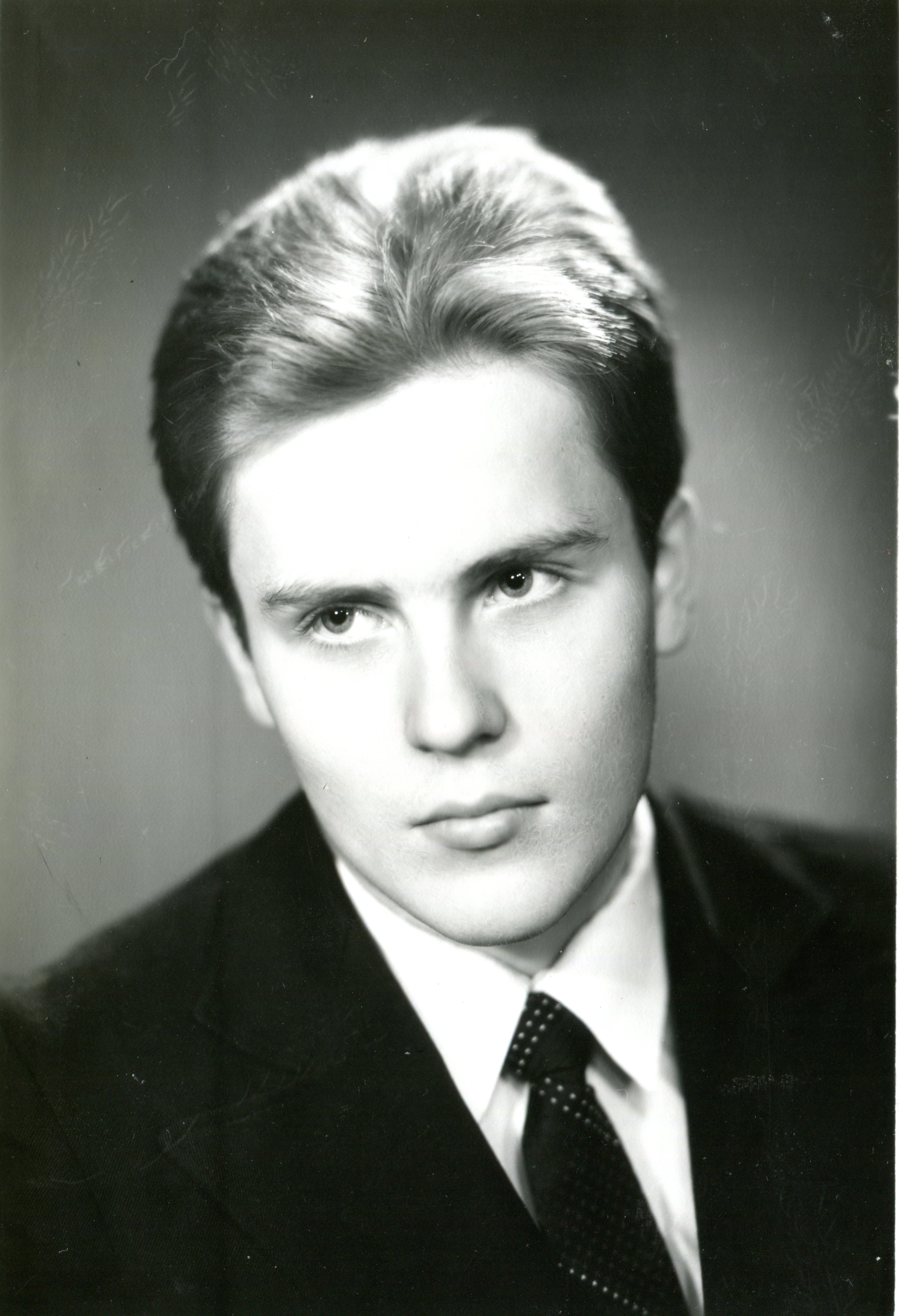 – В моем окружении не было верующих, кроме двоюродной бабушки, которая жила в Пятигорске и с которой я виделся всего два раза в жизни. А так – даже никаких внешних традиций: ни куличей, ни крашеных яиц. Церкви просто не было в моем детстве. Да и первый храм на окраине родного Калининграда появился, когда мне было уже 13 лет. А крестился я сам, сознательно, в 17 лет. – В моем окружении не было верующих, кроме двоюродной бабушки, которая жила в Пятигорске и с которой я виделся всего два раза в жизни. А так – даже никаких внешних традиций: ни куличей, ни крашеных яиц. Церкви просто не было в моем детстве. Да и первый храм на окраине родного Калининграда появился, когда мне было уже 13 лет. А крестился я сам, сознательно, в 17 лет.Импульсом стала встреча с одним верующим человеком не намного меня старшим, которая произошла после окончания школы во время безуспешной попытки поступить на отделение научного коммунизма философского факультета МГУ. Этот человек помог мне сделать первый шаг к храму, а чуть позже познакомил меня с моим будущим духовником. Так постепенно смутные искания смысла жизни, томившие мою душу в отроческие годы, обрели определенность. Через год, который я проработал слесарем на заводе, – крестился. И вскоре поступил на филологический факультет Калининградского университета. – Когда решили, что выберете монашеский путь? – Я специально не решал, это желание как-то само и очень искренне прозвучало в душе буквально сразу после крещения. Я словно нашел себя. А до того, как пришел в Церковь, не представлял, что же я буду делать и как жить в будущем.
Мне и тогда, и сейчас думается, что монашество – это самое полное выражение призвания человека от Бога, самый совершенный образ жизни. А пастырское служение – самое высокое дело на Земле, потому что, в отличие от всех остальных дел, не ограничивается земной, временной жизнью, а ориентировано в Вечность. Помочь человеку войти в Вечность ‒ что может быть значимее этого?! Но шел я от зарождения желания до принятия решения и его реализации 5 лет. Я сомневался, вдруг это только мои романтические, неофитские мечты под влиянием чтения Святых отцов, как это часто бывает в юном возрасте? Поэтому мне нужно было проверить себя, убедиться, что это призвание ‒ мое. Только к окончанию университета мне стало окончательно ясно, что иначе, без монашества, я просто не могу, как рыба без воды. Самым трудным в монастыре был я сам– В 1994 году вы оказались в Чукотской епархии, ездили с миссионерскими целями по городам и поселкам Чукотского автономного округа, потом – стали настоятелем храма в Магадане. Каково это – выпускнику филфака, молодому священнику с самого запада страны оказаться на самом востоке? – Для меня это было как-то естественно, органично. Туда ехали те люди, с которыми я хотел служить вместе. Там был владыка Ростислав, епископ Магаданский и Чукотский, с которым я был уже пять лет знаком и который оказал большое и благотворное воздействие на мое духовное становление, он был первым священником в моей жизни. С тех пор так мы вместе рука об руку и идем, теперь мы два архиерея в одной митрополии. Так что для меня этот поступок не был каким-то великим подвигом самоотречения. Я ехал с воодушевлением, мне было интересно во всех смыслах, там было большое поле для работы. 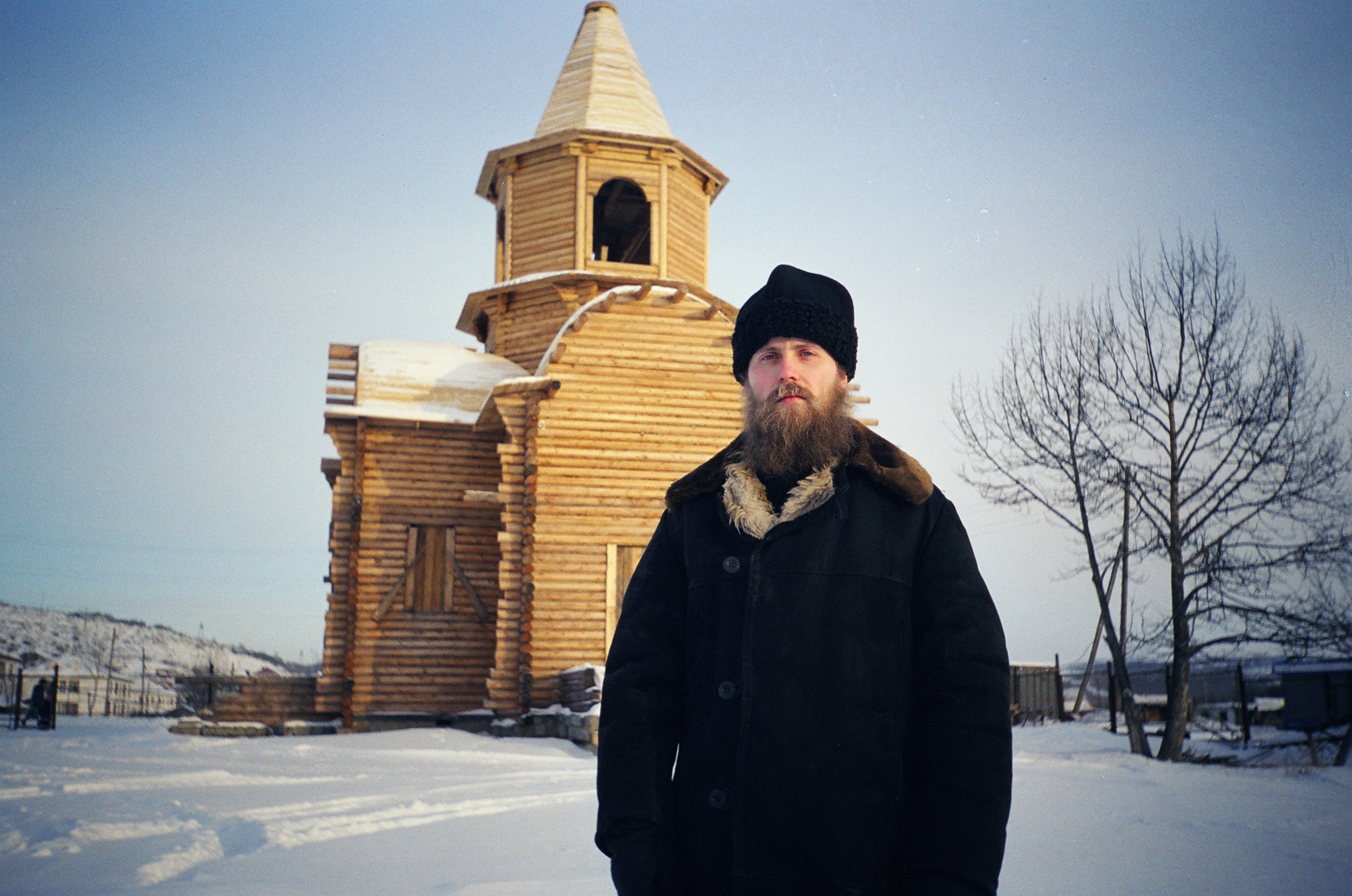 1998 год, Магадан. Приход Казанской иконы Божией Матери – Когда вы приехали в епархию, какое было отношение у людей к вере, к Церкви? – В 90-е годы Магадан не очень сильно отличался от Калининграда, в том смысле, что и Калининград, и Магадан – это не исконно российские земли, и первые православные храмы там появились совсем недавно. В Магадане ощущалась большая духовная жажда у людей при отсутствии какой бы то ни было духовной культуры, поэтому там принимали всё и всех. Экстрасенсы приезжали – все к ним валом валили. Какие-нибудь сектанты – все бежали туда. Православные священники – к ним идут. Приезжаешь в какой-нибудь поселок, и люди начинают один за другим обращаться с просьбами покрестить, побеседовать, «почистить квартиру». Для православного священника это была несколько неожиданная формулировка. В целом люди были очень искренние, открытые, жаждущие пастырского слова. – В 1999 году вы стали наместником Богородице-Алексиевского монастыря в Томске. Сложно было входить в новое дело? – О монастыре я мечтал всегда. Я стал монахом, для того чтобы быть монахом. Пастырское служение я воспринимал по-монашески, мне хотелось молиться перед престолом за всех и за вся, а уже исповедь или проповедь, например, воспринималась как долг, обязанность. Я бы помолчал с удовольствием, но надо говорить, исповедовать, окормлять людей, требы совершать.
Пришлось перестраиваться, и сейчас я уже не мыслю себя без всей полноты пастырского служения. Когда меня поставили настоятелем прихода в пригороде Магадана, для меня это стало даже небольшой трагедией, потому что я хотел жить в монастыре. Но архипастырь дал благословение, притом по-отечески, на мой выбор – отказаться или нет. И получалось: либо ты, либо никто. Как тут откажешься?! Когда оказался в Томском монастыре, меня нисколько не смущало, что он полуразоренный, там ни ограды, ни одного колокола на колокольне, ни иконостасов, да и сам храм нуждается в ремонте. Главное ‒ наконец-то, я в монастыре! Господь дал вдохновение, особенно первые, самые тяжелые, годы, которое, несмотря ни на какие трудности, меня не оставляло. Не могу сказать, что монастырское монашество – это самый великий подвиг, бывают подвиги и более великие. Но я убежден, что это самая глубокая и самая полная форма церковной культуры, самый совершенный прообраз Царствия Небесного на земле. – Это в идеале. Но разве это так в действительности, когда после разрыва с традицией все изобретали почти заново? – Все зависит от точки зрения на вещи. Если мы приходим в монастырь для того, чтобы только получать – получить старца, идеальную форму общежития, уставное слаженное богослужение, духовно преуспевших собратьев, которые не только читают святоотеческие книги, но и на деле им следуют, то это ‒ потребительство под видом благочестия. Есть другой подход – творческий. Ты пришел в монастырь, чтобы стать частью братства и вместе со всем братством попробовать создавать тот самый идеальный образ монашеского общежития. При таком подходе все трудности, которые в глазах потребителя выглядят проблемами, непреодолимыми препятствиями, станут творческими задачами, решая которые, мы восходим от силы в силу. Игуменство побудило меня ездить на Афон с тем, чтобы свое понимание монашества и методы строительства монастырской жизни проверить во свете традиции, которая не прерывалась. На Афоне мне один игумен сказал: «Трудные братья – это одаренные братья». Свою задачу я видел, прежде всего, в том, чтобы найти каждому члену братства то место и то служение, которое ему соответствует, где он может наиболее полно раскрыть свои таланты и послужить Богу. – Что было самым трудным в руководстве монастырем? – Я сам! Мне было всего 27 лет, когда я стал игуменом, и каким бы искренним ни было мое желание все сделать, как надо, я понимал, что не могу прыгнуть выше головы, я не то что не старец, у меня просто нет опыта. Мне приходилось учиться вместе со всем братством, а потому ‒ действовать очень осторожно. Других трудностей тоже хватало. Одна из основных проблем состояла в том, что насельники монастыря не становятся в одночасье братством. Братство – это качественное состояние монастыря, когда те, кто в нем живет, начинают чувствовать себя единой духовной семьей. На Афоне это есть, хотя тоже не в идеале. А когда все создается с нуля, с такими же, как ты, неопытными людьми… 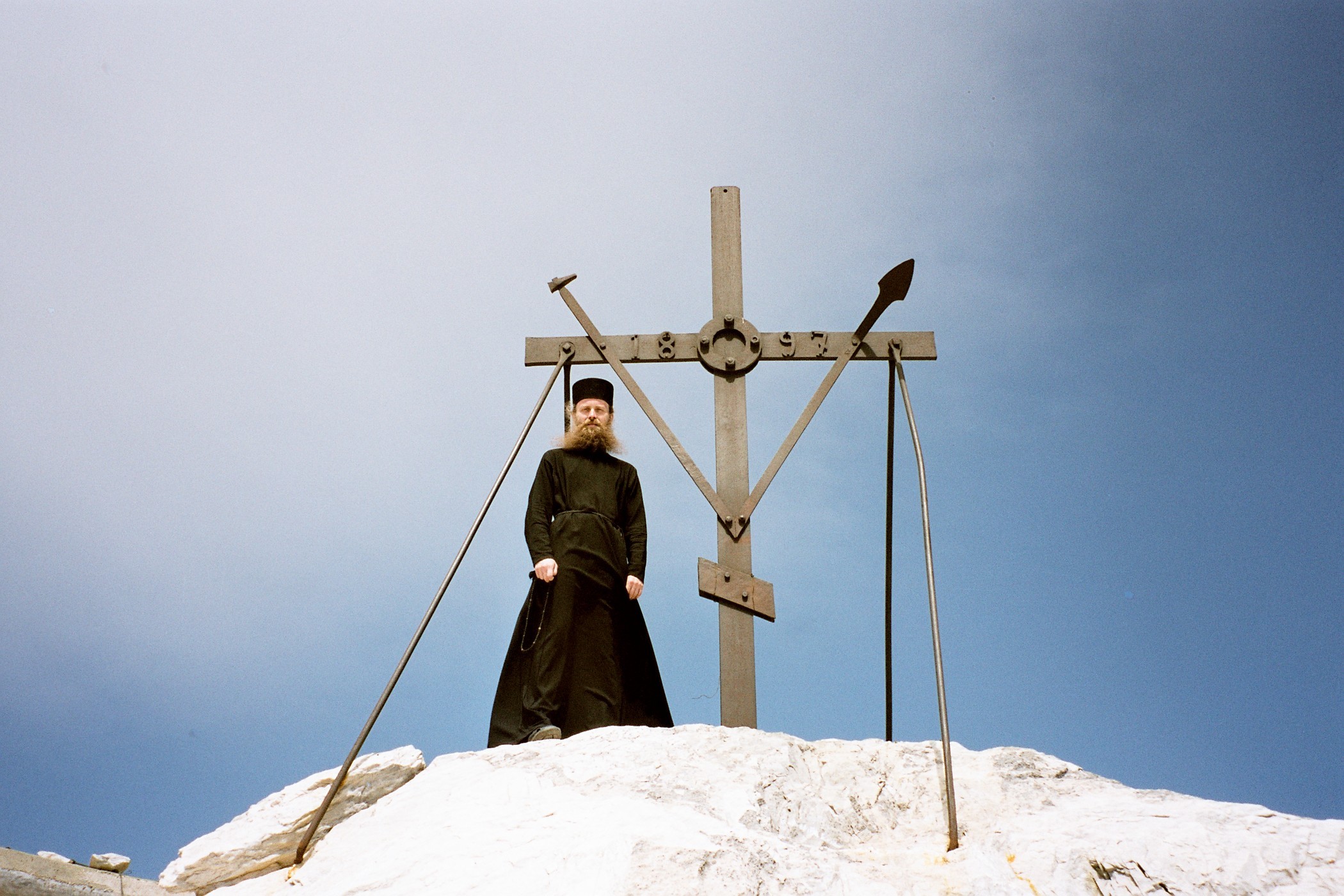 На вершине Афона. 2002 год Случалось, что люди и уходили. Иногда те, кто уходил из монастыря, уходили и из Церкви. Я всегда чувствовал за это свою долю ответственности, хотя и делал все для того, чтобы они остались, настаивая лишь на тех основополагающих принципах монашеского общежития, нарушение которых делает пребывание в монастыре бесполезным для человека и разрушительным для обители. Чаще всего покинувшие наш монастырь насельники не находили себя и в миру, порой вовсе уходя из Церкви. Но был и такой случай, когда один брат, оставив обитель не очень хорошо, спустя годы, пройдя испытания, приносит ныне значительную пользу Церкви. – То, что люди уходят из Церкви – проблема нашего времени? – Она существовала всегда, со времен Христа. Просто количество уходящих может колебаться в разные стороны. Другое дело, что раньше была значительно большая консолидация общества, нежели сейчас. Это хорошо видно на примере искусства, где есть понятие стиля. Церковное искусство на протяжении столетий развивалось на основе одних и тех же стилистических принципов, отражающих общность религиозного мировосприятия людей. Светские по существу стили Нового времени – барокко, классицизм, романтизм ‒ начинают сменять друг друга более стремительно, но остаются объединяющим началом всей культурной жизни эпохи, проникая даже в церковное пространство. Такая консолидация касается и нравственной, религиозной, ценностной стороны. Сейчас такого нет, мы живем в эпоху стилистической эклектики, эпоху победившего индивидуализма, когда каждый занят по преимуществу собой, сохраняя с обществом лишь формальную связь. Если в XIX веке человек и терял духовный накал, он все равно полностью из атмосферы веры не выпадал, потому что его поддерживало общественное мнение, общепринятые ценности. 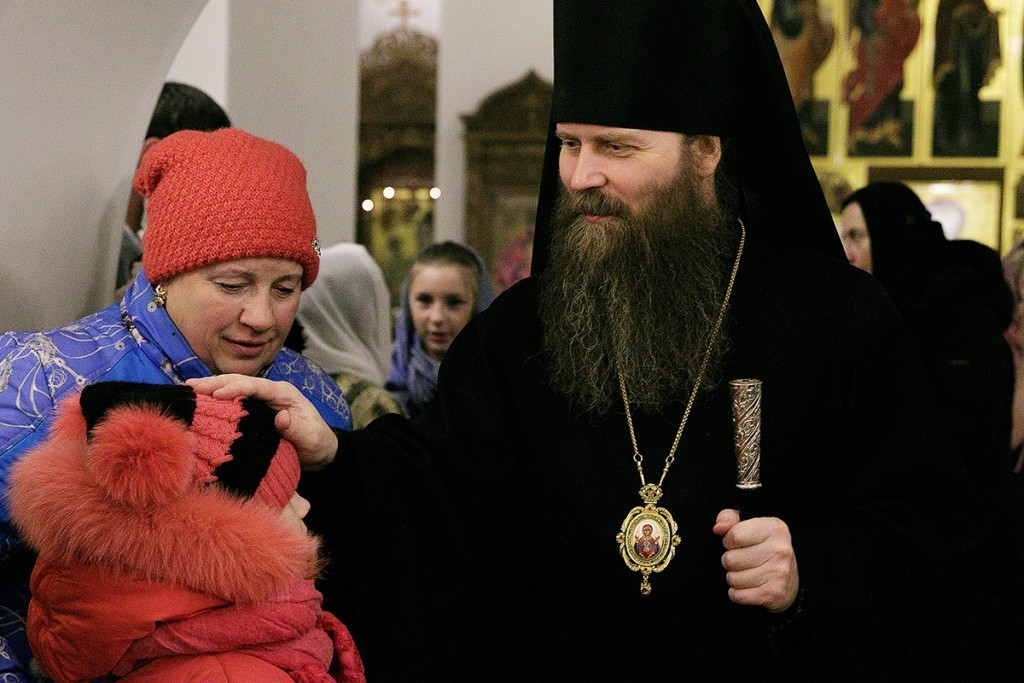 Паисий Святогорец замечательно говорит, что раньше, чтобы человеку оставаться верующим, нужно было просто плыть по течению, потому что все двигались в одном направлении. А сейчас, чтобы быть православным, нужно идти против течения. Конечно, в такой ситуации сохранить веру труднее.
Двести лет назад для этого не надо было быть даже христианином, а сейчас это становится подвигом. Что уж говорить о Церкви, которая требует от человека сверхъестественной жизни? Христос нас призывает быть не просто нравственными людьми, а призывает к совершенству: «будьте совершенны, как совершен Отец ваш Небесный» (Мф. 5:48). Это не только монахам говорится, а каждому, для кого Евангелие является главной книгой. | ||||||||||||||||||||||||||||||||||||||||||||||||||||||||||||||||||||||||||||||||||||||||||||||||||||||||||||||||||
llamada a mis compañeros seminaristas en latin convocatio fraternalis Posted: 10 Apr 2019 01:19 AM PDT 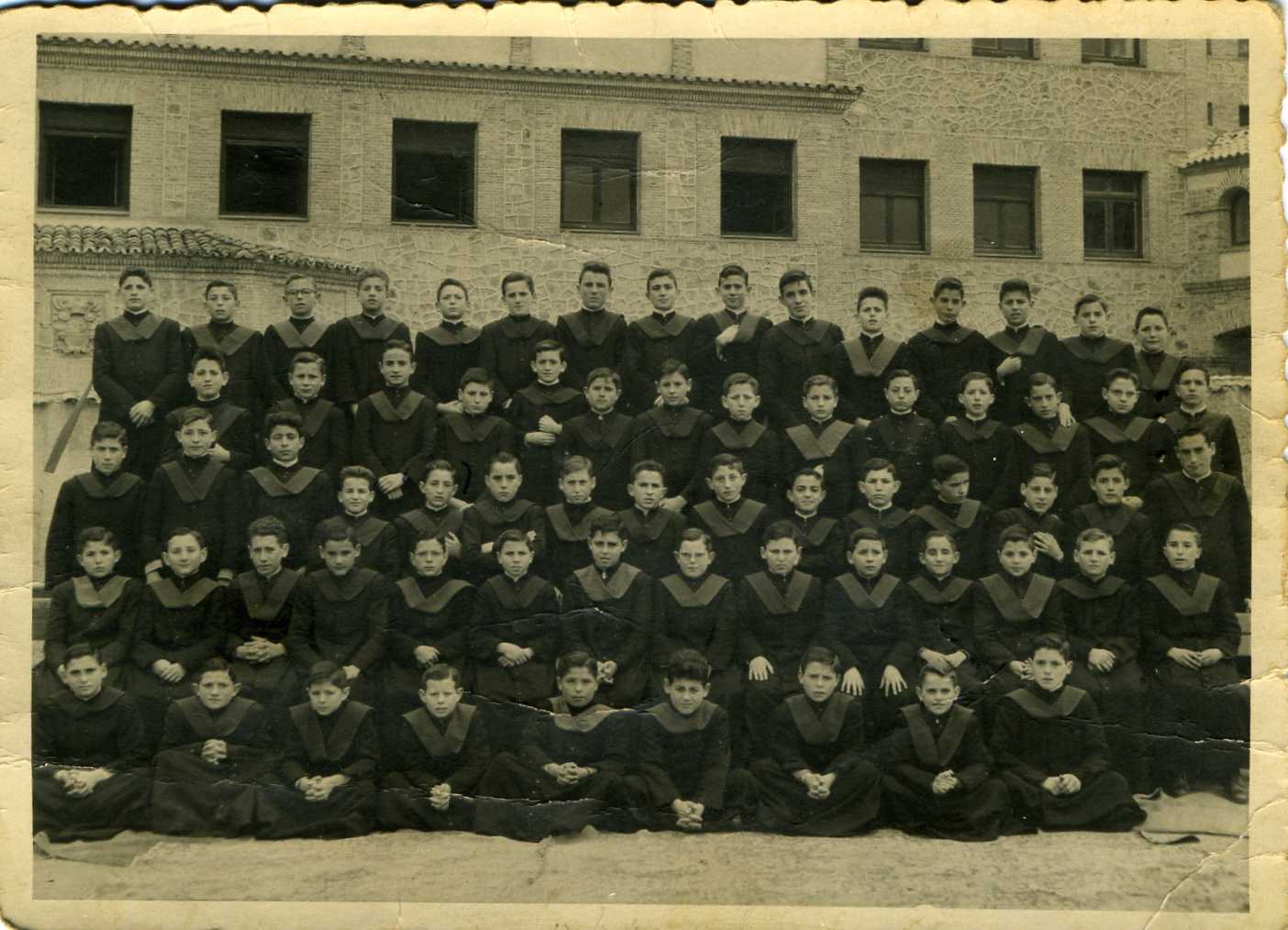 VOCATIO Pridie Idus septembras (15 septiembre) hora sexta (12 mane dimidium 12.30 AM) coetus noster consuetudinalis qui per sextum annum consecutum celebramus convocatus est in Sanctuario segoviense Dominae Nostrae Fuencisla. Hanc fraternam conventionem primum habuimus alumni Segoviae seminarii aliqui, qui studia ad sacerdotium praeparandum et eclesiásticam disciplinam discendam prosecuti fuissemus, Kalendis Octobris 1955, atque inierunt ante Nonas Septembras prima vice 2008 in spiritu fraterno convivialique. Plures ex nobis quid fuisset in vita de amicis et colleguis (si vivevant aut trasierum ad patres), et de sorte nostrorum sodalium nesciebamus neque de eis audivimus longe decem lustris quia multos eorum faciem suam non vidimus per quinquaginta annos. Utpote hinc concursus iste dimidio saeculo lapso animos nostros emovit, de pueritia et adolescentia memorantes aut studia et jocos in aulis dilectissimis seminari. Olim hoc aedificium a rege Pjilipo II fundato anno domini 1594 fungens ut tirocicium jesuiticum et universitati complutensi adscritum schola theologica et humanistica princeps fuit. Verumtamen, dcitur quos natura non dat Salmantica non praestat sed nobis ómnibus cupivit hoc donum fortunae perfrui literas clássicas et discendi in aula magna sub umbra Aceitera quia turris ecclesiae et claustrum lecytus olei in forma acuta eminens et praestans parescit) ubi Diego Lainez discebat et Quevedo don Juan de Aujstria Lope de Vega Alejandro de Farnesio et caeteribus claris viris Hispaniae studebant. Complutum mater magna. Valete mea desideria. O magnum gaudium. Fratres mei gavissi simus et omnes gratias agamus Deo nostro propter hunc annum vitae magis nobis extra datum iam septuagenariam aetatem perfruentes, admoneo vos, carissimi, ut proxima die Veneris pridie Idus Sptembris ad altare Dei introire ac sub beatissimae Mariae Matris pallio in veneratione prostrati, sursum corda canentes, oremus pro fratibuis defunctis praesbyteris ( Dominus Julian García Hernando, Pedro Recio Cipriano Calderon, dominus Valeriano Pastor, Fernando Revuelta, don Ramón, don Felipe, don Victor Villa, don Martín al cubo, don Hilario don Celso Sastre et don José del Moral praecentor et Musicae magíster… ) episcopo (Daniel Llorente de De Federico) et pro Eugenio Pérez Casla, comes meus in ipsa terna stans per quietem et ambulationem et lectiones quinque annos. Eugenio in Castilnovo natus, et sobrinus amicisissmi mei Juan José Casla anno 2007 obdormit in Domino et semper prasens in memoria mea and precibus est. Rogabimus tamen –Deus sit nobis propitio et ipsa Deipara sub advocatione Fuencislae- pro ómnibus (uxoribus, sodalibus dometicis nostris, filiis matribus et patribus) qui abierunt et dormiunt in sommo pacis et in expectatione resurreccionis cum Xristo. Sit eis terra levis et Deus adjutor et juvamen. Himnis “Veni Creator” et Salve dictis, procedamus in pace ad agapem. Sanguis lateris Christi inebria nos aliquando dormitat Homerus. Semel in anno non noceat. Semel et saepius. Salutem prurimam “mnogo lieta” ad Multos annos. Vivite et bibete in Xto et servate traditiones sanctae matris ecclesiae. Salutem plurimam. | ||||||||||||||||||||||||||||||||||||||||||||||||||||||||||||||||||||||||||||||||||||||||||||||||||||||||||||||||||
Posted: 09 Apr 2019 04:47 PM PDT La Diócesis de América del Este apela a Trump para proteger a la UOC Clero de ayuno de la Cuaresma de la Diócesis de América del Este Clero de ayuno de la Cuaresma de la Diócesis de América del EsteEl clero de la Diócesis del Este de América ROCOR adoptó el texto de una apelación al Presidente Trump pidiéndoles que protejan a la UOC canónica a nivel diplomático. Durante la reunión de Cuaresma de la Diócesis de América del Este de ROCOR, los sacerdotes escucharon los discursos de los clérigos que se habían mudado del Patriarcado de Constantinopla en protesta por las acciones no canónicas del Patriarcado Ecuménico en Ucrania, informa el sitio web de la diócesis . La reunión adoptó el texto de una carta al presidente Donald Trump pidiéndole al gobierno de los Estados Unidos a nivel diplomático que proteja a la Iglesia ortodoxa ucraniana canónica, que actualmente está siendo perseguida por el gobierno ucraniano y los grupos violentos que apoya. Además, el sacerdocio de más de cien parroquias, monasterios y comunidades misioneras de la Diócesis de América Oriental de la Iglesia Ortodoxa Rusa Fuera de Rusia en la Resolución del Clero de Cuaresmadestacó que "una de las principales preocupaciones de nuestros corazones es la difícil situación de la fraterna Iglesia Ortodoxa Ucraniana, encabezada por Su Beatitud, el Metropolitano Onufrio, que es perseguido por las autoridades y los nacionalistas. Al revivir a los arrastradores, a nuestras congregaciones, a los monásticos y a los laicos, reconocidos en todo el mundo ortodoxo, a la Iglesia canónica, le extendemos una mano de ayuda, ofrecemos oraciones fervientes por ella y pedimos a las autoridades ucranianas que pongan fin a esta indignación, así como a agencias gubernamentales de los EE. UU. Y organizaciones internacionales. por la protección de los derechos y las libertades religiosas: examinar de manera imparcial la posición de los arqueteros, el clero y los creyentes de la Iglesia ortodoxa ucraniana y tratar de influir positivamente en la situación ". Los sacerdotes Marc Tyson (rector de la comunidad de St. Prophet Elijah, Pigeon Forge, pc. Tennessee) y Nektarii Trevino (rector de la comunidad de Saint Infants and Equal. Nina de Bristov, Virginia) se dirigieron a sus hermanos. Ambos sacerdotes eran clérigos de la diócesis de Karpatoros en América bajo la jurisdicción del Patriarcado de Constantinopla, y en 2018 dejaron esta jurisdicción en protesta contra las acciones no canónicas del Patriarcado Ecuménico en Ucrania. Contaron su experiencia y expresaron su admiración por la cálida y fraterna acogida que se conocieron en la Iglesia rusa en el extranjero. Después de sus comentarios, el metropolitano Jonás también habló, presentando el calendario de eventos recientes y destacando la imposibilidad de cualquier co-servicio con el Patriarcado Ecuménico, que entró en comunión eucarística con los cismáticos ucranianos. El clero de ayuno de la Cuaresma de la Diócesis de América del Este tuvo lugar en la catedral de St. Alexander Nevsky en Howell, Nueva Jersey. Como informó el ALE, anteriormente la Diócesis de Chicago y Middle-American de la ROCOR se pronunció en condena de la persecución de la UOC y apoyó al Altísimo Metropolitano Onufrii con su rebaño . Los sacerdotes de ROCOR expresaron conjuntamente su preocupación por el conflicto de la iglesia en Ucrania, condenaron la persecución del clero y los creyentes de la Iglesia ortodoxa ucraniana y aseguraron su apoyo de oración por Su Beatitud Metropolitana de Kiev y Toda Ucrania Onuphrius y su rebaño en tiempos difíciles para la Iglesia. | ||||||||||||||||||||||||||||||||||||||||||||||||||||||||||||||||||||||||||||||||||||||||||||||||||||||||||||||||||
Posted: 09 Apr 2019 04:01 PM PDT Urueñas, la tradición del Zarragón y la altura de su espadaña Vista general de Urueñas. Vista general de Urueñas.Publicidad FOTOS: JOSE ANTONIO SANTOS La localidad segoviana de Urueñas, también conocida por sus vecinos como “la capital de la Pedriza”, pertenece a la Comunidad de Villa y Tierra de Sepúlveda y, es capital del Ochavo de la Pedriza y Valdenavares. Durante los años sesenta del siglo pasado, su población se redujo de manera considerable a causa de la emigración a la ciudad. Urueñas hoy cuenta con 118 habitantes censados pero, la cifra se reduce hasta los 100, cuando hablamos de residentes habituales. El nombre de esta pequeña localidad deja a la vista algunos datos sobre sus repobladores durante la Edad Media que serían, seguramente, vasco-navarros o riojanos. Según el profesor José María Martín, el nombre viene de Ur-dueñas o, lo que es igual, el agua de las señoras. Además, Urueñas aparece en distintos documentos desde el comienzo del siglo XIII. Pese a su escasa población, Urueñas cuenta con diferentes servicios y algún pequeño comercio, en algunos casos destinados al turismo y, una residencia de ancianos ubicada en un antiguo convento que donó el Ayuntamiento para su realización con la intención de mantener a los mayores en su pueblo natal. Esta residencia es gestionada a través de una fundación que en parte es municipal y está presidida por el alcalde del municipio. Urueñas tiene dos barrios que históricamente han sido conocidos como “el barrio de arriba” y “el barrio de abajo” pero, hoy han pasado a denominarse Barrionuevo (el de arriba) mientras, el de abajo es el núcleo de población principal. Patrimonio Urueñas llegó a tener una tejeraen la que se realizaban tejas de buena calidad pero, hace más de 50 años que su actividad pasó a la historia. Los monumentos que permanecen son: La iglesia de San Juan Bautista, un edificio de piedra con tres naves, aunque una de ellas se ha transformado en un atrio. Estas naves tienen sus cabeceras rematadas con bóvedas de crucería. Es un templo de gran tamaño aunque se cree que en origen fue una pequeña iglesia románica, de la que se conservan algunos restos en el porche de la entrada y en la puerta de ingreso, que solo se adorna con tres arquivoltas con molduras y florones. De aquella época es también la pila bautismal. La iglesia de San Juan Bautista es de estilo gótico postmedieval, habitual por esta zona. En su interior, como se ha dicho, se aprecian bóvedas de crucería en la capilla mayor y en las laterales. Repartidos por el templo, encontramos varios retablos de estilo gótico y luego el retablo mayor, realizado en el año 1678 que muestra tres pinturas de San Juan Niño. La nave principal tiene un coro con su órgano y bajo este, la pila bautismal de estilo románico. La iglesia también guarda una importante colección de objetos de plata, como un juego de crismeras (vaso redondo o pequeña jarra de metal con tapa destinada a guardar los Santos Óleos y el Crisma) del siglo XVII. Para terminar, no podemos olvidar su espadaña gótica, de cuatro huecos, construida en 1702 que, junto a la de la iglesia de Ayllón, son las más altas de la provincia. La ermita del Santo Cristo del Humilladero es otro de los puntos destacables del patrimonio de la localidad. Está ubicada en el Barrionuevo. Fue construida en 1639, reformada en 1882 y, por último, restaurada en 1985. Este templo fue construido gracias a la iniciativa de los vecinos y, principalmente, a Ruy Díez Álvarez, cuyo escudo es el que aparece en la puerta de la ermita. Encontramos también los restos o ruinas de lo que fue la ermita de Nuestra Señora de Bálsamos y una fuente que tiene agua durante todo el año. Patrimonio medioambiental En Urueñas hay dos Caminos Reales o, lo que es lo mismo, antiguas carreteras que atraviesan la localidad, una de ellas va desde Sepúlveda a Peñafiel y, la otra, desde Sepúlveda a Roa. También, por esta zona, pasa el Sendero de Bálsamos, una ruta que finaliza en Aldeonte, recorriendo las Pedrizas. En esta ruta, el agua de los arroyos y el tiempo, han creado en la zona unos imponentes barrancos. También en Urueñas , hay otras sendas que no están marcadas como la de La Torre, Valdegómez o Los Arroyos y podemos realizar las rutas de las Casillas de Pastores. Estas pequeñas casillas, repartidas por la zona en la que se movían los rebaños de ovejas, en las que se podían refugiar unas tres personas, tienen un indudable atractivo. Fiestas Entre las principales celebraciones que se reparten a lo largo del año en Urueñas se celebra la de Santa Águeda, en febrero, fiesta recuperada desde hace unos 30 años. Durante la fiesta de esta santa, las mujeres toman simbólicamente el poder del pueblo y, como es tradición, se celebra una misa, una procesión, una comida de hermandad en la que participan solo las mujeres. Otra de las fiestas más destacables es la de San Isidro, en mayo. En esta fiesta es típico jugar al chito y a los bolos y se realiza una comida para todo el pueblo. Siguiendo con el calendario, en el mes de junio, se celebra la fiesta del patrono, San Juan Bautista, con el encendido de una hoguera en cuyas ascuas se asan varios kilos de sardinas que el Ayuntamiento ofrece a los vecinos. La Semana Cultural se celebra a mediados del mes de agosto y en ella participan hasta 800 personas en las conferencias, ciclos de cine, excursiones y competiciones deportivas…. En septiembre, llegan las fiestas del Dulce Nombre de María, en las que las peñas ofrecen sangría y se vuelve a jugar a los bolos, la pelota o la brisca. Una fiesta muy especial es en junio, la del Santo Cristo del Humilladero que celebran con una romería. Los vecinos siguen “enramando” la entrada de la ermita del Cristo con rosas y otras flores y los devotos dejan durante los actos, sus donativos en forma de conejos, pollos…, que se sortean tras la procesión. Con el dinero obtenido entre los donativos y la subasta de las andas, se sufragan los gastos de la ermita, durante todo el año. Pero si hablamos de fiestas, en Urueñas, hay otros momentos especiales. La misa del Gallo, la noche del 24 de diciembre, día de Nochebuena, es especial porque en ese momento se cantan villancicos muy antiguos con la participación de el Zarragón, una persona vestida de pastor, rodeado de un grupo de niños que hacen sonar los cencerros que llevan atados a la cintura. Y, la Cabalgata de Reyes que, tras 40 años sin celebrarse, se ha recuperado. En la cabalgata participan varias carrozas y hacen paradas para entregar los regalos, por ejemplo en la residencia de ancianos, antes de llegar a la iglesia, donde está el Belén. Cuando se han entregado todos los juguetes a los niños, se hace una gran chocolatada. Las campanas de la Iglesia Las campanas que se encontraban en la espadaña de la iglesia de San Juan Bautista, fueron llevadas a la condesa de El Escorial en los años setenta y, tras la visita que el entonces alcalde de Urueñas lehizo para poder recuperarlas, las campanas regresaron al pueblo, en los años noventa, después de 25 años desaparecidas, en medio de una gran fiesta a la que acudió el entonces obispo de la Diócesis. Urueñas hoy Su alcalde desde 2015 es Francisco Javier Carpio Guijarro (PP) quien, al hablar de su pueblo, recuerda que, desde un punto de vista económico, sigue siendo el sector primario, agricultura y ganadería, la forma de vida principal de sus vecinos pero, no debemos olvidar que el turismo, a través de las casas rurales. Y las pensiones, por el envejecimiento de la población, como en otras localidades, también son fundamentales en el día a día de Urueñas. Entre las obras que el Ayuntamiento tiene previsto realizar en los próximos meses, se encuentra la ampliación de la residencia de ancianos, que ahora cuenta con 24 plazas y pasaría a tener 50. De momento, comenta Carpio, tienen los terrenos comprados y están buscando la financiación necesaria entre nuevos socios, la Junta de Castilla y León y el propio Ayuntamiento, para edificarlo. Dónde dormir La localidad de Urueñas ofrece la oportunidad de disfrutar de su entorno, alojándonos en alguna de sus Casas Rurales que son: El Mirador de la Sierra, con capacidad para 16 personas, dispone de jardín, barbacoa y chimenea. Otra de las Casas Rurales es la Casa Rural El Duratón, con capacidad para 8 personas, con jardín, barbacoa, chimenea y, admite animales. La tercera es la Casa Rural La Pedriza, con capacidad para 10 personas, dispone de jardín, chimenea y admite animales. A la hora de comer, en Urueñas tenemos la posibilidad de comer en el Bar Kinito, ubicado en la plaza del Olmo, donde disponen de un menú y además, por encargo, es posible disfrutar de asados en su horno de leña. RECETA Esta semana, desde la localidad de Urueñas, Pepa será la encargada de ofrecernos una receta que es una variación menos conocida de un postre, típico de la Semana Santa, las Torrijas. Pepa, que nació en Navalilla y, cuando se casó, hace más de 50 años, llegó a Urueñas para formar una familia, ha conseguido en estos años una vida tranquila y divertida con “su cuadrilla” formada por unas 14 amigas con las que disfruta de fiestas, como la de Santa Águeda, que se ha celebrado hace tan solo unos días. Precisamente en esa fiesta, Pepa nos cuenta que se pasaron hasta las 2 de la madrugada jugando a las cartas… Entre las tradiciones que viven a diario en el pueblo, se encuentran estas torrijas, que ya realizaban las abuelas, diferentes a las habituales porque en su receta no aparece por ningún lado el pan duro. Estas Torrijas, llamadas de masa son distintas a las habituales pero, también exquisitas. Torrijas de Masa. Ingredientes: 12 huevos, se coge uno de los medios cascarones de los huevos para usarlo de medida y se añade medio cascarón de aguardiente, medio cascarón de azúcar, un poquito de aceite , la ralladura de un limón, un poco de anís (licor) y harina. Modo de prepararlo: Se bate todo bien y se añade harina hasta que queda una masa ligera, no demasiado espesa. Se pone un recipiente en el fuego con aceite en cantidad y, cuando está caliente se van añadiendo cucharadas grandes de masa para que se frían. Se van sacando y se ponen sobre un paño o papel de cocina para que recoja el exceso de aceite y cuando están todas hechas, se añade azúcar por encima. Normalmente, unas cuantas se ponen en un recipiente apropiado para poner por encima un poco de miel. Estas Torrijas son un postre que en Urueñas se prepara en diferentes momentos del año como Santa Águeda o la Semana Santa y, Pepa asegura que están más ricas que las tradicionales que hacemos todos, con pan duro. Ya que tenemos la Cuaresma a la vuelta de la esquina, tendremos que proba | ||||||||||||||||||||||||||||||||||||||||||||||||||||||||||||||||||||||||||||||||||||||||||||||||||||||||||||||||||
DIAZ CAÑETE EX MINISTRO CORRUPTO Y FELÓN Posted: 09 Apr 2019 03:52 PM PDT  INTOLERABLE: ARIAS CAÑETE VENDIA PIEDRAS A LOS INGLESES PARA GANAR TERRITORIO EN EL PEÑÓN Intolerable: el ministro de Agricultura con Rajoy un andaluz por nombre Diaz Cañete hizo un gran negocio vendiendo guijo, piedras y rocalla a los ingleses para que estos robasen terreno al mar y agrandasen el territorio de la colonia del Peñón de Gibraltar. En el terreno ganado al mar ahora los llanitos van a construir cinco rascacielos. Todos conocemos las relaciones que tienen los gibraltareños con el problema separatista en Cataluña en Vascongadas y en Vascongadas. Son todos miembros de la gran sinagoga. Estos embustes y enjuagues de la aviesa mentalidad talmúdica hispanofoba dan la razón a la Reina Isabel la Católica que en su testamento hizo una manda declarando que la unidad nacional nunca se consolidaría si el Peñón de Gibraltar no fuera español. Por lo que respecta a Diaz Cañete debería ser procesado pero es un prófugo en Bruselas como Puigdemont. Es parlamentario en Estrasburgo donde cobra sus buenos dineros por estar sentado | ||||||||||||||||||||||||||||||||||||||||||||||||||||||||||||||||||||||||||||||||||||||||||||||||||||||||||||||||||
Posted: 09 Apr 2019 01:37 PM PDT Feria Tertia infra Hebdomadam Passionis ~ IV. classis Sancta Missa
| ||||||||||||||||||||||||||||||||||||||||||||||||||||||||||||||||||||||||||||||||||||||||||||||||||||||||||||||||||
me honro de haber sido corresponsal de la NUEVA ESPAÑA. GRACIAS TERESA RIVERO ASTURIANA FUERTE Posted: 09 Apr 2019 10:33 AM PDT En homenaje al gran dramaturgo asturiano Alejandro Casona8 de Abril del 2019 - Antonio Parra Galindo (CUDILLERO) Voy pa Ancares y en el camino se me aparecen un culebree y una xana Voy pa Yánez voy pa Yánez voy pa la vega rozada. Muchas coplas guarda el roncón de mi gaita. Asturias mágica. Cantiñas de camino... los arrieros de Bembibre y caminito de avilés un carreteru cantaba al son de los esquilones que su carreta llevaba... marinerito arría la vela que está la mar tranquila y serena... noches de ronda y oscuridades de calella que a carro volcado todos son carriles y enfilo la carrilana por la vieja calzada romana que unía Astorga con Pravia. Un paseo militar pero a paso de carga. Asturias fue la mejor provincia que tuvo Roma en la Hispania y la capital no estaba en Ovetum sino al otro lado de las montañas: Asturica Augusta; siendo el Bierzo la provincia más romanizada de la citerior. Ni celtas ni moriscos ni vacceos ni judíos ni aljamiados ni fenicios. Celtas asimilados que adoptaron los dioses y las costumbres del Lacio. Aquí Roma dejó su impronta triunfal y este es desde entonces el sello de la raza. Mis ancestros según he logrado saber por una carta puebla fueron traídos casi a la fuerza desde estos nidos de golondrinas encaramados entre peñotes que determinan esta parte de la cornisa cantabra la que va desde las dos Cangas, la de Onís y la de Narcea, haciendo escala en Tineo, hasta la caput de la legio séptima gemina o sea Asturica o Astorga la bien cercada de robles, carbayos, campamentos y altas montañas. Nos ufanamos de venir de la pata del Cid pero a lo mejor somos procedentes de la caliga (sandalias) de un centurión y saltamos hasta la tierra rojiza de esta comarca desde la galea de un milites o un equites. Sangre de godos ni moros ni hebreos semos aunque seamos hijos de muchas leches criollas en este tierra de chaparros sardones y chabascas todo el cantar de juglaría los endecasilabos sonantes y tonantes del romancero. Cantos de siega. Ya se van a segar para el Bierzo los mis amores Quiera dios que no caigan muchos calores.... Suspiros daba la niña suspiros daba A cada manadica suspiros daba Mi memoria se puebla de canciones mientras ando por sendas escondidas de la España heroica y encaramada del el recio bronce de las espadas, el bálago de techumbres de las pallozas circulares o cuadradas, la vaca que muge, el niño que llora, la mujer que lava, la oveja que bala... apriscos en el monte y para espantar al "nuberu" y a otros diantres enredadores canto recio y muy a lo zamarro... "dicen que los bueys de Xuan non quieren comer la hierba... llevarlos a beber agua a la fuente de la peña... las brañeras en la braña dan la leche a los galanes... debajo de mi ventana tengo un puñal escondido para matarte mañana si no te casas conmigo... amor mío vienes tarde has de dormir al sereno que el sereno de la noche para los hombres es bueno... viva Ancares, viva Ancares, y también viva Castill,a tengo el amor castellano y yo también quiero que viva. -Sabes más que el cancionero de Juan de la Encina, Verumtamen. -Alguna sé pero se lo debo ese genio mayor de la historiografía que es Joaquín Díaz. El odre de mi gaita está lleno de sus viejas canciones. De su alegre melancolía. Tengo el amor ausente y estoy llorando la despedida... la despedida es corta la ausencia larga quiero que te diviertas y no me olvides prenda del alma. -Ya veo que no eres un renegado ni un chaquetero, ni que tu moral es acomodaticia. -Ni enaciado, ni elche, ni mudéjar tornadizo. -Pues lo llevas claro. Hoy todos matan al marrano y cuando les mientas la palabra cristiano, Franco, o jalufo echan la pota. -Si serán cabrones estos vasallos del rey felón los lacayotas de don Juan Bebo y todos esos sátrapas. -Mira Cela; habría escrito la Colmena y tres o cuatro obras importantes pero sólo era conocido por sus habilidades aerofagias o coprológicas pues era capaz de absorber un litro de agua por el ano. Hasta le dieron el Nóbel. -No sería sólo por eso sino por escribir como los arcángeles era un maestro de la pluma. Triste me pusieron las reflexiones de mi camarada, amargas son las verdades de la vida pero yo iba escapando de la España adocenada o abroncada y caminaba a la procura de la España heroica que este agosto no nos da más que izas y rabizas y ahí esta Cayetana con su maromo el funcionario que ficha y está en nomina centro de atenciones diz que gallina vieja sólo pone debajo del pico de un gallito joven que la monte y estos son nuestros quiquiriquíes mediáticos. Eso y las capeas. Aplica tu cogüelmo Quosquetandem y no dejes títere con cabeza. Sea lo que tú digas Verumtamen. -Pues digo que ya Jovellanos hablaba de los peligros de los encierros criticando las malas costumbres de sus paisanos. Un día de encierro -escribía- desperdicia los jornales de un pueblo. Las visitas a los colmados y los paseos por la dehesa apartarán a los jóvenes del tajo y del taller desde la víspera. Agrega otra noticia. Para loas encierros son necesarios cabestros viejos que sean capaces de conducir a los erales, sus hermanos, arropándolos por las empalizadas y sendas de recibo... cuando la gente divisa la manada por el camino ya vienen... ya viene y empieza a dar voces y a chicolear al ganado. Entonces son necesarias las hondas de los gañanes y la aguijada del mayoral. En el ínterin se prepara un jolgorio cuando los bueyes entran en el callejón entonces algún novillo rezagado tira derrotes contra todo lo que se mueve... el toro embiste porque siente miedo. Gran verdad la que expresa en este párrafo el gran polígrafo gijonés. Y pensando en todas estas razones y sinrazones Quosquetandem y yo -mi alter ego que a mi me dicen Verumtamen y hasta cuando y que si quieres Catalina, vamos por la vida amarrados a la soga de dos conjunciones latinas- llegamos a Cangas de Narcea a boca de noche. Allí el nuberu y el culebre y alguna que otra xana levantisca nos aguardaban bajo la capa de la Peregrina. Besuyoquedaba cercas y queríamos rendir viaje en los lares del gran Casona, que fue uno de los autores asturianos que yo leí en mi adolescencia con más ahínco, él era la prosa del romancero y de laDama del Alba... las barandillas del puente meneanse cuando paso, y escucho la llamada del amor eterno que duerme en el fondo del lago. Pero, como no nos vagaba, nos quedamos en Cangas a hacer noche donde nos acontecerían algunos sucesos que se referirán en el capitulo siguiente. CONDICIONES ENVIAR CARTA POR INTERNET Debe rellenar todos los datos obligatorios solicitados en el formulario. Las cartas deberán tener una extensión equivalente a un folio a doble espacio y podrán ser publicadas tanto en la edición impresa como en la digital. ENVIAR CARTA POR CORREO CONVENCIONAL Las cartas a esta sección deberán remitirse mecanografiadas, con una extensión aconsejada de un folio a doble espacio y acompañadas de nombre y apellidos, dirección, fotocopia del DNI y número de teléfono de la persona o personas que la firman a la siguiente dirección: Calvo Sotelo, 7, 33007 OviedoBUSCADOR | ||||||||||||||||||||||||||||||||||||||||||||||||||||||||||||||||||||||||||||||||||||||||||||||||||||||||||||||||||
Posted: 09 Apr 2019 10:20 AM PDT Eli, elí. Lamm sabactaní RETUMBABAN LAS VOCES en el transistor del coche, tenía conectada a la Cope pero aquellas voces venían del más allá, clara advertencia al llegar a Segovia. Se perfilaba sobre el perfil urbano la torre de la catedral, alta, augusta, inescrutable, la dama de las catedrales cuando de repente empezaron a sonar aquellos gritos desgarradores. El altavoz del radiocasete del coche subió al más alto volumen a pleno rendimiento de decibelios, entonces la tierra tembló, vio abrirse una zanja junto a la carretera del empalme de Revenga con Campamento de Robledo, no me detuve. Pisé el acelerador muerto de miedo y en la rotonda de Hontoria me topé con una estantigua, una procesión lúgubre de resucitado. Un fraile fallecido hacía quinientos años encabezaba el lúgubre cortejo. Cantaban responsos, kadishes y lilailas y pude percibir con disposición armónica y buen concento las estrofas del Dies Irae. Acordeme entonces de que yo podía estar viviendo pasajes del Viernes Santo. Las profecías se cumplieron. El tropel de los difuntos avanzaba con paso firme hacia las campas de Baterías donde en mis tiempos hacían la instrucción los reclutas y los seminaristas jugaban al fútbol. Me froté los ojos no fuera a ser que yo mismo estuviese siendo víctima de alucinación. Las exclamaciones del Salvador en el Calvario eran claras, humanas, no las de un fantasma. Jesús llamaba a Eloim que en hebreo significa el que Es y no reclamaba el auxilio de Yahvé que significa El que Está. El que actúa. Eloy instaura al Padre del Nuevo Testamento mientras que Yahvé representaba a la Ley Antigua, el dios justiciero. Por eso los judíos en un intento por no caer en la blasfemia se abstienen de pronunciar el nombre del creador, no lo mientan y apelan por sinónimos como Adonai (el Poderoso); en virtud de aquellos aullidos de dolor quedaban preteridas las enseñanzas de Moisés, se abría un tiempo nuevo y sincretista de comunión con las divinidades oscuras. Seríamos crucificados y preteridos a causa de la cruz. A los discípulos del Nazareno a unos los echaban a los leones, otros encontrarían la tumba anónima de la fosa común pero a la mayor parte entre mofas y escarnios se les pondría a las espaldas el cartel de "No person". Se los consideraba peores que bestias de carga. Nos decía nosotros somos los elegidos, vosotros los paganos, los "goim". Destruiremos vuestras casas, violaremos a vuestras mujeres, fomentaremos aliyás e invasiones solapadas, vendrán de lejanas a tierras a comeros el pan al albur de la martingala de los derechos humanos. El Padre Ángel ( morirá del fuego de San Antón así reaviente como el lagarto de Jaén) convirtió su iglesia de en una cuadra, en una cohorte de cerdos y en una perrera de gatos, obligando a los santos a oler mal, era de los que más alzaba los gallos. Y se volvieron lluecas las gallinas del corral mediático. Bergoglio se colocó sobre sus argentinas sienes la mitra del obispo don Opas era el mandamás de aquel contubernio de anticristos. Mucho sufriríamos por aquellos días ¡Ay, Señor! — Vosotros la raza de víboras estás allanando la historia — yo les dije enfurecido por tales desacatos. — Nosotros vuestra historia nos las pasamos por los cojones. Sólo nos importa la Memoria. — ¿Y qué hay de lo mío? — contesté — Nosotros somos sionistas, somos los nuevos cruzados de Zion. Era un sacerdote de la Ley quien así hablaba de forma soez en lenguaje de la chusma. Eran chusma, odiaba la excelencia. A mí me seguían pasando cosas. `por poco se sale de la carretera mi Renault. Hube de pegar un volantazo. Un mozo de escuadra a la altura del Puente de Valdevilla me dio el alto. Y me multó 200€ por no llevar un lazo amarillo en la solapa del parabrisas. Bajé del coche todo indignado y le hablé en catalán: — Oiga agente tú no eres quien, yo sólo atiendo a la Guardia Civil. Además no me gustan los lazos amarillos, el amarillo es color de la muerte, ningún actor del teatro se viste de ese color da mala suerte. Estrellas amarillas la llevaba en Ausschwitz y lazos amarillos las portaban de emblema en el ojal de la americana los judíos rusos que exigían al Politburó les permitiese emigrar a Israel y hasta que no acabaron con la Unión Soviética no se quedaron a gusto. Aparentemente los hebreos se salieron con la suya y hoy el Estado que preside Bibi es una sucursal del KGB tendiendo puentes con Putin. El Torras Chorras, jerifalte catalanista un Orlando furioso contra Hispania, no es nada original, copia a los hebreos rusos, manda colocar en el Nou Camp fotos de Ana Frank y vuelve a trillar la parva del Shoah que es un gran embuste con miras a crear una religión nueva la del Holocausto el Odio y la Venganza que sustituya a la del Amor. — Hablas sin conocimiento de causa — ¿Cómo, qué? Yo fui corresponsal del Arriba en Budapest, estuve allí cuando caían los pepinazos de los B-52 y salvé a muchas estrellas amarillas, los refugié en el sotano de mi propia casa, yo fui periodista de Franco y telefoneaba todos los días a mi embajador Sanz Briz. En nombre de Franco salvamos a muchos hebreos. Nuestro caudillo Franco era de vuestra cuadrilla pero afortunadamente no era sionista. — Que te crees tú eso. Quedó aturdido el agente de la autoridad pues a mí me salió una vena mayestática que confunde y pasma a los que me contradicen, volvíme irrefutable y apodíctico. — Bueno circule — ordenó el mozo de escuadro, sus ojos reflejaban ira y pasmo, yo me volvía a mis pajas y entre mí pensé "este tío lo mismo que me pega cuatro tiros y me deja seco; en sus ojos se refleja el furor de los combatientes de Masada" — ahora somos nosotros los que mandamos en España. — ¿Vengándose de lo que ocurrió en 1492? — Eso mismo, pero no quiero perder el tiempo hablando con un fascista. Venga arranca. — Yo también soy judío pero de otra tribu diferente a la tuya. Si yo soy fascista tú eres un nazi sionista que es mucho peor. El mozo de escuadra se puso de los nervios. — Calla la boca — Ni debajo del agua. Para que consigáis que guarde silencio me tendréis que matar. Soy diacono griego y proclamo mi Evangelio desde el ambón. La Guardia Civil permanecía oculta en su recinto en forma de ángulo convexo, aquella sólida guarnición al lado de cuyos muros paseé yo tantas veces en los días de mi infancia. No vi al cabo puertas ni al centinela en su garita— la pseudo democracia se convirtió en tiranía pues nos dejó a los españoles sin defensas conservando a los agentes del orden como cuerpo represor a las ordenes de un periodismo canalla y desalmado— y el Regimiento de Artillería en el que sirvió mi padre y yo juré bandera estaba abandonado y sus dependencias convertidas en albergue de ratas y de vagabundos. España en manos de los judíos. El contubernio había ganado... de momento. Dejé el coche aparcado en el Campillo y bajé a pie contando los arcos del Acueducto atravesé el azoguejo subí las escalerillas del postigo del Consuelo y callejón adelante contemplé la ventana de mi camarilla justo debajo de la Torre Aceitera — llamada así porque tiene forma de embudo y es una alcuza que vigilas las alturas de la ciudad — solemne sombra que nos cobijó el pasadizo de la torre de los guzmanes, la huerta- ya no estaba el viejo moral que plantó el penúltimo rey de la dinastía Trastamara. Puertas cerradas, seminario vacío, lo mismo que el palacio que fue corte del rey Enrique IV. Bajé por el Salón hacia el convento de Santo Espiritu y avancé por el Camino Nuevo hasta lo que llamaban el Osario. Una lápida de cemento armado con consistencia de siglos con una inscripción en hebreo y la bandera de Israel saludaba al visitante. Algunas personas oraban el con voz compungida y desalentada oficio de difuntos cerca de lo que ellos creían enterramientos de sus antepasados el antiguo cementerio judío pero allí no había tal. Aquel no era el recinto. Aquellas cavernas excavadas en la roca caliza habían sido cavernas habitadas por ermitaños que hacían penitencia frente a las murallas de Segovia la ciudad pecadora. La vista era espectacular. Todo el recinto amurallado recordaba a Jerusalén. La torre de la iglesia de San Andrés ponía contrapunto a la maciza linterna de la Dama de las Catedrales. A la izquierda quedaba adelantándose al espolón de la barbacana utilizado durante la edad media como fortín y más tarde como matadero municipal aunque antes, mucho antes, estuvo allí emplazado el osario judío. Paz a los muertos de Israel y a los que santificaron Su Nombre. Elí, Elí, lamma sabactaní. Españoles sois cristianos, tú clama no ceses, gritad contra los nuevos inquisidores, luchad contra el sanedrín mediático. Yo estaré con vosotros hasta el fin de los siglos. | ||||||||||||||||||||||||||||||||||||||||||||||||||||||||||||||||||||||||||||||||||||||||||||||||||||||||||||||||||
Posted: 09 Apr 2019 10:34 AM PDT Eli, elí. Lamm sabactaní RETUMBABAN LAS VOCES en el transistor del coche, tenía conectada a la Cope pero aquellas voces venían del más allá, clara advertencia al llegar a Segovia. Se perfilaba sobre el perfil urbano la torre de la catedral, alta, augusta, inescrutable, la dama de las catedrales cuando de repente empezaron a sonar aquellos gritos desgarradores. El altavoz del radiocasete del coche subió al más alto volumen a peno rendimiento de decibelios, entonces la tierra tembló, vio abrirse una zanja junto a la carretera del empalme de Revenga con Campamento de robledo, no me detuve. Pisé el acelerador muerto de miedo y en la rotonda de Hontoria me topé con una estantigua, una procesión lúgubre de resucitado. Un fraile fallecido hacía quinientos años encabezaba el lúgubre cortejo. Cantaban responso y pude percibir con disposición armónica y buen concento las estrofas del Dies Irae. Acordeme entonces de que yo podía estar viviendo pasajes del Viernes Santo. Las profecías se cumplieron. El tropel de los difuntos avanzaron con paso firme hacia las campas de Baterías donde en mis tiempos hacían la instrucción los reclutas y los seminaristas jugaban al fútbol. Me froté los ojos no fuera a ser que yo mismo estuviese siendo víctima de una visión. Las exclamaciones del Salvador en el Calvario eran claras, humanas, no las de un fantasma. Jesús llamaba a Eloim que en hebreo significa el que Es y no reclamaba el auxilio de Yahvé que significa El que Está. El que actúa. Eloy instaura al Padre del Nuevo Testamento mientras que Yahvé representaba a la Ley Antigua, el dios justiciero. Por eso los judíos en un intento por no caer en la blasfemia se abstienen de pronunciar el nombre del creador, no lo mientan y apelan por sinónimos como Adonai (el Poderoso); en virtud de aquellos aullidos de dolor quedaban preteridas las enseñanzas de Moisés, se abría un tiempo nuevo y sincretista de comunión con las divinidades oscuras. Seríamos crucificados y preteridos a causa de la cruz. A los discípulos del Nazareno a unos los echaban a los leones, otros encontrarían la tumba anónima de la fosa común pero a la mayor parte entre mofas y escarnios se les pondría a las espaldas el cartel de "No person". Se los consideraba peores que bestias de carga. Nos decía nosotros somos los elegidos, vosotros los paganos, los "goim". Destruiremos vuestras casas, violaremos a vuestras mujeres, fomentaremos aliyás e invasiones solapadas, vendrán de lejanas a tierras a comeros el pan al albur de la martingala de los derechos humanos. El Padre Ángel ( morirá del fuego de San Antón así reaviente como el lagarto de Jaén) convirtió su iglesia de en una cuadra, en una cohorte de cerdos y en una perrera de gatos, obligando a los santos a oler mal, era de los que más alzaba los gallos. Y se volvieron lluecas las gallinas del corral mediático. Bergoglio se colocó sobre sus argentinas sienes la mitra del obispo don Opas era el mandamás de aquel contubernio de anticristos. Mucho sufriríamos por aquellos días ¡Ay, Señor! — Vosotros la raza de víboras estás allanando la historia — yo les dije enfurecido por tales desacatos. — Nosotros vuestra historia nos las pasamos por los cojones. Sólo nos importa la Memoria. — ¿Y qué hay de lo mío? — contesté — Nosotros somos sionistas, somos los nuevos cruzados de Sino. Era un sacerdote de la Ley quien así hablaba de forma soez en lenguaje de la chusma. Eran chusma, odiaba la excelencia. A mí me seguían pasando cosas. `por poco se sale de la carretera mi Renault. Hube de pegar un volantazo. Un mozo de escuadra a la altura del Puente de Valdevilla me dio el alto. Y me multó 200€ por no llevar un lazo amarillo en la solapa del parabrisas. Bajé del coche todo indignado y le hablé en catalán: — Oiga agente tú no eres quien, yo sólo atiendo a la Guardia Civil. Además no me gustan los lazos amarillos, el amarillo es color de la muerte, ningún actor del teatro se viste de ese color da mala suerte. Estrellas amarillas la llevaba en Ausschwitz y lazos amarillos las portaban de emblema en el ojal de la americana los judíos rusos que exigían al Politburó les permitiese emigrar a Israel y hasta que no acabaron con la Unión Soviética no se quedaron a gusto. Aparentemente los hebreos se salieron con la suya y hoy el Estado que preside Bibi es una sucursal del KGB tendiendo puentes con Putin. El Torras Chorras, jerifalte catalanista un Orlando furioso contra Hispania, no es nada original, copia a los hebreos rusos, manda colocar en el Nou Camp fotos de Ana Frank y vuelve a trillar la parva del Shoah que es un gran embuste con miras a crear una religión nueva la del Holocausto el Odio y la Venganza que sustituya a la del Amor. — Hablas sin conocimiento de causa — ¿Cómo, qué? Yo fui corresponsal del Arriba en Budapest, estuve allí cuando caían los pepinazos de los B-52 y salvé a muchas estrellas amarillas, los refugié en el sotana de mi propia casa, yo fui periodista de Franco y telefoneaba todos los días a mi embajador Sanz Briz. En nombre de Franco salvamos a muchos hebreos. Nuestro caudillo Franco era de vuestra cuadrilla pero afortunadamente no era sionista. — Que te crees tú eso. Quedó aturdido el agente de la autoridad pues a mí me salió una vena mayestática que confunde y pasma a los que me contradicen, volvíme irrefutable y apodíctico. — Bueno circule — ordenó el mozo de escuadro, sus ojos reflejaban ira y pasmo, yo me volvía a mis pajas y entre mí pensé "este tío lo mismo que me pega cuatro tiros y me deja seco; en sus ojos se refleja el furor de los combatientes de Masada" — ahora somos nosotros los que mandamos en España. — ¿Vengándose de lo que ocurrió en 1492? — Eso mismo, pero no quiero perder el tiempo hablando con un fascista. Venga arranca. — Yo también soy judío pero de otra tribu diferente a la tuya. Si yo soy fascista tú eres un nazi sionista que es mucho peor. El mozo de escuadra se puso de los nervios. — Calla la boca — Ni debajo del agua. Para que consigáis que guarde silencio me tendréis que matar. Soy diacono griego y proclamo mi Evangelio desde el ambón. La Guardia Civil permanecía oculta en su recinto en forma de ángulo convexo, aquella sólida guarnición al lado de cuyos muros paseé yo tantas veces en los días de mi infancia. No vi al cabo puertas ni al centinela en su garita— la pseudo democracia se convirtió en tiranía pues nos dejó a los españoles sin defensas conservando a los agentes del orden como cuerpo represor a las ordenes de un periodismo canalla y desalmado— y el Regimiento de Artillería en el que sirvió mi padre y yo juré bandera estaba abandonado y sus dependencias convertidas en albergue de ratas y de vagabundos. España en manos de los judíos. El contubernio había ganado... de momento. Dejé el coche aparcado en el Campillo y bajé a pie contando los arcos del Acueducto atravesé el azoguejo subí las escalerillas del postigo del Consuelo y callejón adelante contemplé la ventana de mi camarilla justo debajo de la Torre Aceitera — llamada así porque tiene forma de embudo y es una alcuza que vigilas las alturas de la ciudad — solemne sombra que nos cobijó el pasadizo de la torre de los guzmanes, la huerta- ya no estaba el viejo moral que plantó el rey Enroque IV. Puertas cerradas, seminario vacío, lo mismo que el palacio que fue corte del rey Enrique IV. Bajé por el Salón hacia el convento de Santo Espiritu y avancé por el Camino Nuevo hasta lo que llamaban el Osario. Una lápida de cemento armado con consistencia de siglos con una inscripción en hebreo y la bandera de Israel saludaba al visitante. Algunas personas oraban cerca de lo que ellos creían enterramientos de sus antepasados el antiguo cementerio judío pero allí no había tal. Aquel no era el recinto. Aquellas cavernas excavadas en la roca caliza habían sido cavernas habitadas por ermitaños que hacían penitencia frente a las murallas de Segovia la ciudad pecadora. La vista era espectacular. Todo el recinto amurallado recordaba a Jerusalén. La torre de la iglesia de San Andrés ponía contrapunto a la maciza linterna de la Dama de las Catedrales. A la izquierda quedaba adelantándose al espolón de la barbacana utilizado durante la edad media como fortín y más tarde como matadero municipal aunque antes, mucho antes, estuvo allí emplazado el osario judío. Paz a los muertos de Israel y a los que santificaron Su Nombre. Elí, Elí, lamma sabactaní. Españoles sois cristianos, tú clama no ceses, gritad contra los nuevos inquisidores, luchad contra el sanedrín mediático. Yo estaré con vosotros hasta el fin de los siglos. | ||||||||||||||||||||||||||||||||||||||||||||||||||||||||||||||||||||||||||||||||||||||||||||||||||||||||||||||||||
vuelve el mester con sus canciones viva castilla Posted: 09 Apr 2019 06:00 AM PDT Una rueda de prensa que finaliza con un ¡Viva el Mester! es mucho más que la presentación de un acto público. El buen ánimo de los integrantes de esta formación que lleva 50 años haciendo música tradicional desde Segovia es contagioso y, entre bromas y emociones, Fernando Ortiz de Frutos, Luis Martín Díez y Francisco García Bermejo ‘Paco Mester’ cuentan agradecidos lo que significa para ellos el nombramiento de Hijos Predilectos de la Ciudad, junto a otro de los componentes, Rafael San Frutos y la única mujer que actualmente permanece en el grupo, Llanos Monreal, natural de Albacete, que será nombrada Hija Adoptiva. Están en el Ayuntamiento, la casa de todos los segovianos, acompañados por la alcaldesa Clara Luquero y por representantes de otras cuatro formaciones musicales: La Esteva, La Ronda Segoviana, La Órdiga y Freefolk, que se han sumado al homenaje que la ciudad va a brindar a su grupo, referente en el folclore para tantas generaciones, el próximo sábado día 13 desde las 12,45 horas en la Plaza Mayor. La alcaldesa explica que poco antes de la una de la tarde de ese día serán recibidos con honores, como merecen, al son de la ‘Entradilla’ recuperada por el maestro Agapito Marazuela, y recuerda que la corporación en pleno y por unanimidad acordó la entrega de esta distinción el pasado 1 de marzo. IdentidadLuquero sostiene que, entre los muchos méritos que les hacen acreedores de los nombramientos, se encuentra “la labor ingente de recuperación de nuestro folclore” pero también “hacernos emocionarnos y sentir en cada concierto que formamos parte de algo mucho más grande que nosotros mismos, reforzar nuestra identidad”. “Que te nombren hijo predilecto, o adoptivo en el caso de Llanos, de la ciudad en la que has nacido, crecido, vivido y te has desarrollado es el máximo honor al que puede aspirar un ciudadano y el que este honor se haya otorgado por unanimidad es también algo que indica el cariño que nos muestra la gente de Segovia, que lo lleva haciendo desde que el grupo se fundó”, afirma Fernando Ortiz, quien comenta que el Ayuntamiento ya concedió al Nuevo Mester de Juglaría la Medalla al Mérito Cultural de la Ciudad en 2007 y más recientemente la Diputación Provincial, la Medalla de Oro de la Provincia. Luis Martín evoca las sensaciones que como segoviano tiene cuando viene a la ciudad desde “el pueblo más grande de la provincia” (por Madrid) y descubre el Acueducto al doblar la curva de Padre Claret. “Donde más nos gusta estar es en Segovia, es una emoción muy grande”, asegura y añade: “no sabéis el orgullo que se siente cuando estás actuando en cualquier lugar del mundo y te gritan ¡Viva Segovia!, como ocurrió en Lublin, Polonia”. Paco revela que ha propagado el “majo” segoviano por todos los institutos donde ha trabajado y explica que al final ya le señalaban diciendo “mira por ahí viene el ‘majo’”. Señas de identidad de las que se siente muy orgulloso. Cuenta que su mujer vino a Segovia a dar a luz “para que nuestras hijas fueran segovianas” y una de ellas, Lucía, lleva el mismo nombre que la abuela segoviana de Paco, de quien se acuerda mucho: “Qué diría de que su Paquito tenga este honor… Llevamos a Segovia en el alma”, concluye. Después de la entradilla se celebrará el acto institucional en el que la corporación entregará los nombramientos pero después habrá función: música y baile, con La Ronda abriendo camino para dar paso después a La Órdiga y Freefolk antes de que el grupo de danzas de La Esteva baile algunas piezas de su repertorio y acompañe al Mester en otros temas. Los homenajeados amenazan con cantar junto a todo el personal, seguro que con el vello erizado de emoción, ese estribillo que dice “es la chica segoviana, la mujer que yo más quiero…”. Medio siglo ha pasado desde que “unos mozalbetes”, según Ortiz, armados con un laúd, una guitarra vieja, otra buena y un almirez, ganaran un concurso de jóvenes valores, cuando todavía el grupo no era El Mester, un luminoso día de noviembre de 1969 en una sala madrileña, triunfando nada menos que con ‘El Molondrón’: “me pego mi padri, me pego mi guelu…”. Sin embargo, señala Cristina Ortiz, una de las fundadoras de Freefolk, integrante de La Órdiga e hija de Fernando Ortiz y Llanos Monreal, “cincuenta años después siguen juntos, siguen tocando, siguen siendo compañeros pero fundamentalmente siguen siendo amigos y eso a nivel educativo me ha servido mucho, porque tener en casa a personas tan comprometidas con la tierra, con el folclore, teniendo una relación tan respetuosa y empática entre ellos es lo que más me ha marcado en mi vida”. | ||||||||||||||||||||||||||||||||||||||||||||||||||||||||||||||||||||||||||||||||||||||||||||||||||||||||||||||||||



| You are subscribed to email updates from antonioparragalindo.blogspot.com. To stop receiving these emails, you may u |


No hay comentarios:
Publicar un comentario