

Posted: 14 Feb 2019 11:25 AM PST Quo vadis Spain? Franco al que no podía ver ni en pintura y al que culpaba de todos los males presentes y futuros de nuestro país al que tanto amamos porque el verdadero Israel estuvo ubicado en Sefarad. Y guarda los secretos, misterios y maldiciones de toda tierra prometida. Mas “de gustibus non disputandum est”, decía el clásico. Ángel Alcázar de Velasco ¡Presente! No te olvides de mí dondequiera que estés. 339 Capítulo 64 CORRESPONSAL DE LA NUEVA ESPAÑA EN NUEVA YORK. UN MORDISCO A LA GRAN CAMUESA. Con una estampa de la Santina en bolso y bastante miedo en el cuerpo me acuerdo de mi arribada a NY tal que una noche de san Andrés de 1976. Estaba nevando o a punto de hacerlo en honor de aquel refrán que dice: Por los Santos nieve en los altos y por San Andrés nieve en los pies. Cuando en América se acatarran aquí cogemos unas pulmonías de espanto. Era una tempestad de granizo casi tropical lo que caía terciada con hampos de una nevasca rusa que descendían perezosos sobre la cima de los rascacielos y el viento huracanado jugando a capricho con la aeronave. Por un instante creímos que nos ibamos a estrellar contra las Torres Gemelas. Allí vi un signo de los días porvenir. El horrísono espectáculo para los hiperestésicos como yo no es nuevo. A Nostradamus lo he vivido en mis propios huesos. La fatalidad muslímica frente al destino. Makfut. Está escrito. Desde entonces, y aunque salí de aquélla y de otro accidente que tuvimos en Lisboa, se incendiaron dos motores en pleno vuelo, a raíz de mi accidentado aterrizaje en la Gran Manzana, he tenido pesadillas columbrando aviones caían sobre el World Trade Centre. También la torre Eiffel y el embudo donde se encastilla el Big Ben, torre del parlamento de Westminster, pero sobre todo las 340 Quo vadis Spain? torres Gemelas eran el tema recurrente de mis cefaleas oníricas. ¿Occidente en la encrucijada? Hasta escribí una crónica y creo haber entregado algún despacho anticipando esa experiencia apocalíptica de las Torres Mellizas derrumbándose que ha puesto al mundo los pelos de punta. Y la obsesión me ha martillado muchos años porque Nueva York es algo que imprime carácter que cambia la mentalidad y el modo de ser de las gentes. Allí mi vida experimentó un giro de varios acimutes. Y silbé sus “blues” bajo la autoridad de Frank Pinatra, un neoyorquino típico: “I love Nueva York. Nueva York”. En América todo es grande y es extremo. Las montañas. Los huracanes. Los hombres y las mujeres; allí se encuentran los más altos y los más bajos, los más guapos y los más feos, los flacos como leznas y los más gordos pues dicen que Nueva York, donde abundan los “fatis”, cambia hasta el metabolismo y a mí me ocurrió Las ciudades. Los árboles mayores como el alerce de las Rocosas o las secuoyas de California. Se lo pasan allí en grande los estadísticos, los amigos de los contrastes y todos aquellos que sienten pasión por evaluar las contradicciones, sinrazones y a veces maravillas de la raza humana. América casi carece de raseros y de varas de medir. Hasta climatológicamente las subidas y bajadas del mercurio de tan bruscas carecen de parangón. Se pasa sin solución de continuidad de una mañana calma de primavera a una tarde de calígine para luego tener una noche de escarchas. “If you dont like our weather, just wait” (Si no te gusta nuestro clima aguarda un segundo), advierten los castizos de Brooklyn. Esta volubilidad a mí me parece que influye en la forma de ser de los habitantes con bruscos cambios emocionales que hace que no se asuste el neoyorquino de nada. Y se asusten también de todo. Allí suele tomarse la vida muy a pecho puesto que para sobrevivir hay que ser un adicto del curro. Como aquel Hernie, el transcriptor de mis crónicas en la IT de la Onu, un judío entrañable. 341 Antonio Parra Galindo El pobre se fue a morir a Miami a un cementerio de elefantes. Que así se llama en el lenguaje coloquial a los que se jubilan y lo peor que le puede pasar a un neoyorquino es jubilarse. Y es que allá cuando llueve, es el diluvio y si truena o cellisca lo hace a conciencia y de verdad. Iban a ser cuatro años de experiencia sin precedentes. De calores húmedos en los cuales se podía cortar el aire con una navaja y de hielos espantosos. Recuerdo la morriña que me invadía todos los veranos al regreso de las vacaciones en Artedo con sus mareas cantábricas, un verdadero servicio de limpieza costero que no existe en la Bahía del Hudson fuertemente contaminadas a causa del carboneo y el intenso tráfico náutico que ha degradado a las playas como las de Long Island consideradas como las mejores del mundo; una vez fui a bañarme a los arroyos de Staten Island, un marasmo de galipote, y por poco perezco, añorando las olas de mi Cudillero, no a causa del agua sino en el cieno de las cloacas y de los vertidos de los basureros oceánicos. De la parte de Nueva Jersey las tardes que cambiaba el aire llegaba una hedentina que quemaba los ojos y las narices. Allí todo era grande y distinto. Hasta el tufo. La naturaleza, más joven que en la vieja Europa, observa un comportamiento más vigoroso e imprevisible. Allí todo es grande hasta los atentados como el que acabamos de presenciar horrorizados a través de la CNN. En los famosos kills se entierran ahora los cascotes del desastre y Staten Island era y lo sigue siendo la isla de los muertos. Gestaten, en alemán y en holandés vale tanto como inhumación. Habíamos tenido un vuelo con turbulencias. La aproximación a Kennedy la hizo el piloto con mucha cautela. Estuvimos dando rodeos a la vertical del cielo de la Mejana Inmensa que es la isla de Manhattan, a la que llaman cariñosamente Big Apple (la gran camuesa) los neoyorquinos, gentes de todas las etnias y razas que han aprendido a convivir en armonía y sin problemas, dentro de lo que cabe, formando ese caldero o melting pot que demuestra que los caminos del mundo no son los de la xenofobia sino los 342 Quo vadis Spain? de la xenofilia y benevolencia hacia el forastero, el meteco o el espaldas mojadas que llega en busca de acomodo y de un futuro mejor. Allí uno nunca se siente de fuera. Esto no quiere decir que sea una megapolis cómoda o fácil ni el Edén, porque se lleva una vida que no es para llegar a viejo. Es una ciudad bronca donde todo es difícil y donde nunca hay que bajar la guardia pero allí se percibe un halo de humanitarismo tierno bajo la hosca corteza del neoyorquino quien, cuando habla por cierto lo hace con palabras precisas y como con barbas. Su “slang” o jeringonza es uno de los más interesantes por sus alardes de precisión y de fantasía. Puede decirse que el cheli y el pasota madrileño lo copian. Hasta el punto de que allí la sabiduría se aprende en la calle. La ciencia del albañal o sabiduría de la acera son dos palabras que allí conviene aprender para saber nadar y guardar la ropa. Sin una orientación y una buena aguja de marear te caes pues refiere un viejo dicho local “nice guys here dont last” (los buenos chicos aquí duran poco). Están acostumbrado a las emergencias. Lo que más me sorprendió al principio es que la radio ensayaba simulacros de un posible ataque nuclear y llevaba a cabo pruebas de evacuación a los refugios que terminaban todos ellos con la muletilla: “Esto no fue sino una prueba, de haber sido una emergencia real les hubiésemos facilitado las precisas instrucciones”. Es el mejor inglés jamás escuchado y eso mismo me decía el querido periodista y novelista gijonés Faustino G. Ayer, un enamorado de América y de todo lo americano (los dos ibamos a comprar el pan juntos a una tahona italiana de la ciudad baja, dentón) que conocía bien Nueva York, claro dentro de un límite porque en este foro mundial todo se mueve. Todo parece en perpetua catarsis y siempre confunde, siempre sorprende. Con este colega asturiano también tomé copas en el bar cerca de Plaza de la Trinidad donde acostumbraba a beber hasta quedar tendido Dallén Thomas. A veces nos acompañaba el ovetense Delfín García, 343 Antonio Parra Galindo corresponsal de RNE, bravo carbayón aunque muy cabezota, que tenía un aire inconfundible de Humprhey Bogart siempre con su Pall Mall sin boquilla a flor de labios. Pero en Nueva York la bohemia es mucho más escurridiza y peligrosa que en Europa. He aquí a uno de los máximos poetas en lengua inglesa convertido en difunto de taberna en uno de esos pubs de mala muerte denominados “dives” (inmersiones) o cavernas o “speakeasy” (hablemos paso) que recordaban los tiempos de la Ley Seca. A Dallén que añoraba sus excelsos valles del Principado de Gales Nueva York fue su tumba; lo derrotó. Así que el Sky line se presentó ante mis ojos como una visión. Pensé en Moisés y Aarón bajando del Sinaí con las tablas bajo el brazo. Una nueva era de mi vida empezaba traumáticamente. Parto acongojado. Yo venía a Nueva York por una de esas carambolas a contar ese periodo de transición que fue la era Carter para los lectores de “Arriba” y una cadena de otros cincuenta periódicos y también a entregar la cuchara porque la cadena del Movimiento para la que trabajaba iba a ser pignorada o desmantelada a nostramo, porque dígase lo que se quiera reconozcámoslo o no en España desde el año 45 los que mandan son los americanos y algunos amigos yanquis me han confesado sottovoce de que con Franco les iba mejor. No quedaba más remedio. En aquel puesto había habido predecesores brillantes: Manolo Blanco Tobío, Celso Collazo, uno de los creadores de EFE, Guy Bueno, Félix Ortega, que fue el mejor de todos ellos a mi criterio de todo el cupo iniciado en el 48 por Pepe Cifuentes y Rodrigo Royo, quienes tuvieron que vérselas con una ley tan pistonuda como la MacCarrack, el diplomático de Truman que luchó en Brunete con las Brigadas Internacionales y que vedaba la entrada en territorio estadounidense a los españoles. El bloqueo estuvo en teoría hasta comedios de los cincuenta sólo sobre el papel porque en la realidad nunca se llevó a efecto. Todas esas firmas habían dejado muy alto el pabellón y aunque entusiasta y audaz periodista como se decía en la jerga el momento no me sentía con 344 Quo vadis Spain? capacidad suficiente como para hacer sombra a aquellos gigantes. En los primeros días me fumé dos cartones de tabaco pero no fui el único. José María Carrascal que llegó en barco casi como un polizón se había fumado treinta paquetes hasta perder la voz. Y a nadie le extrañe porque Nueva York acojona e impresiona y más si el recién llegado la descubre en medio de una aparatosa tormenta como me pasó a mí. La clemente Santina me echó un capote. Aquella vez y todas. Durante la espera para aterrizar estuvimos de circunvuelo. A nuestros pies la postal inconfundible del paisaje urbano: Manhattan con sus dársenas, espigones, grandes buques amarrados. Bocanadas de humo blanco manaban de las fauces de las chimeneas de la central térmica edificio lindero con el de la ONU y se iban a colgar estos penachos sobre los tiesos adarves del Woolworth, el rascacielos más antiguo, y del Empire State. Es el emporio de la civilización y la impresión que ofrece al viajero es la de algo que arde y echa chispas. Viviría dos años con mi mujer y mis dos niños casi a la sombra de este mastodonte de hormigón con su chapitel calado donde la inmensa lanza de una antena de radio hace las veces de campanario. Todas las mañanas me despertaba la visión y el espectáculo de la city. Es un paisaje abstracto que no inspira sosiego, que parece que siempre está llamándote a la calle e instándote a la acción y al movimiento pero los atardeceres son verdaderamente apoteósicos. El Empire es el palo mayor de esta ciudad con forma y fisonomía de buque de guerra con jarcias de cristal. Las Torres Gemelas eran las vergas de popa. Cualquier bamboleo, descartado pues el firme de Manhattan no es más que un peñasco yermo vendido por los indios moahawk a los holandeses por veinticinco dólares en 1622; que se derrumbase todo el montaje, simplemente imposible, porque los cimientos son de sílice. La Nueva Roma se funda sobre un plinto granítico y siguiendo las instrucciones talmúdicas trata de imitar a la Roca de Is345 Antonio Parra Galindo rael a la cual alude Ben Garrón cuando fue proclamado el estado judío en 1948; no mencionó la palabra Dios, sólo la Roca de Zion. Además, los muros de los rascacielos, orgullo de la ingeniería del siglo, estaban diseñados como soportar la oscilación del mayor terremoto. Por lo que el portaaviones sería inexpugnable. ¿Cómo iba yo a pensar que la Nueva Jerusalén de la Diáspora iba a ser atacada y sus dos símbolos señeros abatidos? Los pilotos kamikazes hicieron blanco no ya sobre las moles simbólicas de la Torres Mellizas sino sobre el corazón que mueve todo el ajetreo de las finanzas. El daño mayor no han sido los muertos, desaparecidas o el destrozo causado, aunque los norteamericanos tengan redaños suficientes como para resucitar de los escombros, sino la afrenta moral a lo que estas dos trípodes de cristal abanderaban. Conque no puede ser más símbolo aquello de torres más altas han caído. Para mí que conozco Nueva York, amo Nueva York y fui residente allí cuatro años, los más importantes de mi vida, lo ocurrido el 11 martes fatídico de septiembre del nuevo milenio ha sido una señal. Un toque de atención que exhorta al rearme moral más que al físico, una vuelta al pensamiento de la nueva frontera de la época Kennedy. Que América vuelva a ser amada más que temida y odiada. No se aconseja un castigo porque Dios no puede castigar sino que el ataque representa un aviso enviado desde lo alto. Algo no va del todo bien pese a la euforia de los últimos años. Se exige no la guerra de represalias contra la diabólica mente que urdió la infernal hecatombe sino la reflexión meditada y el reposo sobre cómo somos, qué queremos, hacia dónde marcha el mundo. Y esta idea se me ocurre cuando a mi memoria viene el recuerdo de aquella tarde noche de san Andrés en medio de la tormenta durante la angustiosa aproximación a un aeropuerto congestionado de un tráfico terebrante. Allí oscurece mucho más rápidamente que aquí. Me impresionó la visión de aquellos dos conos mágicos como una soberbia representación de una ecuación matemática sobre el paisaje. Dos falos erectos 346 Quo vadis Spain? encarnación de la potencia genésica de una nación joven ¡qué contraste frente a los aires caducos de Londres! Dos mástiles de un trasatlántico en el que actuaría de timonel, de serviola y de mascarón de proa la estatua de la Libertad apuntando su hachero con la flama perenne hacia Europa. Nunca imaginero tan mediocre como era Bertholdi, aquel escultor que fue contratado por la municipalidad neoyorquina para llevar a cabo el proyecto, tuvo tanto éxito con un molde. Es lo que significa el coloso. Los pobres de la tierra recién llegados a la isla de Elis estuvieron viniendo a refugiarse bajo sus zócalos y ahora el pebetero de la verde dama en cuya cabeza hueca cabe todo un restaurante puede que esté también amenazado. Ha soplado un viento recio en el rebufo de la carlinga y la cola de los dos aviones estrellados contra la fachada de las dos torres. Vesania fundamentalista. Muchos corearán aquella frase del Corán “Alá es grande”. Pero la grandeza divina nunca podrá cimentarse sobre un montón de escombros y una pira de cadáveres. Sin embargo, yo entonces con treinta y dos años y medio pensaba que estaba llegando al epicentro del futuro. Caía en la forja de una horno donde todo se cuece donde está el crisol del mundo nuevo. La primera impresión fue la de acogotamiento. Nueva York amedrenta un poco cuando se la ve desde el aire y más en las circunstancias de aquel vuelo en medio de una tempestad que hizo que el avión se zarandease como una vaina. En uno de los fucilazos del relámpago quedó diseñado sobre las nubes el cordonazo de san Francisco o la palma de santa Bárbara que decían los pastores de mi pueblo. Me pareció entonces que una mano invisible estaba diseñando el croquis de los tiempos por venir con una anticipación de veintiséis años sobre los acontecimientos. Mi olfato periodístico me dijo que no hay que dar de lado a las corazonadas y yo en aquellos momentos la tuve y ya desde entonces nadie me pisó el scoop y por eso mi corresponsalía fue un poco a la contra de la de los demás. Parece ser que a muchos les supo a cuerno quemado que uno quisiera contar la 347 Antonio Parra Galindo verdad. Yo a los cables de la AP, de Reuter y del “Times” les daba siempre la vuelta y al revés te lo digo y acertarás, piensa diferente y acertarás. Hice periodismo de calle. No me limité a pegar telegrama o a refritar el Times como otros becarios de la Fullbright y con master en Columbia que se convertían en amanuenses de los lobbies por los pasillos del Edificio Azul o del Departamento de Estado. Desde el principio tuve muy claro que venía a servir los intereses de mi país. Me dieron por díscolo pero hice bastantes dianas y conseguí moverme con soltura en el laberinto de la política exterior de Cyrus Vance, para mí un auténtico caballero. Los americanos tienen un alto código de valores tanto éticos como morales y eso se nota también en el apasionante mundo político y estratégico de la Casa Blanca y del Pentágono. La verdad tiene muchos carriles y a un periodista se le perdona todo menos el de ser aburrido ni pastueño. La mansedumbre de feligrés da buen resultado en el rebaño y en la manada, nunca en esta bataneada profesión a la vez canalla y sublime. Mi lema era un poco el de la libertad al estilo del fundador del “Manchester Guardian”: Facts, sacred. Opinions, free” (los hechos son sagrados; las opiniones libres). De acuerdo pero existen diversas formas de presentar objetivamente unos mismo datos. A la que descendíamos el avión perdía presión. Vi como el pararrayos de una de las Towers absorbía la descarga de una centella. La gran azotea se iluminó con una luz de espectro. La gran fábrica del rascacielos aguantó impávida. Aquello me pareció el techo del mundo pero yo ya colegí que aquellos prodigios de la ingeniería eran vulnerables. La exhalación había pegado justo sobre la punta de la antena de una de las torres y el firmamento fulguró. Entonces el World Trade Centre estaba casi vacío y en alquiler la mayor parte de sus ciento diez pisos y dependencias. Bajo la borrasca ofrecían estos dos titanes de acrílico un aspecto de desafío a los elementos. Habían sido erigidos a prueba de terremoto. Eran el orgullo de la técnica. Sin embargo, dos aviones de pasajeros una fatídica mañana del final 348 Quo vadis Spain? de un verano para olvidar, el del 2001, acabaron con esa suposición presuntuosa. Al verlas por primera vez recuerdo que pensé en Babilonia y en Babel. —¿Scary, eh? — dijo entonces un puertorriqueño compañero de vuelo empujándome con el codo. — A little— repuse en inglés y él se puso a jurar entonces en español como suelen hacer los simpáticos de la isla de Borinquen que habían emigrado en oleadas a Manhattan en la década anterior y constituían casi un cuarenta por ciento de la población. Gran parte del pasaje estaba vomitando en aquel instante de turbulencias y de zarandeos. No pude por menos de reprimir la carcajada que distendió el estado de nuestros nervios. De allí a poco sentimos gañir los neumáticos del Jumbo contra el tarmac de la pista de Kennedy. Todo el mundo empezó a aplaudir. Y yo a rezar. Recuerdo que en ese instante apreté contra mi pecho la medalla de la Virgen de Covadonga parte indispensable de mi ajuar. A lo largo de cuatro años no se me pasó el acojone y creo que todavía me dura pero acabé amando a Nueva York identificándome con su latido. Es el pulso del mundo del mundo. No me extraña que Manolo Blanco Tobío dijese que lo que más extrañaba — para este gran periodista gallego muy habituado a los modos de vida norteamericanos Europa era una especie de exilio— es una ojeada rápida todas las mañanas al Nueva York Times. El bien y el mal conviven allí puerta por puerta. Ángeles y demonios sentados a la misma mesa. Los rabinos con sus kaftanes y los popes con sus manteos comparten un sitio en el metro. El superfluo y la elegancia de la Madison Avenida entremedias de la cochambre del Bowry. De todo aquel caos que fue mi experiencia neoyorquina saqué la conclusión de que tiene que haber un dios, un demiurgo que ponga orden, que se apiade. Eso. Alguien que se apiade porque Nueva York hace pensar en la famosa frase de san Pablo “nada de lo humano me es ajeno”. No se puede ser ateo 349 Antonio Parra Galindo en Nueva York. Todo menos ateo. Sientes como una fuerza que te lleva, una especie de protección. De lo contraría te hundirías. La gran manzana, la inmensa colmena, el hormiguero de gentes que se afanan un día y otro y también el avispero y las injusticias. Y como no la mafia. La metrópoli suscita ideas enfrentadas, pensamientos contradictorios de amor y de odio. No es una ciudad para volver porque de ella no se consigue salir nunca. Te atrapa desde el primer minuto y ya no te suelta aunque te alejes físicamente. Nueva York es una condición mental, estado anímico. Yo diría que es una ciudad mística. He aquí una lectura judía en versión talmúdica de la “Civitas Dei” agustiniana. Que sólo cree en la gracia del esfuerzo y que a Dios lo coloca en otro plano. A él rogando y con el mazo dando. Es una concepción utilitarista de los elegidos llamados a poseer la tierra sucediendo esto acá abajo sin tener que aguardar al más allá. No se conforma con la resignación cristiana ni lo injusticia a la que lucha por atajar en este mundo. Por eso es un frenesí continuo. Arriba y abajo. La ciudad que nunca duerme. La riada humana. El poder automático. Está tan cargado de voltios el lugar que los picaportes y los pestillos sueltan chispazos. La estática pervade el entorno. Yo viví en el Este hacia la calle 14. Allí todos están juntos, nunca revueltos. Mi barrio era una mezcolanza de judíos y de sicilianos que veneraban la camorra y nietos de Al Capone todavía practicaban ese vudú italiano que es la “jettatura” pero católicos al por mayor ya que en la fiesta de san Jenaro sacaban su imagen por Manhattan en procesión. En la otra manzana había polacos con su manera tan peculiar de concebir el cristianismo y antipáticos. Los pacíficos ucranianos todos con su peculiar y angulosa cabeza, los húngaros con sus botas de fuelle me gustaban más y me hice amigo de los judíos como mi quiosquero, un bendito de Dios por nombre Samuel, que me regalaba unos puros verdes trapicheados de Cuba y hablaba algo de ladino o judeoespañol. “Aguarde su merced agora un momentico pues vengo al punto” Entre todas 350 Quo vadis Spain? las etnias son los más de fiar. Los más caritativos, los que más ayudan, aunque en cuestión de dinero no se casen con nadie. Luego, hispanos los había por todas partes y ahora creo que son más. No se puede contemplar esta inmensa urbe con prejuicios, nueva York los desborda. Es un mundo que rebasa todas las barreras y trasciende las ofuscaciones y atavismos de la vieja Europa donde se mira con recelo al nacido en el pueblo de al lado. Allí este tipo de resentimientos se desconoce. No hay envidia y si existe por lo menos no se nota. Ni miradas por encima del hombro. Sí tiene que haber un Dios flotante por encima de nuestras cabezas, un Cordero que quite los pecados del mundo. Alguien que se apiade. De la torre herida por el rayo. De la humanidad que palpita y gime desconcertada. De la inconsciencia, la banalidad, la vulgaridad a espuertas, la frivolidad sin limites. Se vive mucho mejor en el Rellayo pero uno no sé por qué termina añorando a la Ciudad Automática. Un mundo sin paletos, sin intereses de campanario y con periodistas e informadores, literatos amantes de su patria y de su país con razón y sin ella, que tienen muy en cuenta la ley del libelo a la hora de sentarse delante del ordenador y que saben como nadie maquillar la información y autocensurarse mientras que la prensa a este lado del charco da fe de una picaresca en auge y la rosa en su chabacanería procaz parece una corrala. Aquí todo se ha vuelto un poco peripróctico, ya que la información, anal y asnal, parece girar en torno al mismo cabo. Lo acabamos de ver en la manera que han abordado el choque de los aviones contra el hastial imponente de las torres. Nos han demostrado que entienden el periodismo como una vocación de servicio público, un menester que ha de hacerse con categoría, responsabilidad y serenidad ¿Para eso queremos una Facultad de Ciencias de la Información? ESPAÑA MI NATURA |
Posted: 14 Feb 2019 11:24 AM PST ESPAÑA MI NATURA |
Posted: 14 Feb 2019 08:04 AM PST  RAÚL DEL POZO ME LLAMA PSICÓPATA   ESPAÑA MI NATURA |
un juicio peligroso, se puede acabar España. contubernio angloisraewlí de apoyo al separatismo Posted: 13 Feb 2019 11:56 AM PST CATALUÑA UN JUEGO DE SUPERPOTENCIAS Andemos con tiento. El problema catalán no es tan simple como quieren proyectárnoslo nuestros tertulios y las emisoras voz de su amo. Están metidos los servicios secretos de muchos países. Por lo pronto Israel es el principal socio de Torras Chorras y de Podemos. De lo que se trata es de desarticular España que fue una de las cunas del cristianismo. El yihad es una secuencia de la guerra de Siria que ha sido cuadrada para los intereses sionistas. Curiosamente los judíos se han aliado en esta empresa con sus archienemigos saudíes, han convertido al ocupa del Vaticano Bergoglio en su acólito, están fomentando vía Soros el cisma de la iglesia ucraniana y la rusa. Sorprende que los judíos controlén una parte importante del Kremlin y sus medios de comunicación como la RT. Bruselas es como tener un tío en Alcalá. LOS INGLESES JUEGAN CON EL Brexit a la balanza de poderes. España tendrá que salir sola del atolladero como lo hizo siempre. La lucha se perfila difícil porque hay muchos caballos de Troya dentro pero España no puede morir. La CIA avisa con lo del atentado. Los terroristas aquí no se han dado cuenta son ellos. La Bestia suele atacar en las solemnidades cristianas. Precisamente hoy víspera de Navidad los peregrinos cristianos han tenido que procesionar a la tumba del Salvador en medio de ráfagas de ametralladoras de los soldados hebreos. Estamos ante una guerra sin cuartel una verdadera guerra religiosa que lleva la vitola judía pues así lo ha dicho Netanyahu agarrándose a LA Biblia. No dudo de que a muchos antiguos nazis como a uno que conozco el Sacamantecas de Tel Aviv les gusto porque habla un lenguaje racista el RH que llevan las mujeres de Israel en su adene que ellos invocan como casus belli. Hay que eliminar al goim al pagano al que no piensa como tú o no luce la misma piel. Nosotros somos los elegidos. Eso es un pecado de presunción, la idea que zumbó en la cabeza de Hitler en la operación Barbarossa y a impulsar el A n s c h u l u s s para anexionar Austria, Polonia y los Bálticos. Es la táctica que han practicado los israelíes en Siria, ahora quieren ir a por Irán. Cataluña sería un frente mrdiante una alianza Rabat-Tel Aviv contra España. La invasión solapada que se viene practicando puede convertirse en abierta. Lols separatista que se sientan ahora en el banquillo seríoan los aliados del gran contubernio en la internacionalización del conflicto ESPAÑA MI NATURA |
Posted: 13 Feb 2019 07:30 AM PST El legado del escritor que dejó León ‘empantanado’La Biblioteca Nacional adquiere el archivo personal de Juan Benet El ministerio pagó 320.000 euros por cartas, fotos, manuscritos y la biblioteca con libros anotados por él Fotografía de Juan Benet y un texto mecanografiado y firmado por él que forman parte del legado adquirido por la Biblioteca Nacional. BNE - VERÓNICA VIÑAS | LEÓN 13/02/2019 Para León, Juan Benet sigue siendo el ingeniero que construyó el pantano del Porma antes que uno de los grandes escritores del siglo XX. Pero casi todo en la vida y obra del autor de Volverás a Región es sorprendente. Su importante legado forma ya parte de los fondos de la Biblioteca Nacional de España. Una voluminosa herencia por la que el Ministerio de Cultura ha pagado 320.000 euros y que reúne 28 manuscritos enviados por el autor a las editoriales para su publicación, alrededor de 2.000 fotografías familiares, de obras públicas y proyectos y de viajes con amigos como Félix de Azúa o Domingo Dominguín —padre del torero Luis Dominguín y abuelo de Miguel Bosé—, 2.500 cartas personales y profesionales y una biblioteca con libros anotados y subrayados por él. Según fuentes de la Bibioteca Nacional se han conservado casi todos los borradores de sus obras, a excepción de dos de la novela que escribió en León, Volverás a Región, que Benet regaló a Rosa Regás, editora de muchas de sus novelas, y a Jesús Aguirre, marido de la duquesa de Alba. NOTICIAS RELACIONADAS Miles de objetos a través de los cuales es posible reconstruir la apasionante biografía del escritor que creó su Macondo particular (Región) en una provincia donde las instituciones —Junta y Diputación— mantuvieron una guerra en los noventa cuando se puso el nombre de Juan Benet a la presa del Porma. En marzo de 1993 el Grupo Popular en las Cortes rechazó una proposición del PSOE para hacer un homenaje póstumo a Benet, fallecido en enero de ese año. El portavoz del PP en la Comisión de Cultura, José Nieto Noya, argumentó que era un escritor «discutido, discutible y hasta insoportable». Días después los procuradores recibían un regalo de los socialistas: un ejemplar del libro de Benet Nunca llegarás a nada. Escritores como Juan Marsé, Javier Marías y Luis Landero lanzaron airadas críticas contra los populares. Finalmente, en 1994 la Diputación de León organizó un acto de ‘desagravio’ magistralmente relatado en este periódico por Victoriano Crémer: «La cita contenía un claro propósito: rehabilitar, por si fuera necesario, el nombre de Juan Benet como novelista y, por añadidura, como ser humano, como hombre en un tiempo determinado, ante una sociedad de muy precisos perfiles y, quizá, sobre todo, ante una comunidad culturalmente sometida al imperio de la mediocridad, de la pereza mental y de la vulgaridad». Los años bárbaros Benet pasó ocho años en León. Desembarcó, primeramente, en Ponferrada en 1956. Tras efímeros empleos en Finlandia y Suecia, aquí trabaja en los canales de Quereño y Cornatel. Entre 1961 y 1965, durante la construcción del pantano del Porma, vivirá en León. Tres de sus cuatro hijos nacieron en esta provincia. El gran álbum fotográfico de Benet que ahora posee la Biblioteca Nacional permite poner imágenes a la biografía del autor de Herrumbrosas lanzas -que toma el título de un poema de Miguel Hernández-. Una vida que se torna trágica con el fusilamiento de su padre durante la Guerra Civil. Una vida en la que es crucial su hermano Paco, exiliado en Francia por ser el cerebro de la aparatosa y surrealista fuga se Nicolás Sánchez Albornoz y Manuel Lamana que inspiró la película de Fernando Colomo Los años bárbaros. Una vida en la que Benet, que tenía fama de ser un espléndido anfitrión por su agudísimo sentido del humor, se cortó la coleta en su primera corrida, donde ejerció como banderillero del diestro Rafael Ortega. Entre la ingente correspondencia hay cartas de Benet a la escritora leonesa Josefina Aldecoa, a la que conoce, así como al también leonés Jesús Fernández Santos, en las tertulias del café Gijón. Pero entre las 2.500 cartas, destacan las 700 escritas a lo largo de 27 años por Benet y su primera mujer y prima carnal Nuria Jordana. Ella se tuvo que ir al exilio porque sus padres eran republicanos. Ahí comenzó la correspondencia entre ambos, hasta que finalmente ella se suicidó en 1974. «Me pides una novela, nada menos. Yo no sé si te das cuenta de que hacer una novela es bastante más gordo que una carrera. Pero te la voy a hacer y buena…», le escribe Benet a su novia en 1951, cuatro años antes de casarse. También la Biblioteca Nacional atesora las agendas personales, entre 1957 y 1991, que constituyen una suerte de diario del escritor al que el periódico The Times comparó con Marcel Proust en Francia, James Joyce en Irlanda y su admirado William Faulkner en Estados Unidos. El legado de Benet incluye en torno a unos 9.000 libros reunidos por el autor, entre los que destaca un fondo especializado sobre la Guerra Civil española, en el que hay un fichero del autor en el que anotó su opinión personal sobre las obras. En el legado, como en la propia trayectoria de Benet, hay numeroso material vinculado a su profesión como ingeniero, la faceta por la que nunca ha sido perdonado en este León al que dedicó su mejor obra, Volverás a región, que inspiró a toda una generación de escritores. ESPAÑA MI NATURA |
Posted: 13 Feb 2019 05:44 AM PST Clarín y los archiveros12 de Febrero del 2019 - ANTONIO PARRA GALINDO (CUDILLERO) Si Clarín volviera yo sería su escudero qué buen caballero era. Dámaso Alonso me ayuda a definir un tanto mis sentimientos a la hora de marcar mi sorpresa y mi gozo ante la noticia de que un archivero e investigador francés acaba de descubrir mucho de lo que los clarinianos sospechaban mas sin pruebas: que el autor de Vetusta dejó en pos de sí una obra ingente que ha sido rastreada en miles de artículos o paliques -así él los definía- esparcidos a lo largo de cientos de publicaciones periódicas y papeles volanderos de la época. Esta summa opera omnia ocupa nueve tomos. Ha sido todo un clarinazo valga la redundancia. También se cumplen los pronósticos que me hacía hace veinticinco años Gonzalo Soberano sobre el estado inédito del 75 por ciento de los trabajos. Don Leopoldo Alas fue un archivo viviente, un espejo donde se mira la sociedad de su tiempo. Vivió y murió en periodista. ¿Grafómano? Algo mucho más que eso. Las generaciones venideras debieran imitar su ejemplo, su compromiso con la literatura, con la Patria y la belleza. Hay en todos sus libros esa pulsión o brillo que deslumbra, ese fucilazo de la torre derribada por el rayo, necesaria a aquellos que anden en compromiso y trato con las musas. Aquellos que no posean ese don misterioso fruto del entusiasmo y de la intuición mejor abstenerse. Acabarán redactando prosas embolismáticas, repetitivas, garbanceras. Esta recopilación fue llevada a cabo por un equipo de especialistas dirigidos -según leemos en la prensa- por el profesor Botrel catedrático de la universidad de Alta Bretaña. Gracias a ellos se amontonan en parva suculenta más de 15 regentas". Hoy Calíope musa de la creación literaria y Clío de la Historia creo que están de fiesta. Clarín después de Quevedo [Cervantes, Lope, Tirso, Calderón, Aldecoa, Cela y Tomás Salvador, Palacio Valdés, Pérez de Ayala son punto y aparte] es el gran domador del idioma. Para mí ha sido no solamente un padre literario y la norma o taxonomía estética sino acaso también un profeta. He visto retazos de mi existencia reflejados en su Regenta o en algunos de sus maravillosos cuentos morales como el Cura de vericueto, Pipá, El sustituto, Adiós Cordera, etc. Todos ellos piezas maestras y de su mano mi vida rodó hacia Asturias. Me casé con una brava moza residente en la ovetense calle Leopoldo Alas y he sido feliz en la pomarada de Doña Berta y he recorrido las sebes y cercas caminos de romerías y aldeas que él describe con pulso certero. Hasta cortejé ambaxiu el hórreo y fui a la mar sentado en el carel de una barca sin pescador. Recé con harto fervor en esas iglesias rurales perdidas entre ribazos y somontes de los concejos más lejanos de aquella provincia (qué bonita palabra cuando hoy sólo se habla de nacionalidades) en plena braña. En fin que a mí me nacieron en Segovia como a él lo nacieron en Zamora pero me siento astur por muchos costados y puedo decir con Gerardo Diego soy de Oviedo y no conozco el miedo, digótelo yo fiu. Y con mucho orgullo además. Morir quisiera cerca de la corredoria a la sombra de los soportales del Fontán. Clarín amén del asturiano universal es uno de los autores españoles más traducidos a otras vernáculas. Su obra, un tesoro que crecerá con el paso del tiempo, sin dármelas de agorero pero aquellos que me leen saben que soy un poco profeta. No en mi tierra, claro está. Este acopio de los miles de artículos periodísticos del profesor Borrel e Iván Lissourges se suma a los concienzudos estudios existentes sobre la personalidad del autor ovetense: Juan Antonio Cabezas, Posada, Sobejano, Carolyn Richmond y Bugeda. Si los italianos, lo he oído esta mañana en la RAI, tienen al Padre Pío que incluso supera a san Antonio en protección (escribo esto el Día de todos los Santos del 2006) por santo intercesor los que escribimos en España invocamos a Clarín con ardor. Es nuestro santo laico. Pequeñito y con impertinentes, barbitaheño algo miope, un es no es mala leche pero en el fondo un cacho pan y en el pleno sentido de la palabra bueno y un cristiano transversal porque el cristianismo impregna sus páginas. Contrario al sambenito que se le achaca de anticlerical en el fondo creo que era un místico. Y un tirillas de pluma temible que decía que la literatura no da para cenar pero puede dar para merendar (ahora ni eso) y que escribió incesantemente. El cálamo clariniano en movimiento, el todo Madrid de los literatos se echaba a temblar. Por eso siempre le llamaron el "provinciano universal". Su prosa es una fuente irrestañable de ideas y de hallazgos estéticos, testimonio evidente de lo que puede dar de sí una lengua tan maravillosa ahora mal hablada y mal escrita como el castellano. Siempre anduvo un poco a la contra. Al menos se acreditó con el título del mejor crítico que hubo en nuestras letras y maestro de columnistas. Eso sobre todo: un faro al que hay que mirar. Los que hay hoy ganan mucho más dinero pero son más torpes y ocupan mucho cacho. Si nuestro don Leopoldo resucitara nos correría a porrazos al comprobar cómo el templo de la literatura ha sido profanado por advenedizos y los jóvenes que vienen albergan muy escasas esperanzas. En la actualidad para publicar un libro hay que ser de la cáscara amarga, plagiario o lucir tu palmito en la pequeña pantalla. Pero no pasa nada. Tales rigores -insensibilidad, mala conllevancia, bobería, lameculismo y cursilería- mandan en plaza. La crítica por contera esclava del marketing se nos ha vuelto mercenaria. Mas, ni por esas no cejo yo en mi demanda. Sigamos con viento y marea. Émulo de sus pasos vivo en escritor y me siento archivero e investigador y aunque ladren cabalgamos. Un día de estos amanecerá tovarich y se hará justicia. El tiempo pues esto parece una conjura de los necios o un rebaño de borregos al husmo de la cayada de los petrodólares del rabadán que manda los pondrá a todos en su sitio. Por eso si Clarín volviera yo sería su escudero. ¡Qué gran caballero era! Hace un cuarto de siglo con motivo de traducirse al inglés la Regenta este amanuense servidor de Vds. escribía lo siguiente: "Yo no soy novelista; sólo un padre de familia que tiene todos los días que dar de comer a sus hijos y que no conoce otra industria que la de gacetillero trascendental. Mi única vocación es leer pero por leer no pagan y se estropean los ojos...Es muy poco dinero lo que dan en esta profesión por trabajar mucho", así se quejaba en una de sus muchas cartas autógrafas a Galdós don Leopoldo Alas "Clarín" una noche de agosto después de venir de una romería donde merendó con un grupo de señores curas. En esa misma carta también se quejaba el escritor de ardores de estómago (una dolencia estomacal le llevaría a la tumba). Esta confesión de parte refleja la compleja personalidad del ovetense: don de la humildad y de la sencillez en comunión con el humor y la ternura. En las letras sólo se consideraba uno de a pié que militaba en un batallón provinciano de infantería. Escribía para comer y sus artículos y apliques los enhebraba de una sentada. Hoy al leerlos todavía resuman esa fragancia y frescura que tienen las piezas magistrales. Escritas en estilo contráctil, vibrante, dechados de perfección y auténticos paradigmas de un periodismo pungente y combativo donde, al igual que Larra, caricaturizó a la sociedad española pero sin el pesimismo ni la acrimonia de Larra. Todo bajo el calidoscopio de la ternura y ese ingenio suyo tan típicamente Astur. En Oviedo todavía se le recuerda. Aquel profesor menudito rubio como una panocha que pasaba apresurado por la plaza del Fontán a las nueve de la mañana camino de la universidad. Don Leopoldo trasnochaba mucho trabajando a la luz del quinqué en su despacho de la calle Campomanes. Ya en el aula se excusaría ante los alumnos por su cara demacrada y su mal cuerpo. Había pasado la noche escribiendo su colaboración para el Solfeo o para el Universal. "Son cuarenta y tres reales que me vendrán bien este mes para pagar al casero a la modista de mi mujer. Señores, a veces razones demasiado pedestres mueven nuestra pluma. Pero un hombre de letras también tiene que comer... Después de la cátedra todos los días entre semana se pasaba por la casa de su madre "donde rezamos el Ángelus al mediodía y me tomo un caldo". Llevaba una vida sencilla de hombre modesto y no tomaba la diligencia de la corte más que cuando no quedaba otro remedio. Temía el valetudinario don Leopoldo a las corrientes de Madrid y a esos aires finos del Guadarrama "que se clavaban en el vientre como hojas de navaja". Madrid por su parte también le temía a él cuando ejercía la crítica y publicaba alguno de sus innumerables paliques en los que el maestro asturiano se ponía el mundo por montera entrando a saco contra la pedantería y estupidez de algunos literatos de la Corte. El prefirió el aurea mediocritas de su Vetusta donde entre clase y clase, entre colaboración y colaboración, escribe la mejor novela del siglo XIX y tal vez de la literatura castellana La Regenta. Clarín es un poco el genio incandescente quien mal a su pesar entre sus pequeñas lacerias corporales entre la caspa y aquellas malas digestiones y estreñimientos que exacerban su hipersensibilidad y sus nervios, el provinciano universal, aportaría al arte de escribir un nuevo concepto estético y legaría a la personalidad un manojo de cuentos insuperables, novelas y sobre todo artículos periodísticos. Todos los que escriben debieran mirarse en el espejo de Alas para verse a sí mismos. En sus frustraciones, en los gozos y las sombras del hallazgo del sentimiento estético, en sus desencantos e ilusiones. Trabajar mucho para que paguen poco y sin embargo el arte de escribir es un oficio maravilloso. Clarín tenía un violín y yo le escuchado sonar muchas tardes en mis atardeceres asturianos de terciopelo. Justamente hoy 13 de junio se cumplen 80 años de su muerte. Murió a los 49 Años un jueves de Corpus de 1901 cuando los huertos y pomaradas asturianas se alfombraban de "cereces". Los médicos le habían diagnosticado una tuberculosis intestinal en último grado. Esa fue quizás la causa de su muerte física. La espiritual era muy otra. Murió exhausto con la pluma en la mano a causa del mucho escribir y el mucho sentir. Su vida fue corta pero intensa. Al fin acusó el esfuerzo de sus días derramando su vida y su juventud sobre las cuartillas. Dice Adolfo Posada condiscípulo y amigo entrañable y uno de los que le acompañaron hasta la postrer morada en el cementerio de San Salvador que "aquel día de Corpus amaneció esplendoroso y que cantaba un ruiseñor mientras velaban su cadáver sobre la rama de castaño del jardín en su casa de la Cuesta de Santo Domingo pero luego se puso a orvallar, cesó el canto del golorito y Rosa, Pinín y la cordera desde las cornisas mágicas de ese mundo creado por Clarín se quedaron desolados llorando junto a los postes del ferrocarril recién inaugurado. Don Leopoldo se murió sin prever que algún día los críticos tras un periodo de arrinconamiento e incomprensión poco razonables iban a rescatarlo del olvido hasta convertirlo en figura señera de las letras hispanas donde brilla con luz propia en medio de la estrellería de los grandes -Quevedo, Lope, Cervantes, Tirso, Pérez Galdós- a este último mucho admiraba y quería parecerse pero yo pienso que el asturiano supera la novelística del canario. En el LXXX aniversario de clarín han sido organizados diversos actos de homenaje en su ciudad natal. La publicación "Cuadernos del Norte" le ha dedicado un número completo y en Madrid el profesor de la Universidad de Filadelfia Gonzalo Sobejano acaba de impartir ciclo de conferencias sobre la obra y personalidad de este escritor cuya figura resplandece más que nunca puesto que vivimos tiempos similares a los de la Restauración un período de crisis y de efervescencia intelectual. En aquel tiempo clarín se mostró el gran liberal de espíritu tolerante que mostraba aversión por todo dogmatismo fuere del signo que fuese. Por eso fue relegado e incomprendido. `Porque iba por la vida sin comodines ni de unos ni de otros. Los neos le acusaban de krausista y anticlerical por su amistad con Giner de los Ríos. Sin embargo esta imagen de Clarín librepensador y descreído cuadra poco con la del catedrático que va a ver a su madre a mediodía para rezar con ella el Ángelus. También confraternizaba con los canónigos y era muy amigo del obispo Vigil que regía la diócesis ovetense. Los acatas y republicanos le denunciaban de carca echándole en cara su tufillo a sacristía. Contradicciones de la personalidad del literato apasionado de la libertad de conciencia y un apóstol de la ciencia siguiendo los pasos inaugurados en Asturias por Jovellanos. Alas en cuyas páginas brilla un aliento de profecía en uno de sus cuentos El Jornalero con un siglo de anticipación vaticina nuestra guerra civil así como la muerte de su hijo Adolfo fusilado en enero de 1937 por los nacionales. En esta novela corta narra el drama de un pobre intelectual que se pasa el día entre libros consultando libros y legajos en la biblioteca municipal. Una noche al salir del establecimiento una partida de milicianos que iba gritando vivas a la constitución y mueras al rey detiene a este pobre jornalero de las letras. Hombre no hagáis eso. Yo soy de los vuestros. Consigue convencer al jefe de la facción y al fin lo sueltan pero unos pasos más adelante cae en manos de otra manifestación de signo contrario. Era un tropel de soldados encargados de sofocar la rebelión. Es a su vez habido bajo sospechas de libertario y republicano. En esta ocasión no le valen al hombre sus recursos oratorios y es pasado por las armas ipso facto. "Vidal - así termina la historia- pasaba a mejor vida por la vía sumaria de los cuatro tiritos muy conservadores". Mesiánico Clarín que desde este cuento parece intuir la tragedia que se avecinaba y en la que sería victima su hijo, su único hijo (es el título de su segunda novela larga). En su día el Diario Ya publicó una tanda de conferencias de Sobejano en la Fundación March. La semana pasada nosotros mantuvimos una larga charla con el erudito que lleva más de cinco lustros estudiando la obra del eximio ovetense y que además acaba de dar a la estampa una nueva edición de La Regenta con notas explicativas y refundiendo las dos versiones que del texto de esta novela hizo en su día el autor. Hemos querido destacar los puntos fundamentales de la visión crítica de Sobejano: 1) Un 75 por ciento de la obra periodística y cuentista está sin recoger. Clarín dotado de una gran facilidad y garra escribió mucho y desparramó su ingenio por mil y una publicaciones hoy perdidas que fueron periódicas en su día pero hoy desaparecidas y bien olvidadas. 2) Clarín es el autor más moderno del siglo XIX. Tiene percepciones muy certeras sobre el ser de España y los españoles. Por ese motivo su figura y realce anda cobrando una popularidad y un relieve inusitado entre los estudiosos. En las universidades norteamericanas el interés por Clarín está a punto de destronar a Galdós que era el más leído y reconocido allí. 3) La Regenta va a ser vertida al inglés por primera vez por la Penguin bajo el título de The Judges´wife en otoño. Otros aspectos de la personalidad de Clarín son según Sobejano los siguientes: su estilo terso y transparente, su amor a la naturaleza. De hecho él resulta nuestro primer ecologista. Sabe cantar como nadie a lo largo de sus poemas en prosa aquellas hermosas praderías y sebes de un verde rutilo, esos hórreos y esas casonas blasonadas de la su tierra cuyas gentes aun mantienen en el decir la dulce querencia del bable. Clarín nos contó cómo era ese mundo idílico antes de la llegada del ferrocarril o que lo destruyera la revolución industrial. Hay en el humor tierno y una ironía sagaz que algunas veces llega a ser socarronería del carballón. Y tuvo convicciones católicas muy arraigadas a pesar de haber sentado plaza de descreído. Todos estos atributos le convierten en una personalidad atrayente capaz de codearse con literatos de su tiempo como Chejov o Ibsen. Al menos a clarín siempre hay que volver. Releer sus páginas pues toda su obra es un tonificante contra la vulgaridad y desgana que arrastra la vida moderna. Supo fijarse en lo trascendental del paso del hombre por la tierra y es cifra y compendio de todo ese quijotismo mesiánico que recorre las venas seculares de la vida española. Sus libros acaso sirvan para explicar nuestro propio laberinto. ESPAÑA MI NATURA |
MI HIJA HELEN A YORKSHIRE LASS Posted: 13 Feb 2019 05:38 AM PST 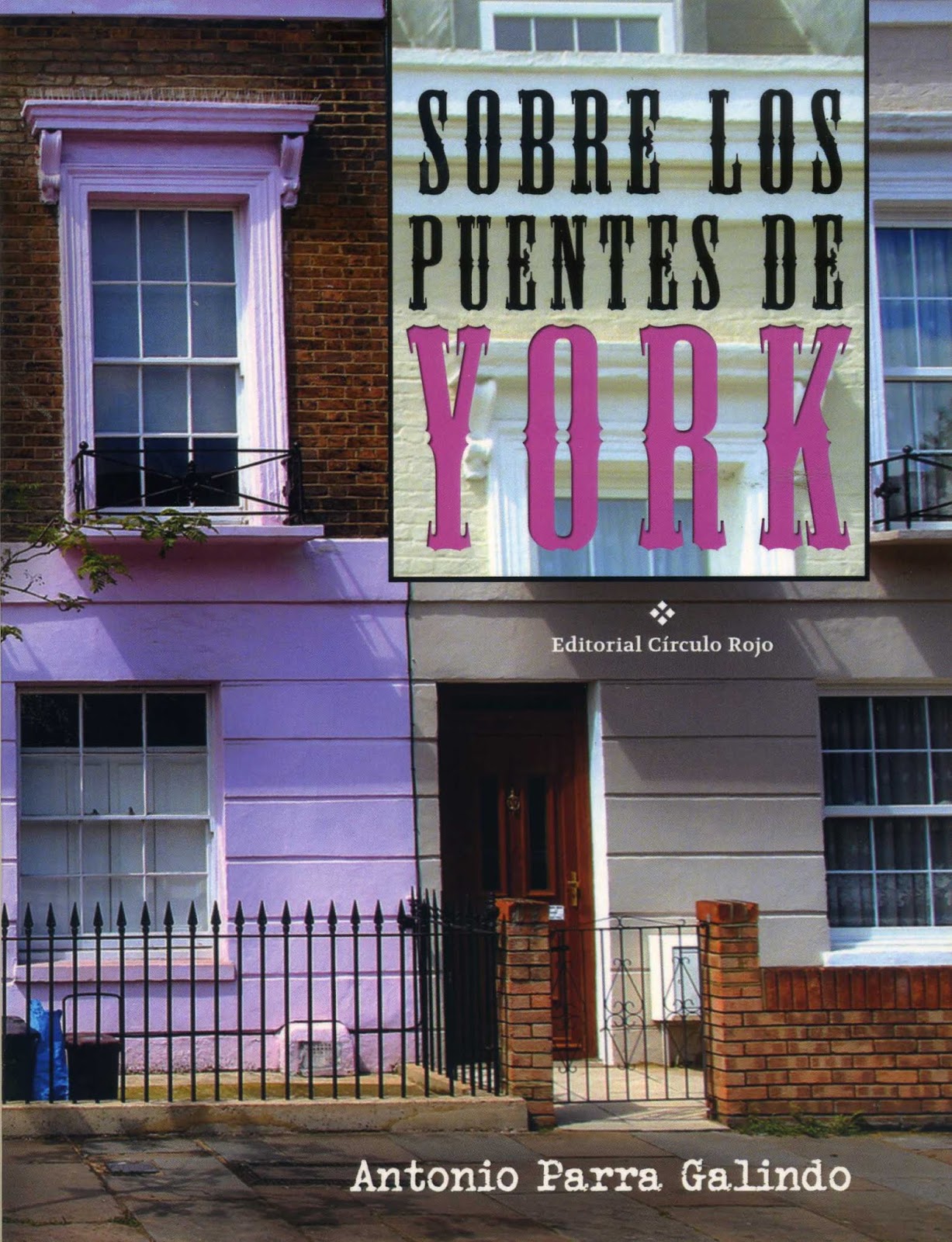  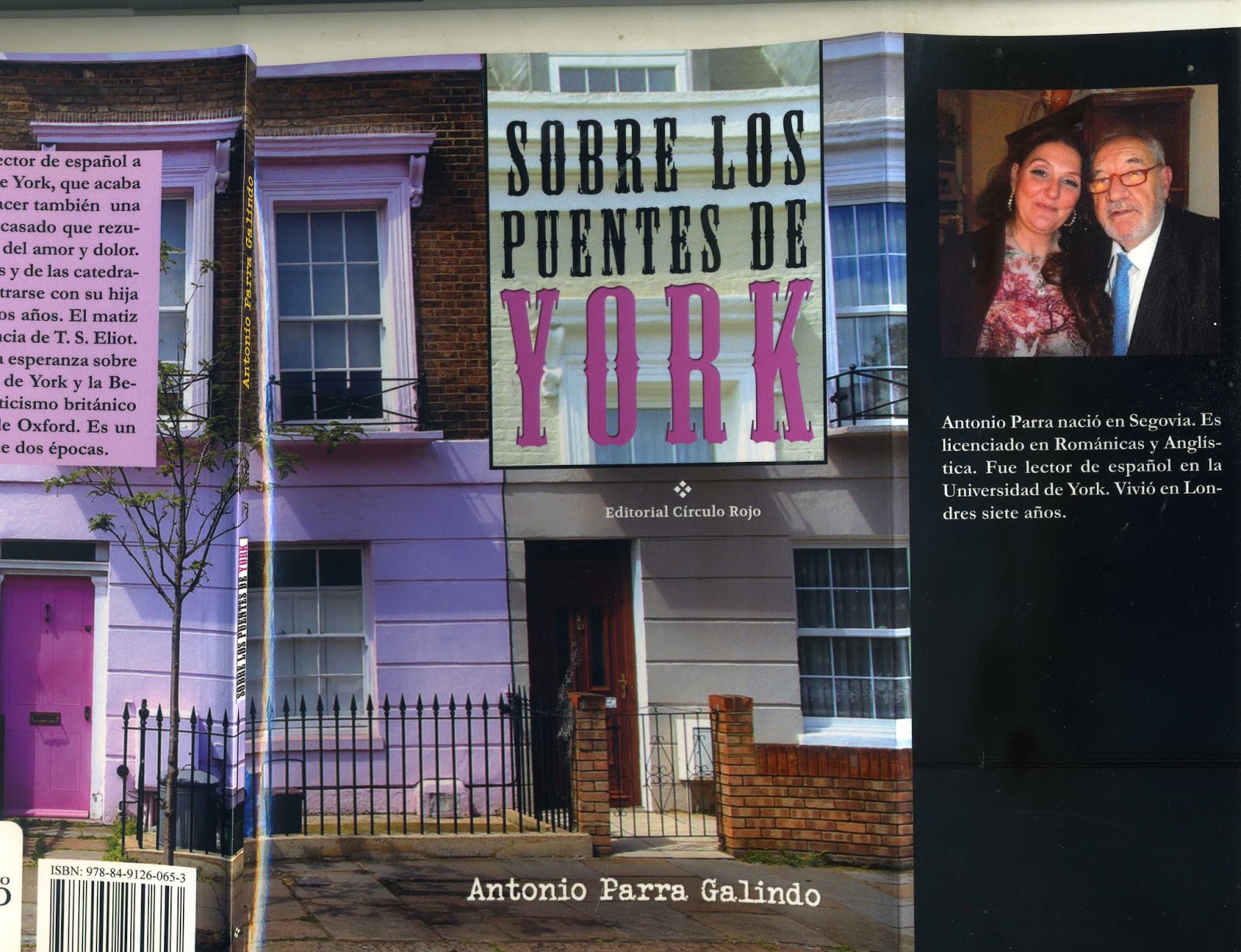 SOBRE LOS PUENTES DE YORK 1 El viento anda buscando definiciones Promesas de minifaldas Muslos de muchachas en flor ¿Qué es un hippy? ¿Qué es amor? La flor eres tú El amor soy yo Pasan deprisa las mañanas Describe el sol en el cielo su parábola Nubes grises en Wilberfoss Veo madurar al girasol Panocha en ruso es “panoj” La espiga se yergue Suena el reloj Campanas volanderas de la catedral de York Se oyen pasos Es el eco de la algarabía de las horas 2 Leemos los dominicales Cruzamos el puente romano Una pinta de cerveza, por favor Amarga un poco y es rubia como las muchachas en flor minifalderas que van a los pubs y acuden al lounge de las tabernas The Tavern of the Town era un Viejo Molino Lamen sus piedras las aguas del río Que divide al Yorkshire en dos A la entrada por mascota un gallo. Un canto alectorio y un trago Honremos a Baco Cantemos Life is too short Hermano bebe que la vida es breve Almenas, barbacanas, postigos y arpilleras Oro de cristal de la meliflua cerveza Los funcionarios de esta ciudad arzobispal Juegan al bridge Y a la tarde cantan salmos En lo alto de la torre de Micklegate Dos adolescentes se besan Las manos entrelazadas por el viento Mediodía es ya Regresa el “clerk”[1] A su oficina La ciudad vuelve al silencio El río Ouse fluye tranquilo albergue de aceñas y murallas Nadando van los cisnes el pico blanco Soñando en las espiras de Beverley Enclaustrado en estos muros Me siento la florecilla de un convento Papel grosella Formularios y consultas Llamadas por teléfono Maurín trae el té con pastas Las voces de los condenados a muerte Se pierden en la distancia Y a las cinco de la tarde terminan los días Me siento en la trasera del viento Y busco la piedra filosofal En un autobús azul vuelo hacia casa 3 Whitmawhotmagate[2] Se oyen pisadas en el barro Ya vienen los soldados La calle es estrecha y oscura El sol queda lejos No quiere ver esta flñagelación Por el amor de Cristo no me matéis Yo peleé en Jerusalén Traje a Inglaterra el santo Sudario Y el grial de la Última Cena Se escucha el crujir de las cadenas Es a un diácono al que condenan En Whitmawhotmagate Al sol se lo llevan muerto las plañideras Están preparando la mortaja La luna asoma la cara entre los dientes de esa almena Eboracum ciudad del marfil Patria de santa Helena Porta la cruz Madre de Dios que en lo alto sonríes Al ajusticiado triste y serena Reina de los cielos Madre de los hombres Protégenos Hermanos, no me crucifiquéis Soy clérigo de Santa María la Mayor Proclamo el evangelio del rito solemne Canto en el coro Tú profanaste el cuerpo de la doncella Debes morir Te condenamos por violador La ciudad ha oído resonar de trompetas Los soldados hacen justicia En nombre de Dios Su gracia el arzobispo os excomulgará Y del papa de Roma llegarán reescritos y anatemas Maldito clérigo fornicador Te cortarán las orejas y los genitales Whip-ma-whop-ma-gate Calle oscura que se estrecha junto al paredón Lugar de escándalo y flagelación Una niña lloraba en la ventana Al ver pasar a la inquisición Iba delante el deán con el hispo Manchada de tamo la capa pluvial Un chantre entonaba exorcismos y oraciones conjurando al demonio Repicaban las campanas de todos los belfries[3] El tintín del kolokol[4] Whitmawhatmagate La calle es como un cajón Los esbirros estampan contra el muro el eco de los azotes Crueles carcajadas En la hora de mi muerte Auxíliame, Mater Magna, Del desamparado protección. 4 PODERES DEL VINO Y EL TABACO Tuyos son los poderes del vino y el tabaco Cuarteles en la sombra que vigila Y enamora Toda tú, poderosa, Del ayer imprescindible Oficinista que vuelve del trabajo Un día quiso ser escritor Ibas recortando noticias de periódicos Anuncios de concursos literarios Ilusión y profecía Reencuentro con los textos altos No volveré a verte, reina de los mares, Que llegaste a mi vida misteriosamente Y así te fuiste… calladamente y para siempre… para siempre En Paddington cuando te vi por última vez abril del 72 El pie en el estribo de aquel tren, sucio el andén, blandió su espada contrea mí el ángel exterminador —Al infierno tú —Al infierno ¿yo? —Al infierno sí del Desamor Canto fugitivo Ascensión a las estrellas Entre las vedijas de humo de un cigarro Helen ayer tarde Cumpliste treinta y dos años Ya no veré a mis nietos ingleses Los dioses se vengaron Golondrina en el alero Vuelo quebrado y encendido Que posa reverente en el palo de mi cruz No derribaré tu nido con un palo Pues eres pájaro sagrado Vida que desborda entre voces y tonos de mi móvil Tú eres fútil Contingente como el humo del tabaco O la falsa ilusión de un trago 5 JUAN DE BEVERLY OBISPO Y MÁRTIR Amaneció lentamente Luz lodo de niebla penetrada Ninfas y valkirias vinieron de Islandia Un deseo rubio sobre el río Cendales de niebla flotaban sobre el agua Vimos el coche de Peter con las luces apagadas Oímos el canto de pájaros del alba Las limpiadoras de la mañana Cantaban viejas baladas escocesas Bebían ter caliente Era una orgía de voces y de tazas Samovares eléctricos silbando vapor Reginald se ató el nudo de la corbata Oyó las últimas noticias bibisiguán Contó los pasos Se detuvo en el umbral Lo más hermoso era la mañana York era consciente de su despertar Las gentes se decían buenos días Good morning se oía por toda la ciudad La niebla besaba las cresterías De la catedral Las gárgolas se reían Las espiras buscaban el beso del chaflán Todo era una arquitrabe y simetría Paisaje del país de Irás y no Volverás Sobrevolaba los terrados la sombra de Peter Pan Cuando la luz se hizo completamente Cesaron las brumas sobre el río Que escondían las dos torres mellizas Ebúrneas y ciclópeas de la catedral en la llanura El sol besaba los pretiles Un querubín la portaba en volandas Y Reginald y Peter y Mary Jane Deprisa caminaban sobre los puentes De marfil Donde montaban guardia los centuriones de Eboracum Sintiendo los días como un afán consecutivo Vivian jornadas de repeticiones Se movían como autómatas El fraile volvió a sus salmos y el guerrero a su combate Sobre el arco de Micklegate sonreía macabra La cabeza del obispo degollado La dueña volvió a su rueca El juglar a su rabel El amanuense a sus libros Creció una flor roja en el alto del pináculo De la que no hubo más memoria Reginald, Peter Marijuana sumas y restas Cifras formularios Rubber stamps,tampones del gobierno Somos un numero papel mojado Ruedas destornilladores arcos voltaicos La humanidad progresaba y se aburría Sin conocer su propia historia 6 AL PEDRUSCO HECHO RAZÓN Y SIMETRÍA La piedra dejó de ser piedra Se hizo razón escolástica Silogismo Sobre los arbotantes Tres torres tres puertas tres puestas del sol Campanarios volanderos chapiteles como astas de saeta La luz mira a los siglos Los sonidos traen el eco de voces medievales Otro inglés, otras canciones El tiempo duerme inmóvil Y el aire está indeciso El ritmo fijo de la estrella parió la simetría Exactitud matemática Oigo la algarabía de los picapedreros De York la cruz del Temple coronando Sus gorros frigios Gubia que renace Y conjura a la piedra que se torna ingrávida Y arde como llama En lo alto del arbotante Hubo un arquitecto que sabía El secreto de las catedrales Plomada compás pie y pulgada Los apeos que miden el ángulo de la arquitectura El numero exacto que cuadra el campanario Arte normando Ventanales multicolores Que relatan pasajes evangélicos Al color de las vidrieras Didáctica y sermón de cristal y piedra Luces que arden en el tenebrario Para la rara fiesta del Viernes Santo Ya es primavera Mañanas soleadas me saluda la luz brocense York Minster que se levanta sobre el suelo huidizo de una ribera Y mantiene el equilibrio desde hace seis siglos Paralelepípedo de la razón Bosque de espiras… 7 RIO OUSE Los peregrinos hacia el norte Siguen el vuelo de la alondra Y la aguja de la brújula El compás de la esfera Hay barcas amarradas al amor del río Una cueva estratégica entre los carrizos Las gaviotas de Hull Están allí Viajeras del mar del Norte Pico de vikingas tienen estos pajarracos: las palmípedas “sea gulls”; estas sí que son escandinavas ¿Quién hizo el verde y el gris? Aguas turbias fluyendo mansas hacia el estuario Cantando una canción en latín al viejo Eboracum En verso yámbico De las mazmorras junto al rio Llegan las quejas y lamentos De los ajusticiados Nadan peces de colores bajo el puente Un pescador en su barca Se ha convertido en gondolero York es una Venecia mítica Dulce y suave junto al Mar del Norte Clara gris y altiva Siempre de amor vivificada 8 JUDERÍA El mercader me sonríe Tres eran tres en el centeno Latón y piedra pome Shylock algún día A este hombre lo vio Shakespeare prestamista en su telonio Baratijas y sandalias ¿Qué es lo que yo quiero? Tu nariz afilada de rabina Me fascina Hubo siempre en York algo de Toledo Pero las sinagogas de Yahvé las manó derribar Eduardo primero Peregrinemos Tú y yo, hermano judío, conocemos el camino del éxodo 9 FRIO DE FEBRERO Este frío de febrero nació de las entrañas Del padre Eolo Rosa de los vientos Sopla por estos sexmos con fuerza el as de los siete cierzos Sopla y sopla Es bien guerrero Nunca se le agotan los pulmones Es aguerrido Yo estoy aterido Luchando no contra los ingleses sino contra los elementos ¿Qué hago? ¿Quemo las naves? Los campos en quietud Se esconden los conejos Las bufandas traicioneras juguetonas irremisas por los campos volanderos de la autovía solitaria No me para ninguno voy por la vida haciendo dedo Un poeta recién casado acude al trabajo en autostop Siento la bufanda como un dogal junto al cogote Llevo a casa dulce hogar Fue un día de perros Padre Eolo yo te bendigo Por traernos la lluvia y las noches junto al fuego 10 Robert Clark Roberto Clarco de entre los tísicos tú eres el peor parado Pecho campaniforme y esqueletito Hombre lleno de ponzoña Cuando la boca abres sale por tus dientes Una armada de cucarachas Liebres lujuriosas Sapos fornicadores Eres el fantasma de un pirata que los españoles colgamos del palo mayor de un buque de la Invencible Nos asustas buggy man[5] Devoras las entrañas de niños inocentes 11 VEGETAMOS la mañana tiene un eco de besos fugitivos leemos las noticias que traen los diarios el hombre piensa en el hombre siquiera una vez pero este humanismo que aprendí no me sirve para nada nos llegan nuevas de otras galaxias mientras aviamos tazas de té breakfast time tostadas con jkamón un par de huevos fritos —It builds you up, love Vietnam. Paso la hoja Esa maldita guerra Nixon Kissinger Inmigrantes a casa No cabemos en la isla Se acabaron las huelgas de la Ford La bandera de Israel flamea en el canal de Suez Crece el número de desocupados —You are on the dole y va a nacer tu hija ¿Qué hago? ¿Voy a la oficina? Me acaban de despedir Soy un parado más Un nombre que se agrega a la lista Pero un beso tuyo es alivio Para este nido de interrogantres Dios pasó por Wilberfoss esta madrugada Y pintó de gris el cielo y el campo —¿Subes? Te llevo —Whre are you going? —North Percibo un ruido familiar de motores El camionero está cansado Pero hay que vivir y morir El volante de baquelita entre las manos 12 SOLEDAD. PÈLIGRO Me duelen las huellas de tus dedos Porque al tocarme siento que se ha corrido La cortina de humo de la historia Cuando palpo tus pulpèjos Beso tus ojos Y acerco tu dorada cabeza a mis pechos Regreso sobre mis pasos Me introspecciono Tú estás siempre ahí ¿Siempre? Realidad Entraña Sueño consumado Sobre las cruces malvas Suspiro, amor mío Corramos juntos por el Tiempo Hay que descorrer el telón del teatro de la historia Sobre mis labios esté siempre La flor de lúpulo Que busca la burbuja de tus besos Al fin y al cabo no eres más que un sueño De cerveza Tu cuerpo y tu alma siempre circunscritos a mí Todo empieza y termina en ti Alfa y omega Sólo quiero en adelante Un techo para nuestro cobijo Un poco de pan y algo de manteca No menciono la soledad Porque abundé siempre en ella Me refiero a estas pócimas de llanto A las gotas del cáliz del dolor Las bebo poco a poco Y a este luto por el hombre ¡Tanta injusticia! A esta batalla que entablamos cada amanecer Con nosotros mismos Con el prójimo Me refiero a esta razón de guerra Que es la clave De nuestro tránsito en la tierra 13 LLEGA LA PRIMAVERA DEL 70 Hoy es la víspera de la primavera Hay en la ciudad un ambiente de vientos fugitivos Prisas y delicadezas Los amantes se intercambian guirnaldas Hoy vi clavadas en lo alto las cornisas Sonrisas apacibles Miradas tiernas Pasado el rubicón del invierno En Yorkshire crecen los narcisos Tres jubiladas de visera a cuadros Sentados en un banco Miran al deán que abriendo su breviario bosteza Mientras murmura Señor abrid mis labios Hay concesiones a la holganza Me baña el alma un paño transparente de tibieza Aliento mi pereza Abro la correspondencia Miro para el reloj Es ya la hora de salir Vuelvo a ser niño Mientras espero el nacimiento de mi hija Es la primavera eterna fugitiva Que ha venido Recuerdo a aquel chantre que apoyado el trasero sobre la muesca de una misericordia de nogal Sesteaba rezando la hora de tercia Y en el coro todo eran rejas y libros grandes becerros e incunables catedralicios Vuelve la flor del viento caliente Y la ciudad de prepara Aguarda la fiesta Acaban las marzas sonríe abril Las mayas diremos ¿Pondré este año, Suzanne, la enramada delante de tu puerta? 14 ASH WEDNESDAY (glosando a T. S. Elliot) Because we are and we are not Because we see and dont see Because we are matter of ashes Made in wombs and in tombs destroyed At the end however morning stars shall shine We go and we come Our lady of serenity forgive us Thee the crowned at heights Project us who Struve Laugh, work, eat sleep and cry We christen our sons And live through the hours Waiting by the clock Ash on our forheads Tears in our eyes Be… be… be De ceniza nos coronaron en la mañana Somos príncipes de la humildad Vivimos, respiramos, esperamos Aguardamos la badajada fatal Pero habrá un instante en que los muertos y los vivos Los presentes los ausentes los abortados y nacidos y los que aguardan turno en el porvenir Nos conozcamos Hablaremos entonces la lengua de los signos Como el Hijo del Hombre Descubriremos allá lo que esté epíteto significa por ahora secreto no revelado a nuestra carne Porque habrá llegado lo definitivo 16 LUNA Si yo fuera ascua de fuego, madre Si por un milagro de los números Pudiera ascender a los espacios siderales Donde cuaja la blancura Y poner el pie sobre el polvo de plata de la luna Correré cual meteorito Suspendido y flotando, ingrávido, a los espacios infinitos Yo me haría tripulante de una astronave A bordo de esa capsula que bojará la superficie del satélite encantado Y aterrizará en el mar de la serenidad Entre controles odómetros y palancas Del salpicadero del batiscafo que va a la luna Y frases que vienen desde millones de kilómetros El hombre ha pegado un pequeño salto Pero con tales brincos se recorrerá el camino del futuro Vi esta noche la aventura por televisión Desde una taberna de mi barrio Es grande hazaña si por ventura no volviera el astronauta No necesitaríamos sudarios ni cajas ni atúdes ni sueldos de enterradores Porque hasta el juicio final podría recorrer mundos el cadáver Sin ligamentos ni compromisos terrenales ¡qué muerte tan plácida oh Dios mío qué habrá allí! 17 GUIRNALDAS PRIMAVERALES Te espero cada año por las esquinas del viento Te miro a través de las esporas que abren Te escucho en el canto de los pájaros que regresan Cabalgando van los potros locos de la tarde de aromas embalsamada Encienden chispas azules al galopar Cíngulos de flor cabezas adornadas de guirnaldas Y la frente limpia de las vestales Puberes caneforas de York collige virgo rosas y llevaselos al dios Eboracum el de la cabeza de jabalí Con un puñal de marfil entre los dientes 18 DOMINGO DIA DEL SEÑOR No sé donde estan los principios ni las monedas Van de la ceca a la meca Ya viene el padre neptuno con su tridente Al rayar ewl alba la luz proyecta interrogantes De noche yo amo el cielo y las estrellas La aurora conjura el sueño Gira la tueda implacable de los días Ictión cabeza abajo cabeza arriba da vueltas y más vueltas Hoy es domingo día del Señor Trituro mis pepeles Esparciendo miles de cuestiones Están las cartas sobre la mesa Allí mi alma y mi congoja son presas Me abruman los papeles Vertigo y revoltijo de mis ideas Objetos múltiples fetiches de mis agobios Donde refugio mis quejas Todo esto habla de mi inexperiencia Ondean oriflamas y banderas en la cúspide del campanario El repartidor dejó una pinta de leche y lois dominicales en el umbral de mi puerta Es domingo del Señor He dejado de ir a misa Me aburren las poses misioneras del cura fornicador Mi amor se despierta y me pregunta Dónde estamos, qué hacemos, qué queremos y adonde vamos No hay respuesta Ladra un perro en el jardín Es abril Rento un bungalow Y en el garaje vacío Tengo aparcada mi bicicleta Voy y vengo camino de York Sobre el tronco del madroño las abejas libadoras diligentes Construyeron un panal Las horas pasan tranquilas Quiet Swundays Los domingos de Wilberfoss yo me arrellano en mi sillón Silba el calentador Suzanne me trae una taza de té Esto es vida Prohibida la tristeza 19 APAGÓN Se fue la luz, amigos, Pábilos humeantes. Candiles que se yo Puso una vela para alumbrar su establecimiento the lady in the shop Inglaterra es tierra de tenderos Fenece en la fronda el canto del mirlo Se pone en movimiento el avantrén de los ferrocarriles ingleses Nos vamos ¿Pero hacia adonde? Saca la libreta consulta tu prontuario Señas direcciones teléfonos olvidados Amigos están para las ocasiones Soy un naufrago al que nadie auxilia Es de nuevo el lánguido vaivén de irse El juan sin tierra y el judío errante que hay en mi Hay amores a raudales sin embargo Se besan las nubes con las copas de los árboles Tribadismo eros amargo La tarde desciende serenidad Las horas se vuelven brumas Hay un hombre esperando un hijo en esta ciudad Ya mi sangre germinará sobre otra sangre Porque así estaba designado desde el comienzo de las rosas 20 FELIPE II Era la flor del imperio Cabalga caballero Crece la flor de Flandes Buen soldado Era mi padre Bebedor y jaranero Galanteaba rubias mozas en Antwerp Obediencia le debo Juegan las olas del mar A soñar mundos No se ponga el sol en mis dominio Cabalga caballero Navega marinero Soy maravilla de Castilla Miedo me tiene Lutero Dibujo sentado en la silla de mi retiro Escoriales dorados Laderas pardas El silencio se vuelve sillar y geometría Cartabón y diplomada Razón matemática Mi religión es un silogismo Rezo los oficios y escribo madrigales Rey soy Doy la voz de mando y puedo Vara alta furor de las inquisiciones 21 LLEGADA A DONCASTER Doncaster carbón y polvo blanco Beso gris de la lluvia Señor, danos tiempo mientras esperamos la partición del pan bendito y del amor Porque dios es amor Que bien suena esa frase hecha Pero no es practica ni aplicable Barandilla azul donde se asoman mis recuerdos Estoy en una ciudad que conozco y que me esdesconocida Quizas vila en sueños de otra vida Aquí el silencio es más profundo Huele a margarina Juego con las palabras Me monto mis propios castillos He llegado a Doncaster liviano de equipaje Con un mermado talonario de cheques en el bolsillo Y la promesa de un empleo En armthorpe High aguardan mis chicos Niños que esperan la redención del viento Con un libro de gramática en el bolsillo Barrios de emigrantes paquistanes Que buscan el pan y el amor en este `pais Inglaterra les abre sus brazos Esta el mundo cambiando Harold Wilson fuma su pipa Los periodicos juegan con las estadisticas de las cifras de parados I amo n the dole Me duele el llanto de los afligidos Percibo las pisadas de los que se acercan en la noche Carcajadas y rostros desencajados Bocas y dientes tiznados de carbón Los mineros pisan firman al bajar a la galería Llevan en la vagoneta el peso del mundo Como san Cristobalón Ellos son la fuerza motriz que mueve el mundo Un punto de apoyo Y todo echa a andar 22 A OTROS ANTONIOS Mi nombre y mi palabra pasarán Nunca mi dolor Ay que me duele el amor Hay miles de españoles que se llaman como yo Soy una mota en el universo si la humanidad es una constelación Así y todo aspiro a las estrellas Sic ad astra Y estoy en el exilio alma herida de fracasos Fuentes plenas de silencio Voy surcando mi camino como puedo Vivo donde río y donde lloro Y muero y paso ¿Qué importa que haya muchos que se llamen como yo? No sé ni de donde vienes ni a do vas, Antonio Parra Nuestra esencia es universal Todos bailamos al mismo son Del invisible pandero Ley de la gravedad que hace que ruede la piedra en la bajada del monte No acierto a decir tu nombre No sabré definir Soy anónima canción Pie quebrado de un verso que encaja mal La barca navega sin rumbo 23 A MI HIJA OLIVIA Desde mayo me llevas germinando en la blanca caracola dsel futuro Se va haciendo tu cuerpo gracia Tu boca se hace risa Y tus ojos lágrimas Tu garganta gorjeo tempranero Niña blanca niña azul Que llega desde la niebla De Hull Espejo de belleza Albas te despiertan Crepúsculos te adormecen Y asi en tu crecer constante Dia a dia mi vida yerma en algo cristaliza Olivia gracia plena En el arebol de un ajito Por la escalera de una pedorreta El arrebol de las tardes saludos me envía Pues te tengo a ti En hora buena venga la luz a mis oscuridades El alma se ilumina Ya pasó la noche Quiero vivir cuando tu presencia es incierta todavía Y acabas de plantar tu huella nueva en los caminos Yo lo soy todo en tu llanto y en tu risa, dulce niña Amapola de las montañas Duquesa del campo segoviano Vaticinio de Shakeapeare Oxford y Alcalá confluyen en tu persona El ser y el saber todo lo que yo quise ser Toda tú Bendita tú La historia se parado En el facistol del libro del coro Cantan los angeles nuevos himnos Arroyo claro Pomo de alabastro Círculo de amor infinito La rosa empezó a ser rosa Olivia quiso ser olivo No habrá nombre más puro, seño El ruiseñor funde su canto con el del mirlo El álamo creció 24 DE NOCHE Lejanas pasan la hora En la lejana borrachera de la noche Todo es quietud Humeantes cigarrillos Dejan regueros los pensamientos las ilusiones en los libros Que yo nunca escribí 25 AZUL El azul siempre fue azul Huelgan las definiciones Un angel guardián se cierne sobre nosotros Hay escamas en la túnica y las alas del serafín No me deja la tos ni la fiebre Estoy prisionero en los jerseys de cuello alto Leo Conjuro mi abulia Compro los periódicos Subrayo con lapiz rojo algunos comentarios Preparo mis lecciones Suena el timbre que convoca a dar la clase I am a teacher A la noche llego a casa corrijo redacciones Escucho misa por la gramola 26 NANA Duermete mi niña La pajara pinta de los huevos pintos Te llevará en sus añas si no te duermes Yo te arrullo En esta llanura verde Sin montañas son colinas planos caminos Molinos de luz tendido electrico Duerme Helen Olivia que el mundo es un valle deshabitado Caballos alados Cabalgan por el espacio Mira A la brida domo a un pegaso Duerme que cuando crezcas Te llevaré a la feria de Medina del Campo Donde corre el dinero y las letras de cambio Tanto por tanto Te compraré un vestido blanco y el ceñidor del vuelo del finife Todo te lo compraré Cuando amanece el mundo es un piano A la puerta me espera la niebla Y el campo Brumas de aurora Resacas de alcohol Vivir es tener una bicicleta Y pedalear hasta el trabajo Enrollarse una bufanda volandera Y suspirar por una mujer 27 NECEDADES Necedades y soledades El mundo es un tunel de palabras huecas Andan sembrando eñ cielo de fcrases Falsas promesas Por el aire me llegan mensajes La voz del cura abel Hernandez el de Soria Los sonidos lejanos alzan castillos en el aire En los diarios se escribe la historia y todas esas crónicas de vanidad Aulas llenas de domine y doctrinas Calate las antiparras Don salvador de Madariaga ha dicho muera Franco abajo España Me río del vuelo de las mariposas Me fumo el humo de la pìpa de tantas necedades Me ahorco en deseos y planes Dios cuanta congoja Cartas devueltas Van por el aire Llevandose de mis sueños el cadáver Amortajados de decepción y de falsía Corrales y mancebías de alcahuetas y harpías Miro mis manos Están vacías El espejo me devuelve el lento mirar de mis ojos cansados La razón de la sinrazón Pensamientos sin historia Desparramo las manos Sobre el manillar de mi bicicleta comprada en un saldo Apreto el culo doy pedales Llamo a las puertas Negativas respuestas Sólo portazos He dejado de fumar y vuelvo a la dulce trapa mía Quiero ser aquel monje blanco devoto de Santa María Madre Grande que mi dolor comprendes Y enjugas mis lágrimas Capa blanca saya negra y el cerquillo de la entrega La tonsura cisterciense te despoja de tus vanidades Mi bicicleta y yo Somos independencia imperturbable Castos y Pólux Cabalgando juntos la redolada De este paisaje del norte inglés Fundidos en un abrazo de tristeza Vamos dejando un reguero de cantos inagotables Españoleando nuestros destinos Torres cúbicas de la central térmica la noche clara Catedral de la energía Canta el humo sus ultimas elegías Que suministran fluido al enchufe Y al calentador electrico con que calentamos la enésima taza de te Soy un emigrante Pequeño que trata de vencer gigantes molinos de viento como las torres cúbicas del Salto de Barnby Dun Vine a un mundo globo loco El toro herido muge gimiendo dispuesto a morir por la espada Escucho los blues de un cabaratetista loco Ya estoy cansado de rodar por los caminos Montado en el sillín de mi bicicleta sin engrasar Que chirria y pide perdón – demasiados sorrys en este país- por cada una de sus junturas Ese perno va mal y ayer perdí un radio al subir la cuesta de Barnby dun Los hierros les dan calambres El metal sabe llorar 28 MIS COLEGAS COLEGIALES Tántalica tgarea es medir conmesurar la grandeza de estas carteras colegiales En ellas cabe un mundo Satchels Es el poder de las sonrisas de los hombres del gçfuturo La sabiduría de los libros ahonda las rfaíces insondables de la sabiduría Sofía santa María puerto y guía del conocimiento Son mis alumnos el ahora y el mañana de un presente fugitivo Deshojado en nuestras manos redondo girasol Todas las promesas todos los cuadernos de las apuntaciones Los timbres que dividen los periodos de lección Creo que soy un mal profesor pero siempre abriendo brecha pico y pala del lenguaje A lo lejos se ensancha el horizonte Yo soy lo que soy seré y todo lo que he sido Ni una pulgada añadirán a mik estatura Alto voltaje Estoy pleno de ti Podré comunicarme He aquí Las pobres ideas que poseo En el inicio sin embargo de caminos infinitos Una gavilla de verbos condicionales que aprendí Saofismas y retoricas con los que se hace el mundo Se levantan mitos Lejos en el pasado de mi aureola invisible e indivisible Yerguese aquel caserón entrañable El frío seminario bonetes al aire y becas rojas Cuartel de los sueños e ilusiones forjadas día a día Recuerdo petrificado de aquel ayer Guardado en manuales de retórica Elocuentes calepinos Flores de Castilla cantruesos petrificados en los diccionarios entreadas ítems de las enciclopedias que descorren la cortina del saber Y nos llenaron de entusiasmo Una vez Es la llama que alumbrfa mis pasos De mi caminar hacia la noche del mundo Volvamos, hijos míos, al humanismo digno Que educa y purifica Nuestras almas Plenamente PÌNTOR DE BROCHA GORDA XXIX Vuelvo a mis pinceles Mero pintor de brocha gorda Soy fiel a mis principios La estética Y que placer más divino y estético que el pintar de rojo mis habitaciones Donde guardo las novelas de Delibes en una alcancía TO THE ROSE XXX Will you know, rose The seconds are splits in a minimum days of hope Rose full of colours Pull me up to the tower Who made you Who are you Tú eres mi rosa curativa Aroma siempre que llevo dentro de mi piel El rosa rosae rosae nominativo y genitivo De nuestras conjugaciones latinas Aprendidas de memoria Que me llegan envueltas en ti Arrebujadas en la fragancia de tu aire Nuevo día XXXI Con nuevos deseos me entrego al día recién nacido Cuando el alba fresca augura Nuevas querencias y vivencias Ando con un palo hurgando en el nido de la golondrina Mirando hacia todo aquello que ya no tiene vuelta atrás Un nuevo día ha llegado a mi alegre fulgor Iam lucis ortus sidere Canto la estrofa de mis monjas El fraile que yo fui Un nuevo día ha llegado a mí Eco soy de sus voces Que escucho desde hace 26 años PÁGINA 50 XXXII Mi poder es limitado y microscópico Ansiedades mías debilidades mías Pájaro solitario el corazón en sombra Pero yo he conseguido alcanzar la página 50 de mi novela Ay amigo Si fracasé o triunfé eso lo dirán los del jurado que con su voto emitirán el fallo definitivo Mientras tanto yo no cesaré en mi empeño de juntar palabras Hasta el día de mi muerte XXXIII CARRETEROS Van carreteros y careros cantando los cubos de sus ruedas Parecen hijos del fuego Se llevan traicioneros mis pensamientos Que nunca vendrán XXXIV AL GENERAL DEGAULLE En la noche de la huida Luce una luz entre los álamos Lanza carteles la prensa de la torre Normanda de Colombey les deux eglises Pobres silencios nuestros Tantas disquisiciones tanta prisa tanto discurso y tanta fama Al fin de toda la grandeza surge una plegaria Desnudos estaremos cubiertos por el velo de la noche Los hijos de Adán Sic transit gloria mundi, mi general. La gloria es la falsa aureola de la historia Sólo un nombre grabado y acaso después borrado En los libros de texto Y unas cuantas acotaciones que citará el engolado profesor en una conferencia glosando a Manuel de Agustín aquí Paris el general De Gaulle por Radio Nacional en el parte de las diez Los radioescuchas te verán tu gran altura tu cara alargada el kepis laureado tu gran nariz Era la grandeur la pomposidad de los grandes hijos que parió Francia para gloria del mundo XXXV VENTOLERO Me subo a la plataforma del aire que lleva el viento y la palabra Peregrino de la paz quiero indagar Correcaminos Quiero saber como cuaja el vino Y crecen las rosas Quiero subir a las sierras ágil plumbeo y colandero El alma es gtransparente y sutil pero el cuerpo pesa Me aturde el resonar del eco entre gollizos Me da vértigo escuchar el canto de sirena Estudio leo me aflijo Quiero bucear en la rtazón de los principios A la caza siempre de la piedra filosofal XXXVI AL GALLEGO Me ciño a lo que cuentan y lo que dicen por aquí que no es halago sino vituperio Pero ya se sabe: los ingleses… Yo miro y puedo Tengo un ejército que ganó la guerra El cardenal de Toledo me bendice bajo palio Y por mi persona elevan en las catedrales multitud de clérigos Los señores de levita Se arrodillan ante mí Haré cuanto me salga de los cojones Ordeno y mando y también mando y ordeno Hagan juego, señores. Señores, hagan juego No hay causas pendientes XXXVII VENTANAR Yo tengo una rosa blanca en mi ventana Detrás está el cielo sueño onírico Y detrás del firmamento ¿qué habrá? Tarde de primavera en el parque juegan los niños Percibo el tañido de un xilofano Sueños musicales en dorremifa El sol perpendicular Al caer derrama amor sobre las siluetas De los hombre de los burros De la mujer que vuelve de la compra Mientras lenta muere la tarde en el campo XXXVIII AL GRECO Bajaron los ángeles tan despaciop batioendo sus alas de puntilas que la ternura cristalizó en figuras en ese acólito qu agarra la punta de la capa pluvia del clérigo y se vuelve música en ese sobrepelliz plasmado en transpariencias O el gesto de dolor de san Jeronimo y san Agustin Las tinieblas iban por los riscos tiñiendo de acre el oscuro perfil amurallado No sabemos si era Goya o el Greco o Velazquez o Zurbarán o Juan Pantoja Sólo sentiamos la pasión del escorzo volandero El ágil golpe de fortuna del pincel sobre el lienzo En el extraño fulgor de Toledo Sentimos la llamada mística de auqllas damas que nos enamoraron De aquellos esforzados caballeros a los que tratamos de imitar Subieron nuestra alma adentro Sus miradas y desde entonces andamos alumbfrados penetrados de mística españolidad Excursiones colegiales por la pasciua Sepulcrfos de cardenales Tardes primaverales de adolescencia Y siempre desde entonces busco por el mundo Ese “algo” de Toledo Sobre los riscos y los tolmos las almenas los minaretes los campanarios los crestones de las agujas góticas del arbotante del reloj Dentro de mí vive y perdura el arte de la pintura de los genios el Frego y Velazquez que consiguieron traducir al lienzo el aire el espacio y el tiempo Siendo Goya desgarradura pura alto voltaje Pero tambien lozanía y complacencia de un baile en cuadrilla O del sonar de un minueto Ya se fueron los ángeles Alzaron su vuelo Murió y resucitó el crfisto La paloma bajó a beber al río observada por la mirada de toda la lista de los reyes godos El sanedrín tampoco a las ´ Aguilas imperiales las perdía ojo XXXIX “PUERIPINTORES” Los niños de la escolanía Cantaban y pintaban Frente al facistol Los movimientos de los arcos Eran los pueripintores El deán lel dio su bendición y vino un canónigo pertiguero y les dio la tradicional acolada Entraban en la iglesia Toque de varas al puericantor y al pueripintor” El cristianismo es musica lujo estético La serenidad del Tajo allá al fondo Garcilaso qué buen caballero cortejaba a las ondinas Y estampaba sus deliquios de enamorado en coloquios y conetos N Adige es más que yo decí Los niños de la catedral de Toledo pintaban el alba y la aurora en cuadernos de colores La luz montaba guardia en las almenas Oh niños albos de la pintura mofletudos angelotes luciendo encarnados labios de carmín Ocultando el sexo con un paño de pudoires Cupidotes y amnorcillos La tentación del pecado infame explicado en una bóveda Jugbando con las manos al zigzag de los pinceles Subid a la palestra Contadnos el secreto de las figuras estigmatizadas de los cristos De los santos y santas irreales La espina en la frente de santa Rita de Cassia que algunos infundía pavor y a otros risa El venablo en el corazón de tgeresa arrobos extasis venereos Las llamas de amor viva Sangran sin remedio Toledo les guarda el secreto de sus delirios de sus sueños Pintan y pñintan los puericantores El aire azul Pintan y sangran Pierden peso Ganan alma Deshaciendose de la tiranía del cuerpo mortal y gravitacional Se liberan Y ascienden a las alturas por las peñás junto al Tajo en busca de besos y paisajes infinitos LX VELAZQUEX TRIGONOMETRA Señor de la mesura, de la paz de los triangulos Te miro y te aliento en el reposo de tu abigarrada paleta que hace un alto No sé lo que habrá más allá de tus retratos Robandoles a los dioses el fuego sagrado diste el soplo de la vida a esos hombres esos reyes esas vírgenes esos cristos caballeros que aparecen en tus cuadros Yh el lienzo se hizo vida Et incarnatus est El verbo pasa al lienzo Don diego tú caballero de la cruz la cruz colorada Bien sabías mirar y cabalgar Le cogiste el punto al equilibrio Toda tu obra es un tratado de estética Supiste bien cabalgar Por del bosque del Pârdo A tus reyes y principes en monterías Y medir a ojo la rueca el espejo y el guardainfante de tus meninas LXI TEA POT Dios se alza sobre los trípodes Estoy sintiendo sus pisadas Por aquel cordel baja Fanal de luz El vino es salud No me lo creo Tengo casa tengo amor y tengo pan Y una mesa de san francisco Alzo la antena de mi radio Y escucho las canciones en la mar Esposa mía, esta noche leyendote y queriendote Viviendome dentro poco a poco Qué grande es el don de amar Se aleja dios Y viene hasta nosotros el príncipe del mal La tgrinidad nos mira con su ojo de ciclope enmarcado en un triangulo Yo rezo la oración continua que corre dentro de mi sangre Quiero al santo de los santos y no me atopo sino oscuridad en los caminos Rutas sin salida Doy vueltas y más vueltas Al laberinto Hay que volver al silencio Para siconalizarnos Somos grandes y pequeños Gurriatos y condores Siempre aves de paso Sólo una esperanza de la larga muerte Y de los silencios de ultratumba Antojo de resurrecciones No me hago a la idea Por de aquel lado nadie regresó Son mitos y patrañas que nos cuenta Parea conjurar absurdos contrasentidos Proyectamos el candil iluminado hacia las estrellas y no vemos sino noche Dejemos de escribir Aquí comienza lo inefable LXII SUZANNE Me fue el poder y la gracia de conocerte y allegarte hacete mí mi propio cuerpo mi propio parto Una noche casual Como tantas otras en la vida Te encontré mariposa de luz hermosa compañera Porque así estaba escrito Fuera de ti salvación no había Y hasta aquella noche todo había sido llanto Ahora me baño en la alegre luz de tus labios y de tu nombre Suzanne, Suzi, Zanny, Pickle, pan silencio y testimonio LXIII PAX TECUM Preparo el fuego difuso y conjugo las nostalgias En el hogar es invierno Hadas rojas en la lumbre brasero y ascua Cantan y bailan las ardientes astillas En la campana del tiro de la chimenea enhiestos acuartelamientos de humo que se eleva y lametazos de llama Todo anda muy enhiesto allá arriba Y aquí todo es paz tranquilidad de los fogones horas de espera Podemos pedir oro a las fraguas de Vulcano Buscar diamantes dentro de las arcas de Ariadna Aceptar hilos y bovinas de las hilanderas de don diego Pues muy pobres quedan ahora las mitologías Yo aquí yago cabe el fuego Leyendo poemas trascendentales de mi admirado mr. Eliot En los domingos ingleses carnero con patatas y paz Pax tecum La paz sea contigo hermano Todos somos sacerdotes Con puros en la boca y periódicos en la mano Leemos y fumamos Y tras la misa cantada iremos de la paz de ahora que parce incombustible A la guerra de los telediarios Que derraman sobre nuestras bocas sedientas o aburridas el chorro de noticias Por el pitorro del botijo de la historia Que sigue derramando sangre LXIV A UN MINI ROJO Con cuatro mulillas tordas y un caballo delantero y la carretera toda para ti, carretero. ¿Qué más quieres? Rafael Alberti Tallemos pensamientos amodemos deseos No soy un pobre vergonzante esta mañana me eché coche Era la ilusión de mi vida un descapotablo. Con poco me conformo Ya está aquí el furibundo pegaso Y yo asumo los complejos de Quirón Bebo los vientos por romper horizontes alcanzar algún dia el meollo del casquete polar Todo se andará Febrero no sopla Hay que rezar en silencio No hay cartas ni periodicos por la huegla Pero yo soy ya poseedor de un utilitario Nos vamos haciendo poco a poco en millas montes peajes y recodos. ¿Ya sacaste el carné de conducir? Cabalga de nuevo el Cid Conquistaremos imperios El salpicadero es una adarga el volante un broquel Caballero soy prevenido en frontera Guerrero metálico No habrá piedra millar a la que no saludemos Ni ermita ni catedral de ciudad lejana ante la cual no nosquitemos la gorra Siento el desperezo de un tiempo nuevo en lontananza Mi mini cooper rojo de segunda mano me ha costado medio millar de libras esterlina los sudores de tres años Va a ser mi compañero de viaje Será mi caballo LXV DOMINGO DE RESURRECCIÓN EN HORNCHURCH El domingo misa mayor en Hornchurch mi hija Olivia jugaba con las llaves de la promesa Articulando los primeros sonidos Lenguaje de trapo No escucheis los sermones si la verdad de dios padre está dentro de vosotros Y tú Suzanne dulce y grande A mi lado Siempre estarás junto a mí LXVI FAIRIES Mido mis pasos. En tu mirar me reflejo Vuelvo mi cara Y encuentro tu sangre sobre mí Que me miras serena y lejana Soy testigo de la dicha de saber Que vivimos trasfundidos y yo también lo soy todo para ti Amor que me transita Sube y baja por el torrente de mi sangre Sublime embeleso Catarsis Nosw miramos Hemos superado las torvas vaciedades De las noches de trompeta Y de las palabras que se dicen fácilmente con el vino Dejamos atrás las vanidades Un tiempo Y un estilo Ahora nos cogemos de la mano Vamos por el sendero Juntitos Nuestros cuerpos nuestras almas Palpitan al unísono El uno junto al otro avanzamos hacia las etgernidades Que la muerte quede lejos Carne mía esperanza mía Yo te bebe Y te venero En este atardecer del hebrero ventolero LXVII EL PAN DE CADA DIA De qué me quejo yo si el pan nos llueve Por la infinita misericordia de los cielos Esperemos Aguardemos Detengamos Esa tristeza mía Hija de tantas inseguridades El fuego nos sigue calentando Tenemos pan y café y sardinas Y una manta electrica en nuestro lecho Los llantos los gorjeos y las risas de nuestra niña nacida en mayo Me gustaría tener un trabajo No tengo tiempo ya para la cólera Quiero al pobre guindo del herrén trasero de mi vivienda Que no sé si veré florecer Nos quiere echar el casero australiano Ya lo dijo Jesucristo no odiéis Pero hay veces que mi corazón se encuentra atgascado entre los juncos La cucaracha no quiere andar Se resiste a ser hollada Soy una mula mal domada Un tonto de pueblo que bosteza Demasiadas hiperboles pagan el portazgo de las contradicciones Y esta hiedra que yo planto ¿qué altura alcanzará? LXVIII A MI HIJA OTRA VEZ Hija de mi corazón Por lo que tú eres yo valgo Cuerpo pequeño que trajina entre promesas de alfombras Y pasillos olvidados Dulce etopeya de juventud andar a gatas Todo el vado de los ríos de este condado Caminos de Escocia Los cantos de mayo Las sibilas Vienes a mí y me acaricias cuando llego a casa cansado en tardes de desilusión Soy un hombre a el agua en la oficina Un dangling man Colgado de una soga LIXIX ULTIMO DIA DE ESCUELA Hoy ultimo día de escuela se puso la toga academos y los duendes andaban con su disfraz correteando por el escenario del salón de actos Podemos decir que el tiempo vuela Canta ya el ruiseñor por los cercados Se columpìan ya los primeros tallos de la primavera en los zarzales que el viento del norte no acaricia pues por aquí los soplos de Eolo son un tirón de orejas Los dioses circunspectos se rien de nosotros Nadando los cisnes la ribera del Ouse hacían alardes amatorios con sus alas elegantes Mis colegiales pintan los huevos de pascua florida Para poner colofón al trimestre escolar No lloremos por no ganar concursos literarios por no recibir correspondencia Las furias se han olvidado de nosotros Y las musas nos consuelan Hemos prometido a Aquilón seguir vivos No bajar el pistón Que resuene la caja Que se abran las fauces de su gaita maldita No hay que llorar si nos muerden los delfines Y hay un cancerbero cruel que quiera lanzarnos a las pirañas La gloria la fama el gran nombre el buen sentido son solamente parafernalia Quien tal hace tal paga Y ojalá que su convoy se descarrille Cuando llegue el tiempo de las adivinanzas LX IVEL Diana cazadora se baña sola en las aguas gélidas del Río Ivel Flumen antiguo docta luminaria de Cambridge Otro Henares circunspecto Se asomaba al balcón para mirar las carnes blancas de la diosa Pupila azul el seno virgen Indómita y juguetona La sonrisa golfa de Cupido A la espalda el carcaj y dentro la flecha juguetona Yendo y viniendo subiendo y bajando por estas llanuras britanicas Cortejamos a la diosa misteriosa Mientras nuestros versos lejana memoria Duermen ineditos intonsos ocultos En el polvo de los estantes Esperando la rueda viril o la redoma de un tórculo que los desvirgue LXI MAÑANA DE PASCUA En este día la pasdcua es mía Chiripitas de las veredas Margaritas de los caminos Ya habrá venido el ruiseñor a su nido Toda Segovia se alzará cual torre vestida de lirio Y yo estoy acá En Edenthorpe por las mañanas Canta el mirlo Yo quisiera ser sacerdote de la primavera Erré mi vocación Me hice hombre del llano Tumbeme al surco Me tiré a la bartola Otra pascua más Mañana de sábado santo cuando ibamos con estampitas A la rueda rueda A la tumba tumba Que suena rotunda Cristo resucita Se alegra el campo Hay paz en Hornchurch El gran silencio empieza en Harrow Drive Duerme mi esposa Suzanne Cual amapola en el trigal Descansa sobre el sofá de eskay Yo guardo los sueños de esta mujer que tiene los ojos tan puros Suzanne toda roja y toda azul Bajo la niebla de Hull Ahora yo tengo miedo a la primavera Porque sé que hay flores creciendo muertes por los caminos Luego lavo el coche A la entrada Arriba canta una ninfa Y Olivia tras el baño se va a dormir Lento atardecer de verano summer time Casi luce el sol de medianoche por estos septentriones No soy mas que un pobre poeta Que no sabe nada y lo sabe todo Que trata de curar con palabras los males del mundo [1]Oficinista y también clérigo o letrado [2]Postigo de la aljama de York que separa el barrio judío de las canonjías [3]campanarios [4]campana [5] El coco ESPAÑA MI NATURA |
POEMS TO MY ESTRANGED DAUGTER SOMEWHERE IN ENGLAND Posted: 13 Feb 2019 05:28 AM PST  SOBRE LOS PUENTES DE YORK 1 El viento anda buscando definiciones Promesas de minifaldas Muslos de muchachas en flor ¿Qué es un hippy? ¿Qué es amor? La flor eres tú El amor soy yo Pasan deprisa las mañanas Describe el sol en el cielo su parábola Nmubes grises en Wilberfoss Veo madurar al girasol Panocha en ruso es “panoj” La espiuga se yergue Suena el reloj Campanas volanderas de la catedral de York Se oyen pasos Es el eco de la algarabía de las horas 2 Leemos los dominicales Cruzamos el puente romano Una pinta in the Tavern in the Town Almenas, barbacanas, postigos y arpilleras Oro de cristal de la meliflua cerveza Los funcionarios de esta ciudad arzobispal Juegan al bridge Y a la tarde cantan salmos En lo alto de la torre de Micklegate Dos adolescentews se besan Las manos entrelazadas por el viento Mediodía es ya Regresa el “Clerk” (viene de clñerigo) A su oficina La ciudad vuelve al silencio El río Ouse fluye tranquilo albergue de molinos y murallas Nadando van los cisnesd el pico blanco Soñando en las espiras de Beverley Enclaustrado en estos muros Me siento la florecilla de un convento Papel grosella Formularios y consultas Llamadas por teléfono Maurín trae el té con pastas Las voces de los condenados a muerte Se pierden en la distancia Y a las cinco de la tarde terminan los días Me siento en la trasera del viento Y busco la piedra filosofal En un autobús azul vuelo hacia casa 3 Whitmawhotmagate Se oyen pisadas en el barro Ya vienen los soldados La calle es estrecha y oscura El sol queda lejos No quiere ver esta flñagelación Por el amor de Cristo no me matéis Yo peleé en Jerusalén Traje a Inglaterra el santo Sudario Y el grial de la Última Cena Se escucha el crujir de las cadenas Es a un diácono al que condenan En Whitmawhotmagate Al sol se lo llevan muerto las plañideras Están preparando la mortaja Eboracum ciudad del marfil Patria de santa Helena Porta la cruz Madre de Dios que en lo alto sonries Al ajusticiado triste y serena Reina de los cielos Madre de los hombres Protégenos Hermanos, no me cruifiqueis Soy clérigo de Santa María la Mayor Proclamo el evangelio del rito solemne Canto en el coro Tú profanaste el cuerpo de la doncella Debes morir Te condenamos por violador La ciudad ha oído resonar dfe trompetas Los soldados hacen justicia En nombre de Dios Su gracia el arzobispo os excomulgará Y del papa de Roma llegarámn reescriptos y lincencias M,aldioto clérigo fornicador Te cortarám las orejas y los genitales Whip-ma-whop-ma-gate Calle oscura y estrella Lugar de escandalo y flagelación Una niña lloraba en la ventana Al ver pasar a la inquisición Iba delante el deán con el hispo Manchada de lemo la capa plujvial Un chantre entonaba exorcismos y oraciones conjurando al demonio Repicaban las campanas de todos los belfries El tintín del kolokol Whitmawhatmagate La calle es como un cajón Los esbirros estampan contra el muro el eco de los azotes Crueles carcajadas En la hora de mi muerte Auxilíame, Mater Magna PODERES DEL VINO Y EL TABACO Tuyos son los poderes del vino y el tabaco Cuarteles en la sombra que vigila Y enamora Toda tú, poderosa, Del ayer imprescindible Oficinista que vuelve del trabajo Un día quiso ser escritor Ibas recortando noticias de periódicos Anuncios de concursos literarios Ilusión y profecía Reencuentro con los textos altos No volveré a verte reina de los mares Que llegaste a mi vida misteriosamente Y así te fuiste Canto fugitivo Ascensión a las estrellas Entre las vedijas de humo de un cigarro Helen ayer tarde Cumpliste treinta y dos años Ya no veré a mis nietos ingleses Los dioses se vengaron Golondrina en el alero Vuelo quebrado y encendido Que posa reverente en el palo de mi cruz No derribaré tu nido con un palo Pues eres pájaro sagrado Vida que desborda entre voces y tonos de mi móvil Tú eres fútil Contingente como el humo del tabaco O la falsa ilusión de un trago JUAN DE BEVERLY OBISPO Y MÁRTIR Amanaeció lentamente Luz lodo de niebla penetrada Ninmfas y walkirias vinieron de Islandia Un deseo rubio sobre el río Cendales de niebla flotaban sobre el agua Vimos el coche de Peter con las luces apagadas Oímos el canto de pájaros del alba Las limpiadoras de la mañana Canmtgaban viejas baladas escocesas Bebían ter caliente Era una orgía de voces y de tazas Samovares eléctricos silbando vapor Reginald se ató el nudo de la corbata Oyó las últimas noticias bibisiguan Contó los pasos Se detuvo en el umbral Lo mas hermoso era la mañana York era consciente de su despertar Las gentes se decían buenos días Good morning se oía por toda la ciudad La niebla besaba las cretrerías De la catedral Las gárgolas se reían Las espìras buscaban el beso del chafñan Todo era una arquitrabe y simetría Pñaiosaje del pai de Irás y no Volveras Sobrevolaba los terjados la sombra de Peter Pan Cuando la luz se jhizo completamente Cesaron las brumas sobre el río Que escondían las dos torres mellizas Eburbneas y ciclopoeas de la catedral El sol besaba los pretriles Un querubín la portaba en volandas Y Reginald y Peter y Mary Jane Deprisa cam,inaban sobre los puentes De marfil Donde montaban guardia los centuriones de eboracum Sintiendo los días como un afán consecutivo V ivian jornadas de repeticiones Se movían como automátas ESPAÑA MI NATURA |


| You are subscribed to email updates from antonioparragalindo.blogspot.com. To stop receiving these emails, you may unsubscribe now. | Email delivery powered by Google |
| Google, 1600 Amphitheatre Parkway, Mountain View, CA 94043, United States | |

