misa de las candelas fiesta de la purificación Posted: 02 Feb 2019 09:55 AM PST  In Purificatione Beatae Mariae Virginis ~ II. classisTempora: Sabbato infra Hebdomadam III post Epiphaniam
Sancta Missa | Ante Missam |
De Benedictione Candelarum
Si candelarum benedictio et processio, ob defectum ministrorum sacrorum, forma solemni fieri nequeat, licet formam simplicem adhibere, etiam absque cantu, dummodo tres saltem ministrantes celebranti inserviant.
Celebrans indutus pluviali albo, vel sine Casula, cum ministris similiter indutis, procedit ad benedicendum Candelas, in medio ante Altare vel ad latus Epistolæ positas, et ipse ibidem stans versus ad Altare, dicit manibus iunctis in tono feriali:
V. Dóminus vobíscum.
R. Et cum spíritu tuo.
Orémus. Domine sancte, Pater omnípotens, ætérne Deus, qui ómnia ex níhilo creásti, et iussu tuo per ópera apum hunc liquorem ad perfectionem cérei veníre fecísti: et qui hodiérna die petitiónem iusti Simeónis implésti: te humíliter deprecámur; ut has candélas ad usus hóminum et sanitátem córporum et animárum, sive in terra sive in aquis, per invocatiónem tui sanctíssimi nóminis et per intercessiónem beátæ Maríæ semper Vírginis, cuius hódie festa devóte celebrántur, et per preces ómnium Sanctórum tuórum, bene ✝︎ dícere et sancti ✝︎ ficáre dignéris: et huius plebis tuæ, quæ illas honorífice in mánibus desíderat portare teque cantando laudare, exáudias voces de coelo sancto tuo et de sede maiestátis tuæ: et propítius sis ómnibus clamántibus ad te, quos redemísti pretióso Sánguine Fílii tui:
Qui tecum vivit et regnat in unitate Spiritus Sancti Deus per omnia saecula saeculorum.
R. Amen. |
1 Blessing of Candles
If the blessing of candles and the procession cannot take place in the solemn form, because of the absence of sacred ministers, it is lawful to use the simple form, even without chant, provided that at least three servers assist the celebrant.
The celebrant vests in a white cope or without the chasuble, and goes with the ministers who are similarly vested to bless the candles, which are placed in the center before the altar or on the epistle side. Standing and facing the altar, the priest chants without inflection, with his hands joined:
V. The Lord be with you.
R. And with thy spirit.
Let us pray. O Holy Lord, Father almighty, everlasting God, who hast created all things out of nothing, and by Thy command hast caused this liquid to become perfect wax by the labor of bees: and who, on this day didst fulfill the petition of the righteous man Simeon: we humbly entreat Thee, that by the invocation of Thy most holy Name and through the intercession of Blessed Mary ever Virgin whose feast is today devoutly observed, and by the prayers of all Thy Saints, Thou wouldst vouchsafe to bless ✝︎ and sanctify ✝︎ these candles for the service of men and for the health of their bodies and souls, whether on land or on sea: and that Thou wouldst hear from Thy holy heaven, and from the throne of Thy Majesty the voices of this Thy people, who desire to carry them in their hands with honor, and to praise Thee with hymns; and wouldst be propitious to all that call upon Thee, in the unity of the Holy Ghost, God, world without end.
R.: Amen. |
Orémus. Omnípotens sempitérne Deus, qui hodiérna die Unigénitum tuum ulnis sancti Simeónis in templo sancto tuo suscipiéndum præsentásti: tuam súpplices deprecámur cleméntiam; ut has candélas, quas nos fámuli tui, in tui nóminis magnificéntiam suscipiéntes, gestáre cúpimus luce accénsas, bene ✝︎dícere et sancti ✝︎ ficáre atque lúmine supérnæ benedictiónis accéndere dignéris: quaténus eas tibi Dómino, Deo nostro, offeréndo digni, et sancto igne dulcíssimæ caritátis tuæ succénsi, in templo sancto glóriæ tuæ repræsentári mereámur.
Per eundem Dominum nostrum Iesum Christum filium tuum, qui tecum vivit et regnat in unitate Spiritus Sancti, Deus, per omnia saecula saeculorum.
R. Amen. |
2
Let us pray. O almighty and everlasting God, who on this day didst present Thine only-begotten Son in Thy holy temple to be received in the arms of holy Simeon: we humbly entreat Thy clemency, that Thou wouldst vouchsafe to bless ✝︎ and sanctify ✝︎ and to kindle with the light of Thy heavenly benediction these candles, which we, Thy servants, desire to receive and to bear lighted in the honor of Thy Name: that, by offering them to Thee our Lord God, being worthily inflamed with the holy fire of Thy most sweet charity, we may deserve to be presented in the holy temple of Thy glory.
Through the same Jesus Christ, thy Son, Our Lord, Who liveth and reigneth with thee in the unity of the Holy Ghost, God, world without end.
R. Amen. |
Orémus. Dómine Iesu Christe, lux vera, quæ illúminas omnem hóminem veniéntem in hunc mundum: effúnde bene ✝︎ dictiónem tuam super hos céreos, et sancti ✝︎ fica eos lúmine grátiæ tuæ, et concéde propítius; ut, sicut hæc luminária igne visíbili accénsa noctúrnas depéllunt ténebras; ita corda nostra invisíbili igne, id est, Sancti Spíritus splendóre illustráta, ómnium vitiórum cæcitáte cáreant: ut, purgáto mentis óculo, ea cérnere póssimus, quæ tibi sunt plácita et nostræ salúti utília; quaténus post huius saeculi caliginósa discrímina ad lucem indeficiéntem perveníre mereámur. Per te, Christe Iesu, Salvátor mundi, qui in Trinitáte perfécta vivis et regnas Deus, per ómnia saecula sæculórum.
R. Amen. |
3
Let us pray. O Lord Jesus Christ, the true Light who enlightenest every man that cometh into this world: pour forth Thy blessing ✝︎ upon these candles, and sanctify ✝︎ them with the light of Thy grace, and mercifully grant, that as these lights enkindled with visible fire dispel the darkness of night, so our hearts illumined by invisible fire, that is, by the splendor of the Holy Spirit, may be free from the blindness of all vice, that the eye of our mind being cleansed, we may be able to discern what is pleasing to Thee and profitable to our salvation; so that after the perilous darkness of this life we may deserve to attain to neverfailing light: through Thee, O Christ Jesus, Savior of the world, who in the perfect Trinity, livest and reignest, God, world without end.
R.: Amen. |
Orémus. Omnípotens sempitérne Deus, qui per Móysen fámulum tuum puríssimum ólei liquórem ad luminária ante conspéctum tuum iúgiter concinnánda præparári iussísti: bene ✝︎ dictiónis tuæ grátiam super hos céreos benígnus infúnde; quaténus sic adminístrent lumen extérius, ut, te donánte, lumen Spíritus tui nostris non desit méntibus intérius.
Per Dominum nostrum Iesum Christum, Filium tuum: qui tecum vivit et regnat in unitate eiusdem Spiritus Sancti Deus, per omnia saecula saeculorum.
R. Amen. |
4
Let us pray. O almighty and everlasting God, who by Thy servant Moses didst command the purest oil to be prepared for lamps to burn continuously before Thee: vouchsafe to pour forth the grace of Thy blessing ✝︎ upon these candles: that they may so afford us light outwardly that by Thy gift, the gift of Thy Spirit may never be wanting inwardly to our minds.
Through Jesus Christ, thy Son our Lord, Who liveth and reigneth with thee, in the unity of the Holy Ghost, ever one God, world without end.
R. Amen. |
Orémus. Dómine Iesu Christe, qui hodiérna die, in nostræ carnis substántia inter hómines appárens, a paréntibus in templo es præsentátus: quem Símeon venerábilis senex, lúmine Spíritus tui irradiátus, agnóvit, suscépit et benedíxit: præsta propítius; ut, eiúsdem Spíritus Sancti grátia illumináti atque edócti, te veráciter agnoscámus et fidéliter diligámus: Qui cum Deo Patre in unitáte eiúsdem Spíritus Sancti vivis et regnas Deus, per ómnia saecula sæculórum.
R. Amen.
Finitis Orationibus, celebrans ponit incensum in thuríbulum: deinde ter aspergit candelas aqua benedícta, dicendo Antiphonam “Aspérges me”, sine cantu et sine Psalmo: et ter adolet incenso. |
5
Let us pray. O Lord Jesus Christ, who appearing on this day among men in the substance of our flesh, wast presented by Thy parents in the temple: whom the venerable and aged Simeon, illuminated by the light of Thy Spirit, recognized, received into his arms, and blessed: mercifully grant that, enlightened and taught by the grace of the same Holy Ghost, we may truly acknowledge Thee and faithfully love Thee; Who with God the Father in the unity of the same Holy Ghost livest and reignest, God, world without end.
R.: Amen.
The celebrant sprinkles the candles three times with holy water, saying the anthem Asperges me, and also incensing them thrice. |
De Distributione Candelarum
Tum dignior ex Clero accedit ad Altare, et ab eo Celebrans accipit Candelam, non genuflectens nec osculans manum illius. Postea Celebrans stans in medio ante Altare versus ad populum, distríbuit Candelas, primum digniori, a quo ipse acceperat; deinde Diacono et Subdiacono paratis, et aliis Clericis singulatim per ordinem, ultimo laicis: omnibus genuflectentibus, Candelam et manum Celebrantis osculantibus, exceptis Prælatis, si adsint. Et cum inceperit distribuere Candelas, a Choro cantatur:
Antiphona Luc 2:32.
Ant. Lumen ad revelatiónem géntium et glóriam plebis tuæ Israël.
Luc 2:29-31.
Nunc dimíttis servum tuum, Dómine, secúndum verbum tuum in pace
Deinde repetitur tota Antiphona “Lumen ad revelatiónem géntium” quæ similiter repetitur post quemlibet Versum.
Ant. Lumen ad revelatiónem géntium et glóriam plebis tuæ Israël.
Quia vidérunt óculi mei salutáre tuum.
Ant. Lumen ad revelatiónem géntium et glóriam plebis tuæ Israël.
Quod parásti ante fáciem ómnium populorum.
Ant. Lumen ad revelatiónem géntium et glóriam plebis tuæ Israël.
Glória Patri, et Fílio, et Spirítui Sancto.
Ant. Lumen ad revelatiónem géntium et glóriam plebis tuæ Israël.
Sicut erat in princípio, et nunc, et semper, et in saecula sæculórum. Amen.
Ant. Lumen ad revelatiónem géntium et glóriam plebis tuæ Israël. |
6
The Distribution of Candles
Next the senior cleric goes to the altar and the celebrant, without genuflecting, receives a candle from him. Then the celebrant stands in the center before the altar, turns toward the people, and distributes the candles, first to the senior cleric from whom he has received the candle, then to the vested deacon and subdeacon, and to the other clerics in order, one by one, and last of all to the laity. All kneel with the exception of prelates, if any are present. When the distribution of the candles begins, the choir sings:
Antiphon Luc 2:32
Ant. A light for the revelation of the Gentiles: and for the glory of Thy people Israel.
Luc 2:29-31
Now Thou dost dismiss Thy servant, O Lord, according to Thy word in peace.
Ant. A light for the revelation of the Gentiles: and for the glory of Thy people Israel.
Because mine eyes have seen Thy salvation.
Ant. A light for the revelation of the Gentiles: and for the glory of Thy people Israel.
Which Thou hast prepared, before the face of all peoples.
Ant. A light for the revelation of the Gentiles: and for the glory of Thy people Israel.
Glory be to the Father, and to the Son, and to the Holy Ghost.
Ant. A light for the revelation of the Gentiles: and for the glory of Thy people Israel.
As it was in the beginning, is now, and ever shall be, world without end. Amen.
Ant. A light for the revelation of the Gentiles: and for the glory of Thy people Israel. |
His expletis, cantatur:
Antiph Ps 43:26.
Ant. Exsúrge, Dómine, ádiuva nos: et líbera nos propter nomen tuum.
Ps 43:2.
Deus, áuribus nostris audívimus: patres nostri annuntiavérunt nobis.
V. Glória Patri, et Fílio, et Spirítui Sancto.
R. Sicut erat in princípio, et nunc, et semper, et in saecula saeculórum. Amen
Ant. Exsúrge, Dómine, ádiuva nos: et líbera nos propter nomen tuum. |
7
After, this is sung:
Ant. Arise, O Lord, help us and deliver us for Thy Name's sake.
Ps 43:26
We have heard, O God, with our ears: our fathers have declared to us.
V. Glory be to the Father, and to the Son, and to the Holy Ghost.
R. As it was in the beginning, is now, and ever shall be, world without end. Amen.
Ant. Arise, O Lord, help us and deliver us for Thy Name's sake. |
Deinde Sacerdos dicit:
Orémus.
Exáudi, quǽsumus, Dómine, plebem tuam: et, quæ extrinsécus ánnua tríbuis devotióne venerári, intérius asséqui grátiæ tuæ luce concéde. Per Christum, Dóminum nostrum.
R. Amen. |
8
After this the priest says:
Let us pray.
We beseech Thee, O Lord, hearken unto Thy people, and grant that by the light of Thy grace, we may inwardly attain to those things which Thou grantest us outwardly to venerate by this yearly observance. Through Christ our Lord.
R. Amen |
De Processione
Primo Celebrans ponit incensum in thuribulum: postea Diaconus vertens se ad populum, dicit:
V. Procedámus in pace.
R. In nómine Christi. Amen.
Præcedit thuriferarius cum thuribulo fumiganti: deinde Subdiaconus paratus, deferens Crucem, medius inter duos Acolythos cum candelabris accensis: sequitur Clerus per ordinem, ultimo Celebrans cum Diacono a sinistris, omnes cum Candelis accensis in manibus: et cantantur Antiphonæ sequentes:
Ant. Adórna thálamum tuum, Sion, et súscipe Regem Christum: ampléctere Maríam, quæ est coeléstis porta: ipsa enim portat Regem glóriæ novi lúminis: subsístit Virgo, addúcens mánibus Fílium ante lucíferum génitum: quem accípiens Símeon in ulnas suas, prædicávit pópulis, Dóminum eum esse vitæ et mortis et Salvatórem mundi.
Luc 2:26, 27 et 28-29.
Ant. Respónsum accépit Símeon a Spíritu Sancto, non visúrum se mortem, nisi vidéret Christum Dómini: et cum indúcerent Púerum in templum, accépit eum in ulnas suas, et benedíxit Deum, et dixit: Nunc dimíttis servum tuum, Dómine, in pace.
V. Cum indúcerent púerum Iesum parentes eius, ut fácerent secúndum consuetúdinem legis pro eo, ipse accépit eum in ulnas suas.
Et ingrediendo Ecclesiam, cantatur:
V. Obtulérunt pro eo Dómino par túrturum, aut duos pullos columbárum: * Sicut scriptum est in lege Dómini.
V. Postquam impléti sunt dies purgatiónis Maríæ, secúndum legem Moysi, tulérunt Iesum in Ierúsalem, ut sísterent eum Sicut scriptum est in lege Dómini.
V. Glória Patri, et Fílio, et Spirítui Sancto.
R. Sicut scriptum est in lege Dómini.
Finita Processione, celebrans et ministri accipiunt paramenta pro Missa. In Missa quae benedictionem candelarum sequitur, omittuntur psalmus “Iudica me, Deus” cum sua antiphona, necnon confessio cum absolutione, versibus sequentibus atque orationibus “Aufer a nobis” et “Oramus te, Domine”. Sacerdos igitur cum ad altare accesserit, statim illud ascendit et osculatur in medio. Candelæ in manibus tenentur ad Evangelium et toto Canone. |
9
The Procession
First, the celebrant places incense in the thurible, then the deacon turns to the people and says:
V. Let us go forth in peace.
R. In the Name of Christ. Amen.
The thurifer goes first, carrying the thurible, followed by the vested subdeacon, who carries the cross between two acolytes with lighted candles, then the clergy in order, finally the celebrant with the deacon at his left. All hold lighted candles in their hands. The following anthems are sung:
Ant. Adorn thy bridal-chamber, O Sion, and welcome Christ the King: with loving embrace greet Mary who is the very gate of heaven; for she bringeth to thee the glorious King of the new light: remaining ever a Virgin yet she bearest in her arms the Son begotten before the day-star: even the Child, whom Simeon taking into his arms, declared to the peoples to be the Lord of life and death, and the Savior of the world.
Luc 2:26, 27 et 28-29.
Ant. Simeon received an answer from the Holy Ghost, that he should not see death before he had seen the Christ of the Lord; and when they brought the Child into the temple, he took Him into His arms, and blessed God, and said: Now dost Thou dismiss Thy servant, O Lord, in peace.
V. When His parents brought in the Child Jesus, to do for Him according to the custom of the law, he took Him into His arms.
When the procession re-enters the Church, the choir sings the following:
V. They offered for Him to the Lord a pair of turtle doves, or two young pigeons: * As it is written in the Law of the Lord.
V. After the days of the purification of Mary, according to the law of Moses, were fulfilled, they carried Jesus to Jerusalem, to present Him to the Lord. * As it is written in the Law of the Lord.
V. Glory be to the Father, and to the Son, and to the Holy Ghost.
R. As it is written in the Law of the Lord.
When the procession has been completed, the celebrant and ministers put on the vestments for Mass. In the Mass which follows the blessing of candles, the prayers to be said at the foot of the altar are omitted, as well as the prayers Aufer a nobis and Oramus te, Domine. When the priest comes to the altar, he immediately goes up to it and kisses it in the center. The candles are held during the Gospel and throughout the Canon. |
Incensatio
In Missa sollemni, Celebrans, antequam legat Introitum, antequam incipiat antiphonam ad Introitum, incensat altare.
Diaconus, parum inclinatus versum sacerdotem, dicit:
Benedícite, pater reverénde
Sacerdos benedicit incensum, dicens:
Ab illo bene ✝︎ dicáris, in cuius honore cremáberis. Amen.
Et, accepto thuribulo a Diacono, incensat Altare, nihil dicens.
Postea Diaconus, recepto thuribulo a Celebrante, incensat illum tantum.
Sacerdos, accedit ad cornu Epistolae et, signans se signo crucis, intelligibili voce incipit antiphonam ad Introitum: |
10 Incense
In Solemn Masses the altar is here incensed. The deacon says:
Bless, reverend father!
Whilst blessing the incense the priest says:
Be blessed ✝︎ by Him in whose honor thou art burnt. Amen. |
Introitus
Ps 47:10-11.
Suscépimus, Deus, misericórdiam tuam in médio templi tui: secúndum nomen tuum, Deus, ita et laus tua in fines terræ: iustítia plena est déxtera tua.
Ps 47:2.
Magnus Dóminus, et laudábilis nimis: in civitáte Dei nostri, in monte sancto eius.
V. Glória Patri, et Fílio, et Spirítui Sancto.
R. Sicut erat in princípio, et nunc, et semper, et in saecula saeculórum. Amen
Suscépimus, Deus, misericórdiam tuam in médio templi tui: secúndum nomen tuum, Deus, ita et laus tua in fines terræ: iustítia plena est déxtera tua. |
11 Introit
Ps 47:10-11
O God, we ponder Your kindness within Your temple. As Your name, O God, so also Your praise reaches to the ends of the earth. Of justice Your right hand is full.
Ps 47:2
Great is the Lord, and wholly to be praised in the city of our God, His holy mountain.
V. Glory be to the Father, and to the Son, and to the Holy Ghost.
R. As it was in the beginning, is now, and ever shall be, world without end. Amen.
O God, we ponder Your kindness within Your temple. As Your name, O God, so also Your praise reaches to the ends of the earth. Of justice Your right hand is full. |
Kyrie
Qua finita, iunctis manibus, accedit ad medium altaris et, alternatim cum Ministris, dicit:
S. Kýrie, eléison.
M. Kýrie, eléison.
S. Kýrie, eléison.
M. Christe, eléison.
S. Christe, eléison.
M. Christe, eléison.
S. Kýrie, eléison.
M. Kýrie, eléison.
S. Kýrie, eléison. |
12 Kyrie
P. Lord, have mercy.
S. Lord, have mercy.
P. Lord, have mercy.
S. Christ, have mercy.
P. Christ, have mercy.
S. Christ, have mercy.
P. Lord, have mercy.
S. Lord, have mercy.
P. Lord, have mercy. |
Gloria
Postea in medio Altaris extendens et iungens manus, caputque aliquantulum inclínans, dicit, si dicendum est, Glória in excélsis Deo, et prosequitur iunctis manibus. Cum dicit Adorámus te, Grátias agimus tibi, et Iesu Christe, et Suscipe deprecatiónem, inclinat caput; et in fine dicens: Cum Sancto Spíritu, signat se a fronte ad pectus.
Gloria in excelsis Deo Et in terra pax homínibus bonæ voluntátis. Laudámus te. Benedícimus te. Adorámus te. Glorificámus te. Grátias ágimus tibi propter magnam glóriam tuam. Dómine Deus, Rex coeléstis, Deus Pater omnípotens. Dómine Fili unigénite, Iesu Christe. Dómine Deus, Agnus Dei, Fílius Patris. Qui tollis peccáta mundi, miserére nobis. Qui tollis peccáta mundi, súscipe deprecatiónem nostram. Qui sedes ad déxteram Patris, miserére nobis. Quóniam tu solus Sanctus. Tu solus Dóminus. Tu solus Altíssimus, Iesu Christe. Cum Sancto Spíritu ✝︎ in glória Dei Patris. Amen. |
13 Gloria
Afterwards, standing at the middle of the altar, extending and then joining his hands,and bowing slightly, the priest says — except during Lent, Advent and in Masses for the Dead — the Gloria. When he says the words: We adore Thee, We give Thee thanks; Jesus Christ; and Receive our prayer, he bows, and at the end he signs himself with the Sign of the Cross from forehead to breast:
Glory be to God on high, and on earth peace to men of good will. We praise Thee. We bless Thee. We adore Thee. We glorify Thee. We give Thee thanks for Thy great glory. O Lord God, heavenly King, God the Father almighty. O Lord Jesus Christ, the only begotten Son. O Lord God, Lamb of God, Son of the Father. Who takest away the sins of the world, have mercy on us. Who takest away the sins of the world, receive our prayer. Who sittest at the right hand of the Father, have mercy on us. For Thou only are holy. Thou only art the Lord. Thou only art most high, O Jesus Christ. Together with the Holy Ghost ✝︎ in the glory of God the Father. Amen. |
Oratio
Deinde osculatur Altare in medio, et versus ad populum dicit:
V. Dóminus vobíscum.
R. Et cum spiritu tuo.
Postea dicit: Orémus, et Orationes, unam aut plures, ut ordo Officii postulat. Sequitur Epistola, Graduale, Tractus, vel Allelúia cum Versu, aut Sequentia, prout Tempus aut qualitas Missæ postulat.
Orémus.
Omnípotens sempitérne Deus, maiestátem tuam súpplices exorámus: ut, sicut unigénitus Fílius tuus hodiérna die cum nostræ carnis substántia in templo est præsentátus; ita nos fácias purificátis tibi méntibus præsentári.
Per eundem Dominum nostrum Iesum Christum filium tuum, qui tecum vivit et regnat in unitate Spiritus Sancti, Deus, per omnia saecula saeculorum.
R. Amen. |
14 Collect
Then the priest kisses the altar, and turning to the people says:
V. The Lord be with you.
R. And with thy spirit.
The Collects mean the collected prayers of all the faithful assisting at the Holy Sacrifice. Raising his voice, his hands, and his sentiments to God, the priest excites the faithful to unite their prayers with his.
Let us pray.
Almighty, eternal God, we humbly beseech Your majesty that, as Your only-begotten Son was this day presented in the temple in the nature of our flesh, so may You grant us to be presented to You with purified minds.
Through Jesus Christ, thy Son our Lord, Who liveth and reigneth with thee, in the unity of the Holy Ghost, ever one God, world without end.
R. Amen. |
Lectio
Léctio Malachíæ Prophétæ.
Malach 3:1-4.
Hæc dicit Dóminus Deus: Ecce, ego mitto Angelum meum, et præparábit viam ante fáciem meam. Et statim véniet ad templum suum Dominátor, quem vos quaeritis, et Angelus testaménti, quem vos vultis. Ecce, venit, dicit Dóminus exercítuum: et quis póterit cogitáre diem advéntus eius, et quis stabit ad vidéndum eum? Ipse enim quasi ignis conflans et quasi herba fullónum: et sedébit conflans et emúndans argéntum, et purgábit fílios Levi et colábit eos quasi aurum et quasi argéntum: et erunt Dómino offeréntes sacrifícia in iustítia. Et placébit Dómino sacrifícium Iuda et Ierúsalem, sicut dies sæculi et sicut anni antíqui: dicit Dóminus omnípotens.
R. Deo gratias. |
15 Lesson
Lesson from the book of Malachias
Mal 3:1-4
Thus says the Lord God: Lo, I am sending My messenger to prepare the way before Me; and suddenly there will come to the temple the Lord Whom you seek, and the Messenger of the covenant Whom you desire. Yes. He is coming, says the Lord of Hosts. But who will endure the day of His coming? And who can stand when He appears? For He is like the refiner’s fire, or like the fuller’s lye. He will sit refining and purifying silver, and He will purify the sons of Levi, refining them like gold or like silver that they may offer due sacrifice to the Lord. Then the sacrifice of Juda and Jerusalem will please the Lord, as in the days of old, as in years gone by,” says the Lord almighty.
R. Thanks be to God. |
Graduale
Ps 47:10-11; 47:9.
Suscépimus, Deus, misericórdiam tuam in médio templi tui: secúndum nomen tuum, Deus, ita et laus tua in fines terræ.
V. Sicut audívimus, ita et vídimus in civitáte Dei nostri, in monte sancto eius. Allelúia, allelúia.
V. Senex Púerum portábat: Puer autem senem regébat. Allelúia. |
16 Gradual
Ps 47:10-11, 9.
O God, we ponder Your kindness within Your temple. As Your name, O God, so also Your praise reaches to the ends of the earth.
V. As we have heard so have we seen, in the city of our God, in His holy mountain. Allelúja, allelúja.
V. The old man bore the Child, but the Child was the old man's King; Allelúja. |
Evangelium
Si vero Sacerdos sine Diacono et Subdiacono celebrat, delato libro ad aliud cornu Altaris, inclinatus in medio, iunctis manibus dicit:
Munda cor meum, ac labia mea, omnípotens Deus, qui labia Isaíæ Prophétæ cálculo mundásti igníto: ita me tua grata miseratióne dignáre mundáre, ut sanctum Evangélium tuum digne váleam nuntiáre. Per Christum, Dóminum nostrum. Amen.
Iube, Dómine, benedícere. Dóminus sit in corde meo et in lábiis meis: ut digne et competénter annúntiem Evangélium suum. Amen.
Deinde, conversus ad librum, iunctis manibus, dicit:
V. Dóminus vobíscum.
R. Et cum spíritu tuo.
Et pronuntians: Inítium, sive Sequéntia sancti Evangélii, signat librum, et se in fronte, ore et pectore, et legit Evangelium, ut dictum est. Quo finito, respondet Minister: Laus tibi, Christe, et Sacerdos osculatur Evangelium, dicens: per evangelica dicta, ut supra.
Sequéntia ✠︎ sancti Evangélii secúndum Lucam.
R. Gloria tibi, Domine!
Luc 2:22-32.
In illo témpore: Postquam impleti sunt dies purgatiónis Maríæ, secúndum legem Moysi, tulérunt Iesum in Ierúsalem, ut sísterent eum Dómino, sicut scriptum est in lege Dómini: Quia omne masculínum adapériens vulvam sanctum Dómino vocábitur. Et ut darent hóstiam, secúndum quod dictum est in lege Dómini, par túrturum aut duos pullos columbárum. Et ecce, homo erat in Ierúsalem, cui nomen Símeon, et homo iste iustus et timorátus, exspéctans consolatiónem Israël, et Spíritus Sanctus erat in eo. Et respónsum accéperat a Spíritu Sancto, non visúrum se mortem, nisi prius vidéret Christum Dómini. Et venit in spíritu in templum. Et cum indúcerent púerum Iesum parentes eius, ut fácerent secúndum consuetúdinem legis pro eo: et ipse accépit eum in ulnas suas, et benedíxit Deum, et dixit: Nunc dimíttis servum tuum, Dómine, secúndum verbum tuum in pace: Quia vidérunt óculi mei salutáre tuum: Quod parásti ante fáciem ómnium populórum: Lumen ad revelatiónem géntium et glóriam plebis tuæ Israël.
R. Laus tibi, Christe!
S. Per Evangelica dicta, deleantur nostra delicta. |
17 Gospel
The Missal is transferred to the other side of the altar. At Low Masses, the priest, bowing down at the middle of the altar, with his hands joined, says:
Cleanse my heart and my lips, O almighty God, who didst cleanse the lips of the prophet Isaias with a burning coal, and vouchsafe, through Thy gracious mercy, so to purify me, that I may worthily announce Thy holy Gospel. Through Christ our Lord. Amen.
Give me Thy blessing, O Lord. The Lord be in my heart and on my lips, that I may worthily and in a becoming manner, proclaim His holy Gospel. Amen.
P. The Lord be with you.
S. And with thy spirit.
Continuation ✠︎of the Holy Gospel according to Luke
R. Glory be to Thee, O Lord.
Luke 2:22-32
At that time, when the days of Mary's purification were fulfilled according to the Law of Moses, they took Jesus up to Jerusalem to present Him to the Lord - as it is written in the Law of the Lord, Every male that opens the womb shall be called holy to the Lord - and to offer a sacrifice according to what is said in the Law of the Lord, a pair of turtle doves or two young pigeons. And behold, there was in Jerusalem a man named Simeon, and this man was just and devout, looking for the consolation of Israel, and the Holy Spirit was upon him. And it had been revealed to him by the Holy Spirit that he should not see death before he had seen the Christ of the Lord. And he came by inspiration of the Spirit into the temple. And when His parents brought in the Child Jesus, to do for Him according to the custom of the Law, he also received Him into his arms and blessed God, saying, Now You dismiss Your servant, O Lord, according to Your word, in peace; because my eyes have seen Your salvation, which You have prepared before the face of all peoples: a light of revelation to the Gentiles, and a glory for Your people Israel.
R. Praise be to Thee, O Christ.
S. By the words of the Gospel may our sins be blotted out. |
Credo
Deinde ad medium Altaris extendens, elevans et iungens manus, dicit, si dicendum est, Credo in unum Deum, et prosequitur iunctis manibus. Cum dicit Deum, caput Cruci inclinat: quod similiter facit, cum dicit Iesum Christum, et simul adorátur. Ad illa autem verba Et incarnátus est, genuflectit usque dum dicatur Et homo factus est. In fine ad Et vitam ventúri saeculi, signat se signo crucis a fronte ad pectus.
Credo in unum Deum, Patrem omnipoténtem, factórem coeli et terræ, visibílium ómnium et in visibílium. Et in unum Dóminum Iesum Christum, Fílium Dei unigénitum. Et ex Patre natum ante ómnia saecula. Deum de Deo, lumen de lúmine, Deum verum de Deo vero. Génitum, non factum, consubstantiálem Patri: per quem ómnia facta sunt. Qui propter nos hómines et propter nostram salútem descéndit de coelis. Hic genuflectitur Et incarnátus est de Spíritu Sancto ex María Vírgine: Et homo factus est. Crucifíxus étiam pro nobis: sub Póntio Piláto passus, et sepúltus est. Et resurréxit tértia die, secúndum Scriptúras. Et ascéndit in coelum: sedet ad déxteram Patris. Et íterum ventúrus est cum glória iudicáre vivos et mórtuos: cuius regni non erit finis. Et in Spíritum Sanctum, Dóminum et vivificántem: qui ex Patre Filióque procédit. Qui cum Patre et Fílio simul adorátur et conglorificátur: qui locútus est per Prophétas. Et unam sanctam cathólicam et apostólicam Ecclésiam. Confíteor unum baptísma in remissiónem peccatórum. Et exspécto resurrectiónem mortuórum. Et vitam ventúri saeculi. Amen. |
18 Creed
On Sundays and certain Feasts the priest recites the Creed, a summary of the Catholic Doctrine. This profession of faith was drawn up in the General Councils of Nicaea in 325 and Constantinople in 381 to condemn heretics who denied that Jesus Christ and the Holy Ghost were God.
I believe in one God, the Father almighty, Maker of heaven and earth, and of all things, visible and invisible.
And in one Lord Jesus Christ, the only begotten Son of God. And born of the Father, before all ages. God of God: Light of Light: true God of true God. Begotten, not made, consubstantial with the Father, by whom all things were made. Who, for us men, and for our salvation, came down from heaven. Here kneel down. And became incarnate by the Holy Ghost of the Virgin Mary: and was made man. He was crucified also for us, suffered under Pontius Pilate, and was buried. And the third day He rose again according to the Scriptures. And ascended into heaven, and sitteth at the right hand of the Father. And He shall come again with glory to judge both the living and the dead, of whose kingdom there shall be no end.
And in the Holy Ghost, the Lord and Giver of Life, proceeding from the Father and the Son. Who together, with the Father and the Son, is adored and glorified: Who spoke by the prophets. And in one, holy, Catholic and Apostolic Church. I confess one baptism for the remission of sins. And I look for the resurrection of the dead. And the life of the world to come. Amen. |
Offertorium
Deinde osculatur Altare, et versus ad populum, dicit:
V. Dóminus vobíscum.
R. Et cum spíritu tuo.
Postea dicit: Orémus, et Offertorium.
Orémus
Ps 44:3.
Diffúsa est grátia in lábiis tuis: proptérea benedíxit te Deus in ætérnum, et in saeculum saeculi. |
19 Offertory
The priest kisses the altar, and turning to the people says:
P. The Lord be with you.
S. And with thy spirit.
After saluting the people once more, the priest enters upon the Sacrifice of the Mass proper and urges the faithful to pray with him.
Let us pray.
Ps 44:3
Grace is poured out upon your lips; thus God has blessed you forever, and for ages of ages. |
Quo dicto, si est Missa sollemnis, Diaconus porrigit Celebranti Patenam cum Hostia: si privata, Sacerdos ipse accipit Patenam cum Hostia, quam offerens, dicit:
Suscipe, sancte Pater, omnipotens ætérne Deus, hanc immaculátam hóstiam, quam ego indígnus fámulus tuus óffero tibi Deo meo vivo et vero, pro innumerabílibus peccátis, et offensiónibus, et neglegéntiis meis, et pro ómnibus circumstántibus, sed et pro ómnibus fidélibus christiánis vivis atque defúnctis: ut mihi, et illis profíciat ad salútem in vitam ætérnam. Amen. |
20 Then the priest reads the Offertory-verse, a short quotation from Holy Scripture which varies with the Mass of each day. This being finished, he offers the bread and wine, which, by virtue of the words of consecration, he is going to change into the adorable Body and Blood of Jesus Christ. He takes the paten with the host and offering it up, says:
Accept, O holy Father, almighty and eternal God, this unspotted host, which I, Thy unworthy servant, offer unto Thee, my living and true God, for my innumerable sins, offenses, and negligences, and for all here present: as also for all faithful Christians, both living and dead, that it may avail both me and them for salvation unto life everlasting. Amen. |
Deinde faciens crucem cum eadem Patena, deponit Hostiam super Corporale. Diaconus ministrat vinum, Subdiaconus aquam in Calice: vel si privata est Missa, utrumque infundit Sacerdos, et aquam miscendam in Calice benedicit signo crucis, dicens:
Deus, qui humánæ substántiæ dignitátem mirabíliter condidísti, et mirabílius reformásti: da nobis per huius aquæ et vini mystérium, eius divinitátis esse consórtes, qui humanitátis nostræ fíeri dignátus est párticeps, Iesus Christus, Fílius tuus, Dóminus noster: Qui tecum vivit et regnat in unitáte Spíritus Sancti Deus: per ómnia saecula sæculórum. Amen. |
21 Making the Sign of the Cross with the paten, he places the host upon the corporal. He pours wine and water into the chalice, blessing the water before it is mixed. He pours a few drops of water into the chalice containing wine, in remembrance of the water and blood which flowed from the side of Jesus when pierced by the soldier's lance.
O God, who, in creating human nature, didst wonderfully dignify it, and still more wonderfully restore it, grant that, by the Mystery of this water and wine, we may be made partakers of His divine nature, who vouchsafed to be made partaker of our human nature, even Jesus Christ our Lord, Thy Son, who with Thee, liveth and reigneth in the unity of the Holy Ghost, God: world without end. Amen. |
Postea accipit Calicem, et offert dicens:
Offérimus tibi, Dómine, cálicem salutáris, tuam deprecántes cleméntiam: ut in conspéctu divínæ maiestátis tuæ, pro nostra et totíus mundi salute, cum odóre suavitátis ascéndat. Amen.
Deinde facit signum crucis cum Calice, et illum ponit super Corporale, et Palla cooperit: tum, iunctis manibus super Altare, aliquantulum inclinatus, dicit:
In spíritu humilitátis et in ánimo contríto suscipiámur a te, Dómine: et sic fiat sacrifícium nostrum in conspéctu tuo hódie, ut pláceat tibi, Dómine Deus.
Erectus expandit manus, easque in altum porrectas iungens, elevátis ad coelum oculis et statim demissis, dicit:
Veni, sanctificátor omnípotens ætérne Deus: Benedicit Oblata, prosequendo: et bene ✝︎ dic hoc sacrifícium, tuo sancto nómini præparátum. |
22 Then the priest takes the chalice, and offers it, saying:
We offer unto Thee, O Lord, the chalice of salvation, beseeching Thy clemency, that it may ascend before Thy divine Majesty, as a sweet savor, for our salvation, and for that of the whole world. Amen.
The priest makes the Sign of the Cross with the chalice, places it upon the corporal, and covers it with the pall. Then, with his hands joined upon the Altar, and slightly bowing down, he says:
Accept us, O Lord, in the spirit of humility and contrition of heart, and grant that the sacrifice which we offer this day in Thy sight may be pleasing to Thee, O Lord God.
Raising his eyes towards heaven, extending and then joining his hands, the priest makes the Sign of the Cross over the host and the chalice, while he invokes the Holy Spirit.
Come, O almighty and eternal God, the Sanctifier, and bless ✝︎ this Sacrifice, prepared for the glory of Thy holy Name. |
Sacerdos lavat manus, dicens:
Ps. 25, 6-12.
Lavábo inter innocéntes manus meas: et circúmdabo altáre tuum. Dómine: Ut áudiam vocem laudis, et enárrem univérsa mirabília tua. Dómine, diléxi decórem domus tuæ et locum habitatiónis glóriæ tuæ. Ne perdas cum ímpiis, Deus, ánimam meam, et cum viris sánguinum vitam meam: In quorum mánibus iniquitátes sunt: déxtera eórum repléta est munéribus. Ego autem in innocéntia mea ingréssus sum: rédime me et miserére mei. Pes meus stetit in dirécto: in ecclésiis benedícam te, Dómine.
V. Glória Patri, et Fílio, et Spirítui Sancto.
R. Sicut erat in princípio, et nunc, et semper, et in saecula saeculórum. Amen |
23 The priest washes his fingers to symbolize the great purity and inner cleanliness of those who offer or participate in this great Sacrifice.
Psalm 25. 6-12
I will wash my hands among the innocent: and I will compass Thine altar, O Lord That I may hear the voice of praise: and tell of all Thy wonderous works. I have loved, O Lord, the beauty of Thy house and the place where Thy glory dwelleth. Take not away my soul, O God, with the wicked: nor my life with blood-thirsty men. In whose hands are iniquities, their right hand is filled with gifts. But I have walked in my innocence: redeem me, and have mercy on me. My foot hath stood in the direct way, in the churches I will bless Thee, O Lord.
V. Glory be to the Father, and to the Son, and to the Holy Ghost.
R. As it was in the beginning, is now, and ever shall be, world without end. Amen. |
Deinde, aliquantulum inclinatus in medio Altaris, iunctis manibus super eo, dicit:
Súscipe, sancta Trinitas, hanc oblatiónem, quam tibi offérimus ob memóriam passiónis, resurrectiónis, et ascensiónis Iesu Christi, Dómini nostri: et in honórem beátæ Maríæ semper Vírginis, et beáti Ioannis Baptistæ, et sanctórum Apostolórum Petri et Pauli, et istórum et ómnium Sanctórum: ut illis profíciat ad honórem, nobis autem ad salútem: et illi pro nobis intercédere dignéntur in coelis, quorum memóriam ágimus in terris. Per eúndem Christum, Dóminum nostrum. Amen. |
24 Bowing down before the middle of the alter, the priest, with joined hands, says:
Receive, O holy Trinity, this oblation which we make to Thee, in memory of the Passion, Resurrection and Ascension of our Lord Jesus Christ, and in honor of Blessed Mary, ever Virgin, blessed John the Baptist, the holy Apostles Peter and Paul, and of all the Saints, that it may avail unto their honor and our salvation, and may they vouchsafe to intercede for us in heaven, whose memory we celebrate on earth. Through the same Christ our Lord. Amen. |
Postea osculatur Altare, et versus ad populum extendens, et iungens manus, voce paululum elevata, dicit:
S. Oráte, fratres: ut meum ac vestrum sacrifícium acceptábile fiat apud Deum Patrem omnipoténtem.
Minister, seu circumstantes respondent: alioquin ipsemet Sacerdos:
M. Suscípiat Dóminus sacrifícium de mánibus tuis vel meis ad laudem et glóriam nominis sui, ad utilitátem quoque nostram, totiúsque Ecclésiæ suæ sanctæ.
Sacerdos submissa voce dicit:
S. Amen.
Deinde, manibus extensis, absolute sine Orémus subiungit Orationes secretas.
Secreta
Exáudi, Dómine, preces nostras: et, ut digna sint múnera, quæ óculis tuæ maiestátis offérimus, subsídium nobis tuæ pietátis impénde.
Per Dominum nostrum Iesum Christum, Filium tuum: qui tecum vivit et regnat in unitate Spiritus Sancti Deus, per omnia saecula saeculorum.
R. Amen. |
25 The priest kisses the altar and, turning towards the people, extending, then joining his hands, says audibly:
P. Brethren, pray that my Sacrifice and yours may be acceptable to God the Father almighty.
The server answers:
S. May the Lord receive the Sacrifice from thy hands, to the praise and glory of His Name, to our benefit and that of all His holy Church.
The priest answers in a low voice:
P. Amen.
Then, with outstretched hands, he recites the Secret Prayers, not beginning with Oremus. The Secret Prayers vary with the Mass, and are found in the Mass of the Day. These being finished, the priest says or sings: P. World without end. S. Amen.
Secret
O Lord, heed our prayer, and give us the help of Your loving kindness so that the gifts we offer before the eyes of Your majesty may be worthy of You.
Through Jesus Christ, thy Son our Lord, Who liveth and reigneth with thee, in the unity of the Holy Ghost, ever one God, world without end.
R. Amen. |
Praefatio
Quibus finitis, cum pervenerit ad conclusionem, clara voce dicit: Per ómnia saecula sæculórum, cum Præfatione, ut in sequentibus. Præfationem incipit ambabus manibus positis hinc inde super Altare: quas aliquantulum elevat, cum dicit: Sursum corda. Iungit eas ante pectus, et caput inclinat, cum dicit: Grátias agamus Dómino, Deo nostro. Deinde disiungit manus, et disiunctas tenet usque ad finem Præfationis: qua finita, iterum iungit eas, et inclinatus dicit: Sanctus. Et cum dicit: Benedíctus, qui venit, signum crucis sibi producit a fronte ad pectus.
V. Dóminus vobíscum.
R. Et cum spíritu tuo.
V. Sursum corda.
R. Habémus ad Dóminum.
V. Grátias agámus Dómino, Deo nostro.
R. Dignum et iustum est.
de Nativitate Domini
Vere dignum et iustum est, æquum et salutáre, nos tibi semper et ubíque grátias ágere: Dómine sancte, Pater omnípotens, ætérne Deus: Quia per incarnáti Verbi mystérium nova mentis nostræ óculis lux tuæ claritátis infúlsit: ut, dum visibíliter Deum cognóscimus, per hunc in invisibílium amorem rapiámur. Et ideo cum Angelis et Archángelis, cum Thronis et Dominatiónibus cumque omni milítia coeléstis exércitus hymnum glóriæ tuæ cánimus, sine fine dicéntes.
Sanctus, Sanctus, Sanctus Dóminus, Deus Sábaoth. Pleni sunt coeli et terra glória tua. Hosánna in excélsis. Benedíctus, qui venit in nómine Dómini. Hosánna in excélsis. |
26 Preface
The priest begins the preface, a call to render thanks to God the Father, through Jesus Christ, in union with all the heavenly spirits. The prayer of thanksgiving and praise varies with important Feasts. The priest begins the Preface, holding his hands over the altar:
P. The Lord be with you.
S. And with thy spirit.
P. Lift up your hearts.
S. We have lifted them up to the Lord.
P. Let us give thanks to the Lord our God.
S. It is meet and just.
Nativity
It is truly meet and just, right and for our salvation, that we should at all times, and in all places, give thanks unto Thee, O holy Lord, Father almighty, everlasting God, for through the Mystery of the Word made flesh, the new light of Thy glory hath shone upon the eyes of our mind, so that while we acknowledge God in visible form, we may through Him be drawn to the love of things invisible. And therefore with Angels and Archangels, with Throne and Dominations, and with all the hosts of the heavenly army, we sing the hymn of Thy glory, evermore saying:
Holy, Holy, Holy, Lord God of Sabaoth! Heaven and earth are full of Thy glory! Hosanna in the highest! Blessed is He that cometh in the Name of the Lord! Hosanna in the highest! |
Canon
Finita præfatione, sacerdos extendens, elevans aliquantulum et iungens manus, elevansque ad cælum oculos, et statim demittens, profunde inclinatus ante Altare, manibus super eo positis, dicit :
Te igitur, clementíssime Pater, per Iesum Christum, Fílium tuum, Dóminum nostrum, súpplices rogámus, ac pétimus, osculatur Altare et, iunctis manibus ante pectus, dicit: uti accepta habeas et benedícas, Signat ter super Hostiam et Calicem simul, dicens: hæc ✝︎ dona, hæc ✝︎ múnera, hæc ✝︎ sancta sacrifícia illibáta, Extensis manibus prosequitur: in primis, quæ tibi offérimus pro Ecclésia tua sancta cathólica: quam pacificáre, custodíre, adunáre et régere dignéris toto orbe terrárum: una cum fámulo tuo Papa nostro nomen Papae et Antístite nostro nomen Episcopi et ómnibus orthodóxis, atque cathólicæ et apostólicae fídei cultóribus. |
27 Canon
We therefore, humbly pray and beseech Thee, most merciful Father, through Jesus Christ; Thy Son, our Lord, He kisses the altar that Thou wouldst vouchsafe to accept and bless He joins his hands and signs the oblation thrice with the Sign of the Cross. these ✝︎ gifts, these ✝︎ presents, these ✝︎ holy unspotted Sacrifices, Then extending his hands, he proceeds:which in the first place we offer Thee for Thy holy Catholic Church to which vouchsafe to grant peace, as also to preserve, unite, and govern it throughout the world, together with Thy servant name of Pope our Pope, and name of Bishop our Bishop, and all orthodox believers and professors of the Catholic and Apostolic Faith. |
Commemoratio pro vivis
Meménto, Dómine, famulórum famularúmque tuarum N. et N. Iungit manus, orat aliquantulum pro quibus orare intendit: deinde manibus extensis prosequitur: et ómnium circumstántium, quorum tibi fides cógnita est et nota devótio, pro quibus tibi offérimus: vel qui tibi ófferunt hoc sacrifícium laudis, pro se suísque ómnibus: pro redemptióne animárum suárum, pro spe salútis et incolumitátis suæ: tibíque reddunt vota sua ætérno Deo, vivo et vero. |
28 Commemoration of the Living
Be mindful, O Lord, of Thy servants and handmaidens, N. et N. The priest joins his hands and prays silently for those for whom he intends to pray. Then extending his hands, he proceeds: and of all here present, whose faith and devotion are known unto Thee, for whom we offer, or who offer up to Thee, this sacrifice of praise for themselves, their families and friends, for the redemption of their souls, for the health and salvation they hope for; and who now pay their vows to Thee, the everlasting, living and true God. |
Communicántes, et memóriam venerántes, in primis gloriósæ semper Vírginis Maríæ, Genetrícis Dei et Dómini nostri Iesu Christi: sed et beati Ioseph, eiusdem Virginis Sponsi,
et beatórum Apostolórum ac Mártyrum tuórum, Petri et Pauli, Andréæ, Iacóbi, Ioánnis, Thomæ, Iacóbi, Philíppi, Bartholomaei, Matthaei, Simónis et Thaddaei: Lini, Cleti, Cleméntis, Xysti, Cornélii, Cypriáni, Lauréntii, Chrysógoni, Ioánnis et Pauli, Cosmæ et Damiáni: et ómnium Sanctórum tuórum; quorum méritis precibúsque concédas, ut in ómnibus protectiónis tuæ muniámur auxílio. Iungit manus Per eúndem Christum, Dóminum nostrum. Amen. |
29 We pray in union with and honor the memory, especially of the glorious ever Virgin Mary, mother of our God and Lord Jesus Christ: as also of the blessed Joseph, her Spouse,
and of the blessed Apostles and Martyrs Peter and Paul, Andrew, James, John, Thomas, James, Philip, Bartholomew, Matthew, Simon, and Thaddeus; Linus, Cletus, Clement, Xystus, Cornelius, Cyprian, Lawrence, Chrysogonus, John and Paul, Cosmas and Damian, and of all Thy Saints, through whose merits and prayers, grant that we may in all things be defended by the help of Thy protection. He joins his hands. Through the same Christ our Lord. Amen. |
Tenens manus expansas super Oblata, dicit:
Hanc igitur oblatiónem servitutis nostræ, sed et cunctae famíliæ tuæ,
quaesumus, Dómine, ut placátus accípias: diésque nostros in tua pace dispónas, atque ab ætérna damnatióne nos éripi, et in electórum tuórum iúbeas grege numerári. Iungit manus Per Christum, Dóminum nostrum. Amen. |
30 Spreading his hands over the oblation, he says:
We therefore beseech Thee, O Lord, graciously to accept this oblation of our service, as also of Thy whole family;
and to dispose our days in Thy peace, preserve us from eternal damnation, and rank us in the number of Thine Elect. He joins his hands. Through the same Christ our Lord. Amen. | | Quam oblatiónem tu, Deus, in ómnibus, quaesumus, Signat ter super Oblata, bene ✝︎díctam, adscríp ✝︎ tam, ra ✝︎ tam, rationábilem, acceptabilémque fácere dignéris: Signat semel super Hostiam, ut nobis Cor ✝︎ pus, et semel super Calicem, et San ✝︎ guis fiat dilectíssimi Fílii tui, Iungit manus, Dómini nostri Iesu Christi. | Which oblation do Thou, O God, vouchsafe in all respects, He signs thrice the oblation with the Sign of the Cross. to bless, ✝︎ approve, ✝︎ ratify, ✝︎ make worthy and acceptable; He signs again the Host and chalice with the Sign of the Cross. that it may be made for us the Body ✝︎and Blood ✝︎ of Thy most beloved Son Jesus Christ our Lord. | | Qui prídie quam paterétur, Accipit Hostiam, accépit panem in sanctas ac venerábiles manus suas, Elevat oculos ad coelum, elevátis óculis in coelum ad te Deum, Patrem suum omnipoténtem, Caput inclinat, tibi grátias agens, Signat super Hostiam, bene ✝︎ dixit, fregit, dedítque discípulis suis, dicens: Accípite, et manducáte ex hoc omnes. | Who, the day before He suffered, He takes the host. took bread into His holy and venerable hands, He raises his eyes to heaven. and with His eyes lifted up towards heaven unto Thee, God, His almighty Father, giving thanks to Thee, He signs the host with the Sign of the Cross He blessed ✝︎ it, broke it and gave it to His disciples saying: Take and eat ye all of this, |
Tenens ambabus manibus Hostiam inter indices et pollices, profert verba consecrationis secrete, distincte et attente super Hostiam, et simul super omnes, si plures sint consecrandæ.
HOC EST ENIM CORPUS MEUM.
Quibus verbis prolatis, statim Hostiam consecratam genuflexus adorat: surgit, ostendit populo, reponit super Corporale, et genuflexus iterum adorat: nec amplius pollices et indices disiungit, nisi quando Hostia tractanda est, usque ad ablutionem digitorum. |
33 The words of the Consecration of the Host:
FOR THIS IS MY BODY.
After pronouncing the words of the Consecration, the priest, kneeling, adores the Sacred Host; rising, he elevates It. -- Look up at the Sacred Host, with faith, piety, and love, saying: "My Lord and my God." -- and then placing It on the corporal, again adores It. After this he never disjoins his fingers and thumbs, except when he is to take the Host, until after the washing of his fingers. |
Tunc, detecto Calice, dicit:
Símili modo postquam coenátum est, Ambabus manibus accipit Calicem, accípiens et hunc præclárum Cálicem in sanctas ac venerábiles manus suas: item Caput inclinat, item tibi grátias agens, Sinistra tenens Calicem, dextera signat super eum, bene ✝︎ dixit, dedítque discípulis suis, dicens: Accípite, et bíbite ex eo omnes. |
34 Consecration of the Wine Then, uncovering the chalice, the priest says: v. In like manner, after He had supped, He takes the chalice with both his hands. taking also this excellent chalice into His holy and venerable hands He takes the chalice in his left hand, and with his right he signs it with the Sign of the Cross. He blessed ✝︎ , and gave it to His disciples, saying: Take and drink ye all of this, |
Profert verba consecrationis super Calicem, attente, continuate, et secrete, tenens illum parum elevatum.
HIC EST ENIM CALIX SANGUINIS MEI, NOVI ET AETERNI TESTAMENTI: MYSTERIUM FIDEI: QUI PRO VOBIS ET PRO MULTIS EFFUNDETUR IN REMISSIONEM PECCATORUM.
Quibus verbis prolatis, deponit Calicem super Corporale, et dicens secrete:
Hæc quotiescúmque fecéritis, in mei memóriam faciétis.
Genuflexus adorat: surgit, ostendit populo, deponit, cooperit, et genuflexus iterum adorat. |
35 The words of Consecration of the Chalice
FOR THIS IS THE CHALICE OF MY BLOOD OF THE NEW AND ETERNAL TESTAMENT, THE MYSTERY OF FAITH; WHICH SHALL BE SHED FOR YOU AND FOR MANY UNTO THE REMISSION OF SINS.
After the elevation of the Chalice, the priest says in a low voice:
As often as ye do these things, ye shall do them in remembrance of Me.
The priest kneels and adores the Precious Blood; rising, he elevates the Chalice, and setting it down he covers it and adores it again. |
Deinde disiunctis manibus dicit:
Unde et mémores, Dómine, nos servi tui, sed et plebs tua sancta, eiusdem Christi Fílii tui, Dómini nostri, tam beátæ passiónis, nec non et ab ínferis resurrectiónis, sed et in coelos gloriósæ ascensiónis: offérimus præcláræ maiestáti tuæ de tuis donis ac datis, Iungit manus, et signat ter super Hostiam, et Calicem simul, dicens:hóstiam ✝︎ puram, hóstiam ✝︎ sanctam, hóstiam ✝︎ immaculátam, Signat semel super Hostiam, dicens: Panem ✝︎ sanctum vitæ ætérnæ, et semel super Calicem, dicens: et Calicem ✝︎salútis perpétuæ. |
36 With his hands held apart, he then proceeds
Wherefore, O Lord, we Thy servants, as also Thy holy people, calling to mind the blessed Passion of the same Christ, Thy Son, our Lord, and also His Resurrection from the dead and His glorious Ascension into heaven: do offer unto Thy most excellent Majesty of Thine own gifts, bestowed upon us, He joins his hands and signs thrice the Host and Chalice with the Sign of the Cross. a pure ✝︎ Host, a holy ✝︎ Host, an unspotted ✝︎ Host, He signs the Host and the Chalice, with the Sign of the Cross. the holy ✝︎ Bread of eternal life, and the Chalice ✝︎ of everlasting salvation. |
Extensis manibus prosequitur:
Supra quæ propítio ac seréno vultu respícere dignéris: et accépta habére, sicúti accépta habére dignátus es múnera púeri tui iusti Abel, et sacrifícium Patriárchæ nostri Abrahæ: et quod tibi óbtulit summus sacérdos tuus Melchísedech, sanctum sacrifícium, immaculátam hóstiam. |
37 Extending his hands, he proceeds v. Upon which vouchsafe to look with a propitious and serene countenance, and to accept them, as Thou wert graciously pleased to accept the gifts of Thy just servant Abel, and the sacrifice of our patriarch Abraham, and that which Thy high priest Melchisedech offered to Thee, a holy Sacrifice, and unspotted Victim. |
Profunde inclinatus, iunctis manibus et super Altare positis, dicit:
Súpplices te rogámus, omnípotens Deus: iube hæc perférri per manus sancti Angeli tui in sublíme altáre tuum, in conspéctu divínæ maiestátis tuæ: ut, quotquot Osculatur Altare, ex hac altáris participatióne sacrosánctum Fílii tui Iungit manus, et signat semel super Hostiam, et semel super Calicem, Cor ✝︎ pus, et Sán ✝︎ guinem sumpsérimus, Seipsum signat, dicens: omni benedictióne coelésti et grátia repleámur. Iungit manus. Per eúndem Christum, Dóminum nostrum. Amen. |
38 Bowing down, with his hands joined and placed upon the altar, he says:
We most humbly beseech Thee, almighty God, command these offerings to be borne by the hands of Thy holy Angels to Thine altar on high, in the sight of Thy divine majesty, that as many He kisses the altar. as shall partake of the most holy He joins his hand, and signs the Host and the Chalice with the Sign of the Cross. Body ✝︎ and Blood ✝︎ of Thy Son He signs himself with the Sign of the Cross. at this altar, may be filled with every heavenly grace and blessing. Through the same Christ our Lord. Amen. |
Commemoratio pro defunctis
Meménto étiam, Dómine, famulórum famularúmque tuárum N. et N., qui nos præcessérunt cum signo fídei, et dórmiunt in somno pacis. Iungit manus, orat aliquántulum pro iis defunctis, pro quibus orare intendit, deinde extensis manibus prosequitur: Ipsis, Dómine, et ómnibus in Christo quiescéntibus locum refrigérii, lucis pacis ut indúlgeas, deprecámur. Iungit manus, et caput inclinat, dicens: Per eúndem Christum, Dóminum nostrum. Amen. |
39 Commemoration of the Dead
Remember also, O Lord, Thy servants and handmaids N. and N., who are gone before us with the sign of faith, and rest in the sleep of peace. He joins his hands and prays for such of the dead as he intends to pray for, then extending his hands he proceeds: To these, O Lord, and to all that rest in Christ, grant, we beseech Thee, a place of refreshment, light, and peace; He joins his hands, and bows his head: Through the same Christ our Lord. Amen. |
Manu dextera percutit sibi pectus, elata aliquantulum voce dicens:
Nobis quoque peccatóribus Extensis manibus ut prius, secrete prosequitur: fámulis tuis, de multitúdine miseratiónum tuárum sperántibus, partem áliquam et societátem donáre dignéris, cum tuis sanctis Apóstolis et Martýribus: cum Ioánne, Stéphano, Matthía, Bárnaba, Ignátio, Alexándro, Marcellíno, Petro, Felicitáte, Perpétua, Agatha, Lúcia, Agnéte, Cæcília, Anastásia, et ómnibus Sanctis tuis: intra quorum nos consórtium, non æstimátor mériti, sed véniæ, quaesumus, largítor admítte. Iungit manus. Per Christum, Dóminum nostrum. |
40 pronounces in a somewhat elevated tone of voice, to symbolize an act of public self-humiliation; at the same time he strikes his breast in a token of contrition.
To us also, Thy sinful servants, confiding in the multitude of Thy mercies, vouchsafe to grant some part and fellowship with Thy holy Apostles and Martyrs, with John, Stephen, Matthias, Barnabas, Ignatius, Alexander, Marcellinus, Peter, Felicitas, Perpetua, Agatha, Lucy, Agnes, Cecilia, Anastasia, and with all Thy Saints, into whose company we beseech Thee to admit us, not weighing our merits, but pardoning our offenses. He joins his hands.Through Christ our Lord. |
Per quem hæc ómnia, Dómine, semper bona creas, Signat ter super Hostiam, et Calicem simul, dicens: sancti ✝︎ ficas, viví ✝︎ ficas, bene ✝︎ dícis et præstas nobis.
Discooperit Calicem, genuflectit, accipit Hostiam inter pollicem et indicem manus dexteræ: et tenens sinistra Calicem, cum Hostia signat ter a labio ad labium Calicis, dicens:
Per ip ✝︎ sum, et cum ip ✝︎ so, et in ip ✝︎ so, Cum ipsa Hostia signat bis inter se et Calicem, dicens:est tibi Deo Patri ✝︎ omnipotenti, in unitáte Spíritus ✝︎ Sancti,
Elevans parum Calicem cum Hostia, dicit:
omnis honor, et glória.
ponit Hostiam, Calicem Palla cooperit, genuflectit, surgit, et dicit intellegibili voce vel cantat:
Per omnia saecula saecolorum.
R. Amen. |
41 By Whom, O Lord, Thou dost ever create. He signs thrice the Host and the Chalice, saying:sanctify, ✝︎ quicken, ✝︎ bless, ✝︎ and give unto us all these good things.
He uncovers the Chalice, and genuflects: then taking the Host in his right hand, and holding the Chalice in his left, he signs with the Sign of the Cross three times across the Chalice, saying:
By Him, ✝︎ and with Him, ✝︎ and in Him ✝︎ He signs twice between the Chalice and his breast. is to Thee, God the Father ✝︎ almighty, in the unity of the Holy ✝︎ Ghost,
He elevates a little the Chalice with the Host.
all honor and glory.
Replacing the Host, and covering the Chalice, he kneels down, and rising again, he says or sings:
P. World without end.
S. Amen. |
Preparatio Communionis
Iungit manus.
Orémus: Præcéptis salutáribus móniti, et divína institutione formati audemus dicere:
Extendit manus.
Pater noster, qui es in caelis, Sanctificetur nomen tuum. Adveniat regnum tuum. Fiat voluntas tua, sicut in coelo et in terra. Panem nostrum quotidianum da nobis hodie. Et dimitte nobis debita nostra, sicut et nos dimittimus debitoribus nostris. Et ne nos inducas in tentationem:
R. Sed libera nos a malo.
S. Sacerdos secrete dicit : Amen. |
42 Preparation for Communion
Let us pray. Instructed by Thy saving precepts, and following Thy divine institution, we are bold to say:
Our Father, who art in heaven, hallowed be Thy Name; Thy kingdom come; Thy will be done on earth as it is in heaven. Give us this day our daily bread. And forgive us our trespasses, as we forgive those who trespass against us. And lead us not into temptation.
M. But deliver us from evil.
P. Amen. |
Deinde manu dextera accipit inter indicem et medium digitos Patenam, quam tenens super Altare erectam, dicit secrete:
Líbera nos, quaesumus, Dómine, ab ómnibus malis, prætéritis, præséntibus et futúris: et intercedénte beáta et gloriósa semper Vírgine Dei Genetríce María, cum beátis Apóstolis tuis Petro et Paulo, atque Andréa, et ómnibus Sanctis, Signat se cum Patena a fronte ad pectus, da propítius pacem in diébus nostris: Patenam osculatur, ut, ope misericórdiæ tuæ adiúti, et a peccáto simus semper líberi et ab omni perturbatióne secúri.
Submittit Patenam Hostiæ, discooperit Calicem, genuflectit, surgit, accipit Hostiam, et eam super Calicem tenens utraque manu, frangit per medium, dicens:
Per eúndem Dóminum nostrum Iesum Christum, Fílium tuum.
Et mediam partem, quam in dextera manu tenet, ponit super Patenam. Deinde ex parte, quæ in sinistra remanserat, frangit particulam, dicens:
Qui tecum vivit et regnat in unitáte Spíritus Sancti Deus.
Aliam mediam partem, quam in sinistra manu habet, adiungit mediæ super Patenam positæ, et particulam parvam dextera retinens super Calicem, quem sinistra per nodum infra cuppam tenet, dicit intellegibili voce vel cantat:
V. Per omnia saecula saeculorum.
R. Amen.
Cum ipsa particula signat ter super Calicem, dicens:
Pax Domini sit semper vobiscum.
R. Et cum spiritu tuo. |
43 Then the priest takes the paten between the first and second finger and says:
Deliver us, we beseech Thee, O Lord, from all evils, past, present, and to come; and by the intercession of the Blessed and glorious ever Virgin Mary, Mother of God, and of the holy Apostles, Peter and Paul, and of Andrew, and of all the Saints, He signs himself with the paten, and then kisses it. mercifully grant peace in our days, that through the assistance of Thy mercy we may be always free from sin, and secure from all disturbance.
He places the paten under the Host, uncovers the Chalice, and makes a genuflection; rising, he takes the Host and breaks It in the middle over the Chalice, saying:
Through the same Jesus Christ, Thy Son, our Lord.
He puts the Part which is in his right hand upon the paten, and breaks a Particle from the other Part in his left hand, saying:
Who with Thee in the unity of the Holy Ghost liveth and reigneth God,
He places the Half which is in his left hand on the paten, and holding the Particle which he broke off in his right hand, and the Chalice in his left, he says:
P. World without end.
S. Amen.
The priest makes the Sign of the Cross with the Particle over the Chalice, saying:
P. The peace ✝︎ of the Lord be ✝︎ always with ✝︎ you.
S. And with thy spirit. |
Particulam ipsam immittit in Calicem, dicens secrete:
Haec commíxtio, et consecrátio Córporis et Sánguinis Dómini nostri Iesu Christi, fiat accipiéntibus nobis in vitam ætérnam. Amen.
Cooperit Calicem, genuflectit, surgit, et inclinatus Sacramento, iunctis manibus, et ter pectus percutiens, intellegibili voce dicit: |
44 He puts the Particle into the Chalice, saying:
May this mixture and consecration of the Body and Blood of our Lord Jesus Christ be to us who receive it effectual unto eternal life. Amen.
He covers the Chalice, genuflects and rises; than bowing down and striking his breast thrice, he says: |
Agnus Dei, qui tollis peccáta mundi: miserére nobis.
Agnus Dei, qui tollis peccáta mundi: miserére nobis.
Agnus Dei, qui tollis peccáta mundi: dona nobis pacem. |
45
Lamb of God, who takest away the sins of the world, have mercy on us.
Lamb of God, who takest away the sins of the world, have mercy on us.
Lamb of God, who takest away the sins of the world, grant us peace. |
Deinde, iunctis manibus super Altare, inclinatus dicit secrete sequentes Orationes:
Dómine Iesu Christe, qui dixísti Apóstolis tuis: Pacem relínquo vobis, pacem meam do vobis: ne respícias peccáta mea, sed fidem Ecclésiæ tuæ; eámque secúndum voluntátem tuam pacificáre et coadunáre dignéris: Qui vivis et regnas Deus per ómnia saecula sæculórum. Amen. |
46 With his hands joined and resting on the altar, standing inclined, he says the three following prayers:
O Lord Jesus Christ, who saidst to Thine Apostles: Peace I leave you, My peace I give you: regard not my sins, but the faith of Thy Church; and vouchsafe to grant her that peace and unity which is agreeable to Thy will: Who livest and reignest God, world without end. Amen. | | Dómine Iesu Christe, Fili Dei vivi, qui ex voluntáte Patris, cooperánte Spíritu Sancto, per mortem tuam mundum vivificásti: líbera me per hoc sacrosánctum Corpus et Sánguinem tuum ab ómnibus iniquitátibus meis, et univérsis malis: et fac me tuis semper inhærére mandátis, et a te numquam separári permíttas: Qui cum eódem Deo Patre et Spíritu Sancto vivis et regnas Deus in saecula sæculórum. Amen. | O Lord Jesus Christ, Son of the living God, who, according to the will of Thy Father, with the cooperation of the Holy Ghost, hast by Thy death given life to the world; deliver me by this Thy most sacred Body and Blood, from all my iniquities and from all evils; and make me always cleave to Thy commandments, and suffer me never to be separated from Thee, Who livest and reignest, with the same God the Father and the Holy Ghost, God, world without end. Amen. | | Percéptio Córporis tui, Dómine Iesu Christe, quod ego indígnus súmere præsúmo, non mihi provéniat in iudícium et condemnatiónem: sed pro tua pietáte prosit mihi ad tutaméntum mentis et córporis, et ad medélam percipiéndam: Qui vivis et regnas cum Deo Patre in unitáte Spíritus Sancti Deus, per ómnia saecula sæculórum. Amen. | Let not the partaking of Thy Body, O Lord, Jesus Christ, which I, though unworthy, presume to receive, turn to my judgment and condemnation; but let it, through Thy mercy, become a safeguard and remedy, both for soul and body; Who with God the Father, in the unity of the Holy Ghost, livest and reignest God, world without end. Amen. |
Genuflectit, surgit, et dicit:
Panem coeléstem accipiam, et nomen Dómini invocábo.
Deinde parum inclinatus, accipit ambas partes Hostiæ inter pollicem et indicem sinistræ manus, et Patenam inter eundem indicem et medium supponit, et dextera tribus vicibus percutiens pectus, elata aliquantulum voce, ter dicit devote et humiliter:
V. Dómine, non sum dignus, Et secrete prosequitur: ut intres sub tectum meum: sed tantum dic verbo, et sanábitur ánima mea
V. Dómine, non sum dignus, Et secrete prosequitur: ut intres sub tectum meum: sed tantum dic verbo, et sanábitur ánima mea.
V. Dómine, non sum dignus, Et secrete prosequitur: ut intres sub tectum meum: sed tantum dic verbo, et sanábitur ánima mea. |
49 The priest genuflects, rises and says:
I will take the Bread of heaven, and will call upon the Name of the Lord.
Slightly inclining, he takes both halves of the Host between the thumb and forefinger of his left hand, and the paten between the same forefinger and the middle one; then striking his breast with his right hand, and raising his voice a little, he says three times devoutly and humbly:
V. Lord, I am not worthy that Thou shouldst enter under my roof; say but the word, and my soul shall be healed.
V. Lord, I am not worthy that Thou shouldst enter under my roof; say but the word, and my soul shall be healed.
V. Lord, I am not worthy that Thou shouldst enter under my roof; say but the word, and my soul shall be healed. |
Postea dextera se signans cum Hostia super Patenam, dicit:
Corpus Dómini nostri Iesu Christi custódiat ánimam meam in vitam ætérnam. Amen.
Et se inclinans, reverenter sumit ambas partes Hostiæ: quibus sumptis, deponit Patenam super Corporale, et erigens se iungit manus, et quiescit aliquantulum in meditatione Sanctissimi Sacramenti. |
50 Then with his right hand, making the Sign of the Cross with the Host over the paten, he says:
The Body of our Lord Jesus Christ preserve my soul unto life everlasting. Amen.
He then reverently receives both halves of the Host, joins his hands, and meditates a short time. |
Deinde discooperit Calicem, genuflectit, colligit fragmenta, si quæ sint, extergit Patenam super Calicem, interim dicens:
Quid retríbuam Dómino pro ómnibus, quæ retríbuit mihi? Cálicem salutáris accípiam, et nomen Dómini invocábo. Laudans invocábo Dóminum, et ab inimícis meis salvus ero.
Accipit Calicem manu dextera, et eo se signans, dicit:
Sanguis Dómini nostri Iesu Christi custódiat ánimam meam in vitam ætérnam. Amen.
Et sinistra supponens Patenam Calici, reverenter sumit totum Sanguinem cum particula. Quo sumpto, si qui sunt communicandi, eos communicet, antequam se purificet |
51 Then he uncovers the Chalice, genuflects, collects whatever fragments may remain on the corporal, and purifies the paten over the Chalice, saying:
What return shall I make to the Lord for all He has given to me? I will take the chalice of salvation, and call upon the Name of the Lord. Praising I will call upon the Lord, and I shall be saved from my enemies.
The priest takes the Chalice and making the Sign of the Cross with it, says:
The Blood of our Lord Jesus Christ preserve my soul unto life everlasting. Amen.
Then he receives all the Precious Blood, together with the Particle. |
Communio |
52 Communio |
Postea dicit:
Quod ore súmpsimus, Dómine, pura mente capiámus: et de munere temporáli fiat nobis remédium sempitérnum.
Interim porrigit Calicem ministro, qui infundit in eo parum vini, quo se purificat: deinde prosequitur:
Corpus tuum, Dómine, quod sumpsi, et Sanguis, quem potávi, adhaereat viscéribus meis: et præsta; ut in me non remáneat scélerum mácula, quem pura et sancta refecérunt sacraménta: Qui vivis et regnas in saecula sæculórum. Amen.
Abluit et extergit digitos, ac sumit ablutionem: extergit os et Calicem, quem, plicato Corporali, operit et collocat in Altari ut prius: deinde prosequitur Missam. |
53 The priest says silently:
Grant, O Lord, that what we have taken with our mouth, we may receive with a pure mind; and from a temporal gift may it become to us an eternal remedy.
Then he holds out the Chalice to the server -- in Solemn Masses to the deacon -- who pours wine into it for the first ablution, then the priest proceeds:
May Thy Body, O Lord, which I have received, and Thy Blood which I have drunk, cleave to my bowels; and grant that no stain of sin may remain in me, who have been fed with this pure and holy Sacrament; Who livest and reignest for ever and ever. Amen.
The priest then washes his fingers and receives the second ablution. Then he covers the chalice and folding the corporal, places it on the chalice, as at the beginning of Mass, and goes to the right side of the altar to say the prayers from the Missal. |
Communio
Luc 2:26.
Respónsum accépit Símeon a Spíritu Sancto, non visúrum se mortem, nisi vidéret Christum Dómini. |
54 Communion
Luke 2:26
It was revealed to Simeon by the Holy Spirit that he should not see death before he had seen the Christ of the Lord. |
Postcommunio
Dicta antiphona ad Communionem, osculatur altare, et versus ad populum dicit :
S. Dóminus vobíscum.
R. Et cum spíritu tuo.
Deinde, reversus ad altare, dicit :
Orémus.
Quǽsumus, Dómine, Deus noster: ut sacrosáncta mystéria, quæ pro reparatiónis nostræ munímine contulísti, intercedénte beáta María semper Vírgine, et præsens nobis remédium esse fácias et futúrum.
Per Dominum nostrum Iesum Christum, Filium tuum: qui tecum vivit et regnat in unitate Spiritus Sancti Deus, per omnia saecula saeculorum.
R. Amen. |
55 Post Communion
The priest kisses the altar. Then he turns to the people, and says or sings:
P. The Lord be with you.
S. And with thy spirit.
Let us pray.
We beseech You, O Lord our God, that the sacrament You have given as the bulwark of our atonement may be made a saving remedy for us in this life and in the life to come.
Through Jesus Christ, thy Son our Lord, Who liveth and reigneth with thee, in the unity of the Holy Ghost, ever one God, world without end.
R. Amen. |
Conclusio
Dicto, post ultimam Orationem,
S. Dóminus vobíscum.
M. Et cum spíritu tuo,
dicit pro Missæ qualitate, vel Ite, Missa est, vel Benedicámus Dómino. Deo grátias. |
56 Conclusion
He turns to the people and says:
P. The Lord be with you.
S. And with thy spirit. |
V. Ite, Missa est.
R. Deo gratias. |
57 V. Go, the Mass is ended.
R. Thanks be to God. |
Tunc celebrans inclinat se ante medium altaris, et manibus iunctis super illud, dicit secrete:
Pláceat tibi, sancta Trínitas, obséquium servitútis meæ: et præsta; ut sacrifícium, quod óculis tuæ maiestátis indígnus óbtuli, tibi sit acceptábile, mihíque et ómnibus, pro quibus illud óbtuli, sit, te miseránte, propitiábile. Per Christum, Dóminum nostrum. Amen. |
58 May the performance of my homage be pleasing to Thee, O holy Trinity: and grant that the Sacrifice which I, though unworthy, have offered up in the sight of Thy Majesty, may be acceptable to Thee, and through Thy mercy, be a propitiation for me, and for all those for whom I have offered it. Through Christ our Lord. Amen. |
Deinde osculatur Altare: et elevatis oculis, extendens, elevans et iungens manus, caputque Cruci inclínans, dicit:
Benedícat vos omnípotens Deus,
et versus ad populum, semel tantum benedícens, etiam in Missis sollemnibus; In Missa Pontificali ter benedicitur, ut in Pontificali habetur. Deinde prosequitur:
Pater, et Fílius, ✝︎ et Spíritus Sanctus.
R. Amen. |
59 He kisses the altar, and raising his eyes, extending, raising and joining his hands, he bows down his head and says:
P. May almighty God the Father, Son, ✝︎ and Holy Ghost,
bless you.
S. Amen. |
Deinde sacerdos in cornu Evangelii, iunctis manibus dicit:
V. Dominus vobiscum.
R. Et cum spiritu tuo.
Et signans signo crucis primum Altare vel librum, deinde se in fronte, ore et pectore, dicit:
Initium ✠︎ sancti Evangélii secúndum Ioánnem.
R. Gloria tibi, Domine!
Ioann. 1, 1-14.
Iunctis manibus prosequitur:
In princípio erat Verbum, et Verbum erat apud Deum, et Deus erat Verbum. Hoc erat in princípio apud Deum. Omnia per ipsum facta sunt: et sine ipso factum est nihil, quod factum est: in ipso vita erat, et vita erat lux hóminum: et lux in ténebris lucet, et ténebræ eam non comprehendérunt.
Fuit homo missus a Deo, cui nomen erat Ioánnes. Hic venit in testimónium, ut testimónium perhibéret de lúmine, ut omnes créderent per illum. Non erat ille lux, sed ut testimónium perhibéret de lúmine.
Erat lux vera, quæ illúminat omnem hóminem veniéntem in hunc mundum. In mundo erat, et mundus per ipsum factus est, et mundus eum non cognóvit. In própria venit, et sui eum non recepérunt. Quotquot autem recepérunt eum, dedit eis potestátem fílios Dei fíeri, his, qui credunt in nómine eius: qui non ex sanguínibus, neque ex voluntáte carnis, neque ex voluntáte viri, sed ex Deo nati sunt. Genuflectit dicens: Et Verbum caro factum est, Et surgens prosequitur: et habitávit in nobis: et vídimus glóriam eius, glóriam quasi Unigéniti a Patre, plenum grátiæ et veritatis.
R. Deo gratias.
Finito Evangelio sancti Ioannis, discedens ab Altari, pro gratiarum actione dicit Ant. Trium puerórum, cum reliquis, ut habetur in principio Missalis. |
60 Then turning to the Gospel side of the altar, the priest says:
P. The Lord be with you.
S. And with thy spirit.
He then traces the Sign of the Cross, first upon the altar, and then upon his forehead, lips, and breast, and says:
The beginning ✠︎ of the holy Gospel according to John.
R. Glory be to Thee, O Lord.
Joann. 1, 1-14.
In the beginning was the Word, and the Word was with God, and the Word was God. The same was in the beginning with God. All things were made by Him, and without Him was made nothing that was made: in Him was life, and the life was the Light of men; and the Light shineth in darkness, and the darkness did not comprehend it.
There was a man sent from God, whose name was John. This man came for a witness, to testify concerning the Light, that all might believe through Him. He was not the Light, but he was to testify concerning the Light.
That was the true Light, which enlighteneth every man that cometh into this world. He was in the world, and the world was made by Him, and the world knew Him not. He came unto His own, and His own received Him not. But as many as received Him to them He gave power to become sons of God, to them that believe in His Name, who are born not of blood, nor of the will of the flesh, nor of the will of man, but of God. Here all kneel. And the Word was made flesh, and dwelt among us: and we saw His glory, the glory as of the Only begotten of the Father, full of grace and truth.
R. Thanks be to God. |
Oratio Leonis XIII
S. Ave Maria, gratia plena, Dominus tecum, benedicta tu in mulieribus et benedictus fructus ventris tui, Iesus.
O. Sancta Maria, Mater Dei, ora pro nobis peccatoribus, nunc et in hora mortis nostrae. Amen.
S. Ave Maria, gratia plena, Dominus tecum, benedicta tu in mulieribus et benedictus fructus ventris tui, Iesus.
O. Sancta Maria, Mater Dei, ora pro nobis peccatoribus, nunc et in hora mortis nostrae. Amen.
S. Ave Maria, gratia plena, Dominus tecum, benedicta tu in mulieribus et benedictus fructus ventris tui, Iesus.
O. Sancta Maria, Mater Dei, ora pro nobis peccatoribus, nunc et in hora mortis nostrae. Amen.
O. Salve Regina, Mater misericordiae, vita, dulcedo, et spes nostra, salve. Ad te clamamus, exsules filii Evae. Ad te suspiramus gementes et flentes in hac lacrymarum valle. Eia ergo, Advocata nostra, illos tuos misericordes oculos ad nos converte. Et Iesum, benedictum fructum ventris tui, nobis, post hoc exilium, ostende. O clemens, o pia, o dulcis Virgo Maria.
S. Ora pro nobis, sancta Dei Genitrix.
O. Ut digni efficiamur promissionibus Christi.
S. Orémus. Deus, refúgium nostrum et virtus, populum ad te clamantem propitius respice; et intercedente gloriosa, et immaculata Virgine Dei Genitrice Maria, cum beato Ioseph, eius Sponso, ac beatis Apostolis tuis Petro et Paulo, et omnibus Sanctis, quas pro conversione peccatorum, pro libertate et exaltatione sanctae Matris Ecclesiae, preces effundimus, misericors et benignus exaudi. Per eundem Christum Dominum nostrum. Amen.
O. Sancte Michaël Archangele, defende nos in proelio; contra nequitiam et insidias diaboli esto praesidium. Imperet illi Deus, supplices deprecamur: tuque, Princeps militiae Caelestis, satanam aliosque spiritus malignos, qui ad perditionem animarum pervagantur in mundo, divina virtute in infernum detrude. Amen.
S. Cor Iesu sacratissimum.
O. Miserere nobis.
S. Cor Iesu sacratissimum.
O. Miserere nobis.
S. Cor Iesu sacratissimum.
O. Miserere nobis. |
61 PRAYERS ORDERED BY THE POPE Leo XIII
To be said kneeling after the celebration of Low Mass.
P. Hail Mary, full of grace; The Lord is with thee; Blessed art thou amongst women, And blessed is the fruit of thy womb, Jesus.
A. Holy Mary, Mother of God, Pray for us sinners, now and at the hour of our death. Amen.
P. Hail Mary, full of grace; The Lord is with thee; Blessed art thou amongst women, And blessed is the fruit of thy womb, Jesus.
A. Holy Mary, Mother of God, Pray for us sinners, now and at the hour of our death. Amen.
P. Hail Mary, full of grace; The Lord is with thee; Blessed art thou amongst women, And blessed is the fruit of thy womb, Jesus.
A. Holy Mary, Mother of God, Pray for us sinners, now and at the hour of our death. Amen.
A. Hail, holy Queen, Mother of mercy, our life, our sweetness, and our hope. To thee do we cry, poor banished children of Eve. To thee do we send up our sighs, mourning and weeping in this valley of tears. Turn then, most gracious Advocate, thine eyes of mercy towards us. And after this our exile, show unto us the blessed Fruit of thy womb, Jesus. O clement, O loving, O sweet Virgin Mary.
P. Pray for us, O Holy Mother of God.
O. That we may be made worthy of the promises of Christ.
P. Let us pray. O God, our refuge and our strength, look down in mercy on Thy people who cry to Thee; and by the intercession of the glorious and immaculate Virgin Mary, Mother of God, of St. Joseph her Spouse, of Thy blessed Apostles Peter and Paul, and of all the Saints, in mercy and goodness hear our prayers for the conversion of sinners, and for the liberty and exaltation of our holy Mother and Church. Through the same Christ our Lord.
A. Holy Michael Archangel, defend us in the day of battle; be our safeguard against the wickedness and snares of the devil. -- May God rebuke him, we humbly pray: and do thou, Prince of the heavenly host, by the power of God thrust down to hell Satan and all wicked spirits, who wander through the world for the ruin of souls.
P. Most Sacred Heart of Jesus,
A. Have mercy upon us.
P. Most Sacred Heart of Jesus,
A. Have mercy upon us.
P. Most Sacred Heart of Jesus,
A. Have mercy upon us. | | Post Missam |
 |


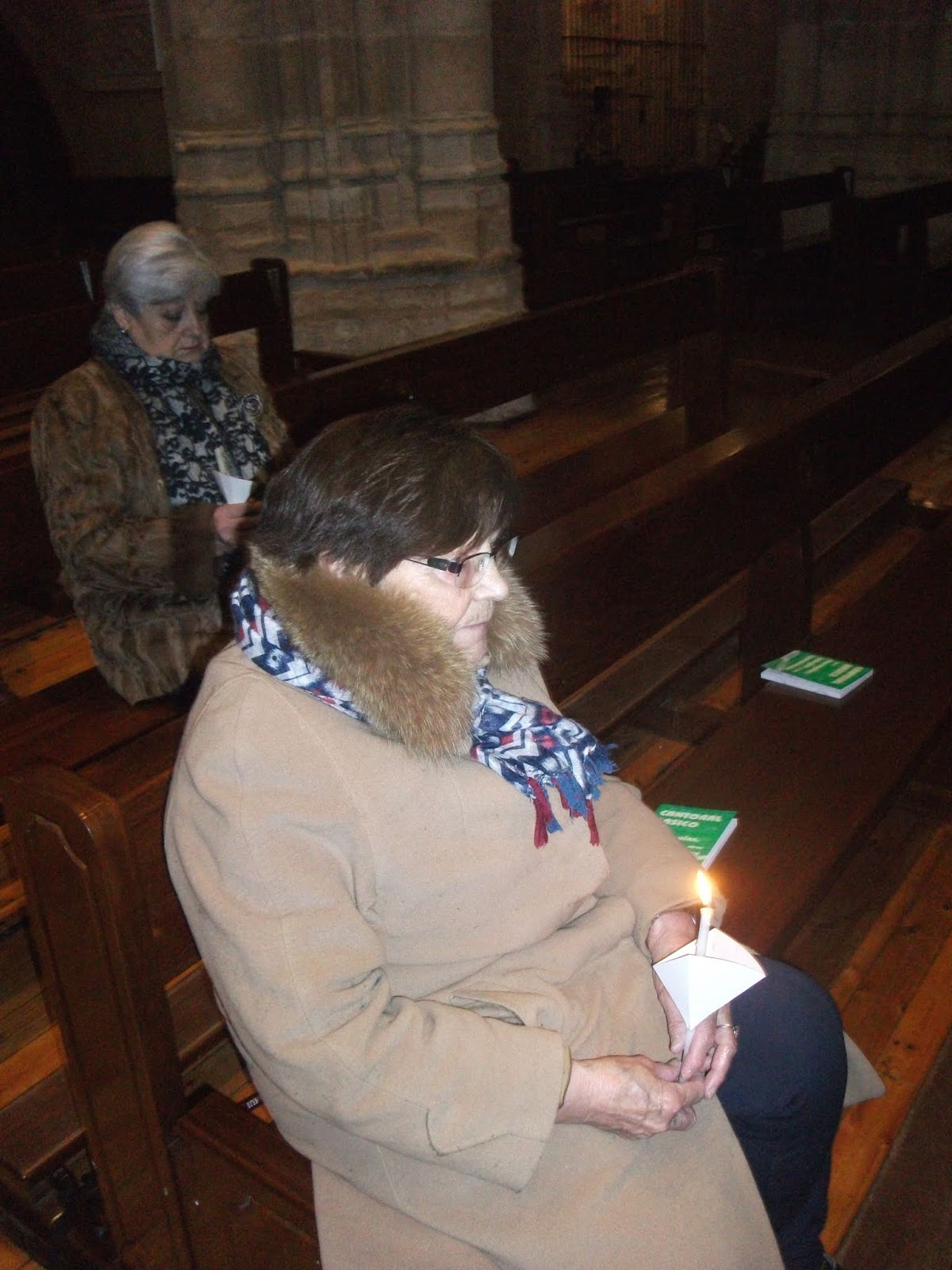


No hay comentarios:
Publicar un comentario