2026-03-19

YO ODIO A LOS BORBONES JUAN CARLOS ES UN TRAIDOR PERO ESTE ARTICULO DEL GUARDIOAN ME ENFURECE. BLOODY BRITISH. ES EL ORGANO DEL CLAN SIONISTA INGLÉS


Juan Carlos in May 2022. Photograph: Lavandeira Jr./EPA

Disgraced Juan Carlos wants to return from exile a hero. But Spain’s murky history still dogs him

Giles Tremlett

The ex-king has been stranded in Abu Dhabi after a series of scandals. Now newly released files support his claim to have saved Spanish democracy

When Spain’s King Juan Carlos fell over and broke his hip while on an elephant hunt with a girlfriend in Botswana in 2012, he probably thought that Spaniards would accept this as a minor gaffe after a lifetime of public service. The monarch had, after all, weathered numerous scandals, including a string of extramarital affairs and investigations into his family’s financial affairs, during the previous 37 years of his reign. Money was hardly a problem in his life.

This time, however, Spaniards had had enough. It was the height of the eurozone crisis and there was outrage that Juan Carlos was on what was reported to be a free hunting trip while people endured the poverty, mass unemployment and terror of an economy in freefall. Within two years, the king had abdicated and was passing the crown to his son, Felipe VI.

This apparent act of humility looked, at least, to guarantee a quiet retirement for a man who, although handpicked by Francisco Franco to be the rightwing dictator’s successor, was later credited with restoring and then protecting Spanish democracy after a failed coup in 1981.

Former king of Spain, Juan Carlos, poses in front of a dead elephant on a hunting trip in Botswana in 2012. Photograph: Target Press/Barcroft Media

But the scandals kept accumulating. In June 2018, his son-in-law Iñaki Urdangarín began a sentence of five years and 10 months at a jail in Ávila for embezzlement, fraud, prevarication, influence peddling and tax dodging. Two years later, in August 2020, Juan Carlos set off to self-imposed exile in Abu Dhabi, amid a scandal over a $100m payment into his secret Swiss bank accounts by Saudi Arabia’s royal family.

Newspapers published allegations that the money, which Juan Carlos called “a gift” from the Saudi king, was for helping negotiate a contract between Saudi and Spanish companies to build a $6.7bn high-speed railway line from Medina to Mecca but Swiss authorities abandoned an investigation into this for lack of evidence. The married king gave a chunk of money to the same ex-lover from the Botswana elephant hunt – the glamorous German businesswoman Corinna Larsen. She refused to give it back, claiming that this was a personal gift.

From his new Gulf hideaway, Juan Carlos admitted failing to declare millions of euros of income to the Spanish tax authorities. He eventually paid more than €5m in back taxes and fines, just in time for tax authorities to declare him clean. The former king could not, in any case, be prosecuted for anything he had done while on the throne since Spanish monarchs enjoy legal immunity.

Juan Carlos receives traditional Saudi gifts on a trip to Riyadh in 2006. Photograph: AFP/Getty

With Abu Dhabi now a golden cage, the former monarch wants to come home, and is determined to restore his reputation. Late last year, he published a memoir, Reconciliation, that was widely panned by critics as self-congratulatory, unrevealing and self-justifying. But it remains among Spain’s 100 bestselling books three months later, suggesting that significant love remains for the now 88-year-old former monarch.

Last month, Juan Carlos, with the support of conservative politicians, began ramping up his campaign to return to Spain, convinced that he will be received as a hero – or so some Spanish media report.

The Sanchez government’s decision to declassify a tranche of previously hidden documents about a crucial episode from Juan Carlos’s reign may have prompted this delusion. The files shed light on the 1981 coup attempt that almost strangled Spain’s young democracy in the cradle.

The coup generated numerous conspiracy theories, including that Juan Carlos himself was in cahoots with the armed men who marched into parliament and took the 350 deputies hostage for 18 hours on 23 February 1981. After all, when civil guard officer Lt Col Antonio Tejero, wearing a shiny patent leather tricorn hat, led 200 soldiers and civil guards into parliament, he and others firmly believed that they had Juan Carlos’s backing. As the terrified deputies crouched on the floor, Tejero’s men peppered the ceiling with gunshots. Their aim was to turn the clock back to the Franco era by imposing a military-led government.

Lt Col Antonio Tejero, pistol in hand, during an attempted coup in the Spanish Parliament on 23 February 1981. Photograph: Manuel Barriopedro/AP

The plotters believed democracy was bringing ruin to Spain. Basque separatism was on the rise, leftist terrorists were in the streets and communists in parliament.

Indeed, the communist leader, Santiago Carrillo, was led off at gunpoint to a separate room in parliament with other opposition leaders, including the future socialist prime minister Felipe González. “Many of us wondered whether they would ever be seen again,” the former socialist deputy Juan de Dios Heredia recalled earlier this month.

As we now know from the released files, some of the rebels – like those who assaulted state broadcaster RTVE – had shoot-to-kill orders if opposed. Miraculously, no one died. Tejero, the ringleader, remained unrepentant to the end, dying at 93, on the day the coup papers were released.

The 167 released files are a huge disappointment. They vindicate Juan Carlos, but they represent only part of what was once a far bulkier archive of material. Generations of politicians and spies have stripped Spanish history allowing crucial first-hand sources to be either destroyed or hidden.

Five years ago, El País published a tranche of court documents that have not been made available in this dump. The veteran investigative journalist Antonio Rubio published military documents 20 years ago about the coup in the eastern city of Valencia, where tanks rumbled down the streets. Those are also missing.

skip past newsletter promotion
Antonio Tejero at the entrance to Mingorrubio cemetery in El Pardo, Madrid on 24 October 2019. Photograph: David Fernández/EPA

“What the government needs to do now is launch an investigation into who took away documents and who destroyed them,” Rubio told me, adding that this includes tapes of phone conversations through the parliamentary switchboard before and during the coup.

Rubio has copies of documents that are not in the official drop. One features a double agent, Catalina Abad, who worked for both the Soviet Union and Spain’s military intelligence. In this document, she passes on a report that the prime minister, Adolfo Suárez – who had by now fallen out with Juan Carlos – was threatened by two generals. According to Abad, alias Katia, the monarch left Suárez alone with the two officers, who placed their pistols on the table in front of him as a threat. Days later, the premier resigned. The coup attempt took place as deputies were preparing to vote in his successor, Leopoldo Calvo-Sotelo.

The Abad evidence is hearsay – based on a report by a well-connected lawyer – and may be wrong. The king may not have heard about the alleged threats, and has not commented on this document. But where has the file gone? And where are the rest? A good guess is that much of this material was destroyed long ago by the country’s intelligence agencies or their political masters.

The history vandals did all this under the protection of one of Europe’s severest state secrecy acts, which was written by Franco in 1968 and provides no timescale for declassification of state documents. As a result, those responsible for hiding or destroying documents may never be identified and will never have to explain.

Attempts to rewrite that law by the current parliament have been stymied. Rightwing parties, including Catalan nationalists, are blocking it, according to El País, raising questions about whether they have something to hide. Historians want to know, for example, about the coup’s civilian backers and its funding.

The coup ended after Juan Carlos personally ordered military units not to follow the insurrectionists and, dressed in his commander-in-chief’s uniform, made a historic TV address to the nation. This consolidated his reputation as the saviour of democracy.

Javier Cercas, whose book Anatomy of a Moment is the best narrative account of the coup, believes the new documents settle the debate about the former king’s role. “Juan Carlos did not mount the coup. He stopped it,” he wrote in El País .

For his part, Juan Carlos has let it be known that, to use a bullfighting metaphor, he intends to re-enter through the “puerta grande” (the main bullring gate through which triumphant matadors are carried on the shoulders of fans), by returning to live in the royal palace at La Zarzuela, Madrid.

In fact, the main stain on Juan Carlos’s legacy is his lack of humility. His son’s officials say that if the former king wishes to return, he must expect to pay taxes like everyone else – including on gifts. He no longer receives a royal stipend, so his income remains a mystery.

It is probable that he really did save democracy, and should be honoured for this, and for leading Spain out of dictatorship. But an honest account requires access to all files pertaining to his reign, and information on where his funds have come from. For that, Spain urgently needs a new official secrets act.


2026-03-18


T

SAN BAUDILIO EPICENTRO DE LA ESPAÑA MÁGICA


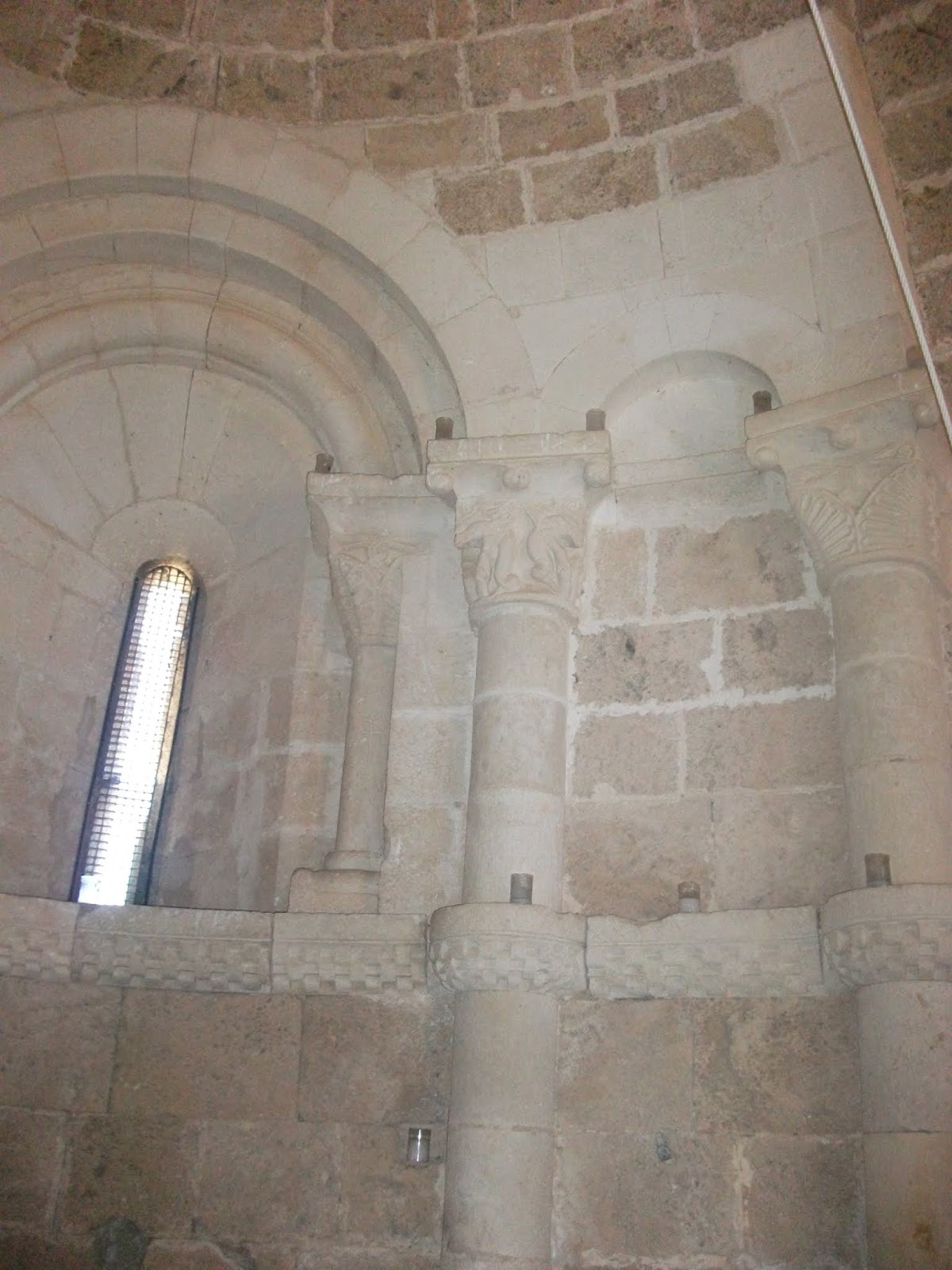
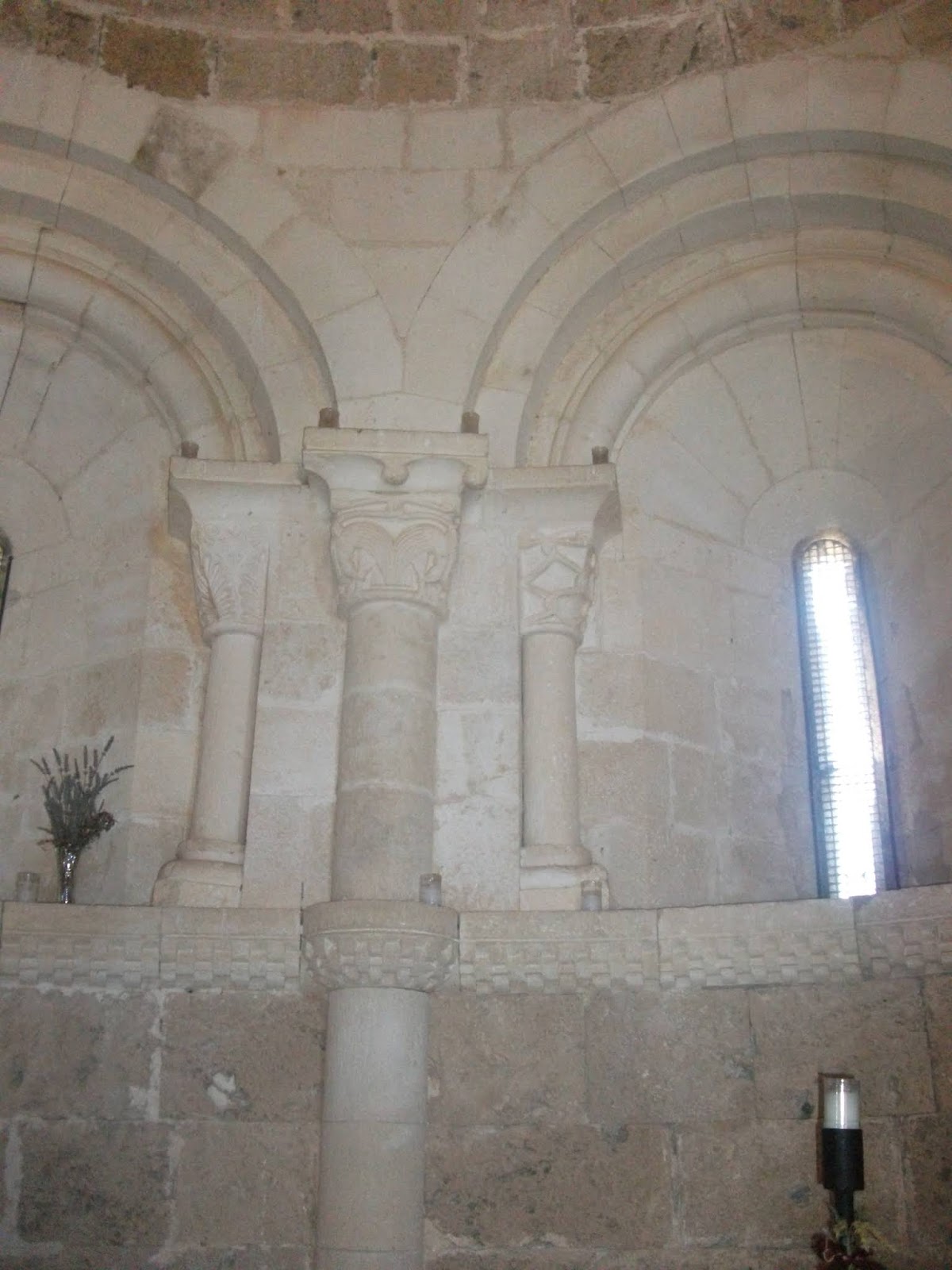
No visitaba este hermoso y arrinconado lugar desde mis tiempos universitarios cuando atendiendo a las clases de los profesores de Arte en la Complutense otoño de 1973 se emocionaban al describir la estructura arquitectónica y pictórica de San Baudilio de Berlanga: (Camón Aznar, Azcarate, Gaya Nuño).


G. Atienza el gran periodista y descubridor de los secretos de lugares de nuestra geografía decía que San Baudilio edificado en el mismo epicentro de la península ibérica irradiaba una energía potentísima y brillaba con luz especial en la historia del arte prerrománico. Ese pálpito lo volvía a sentir yo al cabo de más de medio siglo. Berlanga tierra de vacceos y numantinos que luego se cristianizaron y vivieron en la larga lucha contra el Islam llena de anfractuosidades y recovecos, victorias y derrotas (Almanzor dicen que perdió el tambor en San Esteban de Gormaz a media legua de acá.) Lo habitaban gentes prevenidas en frontera, con un ojo abierto a las hogueras de las atalayas anunciando la llegada de la morisma, y otro en el pendón real. Esta es tierra del Cid por donde pasó el Campeador a ganar el pan de las batallas.


Aquí se plasma la grandeza y la miseria de un pueblo duro arisco y a la vez magnánimo que ejerció la tolerancia y la compasión con el enemigo.


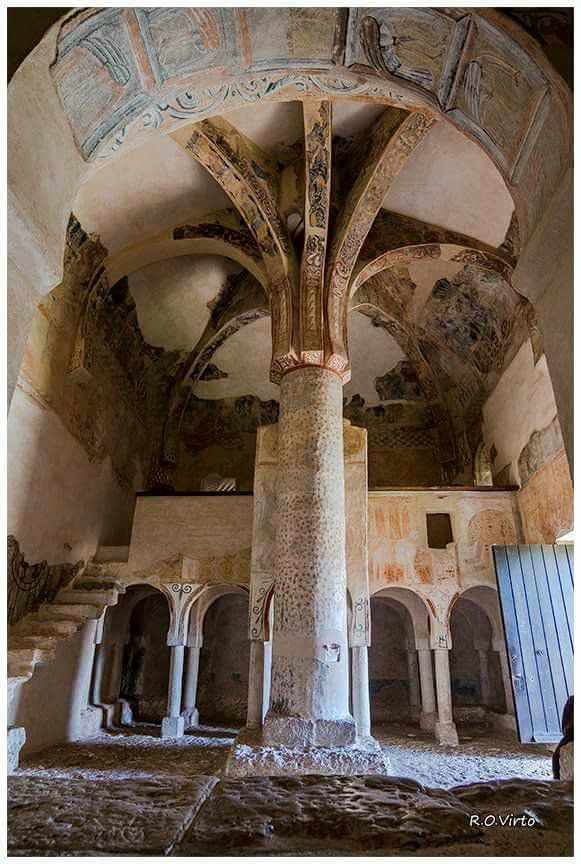
El sarraceno en sus razzias de primavera talaba campos, robaba mujeres, pertrechos y tierras.  En toda esta zona del alto Duero proliferan las atalayas. Allí el que montaba guardia, cuando veía llegar al moro, encendía la típica chisquereta o almenara[1] y entonces las campanas tocaban a rebato. La coexistencia fue difícil pero hubo periodos de tranquilidad, concluidas las "aliyahs" (invasiones) o "yihads" (guerra santa contra el infiel). Esa serenidad se plasma en los frisos, plementos y pinturas murales con escenas de la vida de Cristo del obispo san Nicolás y san Baudilio actividades cinegéticas ▬ aparecen dromedarios, elefantes y un caballero musulmán cabalgando desalado sobre un corcel blanco▬ al pairo de dibujos místicos como la rosa de los vientos o composiciones del ave iris que, según los egipcios, se comía el pescado dañino, o pinturas  de San Miguel el excelso o la Dextera Domini [2]o el dedo de Dios que se asoma en forma de triangulo al lado de la paloma del Espíritu Santo bajando de una nube. Esta ermita enmarcada en los territorios entre Sigüenza y Burgo de Osma me recuerda a Santa Cristina de Lena. Esa era la tesis propalada por el profesor Camon Aznar de feliz memoria.

La mesnada de Ruiz Díaz de Vivar estaba integrada por soldados de las Asturias de Oviedo que lo acompañaron al destierro. Existe la probabilidad de que entre ellos hubiese monjes y clérigos repobladores para realizar esta misión.

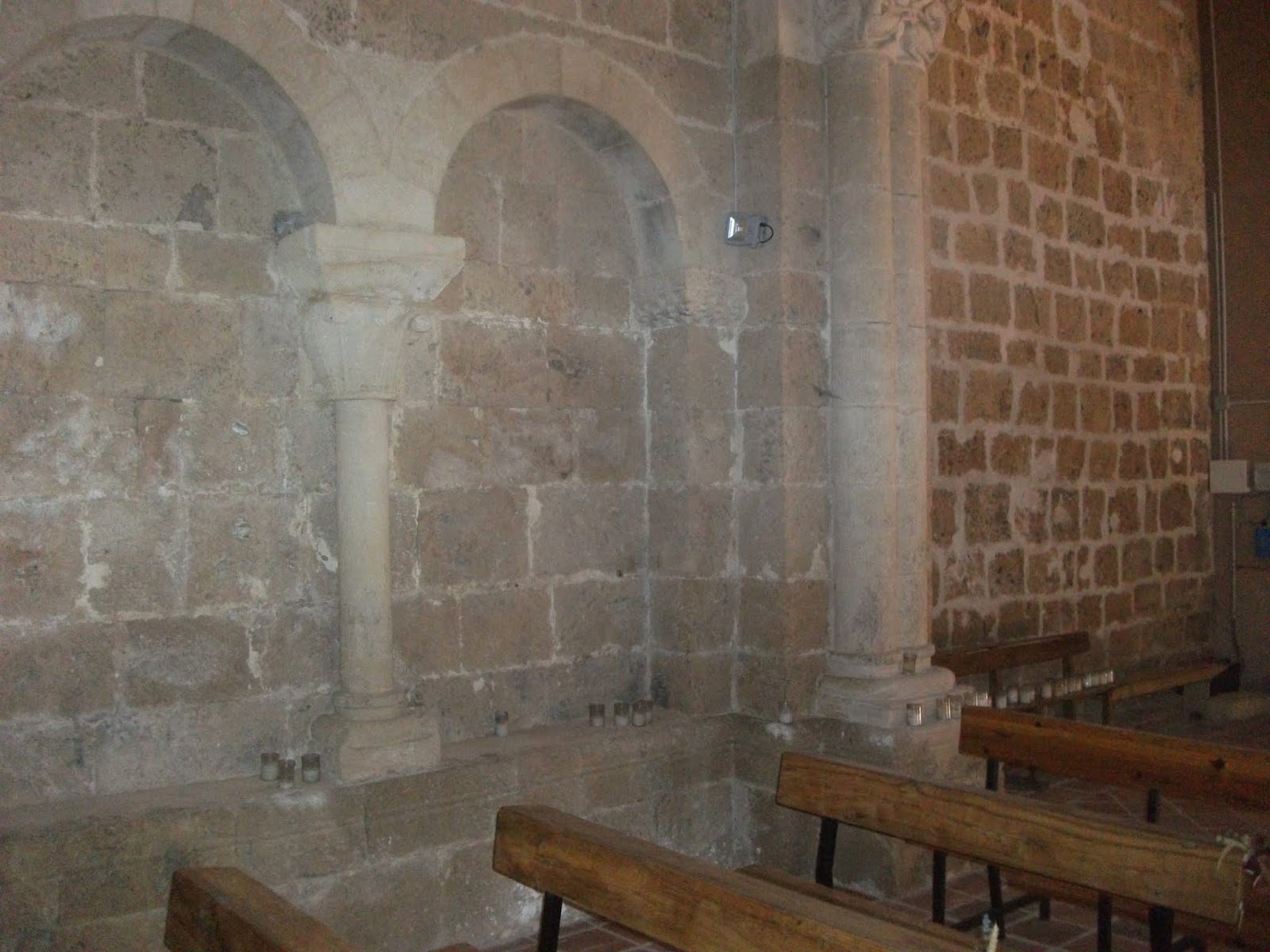
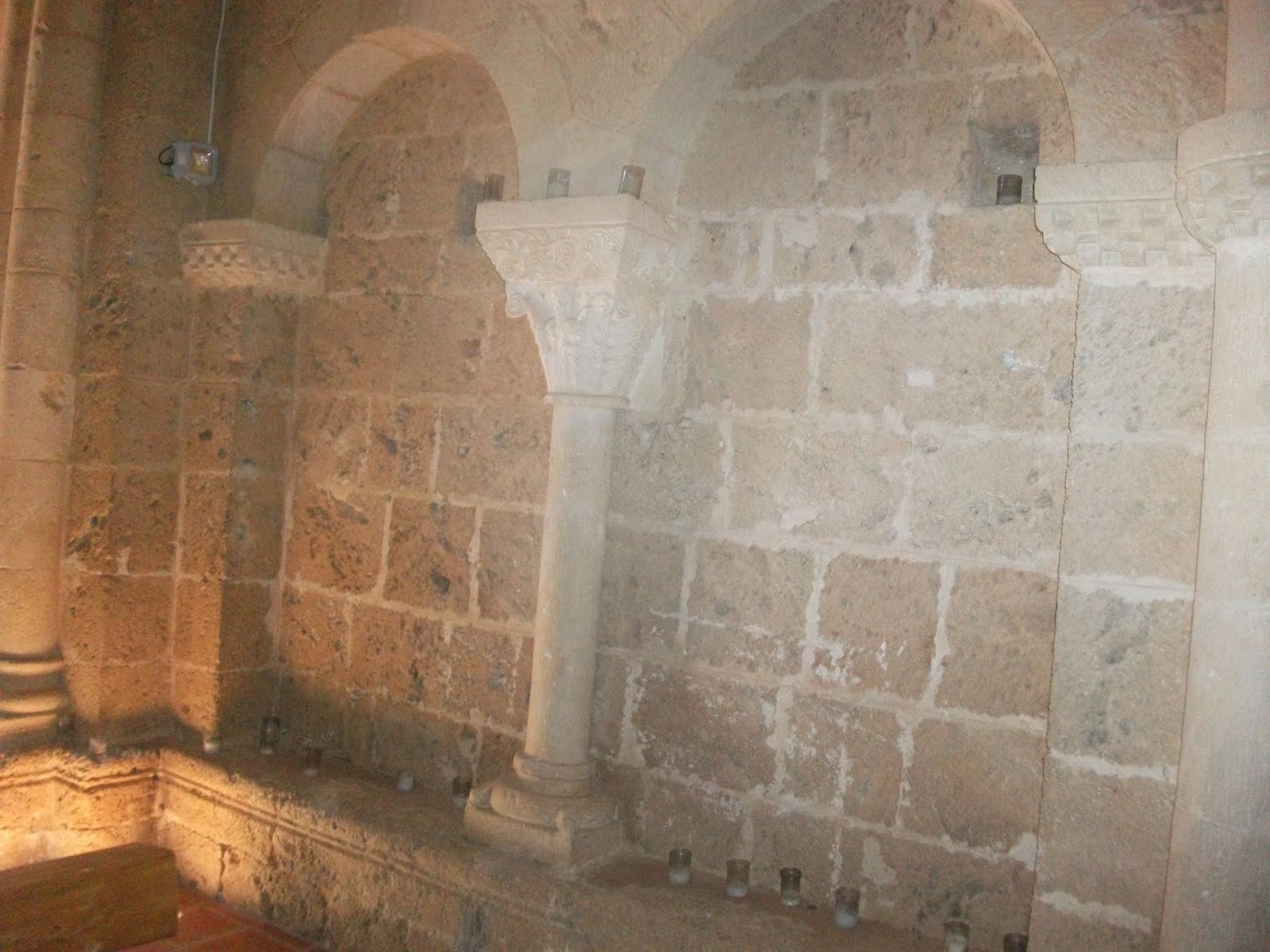
Al igual que santa Cristina, san Baudilio se eleva sobre un peñasco desde cuyo alcor se divisa la paramera soriana. Misión de vigilancia, pues. Y consta de iconostasio. El coro se eleva sobre una disposición de arcos de herraduras funcionales que hacen pensar al historiador en las relaciones litúrgicas que tuvo el rito muzárabe con la secta arriana y con el Islam.

Hay imágenes de san Miguel pero sorprendente en ninguna de las dos se pinta a la Virgen María. Quizás la devoción de hiperdulía sea posterior en la historia del cristianismo a la de san Miguel que fue privativa de los godos.


El culto marial vino de oriente y algo después. El Cantar del Mío Cid habla de ceremonias rituales "antes de los gallos cantar". Se colige que las misas eran largas y el pueblo asistía embelesado entre himnos devotos, nubes de incienso y salmos, a las ceremonias eucarísticas que celebraba el preste tras la cortina del iconostasio. Tanto santa Cristina de Lena, como san Baudilio de Berlanga en lo alto de un cerro, difunden para el visitante una energía especial. Acaso sea la luz de Xto que pervive entre nosotros hasta la consumación de los siglos. Bien valdría pagar una visita de los segovianos a Soria, la provincia hermana.


[1] la misma palabra almenara u hoguera es un préstamo del árabe
[2] Dextera Domini o dedo de Dios que se plasma con el dedo extendido sobre una mano que brota de un triangulo

Posted: 16 Aug 2018 01:08 PM PDT

       LA ERMITA ROMANICA DE SAN VICENTE Y LA TORRE VISIGODA DE SAN GREGORIO EN FUENTESOTO

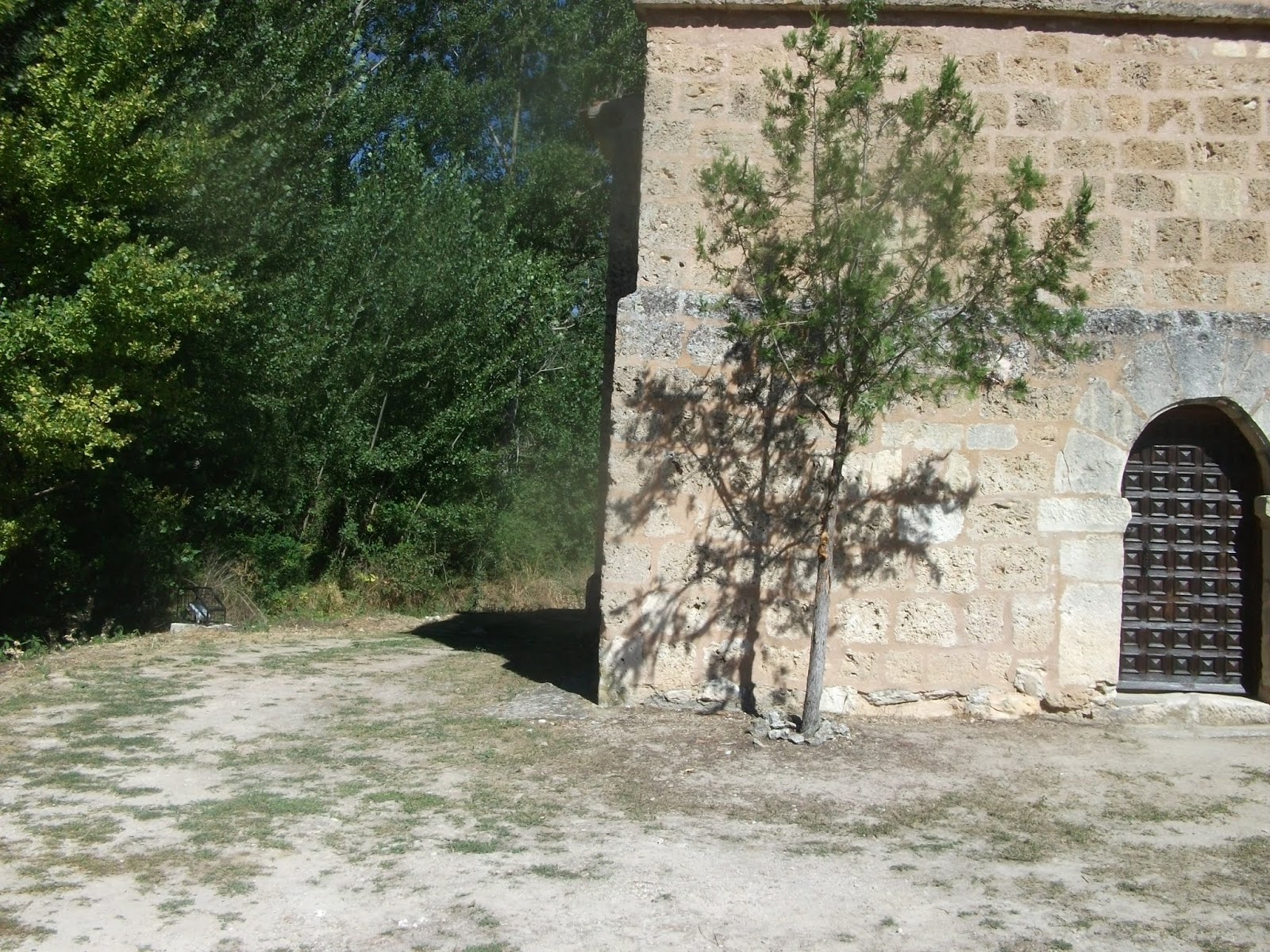
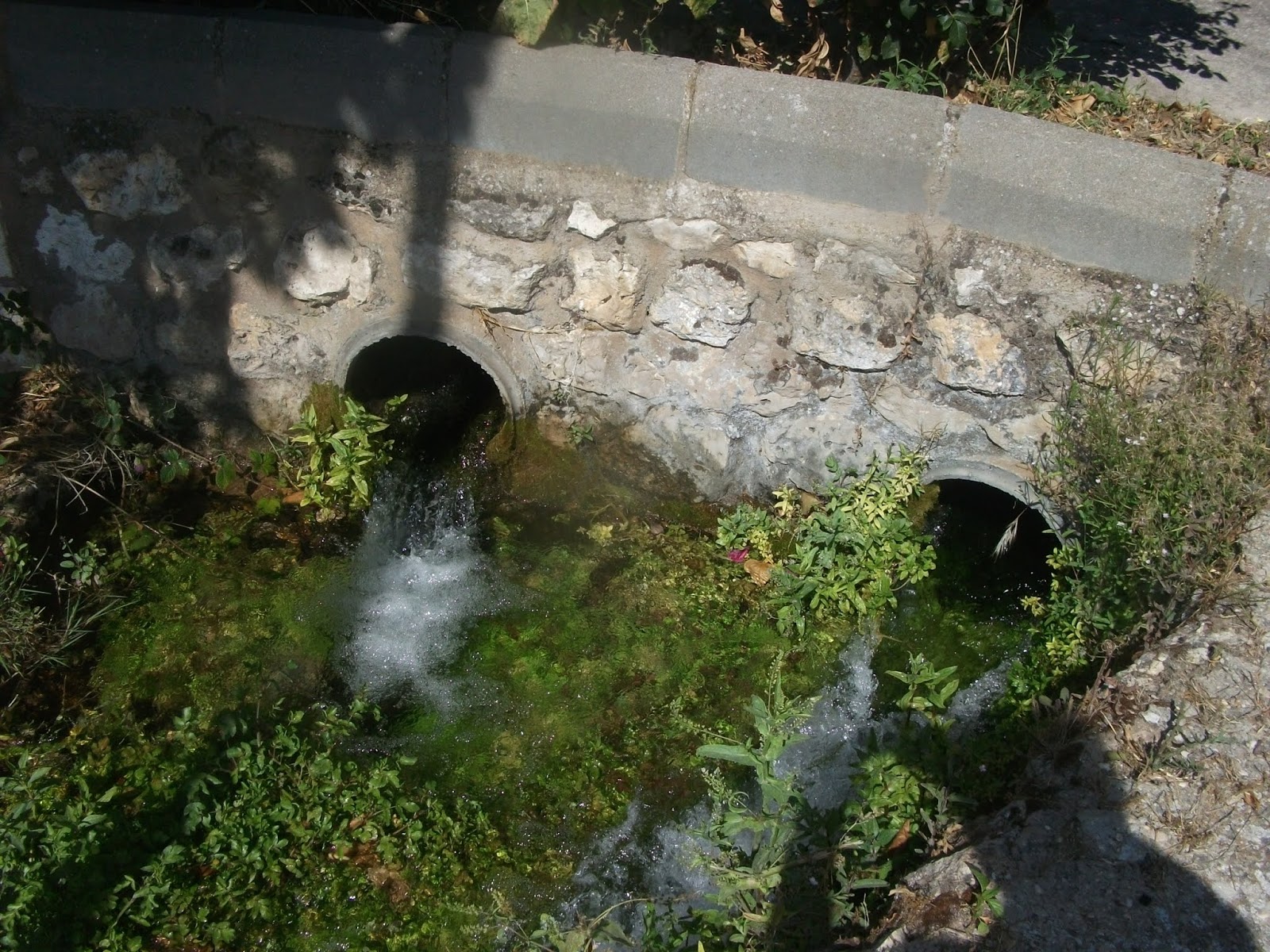
Es una de las joyas del románico rural margen oriental del Duero aguas abajo de San Saturio Berlanga y san Esteban de Gormaz para entender el espíritu que late dentro de estos capiteles, fustes, basas, columnas y gloriosa sillería hay que haberse empapado de las páginas del Poema del Mío Cid. Yo lo he hecho a lo largo de más de cincuenta años. Ya ha llovido desde aquel verano del año 66 cuando publiqué mi  primer reportaje en SP que se titulaba  “Ermitas abandonadas en el camino de Sepúlveda a Peñafiel”. Una mañana bajé en compañía del cura Laurentino y del alcalde Constantino a Peña Colgada  (así llamamos al paraje de huertos y acequias) bajando por las pobedas  y suiguiendo el curso del Rio Sacramenia que a la entrada de Fuentesoto tiene su hontanar.
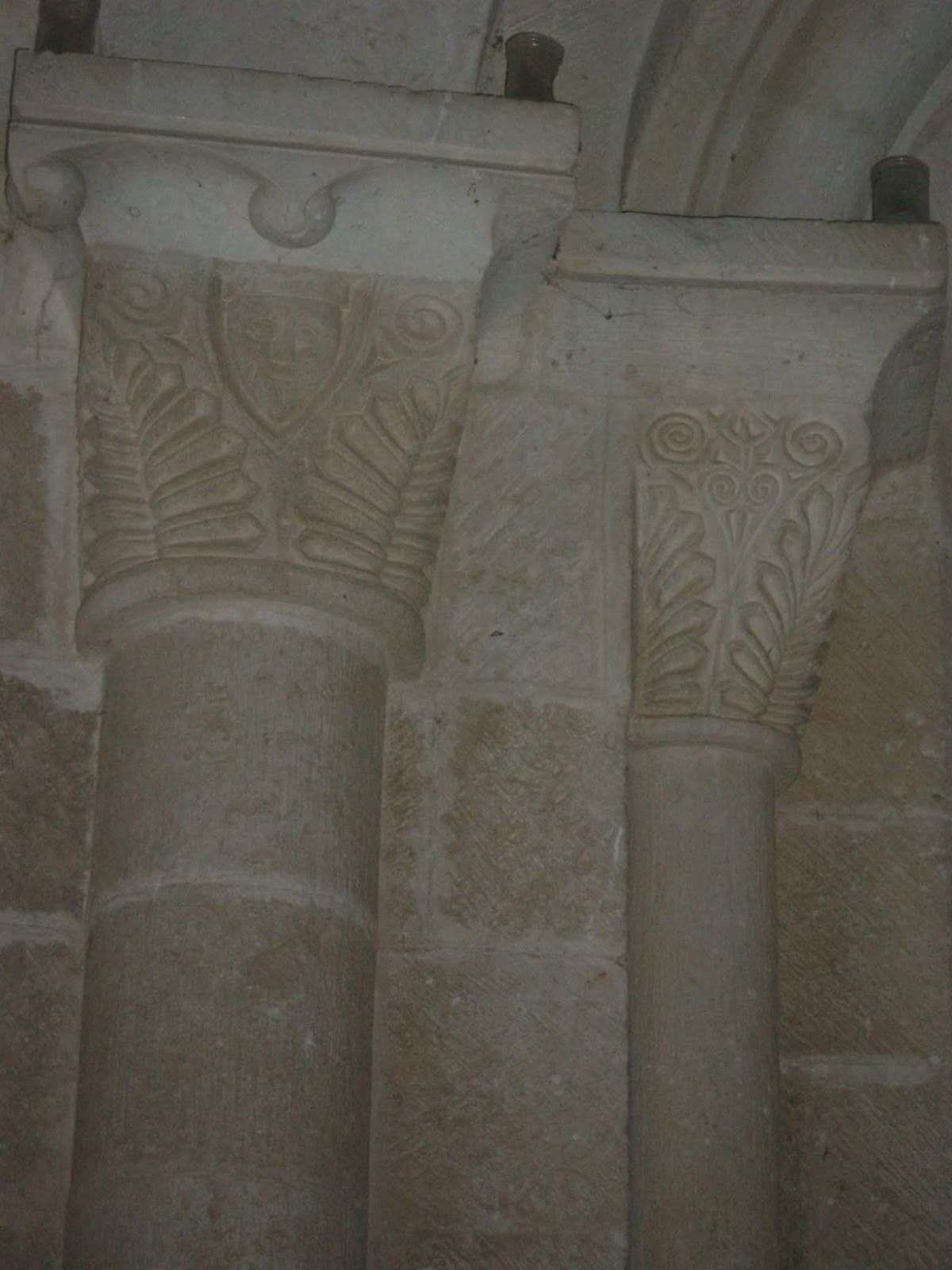
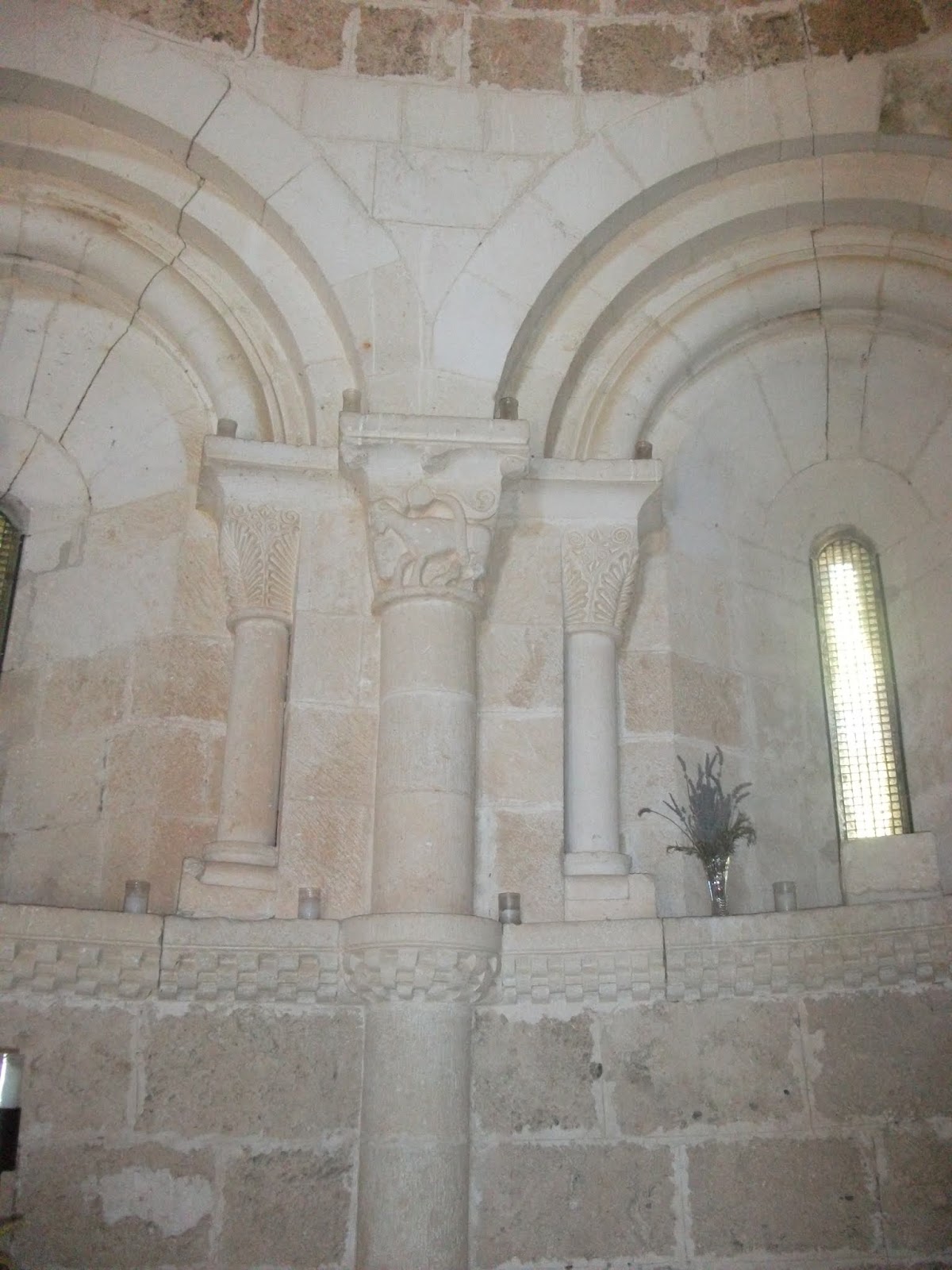
 El bello ábside se había convertido en muladar. Unos iconoclastas habían destruido a hachazos una talla renacentista de Santo Tomás y habían hecho  chisquereta junto a la credencia para guardar las vinajeras.  Las paredes guardaban las señas del humo. El sagrario románico (en el rito mozárabe ancestral no se exponía el santísimo; el sacerdote consumía el sanguis y los fieles la oblea del pan bendito) conservaba las plumas y el ramujo de un nido de urraca pero el ara con reliquias del mártir del glorioso san Vicente estaba intacta. Dos arquillos ciegos a sendos lados de la epístola un lugar para sentarse (sedilia) y el evangelio daban solemnidad al recinto. Los oficios se celebraban de pie, desafiando al viento de Aquilón y los ojos puestos en el Este ex oriente lux y el pueblo fiel permanecía en pie la hora y media que duraban las misas “antes de los gallos cantar”. El templo orienta a levante y el preste oficiaba a de espaldas al pueblo mirando a Jerusalén. Los capiteles son un primor de frescura y candorosa espontaneidad tosca.
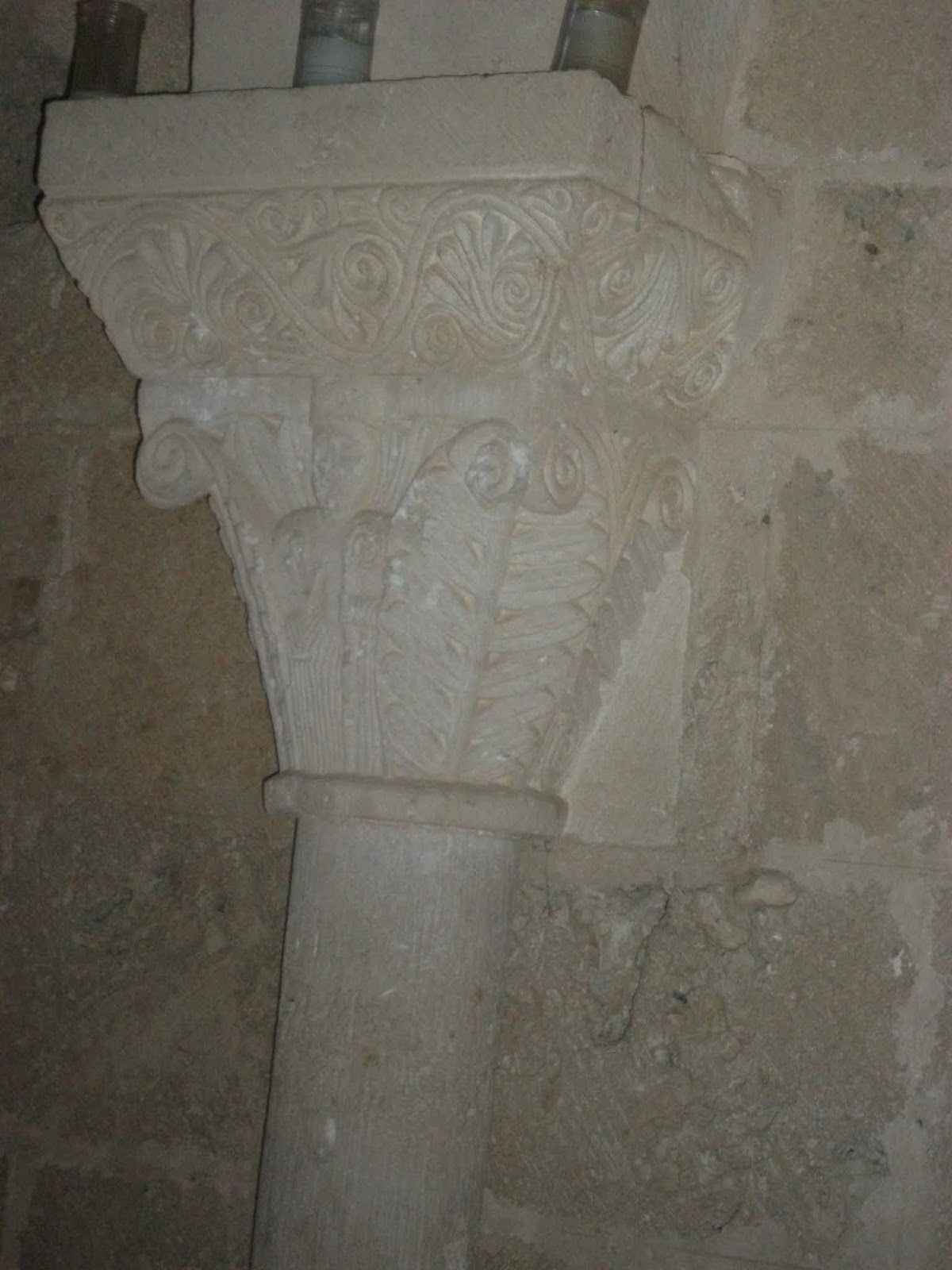
Dan la apariencia de haber sido cincelados ayer mismo. Un obispo con báculo y sin mitra bendice con  los dos dedos de la mano diestra enguantada la mano en una ─ quiroteca dextera patris ─.
 Representa al titular de la iglesia el mártir  Vicente origen en España del culto vicentino muy importante entre los visigodos aunque también pudiera ser san Gregorio el personaje.
A la derecha nos miran dos harpías que se abrazan el cuello retorcido. Representan  al ave Isis, que se hacía sangre a sí misma para alimentar a sus polluelos. Los egipcios la veneraban como ánade sagrada. Debía de ser este pájaro mitológico hoy extinto de la familia del pelicano y que siguen venerando los coptos y los egipcios en sus ritos.
Desde otro capitel se asoma el ojo de Ra que todo lo mira y todo lo ve en una ruda representación facial combinándose con los caulículos de las ramas de una palmera en representación forestal. La palmera ocupa el centro decorativo y troncal de san Baudelio de Berlanga y el ave del Paraíso se estira en los frescos y capiteles de san Esteban de Gormaz. Un misterioso parentesco enlaza el arte románico de este solemne tiemplo circular que no pudo ser acabado a causa de una de las frecuentes razzias del sarraceno y los conjuntos sorianos. Durante muchos años me ha perseguido la mirada de ese obispo que surge exaltando y bendiciendo entre palmeras y ese cordero pascual o esa oveja descarriada que vulgarmente evidencia el ademán del buen pastor dando la vida por sus ovejas. El románico es una didáctica cincelada para gentes humildes que no sabían leer pero que escuchaban en las misas campesinas la Palabra. He de felicitar, para concluir, a los buenos cristianos de Fuentesoto y a los que no lo son pero que aprecian el arte e intuyen el valor ancestral de estas piedras sagradas. `Por la generosidad y celo con que han reconstruido este hermoso templo.

Hace medio siglo lo utilizaban de pajar y hoy es una hermosa y recoleta iglesia románica donde me acerco a orar para dar gracias a Dios por el tiempo fenecido y a rogar por mis difuntos en la memoria de san Vicente bendito patrono del Pueblo de Peñacolgada anejo de Fuentesoto junto con Tejares.