YO FUI AMIGO DE PACO UMBRAL Posted: 29 Aug 2017 02:20 PM PDT
HOMENAJE A PACO UMBRALHASTA LA VISTA, PACO Antonio Parra Madrugada de San Agustín. Una noticia triste me sobrecoge: ha muerto Francisco Umbral o don Francisco como le llamaba Alfonso el Cerillas del Café Gijón. Su nombre me recuerda los días arduos de vino y rosas cuando ametrallábamos la Olivetti y nos sumíamos en la magia de las veinticuatro redondas blancas soñando con ser poetas. Umbral era un escritor químicamente puro que vivió en escritor, pura y simplemente para la literatura, lo que no deja de ser admirable en un tiempo en que ha muerto la literatura no por falta de ganas sino de quórum ya que apenas quedan lectores ni tiempo, y de gusto y placer estético. En tiempos tan feos como los que corren Paco era un ser bello y nacido para lo bello. El gusto y la magia por la palabra eran dominados por su varita mágica. Sacaba el turbo pues nadie le ganaba en la distancia corta en que los artículos le salían redondos, y nos dejaba a todos bocas Hay quien le niega la categoría de novelista – igual le sucedió a Cela- pero pelillos a la mar y una tormenta en una taza de té me parece la polémica que sostuvieron él y Pérez Reverte quien a mí me parece un superdotado en el género narrativo con lo que lleva de constructor de mundos de calafateador de gabarras que naveguen con rumbo propio. Tanto él como el pobre Paco al que hoy lloramos eran dos puntas en el abroncado y yermo panorama de las letras madrileñas y no vamos a entrar tampoco en desinencias políticas que son puro accidente. El arte no es apolítico aunque todas estas diatribas y encono lo han convertido en impolítico cuando prolifera tanto escritor de partidos con el incienso siempre a punto para quemarlo, oloroso, cerca de la casulla y de la tiara de su señorito. Umbral era un escritor independiente y ecléctico, hecho a sí mismo a base de largas lecturas aunque él lo mismo lo reconocía: su escuela fue el “Norte de Castilla” a la sombra de Delibes pero también la Prensa del Movimiento y concretamente las colaboraciones que la agencia Pyresa a la cual yo debo humildemente lo poco que soy [con otros muchos, aunque que lo reconozcan o no es otra historia] que le ayudaban a malcomer y a vivir en aquellas pensiones algo sórdidas pero llenas de vida del Madrid años 60. Le conocí cuando estaba a pupilo en una de Blasco de Garay. Desde entonces Umbral que supo captar la vida el aire y la luz maravillosa de Madrid, superando quizás al propio Ramón Gómez de la Serna, fue un inveterado asiduo paseante del barrio de Argüelles, y habitual de las casas con derecho a cocina, los cuartos realquilados muchos sin duchas donde por invierno hace un frío que te cagas. Luego fue ascendiendo en la pirámide social y de allí se mudó a otra del Barrio de Maravillas y en último termino, hasta escalar la cucaña, al de Salamanca donde era vecino de Buero. Caerle bien a las patronas es un salvoconducto para llegar lejos y tú a aquellas señoras viudas a las que despertabas el instinto maternal, Paco, les caías de perlas, les recordaban a algún novio que tuvieron en guerra o un sobrino que se había muerto i les hubiera gustado que pidieses la mano de alguna de sus hijas. O que sencillamente querrían acostarse contigo. Por eso tú triunfaste porque te daban mimos las patronas y uno acabó de mala manera tarifando con todas. Tu muerte es un aldabonazo advirtiéndonos que todo aquel tiempo de vino y rosas se nos fue. Casi sin pensar. Madrid, aquel Madrid y aquel espíritu, quedaron plasmados en aquellas sus geniales entregas que se titulan por ejemplo El día que llegué al Café Gijón, Mortal y Rosa, Las Ninfas. Donde se convierte en el adelantado o heraldo de una generación. Los libros, originalísimos. Umbral nos enseñó que las verdaderas novelas carecen de argumento, de trama o de plot. He ahí la magdalena de Proust: las palabras y los acontecimientos que se entrelazan como cerezas en una banasta sin una cohesión aparente al azar y sin propósito porque la vida no tiene trama tampoco. Sólo lances. Un pasar el espejo a lo largo del camino flaubertiana pero también se acomoda un poco all modo de narrar de don Pío Baroja quien consideraba, escribiendo un poco al desgaire y sin preocuparse mucho de donde tiraba la boina, que la existencia es un cajón de sastre lo mismo que Faulkner. Life is a gtale full of sound and fury told by an idiot. Shakespeare en su Tempestad ya nos puso en antecedentes de lo que debía de ser este bronco oficio donde pululan tantos mediocres pero sólo unos pocos como Umbral eran maestros. Aunque el terreno donde batía a todos era en el articulo periodístico. Ahí revolcaba a cualquier contrincante. En la corta distancia de los dos folios y medio sin soltar paridas ni adobar tópicos era imbatible. Era consciente a pesar de haber escrito más de noventa libros – el primero sobre Larra un escritor al que considera malo y que la altura de su fama no coincide con la calidad-de que la muerte de la novela era un hecho por la falta de lectores y sobre todo por la falta de tiempo. Umbral escribía brillante y acaso fulgurantemente y con un insólito dominio del idioma castellano porque tenía un oído musical para captar la palabra y las innovaciones del léxico (hubiera llevado mejor que nadie lo cheli a la Academia) para lectores con prisa que son capaces de degustar un párrafo de calidad. Desde luego, no era un pensador ni un filósofo. Sistematización no se la pidas a un escritor de periódicos. Y el novelista y el poeta se transforman así en articulista. El articulito de cada día dánosle hoy, es un genero al que lleva Paco a la excelsitud de la perfección. Su punto de referencia eran Cesar Gonzalez Ruano, el propio Gómez de la Serna y a Xenius. Paco hacía fintas con el lenguaje dada su gran habilidad dialéctica. Era un funanbulista nato. Recuerdo aquel hombre prócer, buena espiga, muy cegato, con andares mayestáticos ladeando la cabeza de jirafa para un lado y a otro fijándose bien mirando sin ver. Charlé un par de veces en el Gran Café. Rosalía Dans, la hija de mi amigo Celso Collazo, se lo comía con los ojos y no me hizo mucho caso la verdad. Otra estaba a su lado el pintor Pepe Díaz atiborrándose de guisqui pero en los sesenta cuando era un chico de Valladolid remendado por Donato León Tierno (qué bien escribe este chico y no era broma Paco siempre escribió muy bien lo que ya no se estila pues hay gente en la profesión que hace gala del bodrio mal escrito) coincidimos en varias ocasiones como en la boda de Florencio Martínez Ruiz en Alcobendas. Iba con Juby Bustamante la que es hoy mujer de Miguel angel Aguilar y el poeta conquense Diego Jesús Jiménez su amigo del alma en cuya compañía se descolgaba de vez en cuando por el Abra y por Chicote y otros tugurios elegantes aunque lo normal es que el personal se aliviase allá por las encartaciones golfas del Cerro de la Plata. No se lo digan muy alto a Társila Peñarrubia la bibliotecaria que se convertiría en mujer de Diego y un poco hada madrina de Paco. Umbral pese a su estatura prócer y sus trajes cruzados siempre se distinguió por su buen gusto sartorial, y que compraba en las rebajas de Simago o del Corte Inglés, daba la impresión de ser un ser desvalido como la mayor parte de los que se dedican a esta dura brega de casar palabras, supersensibles, hipocondríacos, exultantes y deprimidos y con más cornadas que muchos toreros porque aquí al que triunfa no perdonan. Los colegas que no llegan a tu altura te embisten, te machacan. Sobre los hombros de Paco llovieron muchas infamias y hasta en una ocasión un energúmeno le pegó una hostia por haber dicho no sé qué en un articulo difundido por la agencia Pyresa y yo lo presencié en el Café Gijón. Pero tenía anchas espaldas así como una manía por deslumbrar. Epater le bourgoise. Era su sino. Sin embargo tuvo la fortuna de alzarse a lo más empinado de la cucaña. Fortuna te dé dios hijo que el saber no te hace falta y triunfó en este exigente y enconado albero de las justas literarias. De los aspectos más sórdidos y ruines era capaz de enhebrar un buen artículo rescatando lo cutre y lo más abyecto con su ironía literaria. No era agresivo y esa fue una de las razones por las que perdura sino más bien petulante. A otros les caía gordo por pedante Tenía una virtud Paco Umbral: mirar las miserias humanas por encima del hombro para luego sacarles punta literaria a fuerza de plumazos de su cálamo de avestruz bien tajado. Buen golpe de vista el suyo. Pese a sus aires, molestos o antipáticos los que vengan después tendrán que estudiar en los libros y artículos de este madrileño para saber cómo fue el modo de ser de la sociedad española en la transición y pretransición lo que él denominaba el tardofranquismo. Mortal y rosa. Lo de mortal hoy se ha cumplido y lo de rosa seguirá epatando a la afición. Paco era un tío que le caía muy bien a las mujeres aunque le pasaba un poco lo que a Camilo. - Me vienen unas jais que no sabe uno qué hacer con ellas. -Paco hijo la edad. Es la edad. Siempre fue aunque un escritor del ayer un hombre de espíritu joven apasionado del vivir. Se mantuvo en el eterno adolescente y andaba por el mundo con algo de complejo de Peter Pan, Creo que a pesar de sus reconcomios y de sus aires acratas en Umbral que no e parece nada a Delibes – dos palos opuestos pese a su inveterada amistad- seguía siendo aquel joven que escribía en periódicos falangistas de provincias prosas entusiastas. Se mantuvo en esa impronta de diletante y de recomendado pues fue un autodidacto. Un escritor químicamente puro. Sus vivencias fueron nuestras vividuras y su talante nuestros talantes, sus fobias, sus amores y sus odios también los comparto: el de la generación del 98. Salieron una lechigada de grandes escritores de periódico: Torbado, Leguineche, Raúl del Pozo,. Amilibia, los Martínez Reverte, Martínez Garrido, Arturo Perez Reverte, Manolo Vicent, Juan Luis Cebrián aunque a ése hay que echarle de comer aparte puesto que nunca quiso ser bohemio. La razón del éxito de Umbral con las muejres es que las patronas empezaron a encariñarse con él. Les inspiraba ternura de muchacho que creció huérfano y desvalido y sin padre (algunos malvados dicen que en una casa de putas para no ser menos que Cervantes). Luego las estudiantes y hasta las señoras de la limpieza del Arriba que le llamaban don Francisco. Genio y figura.. Descanse en paz. Era uno de los nuestros. Se nos ha muerto esta mañana de verano algo de nosotros mismos. Se nos va no sólo un escritor castizo sino un madrileño de la talla de la talla de Ramón, de Capamany, tal vez de Larra. ¡Paco, hasta la vista! Foto de la boda de Florencio Martinez ruiz: de izquierda a derecha: Diego Jesús Jiménez, Juby Bustamante, antonio Parra, autor de estas lineas, Francisco Umbral
 |
15 DE SETIERMBRE VIERNES EN LA VIRGEN DE LA FUNECISLA. CONVOCAMPOS A LOS QUE ESTUVIERON EN EL SEMINARIO SDEGOVIENSE EN EL CUIRSO 1º DE LATIN 1955-56 Posted: 29 Aug 2017 03:06 AM PDT
VOCATIO
Pridie Idus septembras (15 septiembre) hora sexta (12 mane dimidium 12.30 AM) coetus noster consuetudinalis qui per sextum annum consecutum celebramus convocatus est in Sanctuario segoviense Dominae Nostrae Fuencisla. Hanc fraternam conventionem primum habuimus alumni Segoviae seminarii aliqui, qui studia ad sacerdotium praeparandum et eclesiásticam disciplinam discendam prosecuti fuissemus, Kalendis Octobris 1955, atque inierunt ante Nonas Septembras prima vice 2008 in spiritu fraterno convivialique. Plures ex nobis quid fuisset in vita de amicis et colleguis (si vivevant aut trasierum ad patres), et de sorte nostrorum sodalium nesciebamus neque de eis audivimus longe decem lustris quia multos eorum faciem suam non vidimus per quinquaginta annos. Utpote hinc concursus iste dimidio saeculo lapso animos nostros emovit, de pueritia et adolescentia memorantes aut studia et jocos in aulis dilectissimis seminari. Olim hoc aedificium a rege Pjilipo II fundato anno domini 1594 fungens ut tirocicium jesuiticum et universitati complutensi adscritum schola theologica et humanistica princeps fuit. Verumtamen, dcitur quos natura non dat Salmantica non praestat sed nobis ómnibus cupivit hoc donum fortunae perfrui literas clássicas et discendi in aula magna sub umbra Aceitera quia turris ecclesiae et claustrum lecytus olei in forma acuta eminens et praestans parescit) ubi Diego Lainez discebat et Quevedo don Juan de Aujstria Lope de Vega Alejandro de Farnesio et caeteribus claris viris Hispaniae studebant. Complutum mater magna. Valete mea desideria. O magnum gaudium. Fratres mei gavissi simus et omnes gratias agamus Deo nostro propter hunc annum vitae magis nobis extra datum iam septuagenariam aetatem perfruentes, admoneo vos, carissimi, ut proxima die Veneris pridie Idus Sptembris ad altare Dei introire ac sub beatissimae Mariae Matris pallio in veneratione prostrati, sursum corda canentes, oremus pro fratibuis defunctis praesbyteris ( Dominus Julian García Hernando, Pedro Recio Cipriano Calderon, dominus Valeriano Pastor, Fernando Revuelta, don Ramón, don Felipe, don Victor Villa, don Martín al cubo, don Hilario don Celso Sastre et don José del Moral praecentor et Musicae magíster… ) episcopo (Daniel Llorente de De Federico) et pro Eugenio Pérez Casla, comes meus in ipsa terna stans per quietem et ambulationem et lectiones quinque annos. Eugenio in Castilnovo natus, et sobrinus amicisissmi mei Juan José Casla anno 2007 obdormit in Domino et semper prasens in memoria mea and precibus est. Rogabimus tamen –Deus sit nobis propitio et ipsa Deipara sub advocatione Fuencislae- pro ómnibus (uxoribus, sodalibus dometicis nostris, filiis matribus et patribus) qui abierunt et dormiunt in sommo pacis et in expectatione resurreccionis cum Xristo. Sit eis terra levis et Deus adjutor et juvamen. Himnis “Veni Creator” et Salve dictis, procedamus in pace ad agapem. Sanguis lateris Christi inebria nos aliquando dormitat Homerus. Semel in anno non noceat. Semel et saepius. Salutem prurimam “mnogo lieta” ad Multos annos. Vivite et bibete in Xto et servate traditiones sanctae matris ecclesiae. Salutem plurimam.
 |
BELLEZAS DE UN VERANO FELIZ Posted: 28 Aug 2017 01:48 PM PDT |
Hi,np a la Virgen de san Spiridon. Alegrate свтятому Спиридону Тримифунтскому hacedor de milagros en l... Posted: 28 Aug 2017 01:40 PM PDT |
MISA DE SAN AGUSTIN 28 AGOSTO Posted: 28 Aug 2017 08:44 AM PDT Incipit
In nómine Patris, ☩ et Fílii, et Spíritus Sancti. Amen. | 2 Beginning
In the Name of the Father, and of the Son, ☩ and of the Holy Ghost. Amen. | S. Introíbo ad altáre Dei.
M. Ad Deum, qui lætíficat iuventútem meam.
S. Iúdica me, Deus, et discérne causam meam de gente non sancta: ab hómine iníquo et dolóso érue me.
M. Quia tu es, Deus, fortitudo mea: quare me reppulísti, et quare tristis incédo, dum afflígit me inimícus?
S. Emítte lucem tuam et veritátem tuam: ipsa me deduxérunt, et adduxérunt in montem sanctum tuum et in tabernácula tua.
M. Et introíbo ad altáre Dei: ad Deum, qui lætíficat iuventútem meam.
S. Confitébor tibi in cíthara, Deus, Deus meus: quare tristis es, ánima mea, et quare contúrbas me?
M. Spera in Deo, quóniam adhuc confitébor illi: salutáre vultus mei, et Deus meus.
S. Glória Patri, et Fílio, et Spirítui Sancto.
M. Sicut erat in princípio, et nunc, et semper: et in saecula sæculórum. Amen.
S. Introíbo ad altáre Dei.
M. Ad Deum, qui lætíficat iuventútem meam. | 3 P. I will go in unto the altar of God.
S. To God who giveth joy to my youth.
P. Judge me, O God, and distinguish my cause from the nation which is not holy: deliver me from the unjust and deceitful man.
S. For Thou, O God, art my strength: why hast Thou cast me off? and why go I sorrowful whilst the enemy afflicteth me?
P. Send forth Thy light and Thy truth: they have conducted me and brought me unto Thy holy mount, and into Thy tabernacles.
S. And I will go into the altar of God: to God who giveth joy to my youth.
P. To Thee, O God, my God, I will give praise upon the harp; why art thou sad, O my soul, and why dost thou disquiet me?
S. Hope in God, for I will still give praise to Him: the salvation of my countenance and my God.
P. Glory be to the Father, and to the Son, and to the Holy Ghost.
S. As it was in the beginning, is now, and ever shall be, world without end. Amen.
P. I will go in unto the altar of God.
S. To God who giveth joy to my youth. | V. Adiutórium nostrum ☩ in nómine Dómini.
R. Qui fecit coelum et terram.
Confíteor Deo omnipoténti, beátæ Maríæ semper Vírgini, beáto Michaéli Archángelo, beáto Ioánni Baptístæ, sanctis Apóstolis Petro et Paulo, ómnibus Sanctis, et vobis, fratres: quia peccávi nimis cogitatióne, verbo et opere: mea culpa, mea culpa, mea máxima culpa. Ideo precor beátam Maríam semper Vírginem, beátum Michaélem Archángelum, beátum Ioánnem Baptístam, sanctos Apóstolos Petrum et Paulum, omnes Sanctos, et vos, fratres, orare pro me ad Dóminum, Deum nostrum.
M. Misereátur tui omnípotens Deus, et, dimíssis peccátis tuis, perdúcat te ad vitam ætérnam.
S. Amen,
M. Confíteor Deo omnipoténti, beátæ Maríæ semper Vírgini, beáto Michaéli Archángelo, beáto Ioánni Baptístæ, sanctis Apóstolis Petro et Paulo, ómnibus Sanctis, et tibi, pater: quia peccávi nimis cogitatióne, verbo et opere: mea culpa, mea culpa, mea máxima culpa. Ideo precor beátam Maríam semper Vírginem, beátum Michaélem Archángelum, beátum Ioánnem Baptístam, sanctos Apóstolos Petrum et Paulum, omnes Sanctos, et te, pater, orare pro me ad Dóminum, Deum nostrum.
S. Misereátur nostri omnípotens Deus, et, dimíssis peccátis nostris , perdúcat nos ad vitam ætérnam.
R. Amen.
S. Indulgéntiam, ☩ absolutionem et remissiónem peccatórum nostrórum tríbuat nobis omnípotens et miséricors Dóminus.
R. Amen. | 4 P. Our help ☩ is in the Name of the Lord.
S. Who made heaven and earth.
P. I confess to almighty God, to the blessed Mary ever Virgin, blessed Michael the Archangel, blessed John the Baptist, the holy Apostles Peter and Paul, to all the Saints, and to you, brothers, that I have sinned exceedingly in thought, word, and deed, through my fault, through my fault, through my most grievous fault. Therefore I beseech the blessed Mary, ever Virgin, blessed Michael the Archangel, blessed John the Baptist, the holy Apostles Peter and Paul, all the Saints, and you, brothers, to pray to the Lord our God for me.
S. May almighty God be merciful to thee, and forgiving thy sins, bring thee to everlasting life.
S. Amen.
S. I confess to almighty God, to the blessed Mary ever Virgin, blessed Michael the Archangel, blessed John the Baptist, the holy Apostles Peter and Paul, to all the Saints, and to you, Father, that I have sinned exceedingly in thought, word, and deed, through my fault, through my fault, through my most grievous fault. Therefore I beseech the blessed Mary, ever Virgin, blessed Michael the Archangel, blessed John the Baptist, the holy Apostles Peter and Paul, all the Saints, and you, Father, to pray to the Lord our God for me.
P. May almighty God be merciful to us , and forgiving thy sins, bring us to everlasting life.
S. Amen.
P. May the ☩ almighty and merciful Lord grant us pardon, absolution, and remission of our sins.
S. Amen. | V. Deus, tu convérsus vivificábis nos.
R. Et plebs tua lætábitur in te.
V. Osténde nobis, Dómine, misericórdiam tuam.
R. Et salutáre tuum da nobis.
V. Dómine, exáudi oratiónem meam.
R. Et clamor meus ad te véniat.
V. Dóminus vobíscum.
R. Et cum spíritu tuo.
Orémus,
Aufer a nobis, quaesumus, Dómine, iniquitátes nostras: ut ad Sancta sanctórum puris mereámur méntibus introíre. Per Christum, Dóminum nostrum. Amen.
Orámus te, Dómine, per mérita Sanctórum tuórum, quorum relíquiæ hic sunt, et ómnium Sanctórum: ut indulgére dignéris ómnia peccáta mea. Amen. | 5 P. O God, Thou wilt turn again and quicken us.
S. And thy people shall rejoice in Thee.
P. Show us, O Lord, Thy mercy.
S. And grant us Thy salvation.
P. O Lord, hear my prayer.
S. And let my cry come before Thee.
P. The Lord be with you.
S. And with thy spirit.
Let us pray.
Take away from us our iniquities, we beseech Thee, O Lord, that we may be worthy to enter with pure minds into the Holy of Holies, through Christ our Lord. Amen.
We beseech Thee, O Lord, by the merits of Thy Saints, whose relics are here, and of all the Saints, that Thou wouldst vouchsafe to forgive me all my sins. Amen. | Introitus
Eccli 15:5
In médio Ecclésiæ apéruit os eius: et implévit eum Dóminus spíritu sapiéntiæ et intelléctus: stolam glóriæ índuit eum
Ps 91:2
Bonum est confitéri Dómino: et psállere nómini tuo, Altíssime.
V. Glória Patri, et Fílio, et Spirítui Sancto.
R. Sicut erat in princípio, et nunc, et semper, et in saecula saeculórum. Amen
In médio Ecclésiæ apéruit os eius: et implévit eum Dóminus spíritu sapiéntiæ et intelléctus: stolam glóriæ índuit eum | 6 Introit
Ecclus 15:5
In the midst of the assembly he opened his mouth; and the Lord filled him with the spirit of wisdom and understanding; He clothed him with a robe of glory.
Ps 91:2
It is good to give thanks to the Lord, to sing praise to Your name, Most High.
V. Glory be to the Father, and to the Son, and to the Holy Ghost.
R. As it was in the beginning, is now, and ever shall be, world without end. Amen.
In the midst of the assembly he opened his mouth; and the Lord filled him with the spirit of wisdom and understanding; He clothed him with a robe of glory. | Kyrie
S. Kýrie, eléison.
M. Kýrie, eléison.
S. Kýrie, eléison.
M. Christe, eléison.
S. Christe, eléison.
M. Christe, eléison.
S. Kýrie, eléison.
M. Kýrie, eléison.
S. Kýrie, eléison. | 7 Kyrie
P. Lord, have mercy.
S. Lord, have mercy.
P. Lord, have mercy.
S. Christ, have mercy.
P. Christ, have mercy.
S. Christ, have mercy.
P. Lord, have mercy.
S. Lord, have mercy.
P. Lord, have mercy. | Gloria
Gloria in excelsis Deo Et in terra pax homínibus bonæ voluntátis. Laudámus te. Benedícimus te. Adorámus te. Glorificámus te. Grátias ágimus tibi propter magnam glóriam tuam. Dómine Deus, Rex coeléstis, Deus Pater omnípotens. Dómine Fili unigénite, Iesu Christe. Dómine Deus, Agnus Dei, Fílius Patris. Qui tollis peccáta mundi, miserére nobis. Qui tollis peccáta mundi, súscipe deprecatiónem nostram. Qui sedes ad déxteram Patris, miserére nobis. Quóniam tu solus Sanctus. Tu solus Dóminus. Tu solus Altíssimus, Iesu Christe. Cum Sancto Spíritu ☩ in glória Dei Patris. Amen. | 8 Gloria
Glory be to God on high, and on earth peace to men of good will. We praise Thee. We bless Thee. We adore Thee. We glorify Thee. We give Thee thanks for Thy great glory. O Lord God, heavenly King, God the Father almighty. O Lord Jesus Christ, the only begotten Son. O Lord God, Lamb of God, Son of the Father. Who takest away the sins of the world, have mercy on us. Who takest away the sins of the world, receive our prayer. Who sittest at the right hand of the Father, have mercy on us. For Thou only are holy. Thou only art the Lord. Thou only art most high, O Jesus Christ. Together with the Holy Ghost ☩ in the glory of God the Father. Amen. | Oratio
V. Dóminus vobíscum.
R. Et cum spiritu tuo.
Orémus.
Adésto supplicatiónibus nostris, omnípotens Deus: et, quibus fidúciam sperándæ pietátis indúlges, intercedénte beáto Augustíno Confessóre tuo atque Pontífice, consuétae misericórdiæ tríbue benígnus efféctum.
Per Dominum nostrum Iesum Christum, Filium tuum: qui tecum vivit et regnat in unitate Spiritus Sancti Deus, per omnia saecula saeculorum.
R. Amen.
Orémus.
Pro S. Hermete Martyre
Deus, qui beátum Hermétem Mártyrem tuum virtúte constántiæ in passióne roborásti: ex eius nobis imitatióne tríbue; pro amóre tuo próspera mundi despícere, et nulla eius advérsa formidáre.
Per Dominum nostrum Iesum Christum, Filium tuum: qui tecum vivit et regnat in unitate Spiritus Sancti Deus, per omnia saecula saeculorum.
R. Amen. | 9 Collect
V. The Lord be with you.
R. And with thy spirit.
Let us pray.
Give heed to our humble prayers, almighty God, and through the intercession of blessed Augustine, Your Confessor and Bishop, kindly grant Your oft-given mercy to those upon whom You bestow great hope in Your forgiveness.
Through Jesus Christ, thy Son our Lord, Who liveth and reigneth with thee, in the unity of the Holy Ghost, ever one God, world without end.
R. Amen.
Let us pray.
For St. Hermes
O God, Who strengthened blessed Hermes, Your Martyr, with the virtue of steadfastness in his suffering, grant that, emulating him, and out of love for You, we may look upon worldly success as nought and fear no earthly danger.
Through Jesus Christ, thy Son our Lord, Who liveth and reigneth with thee, in the unity of the Holy Ghost, ever one God, world without end.
R. Amen. | Lectio
Léctio Epístolæ beáti Pauli Apóstoli ad Timótheum
2 Tim 4:1-8
Caríssime: Testíficor coram Deo, et Iesu Christo, qui iudicatúrus est vivos et mórtuos, per advéntum ipsíus et regnum eius: praedica verbum, insta opportúne, importúne: árgue, óbsecra, íncrepa in omni patiéntia, et doctrína. Erit enim tempus, cum sanam doctrínam non sustinébunt, sed ad sua desidéria coacervábunt sibi magístros, pruriéntes áuribus, et a veritáte quidem audítum avértent, ad tábulas autem converténtur. Tu vero vígila, in ómnibus labóra, opus fac Evangelístæ, ministérium tuum ímpie. Sóbrius esto. Ego enim iam delibor, et tempus resolutiónis meæ instat. Bonum certámen certávi, cursum consummávi, fidem servávi. In relíquo repósita est mihi coróna iustítiæ, quam reddet mihi Dóminus in illa die, iustus iudex: non solum autem mihi, sed et iis, qui díligunt advéntum eius.
R. Deo gratias. | 10 Lesson
Lesson from the second letter of St. Paul the Apostle to Timothy
2 Tim. 4:1-8
Beloved: I charge you, in the sight of God and Christ Jesus, Who will judge the living and the dead by His coming and by His kingdom, preach the word, be urgent in season, out of season; reprove, entreat, rebuke with all patience and teaching. For there will come a time when they will not endure the sound doctrine; but having itching ears, will heap up to themselves teachers according to their lusts, and they will turn away their hearing from the truth and turn aside rather to fables. But be watchful in all things, bear with tribulation patiently, work as a preacher of the Gospel, fulfill your ministry. As for me, I am already being poured out in sacrifice, and the time of my deliverance is at hand. I have fought the good fight, I have finished the course, I have kept the faith. For the rest, there is laid up for me a crown of justice, which the Lord, the just Judge, will give to me in that day; yet not to me only, but also to those who love His coming.
R. Thanks be to God. | Graduale
Ps 36:30-31
Os iusti meditábitur sapiéntiam, et lingua eius loquétur iudícium.
V. Lex Dei eius in corde ipsíus: et non supplantabúntur gressus eius. Allelúia, allelúia
Ps 88:21
Invéni David servum meum, óleo sancto meo unxi eum. Allelúia. | 11 Gradual
Ps 36:30-31
The mouth of the just man tells of wisdom, and his tongue utters what is right.
V. The law of his God is in his heart, and his steps do not falter. Alleluia, alleluia.
Ps 88:21
V. I have found David, My servant; with My holy oil I have anointed him. Alleluia. | Evangelium
Munda cor meum, ac labia mea, omnípotens Deus, qui labia Isaíæ Prophétæ cálculo mundásti igníto: ita me tua grata miseratióne dignáre mundáre, ut sanctum Evangélium tuum digne váleam nuntiáre. Per Christum, Dóminum nostrum. Amen.
Iube, Dómine, benedícere. Dóminus sit in corde meo et in lábiis meis: ut digne et competénter annúntiem Evangélium suum. Amen.
V. Dóminus vobíscum.
R. Et cum spíritu tuo.
Sequéntia ✠ sancti Evangélii secúndum Matthǽum.
R. Gloria tibi, Domine!
Matt 5:13-19
In illo témpore: Dixit Iesus discípulis suis: Vos estis sal terræ. Quod si sal evanúerit, in quo saliétur? Ad níhilum valet ultra, nisi ut mittatur foras, et conculcétur ab homínibus. Vos estis lux mundi. Non potest cívitas abscóndi supra montem pósita. Neque accéndunt lucérnam, et ponunt eam sub módio, sed super candelábrum, ut lúceat ómnibus qui in domo sunt. Sic lúceat lux vestra coram homínibus, ut videant ópera vestra bona, et gloríficent Patrem vestrum, qui in coelis est. Nolíte putare, quóniam veni sólvere legem aut prophétas: non veni sólvere, sed adimplére. Amen, quippe dico vobis, donec tránseat coelum et terra, iota unum aut unus apex non praeteríbit a lege, donec ómnia fiant. Qui ergo solvent unum de mandátis istis mínimis, et docúerit sic hómines, mínimus vocábitur in regno coelórum: qui autem fécerit et docúerit, hic magnus vocábitur in regno coelórum.
R. Laus tibi, Christe!
S. Per Evangelica dicta, deleantur nostra delicta. | 12 Gospel
Cleanse my heart and my lips, O almighty God, who didst cleanse the lips of the prophet Isaias with a burning coal, and vouchsafe, through Thy gracious mercy, so to purify me, that I may worthily announce Thy holy Gospel. Through Christ our Lord. Amen.
Give me Thy blessing, O Lord. The Lord be in my heart and on my lips, that I may worthily and in a becoming manner, proclaim His holy Gospel. Amen.
P. The Lord be with you.
S. And with thy spirit.
Continuation ☩ of the Holy Gospel according to Matthew
R. Glory be to Thee, O Lord.
Matt 5:13-19
At that time, Jesus said to His disciples: "You are the salt of the earth; but if the salt loses its strength, what shall it be salted with? It is no longer of any use but to be thrown out and trodden underfoot by men. You are the light of the world. A city set on a mountain cannot be hidden. Neither do men light a lamp and put it under the measure, but upon the lampstand, so as to give light to all in the house. Even so let your light shine before men, in order that they may see your good works and give glory to your Father in heaven. Do not think that I have come to destroy the Law or the Prophets. I have not come to destroy, but to fulfill. For amen I say to you, till heaven and earth pass away, not one jot or one tittle shall be lost from the Law till all things have been accomplished. Therefore whoever does away with one of these least commandments, and so teaches men, shall be called least in the kingdom of heaven; but whoever carries them out and teaches them, he shall be called great in the kingdom of heaven.
R. Praise be to Thee, O Christ.
S. By the words of the Gospel may our sins be blotted out. | Credo
omit. | 13 Creed
omit. | Offertorium
V. Dóminus vobíscum.
R. Et cum spíritu tuo.
Orémus
Ps 91:13
Iustus ut palma florébit: sicut cedrus, quæ in Líbano est, multiplicábitur. | 14 Offertory
P. The Lord be with you.
S. And with thy spirit.
Let us pray.
Ps 91:13
The just shall flourish like the palm tree; like a cedar of Libanus shall he grow. | | Suscipe, sancte Pater, omnipotens ætérne Deus, hanc immaculátam hóstiam, quam ego indígnus fámulus tuus óffero tibi Deo meo vivo et vero, pro innumerabílibus peccátis, et offensiónibus, et neglegéntiis meis, et pro ómnibus circumstántibus, sed et pro ómnibus fidélibus christiánis vivis atque defúnctis: ut mihi, et illis profíciat ad salútem in vitam ætérnam. Amen. | Accept, O holy Father, almighty and eternal God, this unspotted host, which I, Thy unworthy servant, offer unto Thee, my living and true God, for my innumerable sins, offenses, and negligences, and for all here present: as also for all faithful Christians, both living and dead, that it may avail both me and them for salvation unto life everlasting. Amen. | | Deus, qui humánæ substántiæ dignitátem mirabíliter condidísti, et mirabílius reformásti: da nobis per huius aquæ et vini mystérium, eius divinitátis esse consórtes, qui humanitátis nostræ fíeri dignátus est párticeps, Iesus Christus, Fílius tuus, Dóminus noster: Qui tecum vivit et regnat in unitáte Spíritus Sancti Deus: per ómnia saecula sæculórum. Amen. | O God, who, in creating human nature, didst wonderfully dignify it, and still more wonderfully restore it, grant that, by the Mystery of this water and wine, we may be made partakers of His divine nature, who vouchsafed to be made partaker of our human nature, even Jesus Christ our Lord, Thy Son, who with Thee, liveth and reigneth in the unity of the Holy Ghost, God: world without end. Amen. | Offérimus tibi, Dómine, cálicem salutáris, tuam deprecántes cleméntiam: ut in conspéctu divínæ maiestátis tuæ, pro nostra et totíus mundi salute, cum odóre suavitátis ascéndat. Amen.
In spíritu humilitátis et in ánimo contríto suscipiámur a te, Dómine: et sic fiat sacrifícium nostrum in conspéctu tuo hódie, ut pláceat tibi, Dómine Deus.
Veni, sanctificátor omnípotens ætérne Deus: et bene ☩ dic hoc sacrifícium, tuo sancto nómini præparátum. | 17 We offer unto Thee, O Lord, the chalice of salvation, beseeching Thy clemency, that it may ascend before Thy divine Majesty, as a sweet savor, for our salvation, and for that of the whole world. Amen.
Accept us, O Lord, in the spirit of humility and contrition of heart, and grant that the sacrifice which we offer this day in Thy sight may be pleasing to Thee, O Lord God.
Come, O almighty and eternal God, the Sanctifier, and bless ☩ this Sacrifice, prepared for the glory of Thy holy Name. | Lavábo inter innocéntes manus meas: et circúmdabo altáre tuum. Dómine: Ut áudiam vocem laudis, et enárrem univérsa mirabília tua. Dómine, diléxi decórem domus tuæ et locum habitatiónis glóriæ tuæ. Ne perdas cum ímpiis, Deus, ánimam meam, et cum viris sánguinum vitam meam: In quorum mánibus iniquitátes sunt: déxtera eórum repléta est munéribus. Ego autem in innocéntia mea ingréssus sum: rédime me et miserére mei. Pes meus stetit in dirécto: in ecclésiis benedícam te, Dómine.
V. Glória Patri, et Fílio, et Spirítui Sancto.
R. Sicut erat in princípio, et nunc, et semper, et in saecula saeculórum. Amen | 18 I will wash my hands among the innocent: and I will compass Thine altar, O Lord That I may hear the voice of praise: and tell of all Thy wonderous works. I have loved, O Lord, the beauty of Thy house and the place where Thy glory dwelleth. Take not away my soul, O God, with the wicked: nor my life with blood-thirsty men. In whose hands are iniquities, their right hand is filled with gifts. But I have walked in my innocence: redeem me, and have mercy on me. My foot hath stood in the direct way, in the churches I will bless Thee, O Lord.
V. Glory be to the Father, and to the Son, and to the Holy Ghost.
R. As it was in the beginning, is now, and ever shall be, world without end. Amen. | | Súscipe, sancta Trinitas, hanc oblatiónem, quam tibi offérimus ob memóriam passiónis, resurrectiónis, et ascensiónis Iesu Christi, Dómini nostri: et in honórem beátæ Maríæ semper Vírginis, et beáti Ioannis Baptistæ, et sanctórum Apostolórum Petri et Pauli, et istórum et ómnium Sanctórum: ut illis profíciat ad honórem, nobis autem ad salútem: et illi pro nobis intercédere dignéntur in coelis, quorum memóriam ágimus in terris. Per eúndem Christum, Dóminum nostrum. Amen. | Receive, O holy Trinity, this oblation which we make to Thee, in memory of the Passion, Resurrection and Ascension of our Lord Jesus Christ, and in honor of Blessed Mary, ever Virgin, blessed John the Baptist, the holy Apostles Peter and Paul, and of all the Saints, that it may avail unto their honor and our salvation, and may they vouchsafe to intercede for us in heaven, whose memory we celebrate on earth. Through the same Christ our Lord. Amen. | S. Oráte, fratres: ut meum ac vestrum sacrifícium acceptábile fiat apud Deum Patrem omnipoténtem.
M. Suscípiat Dóminus sacrifícium de mánibus tuis ad laudem et glóriam nominis sui, ad utilitátem quoque nostram, totiúsque Ecclésiæ suæ sanctæ.
S. Amen.
Secreta
Sancti Augustíni Pontíficis tui atque Doctóris nobis, Dómine, pia non desit orátio: quæ et múnera nostra concíliet; et tuam nobis indulgéntiam semper obtíneat.
Per Dominum nostrum Iesum Christum, Filium tuum: qui tecum vivit et regnat in unitate Spiritus Sancti Deus, per omnia saecula saeculorum.
R. Amen.
Pro S. Hermete Martyre
Sacrifícium tibi, Dómine, laudis offérimus in tuórum commemoratióne Sanctórum: da, quǽsumus; ut, quod illis cóntulit glóriam, nobis prosit ad salútem.
Per Dominum nostrum Iesum Christum, Filium tuum: qui tecum vivit et regnat in unitate Spiritus Sancti Deus, per omnia saecula saeculorum.
R. Amen. | 20 P. Brethren, pray that my Sacrifice and yours may be acceptable to God the Father almighty.
S. May the Lord receive the Sacrifice from thy hands, to the praise and glory of His Name, to our benefit and that of all His holy Church.
P. Amen.
Secret
May the loving prayer of blessed Augustine, Your Bishop and Doctor, fail us never, O Lord; may it commend our offerings and ever secure for us Your forgiveness.
Through Jesus Christ, thy Son our Lord, Who liveth and reigneth with thee, in the unity of the Holy Ghost, ever one God, world without end.
R. Amen.
For St. Hermes
We offer You, O Lord, the sacrifice of praise in memory of Your Saints; grant, we beseech You, that what has bestowed glory on them may profit us unto salvation.
Through Jesus Christ, thy Son our Lord, Who liveth and reigneth with thee, in the unity of the Holy Ghost, ever one God, world without end.
R. Amen. | Praefatio
V. Dóminus vobíscum.
R. Et cum spíritu tuo.
V. Sursum corda.
R. Habémus ad Dóminum.
V. Grátias agámus Dómino, Deo nostro.
R. Dignum et iustum est.
Communis
Vere dignum et iustum est, æquum et salutáre, nos tibi semper et ubíque grátias agere: Dómine sancte, Pater omnípotens, ætérne Deus: per Christum, Dóminum nostrum. Per quem maiestátem tuam laudant Angeli, adórant Dominatiónes, tremunt Potestátes. Coeli coelorúmque Virtútes ac beáta Séraphim sócia exsultatióne concélebrant. Cum quibus et nostras voces ut admitti iubeas, deprecámur, súpplici confessione dicéntes:
Sanctus, Sanctus, Sanctus Dóminus, Deus Sábaoth. Pleni sunt coeli et terra glória tua. Hosánna in excélsis. Benedíctus, qui venit in nómine Dómini. Hosánna in excélsis. | 21 Preface
P. The Lord be with you.
S. And with thy spirit.
P. Lift up your hearts.
S. We have lifted them up to the Lord.
P. Let us give thanks to the Lord our God.
S. It is meet and just.
Common
It is truly meet and just, and profitable unto salvation, that we should at all times, and in all places, give thanks to thee, O Holy Lord, Father Almighty, eternal God, through Christ, our Lord. Though whom the angels praise thy majesty, the dominions adore it, the powers are in awe. Which the heavens and the hosts of heaven together with the blessed seraphim joyfully do magnify. And do thou command that it be permitted to us join with them in confessing thee, while we say with lowly praise:
Holy, Holy, Holy, Lord God of Sabaoth! Heaven and earth are full of Thy glory! Hosanna in the highest! Blessed is He that cometh in the Name of the Lord! Hosanna in the highest! | Canon
Te igitur, clementíssime Pater, per Iesum Christum, Fílium tuum, Dóminum nostrum, súpplices rogámus, ac pétimus, uti accepta habeas et benedícas, hæc ☩ dona, hæc ☩ múnera, hæc ☩ sancta sacrifícia illibáta, in primis, quæ tibi offérimus pro Ecclésia tua sancta cathólica: quam pacificáre, custodíre, adunáre et régere dignéris toto orbe terrárum: una cum fámulo tuo Papa nostro Francisco et Antístite nostro et ómnibus orthodóxis, atque cathólicæ et apostólicae fídei cultóribus. | 22 Canon
We therefore, humbly pray and beseech Thee, most merciful Father, through Jesus Christ; Thy Son, our Lord, that Thou wouldst vouchsafe to accept and bless these ☩ gifts, these ☩ presents, these ☩ holy unspotted Sacrifices, which in the first place we offer Thee for Thy holy Catholic Church to which vouchsafe to grant peace, as also to preserve, unite, and govern it throughout the world, together with Thy servant our Pope, and our Bishop, and all orthodox believers and professors of the Catholic and Apostolic Faith. | | Meménto, Dómine, famulórum famularúmque tuarum N. et N. et ómnium circumstántium, quorum tibi fides cógnita est et nota devótio, pro quibus tibi offérimus: vel qui tibi ófferunt hoc sacrifícium laudis, pro se suísque ómnibus: pro redemptióne animárum suárum, pro spe salútis et incolumitátis suæ: tibíque reddunt vota sua ætérno Deo, vivo et vero. | Be mindful, O Lord, of Thy servants and handmaidens, N. et N. and of all here present, whose faith and devotion are known unto Thee, for whom we offer, or who offer up to Thee, this sacrifice of praise for themselves, their families and friends, for the redemption of their souls, for the health and salvation they hope for; and who now pay their vows to Thee, the everlasting, living and true God. | Communicántes, et memóriam venerántes, in primis gloriósæ semper Vírginis Maríæ, Genetrícis Dei et Dómini nostri Iesu Christi: sed et beati Ioseph, eiusdem Virginis Sponsi,
et beatórum Apostolórum ac Mártyrum tuórum, Petri et Pauli, Andréæ, Iacóbi, Ioánnis, Thomæ, Iacóbi, Philíppi, Bartholomaei, Matthaei, Simónis et Thaddaei: Lini, Cleti, Cleméntis, Xysti, Cornélii, Cypriáni, Lauréntii, Chrysógoni, Ioánnis et Pauli, Cosmæ et Damiáni: et ómnium Sanctórum tuórum; quorum méritis precibúsque concédas, ut in ómnibus protectiónis tuæ muniámur auxílio. Per eúndem Christum, Dóminum nostrum. Amen. | 24 We pray in union with and honor the memory, especially of the glorious ever Virgin Mary, mother of our God and Lord Jesus Christ: as also of the blessed Joseph, her Spouse,
and of the blessed Apostles and Martyrs Peter and Paul, Andrew, James, John, Thomas, James, Philip, Bartholomew, Matthew, Simon, and Thaddeus; Linus, Cletus, Clement, Xystus, Cornelius, Cyprian, Lawrence, Chrysogonus, John and Paul, Cosmas and Damian, and of all Thy Saints, through whose merits and prayers, grant that we may in all things be defended by the help of Thy protection. Through the same Christ our Lord. Amen. |
Hanc igitur oblatiónem servitutis nostræ, sed et cunctae famíliæ tuæ,
quaesumus, Dómine, ut placátus accípias: diésque nostros in tua pace dispónas, atque ab ætérna damnatióne nos éripi, et in electórum tuórum iúbeas grege numerári. Per Christum, Dóminum nostrum. Amen. | 25
We therefore beseech Thee, O Lord, graciously to accept this oblation of our service, as also of Thy whole family;
and to dispose our days in Thy peace, preserve us from eternal damnation, and rank us in the number of Thine Elect. Through the same Christ our Lord. Amen. | | Quam oblatiónem tu, Deus, in ómnibus, quaesumus, bene ☩ díctam, adscríp ☩ tam, ra ☩ tam, rationábilem, acceptabilémque fácere dignéris: ut nobis Cor ☩ pus, et San ☩ guis fiat dilectíssimi Fílii tui, Dómini nostri Iesu Christi. | Which oblation do Thou, O God, vouchsafe in all respects, to bless, ☩ approve, ☩ ratify, ☩ make worthy and acceptable; that it may be made for us the Body ☩ and Blood ☩ of Thy most beloved Son Jesus Christ our Lord. | | Qui prídie quam paterétur, accépit panem in sanctas ac venerábiles manus suas, elevátis óculis in coelum ad te Deum, Patrem suum omnipoténtem, tibi grátias agens, bene ☩ dixit, fregit, dedítque discípulis suis, dicens: Accípite, et manducáte ex hoc omnes. | Who, the day before He suffered, took bread into His holy and venerable hands, and with His eyes lifted up towards heaven unto Thee, God, His almighty Father, giving thanks to Thee, He blessed ☩ it, broke it and gave it to His disciples saying: Take and eat ye all of this, |
HOC EST ENIM CORPUS MEUM.
| 28
FOR THIS IS MY BODY.
|
Símili modo postquam coenátum est, accípiens et hunc præclárum Cálicem in sanctas ac venerábiles manus suas: item tibi grátias agens, bene ☩ dixit, dedítque discípulis suis, dicens: Accípite, et bíbite ex eo omnes. | 29 v. In like manner, after He had supped, taking also this excellent chalice into His holy and venerable hands He blessed ☩ , and gave it to His disciples, saying: Take and drink ye all of this, |
HIC EST ENIM CALIX SANGUINIS MEI, NOVI ET AETERNI TESTAMENTI: MYSTERIUM FIDEI: QUI PRO VOBIS ET PRO MULTIS EFFUNDETUR IN REMISSIONEM PECCATORUM.
Hæc quotiescúmque fecéritis, in mei memóriam faciétis. | 30
FOR THIS IS THE CHALICE OF MY BLOOD OF THE NEW AND ETERNAL TESTAMENT, THE MYSTERY OF FAITH; WHICH SHALL BE SHED FOR YOU AND FOR MANY UNTO THE REMISSION OF SINS.
As often as ye do these things, ye shall do them in remembrance of Me. |
Unde et mémores, Dómine, nos servi tui, sed et plebs tua sancta, eiusdem Christi Fílii tui, Dómini nostri, tam beátæ passiónis, nec non et ab ínferis resurrectiónis, sed et in coelos gloriósæ ascensiónis: offérimus præcláræ maiestáti tuæ de tuis donis ac datis, hóstiam ☩ puram, hóstiam ☩ sanctam, hóstiam ☩immaculátam, Panem ☩ sanctum vitæ ætérnæ, et Calicem ☩ salútis perpétuæ. | 31
Wherefore, O Lord, we Thy servants, as also Thy holy people, calling to mind the blessed Passion of the same Christ, Thy Son, our Lord, and also His Resurrection from the dead and His glorious Ascension into heaven: do offer unto Thy most excellent Majesty of Thine own gifts, bestowed upon us, a pure ☩ Host, a holy ☩ Host, an unspotted ☩ Host, the holy ☩ Bread of eternal life, and the Chalice ☩ of everlasting salvation. |
Supra quæ propítio ac seréno vultu respícere dignéris: et accépta habére, sicúti accépta habére dignátus es múnera púeri tui iusti Abel, et sacrifícium Patriárchæ nostri Abrahæ: et quod tibi óbtulit summus sacérdos tuus Melchísedech, sanctum sacrifícium, immaculátam hóstiam. | 32 v. Upon which vouchsafe to look with a propitious and serene countenance, and to accept them, as Thou wert graciously pleased to accept the gifts of Thy just servant Abel, and the sacrifice of our patriarch Abraham, and that which Thy high priest Melchisedech offered to Thee, a holy Sacrifice, and unspotted Victim. | | Súpplices te rogámus, omnípotens Deus: iube hæc perférri per manus sancti Angeli tui in sublíme altáre tuum, in conspéctu divínæ maiestátis tuæ: ut, quotquot ex hac altáris participatióne sacrosánctum Fílii tui Cor ☩ pus, et Sán ☩ guinem sumpsérimus, omni benedictióne coelésti et grátia repleámur. Per eúndem Christum, Dóminum nostrum. Amen. | We most humbly beseech Thee, almighty God, command these offerings to be borne by the hands of Thy holy Angels to Thine altar on high, in the sight of Thy divine majesty, that as many as shall partake of the most holy Body ☩ and Blood ☩ of Thy Son at this altar, may be filled with every heavenly grace and blessing. Through the same Christ our Lord. Amen. | | Meménto étiam, Dómine, famulórum famularúmque tuárum N. et N., qui nos præcessérunt cum signo fídei, et dórmiunt in somno pacis. Ipsis, Dómine, et ómnibus in Christo quiescéntibus locum refrigérii, lucis pacis ut indúlgeas, deprecámur. Per eúndem Christum, Dóminum nostrum. Amen. | Remember also, O Lord, Thy servants and handmaids N. and N., who are gone before us with the sign of faith, and rest in the sleep of peace. To these, O Lord, and to all that rest in Christ, grant, we beseech Thee, a place of refreshment, light, and peace; Through the same Christ our Lord. Amen. | | Nobis quoque peccatóribus fámulis tuis, de multitúdine miseratiónum tuárum sperántibus, partem áliquam et societátem donáre dignéris, cum tuis sanctis Apóstolis et Martýribus: cum Ioánne, Stéphano, Matthía, Bárnaba, Ignátio, Alexándro, Marcellíno, Petro, Felicitáte, Perpétua, Agatha, Lúcia, Agnéte, Cæcília, Anastásia, et ómnibus Sanctis tuis: intra quorum nos consórtium, non æstimátor mériti, sed véniæ, quaesumus, largítor admítte. Per Christum, Dóminum nostrum. | To us also, Thy sinful servants, confiding in the multitude of Thy mercies, vouchsafe to grant some part and fellowship with Thy holy Apostles and Martyrs, with John, Stephen, Matthias, Barnabas, Ignatius, Alexander, Marcellinus, Peter, Felicitas, Perpetua, Agatha, Lucy, Agnes, Cecilia, Anastasia, and with all Thy Saints, into whose company we beseech Thee to admit us, not weighing our merits, but pardoning our offenses. Through Christ our Lord. | Per quem hæc ómnia, Dómine, semper bona creas, sancti ☩ ficas, viví ☩ ficas, bene ☩ dícis et præstas nobis.
Per ip ☩ sum, et cum ip ☩ so, et in ip ☩ so, est tibi Deo Patri ☩ omnipotenti, in unitáte Spíritus ☩Sancti,
omnis honor, et glória.
Per omnia saecula saecolorum.
R. Amen. | 36 By Whom, O Lord, Thou dost ever create. sanctify, ☩ quicken, ☩ bless, ☩ and give unto us all these good things.
By Him, ☩ and with Him, ☩ and in Him ☩ is to Thee, God the Father ☩ almighty, in the unity of the Holy ☩ Ghost,
all honor and glory.
P. World without end.
S. Amen. | Preparatio Communionis
Orémus: Præcéptis salutáribus móniti, et divína institutione formati audemus dicere:
Pater noster, qui es in caelis, Sanctificetur nomen tuum. Adveniat regnum tuum. Fiat voluntas tua, sicut in coelo et in terra. Panem nostrum quotidianum da nobis hodie. Et dimitte nobis debita nostra, sicut et nos dimittimus debitoribus nostris. Et ne nos inducas in tentationem:
R. Sed libera nos a malo.
S. Amen. | 37 Preparation for Communion
Let us pray. Instructed by Thy saving precepts, and following Thy divine institution, we are bold to say:
Our Father, who art in heaven, hallowed be Thy Name; Thy kingdom come; Thy will be done on earth as it is in heaven. Give us this day our daily bread. And forgive us our trespasses, as we forgive those who trespass against us. And lead us not into temptation.
M. But deliver us from evil.
P. Amen. | Líbera nos, quaesumus, Dómine, ab ómnibus malis, prætéritis, præséntibus et futúris: et intercedénte beáta et gloriósa semper Vírgine Dei Genetríce María, cum beátis Apóstolis tuis Petro et Paulo, atque Andréa, et ómnibus Sanctis, da propítius pacem in diébus nostris: ut, ope misericórdiæ tuæ adiúti, et a peccáto simus semper líberi et ab omni perturbatióne secúri.
Per eúndem Dóminum nostrum Iesum Christum, Fílium tuum.
Qui tecum vivit et regnat in unitáte Spíritus Sancti Deus.
V. Per omnia saecula saeculorum.
R. Amen.
Pax Domini sit semper vobiscum.
R. Et cum spiritu tuo. | 38 Deliver us, we beseech Thee, O Lord, from all evils, past, present, and to come; and by the intercession of the Blessed and glorious ever Virgin Mary, Mother of God, and of the holy Apostles, Peter and Paul, and of Andrew, and of all the Saints, mercifully grant peace in our days, that through the assistance of Thy mercy we may be always free from sin, and secure from all disturbance.
Through the same Jesus Christ, Thy Son, our Lord.
Who with Thee in the unity of the Holy Ghost liveth and reigneth God,
P. World without end.
S. Amen.
P. The peace ☩ of the Lord be ☩ always with ☩ you.
S. And with thy spirit. | | Haec commíxtio, et consecrátio Córporis et Sánguinis Dómini nostri Iesu Christi, fiat accipiéntibus nobis in vitam ætérnam. Amen. | May this mixture and consecration of the Body and Blood of our Lord Jesus Christ be to us who receive it effectual unto eternal life. Amen. | Agnus Dei, qui tollis peccáta mundi: miserére nobis.
Agnus Dei, qui tollis peccáta mundi: miserére nobis.
Agnus Dei, qui tollis peccáta mundi: dona nobis pacem. | 40 Lamb of God, who takest away the sins of the world, have mercy on us.
Lamb of God, who takest away the sins of the world, have mercy on us.
Lamb of God, who takest away the sins of the world, grant us peace. | | Dómine Iesu Christe, qui dixísti Apóstolis tuis: Pacem relínquo vobis, pacem meam do vobis: ne respícias peccáta mea, sed fidem Ecclésiæ tuæ; eámque secúndum voluntátem tuam pacificáre et coadunáre dignéris: Qui vivis et regnas Deus per ómnia saecula sæculórum. Amen. | O Lord Jesus Christ, who saidst to Thine Apostles: Peace I leave you, My peace I give you: regard not my sins, but the faith of Thy Church; and vouchsafe to grant her that peace and unity which is agreeable to Thy will: Who livest and reignest God, world without end. Amen. | | Dómine Iesu Christe, Fili Dei vivi, qui ex voluntáte Patris, cooperánte Spíritu Sancto, per mortem tuam mundum vivificásti: líbera me per hoc sacrosánctum Corpus et Sánguinem tuum ab ómnibus iniquitátibus meis, et univérsis malis: et fac me tuis semper inhærére mandátis, et a te numquam separári permíttas: Qui cum eódem Deo Patre et Spíritu Sancto vivis et regnas Deus in saecula sæculórum. Amen. | O Lord Jesus Christ, Son of the living God, who, according to the will of Thy Father, with the cooperation of the Holy Ghost, hast by Thy death given life to the world; deliver me by this Thy most sacred Body and Blood, from all my iniquities and from all evils; and make me always cleave to Thy commandments, and suffer me never to be separated from Thee, Who livest and reignest, with the same God the Father and the Holy Ghost, God, world without end. Amen. | | Percéptio Córporis tui, Dómine Iesu Christe, quod ego indígnus súmere præsúmo, non mihi provéniat in iudícium et condemnatiónem: sed pro tua pietáte prosit mihi ad tutaméntum mentis et córporis, et ad medélam percipiéndam: Qui vivis et regnas cum Deo Patre in unitáte Spíritus Sancti Deus, per ómnia saecula sæculórum. Amen. | Let not the partaking of Thy Body, O Lord, Jesus Christ, which I, though unworthy, presume to receive, turn to my judgment and condemnation; but let it, through Thy mercy, become a safeguard and remedy, both for soul and body; Who with God the Father, in the unity of the Holy Ghost, livest and reignest God, world without end. Amen. | Panem coeléstem accipiam, et nomen Dómini invocábo.
V. Dómine, non sum dignus, ut intres sub tectum meum: sed tantum dic verbo, et sanábitur ánima mea
V. Dómine, non sum dignus, ut intres sub tectum meum: sed tantum dic verbo, et sanábitur ánima mea.
V. Dómine, non sum dignus, ut intres sub tectum meum: sed tantum dic verbo, et sanábitur ánima mea. | 44 I will take the Bread of heaven, and will call upon the Name of the Lord.
V. Lord, I am not worthy that Thou shouldst enter under my roof; say but the word, and my soul shall be healed.
V. Lord, I am not worthy that Thou shouldst enter under my roof; say but the word, and my soul shall be healed.
V. Lord, I am not worthy that Thou shouldst enter under my roof; say but the word, and my soul shall be healed. | | Corpus Dómini nostri Iesu Christi custódiat ánimam meam in vitam ætérnam. Amen. | The Body of our Lord Jesus Christ preserve my soul unto life everlasting. Amen. | Quid retríbuam Dómino pro ómnibus, quæ retríbuit mihi? Cálicem salutáris accípiam, et nomen Dómini invocábo. Laudans invocábo Dóminum, et ab inimícis meis salvus ero.
Sanguis Dómini nostri Iesu Christi custódiat ánimam meam in vitam ætérnam. Amen. | 46 What return shall I make to the Lord for all He has given to me? I will take the chalice of salvation, and call upon the Name of the Lord. Praising I will call upon the Lord, and I shall be saved from my enemies.
The Blood of our Lord Jesus Christ preserve my soul unto life everlasting. Amen. | Communio
Anima Christi, sanctifica me. Corpus Christi, salva me. Sanguis Christi, inebria me. Aqua lateris Christi, lava me. Passio Christi, conforta me. O bone Iesu, exaudi me. Intra tua vulnera absconde me. Ne permittas me separari a te. Ab hoste maligno defende me. In hora mortis meae voca me. Et iube me venire ad te, Ut cum Sanctis tuis laudem te. In saecula saeculorum. Amen. | 47 Communio
Soul of Christ, sanctify me. Body of Christ, save me. Blood of Christ, inebriate me. Water from Christ's side, wash me. Passion of Christ, strengthen me. O good Jesus, hear me. Within Thy wounds hide me. Suffer me not to be separated from Thee. From the malicious enemy defend me. In the hour of my death call me. And bid me come unto Thee. That I may praise Thee with Thy saints. and with Thy angels, Forever and ever. Amen. | Quod ore súmpsimus, Dómine, pura mente capiámus: et de munere temporáli fiat nobis remédium sempitérnum.
Corpus tuum, Dómine, quod sumpsi, et Sanguis, quem potávi, adhaereat viscéribus meis: et præsta; ut in me non remáneat scélerum mácula, quem pura et sancta refecérunt sacraménta: Qui vivis et regnas in saecula sæculórum. Amen. | 48 Grant, O Lord, that what we have taken with our mouth, we may receive with a pure mind; and from a temporal gift may it become to us an eternal remedy.
May Thy Body, O Lord, which I have received, and Thy Blood which I have drunk, cleave to my bowels; and grant that no stain of sin may remain in me, who have been fed with this pure and holy Sacrament; Who livest and reignest for ever and ever. Amen. | Communio
Luc 12:42
Fidélis servus et prudens, quem constítuit dóminus super famíliam suam: ut det illis in témpore trítici mensúram. | 49 Communion
Luke 12:42
The faithful and prudent servant whom the master will set over his household to give them their ration of grain in due time. | Postcommunio
S. Dóminus vobíscum.
R. Et cum spíritu tuo.
Orémus.
Ut nobis, Dómine, tua sacrifícia dent salútem: beátus Augustínus Póntifex tuus et Doctor egrégius, quǽsumus, precátor accédat.
Per Dominum nostrum Iesum Christum, Filium tuum: qui tecum vivit et regnat in unitate Spiritus Sancti Deus, per omnia saecula saeculorum.
R. Amen.
Orémus.
Pro S. Hermete Martyre
Repleti, Dómine, benedictióne coelésti, quǽsumus cleméntiam tuam: ut, intercedénte beáto Herméte Mártyre tuo, quæ humíliter gérimus, salúbriter sentiámus.
Per Dominum nostrum Iesum Christum, Filium tuum: qui tecum vivit et regnat in unitate Spiritus Sancti Deus, per omnia saecula saeculorum.
R. Amen. | 50 Post Communion
P. The Lord be with you.
S. And with thy spirit.
Let us pray.
So that Your sacrificial rites may grant us salvation; we pray You, O Lord, that blessed Augustine, Your Bishop and illustrious teacher, may draw nigh as our intercessor.
Through Jesus Christ, thy Son our Lord, Who liveth and reigneth with thee, in the unity of the Holy Ghost, ever one God, world without end.
R. Amen.
Let us pray.
For St. Hermes
Filled with heavenly blessings, O Lord, we beseech Your mercy that, by the intercession of blessed Hermes, Your Martyr, we may experience the saving effects of the rite we humbly perform.
Through Jesus Christ, thy Son our Lord, Who liveth and reigneth with thee, in the unity of the Holy Ghost, ever one God, world without end.
R. Amen. | Conclusio
S. Dóminus vobíscum.
M. Et cum spíritu tuo, | 51 Conclusion
P. The Lord be with you.
S. And with thy spirit. | V. Ite, Missa est.
R. Deo gratias. | 52 V. Go, the Mass is ended.
R. Thanks be to God. | | Pláceat tibi, sancta Trínitas, obséquium servitútis meæ: et præsta; ut sacrifícium, quod óculis tuæ maiestátis indígnus óbtuli, tibi sit acceptábile, mihíque et ómnibus, pro quibus illud óbtuli, sit, te miseránte, propitiábile. Per Christum, Dóminum nostrum. Amen. | May the performance of my homage be pleasing to Thee, O holy Trinity: and grant that the Sacrifice which I, though unworthy, have offered up in the sight of Thy Majesty, may be acceptable to Thee, and through Thy mercy, be a propitiation for me, and for all those for whom I have offered it. Through Christ our Lord. Amen. | Benedícat vos omnípotens Deus,
Pater, et Fílius, ☩ et Spíritus Sanctus.
R. Amen. | 54 P. May almighty God the Father, Son, ☩ and Holy Ghost,
bless you.
S. Amen. | V. Dominus vobiscum.
R. Et cum spiritu tuo.
Initium ✠ sancti Evangélii secúndum Ioánnem.
R. Gloria tibi, Domine!
Ioann. 1, 1-14.
Iunctis manibus prosequitur:
In princípio erat Verbum, et Verbum erat apud Deum, et Deus erat Verbum. Hoc erat in princípio apud Deum. Omnia per ipsum facta sunt: et sine ipso factum est nihil, quod factum est: in ipso vita erat, et vita erat lux hóminum: et lux in ténebris lucet, et ténebræ eam non comprehendérunt.
Fuit homo missus a Deo, cui nomen erat Ioánnes. Hic venit in testimónium, ut testimónium perhibéret de lúmine, ut omnes créderent per illum. Non erat ille lux, sed ut testimónium perhibéret de lúmine.
Erat lux vera, quæ illúminat omnem hóminem veniéntem in hunc mundum. In mundo erat, et mundus per ipsum factus est, et mundus eum non cognóvit. In própria venit, et sui eum non recepérunt. Quotquot autem recepérunt eum, dedit eis potestátem fílios Dei fíeri, his, qui credunt in nómine eius: qui non ex sanguínibus, neque ex voluntáte carnis, neque ex voluntáte viri, sed ex Deo nati sunt. Genuflectit dicens: Et Verbum caro factum est, Et surgens prosequitur: et habitávit in nobis: et vídimus glóriam eius, glóriam quasi Unigéniti a Patre, plenum grátiæ et veritatis.
R. Deo gratias. | 55 P. The Lord be with you.
S. And with thy spirit.
The beginning ✠ of the holy Gospel according to John.
R. Glory be to Thee, O Lord.
Joann. 1, 1-14.
In the beginning was the Word, and the Word was with God, and the Word was God. The same was in the beginning with God. All things were made by Him, and without Him was made nothing that was made: in Him was life, and the life was the Light of men; and the Light shineth in darkness, and the darkness did not comprehend it.
There was a man sent from God, whose name was John. This man came for a witness, to testify concerning the Light, that all might believe through Him. He was not the Light, but he was to testify concerning the Light.
That was the true Light, which enlighteneth every man that cometh into this world. He was in the world, and the world was made by Him, and the world knew Him not. He came unto His own, and His own received Him not. But as many as received Him to them He gave power to become sons of God, to them that believe in His Name, who are born not of blood, nor of the will of the flesh, nor of the will of man, but of God. Here all kneel. And the Word was made flesh, and dwelt among us: and we saw His glory, the glory as of the Only begotten of the Father, full of grace and truth.
R. Thanks be to God. | Oratio Leonis XIII
S. Ave Maria, gratia plena, Dominus tecum, benedicta tu in mulieribus et benedictus fructis ventris tui, Iesus.
O. Sancta Maria, Mater Dei, ora pro nobis peccatoribus, nunc et in hora mortis nostrae. Amen.
S. Ave Maria, gratia plena, Dominus tecum, benedicta tu in mulieribus et benedictus fructis ventris tui, Iesus.
O. Sancta Maria, Mater Dei, ora pro nobis peccatoribus, nunc et in hora mortis nostrae. Amen.
S. Ave Maria, gratia plena, Dominus tecum, benedicta tu in mulieribus et benedictus fructis ventris tui, Iesus.
O. Sancta Maria, Mater Dei, ora pro nobis peccatoribus, nunc et in hora mortis nostrae. Amen.
O. Salve Regina, Mater misericordiae, vita, dulcedo, et spes nostra, salve. Ad te clamamus, exsules filii Evae. Ad te suspiramus gementes et fientes in hac lacrymarum valle. Eia ergo, Advocata nostra, illos tuos misericordes oculos ad nos converte. Et Iesum, benedictum fructum ventris tui, nobis, post hoc exilium, ostende. O clemens, o pia, o dulcis Virgo Maria.
S. Ora pro nobis, sancta Dei Genitrix.
O. Ut digni efficiamur promissionibus Christi.
S. Orémus. Deus, refúgium nostrum et virtus, populum ad te clamantem propitius respice; et intercedente gloriosa, et immaculata Virgine Dei Genitrice Maria, cum beato Ioseph, eius Sponso, ac beatis Apostolis tuis Petro et Paulo, et omnibus Sanctis, quas pro conversione peccatorum, pro libertate et exaltatione sanctae Matris Ecclesiae, preces effundimus, misericors et benignus exaudi. Per eundem Christum Dominum nostrum. Amen.
O. Sancte Michaël Archangele, defende nos in proelio; contra nequitiam et insidias diaboli esto praesidium. Imperet illi Deus, supplices deprecamur: tuque, Princeps militiae Caelestis, satanam aliosque spiritus malignos, qui ad perditionem animarum pervagantur in mundo, divina virtute in infernum detrude. Amen.
S. Cor Iesu sacratissimum.
O. Miserere nobis.
S. Cor Iesu sacratissimum.
O. Miserere nobis.
S. Cor Iesu sacratissimum.
O. Miserere nobis. | 56 PRAYERS ORDERED BY THE POPE Leo XIII
P. Hail Mary, full of grace; The Lord is with thee; Blessed art thou amongst women, And blessed is the fruit of thy womb, Jesus.
A. Holy Mary, Mother of God, Pray for us sinners, now and at the hour of our death. Amen.
P. Hail Mary, full of grace; The Lord is with thee; Blessed art thou amongst women, And blessed is the fruit of thy womb, Jesus.
A. Holy Mary, Mother of God, Pray for us sinners, now and at the hour of our death. Amen.
P. Hail Mary, full of grace; The Lord is with thee; Blessed art thou amongst women, And blessed is the fruit of thy womb, Jesus.
A. Holy Mary, Mother of God, Pray for us sinners, now and at the hour of our death. Amen.
A. Hail, holy Queen, Mother of mercy, our life, our sweetness, and our hope. To thee do we cry, poor banished children of Eve. To thee do we send up our sighs, mourning and weeping in this valley of tears. Turn then, most gracious Advocate, thine eyes of mercy towards us. And after this our exile, show unto us the blessed Fruit of thy womb, Jesus. O clement, O loving, O sweet Virgin Mary.
P. Pray for us, O Holy Mother of God.
O. That we may be made worthy of the promises of Christ.
P. Let us pray. O God, our refuge and our strength, look down in mercy on Thy people who cry to Thee; and by the intercession of the glorious and immaculate Virgin Mary, Mother of God, of St. Joseph her Spouse, of Thy blessed Apostles Peter and Paul, and of all the Saints, in mercy and goodness hear our prayers for the conversion of sinners, and for the liberty and exaltation of our holy Mother and Church. Through the same Christ our Lord.
A. Holy Michael Archangel, defend us in the day of battle; be our safeguard against the wickedness and snares of the devil. -- May God rebuke him, we humbly pray: and do thou, Prince of the heavenly host, by the power of God thrust down to hell Satan and all wicked spirits, who wander through the world for the ruin of souls.
P. Most Sacred Heart of Jesus,
A. Have mercy upon us.
P. Most Sacred Heart of Jesus,
A. Have mercy upon us.
P. Most Sacred Heart of Jesus,
A. Have mercy upon us. | | Post Missam |
 |
BALNEARIO DE LAS CALDAS DE BESAYA. MI HOMENAJE A PEDRO SANCHEZZ LA MEJOR NOVELA DE J. M. PEREDA Posted: 28 Aug 2017 05:35 AM PDT Buscar este blog  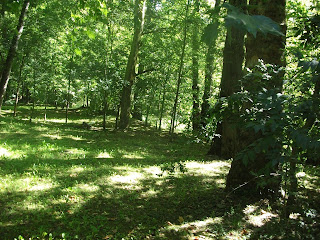 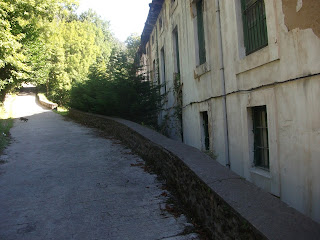   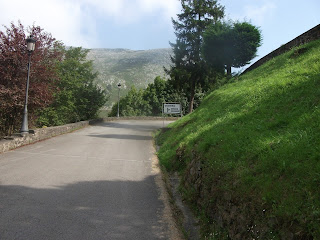 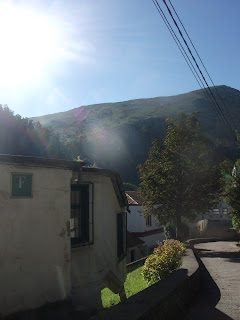 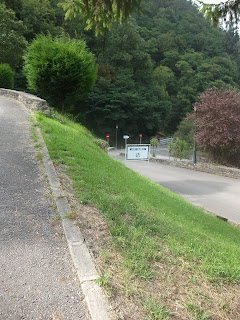 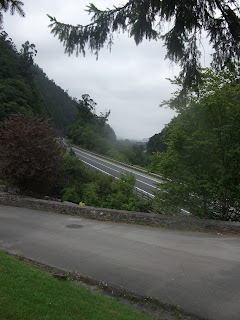  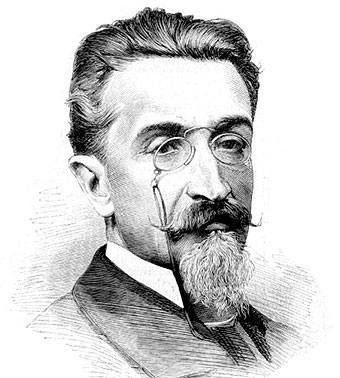 PEREDA SU PEDRO SÁNCHEZ
Lunes, 28 de agosto de 2017
VENGO del monte de Peñacastillo vengo y estoy ya que no me tengo (aire pasiego suave como las brisas de aquella tierra) y después de la hidroterapia en los baños ilustres los mejores de España en las Caldas de Besaya vaya para ellos mi agradecimiento ▬ para Soraya la diligente camarera y su marido Carlos el enfermero, para Rosa y el joven moreno que me ayudó con el equipaje en el ascensor, ▬ me siento como un barco recién carenado. Este balneario de aguas sulfurosas fue famoso entre la nobleza del siglo XIX y era frecuentado por mi ídolo J.M Pereda, Sagasta, Clarín y otros autores. Evoco su memoria.
Señores, sepan cuantos adolecen de omecillo y malquerencia contra este pobre pecador, que no estoy para el desguace y para dar mucha guerra.
En esta visita a Cantabria al cabo de más de un siglo he oreado mis penas al aire libre en largos paseos por la ribera de las hoces del río Besaya y del río Dobra ▬ estos santanderinos no se privan de nada bautizan a uno de sus ríos que van a parar a la mar de Suances con un nombre ruso que significa bondad ▬ y he releído a José María Pereda autor predilecto de mi adolescencia (leíamos "Peñas Arriba" a dúo y en voz alta otro seminarista de Burgos en un banco del Stella Maris comillense).
Los dioses han querido por aquello de "tolle et lege" ▬ hoy es san Agustín de Hipona patrono de los retóricos y todos los que profesan el sacerdocio de la palabra que en este mundo han sido ▬ que me topara con esa maravillosa obra del solitario de Polanco "Pedro Sánchez" novela escrita en 1883 y que parece que nos está advirtiendo a los españoles de los estacazos del parlamentarismo. Seguimos en las mismas en el juego del quítate tú que me pongo yo. Entran los de Arrese y llegan los de Solís. Gritos de libertad y derechos humanos y pan para todos, pero cuando estos mendas que se dedican al politiqueo pisan la alfombra si te he visto no me acuerdo. El caso es vivir al sol que más calienta del erario público.
El autor de Sotileza nos habla de la precariedad de las cesantías, de las infames redacciones del Madrid isabelino. Fue periodista de covachuela en el Clarín de la Patria, de la hipocresía, del desamor y los adulterios. Desfilan ante los ojos del lector las corralas, el hambre de la olla podrida y el puchero enfermo. Lo más sórdido de la Villa y Corte descrito al detalle por pluma experta con ese garbo y agilidad que caracterizó a Pereda.
Así fueron los tiempos de O´Donell y Espartero que parecen repetirse. Hasta el título nos evoca personajes de hoy: Pedro Sánchez…
Don José María parece ser que estampa en las páginas de esta gran novela vivencias personales: la vicalvarada, la revolución del 54 y las algaradas de 1868 cuando la chusma arrastraba por la Puerta del Sol la estatua de la reina Isabel II.
Él arrancó adoquines y tiró piedras contra los "polacos" (partido retrogrado). Al correr de los años debió de arrepentirse de aquellas puerilidades y deliquios juveniles meneando su impresionante testa con tristeza (tenía un perfil numismático con sus antiparras, el tupé y la perilla en punta) al paso que decía, desengañado: no es esto, no es esto:
"Viví las revoluciones del año 54 y la de 1868. Ésta sería la más radical. "La primera transformó el aspecto de los pueblos mientras la segunda cambió la manera de pensar de los españoles. Se impulsó a la sociedad a salir de los viejos cauces y a emprender otros caminos. Se transformaron las costumbres".
Pereda gran escritor y periodista, formó escuela, resucitando la elegancia de la descripción cervantina en los pasajes de su libro, que aparecen impregnados de satírico humor y de melancolía.
Al correr de sus páginas el que lee ha la sensación de que orvalla. Llueve ese chirimiri del desencanto que aparece en los escritores astur cantabros y vascos: Clarín, Amós Escalante, Antón el de los Cantares, Palacio Valdés, Pérez de Ayala, J.L de la Reguera, Pío Baroja, Unamuno, y otros muchos más.
En el caso suyo estas tristezas se agravaron al perder a su primogénito, que se ahogó en una playa de Suances, a finales del siglo, cuando, aquejado de una fuerte depresión ahorcó la pluma y se encerró en si mismo, para despedirse del mundo. Murió a los 73 años en 1906. Su padre era de Comillas y su madre de Polanco; vivía la familia en casa blasonada con portada y estragal. Era todo lo que se dice un hidalgo y esa nobleza de carácter flota a través de toda su obra que fue tan popular durante las décadas del siglo pasado:
"El caudal de la vida humana ▬ nos cuenta al final de su narración ▬ se compone de muy breves goces y muy largas y tediosas pesadumbres y que el ejemplo de mis desengaños le sirvan a alguno de escarmiento".
Esta novela río es como un viaje en diligencia en aquellos carromatos que hacían el trayecto Santander Madrid entres días incómodos traqueteos el rechinar de la galga los trallazos del automedonte en el pescante las cantiñas a lo zamarro de los mozos de cuerda campurrianos una parada en Ataquines y luego la sierra, pero antes estaban los corrales de Buelna, las cuestas de Reinosa y los encuartes de Palencia, Fromista, Herrera de Pisuerga.
Guiado por la mano hidalga de Pereda he sorrapeado los caminos que me llevarían al norte y "escudriñando los pliegues de la memoria y los escondrijos del corazón madre mía cuantos recuerdos que ante esta narración se agolpan".
El tema es la corrupción de Madrid, los encartes pesadumbres y liviandades de la política nacional. Llega a ser Pedro Sánchez un periodista famoso del partido liberal, el rey de la crítica literaria. El estilo es rico en recursos retóricos: hipálages, anagnórisis, metonimias, similicadencias…
También domina el perfil de la novela psicológica. Pedro Sánchez se enamora de una mujer fatal Clara, la hija de Valenzuela, su protector, dominantota, egoísta y coqueta que le traiciona con su mejor amigo un tal Barrientos.
A partir de hay la trama (parece que el argumento pierde cierta fuerza por las digresiones o por uno de esos descarrilamientos mentales que el autor sufría a causa de su accedía) se enreda en un cuadro de desventuras y en un mar de desdichas en las cuales flota el protagonista en el paroxismo de sus desconsuelos. Cuenta un derrumbe amoroso y una traición que remata en adulterio y luego en desafío para lavar en sangre la afrenta.
El mar de fondo es la crisis matrimonial tal y conforme se conocía en el Madrid del siglo XIX: mujer ambiciosa, casquivana, que maltrata al marido. La ostentación y las vanidades de los salones.
Añora el aire puro y la vida patriarcal de sus montañas. Encuentra a su mujer acostada con otro y hay un duelo. Quiso Dios que el pobre marido injuriado se le perdonase la vida por el agente de su afrenta. Es la vera imagen tan novelesca del pobre marido cornudo y apaleado.
Pereda sin embargo, es uno de los escritores más castos que se dan en la literatura española. Sus libros nos inspiran una especie de cervantina resignación. Acaso solamente para eso sirva de algo la literatura que nos ayuda a llevar sobre los hombres la pesada cruz del dolor y del despecho con resignación.
Leopoldo Alas Clarín, la Pardo Bazán y Benito Pérez Galdós y toda la crítica saludaron la publicación de Pedro Sánchez como un hito que marcó fronteras en la novelística hispana del  |
Posted: 27 Aug 2017 04:11 AM PDT SOROS PRESENTE EN UCRANIA Y EN CATALUÑA el conflicto se ve venir. La guerra de Ucrania es un absurdo geoestratégico como lo está siendo el de Cataluña. Los servicios de inteligencia israelíes apoyan a la CUP. En nombre de la libertad la democracia, la paz y el amor estallan la ira y el revanchismo, convirtiéndose en antinomias de su primigenio sentido. Ionesco no inventó el teatro del absurdo. Se encuentra inserto en nuestros políticos que le dan a la manivela del telediario con crudas imágenes de sangre y horror. Los sionistas le están dando la vuelta a la semántica. Han encendido una hoguera en que todo el pueblo perecerá. Se cumple de esta manera el mandato de una maldición histórica. Israel quiere destruir Europa y el cristianismo. Ardua labor en la que perecerá. Utilizan al Islam como ariete de combate para destruir la ciudadela y baluarte de la catolicidad que es España. La azagaya rampa fuegos por el empíreo. Es la saeta incendiaria que sumirá en el fuego devastador de la tiniebla a medio mundo. Y el papa Francisco sin enterarse. Es uno de ellos. Fue elegido Papa por el Kahal bonaerense. Es un antipapa.  |
Posted: 27 Aug 2017 04:18 PM PDT COMILLAS Regreso a la que fue mi casa durante el curso 59-60 alumno de 5ª de retórico. Me emociono al recordar cuando subí pro primera vez la cuesta la Cardosa y Aramburu el hermano de ese vasco que ha publicado un libro sobre ETA me presentó al padre Mayor una sabiduría en letras grecolatinas. Nadie se baña dos veces en el mismo río. Ha corrido el agua y hay que contar muchas mareas y bastantes resacas alguna galerna desde aquella tarde de otoño hasta este ocaso de primavera donde me presenté con mi esposa. Las inmobiliarias han convertido el viejo pueblo pesquero de comillas en lugar irreconocible. Nos perdemos por los recovecos callejones hasta dar con la subida a la Cardosa. Pago dos euros a un ostiario asturiano y parece que se me aparece el P. Heras aquel maestrillo que tanto me ayudó en mis dificultades. Para mí un verdadero hijo de san Ignacio. Era de Aranda y me horroriza el recuerdo de otras cosas como por ejemplo el padre Eguillor mortificándome con sus alegatos de que era un inepto (cuantas noche las pasé llorando oculto el rostro entre las mantas), la visita de mi pobre padre unas navidades, el paquete que me mandaron de casa que se perdió en la rectoral y a un muchacho que era de Potes lavándose los dientes postizos en la fontana de las camarillas. Aquel muchacho que me enseñó fotos del guerrillero Juanín muerto por la guardia civil y decía que su padre estaba en la cárcel por rojo se ha convertido hoy en el oráculo de la sección religiosa del diario El País. le temen los de la conferencia episcopal porque casca verdades de apuño. Tanta belleza de aquellas montañas y las lecturas de Pereda, Cela y Palacio Valdés me inclinaron por los caminos de la palabra y la literatura. En realidad yo lo que querría ser era cura y, en cualquier caso, sígolo siendo porque el amor a la belleza del cristianismo y a el estudio en libertad morirá conmigo y viva el Betis manque pierda. Aquellos años imprimieron carácter y yo sigo acerrimo en la partida de los Sin Camino de Castillo Puche embebidos por el viento de profecía. Los presagios se han cumplido. Comillas es un caserón vacío que quieren habilitar para no sé que el seminario mayor porque el menor está en ruinas. Las ramas de un humero (aliso de tupida barba) se asomaban por la ventana del refectorio donde nos daban sopas con honda en aquellos desayunos conventuales calderadas de leche en polvo. Todas esas ideas que revelo en mi novela "Seminario Vacío". Los pecados mortales de la Iglesia". Amamos mucho a esta iglesia peregrina en la tierra y ella nos hizo la cobra, pero a una madre se la quiere por más que nos maltrate y se haya comportado con nosotros los ex de una manera cruel. Viva el Betis manque pierda. Ya digo. MEMEBRANZAS DE COMILLAS (II parte del "Seminario vacío, la puerta cerrada" Dice el Quijote que segundas partes no fueron buenas. A pesar del veredicto cervantino, nos tomamos la licencia de ofrecer a los seguidores de esta bitagora la segunda parte que es la que se refiere a la vida en el seminario de Comillas años 60. Se irá ofreciendo por entregas y ad libitum. Que tengamos buena marea en esta singladura
El padre Regatillo (Andanzas comillenses)
Corentino Pruvia cuando subió la Cardosa por vez primera desconocía de las dulzuras, orduras y desazón del amor, no probaba el café, tampoco el vino sólo cuando el abuelo Toribio para curarle la calentura o un catarro le daba un traguillo de clarete – ya verás cómo se te pasa-, era un ingenuo pues toda su vida acostumbró a ir por lo legal y no tenía la más mínima idea del mal, sólo cuando en el cole los salvajes niños de su seminario le llamaban meona y empollón que fue cuando sus padre decidieron enviarlo a un centro de postín, un seminario donde no estaba ya la fábrica de curas sino de obispos, de cardenales y prelados domésticos del Vicario de Xto porque el chico era listo y además al señor Sotero, que así se llamaba su genitor, le habían dicho que a Comillas iba la crema de la crema, los más espabilados de todas las diócesis, los niños bien hijos de casa rica, los vascos por ejemplo, que todos aquellos potentados de la banca, de la siderurgia, armadores de barcos e industriales que se dedicaban a la importación/exportación. Grandes fortunas se labraron en la posguerra a favor de las provincias de Vasconia que pronto pegaron el estirón económico. El dictador se volcó con ellas lo mismo que con Cataluña en detrimento de Castilla y de Andalucía que quedaron irredentas. Los magnates vizcaínos del hierro y el acero eran muy católicos pero también muy separatistas y miraban a los de otras regiones por encima del hombro. Por eso se llevaban bien con los jesuitas. No le dieron beca aunque sus padres eran pobres y para mandarlo al seminario aquel de campanillas hubieron de enajenar una parte de la hijuela. Vendieron una tierra por tres mil pesetas de las de entonces.
Era una mañana plomiza de fin de verano. Olía a mar y olía a heno, dos olores bien distintos de los que estaba acostumbrado el adolescente. Corentino por primera vez veía la mar. Habían tomado el correo de Santander en Segovia la noche antes y el convoy no rindió destino hasta las ocho de la mañana en Reinosa. De aquel trayecto en el correo se acordaría toda la vida. El grupo de alumnos comillenses que se subió en Valladolid y entre los que estaba un chico bien parecido y con lentes que convertido en cura habría de dar bastante que hablar como sacerdote obrero. Era Enrique Bermudez de Castro. Estaban allí despidiendolo su padre con el uniforme de coronel de aviación que mandaba el regimiento de Villanubla y toda su familia. Enrique tenía un porte distinguido y dos hermanas guapísimas. Otro de los que iban para Comillas: Antonio Pelayo al que algunos llamarían santa Inés por lo guapo (dicen que aquella mártir romana, Inés Inesita Inés, ábreme la puerta que te vengo a ver era toda una beldad y así la pintaban los retratos) hasta el punto de que de aquel efebo hoy corresponsal de Antena 3 en el Vaticano se enamoraron quiero pensar que platónicamente un prefecto y dos maestrillos. El pinciano tenía los ojos azules, era rubio como un san Luis y tartamudeaba tal que así con su voz de niña. Esos donaires en un mundo de clausura, unisexual, de ambientes cerrados cuando las células estallaban por el torrente de la sangre, conducirían a la andrógena inclinación fatídica. Contra estas derramas delictuosas luchaban con todas sus fuerzas los prefectos encasillándolas bajo el nombre de “amistades particulares”, ojo, no tocar, peligro de muerte, no meterse las manos debajo del pijama ni siquiera por los bolsillos, que corra el aire.
En Venta de Baños se incorporaron los de Palencia y los de Zamora que eran una buena peña. Al correr de los años todos aquellos chicos integrantes de la alegre muchacha ocuparían puestos relevantes en la política, el periodismo, la barra judicial, la obstreticia y la cirugía, el periodismo, el comercio y la empresa, la curia, la milicia e incluso el mundo del crimen. De Palencia eran Carrión, Castrillo, Jesús Abad y otros chavalotes cuyo rostro se perdía en la memoria de Corentino que trasuntaba tales hechos casi medio siglo más tarde. El compartimento iba lleno. Era la primera vez que montaba en un largo recorrido. Se le quedaron grabadas las conversaciones de aquellos chicos. Los nuevos timidos y retraídos con los pantalones bombachos atados al calcetín con una cinta y las camisas recién estrenadas, los de segundo y los de otros cursos superiores muy alegres y confidentes de sí mismos.
-¿A qué curso vas?
- A primero de Retórica.
- A cuarto entonces. Te toca el padre Penagos en griego. En Física. Rábago. En matemáticas el padre Cabezas y en latin Eguillor. Literatura la dará Martino que acaba de llegar de Alemania.
A Coren eso del maestrillo que acaba de llegar de Alemania le sonaba como muy excelso acostumbrado como estaba a una diócesis provinciana con un cuadro de profesores muy modestos; raro era el catedrático que había ido más allá de los límites del Terminillo, la finca que denominaban Recreo Episcopal o de la Lastrilla. Entre los operarios diocesanos algunos tenían la licenciatura en Teología por Salamanca. Y los que habían ido a Roma y tenían un grado de la Gregoriana eran excepción. Los jesuitas apuntaban más alto.
-¿Y quien es el más hueso?
- Eguillor – contestó su compañero de viaje.
Era un vasco con el pelo sucio, la cara alargada, narigudo fino que parecía que su rostro se ahilaba. Aramburu. Venía de Madrid donde había sido invitado por un tío suyo que el rector del colegio de Areneros. Un chico sencillo y espigado que le enseñaría a jugar a pala y conocía los intríngulis y secretos de la casa. luego se convertiriría en bien pagado novelista para contar los intringulis del errorismo de ETA en la que estuvo encuadrado (ETA nació en un seminario) . Él y Antonio Pelayo serían los únicos que cantaran misa. Con su amistad le animaba a echar fuera los complejos pues al principio Comillas se le venía un poco encima, se sentía un poco rechazado. Ciertamente aquel padre Eguillor que se encargaría de las clases de latinidad sería para el segoviano casi un verdugo. Casi a los pocos días de llegar Eguillor le llamó a su celda y miró su expediente académico. En su seminario solía sacar notables en casi todas las asignaturas.
- Aquí sólo admitimos sobresalientes- repuso sarcastico el jesuita- Tú te nos has colado.
Tan brutal espontaneidad fue un zarpazo a su sensibilidad. Recordaría el rostro del Rector acostumbrado a marcar el pensum a los educandos, a aplicar el tercer grado en la probatura de los noviciados donde todo estaba permitido hasta la crueldad. Salió del despacho llorando ante la humillación. Me ha dicho que soy un inútil, que no valgo para nada.
El padre Eguillor o la sombra del maligno. Pero la devoción a la Virgen me salvó
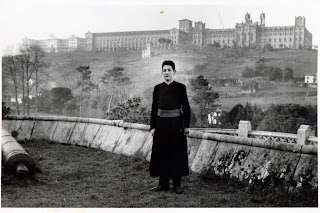
Por aquellos días leíamos la “Vida sale al encuentro” o las “Alabanzas a María” de san Alfonso maría de liborio pero yo tenía en mi camarilla que ojeaba a hurtadillas con una linterna por la noche los cuentos de canterbury y la colmena, los cuales estaban prohibidos.
Una gran novela –oh magia divina de la literatura- de José Luís Castillo Puche – “En Camino” me ha retrotraído a aquella mañana del primero de octubre de 1959 en que subí por primera vez la Cardosa comillense. El padre Heras junto con otros dos maestrillos, el gallego Boada y un leonés, había salido a esperarnos a Torrelavega en un autobús; cargamos nuestros baúles y nuestro colchones en la baca y enfilamos la tortuosa carretera que bordea la costa por Santillána del Mar. Mis primeras impresiones fueron sensoriales: el olor a algas y a mar y el olor a cucho. Era mi primer viaje en tren y la primera vez que veía la mar. Ya estábamos en el norte.
Tomamos, el día antes, el correo de Santander en Segovia a las diez de la noche. Éramos siete u ocho. No recuerdo sus rostros pero no se me olvida un nombre el de Roque de Miguel y otro que se llamaba Blanco, ambos hijos de militares. En Valladolid subiría el que luego se convertiría en cura famoso por su enfrentamiento con Rouco, el padre Bermúdez de Castro. En la estación de esta localidad adonde el convoy se presentó a las dos de la mañana- los trenes eran muy lentos en aquella época y el Correo de Santander tardaba doce horas en alcanzar su destino- no se me olvida el padre de Enrique que lucía las estrellas de coronel de aviación. Tampoco se me olvida aquella odisea en un vagón de tercera, el camarote atestado, con dos policías secretas que hacían una conducción carcelaria, una señora gorda que olía a sebo y un campesino de camisa azul palentino que se pasó todo el viaje hablándonos de la guerra.
En Palencia subió uno que se llamaba Castrillo y al que yo admiraría mucho a aquel tallo que sería el abanderado del curso, casi dos metros de tío, porque era un forzudo y jugaba muy bien al frontón dándole a la pelota a sobaquillo.
La sequedad de Castilla se transformó en frescura y recuerdo la entrada en Reynosa. Gasté los últimos ahorros que me diera mi madre en la compra de unas ricas mantecadas. El padre Heras y los maestrillos nos trataron con mucho afecto y el padre Heras, sobre todo, que a mi me recordaba al cura de Ars y venía a despertarse muchas noches para que me levantara a orinar, fue el justo de Israel que compensó todos los sufrimientos, humillaciones, cabronadas de toda índole que padecí en aquel solitario caserón donde mis sentidos y mi alma se abrieron a la vida en medio de una recia vocación y de amor a Cristo.
El verdugo era un vasco que se llamaba el padre Eguillor y era nuestro perfecto de estudios. En mi primera entrevista lo primero que me espetó por toda salutación, muy basto era aquel cura con los ojos encendidos y el pelo de escarpia:
-Tú no tienes nivel para estar en un seminario de elite. Te nos has “colao”.
Recibir de esa forma a un muchacho que quiere ser cura con quince años me impresionó profundamente y me llenó el alma de dudas y fue un activo de las inseguridades que he tenido de por vida. Creo que aquel verdugo con sotana y el pelo en escarpia, orgulloso y sádico inculcó en mí el anhelo de demostrarle que no llevaba razón.
Yo era bueno en redacción y composición, aunque Eguillor me cateó en latín, pero inepto para las matemáticas, la Física y la Química. En el griego adelanté mucho en las clases del padre Mayor, otro hombre de Dios y del padre Penagos un santanderino que hablaba muy deprisa y al que apenas se le entendía. En literatura teníamos al padre Martino, el cual había estado tantos años en Alemania que creo que se le había olvidado el castellano.
Otra eminencia del cuadro de profesores era el padre Rábago el cual nos daría una conferencia de su experiencia como traductor en el sequito de Franco que fue a recibir a Eisenhower en su gira triunfal a Madrid el año 58. Los del grupo de propagandistas entre los que se encontraba un periodista que se llamaba Pérez Lozano nos daban charlas en el paraninfo.
Se decían cosas portentosas del padre Nieto un especialista en mística del que se creía que había obrado algún milagro.
Era sin embargo un hombre muy feo que tenía una cabeza casi monstruoso que daba un poco de miedo. El padre Prieto a cuya escolanía tuve el orgullo de pertenecer fue una de las eminencias en Música. Aquel curso el seminario estaba abarrotado. Éramos mil quinientos alumnos. Las diócesis con una representación más numerosa eran las de Vitoria y las de Santiago de Compostela. Tampoco se quedaba atrás Pamplona ni Deusto, el otro seminario nodriza.
Aquella misma tarde nada más llegar empezaron los ejercicios espirituales que daba un jesuita especialista al que llamaban fray Mocho con una cara lunar como un pandero y los pelos en punta. Bajamos a la capilla, se apagaron todas las luces y en el presbiterio sentado sobre una mesa a la luz de una vela y esgrimiendo una calavera empezó a dar voces:
-Hijitos míos, sabéis lo que dice esta calavera, lo que tú eres yo fui y como me ves te verás.
Jo, ya empezamos. Se hizo un silencio sepulcral, se escuchaban algunos sollozos sordos, contenidos. Porque fray Mocho en su imitación a Hamlet lo hacía fenomenal. ¿Dónde me he metido? Había sido un verano maravilloso, cargado de ilusiones y de expectativas; mi solicitud para entrar en Comillas tardaría en llegar y no me fue comunicada hasta pocos días antes. Por lo visto los padres habrían estado deshojando la margarita ya que mis notas de Segovia no eran lo suficientemente brillantes. Comprendí entones el varapalo que me dio y el feo que me hizo el prefecto Eguillor nada más entrar “te nos has colao”. Tú no eres de los nuestros, no perteneces a este lugar. Traté de coger la marcha pero permanecí la mayor parte de aquel partido en offside.
¿Por qué no daría yo la talla? Acababa de darme de bruces a boca con esa crueldad casi inhumana del catolicismo que nada tiene que ver con el sentimiento cristiano de amor, caridad, compasión hacia los demás y darle importancia demasiada a cosas que no la tienen. Espabila, Antonio, me dije.
-Tienes que despabilar.
Y creo que espabilé. Apareció un profundo sentido crítico en mi personalidad. Desde entonces no soporto a los tontos ni a los hipócritas que van de santurrones por la vida. Y se exacerbó en mí el mismo sentido de rebeldía del cual hacen galas los Cuatro Evangelios. La naturaleza exuberante del paisaje que rodeaba a los tamarindos de la Cardosa, los bramidos del mar en aquella galerna del año 60 en la cual tantos marineros cantábricos perecieron, los partidos del fútbol en el campo del Stella Maris, las peleas entre seminaristas seculares y los novicios del Máximo, las excursiones a aquellas aldeas que tenían nombres dignos de Pereda como Ruiloba, determinaron una visión de las cosas desde un prisma artístico, aquel curso supe que no tendría otro remedio que dedicarme a la literatura.
El cura de Ruiloba era un hombre gordo como un botijo que bajaba a vernos algunos jueves, se le veía descender por la cuesta de la calella portando un paraguas inmenso, hecho todo un brazo de mar. Recuerdo el claustro del Mayor lleno de retratos de los obispos que cursaron los estudios en aquel centro que eran prácticamente todos los españoles. Comillas era un seminario de elite. Recuerdo el lujo de la escalera noble labrada por Gaudí de la puerta principal adornada de mosaicos bizantinos. Y que recogieron toda la riqueza de aquel buen Marqués que se hizo rico con sus navieras a causa de la guerra de Cuba.
La construcción de aquel centro comillense, por cierto, le arruinó. Están mismamente en mi memoria los baños en Oyambre, playa dilatada, muy abierta y peligrosísima, donde todos los años había alguno que se ahogaba y a mi casi me pasa.
El agua me arrastraba a la ría. Me encomendé a la Virgen y que mandó al padre Heras. ¡Dios le bendiga! Él no sólo me salvó de morir ahogado en las negras aguas de la ría una tarde de mayo, también fue la recompensa a tantos sufrimientos y al tercer grado continuo del Verdugo. Eguillor por lo visto venía de tirocinio de Palencia donde como maestro de novicios para probar la vocación de los aspirantes les sometía a verdaderas torturas psicológicas o lo que los jesuitas denominan el capelo. Como consecuencia de aquellos malos tratos me hice bastante introvertido e inseguro.
Vejámenes sexuales nunca los hubo y si los hubo para mí no tienen ninguna importancia. A unos les echaron por irse al baile a san Vicente de la Barquera.
Y el protagonista de en Camino aprovecha una visita al medico para irse de putas. El gran incendio de la bahía de Santander le pilla dentro de un prostíbulo. Impresionante escena para una de las mejores novelas y mejor escritas sobre la mala educación sentimental en aquellos seminarios de postguerra hoy vacíos.
Asimismo, Castillo Puche cuenta en otro de sus libros – la experiencia en el seminario marcó su psicología y su carrera periodística, en cierto modo seguí sus pasos porque él tambien fue corresponsal en Nueva York- cómo un diacono el día mismo en que va a ser consagrado presbítero se vuelve loco. Se miraba a las manos. En el canto de la zurda le había salido callos de tanto masturbarse y se encuentra impuro e indigno de que esas manos toquen el cuerpo del Señor en la primera misa.
Fuerte, eh, pero fue fuerte, muy fuerte todo aquello y teníamos tan pocos años.
Eguillor el 13 de mayo de 1960 me llamó a su celda para anunciarme que al siguiente curso no volviera.
Me pasé una semana tumbado en el camastro llorando. Como mi padre no podía venir a por mí a causa de los gastos del viaje se acordó que permaneciera hasta el final de curso.
Durante unas semanas me arrastré por los pasillos. Los compañeros no me ajuntaban. Mira a ese le han echado y las miradas en el refectorio se clavaban en ti como dardos. Aquellos curas podían ser muy santos, muy castos, pero no tenían ni zorra idea de cómo se trata a un ser humano, máxime cuando éste era un niño. En cuna edad critica cuando el alma y el cuerpo se están formando como una masilla. Pero tuve coraje. La salida se hizo un 11 de julio.
Ahora se cumple medio siglo de la mañana que arribé a Getafe. Mi padre vino a recibirme en un camión del ejército. Madrid estaba acordonado por la policía pues había llegado en visita oficial el presidente Onganía. Sentí que no tenía vocación pero ante el disgusto de mi madre que casi se muere.
Me mandaron al pueblo un par de meses hasta que a mis progenitores se les pasase el disgusto. De modo que, en resolución, opté por regresar al seminario de Segovia el curso siguiente. Sin embargo, tras aquella experiencia dolorosa presumí que iba a empezar la desbandada. Las torturas, los baticores, las infamias no son para contados y en esta vida todo se paga.
Todos estos casos de pederastia son a lo mejor el castigo que envía el Señor para que la iglesia jerárquica se arrepienta y enmiende sus formas. En Comillas muchos abandonaron o se metieron a movimientos como la ETA.
Sin embargo, uno de los que alcanzaron las gradas del sacerdocio fue el periodista ilustre de Antena 3 Antonio Pelayo, corresponsal en el Vaticano, y de Valladolid, que no sé si llegó a secularizarse. Pérez Bedoya al que recuerdo con afecto es hoy uno de los mejores críticos religiosos del diario El País. Los jesuitas lo despreciaban porque su padre era socialista. Aquellos reverendos padres sólo tenían ojos para los hijos de los capitalistas vascos.
El asunto comillense lo he dado de lado en mi novela “Nabos en adviento. El seminario vacío. La puerta cerrada”. Ahora le doy gracias a Dios por haber sobrevivido a la hecatombe. Mi fe sigue incólume, tanto como mi rebeldía a la vista de que el Vaticano II ha destruido la parte más noble de la Iglesia dejando incólumes muchos de sus antiguos vicios.
Aquellas torturas y escrúpulos sexuales, aquellos sermones con la calavera en la mano, hoy me hacen reír pero entonces hubo mucho a los que marcaron.
Tambien los eclesiásticos cometieron muchos pecados y no vale el arrepentimiento ni la atrición, ni la contrición, ni justificaciones baratas como eso de que las iglesia es eterno y que las fuerzas del infierno etc.
Su victimismo actual no les exonera de la culpa. Ahora pueden sentirse víctimas pero entonces eran verdugos como aquel maldito Padre Eguillor.
Todavía se me aparece como un ángel exterminador en mis pesadillas. Tú no vales para nada. Te has colao. Eres un inútil. Dios y el tiempo acaban siempre haciendo justicia y poniendo a cada uno en su lugar.
Sería buena una restitución o una reparación del daño a los ofendidos. Yo sobreviví a Eguillor. Bendito sea Dios. No hay mal que mil años dure.
57 años y 37 años median entre estas fotos cuando la b ella villa de Comillas era un pueblón. Subiamos la Cardosa. Madre mía, Virgen Santa cuantos recuerdos, algunos tristes otros alegres se agolpan en mi memoria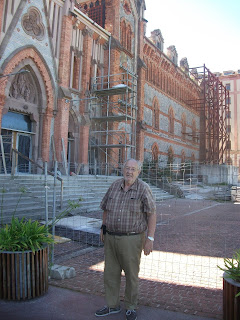  |
Posted: 16 Aug 2017 10:36 PM PDT MARIMANTAS CON FLORES A MARIA Puestas a escribir libros que no paran en continua "katalexis", las marimantas regresaron. El albero de san Isidro se nos ha llenado de fantasmas y ayer de oscurecida vi brillar entre los laureles los ojos fosforescentes, nictalopes del raposo, apretó el trote cochinero, al verme, y desapareció por las rendijas del gallinero de Manolo. Las que no toman el olivo son estas fulanas de la caja estúpida, un incordio, bustos parlantes participando en todos los chous caldo de todas las salsas. Parece les dan cuerda,oye, diciendo las mismas vaguedades sin sustancia. Ya nos cansa tanta política. Tanta crisis tanto catalán puchol el hombre del saco y esta perpetua historia del sacomano, y tanto paro. Si nos arruinamos cualquiera va a pedirle un belarmino a doña Carmen Tomás tataranieta de aquel caudillo asturiano que ahora tertulia de manera incombustible en las filas de la derecha. Tienen mucho poder los hermanitos que cuentan entre sus allegados a todo un papa que con tanto denuedo practica el franciscanismo con tanto esmero que ha puesto al Hermano Lobo a gobernar el rebaño. Están al santo y a la limosna mientras yo me entrego a las auras de mi destino, lucubro, y paseo midiendo los pasos que hay desde el postigo hasta el zarzo. ¡No se puede ser tan feliz! La zorra de anoche con sus ojos admirados de lince me escrutaba. Sonaba abajo en el valle un aire de flauta. Es mayo mes de las flores y no hay sabatinas pero yo llevo a la Virgen casta del Soto las flores recién recogidas: esa festuca gualda, las fragantes margaritas, humildes camomilas, enhiestos narcisos y camelias, o el nardo, que cierra a la noche. Todo, como antiguamente. La iglesia del pueblo está cerrada pero la bóveda celeste -voy pisando las estrellas- ofrece la inmensidad del horizonte para elevar preces. Venid y vamos todos con flores a María. Ella es Mater Magna que camina en una carroza de piedra tirada por una yunta de leones, y que hollará el predominio en 625 líneas de las furias mediáticas. Esa gomia, sin descomponer el gesto, ni fruncir una arruga de su linda cara bonita y terrible, por fuera adobo y hermosura, y por dentro la pez de las calderas de Pedro Botero y de los hechos siniestros, es la vera efigie de la marimanta que hizo naufragar, con sus cantos sibilinos, los barcos de los aqueos al pasar por las sirtes. Alguien tendrá que conculcar la cabeza de la serpiente. El mundo moderno es un perpetuo canto de sirena. Son muchos los que sucumben al embauco de sus encantamientos. Los faunos andan de vendimia, pero ellas ni caso. Las puberes caneforas marchan con el cesto a la cabeza a ofrecer incienso a Plotia en su pedestal en este mayo florido. Las Euménides aprietan el cerco y yo soy de los que busco refugio en el lauredal que por acá denominan loreiro. Hurto el cuerpo a sus embestidas de las Moiras, que anda el diablo por Cantillana. - Otro toro que ese no vale. Pigtail arenga a las masas. Es su hora. He aquí un descamisado, un pequeño burgués de nada, que amedrenta a las derechas con ganas de pisar moqueta, hijo de un ordenanza de Franco. Desde aquélla todos quieren ser funcionarios. Ahora el ministerio más rentable que atrae con fuerza de imán a la empleomanía patria son las Cortes. Diez mil talegos del ala dietas gajes y otros gastos por calentar con el culo el escaño del hemiciclo y pegar voces, salir en la tele a contar mentiras tralalá… por el mar corren las liebres por el monte las sardinas tralala no me lo creo pero si así lo afirma su señoría. Trolas y trágalas apunta nene. Don Tancredo hace la estatua y la Sexquipedal sigue sonriendo. ¿De qué sonreirá el ave zonza? Es que quiere la cartera de Defensa ser jefa de los guardias y presidir el partido todas quieren ser presidentas. Posa doña Sexqui simplemente y dice siempre lo mismo. Algo se nota que fue chica de alterne El poseo, no más, habitó entre nosotros. Aquí todo es publicidad. Traiga, Hactenus, por favor, la máquina de retratar, una sonrisa para la prensa. Parlan por los codos estos tíos y estas tías, estos vascos y vascas. Y sólo se escuchan a sí mismos. Se conoce que el ego les dio un subidón. -¿Entonces qué? -Elecciones generales. -Salimos del Notejode para adentrarnos en las viejas suertes de Nosajodío. Se me cansó la mano de echar papeletas en comicios que huelen a pucherazos. Nadie puede sacarse cartas bajo la manga, todo está pactado de antemano. Atado y bien atado. Han adquirido ciertos tics del Dictadura, mal que les pese, en sus ansias de perpetuarse en el poder; que no les quiten la poltrona. Hay que chupar cámara. La actualidad obedece a sus designios. El Coletas les va a hacer picadillo, trae consigo el salvoconducto de las Fuerzas Ocultas. Ya digo: ronda el diablo por Cantillana. Conque, demos rienda suelta a los buenos recuerdos del florido mayo. Volvamos a la infancia, que el mundo está poblado de marimantas fantasmales, de novelistas del duerno, con ínfulas notables, de palomos cojos y de discursos, y ellas no nos vienen con papalinas, como las hermanas de san Vicente antiguamente, ni traen cofias ni tocas, se descocan y pululan por la red con el culo al aire, parecen yeguas salidas dispuestas a copular solamente con centauros. Y, de paso, nos cuentan cosas atroces de hambres y masacres, negros hotentotes saltando la valla y rasgando la bandera de España, crímenes pasionales del la maté porque era mía, melena al viento por la tele con cara imperturbable de no haber roto nunca un plato
- ¡Qué moninas! Dejemos, sin embargo, que las flores abran sus calices, todo se andará. Navegue Pigtail, perilla capruna por mascarón proa de su ambiciosa mamola, estrecho de pecho, y andares agambados, se desahogue clamando desde su escaño porque cuando canta el cuco una hora llueve y otra hace enjuto, y así estamos. Igual que los canes de Zorita, pocos y mal avenidos, pero, como gozamos de este tiempo florido mayo 2016 de cielos nubosos y horizontes pardos, nuncios del aguacero y de una feraz cosecha, porque en el Rocío, fiesta pagana, no se puede dar un paso entre romeros y romeras en traje de faralaes, charcos y sombreros, tendremos año harto de bienes. Ya lo dicen los ingleses "a good wet month of May good for the corn and hey". Está muy alta la hierba. Juan y Media celestino de viejas se come la manzana que le tiende Eva y nos pone a todos los dientes largos. - Y mira que decían como no llovió por febrero ni prado ni centeno. Lo que llueve ahora son urnas funerarias y comicios. - ¡Menudo lío! -No se apure don Cunctanter que más pasa un cornudo. -Dígotelo yo. -Pues a mí me quedan muchas dudas, amigo Hactenus. Sacrifiquemos esta tarde una oveja a los dioses y aplaquemos su ira. No hay que hacer caso de esa puta monja sor Florentina que anda por ahí tocando los palillos de nuestras desdichas. Las marimantas no hacen otra cosa que subir y bajar, asustan a los niños. Hacen el buz en sus tertulias de ensabanados, encaramados toditos ellos en sus televisivos púlpitos. jueves, 12 de mayo de 2016  |
viva el lujo y el que lo trujo. fotos de la primera dama que su marido ha mantenido en secreto seun el daily mail Posted: 16 Aug 2017 01:35 PM PDT Becoming Mrs. Trump  Donald Trump married wife Melania in January 2005 in a million-dollar wedding, spending an estimated $500,000 on flowers and thousands of dollars on caviar. In addition, Melania wore a $125,000 Christian Dior wedding gown. The wedding cake at the reception was a 50-pound orange Grand Marnier cake, covered by over 3,000 roses. It was a celebrity-studded affair.  |
la presidenta de usa en sus años mozos Posted: 16 Aug 2017 01:31 PM PDT |
EL MAIL DE LONDRES SIGUE EN SUS TRECE SOBRE EL PASADO DUDOSO DE MELANIA Y PUBLICA UNAS FOTOS QUE A DONALD TRUMP NO LE GUSTARÍA MIRAR Posted: 16 Aug 2017 01:28 PM PDT |
CATALUÑA Y EL COÑO DE LA BERNARDA Posted: 16 Aug 2017 08:24 AM PDT COÑOCRACIAElecciones catalanas urnas como coños
Tiene crija o es verija raja o rabo. La frase se la escuché al primo Eustasio al que acabamos de dar tierra a los 96 años y se me quedó grabada como prueba de la intrascendencia de las cosas humanas y ahora se armó por estos reinos un pitote a costa de un video en el que una mujer que al ir a votar tiene un orgasmo. La ociosa charlatanería nacional le saca punta al asunto y aparece doña Pilar García de la Huerta la de la Inter. Hecha una Euménide por considerar el trailer un atentado a la dignidad de las damiselas. El feminismo anda en pie de guerra. La Curri que ya curra en otra cadena interroga pareceres a sus compañeros de mesa gestatoria y mediática que a lo mejor son sus compañeros de cama y esa es otra. ¿Qué os parece? Los unos y los otros se rasgan las vestiduras e izquierdas y derechas andan al copo. Es un atentado a la dignidad de la mujer señalan unos. Es un atentado a la democracia aducen otros. Sin embargo el símil o metáfora de ver en la rendija de las urnas como tumbas lo más parecido a la vagina de los mamíferos se me ocurrió a mí en una novela y ahora los publicistas se conoce que han utilizado la idea que es lo malo de internet que mandas en un post una proposición en un post y te la chorizan por menos de nada. El latente sentir de mi conclusión es que estamos haciendo una religión del embuste. Lo de un hombre un voto es una falacia. Aquí los que eligen son los trustes los banqueros o la fuerza mediática. Al votante le toman el pelo. La decisión está en manos de los que mandan subrepticiamente y nunca lo que dios manda. Son las reglas de la democracia que no es otra cosa que una “coñocracia”de los déspotas monócratas. Coños pusis cufros cajas de Pandora portal de los sustos complemento de carajos entradas al jardín de las delicias y todo lo demás. Bueno vayamos a votar. Metamos el pájaro en el infierno. Pero no nos va a servir de nada aunque nos harán un completo en la mesa electoral las sacerdotisas del gusto y luego para casa  |
MENEAR EL INCENSARIO Posted: 16 Aug 2017 05:59 AM PDT Hemos de menear el incensario hasta que se acabe el humo. Mi amigo Carrascal tiene una jubilación fructifera, pero ese gallego el pobre vive en Nueva York ciudad en la que atracó tirandose de un barco donde venía de polizonte. La CIA lo trajo desde Berlín despues de casarlo con una alemana. Iba por Queens al volane de un Vokswagen. Celso Collazo me dijo que era un mediocre y me hizo uina conficencia: "tú Parrita, lo haces mejor, escribes como Dios manda leche. carrascal escribe novelas que no se enienden pero ahí le enemos en una feliz jubilación. No lo envidio. Yo soy más feliz aunque no viva en ese infierno que es Nueva York y seguiré dandole a la ecla hasa que se acabe el humo y me quede sin incienso. Quiero morir con las botas puestas. Es el destino de este plumilla al que nacieron en Segovia pero que se siente astur por los cuatro costados. Buen día de san Joaquin el abuelo de Cristo |
Posted: 15 Aug 2017 08:13 AM PDT PEREDA EL BABLE DE CANTABRIA El bable que se hablaba en la cordillera cántabra desde la Ríadel Eo posee esa riqueza de las lenguas viejas que hablaban las gentes del campo avezadas a observar los fenómenos de la naturaleza, el ritmo de las estaciones y eso que los retóricos llamaban la propiedad del lenguaje esto es cada cosa, cada apero, cada situación, cada fisonomía posee su propia definición. Llamar a las cosas por su nombre definía a nuestros antepasados hoy se parla un lenguaje equivoco y viciado por el inglés norteamericano que es una lengua pobre. Don José María de Pereda dominaba el bable santanderino más castellanizado que el astur mientras que Clarín y Palacio Valdés representarían la forma de hablar desde las gentes de Villaviciosa para acá hasta Navia y en el siglo XIX. Mientras del primero habla de zoquetas, garios, dalles, breñas, cajigal, corrada, los segundos dicen zapico, pala de pinchos, brañas, carvallada, corralada etc. Para uno de la Montaña una fuina o garduño astur es una rámilay así sucesivamente. Corredoria es en Santander solana y antojana estragal. En las Hoces de Barcena junto a Reinosa el bable recobra esa tonalidad cantarina que los filólogos denominan arandina porque las gentes de Aranda de Duero parecen pájaros cantarines, cuando conversan y ello debe de ser herencia romana. A veces las lenguas no van por el camino real, se bifurcan, se separan, coinciden y divergen para volverse a juntar. Cantabria prefiere el definitivo desinencial en “uco” (Felixuco) y Asturias se queda en in y en ina. Dame la tarjetita ¡oh!... Pereda que poseía buen oído para los idiomas cuando percibe algún solecismo o un idiotismo poco comarcal llama jándalos a los señoritos que regresan a pueblo expresándose en madrileño “rajao” con una entonación gutural. Pienso que uno de los grandes recursos a los que nuestros hablistas de alubión dan de lado es el palabrero y eso no se aprende por la ciencia infusa sino leyendo a los clásicos. Por desgracia nuestros educandos que se pasa la escuela tratando de entender a Jane Austen que es pesadísimo acabarán falando un inglés macarrónico y su bable será una caricatura del que hablaban sus abuelos. La recomendación sería meterse en Galdós, en Clarín en Pereda en Pérez de Ayala o gozar con el Lazarillo o engolfarse en las páginas del Buscón. De lo contrario regresaremos a la confusión de Babel y la perversión del lenguaje es un signo del final de los tiempos. En el principio era la palabra y la palabra ahora la estamos destruyendo en un guirigay atronador. martes, 15 de agosto de 2017  |
DIA DE LA VIRGEN- Posted: 15 Aug 2017 04:37 AM PDT Busco recuerdos alegrese mi conviencia cernejas que criba el arnero del ayer cuando montábamos el tordillo de mi abuelo Hippgerión Pegaso luego entró el jabalí en el jardin y hozó por la cerca el gario del ayer clavose en tierra música de viento sonando entre las peñas AL SON DE MI DESTINO QUE NO ACEPTÉ  |
MARIA ASUMPTA AL CIELO. FIESTA DE LA ASUNCIÓN Posted: 15 Aug 2017 03:49 AM PDT ncipit
In nómine Patris, ☩ et Fílii, et Spíritus Sancti. Amen. | 2 Beginning
In the Name of the Father, and of the Son, ☩ and of the Holy Ghost. Amen. | S. Introíbo ad altáre Dei.
M. Ad Deum, qui lætíficat iuventútem meam.
S. Iúdica me, Deus, et discérne causam meam de gente non sancta: ab hómine iníquo et dolóso érue me.
M. Quia tu es, Deus, fortitudo mea: quare me reppulísti, et quare tristis incédo, dum afflígit me inimícus?
S. Emítte lucem tuam et veritátem tuam: ipsa me deduxérunt, et adduxérunt in montem sanctum tuum et in tabernácula tua.
M. Et introíbo ad altáre Dei: ad Deum, qui lætíficat iuventútem meam.
S. Confitébor tibi in cíthara, Deus, Deus meus: quare tristis es, ánima mea, et quare contúrbas me?
M. Spera in Deo, quóniam adhuc confitébor illi: salutáre vultus mei, et Deus meus.
S. Glória Patri, et Fílio, et Spirítui Sancto.
M. Sicut erat in princípio, et nunc, et semper: et in saecula sæculórum. Amen.
S. Introíbo ad altáre Dei.
M. Ad Deum, qui lætíficat iuventútem meam. | 3 P. I will go in unto the altar of God.
S. To God who giveth joy to my youth.
P. Judge me, O God, and distinguish my cause from the nation which is not holy: deliver me from the unjust and deceitful man.
S. For Thou, O God, art my strength: why hast Thou cast me off? and why go I sorrowful whilst the enemy afflicteth me?
P. Send forth Thy light and Thy truth: they have conducted me and brought me unto Thy holy mount, and into Thy tabernacles.
S. And I will go into the altar of God: to God who giveth joy to my youth.
P. To Thee, O God, my God, I will give praise upon the harp; why art thou sad, O my soul, and why dost thou disquiet me?
S. Hope in God, for I will still give praise to Him: the salvation of my countenance and my God.
P. Glory be to the Father, and to the Son, and to the Holy Ghost.
S. As it was in the beginning, is now, and ever shall be, world without end. Amen.
P. I will go in unto the altar of God.
S. To God who giveth joy to my youth. | V. Adiutórium nostrum ☩ in nómine Dómini.
R. Qui fecit coelum et terram.
Confíteor Deo omnipoténti, beátæ Maríæ semper Vírgini, beáto Michaéli Archángelo, beáto Ioánni Baptístæ, sanctis Apóstolis Petro et Paulo, ómnibus Sanctis, et vobis, fratres: quia peccávi nimis cogitatióne, verbo et opere: mea culpa, mea culpa, mea máxima culpa. Ideo precor beátam Maríam semper Vírginem, beátum Michaélem Archángelum, beátum Ioánnem Baptístam, sanctos Apóstolos Petrum et Paulum, omnes Sanctos, et vos, fratres, orare pro me ad Dóminum, Deum nostrum.
M. Misereátur tui omnípotens Deus, et, dimíssis peccátis tuis, perdúcat te ad vitam ætérnam.
S. Amen,
M. Confíteor Deo omnipoténti, beátæ Maríæ semper Vírgini, beáto Michaéli Archángelo, beáto Ioánni Baptístæ, sanctis Apóstolis Petro et Paulo, ómnibus Sanctis, et tibi, pater: quia peccávi nimis cogitatióne, verbo et opere: mea culpa, mea culpa, mea máxima culpa. Ideo precor beátam Maríam semper Vírginem, beátum Michaélem Archángelum, beátum Ioánnem Baptístam, sanctos Apóstolos Petrum et Paulum, omnes Sanctos, et te, pater, orare pro me ad Dóminum, Deum nostrum.
S. Misereátur nostri omnípotens Deus, et, dimíssis peccátis nostris , perdúcat nos ad vitam ætérnam.
R. Amen.
S. Indulgéntiam, ☩ absolutionem et remissiónem peccatórum nostrórum tríbuat nobis omnípotens et miséricors Dóminus.
R. Amen. | 4 P. Our help ☩ is in the Name of the Lord.
S. Who made heaven and earth.
P. I confess to almighty God, to the blessed Mary ever Virgin, blessed Michael the Archangel, blessed John the Baptist, the holy Apostles Peter and Paul, to all the Saints, and to you, brothers, that I have sinned exceedingly in thought, word, and deed, through my fault, through my fault, through my most grievous fault. Therefore I beseech the blessed Mary, ever Virgin, blessed Michael the Archangel, blessed John the Baptist, the holy Apostles Peter and Paul, all the Saints, and you, brothers, to pray to the Lord our God for me.
S. May almighty God be merciful to thee, and forgiving thy sins, bring thee to everlasting life.
S. Amen.
S. I confess to almighty God, to the blessed Mary ever Virgin, blessed Michael the Archangel, blessed John the Baptist, the holy Apostles Peter and Paul, to all the Saints, and to you, Father, that I have sinned exceedingly in thought, word, and deed, through my fault, through my fault, through my most grievous fault. Therefore I beseech the blessed Mary, ever Virgin, blessed Michael the Archangel, blessed John the Baptist, the holy Apostles Peter and Paul, all the Saints, and you, Father, to pray to the Lord our God for me.
P. May almighty God be merciful to us , and forgiving thy sins, bring us to everlasting life.
S. Amen.
P. May the ☩ almighty and merciful Lord grant us pardon, absolution, and remission of our sins.
S. Amen. | V. Deus, tu convérsus vivificábis nos.
R. Et plebs tua lætábitur in te.
V. Osténde nobis, Dómine, misericórdiam tuam.
R. Et salutáre tuum da nobis.
V. Dómine, exáudi oratiónem meam.
R. Et clamor meus ad te véniat.
V. Dóminus vobíscum.
R. Et cum spíritu tuo.
Orémus,
Aufer a nobis, quaesumus, Dómine, iniquitátes nostras: ut ad Sancta sanctórum puris mereámur méntibus introíre. Per Christum, Dóminum nostrum. Amen.
Orámus te, Dómine, per mérita Sanctórum tuórum, quorum relíquiæ hic sunt, et ómnium Sanctórum: ut indulgére dignéris ómnia peccáta mea. Amen. | 5 P. O God, Thou wilt turn again and quicken us.
S. And thy people shall rejoice in Thee.
P. Show us, O Lord, Thy mercy.
S. And grant us Thy salvation.
P. O Lord, hear my prayer.
S. And let my cry come before Thee.
P. The Lord be with you.
S. And with thy spirit.
Let us pray.
Take away from us our iniquities, we beseech Thee, O Lord, that we may be worthy to enter with pure minds into the Holy of Holies, through Christ our Lord. Amen.
We beseech Thee, O Lord, by the merits of Thy Saints, whose relics are here, and of all the Saints, that Thou wouldst vouchsafe to forgive me all my sins. Amen. | Introitus
Ap 12:1
Signum magnum appáruit in coelo: múlier amicta sole, et luna sub pédibus eius, et in cápite eius coróna stellárum duódecim
Ps 97:1
Cantáte Dómino cánticum novum: quóniam mirabília fecit.
V. Glória Patri, et Fílio, et Spirítui Sancto.
R. Sicut erat in princípio, et nunc, et semper, et in saecula saeculórum. Amen
Signum magnum appáruit in coelo: múlier amicta sole, et luna sub pédibus eius, et in cápite eius coróna stellárum duódecim | 6 Introit
Apoc 12:1
A great sign appeared in heaven: a woman clothed with the sun, and the moon was under her feet, and upon her head a crown of twelve stars.
Ps 97:1
Sing to the Lord a new son, for He has done wondrous deeds.
V. Glory be to the Father, and to the Son, and to the Holy Ghost.
R. As it was in the beginning, is now, and ever shall be, world without end. Amen.
A great sign appeared in heaven: a woman clothed with the sun, and the moon was under her feet, and upon her head a crown of twelve stars. | Kyrie
S. Kýrie, eléison.
M. Kýrie, eléison.
S. Kýrie, eléison.
M. Christe, eléison.
S. Christe, eléison.
M. Christe, eléison.
S. Kýrie, eléison.
M. Kýrie, eléison.
S. Kýrie, eléison. | 7 Kyrie
P. Lord, have mercy.
S. Lord, have mercy.
P. Lord, have mercy.
S. Christ, have mercy.
P. Christ, have mercy.
S. Christ, have mercy.
P. Lord, have mercy.
S. Lord, have mercy.
P. Lord, have mercy. | Gloria
Gloria in excelsis Deo Et in terra pax homínibus bonæ voluntátis. Laudámus te. Benedícimus te. Adorámus te. Glorificámus te. Grátias ágimus tibi propter magnam glóriam tuam. Dómine Deus, Rex coeléstis, Deus Pater omnípotens. Dómine Fili unigénite, Iesu Christe. Dómine Deus, Agnus Dei, Fílius Patris. Qui tollis peccáta mundi, miserére nobis. Qui tollis peccáta mundi, súscipe deprecatiónem nostram. Qui sedes ad déxteram Patris, miserére nobis. Quóniam tu solus Sanctus. Tu solus Dóminus. Tu solus Altíssimus, Iesu Christe. Cum Sancto Spíritu ☩ in glória Dei Patris. Amen. | 8 Gloria
Glory be to God on high, and on earth peace to men of good will. We praise Thee. We bless Thee. We adore Thee. We glorify Thee. We give Thee thanks for Thy great glory. O Lord God, heavenly King, God the Father almighty. O Lord Jesus Christ, the only begotten Son. O Lord God, Lamb of God, Son of the Father. Who takest away the sins of the world, have mercy on us. Who takest away the sins of the world, receive our prayer. Who sittest at the right hand of the Father, have mercy on us. For Thou only are holy. Thou only art the Lord. Thou only art most high, O Jesus Christ. Together with the Holy Ghost ☩ in the glory of God the Father. Amen. | Oratio
V. Dóminus vobíscum.
R. Et cum spiritu tuo.
Orémus.
Omnípotens sempitérne Deus, qui Immaculátam Vírginem Maríam, Fílii tui genitrícem, córpore et ánima ad coeléstem glóriam assumpsísti: concéde, quǽsumus; ut, ad superna semper inténti, ipsíus glóriæ mereámur esse consórtes.
Per eundem Dominum nostrum Iesum Christum filium tuum, qui tecum vivit et regnat in unitate Spiritus Sancti, Deus, per omnia saecula saeculorum.
R. Amen. | 9 Collect
V. The Lord be with you.
R. And with thy spirit.
Let us pray.
Almighty, everlasting God, Who took up, body and soul, the immaculate Virgin Mary, Mother of Your Son, into heavenly glory, grant, we beseech You, that, always devoting ourselves to heavenly things, we may be found worthy to share in her glory.
Through the same Jesus Christ, thy Son, Our Lord, Who liveth and reigneth with thee in the unity of the Holy Ghost, God, world without end.
R. Amen. | Lectio
Léctio libri Iudith.
Iudith 13, 22-25; 15:10
Benedíxit te Dóminus in virtúte sua, quia per te ad níhilum redégit inimícos nostros. Benedícta es tu, fília, a Dómino Deo excelso, præ ómnibus muliéribus super terram. Benedíctus Dóminus, qui creávit coelum et terram, qui te direxit in vúlnera cápitis príncipis inimicórum nostrórum; quia hódie nomen tuum ita magnificávit, ut non recédat laus tua de ore hóminum, qui mémores fúerint virtútis Dómini in ætérnum, pro quibus non pepercísti ánimæ tuæ propter angústias et tribulatiónem géneris tui, sed subvenísti ruínæ ante conspéctum Dei nostri. Tu glória Ierúsalem, tu lætítia Israël, tu honorificéntia pópuli nostri.
R. Deo gratias. | 10 Lesson
Lesson from the book of Judith
Judith 13:22-25; 15:10
The Lord has blessed you by His power, because by you He has brought our enemies to nought. Blessed are you, O daughter, by the Lord the Most High God, above all women upon the earth. Blessed be the Lord Who made heaven and earth, Who has directed you to the cutting off the head of the prince of our enemies, because He has so magnified your name this day, that your praise shall not depart out of the mouth of men, who shall be mindful of the power of the Lord forever; for you have not spared your life, by reason of the distress and tribulation of your people, but have prevented our ruin in the presence of our God. You are the glory of Jerusalem, you are the joy of Israel, you are the honor of our people.
R. Thanks be to God. | Graduale
Ps 44:11-12; 44:14
Audi, fília, et vide, et inclína aurem tuam, et concupíscit rex decórem tuum.
V. Omnis glória eius fíliæ Regis ab intus, in fímbriis áureis circumamícta varietátibus. Allelúia, allelúia.
V. Assumpta est María in coelum: gaudet exércitus Angelórum. Allelúia. | 11 Gradual
Ps 44:11-12, 14.
Hear, O daughter, and see; turn your ear; for the King shall desire your beauty.
V. All glorious is the King’s daughter as she enters; her raiment is threaded with spun gold. Alleluia, alleluia.
V. Mary is taken up into heaven: the choirs of the angels rejoice. Alleluia. | Evangelium
Munda cor meum, ac labia mea, omnípotens Deus, qui labia Isaíæ Prophétæ cálculo mundásti igníto: ita me tua grata miseratióne dignáre mundáre, ut sanctum Evangélium tuum digne váleam nuntiáre. Per Christum, Dóminum nostrum. Amen.
Iube, Dómine, benedícere. Dóminus sit in corde meo et in lábiis meis: ut digne et competénter annúntiem Evangélium suum. Amen.
V. Dóminus vobíscum.
R. Et cum spíritu tuo.
Sequéntia ✠ sancti Evangélii secúndum Lucam.
R. Gloria tibi, Domine!
Luc 1:41-50
In illo témpore: Repléta est Spíritu Sancto Elisabeth et exclamávit voce magna, et dixit: Benedícta tu inter mulíeres, et benedíctus fructus ventris tui. Et unde hoc mihi ut véniat mater Dómini mei ad me? Ecce enim ut facta est vox salutatiónis tuæ in áuribus meis, exsultávit in gáudio infans in útero meo. Et beáta, quæ credidísti, quóniam perficiéntur ea, quæ dicta sunt tibi a Dómino. Et ait María: Magníficat ánima mea Dóminum; et exsultávit spíritus meus in Deo salutári meo; quia respéxit humilitátem ancíllæ suæ, ecce enim ex hoc beátam me dicent omnes generatiónes. Quia fecit mihi magna qui potens est, et sanctum nomen eius, et misericórdia eius a progénie in progénies timéntibus eum.
R. Laus tibi, Christe!
S. Per Evangelica dicta, deleantur nostra delicta. | 12 Gospel
Cleanse my heart and my lips, O almighty God, who didst cleanse the lips of the prophet Isaias with a burning coal, and vouchsafe, through Thy gracious mercy, so to purify me, that I may worthily announce Thy holy Gospel. Through Christ our Lord. Amen.
Give me Thy blessing, O Lord. The Lord be in my heart and on my lips, that I may worthily and in a becoming manner, proclaim His holy Gospel. Amen.
P. The Lord be with you.
S. And with thy spirit.
Continuation ☩ of the Holy Gospel according to Luke
R. Glory be to Thee, O Lord.
Luke 1:41-50
At that time, Elizabeth was filled with the Holy Spirit, and cried out with a loud voice, saying, Blessed are you among women and blessed is the fruit of your womb! And how have I deserved that the Mother of my Lord should come to me? For behold, the moment that the sound of your greeting came to my ears, the babe in my womb leapt for joy. And blessed is she who has believed, because the things promised her by the Lord shall be accomplished. And Mary said, My soul magnifies the Lord, and my spirit rejoices in God my Savior; because He has regarded the lowliness of His handmaid; for, behold, henceforth all generations shall call me blessed; because He Who is mighty has done great things for me, and holy is His name; and His mercy is from generation to generation on those who fear Him.
R. Praise be to Thee, O Christ.
S. By the words of the Gospel may our sins be blotted out. | Credo
Credo in unum Deum, Patrem omnipoténtem, factórem coeli et terræ, visibílium ómnium et in visibílium. Et in unum Dóminum Iesum Christum, Fílium Dei unigénitum. Et ex Patre natum ante ómnia saecula. Deum de Deo, lumen de lúmine, Deum verum de Deo vero. Génitum, non factum, consubstantiálem Patri: per quem ómnia facta sunt. Qui propter nos hómines et propter nostram salútem descéndit de coelis. Et incarnátus est de Spíritu Sancto ex María Vírgine: Et homo factus est. Crucifíxus étiam pro nobis: sub Póntio Piláto passus, et sepúltus est. Et resurréxit tértia die, secúndum Scriptúras. Et ascéndit in coelum: sedet ad déxteram Patris. Et íterum ventúrus est cum glória iudicáre vivos et mórtuos: cuius regni non erit finis. Et in Spíritum Sanctum, Dóminum et vivificántem: qui ex Patre Filióque procédit. Qui cum Patre et Fílio simul adorátur et conglorificátur: qui locútus est per Prophétas. Et unam sanctam cathólicam et apostólicam Ecclésiam. Confíteor unum baptísma in remissiónem peccatórum. Et exspécto resurrectiónem mortuórum. Et vitam ventúri saeculi. Amen. | 13 Creed
I believe in one God, the Father almighty, Maker of heaven and earth, and of all things, visible and invisible.
And in one Lord Jesus Christ, the only begotten Son of God. And born of the Father, before all ages. God of God: Light of Light: true God of true God. Begotten, not made, consubstantial with the Father, by whom all things were made. Who, for us men, and for our salvation, came down from heaven. And became incarnate by the Holy Ghost of the Virgin Mary: and was made man. He was crucified also for us, suffered under Pontius Pilate, and was buried. And the third day He rose again according to the Scriptures. And ascended into heaven, and sitteth at the right hand of the Father. And He shall come again with glory to judge both the living and the dead, of whose kingdom there shall be no end.
And in the Holy Ghost, the Lord and Giver of Life, proceeding from the Father and the Son. Who together, with the Father and the Son, is adored and glorified: Who spoke by the prophets. And in one, holy, Catholic and Apostolic Church. I confess one baptism for the remission of sins. And I look for the resurrection of the dead. And the life of the world to come. Amen. | Offertorium
V. Dóminus vobíscum.
R. Et cum spíritu tuo.
Orémus
Gen 3:15
Inimicítias ponam inter te et mulíerem, et semen tuum et semen illíus. | 14 Offertory
P. The Lord be with you.
S. And with thy spirit.
Let us pray.
Gen 3:15
I will put enmity between you and the Woman, between your seed and her seed. | | Suscipe, sancte Pater, omnipotens ætérne Deus, hanc immaculátam hóstiam, quam ego indígnus fámulus tuus óffero tibi Deo meo vivo et vero, pro innumerabílibus peccátis, et offensiónibus, et neglegéntiis meis, et pro ómnibus circumstántibus, sed et pro ómnibus fidélibus christiánis vivis atque defúnctis: ut mihi, et illis profíciat ad salútem in vitam ætérnam. Amen. | Accept, O holy Father, almighty and eternal God, this unspotted host, which I, Thy unworthy servant, offer unto Thee, my living and true God, for my innumerable sins, offenses, and negligences, and for all here present: as also for all faithful Christians, both living and dead, that it may avail both me and them for salvation unto life everlasting. Amen. | | Deus, qui humánæ substántiæ dignitátem mirabíliter condidísti, et mirabílius reformásti: da nobis per huius aquæ et vini mystérium, eius divinitátis esse consórtes, qui humanitátis nostræ fíeri dignátus est párticeps, Iesus Christus, Fílius tuus, Dóminus noster: Qui tecum vivit et regnat in unitáte Spíritus Sancti Deus: per ómnia saecula sæculórum. Amen. | O God, who, in creating human nature, didst wonderfully dignify it, and still more wonderfully restore it, grant that, by the Mystery of this water and wine, we may be made partakers of His divine nature, who vouchsafed to be made partaker of our human nature, even Jesus Christ our Lord, Thy Son, who with Thee, liveth and reigneth in the unity of the Holy Ghost, God: world without end. Amen. | Offérimus tibi, Dómine, cálicem salutáris, tuam deprecántes cleméntiam: ut in conspéctu divínæ maiestátis tuæ, pro nostra et totíus mundi salute, cum odóre suavitátis ascéndat. Amen.
In spíritu humilitátis et in ánimo contríto suscipiámur a te, Dómine: et sic fiat sacrifícium nostrum in conspéctu tuo hódie, ut pláceat tibi, Dómine Deus.
Veni, sanctificátor omnípotens ætérne Deus: et bene ☩ dic hoc sacrifícium, tuo sancto nómini præparátum. | 17 We offer unto Thee, O Lord, the chalice of salvation, beseeching Thy clemency, that it may ascend before Thy divine Majesty, as a sweet savor, for our salvation, and for that of the whole world. Amen.
Accept us, O Lord, in the spirit of humility and contrition of heart, and grant that the sacrifice which we offer this day in Thy sight may be pleasing to Thee, O Lord God.
Come, O almighty and eternal God, the Sanctifier, and bless ☩ this Sacrifice, prepared for the glory of Thy holy Name. | Lavábo inter innocéntes manus meas: et circúmdabo altáre tuum. Dómine: Ut áudiam vocem laudis, et enárrem univérsa mirabília tua. Dómine, diléxi decórem domus tuæ et locum habitatiónis glóriæ tuæ. Ne perdas cum ímpiis, Deus, ánimam meam, et cum viris sánguinum vitam meam: In quorum mánibus iniquitátes sunt: déxtera eórum repléta est munéribus. Ego autem in innocéntia mea ingréssus sum: rédime me et miserére mei. Pes meus stetit in dirécto: in ecclésiis benedícam te, Dómine.
V. Glória Patri, et Fílio, et Spirítui Sancto.
R. Sicut erat in princípio, et nunc, et semper, et in saecula saeculórum. Amen | 18 I will wash my hands among the innocent: and I will compass Thine altar, O Lord That I may hear the voice of praise: and tell of all Thy wonderous works. I have loved, O Lord, the beauty of Thy house and the place where Thy glory dwelleth. Take not away my soul, O God, with the wicked: nor my life with blood-thirsty men. In whose hands are iniquities, their right hand is filled with gifts. But I have walked in my innocence: redeem me, and have mercy on me. My foot hath stood in the direct way, in the churches I will bless Thee, O Lord.
V. Glory be to the Father, and to the Son, and to the Holy Ghost.
R. As it was in the beginning, is now, and ever shall be, world without end. Amen. | | Súscipe, sancta Trinitas, hanc oblatiónem, quam tibi offérimus ob memóriam passiónis, resurrectiónis, et ascensiónis Iesu Christi, Dómini nostri: et in honórem beátæ Maríæ semper Vírginis, et beáti Ioannis Baptistæ, et sanctórum Apostolórum Petri et Pauli, et istórum et ómnium Sanctórum: ut illis profíciat ad honórem, nobis autem ad salútem: et illi pro nobis intercédere dignéntur in coelis, quorum memóriam ágimus in terris. Per eúndem Christum, Dóminum nostrum. Amen. | Receive, O holy Trinity, this oblation which we make to Thee, in memory of the Passion, Resurrection and Ascension of our Lord Jesus Christ, and in honor of Blessed Mary, ever Virgin, blessed John the Baptist, the holy Apostles Peter and Paul, and of all the Saints, that it may avail unto their honor and our salvation, and may they vouchsafe to intercede for us in heaven, whose memory we celebrate on earth. Through the same Christ our Lord. Amen. | S. Oráte, fratres: ut meum ac vestrum sacrifícium acceptábile fiat apud Deum Patrem omnipoténtem.
M. Suscípiat Dóminus sacrifícium de mánibus tuis ad laudem et glóriam nominis sui, ad utilitátem quoque nostram, totiúsque Ecclésiæ suæ sanctæ.
S. Amen.
Secreta
Ascéndat ad te, Dómine, nostræ devotiónis oblátio, et, beatíssima Vírgine María in coelum assumpta intercedénte, corda nostra, caritátis igne succénsa, ad te iúgiter ádspirent.
Per Dominum nostrum Iesum Christum, Filium tuum: qui tecum vivit et regnat in unitate Spiritus Sancti Deus, per omnia saecula saeculorum.
R. Amen. | 20 P. Brethren, pray that my Sacrifice and yours may be acceptable to God the Father almighty.
S. May the Lord receive the Sacrifice from thy hands, to the praise and glory of His Name, to our benefit and that of all His holy Church.
P. Amen.
Secret
May the offering of our devotion rise unto You, O Lord, and by the intercession of the most blessed Virgin Mary, who was taken up into heaven, may our hearts, on fire with love, strive ever upward to You.
Through Jesus Christ, thy Son our Lord, Who liveth and reigneth with thee, in the unity of the Holy Ghost, ever one God, world without end.
R. Amen. | Praefatio
V. Dóminus vobíscum.
R. Et cum spíritu tuo.
V. Sursum corda.
R. Habémus ad Dóminum.
V. Grátias agámus Dómino, Deo nostro.
R. Dignum et iustum est.
de Beata Maria Virgine
Vere dignum et iustum est, æquum et salutáre, nos tibi semper et ubique grátias ágere: Dómine sancte, Pater omnípotens, ætérne Deus: Et te in Assumptione beátæ Maríæ semper Vírginis collaudáre, benedícere et prædicáre. Quæ et Unigénitum tuum Sancti Spíritus obumbratióne concépit: et, virginitátis glória permanénte, lumen ætérnum mundo effúdit, Iesum Christum, Dóminum nostrum. Per quem maiestátem tuam laudant Angeli, adórant Dominatiónes, tremunt Potestátes. Coeli coelorúmque Virtútes ac beáta Séraphim sócia exsultatióne concélebrant. Cum quibus et nostras voces ut admitti iubeas, deprecámur, súpplici confessióne dicéntes:
Sanctus, Sanctus, Sanctus Dóminus, Deus Sábaoth. Pleni sunt coeli et terra glória tua. Hosánna in excélsis. Benedíctus, qui venit in nómine Dómini. Hosánna in excélsis. | 21 Preface
P. The Lord be with you.
S. And with thy spirit.
P. Lift up your hearts.
S. We have lifted them up to the Lord.
P. Let us give thanks to the Lord our God.
S. It is meet and just.
Blessed Virgin
It is truly meet and just, right and for our salvation, that we should at all times, and in all places, give thanks unto Thee, O holy Lord, Father almighty, everlasting God: and that we should praise and bless, and proclaim Thee, in the Assumptione of the Blessed Mary, ever-Virgin: Who also conceived Thine only-begotten Son by the overshadowing of the Holy Ghost, and the glory of her virginity still abiding, gave forth to the world the everlasting Light, Jesus Christ our Lord. Through whom the Angels praise Thy Majesty, the Dominations worship it, and the Powers stand in awe. The Heavens and the heavenly hosts together with the blessed Seraphim in triumphant chorus unite to celebrate it. Together with these we entreat Thee that Thou mayest bid our voices also to be admitted while we say with lowly praise:
Holy, Holy, Holy, Lord God of Sabaoth! Heaven and earth are full of Thy glory! Hosanna in the highest! Blessed is He that cometh in the Name of the Lord! Hosanna in the highest! | Canon
Te igitur, clementíssime Pater, per Iesum Christum, Fílium tuum, Dóminum nostrum, súpplices rogámus, ac pétimus, uti accepta habeas et benedícas, hæc ☩ dona, hæc ☩ múnera, hæc ☩ sancta sacrifícia illibáta, in primis, quæ tibi offérimus pro Ecclésia tua sancta cathólica: quam pacificáre, custodíre, adunáre et régere dignéris toto orbe terrárum: una cum fámulo tuo Papa nostro Francisco et Antístite nostro et ómnibus orthodóxis, atque cathólicæ et apostólicae fídei cultóribus. | 22 Canon
We therefore, humbly pray and beseech Thee, most merciful Father, through Jesus Christ; Thy Son, our Lord, that Thou wouldst vouchsafe to accept and bless these ☩ gifts, these ☩ presents, these ☩ holy unspotted Sacrifices, which in the first place we offer Thee for Thy holy Catholic Church to which vouchsafe to grant peace, as also to preserve, unite, and govern it throughout the world, together with Thy servant Francis our Pope, and our Bishop, and all orthodox believers and professors of the Catholic and Apostolic Faith. | | Meménto, Dómine, famulórum famularúmque tuarum N. et N. et ómnium circumstántium, quorum tibi fides cógnita est et nota devótio, pro quibus tibi offérimus: vel qui tibi ófferunt hoc sacrifícium laudis, pro se suísque ómnibus: pro redemptióne animárum suárum, pro spe salútis et incolumitátis suæ: tibíque reddunt vota sua ætérno Deo, vivo et vero. | Be mindful, O Lord, of Thy servants and handmaidens, N. et N. and of all here present, whose faith and devotion are known unto Thee, for whom we offer, or who offer up to Thee, this sacrifice of praise for themselves, their families and friends, for the redemption of their souls, for the health and salvation they hope for; and who now pay their vows to Thee, the everlasting, living and true God. | Communicántes, et memóriam venerántes, in primis gloriósæ semper Vírginis Maríæ, Genetrícis Dei et Dómini nostri Iesu Christi: sed et beati Ioseph, eiusdem Virginis Sponsi,
et beatórum Apostolórum ac Mártyrum tuórum, Petri et Pauli, Andréæ, Iacóbi, Ioánnis, Thomæ, Iacóbi, Philíppi, Bartholomaei, Matthaei, Simónis et Thaddaei: Lini, Cleti, Cleméntis, Xysti, Cornélii, Cypriáni, Lauréntii, Chrysógoni, Ioánnis et Pauli, Cosmæ et Damiáni: et ómnium Sanctórum tuórum; quorum méritis precibúsque concédas, ut in ómnibus protectiónis tuæ muniámur auxílio. Per eúndem Christum, Dóminum nostrum. Amen. | 24 We pray in union with and honor the memory, especially of the glorious ever Virgin Mary, mother of our God and Lord Jesus Christ: as also of the blessed Joseph, her Spouse,
and of the blessed Apostles and Martyrs Peter and Paul, Andrew, James, John, Thomas, James, Philip, Bartholomew, Matthew, Simon, and Thaddeus; Linus, Cletus, Clement, Xystus, Cornelius, Cyprian, Lawrence, Chrysogonus, John and Paul, Cosmas and Damian, and of all Thy Saints, through whose merits and prayers, grant that we may in all things be defended by the help of Thy protection. Through the same Christ our Lord. Amen. |
Hanc igitur oblatiónem servitutis nostræ, sed et cunctae famíliæ tuæ,
quaesumus, Dómine, ut placátus accípias: diésque nostros in tua pace dispónas, atque ab ætérna damnatióne nos éripi, et in electórum tuórum iúbeas grege numerári. Per Christum, Dóminum nostrum. Amen. | 25
We therefore beseech Thee, O Lord, graciously to accept this oblation of our service, as also of Thy whole family;
and to dispose our days in Thy peace, preserve us from eternal damnation, and rank us in the number of Thine Elect. Through the same Christ our Lord. Amen. | | Quam oblatiónem tu, Deus, in ómnibus, quaesumus, bene ☩ díctam, adscríp ☩ tam, ra ☩ tam, rationábilem, acceptabilémque fácere dignéris: ut nobis Cor ☩ pus, et San ☩ guis fiat dilectíssimi Fílii tui, Dómini nostri Iesu Christi. | Which oblation do Thou, O God, vouchsafe in all respects, to bless, ☩ approve, ☩ ratify, ☩ make worthy and acceptable; that it may be made for us the Body ☩ and Blood ☩ of Thy most beloved Son Jesus Christ our Lord. | | Qui prídie quam paterétur, accépit panem in sanctas ac venerábiles manus suas, elevátis óculis in coelum ad te Deum, Patrem suum omnipoténtem, tibi grátias agens, bene ☩ dixit, fregit, dedítque discípulis suis, dicens: Accípite, et manducáte ex hoc omnes. | Who, the day before He suffered, took bread into His holy and venerable hands, and with His eyes lifted up towards heaven unto Thee, God, His almighty Father, giving thanks to Thee, He blessed ☩ it, broke it and gave it to His disciples saying: Take and eat ye all of this, |
HOC EST ENIM CORPUS MEUM.
| 28
FOR THIS IS MY BODY.
|
Símili modo postquam coenátum est, accípiens et hunc præclárum Cálicem in sanctas ac venerábiles manus suas: item tibi grátias agens, bene ☩ dixit, dedítque discípulis suis, dicens: Accípite, et bíbite ex eo omnes. | 29 v. In like manner, after He had supped, taking also this excellent chalice into His holy and venerable hands He blessed ☩ , and gave it to His disciples, saying: Take and drink ye all of this, |
HIC EST ENIM CALIX SANGUINIS MEI, NOVI ET AETERNI TESTAMENTI: MYSTERIUM FIDEI: QUI PRO VOBIS ET PRO MULTIS EFFUNDETUR IN REMISSIONEM PECCATORUM.
Hæc quotiescúmque fecéritis, in mei memóriam faciétis. | 30
FOR THIS IS THE CHALICE OF MY BLOOD OF THE NEW AND ETERNAL TESTAMENT, THE MYSTERY OF FAITH; WHICH SHALL BE SHED FOR YOU AND FOR MANY UNTO THE REMISSION OF SINS.
As often as ye do these things, ye shall do them in remembrance of Me. |
Unde et mémores, Dómine, nos servi tui, sed et plebs tua sancta, eiusdem Christi Fílii tui, Dómini nostri, tam beátæ passiónis, nec non et ab ínferis resurrectiónis, sed et in coelos gloriósæ ascensiónis: offérimus præcláræ maiestáti tuæ de tuis donis ac datis, hóstiam ☩ puram, hóstiam ☩ sanctam, hóstiam ☩immaculátam, Panem ☩ sanctum vitæ ætérnæ, et Calicem ☩ salútis perpétuæ. | 31
Wherefore, O Lord, we Thy servants, as also Thy holy people, calling to mind the blessed Passion of the same Christ, Thy Son, our Lord, and also His Resurrection from the dead and His glorious Ascension into heaven: do offer unto Thy most excellent Majesty of Thine own gifts, bestowed upon us, a pure ☩ Host, a holy ☩ Host, an unspotted ☩ Host, the holy ☩ Bread of eternal life, and the Chalice ☩ of everlasting salvation. |
Supra quæ propítio ac seréno vultu respícere dignéris: et accépta habére, sicúti accépta habére dignátus es múnera púeri tui iusti Abel, et sacrifícium Patriárchæ nostri Abrahæ: et quod tibi óbtulit summus sacérdos tuus Melchísedech, sanctum sacrifícium, immaculátam hóstiam. | 32 v. Upon which vouchsafe to look with a propitious and serene countenance, and to accept them, as Thou wert graciously pleased to accept the gifts of Thy just servant Abel, and the sacrifice of our patriarch Abraham, and that which Thy high priest Melchisedech offered to Thee, a holy Sacrifice, and unspotted Victim. | | Súpplices te rogámus, omnípotens Deus: iube hæc perférri per manus sancti Angeli tui in sublíme altáre tuum, in conspéctu divínæ maiestátis tuæ: ut, quotquot ex hac altáris participatióne sacrosánctum Fílii tui Cor ☩ pus, et Sán ☩ guinem sumpsérimus, omni benedictióne coelésti et grátia repleámur. Per eúndem Christum, Dóminum nostrum. Amen. | We most humbly beseech Thee, almighty God, command these offerings to be borne by the hands of Thy holy Angels to Thine altar on high, in the sight of Thy divine majesty, that as many as shall partake of the most holy Body ☩ and Blood ☩ of Thy Son at this altar, may be filled with every heavenly grace and blessing. Through the same Christ our Lord. Amen. | | Meménto étiam, Dómine, famulórum famularúmque tuárum N. et N., qui nos præcessérunt cum signo fídei, et dórmiunt in somno pacis. Ipsis, Dómine, et ómnibus in Christo quiescéntibus locum refrigérii, lucis pacis ut indúlgeas, deprecámur. Per eúndem Christum, Dóminum nostrum. Amen. | Remember also, O Lord, Thy servants and handmaids N. and N., who are gone before us with the sign of faith, and rest in the sleep of peace. To these, O Lord, and to all that rest in Christ, grant, we beseech Thee, a place of refreshment, light, and peace; Through the same Christ our Lord. Amen. | | Nobis quoque peccatóribus fámulis tuis, de multitúdine miseratiónum tuárum sperántibus, partem áliquam et societátem donáre dignéris, cum tuis sanctis Apóstolis et Martýribus: cum Ioánne, Stéphano, Matthía, Bárnaba, Ignátio, Alexándro, Marcellíno, Petro, Felicitáte, Perpétua, Agatha, Lúcia, Agnéte, Cæcília, Anastásia, et ómnibus Sanctis tuis: intra quorum nos consórtium, non æstimátor mériti, sed véniæ, quaesumus, largítor admítte. Per Christum, Dóminum nostrum. | To us also, Thy sinful servants, confiding in the multitude of Thy mercies, vouchsafe to grant some part and fellowship with Thy holy Apostles and Martyrs, with John, Stephen, Matthias, Barnabas, Ignatius, Alexander, Marcellinus, Peter, Felicitas, Perpetua, Agatha, Lucy, Agnes, Cecilia, Anastasia, and with all Thy Saints, into whose company we beseech Thee to admit us, not weighing our merits, but pardoning our offenses. Through Christ our Lord. | Per quem hæc ómnia, Dómine, semper bona creas, sancti ☩ ficas, viví ☩ ficas, bene ☩ dícis et præstas nobis.
Per ip ☩ sum, et cum ip ☩ so, et in ip ☩ so, est tibi Deo Patri ☩ omnipotenti, in unitáte Spíritus ☩Sancti,
omnis honor, et glória.
Per omnia saecula saecolorum.
R. Amen. | 36 By Whom, O Lord, Thou dost ever create. sanctify, ☩ quicken, ☩ bless, ☩ and give unto us all these good things.
By Him, ☩ and with Him, ☩ and in Him ☩ is to Thee, God the Father ☩ almighty, in the unity of the Holy ☩ Ghost,
all honor and glory.
P. World without end.
S. Amen. | Preparatio Communionis
Orémus: Præcéptis salutáribus móniti, et divína institutione formati audemus dicere:
Pater noster, qui es in caelis, Sanctificetur nomen tuum. Adveniat regnum tuum. Fiat voluntas tua, sicut in coelo et in terra. Panem nostrum quotidianum da nobis hodie. Et dimitte nobis debita nostra, sicut et nos dimittimus debitoribus nostris. Et ne nos inducas in tentationem:
R. Sed libera nos a malo.
S. Amen. | 37 Preparation for Communion
Let us pray. Instructed by Thy saving precepts, and following Thy divine institution, we are bold to say:
Our Father, who art in heaven, hallowed be Thy Name; Thy kingdom come; Thy will be done on earth as it is in heaven. Give us this day our daily bread. And forgive us our trespasses, as we forgive those who trespass against us. And lead us not into temptation.
M. But deliver us from evil.
P. Amen. | Líbera nos, quaesumus, Dómine, ab ómnibus malis, prætéritis, præséntibus et futúris: et intercedénte beáta et gloriósa semper Vírgine Dei Genetríce María, cum beátis Apóstolis tuis Petro et Paulo, atque Andréa, et ómnibus Sanctis, da propítius pacem in diébus nostris: ut, ope misericórdiæ tuæ adiúti, et a peccáto simus semper líberi et ab omni perturbatióne secúri.
Per eúndem Dóminum nostrum Iesum Christum, Fílium tuum.
Qui tecum vivit et regnat in unitáte Spíritus Sancti Deus.
V. Per omnia saecula saeculorum.
R. Amen.
Pax Domini sit semper vobiscum.
R. Et cum spiritu tuo. | 38 Deliver us, we beseech Thee, O Lord, from all evils, past, present, and to come; and by the intercession of the Blessed and glorious ever Virgin Mary, Mother of God, and of the holy Apostles, Peter and Paul, and of Andrew, and of all the Saints, mercifully grant peace in our days, that through the assistance of Thy mercy we may be always free from sin, and secure from all disturbance.
Through the same Jesus Christ, Thy Son, our Lord.
Who with Thee in the unity of the Holy Ghost liveth and reigneth God,
P. World without end.
S. Amen.
P. The peace ☩ of the Lord be ☩ always with ☩ you.
S. And with thy spirit. | | Haec commíxtio, et consecrátio Córporis et Sánguinis Dómini nostri Iesu Christi, fiat accipiéntibus nobis in vitam ætérnam. Amen. | May this mixture and consecration of the Body and Blood of our Lord Jesus Christ be to us who receive it effectual unto eternal life. Amen. | Agnus Dei, qui tollis peccáta mundi: miserére nobis.
Agnus Dei, qui tollis peccáta mundi: miserére nobis.
Agnus Dei, qui tollis peccáta mundi: dona nobis pacem. | 40 Lamb of God, who takest away the sins of the world, have mercy on us.
Lamb of God, who takest away the sins of the world, have mercy on us.
Lamb of God, who takest away the sins of the world, grant us peace. | | Dómine Iesu Christe, qui dixísti Apóstolis tuis: Pacem relínquo vobis, pacem meam do vobis: ne respícias peccáta mea, sed fidem Ecclésiæ tuæ; eámque secúndum voluntátem tuam pacificáre et coadunáre dignéris: Qui vivis et regnas Deus per ómnia saecula sæculórum. Amen. | O Lord Jesus Christ, who saidst to Thine Apostles: Peace I leave you, My peace I give you: regard not my sins, but the faith of Thy Church; and vouchsafe to grant her that peace and unity which is agreeable to Thy will: Who livest and reignest God, world without end. Amen. | | Dómine Iesu Christe, Fili Dei vivi, qui ex voluntáte Patris, cooperánte Spíritu Sancto, per mortem tuam mundum vivificásti: líbera me per hoc sacrosánctum Corpus et Sánguinem tuum ab ómnibus iniquitátibus meis, et univérsis malis: et fac me tuis semper inhærére mandátis, et a te numquam separári permíttas: Qui cum eódem Deo Patre et Spíritu Sancto vivis et regnas Deus in saecula sæculórum. Amen. | O Lord Jesus Christ, Son of the living God, who, according to the will of Thy Father, with the cooperation of the Holy Ghost, hast by Thy death given life to the world; deliver me by this Thy most sacred Body and Blood, from all my iniquities and from all evils; and make me always cleave to Thy commandments, and suffer me never to be separated from Thee, Who livest and reignest, with the same God the Father and the Holy Ghost, God, world without end. Amen. | | Percéptio Córporis tui, Dómine Iesu Christe, quod ego indígnus súmere præsúmo, non mihi provéniat in iudícium et condemnatiónem: sed pro tua pietáte prosit mihi ad tutaméntum mentis et córporis, et ad medélam percipiéndam: Qui vivis et regnas cum Deo Patre in unitáte Spíritus Sancti Deus, per ómnia saecula sæculórum. Amen. | Let not the partaking of Thy Body, O Lord, Jesus Christ, which I, though unworthy, presume to receive, turn to my judgment and condemnation; but let it, through Thy mercy, become a safeguard and remedy, both for soul and body; Who with God the Father, in the unity of the Holy Ghost, livest and reignest God, world without end. Amen. | Panem coeléstem accipiam, et nomen Dómini invocábo.
V. Dómine, non sum dignus, ut intres sub tectum meum: sed tantum dic verbo, et sanábitur ánima mea
V. Dómine, non sum dignus, ut intres sub tectum meum: sed tantum dic verbo, et sanábitur ánima mea.
V. Dómine, non sum dignus, ut intres sub tectum meum: sed tantum dic verbo, et sanábitur ánima mea. | 44 I will take the Bread of heaven, and will call upon the Name of the Lord.
V. Lord, I am not worthy that Thou shouldst enter under my roof; say but the word, and my soul shall be healed.
V. Lord, I am not worthy that Thou shouldst enter under my roof; say but the word, and my soul shall be healed.
V. Lord, I am not worthy that Thou shouldst enter under my roof; say but the word, and my soul shall be healed. | | Corpus Dómini nostri Iesu Christi custódiat ánimam meam in vitam ætérnam. Amen. | The Body of our Lord Jesus Christ preserve my soul unto life everlasting. Amen. | Quid retríbuam Dómino pro ómnibus, quæ retríbuit mihi? Cálicem salutáris accípiam, et nomen Dómini invocábo. Laudans invocábo Dóminum, et ab inimícis meis salvus ero.
Sanguis Dómini nostri Iesu Christi custódiat ánimam meam in vitam ætérnam. Amen. | 46 What return shall I make to the Lord for all He has given to me? I will take the chalice of salvation, and call upon the Name of the Lord. Praising I will call upon the Lord, and I shall be saved from my enemies.
The Blood of our Lord Jesus Christ preserve my soul unto life everlasting. Amen. | Communio
Anima Christi, sanctifica me. Corpus Christi, salva me. Sanguis Christi, inebria me. Aqua lateris Christi, lava me. Passio Christi, conforta me. O bone Iesu, exaudi me. Intra tua vulnera absconde me. Ne permittas me separari a te. Ab hoste maligno defende me. In hora mortis meae voca me. Et iube me venire ad te, Ut cum Sanctis tuis laudem te. In saecula saeculorum. Amen. | 47 Communio
Soul of Christ, sanctify me. Body of Christ, save me. Blood of Christ, inebriate me. Water from Christ's side, wash me. Passion of Christ, strengthen me. O good Jesus, hear me. Within Thy wounds hide me. Suffer me not to be separated from Thee. From the malicious enemy defend me. In the hour of my death call me. And bid me come unto Thee. That I may praise Thee with Thy saints. and with Thy angels, Forever and ever. Amen. | Quod ore súmpsimus, Dómine, pura mente capiámus: et de munere temporáli fiat nobis remédium sempitérnum.
Corpus tuum, Dómine, quod sumpsi, et Sanguis, quem potávi, adhaereat viscéribus meis: et præsta; ut in me non remáneat scélerum mácula, quem pura et sancta refecérunt sacraménta: Qui vivis et regnas in saecula sæculórum. Amen. | 48 Grant, O Lord, that what we have taken with our mouth, we may receive with a pure mind; and from a temporal gift may it become to us an eternal remedy.
May Thy Body, O Lord, which I have received, and Thy Blood which I have drunk, cleave to my bowels; and grant that no stain of sin may remain in me, who have been fed with this pure and holy Sacrament; Who livest and reignest for ever and ever. Amen. | Communio
Luc 1:48-49
Beátam me dicent omnes generatiónes, quia fecit mihi magna qui potens est. | 49 Communion
Luke 1:48-49
All generations shall call me blessed; because He Who is mighty has done great things for me. | Postcommunio
S. Dóminus vobíscum.
R. Et cum spíritu tuo.
Orémus.
Sumptis, Dómine, salutáribus sacraméntis: da, quǽsumus; ut, méritis et intercessióne beátæ Vírginis Maríæ in coelum assúmptæ, ad resurrectiónis glóriam perducámur.
Per Dominum nostrum Iesum Christum, Filium tuum: qui tecum vivit et regnat in unitate Spiritus Sancti Deus, per omnia saecula saeculorum.
R. Amen. | 50 Post Communion
P. The Lord be with you.
S. And with thy spirit.
Let us pray.
Having partaken, O Lord, of the sacrament of salvation, grant, we beseech You, that through the merits and intercession of the blessed Virgin Mary, who was taken up into heaven, we may be delivered from all the evils that threaten us.
Through Jesus Christ, thy Son our Lord, Who liveth and reigneth with thee, in the unity of the Holy Ghost, ever one God, world without end.
R. Amen. | Conclusio
S. Dóminus vobíscum.
M. Et cum spíritu tuo, | 51 Conclusion
P. The Lord be with you.
S. And with thy spirit. | V. Ite, Missa est.
R. Deo gratias. | 52 V. Go, the Mass is ended.
R. Thanks be to God. | | Pláceat tibi, sancta Trínitas, obséquium servitútis meæ: et præsta; ut sacrifícium, quod óculis tuæ maiestátis indígnus óbtuli, tibi sit acceptábile, mihíque et ómnibus, pro quibus illud óbtuli, sit, te miseránte, propitiábile. Per Christum, Dóminum nostrum. Amen. | May the performance of my homage be pleasing to Thee, O holy Trinity: and grant that the Sacrifice which I, though unworthy, have offered up in the sight of Thy Majesty, may be acceptable to Thee, and through Thy mercy, be a propitiation for me, and for all those for whom I have offered it. Through Christ our Lord. Amen. | Benedícat vos omnípotens Deus,
Pater, et Fílius, ☩ et Spíritus Sanctus.
R. Amen. | 54 P. May almighty God the Father, Son, ☩ and Holy Ghost,
bless you.
S. Amen. | V. Dominus vobiscum.
R. Et cum spiritu tuo.
Initium ✠ sancti Evangélii secúndum Ioánnem.
R. Gloria tibi, Domine!
Ioann. 1, 1-14.
Iunctis manibus prosequitur:
In princípio erat Verbum, et Verbum erat apud Deum, et Deus erat Verbum. Hoc erat in princípio apud Deum. Omnia per ipsum facta sunt: et sine ipso factum est nihil, quod factum est: in ipso vita erat, et vita erat lux hóminum: et lux in ténebris lucet, et ténebræ eam non comprehendérunt.
Fuit homo missus a Deo, cui nomen erat Ioánnes. Hic venit in testimónium, ut testimónium perhibéret de lúmine, ut omnes créderent per illum. Non erat ille lux, sed ut testimónium perhibéret de lúmine.
Erat lux vera, quæ illúminat omnem hóminem veniéntem in hunc mundum. In mundo erat, et mundus per ipsum factus est, et mundus eum non cognóvit. In própria venit, et sui eum non recepérunt. Quotquot autem recepérunt eum, dedit eis potestátem fílios Dei fíeri, his, qui credunt in nómine eius: qui non ex sanguínibus, neque ex voluntáte carnis, neque ex voluntáte viri, sed ex Deo nati sunt. Genuflectit dicens: Et Verbum caro factum est, Et surgens prosequitur: et habitávit in nobis: et vídimus glóriam eius, glóriam quasi Unigéniti a Patre, plenum grátiæ et veritatis.
R. Deo gratias. | 55 P. The Lord be with you.
S. And with thy spirit.
The beginning ✠ of the holy Gospel according to John.
R. Glory be to Thee, O Lord.
Joann. 1, 1-14.
In the beginning was the Word, and the Word was with God, and the Word was God. The same was in the beginning with God. All things were made by Him, and without Him was made nothing that was made: in Him was life, and the life was the Light of men; and the Light shineth in darkness, and the darkness did not comprehend it.
There was a man sent from God, whose name was John. This man came for a witness, to testify concerning the Light, that all might believe through Him. He was not the Light, but he was to testify concerning the Light.
That was the true Light, which enlighteneth every man that cometh into this world. He was in the world, and the world was made by Him, and the world knew Him not. He came unto His own, and His own received Him not. But as many as received Him to them He gave power to become sons of God, to them that believe in His Name, who are born not of blood, nor of the will of the flesh, nor of the will of man, but of God. Here all kneel. And the Word was made flesh, and dwelt among us: and we saw His glory, the glory as of the Only begotten of the Father, full of grace and truth.
R. Thanks be to God. | Oratio Leonis XIII
S. Ave Maria, gratia plena, Dominus tecum, benedicta tu in mulieribus et benedictus fructis ventris tui, Iesus.
O. Sancta Maria, Mater Dei, ora pro nobis peccatoribus, nunc et in hora mortis nostrae. Amen.
S. Ave Maria, gratia plena, Dominus tecum, benedicta tu in mulieribus et benedictus fructis ventris tui, Iesus.
O. Sancta Maria, Mater Dei, ora pro nobis peccatoribus, nunc et in hora mortis nostrae. Amen.
S. Ave Maria, gratia plena, Dominus tecum, benedicta tu in mulieribus et benedictus fructis ventris tui, Iesus.
O. Sancta Maria, Mater Dei, ora pro nobis peccatoribus, nunc et in hora mortis nostrae. Amen.
O. Salve Regina, Mater misericordiae, vita, dulcedo, et spes nostra, salve. Ad te clamamus, exsules filii Evae. Ad te suspiramus gementes et fientes in hac lacrymarum valle. Eia ergo, Advocata nostra, illos tuos misericordes oculos ad nos converte. Et Iesum, benedictum fructum ventris tui, nobis, post hoc exilium, ostende. O clemens, o pia, o dulcis Virgo Maria.
S. Ora pro nobis, sancta Dei Genitrix.
O. Ut digni efficiamur promissionibus Christi.
S. Orémus. Deus, refúgium nostrum et virtus, populum ad te clamantem propitius respice; et intercedente gloriosa, et immaculata Virgine Dei Genitrice Maria, cum beato Ioseph, eius Sponso, ac beatis Apostolis tuis Petro et Paulo, et omnibus Sanctis, quas pro conversione peccatorum, pro libertate et exaltatione sanctae Matris Ecclesiae, preces effundimus, misericors et benignus exaudi. Per eundem Christum Dominum nostrum. Amen.
O. Sancte Michaël Archangele, defende nos in proelio; contra nequitiam et insidias diaboli esto praesidium. Imperet illi Deus, supplices deprecamur: tuque, Princeps militiae Caelestis, satanam aliosque spiritus malignos, qui ad perditionem animarum pervagantur in mundo, divina virtute in infernum detrude. Amen.
S. Cor Iesu sacratissimum.
O. Miserere nobis.
S. Cor Iesu sacratissimum.
O. Miserere nobis.
S. Cor Iesu sacratissimum.
O. Miserere nobis. | 56 PRAYERS ORDERED BY THE POPE Leo XIII
P. Hail Mary, full of grace; The Lord is with thee; Blessed art thou amongst women, And blessed is the fruit of thy womb, Jesus.
A. Holy Mary, Mother of God, Pray for us sinners, now and at the hour of our death. Amen.
P. Hail Mary, full of grace; The Lord is with thee; Blessed art thou amongst women, And blessed is the fruit of thy womb, Jesus.
A. Holy Mary, Mother of God, Pray for us sinners, now and at the hour of our death. Amen.
P. Hail Mary, full of grace; The Lord is with thee; Blessed art thou amongst women, And blessed is the fruit of thy womb, Jesus.
A. Holy Mary, Mother of God, Pray for us sinners, now and at the hour of our death. Amen.
A. Hail, holy Queen, Mother of mercy, our life, our sweetness, and our hope. To thee do we cry, poor banished children of Eve. To thee do we send up our sighs, mourning and weeping in this valley of tears. Turn then, most gracious Advocate, thine eyes of mercy towards us. And after this our exile, show unto us the blessed Fruit of thy womb, Jesus. O clement, O loving, O sweet Virgin Mary.
P. Pray for us, O Holy Mother of God.
O. That we may be made worthy of the promises of Christ.
P. Let us pray. O God, our refuge and our strength, look down in mercy on Thy people who cry to Thee; and by the intercession of the glorious and immaculate Virgin Mary, Mother of God, of St. Joseph her Spouse, of Thy blessed Apostles Peter and Paul, and of all the Saints, in mercy and goodness hear our prayers for the conversion of sinners, and for the liberty and exaltation of our holy Mother and Church. Through the same Christ our Lord.
A. Holy Michael Archangel, defend us in the day of battle; be our safeguard against the wickedness and snares of the devil. -- May God rebuke him, we humbly pray: and do thou, Prince of the heavenly host, by the power of God thrust down to hell Satan and all wicked spirits, who wander through the world for the ruin of souls.
P. Most Sacred Heart of Jesus,
A. Have mercy upon us.
P. Most Sacred Heart of Jesus,
A. Have mercy upon us.
P. Most Sacred Heart |
 |
Posted: 14 Aug 2017 05:42 AM PDT GRACIÁN REDIVIVO
Nieve en las cumbres y el sol, tan literario, nos sonría, devuelven sus rayos sonrisas repartidas en las alforjas de los recuerdos. Trae memorias de lo que fue. Baltasar Gracián Morales Cariñena hueca 1601 pero pasó su infancia en Toledo. Fue domestico del cardenal Paravichino y bajaba por la solana del Tajo a ver pintar al Greco. Sin una profunda vocación religiosa tomaría los votos de la compañía de Jesús. Sin ser un monje devoto cumplió con la Regla a pesar de no entenderse con el superior. La literatura hispana en ello perdió a un místico y ganó a una de las plumas más sagaces en castellano. Quería una vida tranquila. No la tuvo pues en el convento probarían su carácter algo arisco y levantisco sometiéndole al capelo y a esas durísimas probaciones que las jesuitinas suelen hacer. No fue un hombre feliz pero la austeridad como forma de vida le ayudaría a vivir hacia adentro y sobre todo esta condición de ordenado al sacerdote le valdría para dedicarse a escribir. Sería el gran prosista castellano después de Quevedo y cervantes. No se llevaba bien ni con los catalanes ni con los valencianos. El motín de los segadores del Corpus situaría a Gracián acérrimo aragonés de parte de Castilla Después de su tránsito por Gandía la casa madre de la orden y por Gerona es enviado como prefecto de latinidad a Calatayud, y luego va de maestrillo a Calahorra. Allí tiene que echarle un réspice (rapapolvos) a un portugués el padre Tonda “por haber tenido algunas flaquezas con las mujeres” al tiempo que termina de revisar el manuscrito de su libro “El héroe” que dedica al rey Felipe vi. El texto se imprime en los tórculos del oscense Nogués. En 1639 estalla la guerra de Cataluña y el P. Gracián se enrola como capellán de una compañía del Tercio de Sicilia a las órdenes del duque de Noceal. Siendo su capitán el marqués de Leganés. Los soldados de su división llamarían al buen clérigo padre de la victoria. De regreso a Huesca con las tropas publica Agudeza y arte de ingenio y al poco tiempo El discreto y la primera parte del Criticón su libro más famoso. Por los conceptos que expresa contra corriente le crecen los enanos y se multiplican sus enemigos tanto fuera como dentro de la Compañía. Baltasar Gracián conviene saberlo les caía mal a muchos por su ascendiente converso y que sabía mucho más de la Escritura que sus rivales y eso es lo que más jode a un español que el otro resulte más eximio en las artes que el uno practica, ya sea en las bellas artes, en el periodismo, o la política. Somos un país maravilloso pero cainita. Padre Nickel prepósito general le ordena que deje de escribir y lo recluye en la casa de la Compañía en Tarazona y luego a Graus en una celda de castigo. Estuvo tres meses a pan y agua. No se rin de el indómito profesor pues decía para libre Aragón y para cojonudo yo. Esta energía y talante anarquista flota sobre toda la obra gracianesca. Muere sin reconciliarse con el Papa Negro el 6 de noviembre de 1558 a la vista de las cumbres del Moncayo de aquellos Pirineos que él amó tanto. Tenía la y no era muy agraciado físicamente bajo de cuerpo con la cabeza grande miope y de color cetrino cara de pocos amigos pero en su frente parece resplandecer el sol de la sabiduría. Más valen quintaesencias que fárragos y lo bueno si breve dos veces bueno. Lector empedernido. España era para él la cultura perfecta porque solemos mejor entender a los otros de oficio que en el cara a cara que donde hay mucha confianza da asco. No hay lisonja no hay fullería mejor que un libro cada día. Un libro y un amigo quiero yo en mis lares. Con los libros converso y su dulce conversación son el mejor viático de la existencia.
Este bibilitano bien se conoce haber nacido paisano del poeta Marcial padre de la sátira presenta la calidad de su arte un acendrado barroquismo. Gracián es escritor de escritores, epígono de la erudición, párrafos largos y quintaesencias que la crítica olvida con frecuencia y de nuevo se pone de moda a clavo pasado. En 2017 en una España que se enfrenta al secesionismo catalán vuelve el padre Gracián al palenque de lo novedoso.
Los grandes hombres son indefinibles porque no están sujetos a norma alguna. Gracián maneja la alegoría y el aforismo con gravedad y sutileza. Por los altos cielos de la alegoría a la que él se eleva vuelan los monstruos. Hay atisbos en el Criticón que anticipan a los aguafuertes de la época negra de Goya o los retablos del Bosco, a golpes de cultismo y paranomasias. Murió a los 56 años.  |
HOY VISPERAS DE LA GRAN FIESTA DE LA DORMICIÓN O ASUNCIÓN DE LA VIRGEN QUE CELEBRAN LAS IGLESIAS ORIENTALES Posted: 14 Aug 2017 03:10 AM PDT Пост ради Божией МатериПастыри об Успенском постеСегодня православные христиане начинают поститься постом Успенским, готовясь к светлому и радостному празднику – Успению Богородицы. Корреспондент портала «Православие.Ru» попросила священнослужителей Русской Православной Церкви сказать краткое слово утешения, назидания и ободрения тем, кто приступил хоть и к краткому, но столь же строгому посту, что и пост Великий.«Успение Божией Матери – это Богородичная Пасха» Протоиерей Андрей Ткачев: Протоиерей Андрей Ткачев. Фото: st-tatiana.ru Протоиерей Андрей Ткачев. Фото: st-tatiana.ru«Как замечательно, если кто-то ради Божией Матери расстанется хотя бы с одной греховной привычкой!» Диакон Валерий Духанин, кандидат богословия, проректор Николо-Угрешской духовной семинарии: Диакон Валерий Духанин Диакон Валерий Духанин– Успенский пост – это пост, который христианин совершает ради Божией Матери. Ведь именно в праздник Успения, когда Пресвятая Дева перешла в мир Небесный, Она стала Покровительницей и Ходатаицей пред Богом за всех нас. Ради встречи этого великого праздника мы и постимся. Обыкновенно мы просим у Пресвятой Богородицы разных милостей, помощи, всё время хотим, чтобы Она нас покрывала и защищала. Но сами-то мы что готовы сделать ради Божией Матери? Ведь подлинная любовь всегда выражается в какой-то жертве, в том, что ради любимого человека нам не жалко отдать что-то свое. Что же мы можем принести в дар Пресвятой Богородице? Она не нуждается ни в чем земном, ни в каких земных приношениях, и значит, мы можем принести Ей в дар только самих себя. Из этого следует, что мы должны работать над собой, отсекать от души всё то, что в нас не угодно Богу. Как было бы замечательно, если кто-то Успенским постом ради Божией Матери расстанется хотя бы с одной греховной привычкой! Вот бы постараться явить в себе хотя бы некоторое подобие того смирения и послушания Богу, которые имела Пресвятая Дева! Человек настаивал: «Как же мне отблагодарить Тебя, что же дать Тебе?» Тогда Бог сказал: «Если любишь Меня, то отдай Мне твои грехи». Конечно, пост – это всегда время покаяния, неслучайно Успенский пост так же строг, как и Великий. Только вот что есть покаяние, стоило бы правильно понимать. Есть такая притча. Один человек очень хотел отблагодарить Бога и молился: «Господи, что мне подарить Тебе?» И вдруг Бог ответил ему: «Мне ничего не надо. Всё, что есть у тебя, и так Мое, это Я дал тебе». Но человек настаивал: «Как же мне отблагодарить Тебя, что же мне дать Тебе?» Тогда Бог сказал: «Если ты любишь Меня, то отдай Мне твои грехи».Покаяние – это не истязание человека, а очищение его от ненужных, греховных наслоений. Это освобождение человека от того, что не его, что для него лишнее, что доставляет ему только муку и тяготу. Если воздушный шар обременен лишним грузом, то не поднимется к небу. Так и человек. В таинстве Покаяния Бог отнимает у человека грехи и попаляет их, чтобы человек духовно возвысился. Каждый раз, когда мы вступаем на поприще поста, нужно вспоминать, что это время особенного покаяния, то есть освобождения души от груза грехов. И только с чистой душой можно предстать пред Небесной Царицей в великий праздник Успения. Успенский пост – пост весьма отрадный: 14 августа в храмах освящается мед, 19-го – фрукты, и то, что приятно на вкус, соединяется с невидимой благодатью Божией. Вместе с тем Успенский пост – это пост весьма отрадный. Он отличается своими неповторимыми церковными праздниками и традициями. В первый день поста, 14 августа – Изнесение честных древ Животворящего Креста. То есть мы сразу же обращаемся к Честному Кресту как к главному духовному оружию в нашей невидимой брани. В этот же день освящается мед, то есть Успенский пост не так уж и горек. 19 августа – яблочный Спас, в храмах освящаются фрукты, и то, что приятно на вкус, соединяется с невидимой благодатью Божией. Господь оказывает милость как нашей душе, так и телу. Но самое главное – это дни, когда мы действительно имеем возможность стать ближе к Божией Матери, под Ее благодатным покровом обрести покой мятущейся душе и сподобиться быть причастниками того Царства, в которое Она взошла в день Своего блаженного Успения. «Сознательная духовная жизнь – это и есть та полноценная человеческая жизнь, к которой мы призваны» Священник Димитрий Шишкин, настоятель храма Покрова Пресвятой Богородицы в пос. Почтовое Бахчисарайского района (Симферопольская и Крымская епархия): Священник Дмитрий Шишкин Священник Дмитрий Шишкин– Может быть, это странно звучит, но пост, особенно многодневный, о котором заранее знает человек и, условно говоря, «отсчитывает» время приближения к которому, – такой пост, насколько я знаю, большинством православных христиан воспринимается не как тягостная повинность, которую надо перетерпеть «за послушание», а как счастливая возможность изменения, преображения собственной жизни. Потому что многие из нас чувствуют, конечно, что мы далеки не только от идеала, но даже и от начатков подлинно христианской жизни. И понимая это, каждому хочется как-то собраться, стать хоть на время строже к себе, потому что без такой собранности духовная жизнь вообще невозможна, а остаются только воздыхания о ней, что тоже неплохо, но явно недостаточно. И многодневные посты дают нам такую замечательную возможность, подвигают нас, ленивых и расслабленных, к большей собранности, вдохновляют на малый, но необходимый труд. Поэтому пост для большинства сознательно верующих людей является желаемым и ожидаемым временем. И тайна этого ожидания заключается в том, что, сознательно ущемляя своего «плотского человека» со всеми его «страстьми и похотьми», мы начинаем жить иначе. Это трудно передать словами, но именно это приобщение к иной реальности, к реальности действительной духовной жизни и делает пост желаемым для многих христиан, утомленных своей повседневной и приземленной расслабленностью. Сознательно ущемляя своего «плотского человека» со всеми его «страстьми и похотьми», мы начинаем жить иначе. Успенский пост считается строгим постом, но каждый может и должен избрать свою меру строгости, потому что в конечном итоге важно даже не то, на сколько пунктов ты соблюл правила, а то, насколько ты лично потрудился, приложил усилия, чтобы приблизиться к Богу, приобщиться Его благодати. В этом смысл поста. Можно говорить (условно, конечно) о «высшей» и «низшей» планке его строгости. Причем эти понятия не имеют отношения к оценке самого человека, а только к избираемой им мере строгости воздержания. По монастырскому уставу в этот пост пищу положено вкушать только один раз в день, кроме праздничных дней, и то не раньше 3 часов дня. Причем предполагается сухоядение, то есть пища употребляется без добавления растительного масла. Это благодатный и радостный труд. И в радости этой заключено, я думаю, главное утешение, которое обретает человек в посте. Ну а «нижняя» планка, то есть распространенное и общепринятое правило для мирян, – это воздержание от пищи животного происхождения. Количество же еды и частоту ее употребления каждый избирает для себя сам. Впрочем, понятно, что пост относится не только к пище, но и требует воздержания от всего, что мешает нам в духовной жизни. А в наше время такие препятствия, как правило, связаны с компьютером, с телевизором, с привычкой к всевозможным развлечениям… Кстати, эта привычка настолько въедается в нашу природу, даже в мелочах, что, когда мы пытаемся себя ограничивать во многих вроде бы «безобидных», но развлекающих, расслабляющих душу вещах, это становится очень даже ощутимой трудностью – и конечно, полезным опытом. Так что воздерживаться каждому есть от чего, только бы мы взглянули на себя, на свою жизнь честно и трезвенно, именно с точки зрения христианской. Но и воздержание – это еще не всё. Как сказано в Писании: «Отвратись от зла и сотвори благо». Так что пост – это время не только воздержания от греха, но и более сознательного и усердного, чем обычно, исполнения Христовых заповедей. Это благодатный и радостный труд. И вот в радости этой заключено, я думаю, главное утешение, которое обретает человек в посте. В радости приобщения иной жизни, жизни Самого Христа. А что может быть радостнее этого! Вначале, когда человек начинает поститься, бывает, что его как бы «ломает»: настроение отвратительное, всё валится из рук, на душе тоскливо и скучно… Это плотский наш человек недоволен тем, что ему перестают угождать, а поскольку он уже почти совершенно овладел душой, то и душа томится и мучается. Но если она пребывает всё же в решимости продолжать пост ради Христа, ищет действительного обновления и приобщения благодати Духа Святого, то вскоре как бы открывается иная реальность, начинается действительно иная и, увы, большей частью незнакомая нам жизнь. Жизнь, когда плоть продолжает томиться от причиняемого ей ущерба, но это томление уже не главенствует над душой, а пребывает как бы в подчиненном состоянии. Зато душа открывается в большей степени, чем обычно, веянию благодати, опытно познаёт сладость покаяния и молитвы. Собственно, человек и начинает жить той самой духовной жизнью, к которой призван, но понятие о которой, увы, утратил из-за своей повседневной и всецелой погруженности в житейскую суету. Опыт поста помогает нам понять, что сознательная духовная жизнь – это и есть та по-настоящему нормальная и полноценная человеческая жизнь, к которой мы призваны. Жизнь, исполненная особой, непонятной без поста и молитвы, радости. Радости общения с Богом. Так что в добрый путь, и да благословит нас Господь!  |
LA AMURAVELA EN IMAGENES Posted: 13 Aug 2017 01:52 PM PDT La fiesta de la Amuravela se celebra todos los años para honrar la memoria de San Pedro el primer Papa, San Pablo el predicador primero del evangelio y san Pablín que no está en el santoral pero forma parte de la folixia, buen humor y alegría de vivir de este pueblo pescador que ama y teme a la mar y es ferviente creyente en lo que la Santa Madre Iglesia nos enseña sin más. Bastenos la humildad y la fe del carbonero y por eso saca en procesión a todos los santos a la Fuente del Canto que está a la vera de la ensenada. Dios guarde a Cudillero y a sus buenos habitantes pixuetos a los que quiero tanto y hablan un bable cerrado y marinero que no entienden los "caizos" o la gente de aldea. Para profundar en mayores conocimientos de la "pixuetería" recomiendo a mis lectores que lean la novela José de Armando Palacio Valdés el novelista asturiano que mejor supo entender la idiosincracia de la villa de las casas colgantes |
SAN BERNARDO 20 DE AGOSTO SACRAMENIA CELEBRA A SU SANTO QUE EDIFICÓ EN ESTE LUGAR SEGOVIANO EL MONASTERIO DEL CISTER MÁS PRESTIGIOSO DE ESPAÑA Posted: 13 Aug 2017 11:42 AM PDT 20 de agosto SAN BERNARDO. CELEBROS CON MIS PAISANOS DE SACRAMENIA LA FIESTA DEL SANTO MELIFLUO EN SANTA MARIA DE SACRAMENIA EL PRIMER CENOBIO DEL CISTER EN ESPAÑA Y UNO DE LOS PRIMEROS DE EUROPA   SAN BERNARDO 20 DE AGOSTO MONASTERIO DE SACRAMENTA GLORIA CISTERCIENSE
España en fiestas y regocijos. Fiestas lupercales en honor de la Virgen Nuestra Señora. Místicos idilios populares envueltos en el cendal de lágrimas del recuerdo. El 20 de agosto de 2017 me voy al coto Sacramenia a revivir vivencias de mi infancia cuando bajábamos por el valle aguas abajo del río Peleón que nace en Fuentesoto; brotando de la roca viva un gran chorro. Cotarros blancos, ante mi mirada, como la cogulla de aquellos monjes conjugándose con el negro de los olmos. Ramas de un bosque de pinsapos apuntan en el horizonte y uno se estremece ante el espectáculo de un cuadro del Giotto bajando un coro de serafines por la escalara del firmamento a hincarse de rodillas delante del gran rosetón del templo.
Cantan los ángeles y un mastín de cabeza enorme manso como un cordero me lame las manos y casi entro en éxtasis a la vista del monasterio, trazado conforme a un ideario místico. No es un cuadrilátero sino un octógono. El octágono de la beatitud tiene ocho lados. Ya se filtra la luz de la tarde por las vidrieras. Entono el Salve Regina. El guardés me explica cómo este santuario sobre el que escribí largo y tendido cuando era corresponsal en Nueva York ha sido reconstruido por los propietarios de la revista Hola. El obispo de Segovia no arrimó el hombro para conservar esta maravilla de nuestro legado histórico. Antes bien, amargó la vida a los nuevos dueños con alicantinas y milongas. En España triunfa el litigio. Todo son pleitos.
Hay veces que los curas y los obispos son mala gente y sobre todo ahora que la iglesia católica se está convirtiendo en parque temático con mucho dinero de por medio. El claustro comprado por un creso ciudadano Kane, un tal Hearst que arregló la componenda del hundimiento del Maine y promocionó la guerra de Cuba contra España el año 98 a través de su cadena de periódicos, está en Miami y una parte del ábside voló a Nueva York. Otra construcción gemela se quedó en Fuentesoto, ermita de San Vicente mártir, donde debió de hallarse la cilla o granero conventual a menos de dos kilómetros de aquí campo a través. El publicista Quadrado don José María aquel intrépido mallorquín, lamerruinas oficial de nuestro pasado, dedica páginas enteras de sus libros a ensalzar esta construcción única cisterciense, la más antigua edificada casi al mismo tiempo que Citeaux y Claraval, este jardín de María en Castilla la Vieja.
Dios te salva reina y madre de misericordia, pero en lo más profundo de mi conciencia devota se arremolinan entre vivencias los conceptos negro sobre blanco y doble contra sencillo. He tenido que releer el Talmud indigestísimo y complicado libro pero certero y aullante en sus dictámenes tan extrapolados por aquellos que acaban tomando el rábano por las hojas. Teniendo in mente tales conclusiones cabalísticas, la cosa se complica.
¿Qué relación tiene esta Reina y Madre a la que se otorga el título de Corredentora con la esclava del Señor que arrodillada en el Canto del Magnificat lanza excomuniones contra los poderosos y dice que su misión en la tierra será exaltar los humildes y por eso la llamarán bienaventurada todas las generaciones? ¿Es la misma que aparece en el Apocalipsis vestida de sol y calzada de luna? ¿O se trata de la Mujer Fuerte del Libro de la Sabiduría? Mulierem fortem quis inveniet, cantaba mi amigo Viscarret el día antes que nos admitiera el obispo al orden sacerdotal, desde el ambón. Viscarrets era un catalán un poco cachondo. Creíamos que nos estaba tomando el pelo. Él, duro pasar paginas del Libro de la Sabiduría, y no encontraba a la Mujer Fuerte ni la encontraría jamás. Aquella epístola se convirtió en símbolo de nuestras vidas ▬ un perenne "chercher la femme"▬. Así que, con las mismas dio carpetazo mientras toda la congregación clamaba entre carcajadas, "Deo gratias".
La noche antes habíamos estado todos los del en la bodega a merendar. Alguno de la cuadrilla se pasaron con el jarro y todavía le duraba un poco el mareo del morapio. El seminarista que iba a ser subdiácono amaneció con resaca. No veía las rubricas del leccionario ni las letras gordas del antifonario. Conque pasó página cerró el libro y exclamó dando un sonoro carpetazo: —Ego autem eam non invenio. Yo no la encuentro, chiquitos.
Toda una lección magistral de la vida aquel carpetazo. Dimos carpetazo a nuestro sacerdocio. Y yo por cierto escribí un libro dedicado a la Virgen María la cual a lo largo de mis días se dignó proteger a este pecador siguiendo la pauta que nos marcó Gonzalo de Berceo. Ella velar. …Auxilium christianorum.
Aquella doncella de Nazaret hija de un levita y de santa Ana que era la partera de la aldea, una humilde muchachita que a los doce años desposaron con un viejo, el casto José, nada tiene ver con esta reina de nuestras dichas y desdichas que paseamos atalajada arrastrando peplos y caireles por carriles y veredas en andas bajo palio a través de los pueblos de España, del llano a la montaña, de la mar a los riscos.
Para los discípulos de Moisés — figúrense— la virginidad era un trauma. Se consideraba malditos a los vientres estériles. La impotencia viril se equipara con la aflicción del eunuco. Y María nos la proponen como paradigma de la castidad y el recato para un mundo que ya no cree en la modestia ni en los valores de la continencia. Son enigmas de la religión verdadera y el cristianismo supera a las otras religiones monoteístas porque se adecua a la ley natural mediante el dominio sobre los instintos y sobre todo diviniza el dolor que nos hace fuertes a los ojos de Dios cuando muramos.
Esta que paseamos y veneramos porteada en tronos que congregan infinidad de fiestas populares no es otra que la Mater Magna la diosa Cibeles patrona de la fecundidad y de las cosechas el legado de las vírgenes negras medievales. En nuestro fervor hacia Santa María los españoles nos paganizamos y dejamos al lado nuestras herencias judaicas tan soterradas en el alma de la raza y nos volvemos gentiles. Esto es un hecho que a nuestros enemigos les pone los pelos como escarpias pero que se chinchen: este fervor cruzó el Atlántico y toda la America hispana desde la Guadalupe mexicana, la Caridad del Cobre en Cuba o nuestra señora de Lujan que se sigue venerando en Santa Maria del Buen Aire (Bueno Aires) forma parte de uno de esos grandes enigmas de la mariología cristológica.
La diosa Cibeles circula en carroza tirada por una punta de leones por las calles de Madrid y en las dificultades y desgracias miramos para el cuadro de Nuestra Señora del Perpetuo Socorro que llevamos con nosotros en la cartera o pende del testero de nuestro dormitorio.
Hay tantas vírgenes como pueblos hay en la península ibérica cada una con su propia advocación. Por supuestos que todas las vírgenes son una misma pero con frecuencia surgen pleitos y disputas regionales sobre cual es la más guapa o lleva más oro en su carroza.
¿Cuál es la verdadera?
Todas y a esa conclusión llegamos los que nos hemos sentido huérfanos a lo largo nuestro peregrinaje o tuvimos una infancia difícil con una madre que nos maltrataba o no nos quería. Así que decimos con san Bernardo "mira a la estrella invoca a María" nosotros los desconsolados hijos de Eva.
Agosto el de los días augustos cuajados por la granazón de la plenitud debería de ser el mes de la Virgen y de hecho lo es en el regocijo de todas esas aldeas perdidas deshabitadas la mayor parte del año cuando los lugareños residentes lejos o jubilados vuelven a abrir el estragal y la antojana de la heredad abandonada en el pueblo en que transcurrió su niñez.
Magna Mater. Bajo el amparo de la diosa blanca. Sub tuum praesidium, confugimus Sancta Dei Genitrix. Al compás de esta plegaria los algoritmos se ponen en marcha. Los hierofantes ofician los viejos ritos sicofantas de la antigüedad.
Por ahí baja la banda municipal. Se disparan los voladores de la albada y una voz profunda surge desde lo más íntimo de las gargantas de Aragón con cachirulo y todo: —Viva la Pilarica.
Hoy se me ha ocurrido una idea de que la humilde doncella de Nazaret es la hebilla que enlaza los dioses oscuros del sincretismo con el Dios único al concebir y parir a Jesucristo. Sigan pues los españoles llevando velas a la Macarena u ofreciendo rosquillas de palo al cura por meter a Nuestra Señora de Hornuez la del Henar o la Virgen del Redondillo en su ermita. A ver quien da más.
El aroma que vierte el Doctor Melifluo en sus escritos sólo puede olerse desde tarro de las esencias de los iniciados en las sendas místicas del fervor marial.
— ¡Oh, glorioso san Bernardo iré a la romería que se celebra en ese pago a media legua de Sacramenia donde tu fundaste el primer monasterio de monjes blancos en España 1.131 antes que el de Veruela y Moreruela! ¡Fuiste mi primer abad y de tus manos recibí el carisma cisterciense y el hábito templario!
Después, toda la geografía de Europa desde Hibernia a Polonia y desde Suecia a Sicilia se repobló de monasterios cistercienses. Todos bajo la advocación de la Virgen.
La madre de Dios representa el anhelo de belleza, de paz, amor y contemplación, inherente al ser humano, aquello que nos diferencia de los plantígrados o de los simios. Y esto hay que proclamarlo a grandes voces cuando en algunos medios intelectuales se propaga la idea de la vuelta al buen salvaje. Dicho de otra forma: el hombre no es más que una animal sujeto a los instintos y a los ciclos reproductivos.
TVE2 a la hora de la siesta pone películas en las cuales las fieras salvajes son las protagonistas. La cosa tiene su intríngulis desde la óptica de una intención subliminal subyacente…
Cuando, por otra parte, la sombra toca la raya de vísperas y el sol declinante se esconda por el horizonte, bordando de colores maravillosos los encajes de piedra del gran rosetón, cesarán los redobles del tambor y el son de la gaita. Y todos a casa, chiquitos. Otro año más y otro año menos. Que viva san Bernardo bendito.
A batallas de amor campos de pluma y en cielos de zafiro pacen estrellas, que diría Góngora.
El culto de dulía, privativo de la SRI, le da una alegría y un fulgor y una esperanza del que carecen las demás religiones monoteístas. Nos desmarca del fatalismo muslímico o de la incredulidad del pueblo duro de cerviz que practica un credo sin orlas ni flecos. No frills. Sin adornos. A palo seco.
Los luteranos cacarean como chicharras himnos bíblicos en sus destartalados templos y los anglicanos que execraron los altares de Nuestra Señora traen a la memoria la imagen de viudas desconsoladas en los ritos de su liturgia en la que tratan de conservar la magnificencia del rito romano, pero de un pragmatismo y de una frugalidad envidiable. Los anglicanos siempre me parecieron cristianos huérfanos que hablan muy buen inglés.
El culto de hiperdulía herencia de la latinidad por el contrario es desbordante. Colma la medida sin miedo a sobrepasarse. Too much. Demasiado pero como dijo san Bernardo de Maria numquam satis. Las alabanzas a Nuestra Señora nunca serán lo bastante.
La mujer que aplastará la cabeza de la serpiente ha llenado los museos de cuadros inmortales, fue fuente de inspiración de las grandes partituras musicales y en Europa movió la pluma de los más excelsos vates (Berceo, Villon, Chaucer, el Dante, Bocaccio, pasos de Navidad y autos sacramentales) El arte de Apeles nació en los brazos del manto de Nuestra Señora en occidente y esto también es un misterioso enigma.
Las madonas del Angélico, de Miguel Ángel, de Leonardo. Del Greco de Velazquez de Zurbarán, de Murillo rinden tributo a la Simpecado. La que se nos muestra como una vagina fuente de vida en la mandarla del Tetramorfo.
Ella refugio de los cristianas fue y será divinizada siempre por lo iniciados en el arte del dibujo. El legado de la tradición y la filocalía (amor a lo bello) constatan la ventaja del Dios del Nuevo Testamento sobre el Antiguo, muy por encima de los fanatismos que amarran al Islam a la cadena de la superstición de Alá como dios único y exclusivo.
Y estando en estas razones no sacaré la espada contra el moro que insulte a la Virgen María como hizo san Iñaqui pero iré hacia donde me lleve mi mula. Tal vez al desierto. A una cueva en Montserrat.  |
SEIS SIGLOS DEL DESTRONAM IENTO DE BENEDICTO XIII EL PAPA TEMPLARIO DE AVIÑÓN. PARA MUCHOS VALENCIANOS LO TIENEN POR SANTO Posted: 13 Aug 2017 10:45 AM PDT PEDRO DE LUNA BENEDICTO XIII EL PAPA TEMPLARIO
Una mañana de verano de 1417 suenan timbales y tambores en la ciudad de Aviñón. Un pregonero lee el dictamen del emperador de Alemania Segismundo mandando ser habido por hereje y por cismático y enemigo de la fe el papa reinante Benedicto XIII. El reo no comparece. Se encuentra desterrado en el castillo de Peñiscola rodeado de unos cuantos cardenales fieles. El edicto del emperador termina con el cisma de occidente que había durado tres cuartos de siglo con la elección de Martin V (el papa Martino non vale un quatrino, cantaban los niños de Roma) y la destitución del papa de Pisa Alejandro V y el de Roma Gregorio XII así como el pontífice reinante Benedicto XIII que no renunció jamás a sus derechos sobre la tiara de San Silvestre y murió en "sus trece" a los 94 años que para aquellos tiempos tal longevidad era un síntoma de predestinación.
En este artículo trato de converger sobre el misterio de los monjes templarios de cuyos muchos misterios mi larga carrera me hizo partícipe desde la esperanza y la fascinación. En paralelo analizo las causas por las cuales los que luchan por la verdad y la justicia continúan clavados en la cruz de Cristo y son objeto de persecución. Este sacerdote aragonés es un paradigma de entereza y longanimidad en los sufrimientos y calumnias en medio de sus dudas y sus luchas. Resistió a los sobornos y los halagos de una iglesia romana que se proclama santa pero muchos de sus miembros de santos tienen poco. Pocos autores han estudiado la vida y personalidad de este antiguo canónigo de la seu con tanta acucia y perspectiva psicológica e histórica, como Blasco Ibáñez, el supremo novelista valenciano a cuya memoria rindo tributo en estas líneas. Don Vicente escribió desde el amor a España Aragón y Cataluña y demuestra en su libro el "Papa del Mar" cómo don Pedro de Luna, secundado por san Francisco Ferrer y otros prohombres del Compromiso de Caspe fraguaron la unidad nacional al elegir como rey aragonés a Fernando de Antequera padre de Alfonso V el Magnánimo que proyectó a las barras de Aragón sobre el mediterráneo. Hasta los peces de entonces lucían en sus escamas la señera catalana cuando izaban vela los navíos de Roger de Lauria y Roger de Flor. El matrimonio de Isabel y Fernando consumaría esa fusión de las dos coronas. Tanto monta, monta tanto. Castilla y Aragón con Cataluña siempre fueron de la mano por las veredas de la Historia
Pasó a la historia por una frase que refleja la obstinación toda vez que la presencia de ánimo del carácter aragonés: mantenerse en sus trece pero fue ▬ y se las tuvo tiesas contra el padre de la mentira que con la astucia de sus argumentos y siempre trillando por la senda convencional de lo políticamente correcto persigue a la inocencia las covachuelas e intrigas de San Juan de Letrán▬ uno de los grandes papas de la historia de la Iglesia pese al cisma de occidente. La edad media cierra para el cristianismo con un broche triunfal (los siglos XIV y XV representan la apoteosis del catolicismo: Petrarca, el Dante, Fra Angelico, Bruneleschi, el Giotto, Savonarola, Rafael, Bocaccio, el Arcipreste de Hita, las baladas de Villon, las Cantigas…)
Pedro de Luna, nacido en Illueca pedanía de Calatayud, de la estirpe troncal de una familia con dos ramas, la asturleonesa y la aragonesa en su escudo un cuarto creciente por haberse distinguido en las luchas contra la morisma, soldado en su juventud a los veinte años abraza la vida eclesiástica, tras participar en la batalla de Nájera en el enfrentamiento de Enrique Trastámara con Pedro el Cruel, se ordena de sacerdote y ostenta cargos como pavorde en la seo de Zaragoza, es obispo en Barcelona. Juan XXII le impone el capelo cardenalicio y se traslada a vivir a Aviñon. Su lengua era el provenzal una variante de la fabla aragonesa que es el idioma de los juglares y de los fabliaux aquellos torvadores que iban de castillo en castillo cantando al amor cortés."Sous les ponts d´Avignon on y dance tout en rond" un versión popular de aquel Mambrú se fue a la guerra mire usted que pena que se escuchaba cantar a lo niños españoles en corro años atrás. Confieso que en mis visitas al castillo de aquella ciudad torreada a orillas del Ródano lo mismo que cuando voy a Peñiscola mi ánimo se empapa del misterio y la melancolía templaria. Pedro de Luna mitad monje mitad soldado debió de pertenecer a esa orden suprimida en 1348 cuando un reescrito papal envió a la hoguera a Jackes de Molay el último reitre de los Hermanos de San Juan de Jerusalén. Fueron desmochados sus castillos, disueltos sus monasterios, confiscadas sus riquezas, se establecieron como los banqueros de Europa a la vuelta de las cruzadas. En la capital inglesa hay una estación de metro que se llama "Temple".
Sin embargo, en Aragón pervive en lugares tan misteriosos como Morella capital del Mestrazgo .
Los templarios murieron de éxito: sometieron al Islam no con la espada sino mediante la persuasión y el convenio. En España gracias a las predicas de Vicente Ferrer el taumaturgo recibieron la aguas de gracia masivamente practicantes de la fe mosaica. En Aragón, Cataluña, Navarra y Castilla se bautizaron el 95 % de judíos. Uno de ellos Pablo de Santa María que alcanzó el arzobispado de Burgos, el estamento jerárquico de más alcurnia en la iglesia española después de Toledo había sido rabino. Es un dato a tener muy en cuenta para entender la idiosincrasia española en su importante ascendiente converso. Yo lo analizo en casi todos mis libros el más reciente "Andrés Laguna autor del Lazarillo".
Los sionistas pasan como sobre ascuas cerca de este asunto. Abundando en esto, la peste negra que arrastró aparejado un nuevo milenarismo y la creencia de que se acercaba el Juicio Final con la segunda venida de Jesucristo pudo ser también una causa determinante de la conversión de moros y judíos. Para mí forma parte del enigma del Temple con su conocimiento gnóstico y la practica de una ciencia que se plasma en la construcción de las catedrales. Estos frailes buscaban la piedra filosofal y eran temidos y odiados por Roma.
Con él llegó el escándalo. Pedro de Luna fue un eclesiástico de vida intachable. Que amaba la iglesia, le gustaba la majestad del oficio divino, el buen gusto estético y la maravillosa estatuario que el contempló desde su sitial de canónigo en la seo zaragozana. Combatió las corruptelas de los clérigos vagabundos, giróvagos, galanes monjiles y trotaconventos. Frailes navegantes y monjas arrobadizas.
Su subida a la silla de san Pedro suscitaría el odio y la suspicacia de una Roma minada por la avaricia, el nepotismo y las guerras. Quienes conocemos la historia de la SRI por dentro hemos de abrazarnos a las imprecaciones de Jeremías y lamentarnos de conductas reprensibles de no pocos papas y cardenales. Hablamos de la iglesia exotérica, claro está. De lo externo. El Vaticano es un banco y un centro de poder.
El papa de Aviñon que sobrevivió a Clemente VI, Martin V, Benedicto XII, Urbano V, Gregorio XI y Juan XXIII, era un papa esotérico que gobernó la barca del Pescador Galileo en tiempos turbulentos. Juan Huss aquel sacerdote de Praga fue mandado a la hoguera por el emperador Segismundo y el obispo de Worcester manda quemar los escritos de Wicliff. Santa Catalina de Siena, la hija del tejedor,
mantiene visiones y éxtasis que degeneran en la irradiación de los "caterinati" que predicaban el amor a tutiplé. Las monjas se acostaban con sus confesores con ganas de ser madres del Mesías que había de venir. Savonarola predicaba una religión a palo seco si arrequives. Acabó en la hoguera. En parte no le faltaba razón. Por desgracia, cuando aparecen los fundamentalistas por el camino y mandan regresar a los principios evangélicas, malo. Estos movimientos suelen acabar como el rosario de la aurora. Hay que echarse a temblar. Dios nos libre de los liberales, de los predicadores de vereda que discursean sobre el buenismo y nos guarde Dios de los exorcistas de Alcalá que dicen que echan al diablo y se deshacen en alabanzas a ese cernícalo por nombre Donald. El diablo señores se ha hecho periodista y escribe editoriales en el New York Times.
O se mete en los confesionarios y con aires currucatos advierte a sus penitentes que hay que aguantar carros y carretas, no soliviantarse, transigir con el mal, para no caer en el pecado de presunción o desesperación. Los templarios tenían un conocimiento profético de lo que habría de venir tras las reformas incoadas en el concilio de Constanza que despojaron al aragonés de su tiara mientras los padres conciliares se entretenían cuando acababan sus ponencias con las diez mil putas que acudieron a esta ciudad a orillas del lago Constanza donde se hace navegable el Rin al husmo de aquel concilio. Reunión de pastores oveja muerta. Por aquel entonces no estaba mal visto que los clérigos tuvieran moza. Eran menos hipócritas que ahora. Es el siglo de Juan Sin Miedo de Juana de Arco y de la Guerra de las Dos Rosas. Santa Brígida en una de sus visiones contempla las penas del purgatorio y a partir de ahí surge el cepillo de las Ánimas. Hasta el siglo XIV no hay purgatorio den la iglesia romana. Los sufragios y responsos determinan la riqueza de algunas órdenes mendicantes "el abad de lo que canta come".
Se inventa la lombarda mortífera máquina de guerra y un viernes santo de 1327 en la iglesia de Santa Clara de Aviñón se encuentra el poeta Petrarca, padre del soneto, por primera y ultima vez en su vida, con Laura de Noves, su musa, el ideal femenino inalcanzable. Rubia de ojos claros. En sus estanzas el poeta italiano va a divinizar a esta mujer a la que nunca conoció según la carne pero que pasa por ser el paradigma del amor romántico. Petrarca también era minorista o clérigo que no accede a las órdenes mayores para poder casarse. Tuvo nueve hijos y su Laura diez con otro hombre. Su pasión por la amada ideal era compatible con otros encuentros no tan inocentes con las bagasas chicas del alterne (en limousin) de Perpiñán.
Más aun; estas extravagancias de los eclesiásticos eran premiadas con alguna sinecura al claustral baranda por parte del prior o del obispo. Las personas consagradas se sentían en la obligación de procrear para remediar los estragos de las guerras y las epidemias. Parece ser que Pedro de Luna, todavía más, no tuvo extravíos en ese sentido y se mantuvo fiel al voto celibatario de su consagración episcopal. Clemente VI lo hizo cardenal. En los pocos retratos que se conservan del papa aragonés éste aparece con gesto adusto con una esclavina guarecida de murta, tocado con el becoquín de púrpura que ostentan los pontífices del Renacimiento. Ojos penetrantes, era pequeño de cuerpo pero de una voluntad y de un tesón que maravillaba a cuantos le conocieron. Tuvo que sufrir persecuciones y asedios de su palacio episcopal. Resistía todas las embestidas de sus enemigos. Los papas italianos eran señores de la guerra enfrascados en las luchas de guelfos y gibelinos capuletos y esforzas en un batallar sin fin. Padeció la hispanofobia con que son mirados los españoles dentro de Europa. Francia no podía soportar un papa catalán en la silla de Pedro. Alemania teme por sus intereses en el Piamonte y en Sicilia. Inglaterra juega a la balanza de poderes. Escocia apoyó como contramedida a Inglaterra. Castilla Portugal el patriarca de Jerusalén apoyaron su elección en el conclave. Un estamento tan politizado como es la Sede Apostólica siempre estuvo sujeto a las presiones intercadentes del Sacro Imperio Germánico, los avatares del galicanismo o los caprichos del rey de Inglaterra al que los papas solían regalar la rosa de oro. Y en el Vaticano donde se trata a los españoles como judíos de segunda categoría los reyes de Castilla y Aragón nunca fueron bienquistos. Lo que fue el causante del drama del papa luna al que un legado del papa elegido en el concilio de Constanza intentó envenenar introduciendo arsénico en un pastelillo.
Sin embargo el sumo sacerdote destronado tenía una salud de hierro, sobrevivió a las hierbas y al asedio traicionero contra Peñiscola de Fernando de Antequera, el cual debía su corona a Benedicto XIII. Por fin abandonado de todos y en suma pobreza pero, de viejo, muere el 29 de noviembre de 1422 a los 94 años dicen que en olor de santidad. Su cuerpo que exhalaba vapores odoríferos agradables e incorrupto fue trasladado a Illuea su pueblo natal donde sus paisanos le rindieron culto durante dos siglos. He ahí un santo varón que tampoco subió a los altares. Era templario; bautizó a moros y judíos; era pequeño y rubio y aragonés, un español de una sola pieza que no claudicó ante la Bestia.  |


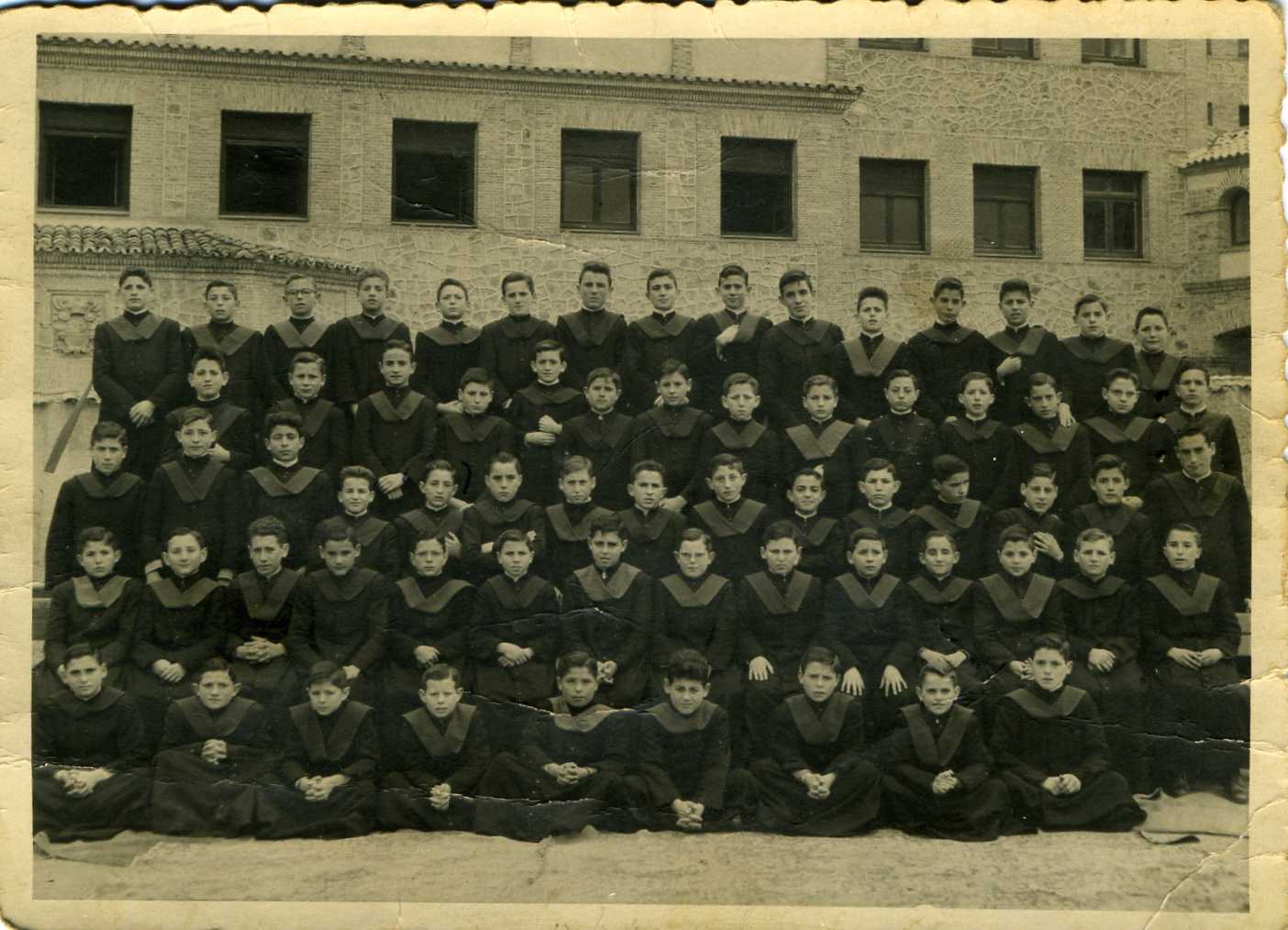





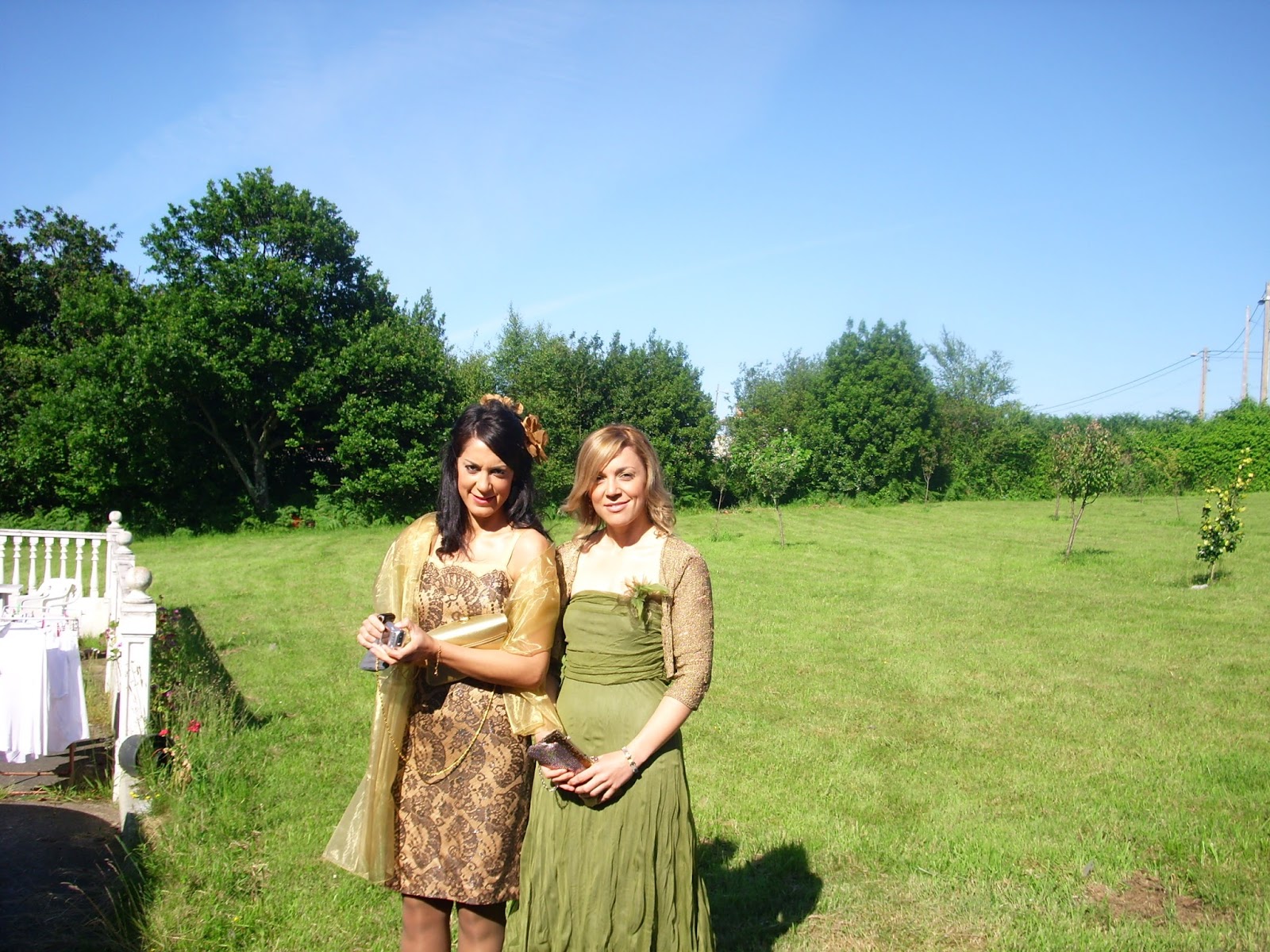


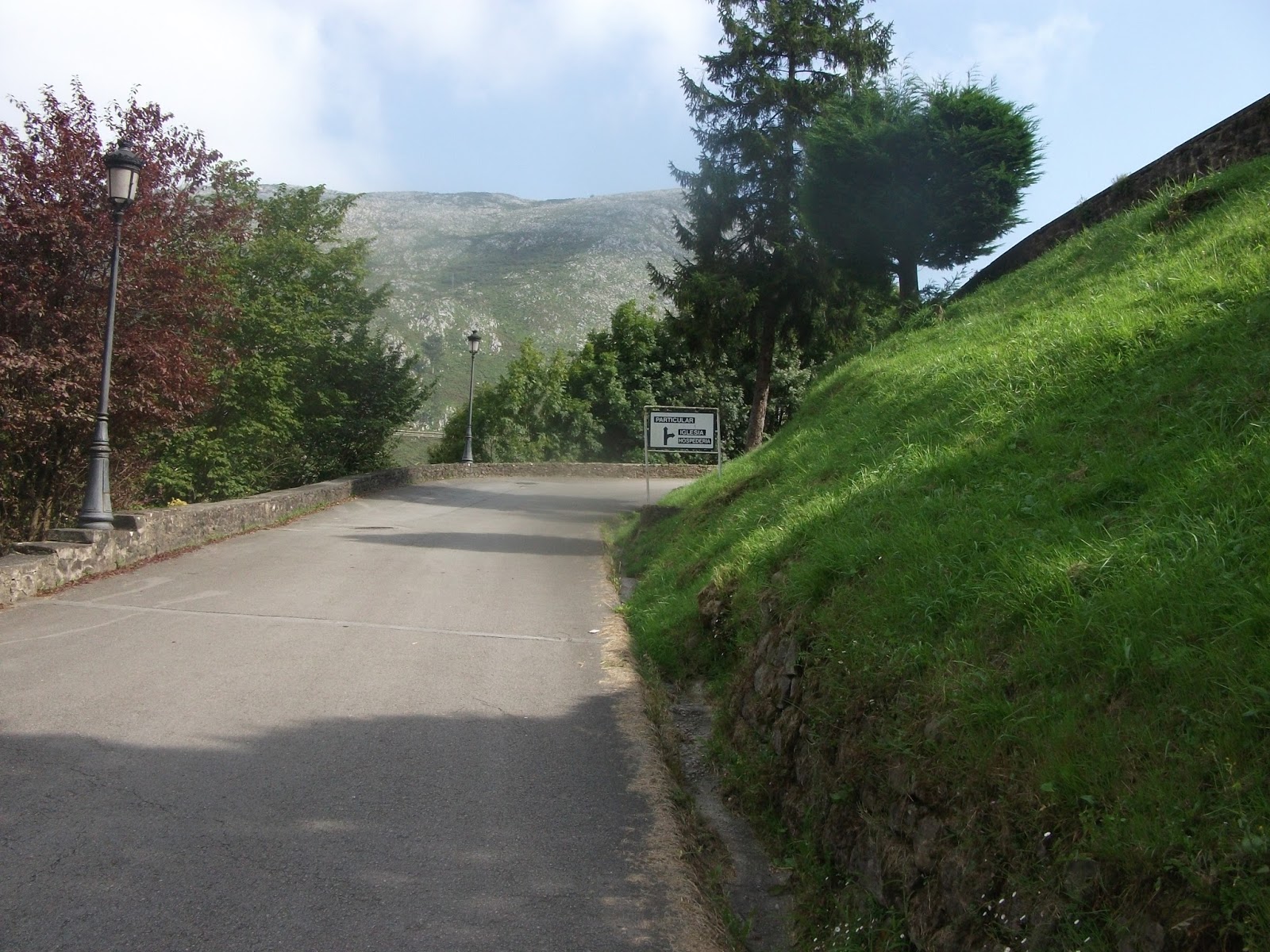
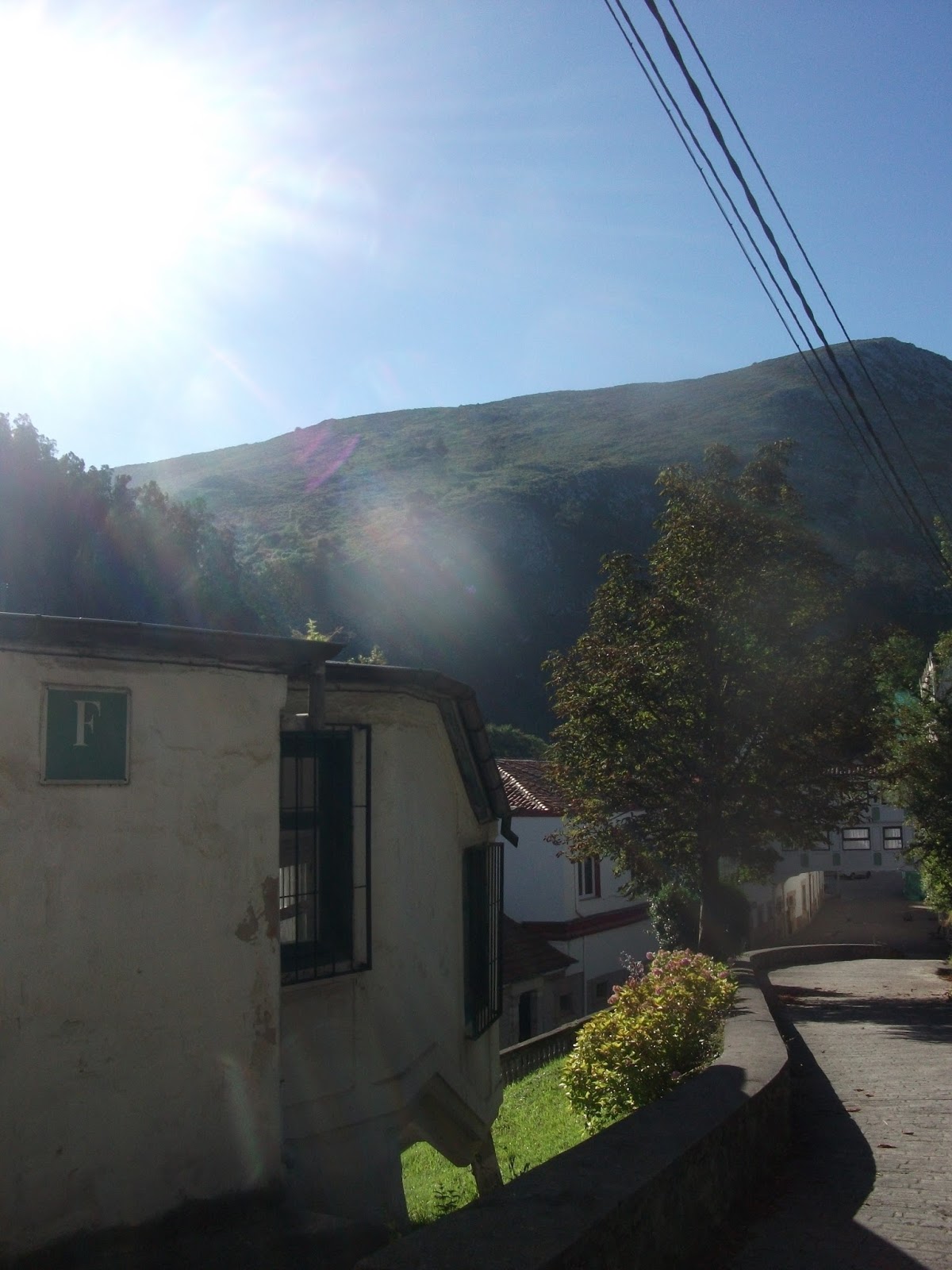
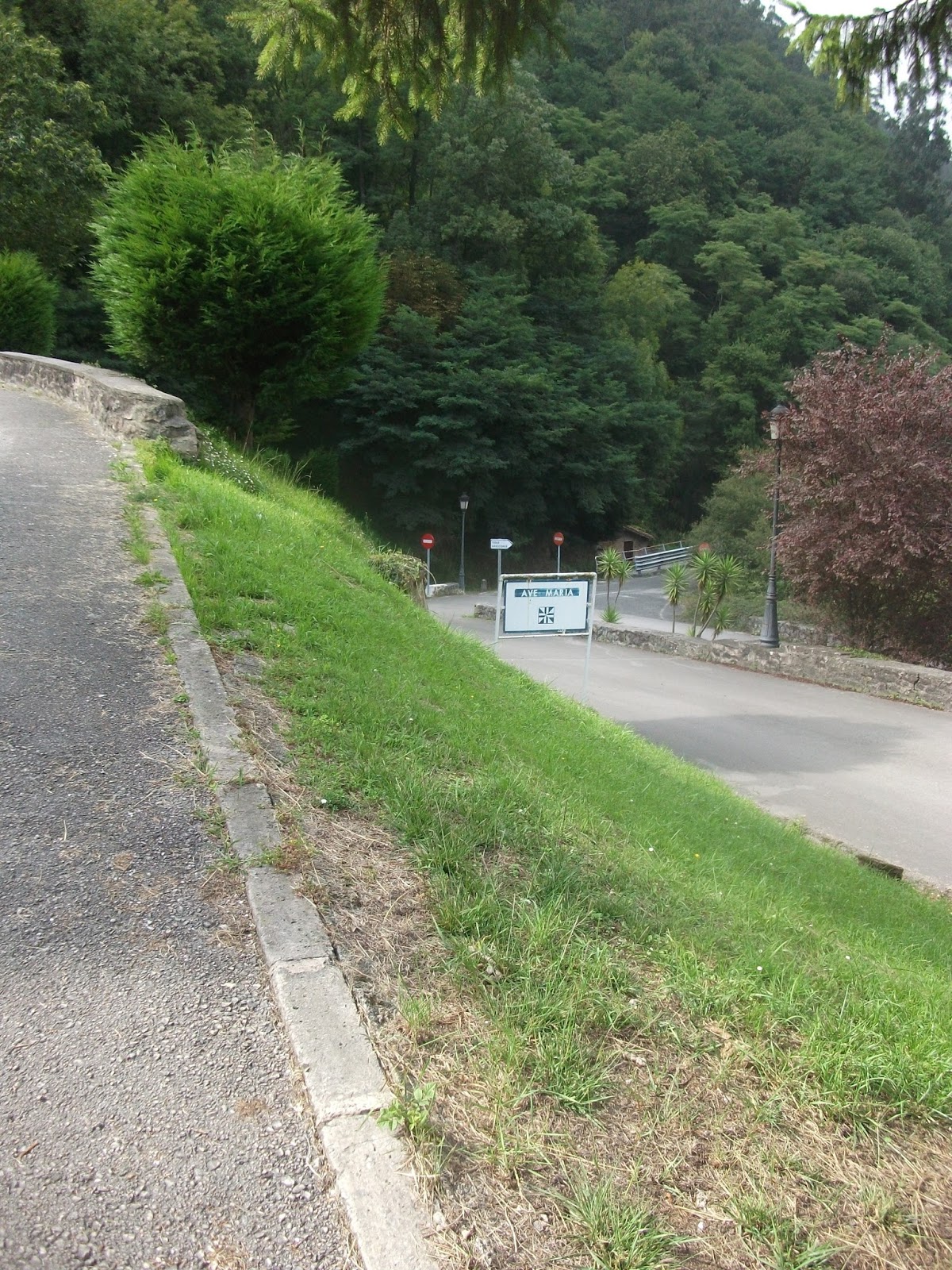
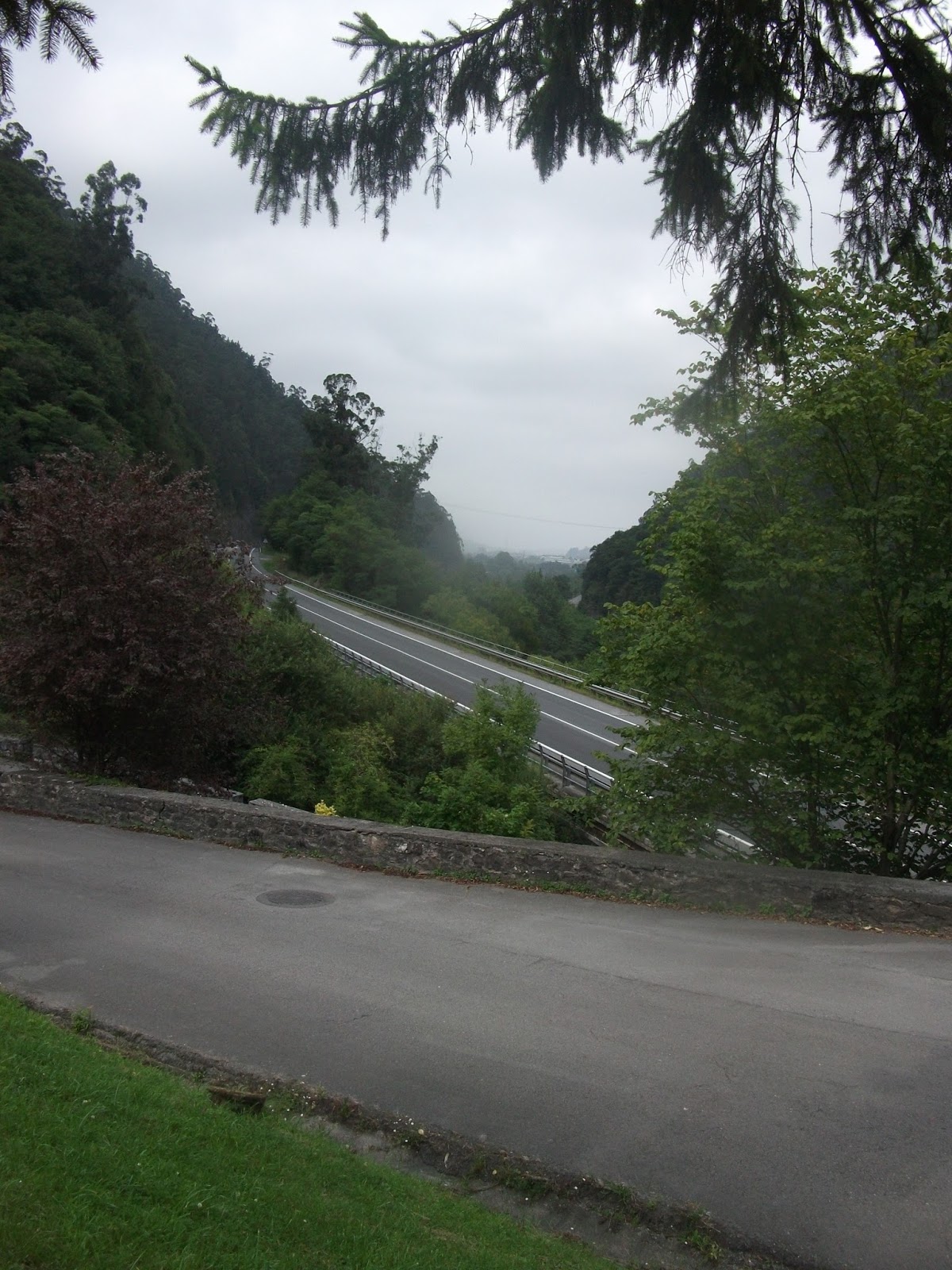

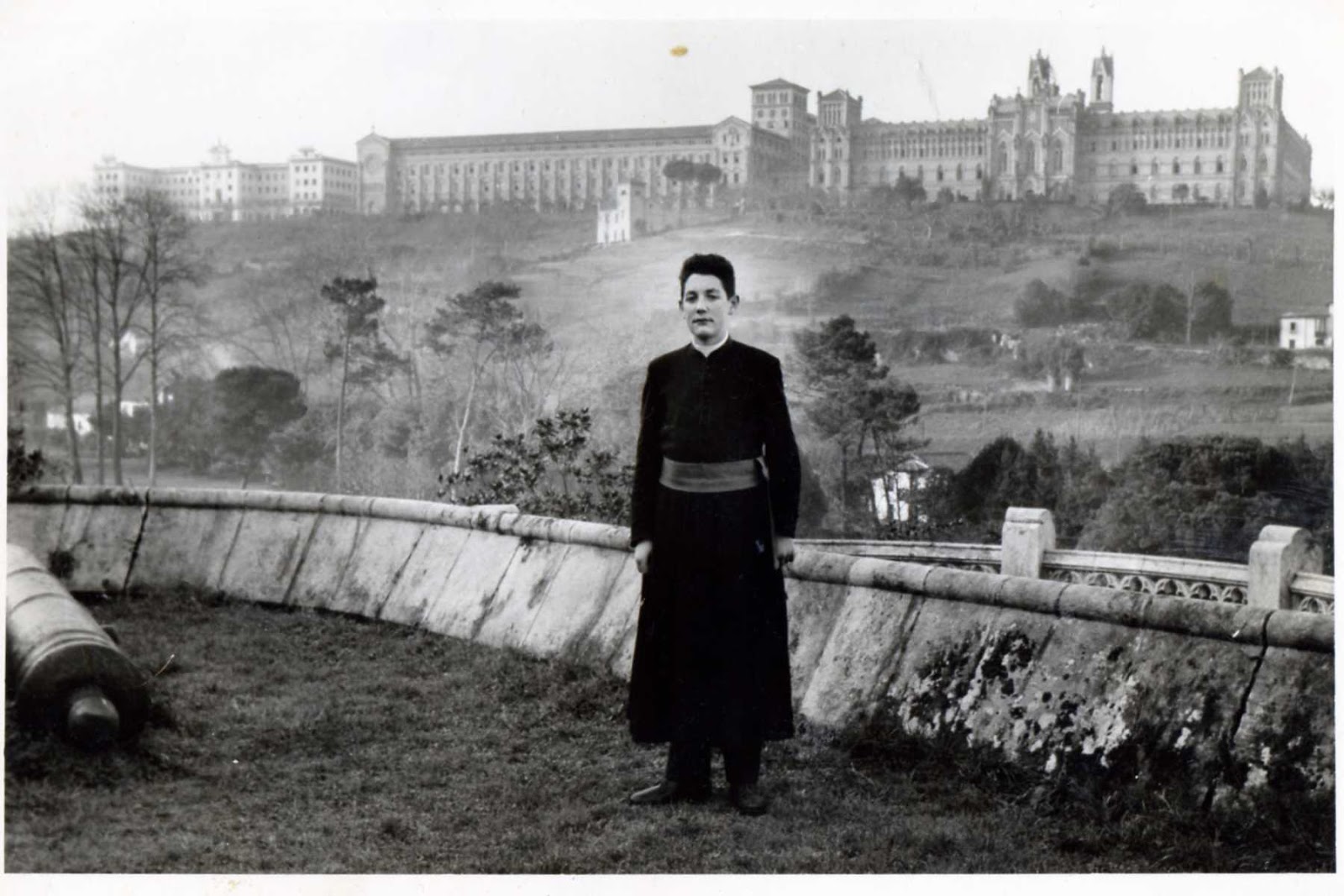
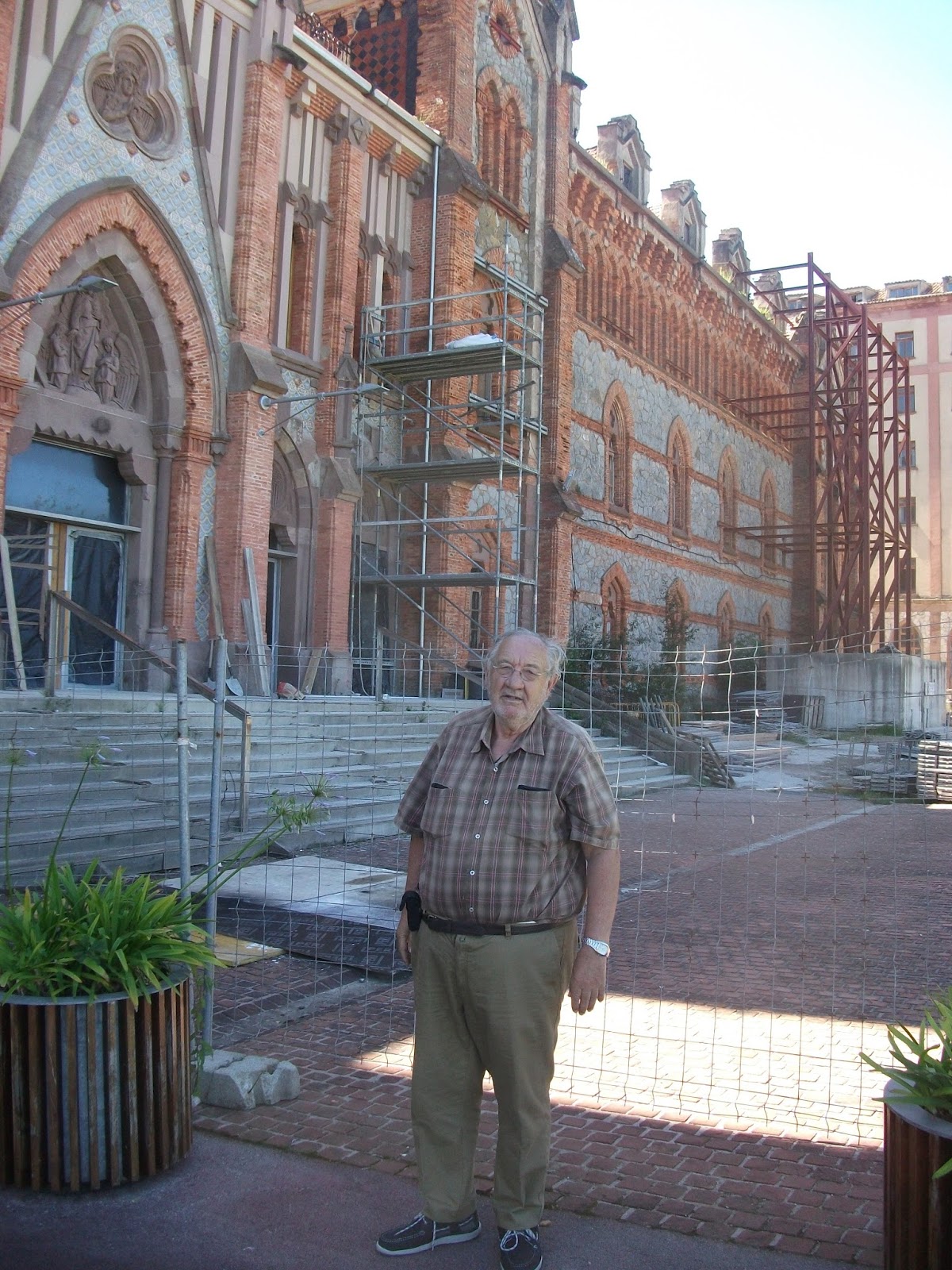


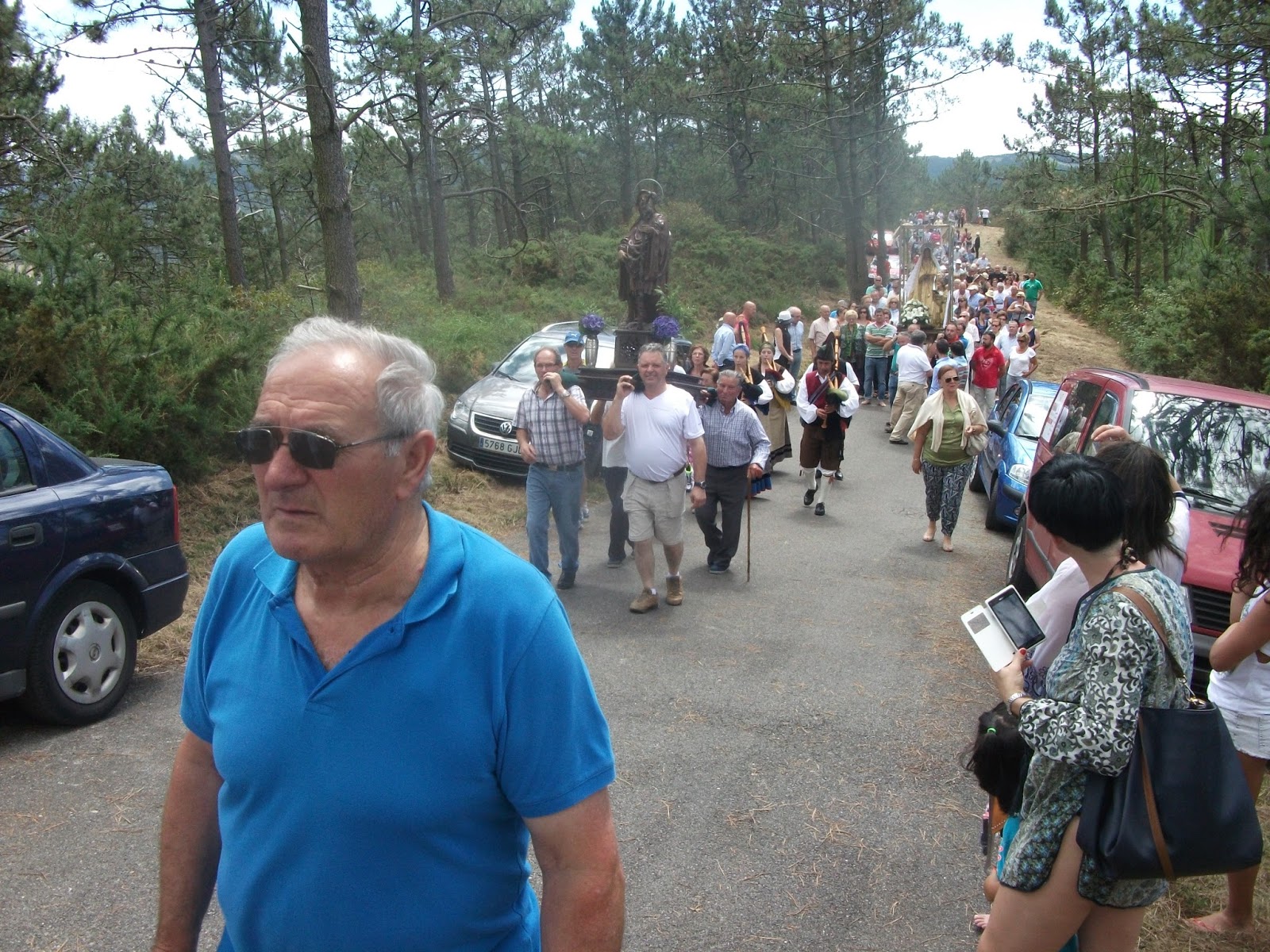


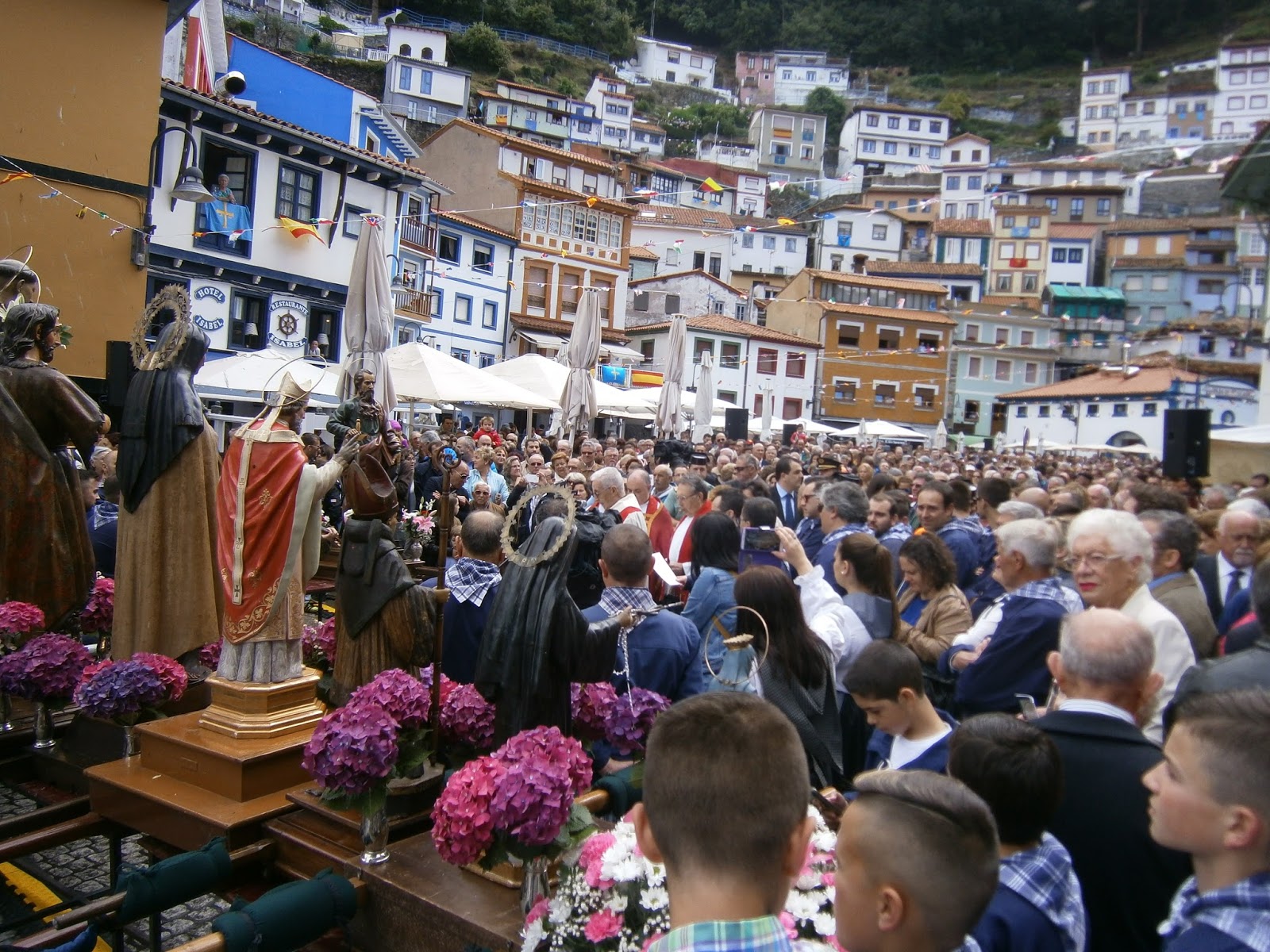
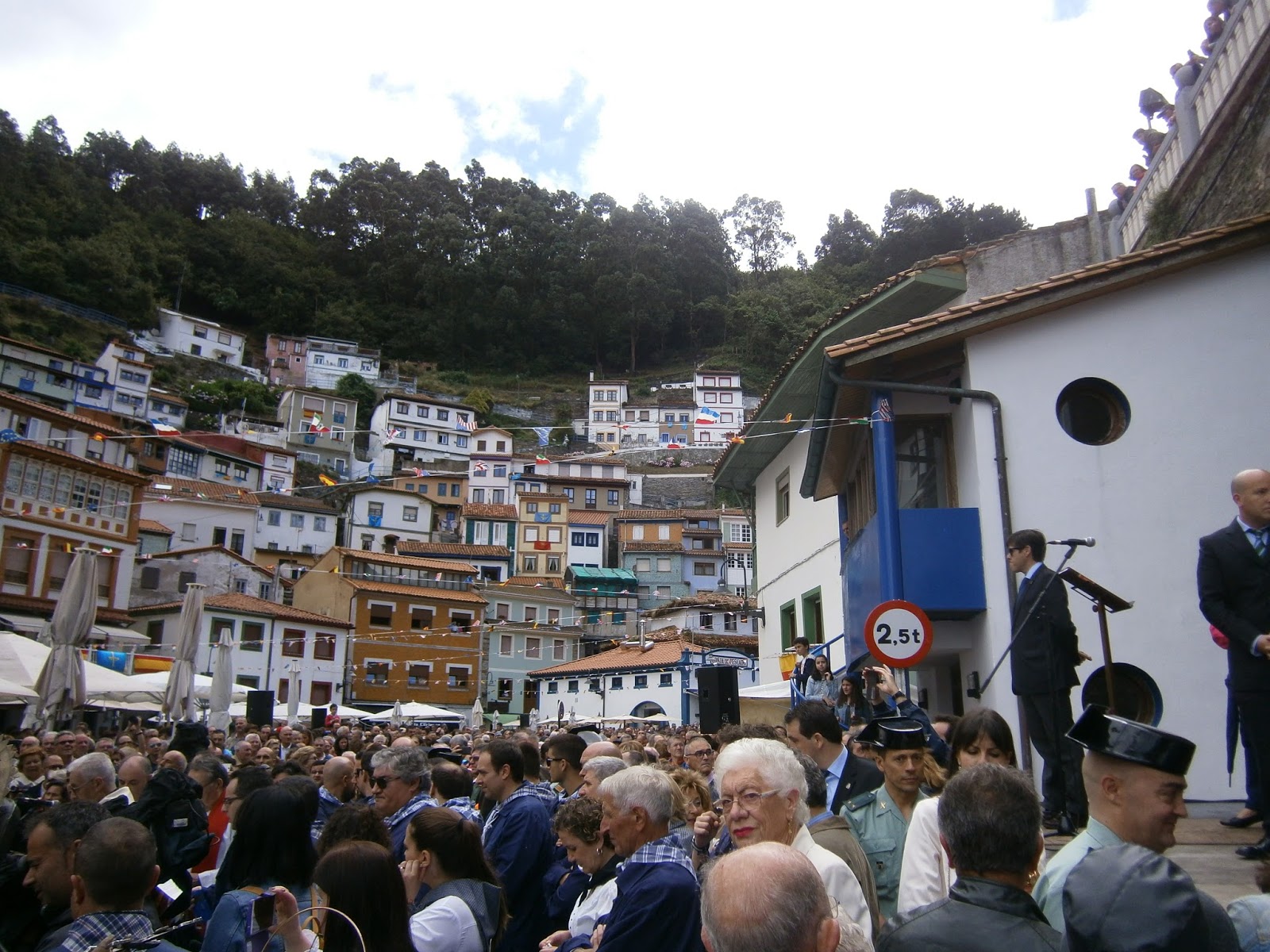
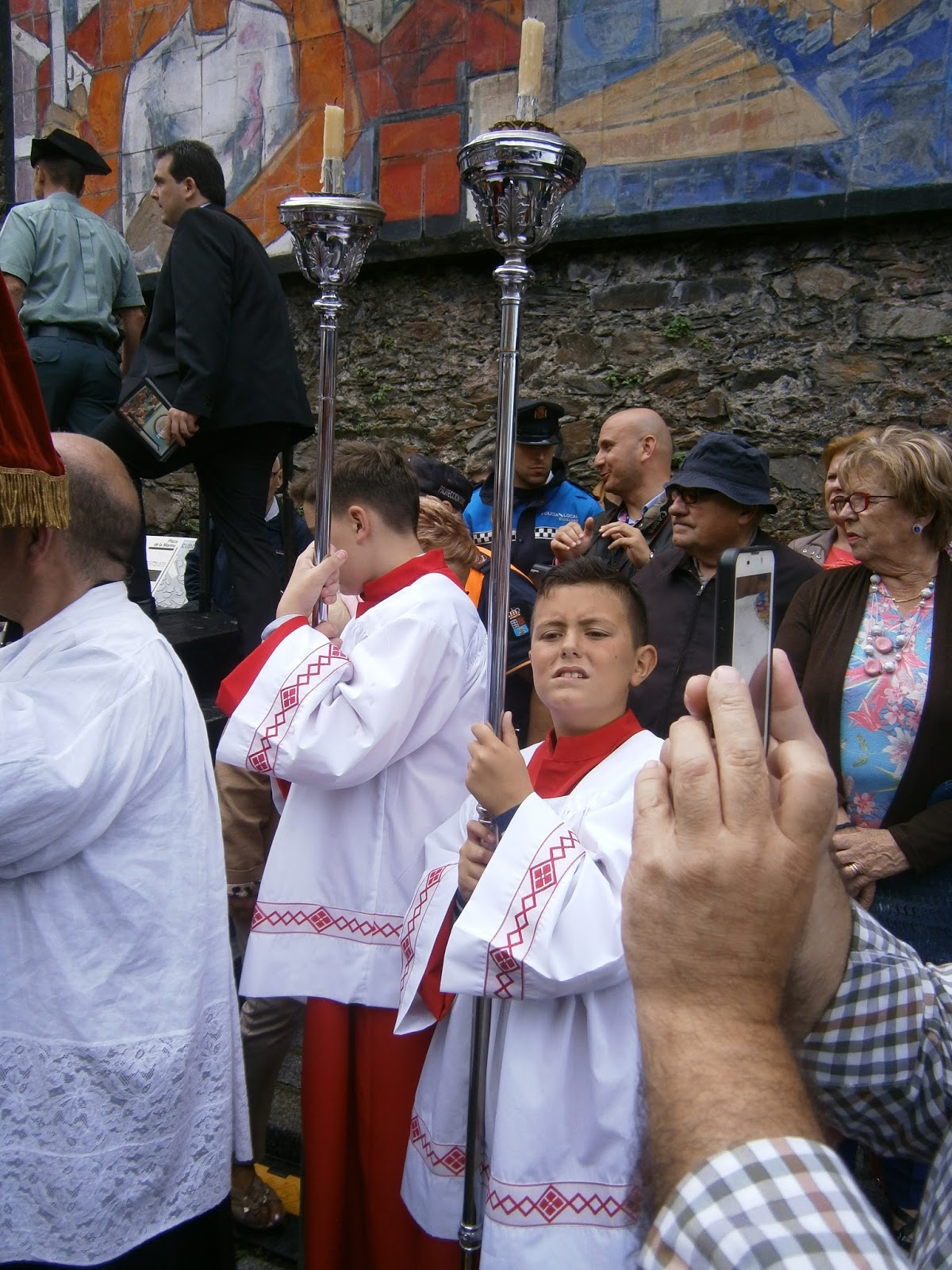
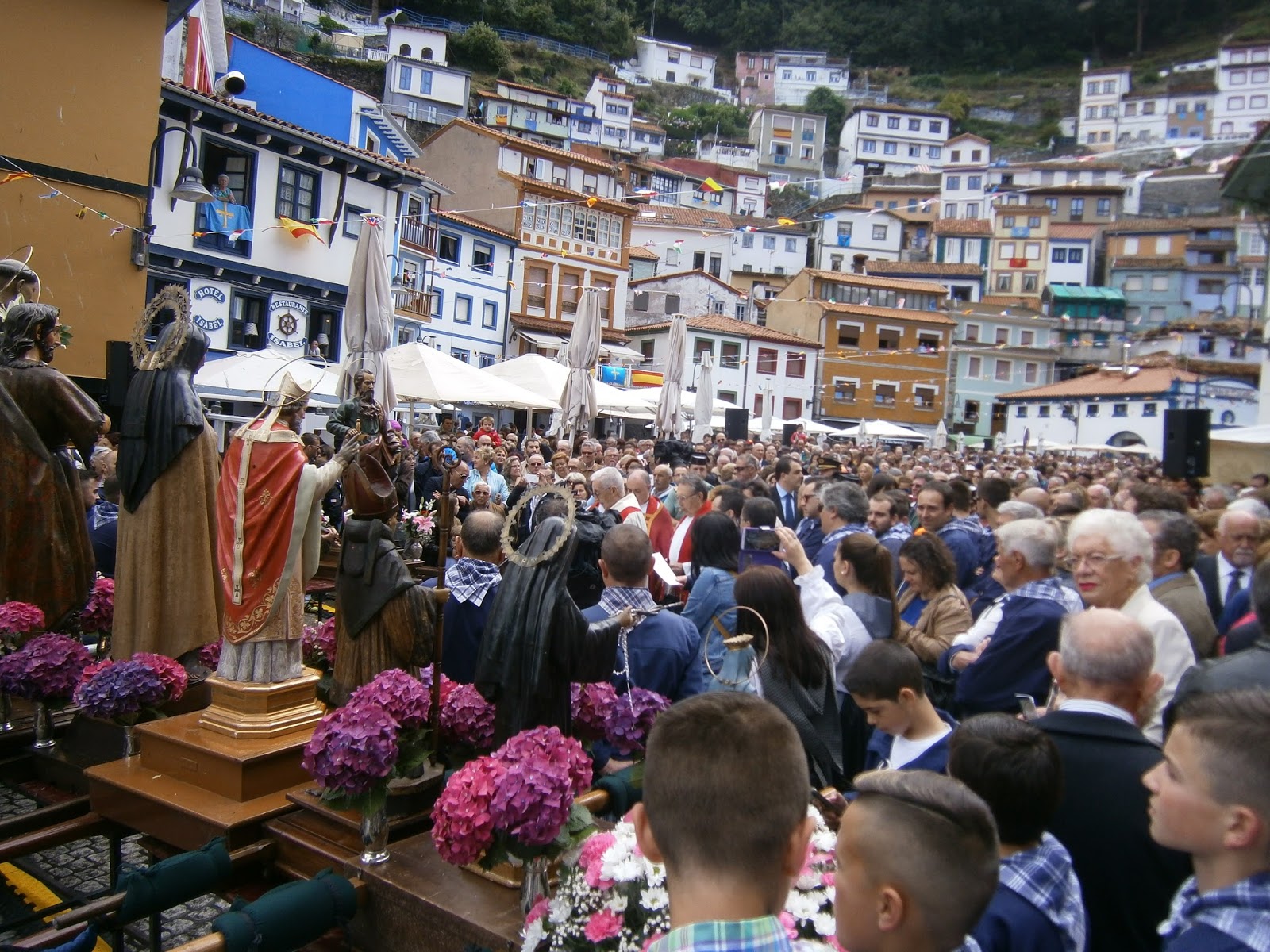





No hay comentarios:
Publicar un comentario