adquiera el libro " Andrés Laguna, médico segoviano de Carlos V, autor del Lazarillo de Tormes. Editorial CIRCULO ROJO, Almenaría 2017, 300 pp. precio 20 €. Y no cobramos gastos de envío. PEDIDOS: a esta Web o escribiendo a marfea@outlook.es, indicando dirección y nombre a los que quieran que se les envíe. Se trata de un gran texto ameno y muy bien escrito
:
por ANTONIO PARRA GALINDO
ANDRES LAGUNA DEFENSOR DE LAS TRES CULTURAS ( Lanza, 13 de noviembre, 1994)
Viaje a Turquía es la novela principal del médico segoviano Andrés Laguna que no por poco conocida es menos indicada para entrar en la problemática del siglo XVI amen de entrañar una actualidad palpitante en grado de profecía. Los problemas abordados entonces palpitan en la Europa y en la España de hoy: el misterio del surgimiento u difícil convivencia de las tres religiones monoteístas con una historia por la cual corre la sangre y que está plagada de suspicacias y de prejuicios.
En el nombre de dios. Se dice que en nombre de dios se han estado matando durante siglos. Esto es cierto sólo en parte. Detrás de las diferencias teológicas subyace un conglomerado de intereses creados de matiz económico. Pero hay sobre todo miedo al otro. Al que es diferente. Al que reza de otra forma, no viste igual, coime diferente y tiene otros hábitos o una pigmentación diversa de la piel. Viaje a Turquía está escrito en una prosa tersa amena y llena de encanto. Rehuye de la retórica en la cual suelen incidir nuestros clásicos. Resuma tolerancia y humanismo dentro de un retablo narrativo en el cual no faltan ni la resignación ni la irreverencia de las gran novela picaresca. Traza una panorámica en la cual los judíos los moros y los cristianos viejos y nuevos a veces se odian a veces se desprecian o se entienden bajo cuerda. Constantinopla (Istambol para los sefarditas) siempre estuvo en el corazón de España. Bizancio es el sincretismo de Mahoma de Moisés y del Nazareno y un salpicón de razas y de culturas. El libro está escrito en plan gran reportaje redactado sobre una prosa amena y nerviosa que refleja el mundo de 1557 y que parece haber sido escrito ayer. Cristóbal de Villalón pseudónimo bajo el cual se oculta el humanista segoviano y médico del emperador Carlos v Andrés laguna hace la relación circunstanciada de la vida de un galeote de su dieta de su higiene precaria que no era óbice para que todos hubiésemos buen músculo.
Tomaban bizcocho remojado atún fresco aceitunas y miel. Habla de la hedentina y del olor a humanidad sudada y sobada en los sollados malolientes y destilados de los fayados o salas de maquina de las galeras donde se trajinaba a golpe de rebenque. Los piojos las pulgas y la liendre estaban allá abajo. Era el mundo de galeras. Cada embarcación iba comandada por un patrón o capitán y un comiere un alguacil y un escribano 50 ballesteros y 20 arcabuceros. Todo ellos eran gente de cubierta. Abajo en la mazmorra estaba la chusma 150 forzados bajo la mirada del arraez o capataz al que cumplía la obligación de "arrear" el remo haciendo triscar la tralla o rebenque. A los penados o bogavantes sentados en los bancos de proa se les denomina proeles. A los de popa espalderes.
Tras ser apresada la escuadra del emperador consistente en 37 navíos y más de tres mil cristianos entre marineros y gente de guerra el protagonista pedro de urdemalas relata su odisea y nombra todos los puertos en los que atracan el bajel g. Cárcel del turco: Estambul Patras Lepanto puerto león Gallipoli. Llegados a su punto de destino los cautivos se convierten en esclavos del bajá. A fuerza de ingenio simpatía y derroche de astucia y no pocas dotes de simulación pedro de urdemalas logra abrirse camino y sobrevivir en la Constantinopla de mediados del quinientos. La urbe fue tomada por los turcos en 1453. Al principio los imanes fueron tolerantes con los cristianos que según hace notar laguna en su obra es una religión superior y eso lo decía un converso pero humanista aspiraba a un cristianismo evangélico. Dice que esta religión resulta un verdadero grano de mostaza que crece y arraiga en fortaleza en tiempos de persecución. Es la idea que repetiría después Nicolás Berdiaeff. Es el misterio de la ortodoxia como mansa fuerza de choque contra el hervor de las sectas que subsiguen a los furores luteranos y a todas las herejías habidas y por haber. La idea de defensa de la ortodoxia fue puesta en orbita por un judío como enseñanza moral para un catolicismo demasiado pagado de sí mismo. Andrés laguna constituye una de las grandes torres de la literatura castellana. Era un converso insistimos nada tolerante y dogmático a diferencia de otros que llevados de un futuro de tornachaquetas los arrepentidos los conversos en el sentido peyorativo de la palabra que damos los españoles a aquellos que hacen cursillos de cristiandad y se vuelven más papistas que el Papa o los que dejan de fumar y se trastornan casi maniacos acérrimos contra el encendedor y la cajetilla. Lo dice una de las lumbreras de nuestro siglo de oro y cuya personalidad me atrae cada vez más. Esa ira que alcanza el grado de furibundia donde las ideas alcanzan un grado personal y no hay más que entrar en los chateos de religión y en los foros de ateos sobre cuyas teclas y pantallas se dibuja la nariz corva y las espaldas cargadas de Torquermada.
Pero ello forma parte del misterio de la historia de España. Tanto Laguna que fue profesor de hebreo y de griego en la universidad de Alcalá de Henares como Cervantes no se cansaron de ridiculizar a los orates pero con la iglesia hemos topado sancho. A causa de estos tornadizos la vida española de antemano siempre precaria a causa de la envida y la emulación debió de volverse difícil. Menudearon las denuncias al santo oficio. Se barrían herejes debajo de la alfombra se vigilaba las costumbres sospechosas y los escritos y las palabras de los dómines eran analizados con lupa. Laguna debió de pasarlo mal y tornó a sus hierbas y a su cirugía. Castilla era un hervidero de fervorines mesiánicos. Las aguas del río se habían salido un poco de madre al cabo de los movimientos comuneros y de las germanías que tenían una raigambre social de denuncia contra los poderosos nobles flamencos como Adriano de Utrecht pero eran de cuño religioso y una maniobra de ida y vuelta que preconizaba el advenimiento de la reforma.
En el reino de Valencia las germanías estaban impregnadas de una cargazón revolucionaria inusitadas y en Castilla la Gentil se empecinaban algunos exaltados frailes en anunciar la llegada del fin del mundo. Al emperador lo consideraban el anticristo. Cervantes trata de no entrar al trapo con la frase que citamos más arriba. Pero el medico segoviano tanto en el Crotalón como en su viaje a Turquía se muestra decididamente anticlerical. Y apunta una idea que luego habría de remachar el padre Isla en su Fray Gerundio con esta ironía que es una verdadera perla: Necesitamos pulpitos de acero en España que de otra forma los furibundos y malhadados clérigos todos lo hacen pedazos a voces. Parécesele que a porrazos han de defender la fe de cristo. Feijoo trillaría en la misma parva poniendo en ridículo a los escolásticos con un siempre las mismas voces las mismas disquisiciones los mismos razonamientos en los paraninfos.
Y esta postura de profunda religiosidad alegría de vivir y deseos de poner enmienda a los errores de sus contemporáneos le vuelve sospechoso de disidencias y es posible que el lazarillo de Tormes saliera de su pluma. Estamos ante una de las mayores obras de las letras castellanas solo parangonable con el Buscón y el quijote pero ¿Andrés Laguna? No quiso firmarlo. Lógico. Los sabuesos del Santo Oficio andaban a la caza. En el estilo se percibe la donosura y llaneza la campechanía de los segovianos y Laguna era segoviano a machamartillo mucha sorna inteligente buen talante y donoso en el decir y algo redicho.
Su viaje a Turquía no es sólo una interesante novela de aventuras y un puntual tratado de geografía en un tiempo en que los conocimientos de otros países eran míticos y la noción que se tenía de Bizancio era como referente de los libros de caballerías. Por eso es de una solercia literaria impresionante y magistral su descripción de las costumbres de los monjes del Monte Athos con sus cinco cuaresmas, la vida cenobítica en cavernas escarpados, el rechazo a la presencia de la mujer porque en los monasterios no se admite la presencia de ningún animal hembra. Al propio tiempo indaga sobre el alma humana y retrata la mentalidad de los españoles de su época. Tiene la costumbre el español, observa, de olvidar de su patria, bendecir lo extranjero y tratar mejor a los forasteros que a los indígenas, cuando repasa los Pirineos. En las mismas seguimos y esta observación la hace un autor del siglo XVI.
Torrezneros
La verdad es que somos un poco torrezneros. Por sus páginas desfilan vizcaínos que ya por esa sazón eran los mejores marinos de la escuadra "gente amiga del buen comer que habla mucho y atropelladamente opero que es muy noble. Hablar atropelladamente. ¿No será esa una herencia vasca adherida a nuestros genes? La ponderación y una cierta ternura y compasión ante los pecados ajenos son la mejor cura que propone el galeno segoviano a lo males nacionales. Andrés Laguna no se calla un pelo y canta las verdades del Barquero con ese desparpajo y la franqueza que caracteriza a los hombres de su tierra. Viaje a Turquía fue escrito en 1558 el año de la muerte del Emperador. Su autor combate el oscurantismo y la superstición. Era amigo de Erasmo y de Luis vives y con las hierbas oficinales que conocía bien pues ya desde niño salía a cogerlas a la zona de Tejadilla y que maja con el mortero hace auténticos maravillos. Las enfermedades más difíciles no se le resisten a sus curas homeopáticas a base de centaura y escamonea, plantas que crecen en los campos de Segovia. La escamonea le fue bien al cesar para su gota pero no tuvo el remedio que éste le pedía para curar la impotencia. Carlos V según sus cronistas acudió a la santería y fue a ver a una saludadora de Cebreros que decía realizar maravillas con los desganados pero el emperador que quería tener hijos y aunque la buena vidente le dijo que viviría treinta años y podría engendrar más niños moriría al cabo de poco tiempo en una húmeda celda del monasterio de Yuste. La medicina a Andrés Laguna le salvó la vida pues estando cautivo en Constantinopla fue requerido por el sultán al que desembarazó de unas fiebres y este en pago le otorgó la carta de la libertad. Curandero de su honra el doctor regresa a España visitando Paris y los Países Bajos. El viaje de vuelta no fue nada sencillo. En Grecia hubo de disfrazarse de monje y visita una de las tebaidas más celebradas de la cristiandad: el monte Athos. Allí recibe protección del idumeo y es el primer español que consigue poner el pie en cada uno de los 22 monasterios que conforman esa laura. Son los "papas" o "popes" los que le libran de otra persecución de los turcos.
Enjundiosas son sus reflexiones sobre las diferencias entre la iglesia griega y latina pues dice:
Ellos viven a la evangélica. Sus iglesias son pequeñas y no tan fastuosas. No hay canonjías ni prestameras o beneficios eclesiales y viven de lo que el pueblo quiera dar. Siempre andan haciendo santiguadas y tocando la tierra con la frente y cantando Kirie eleison. Y sus oficios son muy largos como nuestros maitines en Nochebuena y dicen en todas las misas las oraciones que nosotros sólo decimos en Viernes Santo. Tienen cuatro cuaresmas y a la de la pascua de resurrección llaman gran pascua. Es la mayor y mejor fiesta del mundo. Todos se besan unos a otros y se saludan con la frase de Cristos anesti a lo que responde el otro: alithos anastasi (Cristo resucitó... verdaderamente ha resucitado)"
La obra del inmortal galeno segoviano, entomólogo y botánico aparte de un gran escritor corográfico se puede codear con los grandes de las letras castellanas pese a ser un autor poco conocido. Todo un humanista por lo que su lectura se hace recomendable. Los tiempos de cambio que le tocó vivir son muy parecidos a los actuales. Este hombre galaxia Guttemberg se convierte en un prometeo de la galaxia MacLuhan. ¿Qué hubiera sido si Laguna llega a conocer Internet y Aprovechado sus inmensos recursos?
El viaje a Turquía parece haber sido redactado ayer mismo y haber salido calentito de las planchas que entonces se decían tórculos. Sus libros son una buena página Web. El paso de los siglos no las hizo perder nada de su primitiva frescura. Por su fascinación ante lo nuevo y su tolerancia ante otras culturas su amor por la belleza y la verdad y por el humor casticista que le caracteriza. Es el suyo el humor de los sabios.
Comamos y bebamos que mañana moriremos. Vuelven al mundo las viejas costumbres incineradas de la gula. Yo era el farolero de la puerta el Sol cojo mi guitarra y enciendo el farol. Y ahora soy masterchef. Las distribuidoras grandes radicadas en una Jerusalén que no existe nos marcan páginas acerca de lo que tenemos que comer, lo que hemos de leer cuantas horas tenemos que correr y a qué horas ir al mingitorio. De grandes cenas están las sepulturas llenas. Las buena cocina es una obsesión de esta tripera sociedad a todas horas mirándose el ombligo. Cagar alegres y jiñar contentos. De acuerdo, tío, pero hazlo dentro. Es obsesión de los nuevos césares la mala literatura. Fui el otro día a la sección´pon de librería del Corte Inglés y allí me encuentro con los autores de siempre. Cualquier pedorra que sale por la tele cinco minutos tiene derecho de pernada en las grandes editoriales controladas por el sionismo cavernícolas. A la venta libros malos de Isabel San Sebastián, Cristinas López Schlichting la cual nació en un cuartel de la Benemérita y parece que se la ha olvidado y otras muchas maripavas. El buen arte de la literatura, el gran discurso, ha sido enterrado a hachazos por estos nuevos tribunos y tribunas de las plebe que nos han impuesto desde arriba los dictadores feministas y hasta estas autoras noveles son entrevistadas por el Dragón de la Tele un tal Sánchez. Así que aburrido y cautivo y desarmado el ejercito rojo, me refugio en los clásicos. He vuelto a leer en su lengua original a Petronio. El Satiricón su obra mayor me reconcilia con la vida y con la Roma. Decía Ernesto Giménez que cuando llegaba a Roma le entraban ganas de imitar madre. Madre, ay madre, no quiero vivir en esta España empedrada de pedos mediáticos. Chicas de la tele muy monas en apariencia y requete-maquilladas pero todas homologadas e iguales. Forman parte de la clonación que propicia el anticristo que habita entre nosotros. Ay Trump esa bestia rubia le cuelgan cada vez más las corbatas se hunden en su bragueta y sobrepasan los cojones que deben de estar yertos, septuagenarios y él presumiendo de hembra una Melania (que por cierto no es negra en contra de lo que canta su nombre) chica judía checa que fue a nueva york a hacer fortuna, meretriz de lujo. Por eso ya digo que le cuelgan. Así que en alas de Morfeo huyo al capitolio. El Satiricón me hace comensal de uno de sus banquetes que duraban dos días y dos noches. Esclavos de Numidia traían el aper atalajado y adornado de pámpanos y cepas toscanas.
El vino de Salerno que se derramaba sobre las togas pretextas corría en grandes jarros por las mesas. Honremos a Baco y después vendrá Venus. Menús de treinta platos un esclavo frigio servía junto a las servilletas y los cubiertos dos ganchos de plata para introducirlos en la garganta camino del vomitorio. Los romanos echaban la pota tras sus grandes trapalladas para seguir tragando.
Rechacé como descendiente de judíos de Asturica el jabalí, el lechón y los chicharrones servidos en una gran lebrillo por una matrona en paños menores. Pero me hinché a garbanzos aderezados con malvasía. Un hondero mallorquín recién llegado de las Galias, y que era centurión de la Legio Septima Gémina, se entusiasmó con el efebo Vinicio lo besaba y manoseaba y yo apartaba la mirada mirabili dictu cuando aquel demonio súcubo lo sodomizaba coram populo. Plauto el de los pies planos prorrumpió en grandes carcajadas cuando ambos amantes salieron de estampida camino del tablinium a seguir haciendo cosas feas. ¡Qué horror! El amor nefando debe de amargar como el pepino.
La bujarronería me pareció siempre digna de lástima, pero no por no ser carne de hoguera y por tener que correr un tupido velo al respecto ha de ser elogiada sino execrada como toda cualquier merma de la naturaleza donde hay tantas cosas mal hechas. Tampoco hay que poner medallas en el pecho a los bardajes.
Nunca fue para mí beneplácito pero nadie puede explicar estas debilidades inexplicables, inversiones de la natura que, trocándose del revés, buscan placer en el caño de la mierda en lugar del conducto de la generación que es lo suyo.
Plauto ya muy borracho no dejaba de darle vueltas a su copa de oro y de decir Numquam satis, numquam satis. Con lo que daba a entender que la pasión esa es insaciable y que el que va no vuelve. Que nunca se sienten satisfechos los que dan y reciben por el culo y es que debe de ser el sexo para ellos algo inagotable.
Costumbres paganas amor de efebos fiestas y banquetes baños y triclinios el cerdo salvaje bocado exquisito aper. A las dos horas de estar tendidos sobre el triclinio nuestro anfitrión Naviecus hizo llamar a las hetairas que entraron desnudas en el impluvio tocando el sistro. Muchos de los comensales que eran libertos y que trataban de ocultar con sus largas cabelleras los orificios que taladraron sus orejas, antes de ser manumitidos, se relamían de gusto y alababan la generosidad del hospede garante de tales dádivas sexuales.
De allí a la orgía sólo hubo un paso. Para no ser la oveja negra del concurso, yo me arrimé a un pino verde, esto es, a una pelirroja de Hibernia, hija de un rey remoto del clan de los picti que había sido arrastrada a Roma por los soldados de Adriano como rehén, que hablaba con la lengua de los pájaros y mostraba dos senos poderosos de los cuales los amantes querrían nutrirse eternamente. Sus besos y sus caricias me supieron a miel.
Mama Roma.
Se fueron las pilunguis y llegaron los balnearii (bañeros) que nos restregaban bien las espaldas y los muslos en el tepidarium. Muchos de estos selectos esclavos eran expertos en actividades masturbadoras. Las paredes aparecían, como en lo lupanares, tiznadas de gargajos y rastros jaculatorios del amor con prisas.
Después de estos masajes en el caldarium nos llenamos de vapores que limpiaron nuestros poros purificando el cuerpo pecador. Algunos culos romanos eran enormes
De esta tarea se encargaba los depilatores algunos de ellos eunucos. Se les encomendaba la misión afeitar el bello púbico de las dominas y era muy placentero sentir por abajo desde los glúteos a la barbilla el calor de la caldera debajo del piso del hipocausto. La tarea concluía en el frigidarium.
Sentíamos el cuerpo fresco como una lechuga. Así que volvíamos al banquete a seguir trasegando el dulce vino de Salerno y de Sicilia para basquearlo después en los vomitorios. Descargado el vientre, regresaban los deseos de más jarana pero Naviecus que era muy creyente en los dioses de su pueblo y que guardaba siempre lámparas encendidas en el lararium doméstico hizo venir a las Moiras de rostro tétrico y cantar lúgubre que se encargaban de recomendarles a los comensales su cuidado cuan presto se va el placer y cuan callando se viene la muerte. Esta procesión duraba unos minutos, las bacantes ocultaban su rostro, los borrachos se dormían arropados por la melopea lúgubre de las nenias funerales. Hay que morir luego comamos y bebamos hasta reventemos. Era la máxima de la Roma a la que hoy las nuevas bacantes de la insulsa Telemierda dan pábulo.
Las cautivas vestiplices que cuidaban de los pliegues de la veste y la toga sus señores y los cuerpos arrugados tras el paso por el unctorium y los sudores del laconicum mientras escuchábamos las charlas sin sustancia de los nugatores troleros y falaces hacían apuestas sobre quien de todos y todas las presentes tenía mejor cuerpo y cuál de los efebos era el más bello y cual de las mozas la más hermosa. Lo destacaba por tener esa vagina en mayúsculas a la que aspira el amor total. Priapo también era muy venerado en lo suyo.
A los sodomitas se les conoce por tener miembros viriles muy alargados algunos casi espantosos que les llegaban a las rodillas. como se empinaban algunos, madre mía, como las varas de una tartana cara al sol. El juego preferido en estas comilonas era sacarla a ver quien era el que la tenía más larga para gloria de Priapo y los penates patrios que le concedieron la gracia de dios.
En Roma todo tenía un sitio y una finalidad práctica. Las alumnas y la familia como núcleo eran guardadas como flores de estufa al calor familiar dentro del valladar de la honra. Intacta tenías que guardar la alcurnia porque esta es un lirio frágil cuando se marchita jamás vuelve a crecer... La palabra clave para entender estas razones de la honra entre los latinos era la palabra “virtus” de la cual tanto gustaban los antiguos romanos antes del imperio.
La capital de la catolicidad que yo empecé a amar desde Urbe condita, cuando traducía de adolescente a Tito Livio y a Salustio, estaba llena de hosterías de tabernas y de nostébulos. Visité una cuantas con gran peligro de mi pellejo. Porque en el Vicus Scelertatus y en el Boarius se arremolinaba toda la gente del hampa. Los gladiadores y andabatas residían en aquellos barrios trastiberinos. Allí la vida de un hombre valía poco. Iban a parar a la Via Asinaria todos los asesinos y mangantes del Ecumene conocido. Procuraba juntarme yo a los griegos que eran gente culta y amante de la belleza.
Prostíbulos tampoco faltaban y algunos eran centros envidiables templos verdaderos de la diosa Venus donde Venus me clavó a mí una flecha irlandesa. En aquella pelirroja soñé toda la vida. Era adolescente cuando la conocí. Llamabase Herminia.
Su cuello aparecía adornado con un anillo de oro macizo: la bulla, que yo besé unas cuantas veces aquel medallón un favor que los dioses conceden a pocos mortales la mayoría de ellos pasa la existencia sin conocer el amor pero a mí el gran Jovis Structor me otorgó ese galardón. Bebí de las aguas del manantial puro.
No había alcanzado Herminia aun la mayoría de edad cuando fue aprehendida por las legiones de Adriano, que no profanaron su cuerpo y la trajeron a Roma al templo de las vestales el anillo que ponían al cuello a los niños y se lo quitaban al alcanzar mayoría de edad. En los barrios bajos como el Boarium se escuchaba el trompeteo de los sistros y sacabuches de las plañideras que ensayaban antes de los entierros. La música se estampaba contra los triglifos de bronce. Los adivinos que embaían al público con sus embustes no paraban de hacer pronósticos y anunciar catástrofes. Un idumeo llevaba una partida de pavos al capitolio.
Los pavos se convertirían en gansos al llegar al Capitolio y empezarían a graznar. Se escuchaba gritar a la sibilas de Cumas, entre música de sistros y sacabuches o flautas de la Hélade.
Se hablaba por las calles tanto en griego como en latín. los charlatanes políticos hablaban, nugaces de democracia y el pueblo estaba rendido y cansado de tanta patraña, desde las tribunas o “rostra”. Aquello parecía Hyde Park una tarde de verano londinense. El gesto tribunicio de Rajoy sólo lo admiraban los judíos de pecho enjuto. Los esclavos se llevaban la mano a la nariz o se acariciaban el lóbulo de sus orejas agujereadas, rastro de su antigua esclavitud.
Los torsos desnudos mostraban las pinturas de inconcebibles tatuajes para anunciar la vuelta de Roma a la esclavitud. tatuajes volvemos a la esclavitud de la isla Pandataria que está en el vicus de Suburra.
Allí los pueblerinos tenían por costumbre de barrio el juego de la morra cerca de los peristilos del templo de Júpiter Stator con su balanza protectora de la república. Dedos de marfil que se introducían en la garganta para poder vomitar en los banquetes. Una urraca encerrada en la jaula me dio la bienvenida
Salve, Antoninus.
Salve honor et gloria populi romani - repliqué
El nomenclátor o heraldo anuncia a los recién llegados al impluvio que llovía a cantaros. Era la hora de los parabienes y el momento para recoger el agua fluvial en los aljibes. Velarius un ujier del tablinium, al que faltaban dos dientes me condujo a través del atrio. Dijo mientras enseñaba una mella en sus dientes delanteros:
- Me los rompió un bretón de una pedrada
Con todo y eso, allá en Bretaña, los días mas felices de mi vida son los que pasé en aquella provincia entre los galos domus Aurea y el palacio de Nerón también los visité. Uno de mis guías que se llamaba Iacetanius por ser oscense decía que la vida está hecha de aburrimiento, de economía donde el orden es siempre desorden. Método y risa se superponen. La vida es risa. Nos vamos haciendo viejos y a nosotros cada día nos gusta más la paz del hogar . La felicidad consiste en querer lo que quieren los dioses. Tito el hijo de Vespasiano que se enamoró tan perdidamente de Verenice aquella hebrea que dicen que acompañó al cristo camino del Golgota.
Pero el amor aquel por poco le cuesta la vida al conquistador de Jerusalén. Su novia trabajaba para el sanedrín y los judíos escupían al pasar por la columna Trajana donde se esculpía la ignominia de su esclavitud. Trajo a Roma el Candelabro de los Siete Brazos el que lucía en el templo de Salomón a lomos de sus esclavos. El amor nos hace iguales a los dioses ligios pero es peligroso cuando rondan mi tienta las bellas mujeres de Israel las Ester, las Judits las Rebecas y otras mataharis.
Los sicilianos cantan al sol declinante su casa oculta entre verdes arboles y rodeada de colinas. El tema del dios único. Amor pasión cristianismo nerón vida orgiástica dioses en el l a r a r i u m oratorio de o casa de los iconos que guardan los rusos. Ligia estaba en rehenes.
Vinicio muere de amor por ella pero había una dificultad insalvable: era virgen. Y las vestales no podían ser condenadas a muerte. El verdugo las violaba previa la ejecución. Desperté de mi sueño romano entre suspiros de grandeza y baticores. Volvía a mi realidad española condenado a vivir entre la marginación y la escoria recordando los esplendores de aquellos alegres días de juventud que no volverán.
Mi llanto por Diana Quer una mártir de su propia inconsciencia una adolescente con ganas de vivir. Su caso me recuerda al de Maria Goretti. Se resistió al trato torpe del dientazos que la estranguló de rabia y luego la tiró al pozo negro de una fábrica. Virgen de la esperanza, Madre Dolorosa, la habrás acpgido en tu seno
Cristo quiso con su circumcixión renovar las promesas del Arca de la alianza. No vino al mundo a destruir la Ley si no a reformarla. Nuestro Señor Hijo de David era un judío sometido a la Ley griega. Nunca se debe perseguirf a los judios ni maldecirlos aunque arostren la culpa histórico de no haberle aceptado como Mesías. Esta no es más que una opinión personal
Incipit Sacerdos paratus cum ingreditur ad Altare, facta illi debita reverentia, signat se signo crucis a fronte ad pectus, et clara voce dicit: In nómine Patris, ☩ et Fílii, et Spíritus Sancti. Amen.
2
Beginning The priest, bowing down at the foot of the altar, makes the Sign of the Cross, from his forehead to his breast, and says: In the Name of the Father, and of the Son, ☩ and of the Holy Ghost. Amen.
Deinde, iunctis manibus ante pectus, incipit Antiphonam: S. Introíbo ad altáre Dei. M. Ad Deum, qui lætíficat iuventútem meam. Postea alternatim cum Ministris dicit sequentem: Ps. 42, 1-5. S. Iúdica me, Deus, et discérne causam meam de gente non sancta: ab hómine iníquo et dolóso érue me. M. Quia tu es, Deus, fortitudo mea: quare me reppulísti, et quare tristis incédo, dum afflígit me inimícus? S. Emítte lucem tuam et veritátem tuam: ipsa me deduxérunt, et adduxérunt in montem sanctum tuum et in tabernácula tua. M. Et introíbo ad altáre Dei: ad Deum, qui lætíficat iuventútem meam. S. Confitébor tibi in cíthara, Deus, Deus meus: quare tristis es, ánima mea, et quare contúrbas me? M. Spera in Deo, quóniam adhuc confitébor illi: salutáre vultus mei, et Deus meus. S. Glória Patri, et Fílio, et Spirítui Sancto. M. Sicut erat in princípio, et nunc, et semper: et in saecula sæculórum. Amen. Sacerdos repetit Antiphonam: S. Introíbo ad altáre Dei. M. Ad Deum, qui lætíficat iuventútem meam.
3
Then joining his hands before his breast, he begins the Anthem: P. I will go in unto the altar of God. S. To God who giveth joy to my youth. The priest alternates with the server in reciting this psalm to express his desire, joy and confidence in going to the altar of the Sacrifice. Ps. 42, 1-5. P. Judge me, O God, and distinguish my cause from the nation which is not holy: deliver me from the unjust and deceitful man. S. For Thou, O God, art my strength: why hast Thou cast me off? and why go I sorrowful whilst the enemy afflicteth me? P. Send forth Thy light and Thy truth: they have conducted me and brought me unto Thy holy mount, and into Thy tabernacles. S. And I will go into the altar of God: to God who giveth joy to my youth. P. To Thee, O God, my God, I will give praise upon the harp; why art thou sad, O my soul, and why dost thou disquiet me? S. Hope in God, for I will still give praise to Him: the salvation of my countenance and my God. P. Glory be to the Father, and to the Son, and to the Holy Ghost. S. As it was in the beginning, is now, and ever shall be, world without end. Amen. The priest repeats the Anthem: P. I will go in unto the altar of God. S. To God who giveth joy to my youth.
Signat se, dicens: V. Adiutórium nostrum ☩ in nómine Dómini. R. Qui fecit coelum et terram. Deinde iunctis manibus profunde inclinatus facit Confessionem. Confíteor Deo omnipoténti, beátæ Maríæ semper Vírgini, beáto Michaéli Archángelo, beáto Ioánni Baptístæ, sanctis Apóstolis Petro et Paulo, ómnibus Sanctis, et vobis, fratres: quia peccávi nimis cogitatióne, verbo et opere: Percutit sibi pectus ter, dicens: mea culpa, mea culpa, mea máxima culpa. Ideo precor beátam Maríam semper Vírginem, beátum Michaélem Archángelum, beátum Ioánnem Baptístam, sanctos Apóstolos Petrum et Paulum, omnes Sanctos, et vos, fratres, orare pro me ad Dóminum, Deum nostrum. M. Misereátur tui omnípotens Deus, et, dimíssis peccátis tuis, perdúcat te ad vitam ætérnam. Sacerdos dicit: S. Amen, et erigit se. Deinde Ministri repetunt Confessionem: et ubi a Sacerdote dicebatur vobis, fratres, et vos, fratres, a Ministris dicitur tibi, pater, et te, pater. M. Confíteor Deo omnipoténti, beátæ Maríæ semper Vírgini, beáto Michaéli Archángelo, beáto Ioánni Baptístæ, sanctis Apóstolis Petro et Paulo, ómnibus Sanctis, et tibi, pater: quia peccávi nimis cogitatióne, verbo et opere: mea culpa, mea culpa, mea máxima culpa. Ideo precor beátam Maríam semper Vírginem, beátum Michaélem Archángelum, beátum Ioánnem Baptístam, sanctos Apóstolos Petrum et Paulum, omnes Sanctos, et te, pater, orare pro me ad Dóminum, Deum nostrum. Postea Sacerdos, iunctis manibus, facit absolutionem, dicens: S. Misereátur nostri vestri omnípotens Deus, et, dimíssis peccátis nostris vestris, perdúcat nos vos ad vitam ætérnam. R. Amen. Signat se signo crucis, dicens: S. Indulgéntiam, ☩ absolutionem et remissiónem peccatórum nostrórum tríbuat nobis omnípotens et miséricors Dóminus. R. Amen.
4
The priest, signing himself with the Sign of the Cross, says: P. Our help ☩ is in the Name of the Lord. S. Who made heaven and earth. Then, joining his hands, and humbly bowing down, he says the Confiteor: P. I confess to almighty God, to the blessed Mary ever Virgin, blessed Michael the Archangel, blessed John the Baptist, the holy Apostles Peter and Paul, to all the Saints, and to you, brothers, that I have sinned exceedingly in thought, word, and deed, Here he strikes his breast thrice. through my fault, through my fault, through my most grievous fault. Therefore I beseech the blessed Mary, ever Virgin, blessed Michael the Archangel, blessed John the Baptist, the holy Apostles Peter and Paul, all the Saints, and you, brothers, to pray to the Lord our God for me. S. May almighty God be merciful to thee, and forgiving thy sins, bring thee to everlasting life. The priest answers: S. Amen. The server says the Confiteor. S. I confess to almighty God, to the blessed Mary ever Virgin, blessed Michael the Archangel, blessed John the Baptist, the holy Apostles Peter and Paul, to all the Saints, and to you, Father, that I have sinned exceedingly in thought, word, and deed, through my fault, through my fault, through my most grievous fault. Therefore I beseech the blessed Mary, ever Virgin, blessed Michael the Archangel, blessed John the Baptist, the holy Apostles Peter and Paul, all the Saints, and you, Father, to pray to the Lord our God for me. Then the priest, with his hands joined, says: P. May almighty God be merciful to us thee, and forgiving thy sins, bring us thee to everlasting life. S. Amen. P. May the ☩ almighty and merciful Lord grant us pardon, absolution, and remission of our sins. S. Amen.
Et inclinatus prosequitur: V. Deus, tu convérsus vivificábis nos. R. Et plebs tua lætábitur in te. V. Osténde nobis, Dómine, misericórdiam tuam. R. Et salutáre tuum da nobis. V. Dómine, exáudi oratiónem meam. R. Et clamor meus ad te véniat. V. Dóminus vobíscum. R. Et cum spíritu tuo. Et extendens ac iungens manus, clara voce dicit: Orémus, ei ascendens ad Altare, dicit secreto: Aufer a nobis, quaesumus, Dómine, iniquitátes nostras: ut ad Sancta sanctórum puris mereámur méntibus introíre. Per Christum, Dóminum nostrum. Amen. Deinde, manibus iunctis super Altare, inclinatus dicit: Orámus te, Dómine, per mérita Sanctórum tuórum, Osculatur Altare in medio quorum relíquiæ hic sunt, et ómnium Sanctórum: ut indulgére dignéris ómnia peccáta mea. Amen.
5
Bowing down, he proceeds: P. O God, Thou wilt turn again and quicken us. S. And thy people shall rejoice in Thee. P. Show us, O Lord, Thy mercy. S. And grant us Thy salvation. P. O Lord, hear my prayer. S. And let my cry come before Thee. P. The Lord be with you. S. And with thy spirit. First extending, then joining his hands, the priest says audibly Let us pray then ascending to the altar, he says secretly: Let us pray. Take away from us our iniquities, we beseech Thee, O Lord, that we may be worthy to enter with pure minds into the Holy of Holies, through Christ our Lord. Amen. His hands joined, and bowing down over the altar, the priest says: We beseech Thee, O Lord, by the merits of Thy Saints, He kisses the sacred stone whose relics are here, and of all the Saints, that Thou wouldst vouchsafe to forgive me all my sins. Amen.
Introitus Isa 9:6 Puer natus est nobis, et fílius datus est nobis: cuius impénum super húmerum eius: et vocábitur nomen eius magni consílii Angelus Ps 97:1 Cantáte Dómino cánticum novum: quia mirabília fecit. V. Glória Patri, et Fílio, et Spirítui Sancto. R. Sicut erat in princípio, et nunc, et semper, et in saecula saeculórum. Amen Puer natus est nobis, et fílius datus est nobis: cuius impénum super húmerum eius: et vocábitur nomen eius magni consílii Angelus
6
Introit Isa 9:6 A Child is born to us, a Son is given to us; upon His shoulder dominion rests; and His name shall be called the Angel of great counsel. Ps 97:1 Sing to the Lord a new song, for He has done wondrous deeds. V. Glory be to the Father, and to the Son, and to the Holy Ghost. R. As it was in the beginning, is now, and ever shall be, world without end. Amen. A Child is born to us, a Son is given to us; upon His shoulder dominion rests; and His name shall be called the Angel of great counsel.
Kyrie Qua finita, iunctis manibus, accedit ad medium altaris et, alternatim cum Ministris, dicit: S. Kýrie, eléison. M. Kýrie, eléison. S. Kýrie, eléison. M. Christe, eléison. S. Christe, eléison. M. Christe, eléison. S. Kýrie, eléison. M. Kýrie, eléison. S. Kýrie, eléison.
7
Kyrie P. Lord, have mercy. S. Lord, have mercy. P. Lord, have mercy. S. Christ, have mercy. P. Christ, have mercy. S. Christ, have mercy. P. Lord, have mercy. S. Lord, have mercy. P. Lord, have mercy.
Gloria Postea in medio Altaris extendens et iungens manus, caputque aliquantulum inclínans, dicit, si dicendum est, Glória in excélsis Deo, et prosequitur iunctis manibus. Cum dicit Adorámus te, Grátias agimus tibi, et Iesu Christe, et Suscipe deprecatiónem, inclinat caput; et in fine dicens: Cum Sancto Spíritu, signat se a fronte ad pectus. Gloria in excelsis Deo Et in terra pax homínibus bonæ voluntátis. Laudámus te. Benedícimus te. Adorámus te. Glorificámus te. Grátias ágimus tibi propter magnam glóriam tuam. Dómine Deus, Rex coeléstis, Deus Pater omnípotens. Dómine Fili unigénite, Iesu Christe. Dómine Deus, Agnus Dei, Fílius Patris. Qui tollis peccáta mundi, miserére nobis. Qui tollis peccáta mundi, súscipe deprecatiónem nostram. Qui sedes ad déxteram Patris, miserére nobis. Quóniam tu solus Sanctus. Tu solus Dóminus. Tu solus Altíssimus, Iesu Christe. Cum Sancto Spíritu ☩ in glória Dei Patris. Amen.
8
Gloria Afterwards, standing at the middle of the altar, extending and then joining his hands,and bowing slightly, the priest says — except during Lent, Advent and in Masses for the Dead — the Gloria. When he says the words: We adore Thee, We give Thee thanks; Jesus Christ; and Receive our prayer, he bows, and at the end he signs himself with the Sign of the Cross from forehead to breast: Glory be to God on high, and on earth peace to men of good will. We praise Thee. We bless Thee. We adore Thee. We glorify Thee. We give Thee thanks for Thy great glory. O Lord God, heavenly King, God the Father almighty. O Lord Jesus Christ, the only begotten Son. O Lord God, Lamb of God, Son of the Father. Who takest away the sins of the world, have mercy on us. Who takest away the sins of the world, receive our prayer. Who sittest at the right hand of the Father, have mercy on us. For Thou only are holy. Thou only art the Lord. Thou only art most high, O Jesus Christ. Together with the Holy Ghost ☩ in the glory of God the Father. Amen.
Oratio Deinde osculatur Altare in medio, et versus ad populum dicit: V. Dóminus vobíscum. R. Et cum spiritu tuo. Postea dicit: Orémus, et Orationes, unam aut plures, ut ordo Officii postulat. Sequitur Epistola, Graduale, Tractus, vel Allelúia cum Versu, aut Sequentia, prout Tempus aut qualitas Missæ postulat. Orémus. Deus, qui salútis ætérnæ, beátæ Maríæ virginitáte fecúnda, humáno géneri praemia præstitísti: tríbue, quǽsumus; ut ipsam pro nobis intercédere sentiámus, per quam merúimus auctórem vitæ suscípere, Dóminum nostrum Iesum Christum, Fílium tuum: Qui tecum vivit et regnat in unitate Spiritus Sancti Deus per omnia saecula saeculorum. R. Amen.
9
Collect Then the priest kisses the altar, and turning to the people says: V. The Lord be with you. R. And with thy spirit. The Collects mean the collected prayers of all the faithful assisting at the Holy Sacrifice. Raising his voice, his hands, and his sentiments to God, the priest excites the faithful to unite their prayers with his. Let us pray. O God, You Who by the fruitful virginity of blessed Mary, have bestowed upon mankind the rewards of eternal salvation, grant, we beseech You, that we may enjoy the intercession of her through whom we have been found worthy to receive among us the author of life, our Lord Jesus Christ Your Son. Who livest and reignest with God the Father, in the unity of the Holy Spirit, one God, world without end. R. Amen
Lectio Léctio Epístolæ beati Pauli Apóstoli ad Titum. Tit 2:11-15 Caríssime: Appáruit grátia Dei Salvatóris nostri ómnibus homínibus, erúdiens nos, ut, abnegántes impietátem et sæculária desidéria, sóbrie et iuste et pie vivámus in hoc saeculo, exspectántes beátam spem et advéntum glóriæ magni Dei et Salvatóris nostri Iesu Christi: qui dedit semetípsum pro nobis: ut nos redímeret ab omni iniquitáte, et mundáret sibi pópulum acceptábilem, sectatórem bonórum óperum. Hæc lóquere et exhortáre: in Christo Iesu, Dómino nostro. R. Deo gratias.
10
Lesson Lesson from the letter of St. Paul the Apostle to Titus Titus 2:11-15 Beloved: The grace of God our Savior has appeared to all men, instructing us, in order that, rejecting ungodliness and worldly lusts, we may live temperately and justly and piously in this world; looking for the blessed hope and glorious coming of our great God and Savior, Jesus Christ, Who gave Himself for us that He might redeem us from all iniquity and cleanse for Himself an acceptable people, pursuing good works. Thus speak, and exhort, in Christ Jesus our Lord. R. Thanks be to God.
Graduale Ps 97:3; 97:2 Vidérunt omnes fines terræ salutare Dei nostri: iubiláte Deo, omnis terra. V. Notum fecit Dominus salutare suum: ante conspéctum géntium revelávit iustitiam suam. Allelúia, allelúia. Heb 1:1-2 Multifárie olim Deus loquens pátribus in Prophétis, novíssime diébus istis locútus est nobis in Fílio. Allelúia.
11
Gradual Ps 97:3-4, 2. All the ends of the earth have seen the salvation by our God. Sing joyfully to God, all you lands. V. The Lord has made His salvation known: in the sight of the nations He has revealed His justice. Alleluia, alleluia. Heb 1:1-2 V. God, Who in diverse ways spoke in times past to the fathers by the prophets; last of all, in these days, has spoken to us by His Son. Alleluia.
Evangelium Si vero Sacerdos sine Diacono et Subdiacono celebrat, delato libro ad aliud cornu Altaris, inclinatus in medio, iunctis manibus dicit: Munda cor meum, ac labia mea, omnípotens Deus, qui labia Isaíæ Prophétæ cálculo mundásti igníto: ita me tua grata miseratióne dignáre mundáre, ut sanctum Evangélium tuum digne váleam nuntiáre. Per Christum, Dóminum nostrum. Amen. Iube, Dómine, benedícere. Dóminus sit in corde meo et in lábiis meis: ut digne et competénter annúntiem Evangélium suum. Amen. Deinde, conversus ad librum, iunctis manibus, dicit: V. Dóminus vobíscum. R. Et cum spíritu tuo. Et pronuntians: Inítium, sive Sequéntia sancti Evangélii, signat librum, et se in fronte, ore et pectore, et legit Evangelium, ut dictum est. Quo finito, respondet Minister: Laus tibi, Christe, et Sacerdos osculatur Evangelium, dicens: per evangelica dicta, ut supra. Sequéntia ✠ sancti Evangélii secúndum Lucam. R. Gloria tibi, Domine! Luc 2:21 In illo témpore: Postquam consummáti sunt dies octo, ut circumciderétur Puer: vocátum est nomen eius Iesus, quod vocátum est ab Angelo, priúsquam in útero conciperétur. R. Laus tibi, Christe! S. Per Evangelica dicta, deleantur nostra delicta.
12
Gospel The Missal is transferred to the other side of the altar. At Low Masses, the priest, bowing down at the middle of the altar, with his hands joined, says: Cleanse my heart and my lips, O almighty God, who didst cleanse the lips of the prophet Isaias with a burning coal, and vouchsafe, through Thy gracious mercy, so to purify me, that I may worthily announce Thy holy Gospel. Through Christ our Lord. Amen. Give me Thy blessing, O Lord. The Lord be in my heart and on my lips, that I may worthily and in a becoming manner, proclaim His holy Gospel. Amen. P. The Lord be with you. S. And with thy spirit. Continuation ☩ of the Holy Gospel according to Luke R. Glory be to Thee, O Lord. Luke 2:21 At that time, when eight days were fulfilled for the circumcision of the Child, His name was called Jesus, the name given Him by the angel before He was conceived in the womb. R. Praise be to Thee, O Christ. S. By the words of the Gospel may our sins be blotted out.
Credo Deinde ad medium Altaris extendens, elevans et iungens manus, dicit, si dicendum est, Credo in unum Deum, et prosequitur iunctis manibus. Cum dicit Deum, caput Cruci inclinat: quod similiter facit, cum dicit Iesum Christum, et simul adorátur. Ad illa autem verba Et incarnátus est, genuflectit usque dum dicatur Et homo factus est. In fine ad Et vitam ventúri saeculi, signat se signo crucis a fronte ad pectus. Credo in unum Deum, Patrem omnipoténtem, factórem coeli et terræ, visibílium ómnium et in visibílium. Et in unum Dóminum Iesum Christum, Fílium Dei unigénitum. Et ex Patre natum ante ómnia saecula. Deum de Deo, lumen de lúmine, Deum verum de Deo vero. Génitum, non factum, consubstantiálem Patri: per quem ómnia facta sunt. Qui propter nos hómines et propter nostram salútem descéndit de coelis. Hic genuflectitur Et incarnátus est de Spíritu Sancto ex María Vírgine: Et homo factus est. Crucifíxus étiam pro nobis: sub Póntio Piláto passus, et sepúltus est. Et resurréxit tértia die, secúndum Scriptúras. Et ascéndit in coelum: sedet ad déxteram Patris. Et íterum ventúrus est cum glória iudicáre vivos et mórtuos: cuius regni non erit finis. Et in Spíritum Sanctum, Dóminum et vivificántem: qui ex Patre Filióque procédit. Qui cum Patre et Fílio simul adorátur et conglorificátur: qui locútus est per Prophétas. Et unam sanctam cathólicam et apostólicam Ecclésiam. Confíteor unum baptísma in remissiónem peccatórum. Et exspécto resurrectiónem mortuórum. Et vitam ventúri saeculi. Amen.
13
Creed On Sundays and certain Feasts the priest recites the Creed, a summary of the Catholic Doctrine. This profession of faith was drawn up in the General Councils of Nicaea in 325 and Constantinople in 381 to condemn heretics who denied that Jesus Christ and the Holy Ghost were God. I believe in one God, the Father almighty, Maker of heaven and earth, and of all things, visible and invisible. And in one Lord Jesus Christ, the only begotten Son of God. And born of the Father, before all ages. God of God: Light of Light: true God of true God. Begotten, not made, consubstantial with the Father, by whom all things were made. Who, for us men, and for our salvation, came down from heaven. Here kneel down. And became incarnate by the Holy Ghost of the Virgin Mary: and was made man. He was crucified also for us, suffered under Pontius Pilate, and was buried. And the third day He rose again according to the Scriptures. And ascended into heaven, and sitteth at the right hand of the Father. And He shall come again with glory to judge both the living and the dead, of whose kingdom there shall be no end. And in the Holy Ghost, the Lord and Giver of Life, proceeding from the Father and the Son. Who together, with the Father and the Son, is adored and glorified: Who spoke by the prophets. And in one, holy, Catholic and Apostolic Church. I confess one baptism for the remission of sins. And I look for the resurrection of the dead. And the life of the world to come. Amen.
Offertorium Deinde osculatur Altare, et versus ad populum, dicit: V. Dóminus vobíscum. R. Et cum spíritu tuo. Postea dicit: Orémus, et Offertorium. Orémus Ps 88:12; 88:15 Tui sunt coeli et tua est terra: orbem terrárum et plenitúdinem eius tu fundásti: iustítia et iudícium præparátio sedis tuæ.
14
Offertory The priest kisses the altar, and turning to the people says: P. The Lord be with you. S. And with thy spirit. After saluting the people once more, the priest enters upon the Sacrifice of the Mass proper and urges the faithful to pray with him. Let us pray. Ps 88:12, 15. Yours are the heavens, and Yours is the earth; the world and its fullness You have founded. Justice and judgment are the foundation of Your throne.
Quo dicto, si est Missa sollemnis, Diaconus porrigit Celebranti Patenam cum Hostia: si privata, Sacerdos ipse accipit Patenam cum Hostia, quam offerens, dicit: Suscipe, sancte Pater, omnipotens ætérne Deus, hanc immaculátam hóstiam, quam ego indígnus fámulus tuus óffero tibi Deo meo vivo et vero, pro innumerabílibus peccátis, et offensiónibus, et neglegéntiis meis, et pro ómnibus circumstántibus, sed et pro ómnibus fidélibus christiánis vivis atque defúnctis: ut mihi, et illis profíciat ad salútem in vitam ætérnam. Amen.
15
Then the priest reads the Offertory-verse, a short quotation from Holy Scripture which varies with the Mass of each day. This being finished, he offers the bread and wine, which, by virtue of the words of consecration, he is going to change into the adorable Body and Blood of Jesus Christ. He takes the paten with the host and offering it up, says: Accept, O holy Father, almighty and eternal God, this unspotted host, which I, Thy unworthy servant, offer unto Thee, my living and true God, for my innumerable sins, offenses, and negligences, and for all here present: as also for all faithful Christians, both living and dead, that it may avail both me and them for salvation unto life everlasting. Amen.
Deinde faciens crucem cum eadem Patena, deponit Hostiam super Corporale. Diaconus ministrat vinum, Subdiaconus aquam in Calice: vel si privata est Missa, utrumque infundit Sacerdos, et aquam miscendam in Calice benedicit signo crucis, dicens: Deus, qui humánæ substántiæ dignitátem mirabíliter condidísti, et mirabílius reformásti: da nobis per huius aquæ et vini mystérium, eius divinitátis esse consórtes, qui humanitátis nostræ fíeri dignátus est párticeps, Iesus Christus, Fílius tuus, Dóminus noster: Qui tecum vivit et regnat in unitáte Spíritus Sancti Deus: per ómnia saecula sæculórum. Amen.
16
Making the Sign of the Cross with the paten, he places the host upon the corporal. He pours wine and water into the chalice, blessing the water before it is mixed. He pours a few drops of water into the chalice containing wine, in remembrance of the water and blood which flowed from the side of Jesus when pierced by the soldier's lance. O God, who, in creating human nature, didst wonderfully dignify it, and still more wonderfully restore it, grant that, by the Mystery of this water and wine, we may be made partakers of His divine nature, who vouchsafed to be made partaker of our human nature, even Jesus Christ our Lord, Thy Son, who with Thee, liveth and reigneth in the unity of the Holy Ghost, God: world without end. Amen.
Postea accipit Calicem, et offert dicens: Offérimus tibi, Dómine, cálicem salutáris, tuam deprecántes cleméntiam: ut in conspéctu divínæ maiestátis tuæ, pro nostra et totíus mundi salute, cum odóre suavitátis ascéndat. Amen. Deinde facit signum crucis cum Calice, et illum ponit super Corporale, et Palla cooperit: tum, iunctis manibus super Altare, aliquantulum inclinatus, dicit: In spíritu humilitátis et in ánimo contríto suscipiámur a te, Dómine: et sic fiat sacrifícium nostrum in conspéctu tuo hódie, ut pláceat tibi, Dómine Deus. Erectus expandit manus, easque in altum porrectas iungens, elevátis ad coelum oculis et statim demissis, dicit: Veni, sanctificátor omnípotens ætérne Deus: Benedicit Oblata, prosequendo: et bene ☩ dic hoc sacrifícium, tuo sancto nómini præparátum.
17
Then the priest takes the chalice, and offers it, saying: We offer unto Thee, O Lord, the chalice of salvation, beseeching Thy clemency, that it may ascend before Thy divine Majesty, as a sweet savor, for our salvation, and for that of the whole world. Amen. The priest makes the Sign of the Cross with the chalice, places it upon the corporal, and covers it with the pall. Then, with his hands joined upon the Altar, and slightly bowing down, he says: Accept us, O Lord, in the spirit of humility and contrition of heart, and grant that the sacrifice which we offer this day in Thy sight may be pleasing to Thee, O Lord God. Raising his eyes towards heaven, extending and then joining his hands, the priest makes the Sign of the Cross over the host and the chalice, while he invokes the Holy Spirit. Come, O almighty and eternal God, the Sanctifier, and bless ☩ this Sacrifice, prepared for the glory of Thy holy Name.
Sacerdos lavat manus, dicens: Ps. 25, 6-12. Lavábo inter innocéntes manus meas: et circúmdabo altáre tuum. Dómine: Ut áudiam vocem laudis, et enárrem univérsa mirabília tua. Dómine, diléxi decórem domus tuæ et locum habitatiónis glóriæ tuæ. Ne perdas cum ímpiis, Deus, ánimam meam, et cum viris sánguinum vitam meam: In quorum mánibus iniquitátes sunt: déxtera eórum repléta est munéribus. Ego autem in innocéntia mea ingréssus sum: rédime me et miserére mei. Pes meus stetit in dirécto: in ecclésiis benedícam te, Dómine. V. Glória Patri, et Fílio, et Spirítui Sancto. R. Sicut erat in princípio, et nunc, et semper, et in saecula saeculórum. Amen
18
The priest washes his fingers to symbolize the great purity and inner cleanliness of those who offer or participate in this great Sacrifice. Psalm 25. 6-12 I will wash my hands among the innocent: and I will compass Thine altar, O Lord That I may hear the voice of praise: and tell of all Thy wonderous works. I have loved, O Lord, the beauty of Thy house and the place where Thy glory dwelleth. Take not away my soul, O God, with the wicked: nor my life with blood-thirsty men. In whose hands are iniquities, their right hand is filled with gifts. But I have walked in my innocence: redeem me, and have mercy on me. My foot hath stood in the direct way, in the churches I will bless Thee, O Lord. V. Glory be to the Father, and to the Son, and to the Holy Ghost. R. As it was in the beginning, is now, and ever shall be, world without end. Amen.
Deinde, aliquantulum inclinatus in medio Altaris, iunctis manibus super eo, dicit: Súscipe, sancta Trinitas, hanc oblatiónem, quam tibi offérimus ob memóriam passiónis, resurrectiónis, et ascensiónis Iesu Christi, Dómini nostri: et in honórem beátæ Maríæ semper Vírginis, et beáti Ioannis Baptistæ, et sanctórum Apostolórum Petri et Pauli, et istórum et ómnium Sanctórum: ut illis profíciat ad honórem, nobis autem ad salútem: et illi pro nobis intercédere dignéntur in coelis, quorum memóriam ágimus in terris. Per eúndem Christum, Dóminum nostrum. Amen.
19
Bowing down before the middle of the alter, the priest, with joined hands, says: Receive, O holy Trinity, this oblation which we make to Thee, in memory of the Passion, Resurrection and Ascension of our Lord Jesus Christ, and in honor of Blessed Mary, ever Virgin, blessed John the Baptist, the holy Apostles Peter and Paul, and of all the Saints, that it may avail unto their honor and our salvation, and may they vouchsafe to intercede for us in heaven, whose memory we celebrate on earth. Through the same Christ our Lord. Amen.
Postea osculatur Altare, et versus ad populum extendens, et iungens manus, voce paululum elevata, dicit: S. Oráte, fratres: ut meum ac vestrum sacrifícium acceptábile fiat apud Deum Patrem omnipoténtem. Minister, seu circumstantes respondent: alioquin ipsemet Sacerdos: M. Suscípiat Dóminus sacrifícium de mánibus tuis vel meis ad laudem et glóriam nominis sui, ad utilitátem quoque nostram, totiúsque Ecclésiæ suæ sanctæ. Sacerdos submissa voce dicit: S. Amen. Deinde, manibus extensis, absolute sine Orémus subiungit Orationes secretas.
Secreta Munéribus nostris, quǽsumus, Dómine, precibúsque suscéptis: et coeléstibus nos munda mystériis, et cleménter exáudi. Per Dominum nostrum Iesum Christum, Filium tuum: qui tecum vivit et regnat in unitate Spiritus Sancti Deus, per omnia saecula saeculorum. R. Amen.
20
The priest kisses the altar and, turning towards the people, extending, then joining his hands, says audibly: P. Brethren, pray that my Sacrifice and yours may be acceptable to God the Father almighty. The server answers: S. May the Lord receive the Sacrifice from thy hands, to the praise and glory of His Name, to our benefit and that of all His holy Church. The priest answers in a low voice: P. Amen. Then, with outstretched hands, he recites the Secret Prayers, not beginning with Oremus. The Secret Prayers vary with the Mass, and are found in the Mass of the Day. These being finished, the priest says or sings: P. World without end. S. Amen.
Secret Accept, we beseech You, O Lord, our offerings and prayers; cleanse us by this heavenly rite, and in Your mercy, hear us. Through Jesus Christ, thy Son our Lord, Who liveth and reigneth with thee, in the unity of the Holy Ghost, ever one God, world without end. R. Amen.
Praefatio Quibus finitis, cum pervenerit ad conclusionem, clara voce dicit: Per ómnia saecula sæculórum, cum Præfatione, ut in sequentibus. Præfationem incipit ambabus manibus positis hinc inde super Altare: quas aliquantulum elevat, cum dicit: Sursum corda. Iungit eas ante pectus, et caput inclinat, cum dicit: Grátias agamus Dómino, Deo nostro. Deinde disiungit manus, et disiunctas tenet usque ad finem Præfationis: qua finita, iterum iungit eas, et inclinatus dicit: Sanctus. Et cum dicit: Benedíctus, qui venit, signum crucis sibi producit a fronte ad pectus. V. Dóminus vobíscum. R. Et cum spíritu tuo. V. Sursum corda. R. Habémus ad Dóminum. V. Grátias agámus Dómino, Deo nostro. R. Dignum et iustum est.
de Nativitate Domini Vere dignum et iustum est, æquum et salutáre, nos tibi semper et ubíque grátias ágere: Dómine sancte, Pater omnípotens, ætérne Deus: Quia per incarnáti Verbi mystérium nova mentis nostræ óculis lux tuæ claritátis infúlsit: ut, dum visibíliter Deum cognóscimus, per hunc in invisibílium amorem rapiámur. Et ideo cum Angelis et Archángelis, cum Thronis et Dominatiónibus cumque omni milítia coeléstis exércitus hymnum glóriæ tuæ cánimus, sine fine dicéntes.
Sanctus, Sanctus, Sanctus Dóminus, Deus Sábaoth. Pleni sunt coeli et terra glória tua. Hosánna in excélsis. Benedíctus, qui venit in nómine Dómini. Hosánna in excélsis.
21
Preface The priest begins the preface, a call to render thanks to God the Father, through Jesus Christ, in union with all the heavenly spirits. The prayer of thanksgiving and praise varies with important Feasts. The priest begins the Preface, holding his hands over the altar: P. The Lord be with you. S. And with thy spirit. P. Lift up your hearts. S. We have lifted them up to the Lord. P. Let us give thanks to the Lord our God. S. It is meet and just.
Nativity It is truly meet and just, right and for our salvation, that we should at all times, and in all places, give thanks unto Thee, O holy Lord, Father almighty, everlasting God, for through the Mystery of the Word made flesh, the new light of Thy glory hath shone upon the eyes of our mind, so that while we acknowledge God in visible form, we may through Him be drawn to the love of things invisible. And therefore with Angels and Archangels, with Throne and Dominations, and with all the hosts of the heavenly army, we sing the hymn of Thy glory, evermore saying:
Holy, Holy, Holy, Lord God of Sabaoth! Heaven and earth are full of Thy glory! Hosanna in the highest! Blessed is He that cometh in the Name of the Lord! Hosanna in the highest!
Canon Finita præfatione, sacerdos extendens, elevans aliquantulum et iungens manus, elevansque ad cælum oculos, et statim demittens, profunde inclinatus ante Altare, manibus super eo positis, dicit : Te igitur, clementíssime Pater, per Iesum Christum, Fílium tuum, Dóminum nostrum, súpplices rogámus, ac pétimus, osculatur Altare et, iunctis manibus ante pectus, dicit: uti accepta habeas et benedícas, Signat ter super Hostiam et Calicem simul, dicens: hæc ☩ dona, hæc ☩ múnera, hæc ☩ sancta sacrifícia illibáta, Extensis manibus prosequitur: in primis, quæ tibi offérimus pro Ecclésia tua sancta cathólica: quam pacificáre, custodíre, adunáre et régere dignéris toto orbe terrárum: una cum fámulo tuo Papa nostro Francisco et Antístite nostro nomen Episcopi et ómnibus orthodóxis, atque cathólicæ et apostólicae fídei cultóribus.
22
Canon We therefore, humbly pray and beseech Thee, most merciful Father, through Jesus Christ; Thy Son, our Lord, He kisses the altar that Thou wouldst vouchsafe to accept and bless He joins his hands and signs the oblation thrice with the Sign of the Cross. these ☩ gifts, these ☩ presents, these ☩ holy unspotted Sacrifices, Then extending his hands, he proceeds: which in the first place we offer Thee for Thy holy Catholic Church to which vouchsafe to grant peace, as also to preserve, unite, and govern it throughout the world, together with Thy servant Francis our Pope, and name of Bishop our Bishop, and all orthodox believers and professors of the Catholic and Apostolic Faith.
Commemoratio pro vivis Meménto, Dómine, famulórum famularúmque tuarum N. et N.Iungit manus, orat aliquantulum pro quibus orare intendit: deinde manibus extensis prosequitur: et ómnium circumstántium, quorum tibi fides cógnita est et nota devótio, pro quibus tibi offérimus: vel qui tibi ófferunt hoc sacrifícium laudis, pro se suísque ómnibus: pro redemptióne animárum suárum, pro spe salútis et incolumitátis suæ: tibíque reddunt vota sua ætérno Deo, vivo et vero.
23
Commemoration of the Living Be mindful, O Lord, of Thy servants and handmaidens, N. et N.The priest joins his hands and prays silently for those for whom he intends to pray. Then extending his hands, he proceeds: and of all here present, whose faith and devotion are known unto Thee, for whom we offer, or who offer up to Thee, this sacrifice of praise for themselves, their families and friends, for the redemption of their souls, for the health and salvation they hope for; and who now pay their vows to Thee, the everlasting, living and true God.
In Nativitate Domini et per Octavam dicitur: Communicántes, et diem sacratíssimum celebrántes, quo beátæ Maríæ intemeráta virgínitas huic mundo édidit Salvatórem: sed et memóriam venerántes, in primis eiúsdem gloriósæ semper Vírginis Maríæ, Genetrícis eiúsdem Dei et Dómini nostri Iesu Christi: sed et beati Ioseph, eiusdem Virginis Sponsi, et beatórum Apostolórum ac Mártyrum tuórum, Petri et Pauli, Andréæ, Iacóbi, Ioánnis, Thomæ, Iacóbi, Philíppi, Bartholomaei, Matthaei, Simónis et Thaddaei: Lini, Cleti, Cleméntis, Xysti, Cornélii, Cypriáni, Lauréntii, Chrysógoni, Ioánnis et Pauli, Cosmæ et Damiáni: et ómnium Sanctórum tuórum; quorum méritis precibúsque concédas, ut in ómnibus protectiónis tuæ muniámur auxílio. Iungit manus Per eúndem Christum, Dóminum nostrum. Amen.
24
Communicating, and keeping this most holy day, on which the spotless virginity of blessed Mary brought forth a Savior to this world; and also reverencing the memory first of the same glorious Mary, ever Virgin, Mother of the same our God and Lord Jesus Christ: as also of the blessed Joseph, her Spouse, and of the blessed Apostles and Martyrs Peter and Paul, Andrew, James, John, Thomas, James, Philip, Bartholomew, Matthew, Simon, and Thaddeus; Linus, Cletus, Clement, Xystus, Cornelius, Cyprian, Lawrence, Chrysogonus, John and Paul, Cosmas and Damian, and of all Thy Saints, through whose merits and prayers, grant that we may in all things be defended by the help of Thy protection. He joins his hands. Through the same Christ our Lord. Amen.
Tenens manus expansas super Oblata, dicit: Hanc igitur oblatiónem servitutis nostræ, sed et cunctae famíliæ tuæ, quaesumus, Dómine, ut placátus accípias: diésque nostros in tua pace dispónas, atque ab ætérna damnatióne nos éripi, et in electórum tuórum iúbeas grege numerári. Iungit manus Per Christum, Dóminum nostrum. Amen.
25
Spreading his hands over the oblation, he says: We therefore beseech Thee, O Lord, graciously to accept this oblation of our service, as also of Thy whole family; and to dispose our days in Thy peace, preserve us from eternal damnation, and rank us in the number of Thine Elect. He joins his hands. Through the same Christ our Lord. Amen.
Quam oblatiónem tu, Deus, in ómnibus, quaesumus, Signat ter super Oblata, bene ☩ díctam, adscríp ☩ tam, ra ☩ tam, rationábilem, acceptabilémque fácere dignéris: Signat semel super Hostiam, ut nobis Cor ☩ pus, et semel super Calicem, et San ☩ guis fiat dilectíssimi Fílii tui, Iungit manus, Dómini nostri Iesu Christi.
Which oblation do Thou, O God, vouchsafe in all respects, He signs thrice the oblation with the Sign of the Cross. to bless, ☩ approve, ☩ ratify, ☩ make worthy and acceptable; He signs again the Host and chalice with the Sign of the Cross. that it may be made for us the Body ☩ and Blood ☩ of Thy most beloved Son Jesus Christ our Lord.
Qui prídie quam paterétur, Accipit Hostiam, accépit panem in sanctas ac venerábiles manus suas, Elevat oculos ad coelum, elevátis óculis in coelum ad te Deum, Patrem suum omnipoténtem, Caput inclinat, tibi grátias agens, Signat super Hostiam, bene ☩ dixit, fregit, dedítque discípulis suis, dicens: Accípite, et manducáte ex hoc omnes.
Who, the day before He suffered, He takes the host. took bread into His holy and venerable hands, He raises his eyes to heaven. and with His eyes lifted up towards heaven unto Thee, God, His almighty Father, giving thanks to Thee, He signs the host with the Sign of the Cross He blessed ☩ it, broke it and gave it to His disciples saying: Take and eat ye all of this,
Tenens ambabus manibus Hostiam inter indices et pollices, profert verba consecrationis secrete, distincte et attente super Hostiam, et simul super omnes, si plures sint consecrandæ.
HOC EST ENIM CORPUS MEUM.
Quibus verbis prolatis, statim Hostiam consecratam genuflexus adorat: surgit, ostendit populo, reponit super Corporale, et genuflexus iterum adorat: nec amplius pollices et indices disiungit, nisi quando Hostia tractanda est, usque ad ablutionem digitorum.
28
The words of the Consecration of the Host:
FOR THIS IS MY BODY.
After pronouncing the words of the Consecration, the priest, kneeling, adores the Sacred Host; rising, he elevates It. -- Look up at the Sacred Host, with faith, piety, and love, saying: "My Lord and my God." -- and then placing It on the corporal, again adores It. After this he never disjoins his fingers and thumbs, except when he is to take the Host, until after the washing of his fingers.
Tunc, detecto Calice, dicit: Símili modo postquam coenátum est, Ambabus manibus accipit Calicem, accípiens et hunc præclárum Cálicem in sanctas ac venerábiles manus suas: item Caput inclinat, item tibi grátias agens, Sinistra tenens Calicem, dextera signat super eum, bene ☩ dixit, dedítque discípulis suis, dicens: Accípite, et bíbite ex eo omnes.
29
Consecration of the Wine Then, uncovering the chalice, the priest says: v. In like manner, after He had supped, He takes the chalice with both his hands. taking also this excellent chalice into His holy and venerable hands He takes the chalice in his left hand, and with his right he signs it with the Sign of the Cross. He blessed ☩ , and gave it to His disciples, saying: Take and drink ye all of this,
Profert verba consecrationis super Calicem, attente, continuate, et secrete, tenens illum parum elevatum.
HIC EST ENIM CALIX SANGUINIS MEI, NOVI ET AETERNI TESTAMENTI: MYSTERIUM FIDEI: QUI PRO VOBIS ET PRO MULTIS EFFUNDETUR IN REMISSIONEM PECCATORUM.
Quibus verbis prolatis, deponit Calicem super Corporale, et dicens secrete: Hæc quotiescúmque fecéritis, in mei memóriam faciétis. Genuflexus adorat: surgit, ostendit populo, deponit, cooperit, et genuflexus iterum adorat.
30
The words of Consecration of the Chalice
FOR THIS IS THE CHALICE OF MY BLOOD OF THE NEW AND ETERNAL TESTAMENT, THE MYSTERY OF FAITH; WHICH SHALL BE SHED FOR YOU AND FOR MANY UNTO THE REMISSION OF SINS.
After the elevation of the Chalice, the priest says in a low voice: As often as ye do these things, ye shall do them in remembrance of Me. The priest kneels and adores the Precious Blood; rising, he elevates the Chalice, and setting it down he covers it and adores it again.
Deinde disiunctis manibus dicit: Unde et mémores, Dómine, nos servi tui, sed et plebs tua sancta, eiusdem Christi Fílii tui, Dómini nostri, tam beátæ passiónis, nec non et ab ínferis resurrectiónis, sed et in coelos gloriósæ ascensiónis: offérimus præcláræ maiestáti tuæ de tuis donis ac datis, Iungit manus, et signat ter super Hostiam, et Calicem simul, dicens: hóstiam ☩ puram, hóstiam ☩ sanctam, hóstiam ☩ immaculátam, Signat semel super Hostiam, dicens: Panem ☩ sanctum vitæ ætérnæ, et semel super Calicem, dicens: et Calicem ☩ salútis perpétuæ.
31
With his hands held apart, he then proceeds Wherefore, O Lord, we Thy servants, as also Thy holy people, calling to mind the blessed Passion of the same Christ, Thy Son, our Lord, and also His Resurrection from the dead and His glorious Ascension into heaven: do offer unto Thy most excellent Majesty of Thine own gifts, bestowed upon us, He joins his hands and signs thrice the Host and Chalice with the Sign of the Cross. a pure ☩ Host, a holy ☩ Host, an unspotted ☩ Host, He signs the Host and the Chalice, with the Sign of the Cross. the holy ☩ Bread of eternal life, and the Chalice ☩ of everlasting salvation.
Extensis manibus prosequitur: Supra quæ propítio ac seréno vultu respícere dignéris: et accépta habére, sicúti accépta habére dignátus es múnera púeri tui iusti Abel, et sacrifícium Patriárchæ nostri Abrahæ: et quod tibi óbtulit summus sacérdos tuus Melchísedech, sanctum sacrifícium, immaculátam hóstiam.
32
Extending his hands, he proceeds v. Upon which vouchsafe to look with a propitious and serene countenance, and to accept them, as Thou wert graciously pleased to accept the gifts of Thy just servant Abel, and the sacrifice of our patriarch Abraham, and that which Thy high priest Melchisedech offered to Thee, a holy Sacrifice, and unspotted Victim.
Profunde inclinatus, iunctis manibus et super Altare positis, dicit: Súpplices te rogámus, omnípotens Deus: iube hæc perférri per manus sancti Angeli tui in sublíme altáre tuum, in conspéctu divínæ maiestátis tuæ: ut, quotquot Osculatur Altare, ex hac altáris participatióne sacrosánctum Fílii tui Iungit manus, et signat semel super Hostiam, et semel super Calicem, Cor ☩ pus, et Sán ☩ guinem sumpsérimus, Seipsum signat, dicens: omni benedictióne coelésti et grátia repleámur. Iungit manus. Per eúndem Christum, Dóminum nostrum. Amen.
33
Bowing down, with his hands joined and placed upon the altar, he says: We most humbly beseech Thee, almighty God, command these offerings to be borne by the hands of Thy holy Angels to Thine altar on high, in the sight of Thy divine majesty, that as many He kisses the altar. as shall partake of the most holy He joins his hand, and signs the Host and the Chalice with the Sign of the Cross. Body ☩ and Blood ☩ of Thy Son He signs himself with the Sign of the Cross. at this altar, may be filled with every heavenly grace and blessing. Through the same Christ our Lord. Amen.
Commemoratio pro defunctis Meménto étiam, Dómine, famulórum famularúmque tuárum N. et N., qui nos præcessérunt cum signo fídei, et dórmiunt in somno pacis. Iungit manus, orat aliquántulum pro iis defunctis, pro quibus orare intendit, deinde extensis manibus prosequitur: Ipsis, Dómine, et ómnibus in Christo quiescéntibus locum refrigérii, lucis pacis ut indúlgeas, deprecámur. Iungit manus, et caput inclinat, dicens: Per eúndem Christum, Dóminum nostrum. Amen.
34
Commemoration of the Dead Remember also, O Lord, Thy servants and handmaids N. and N., who are gone before us with the sign of faith, and rest in the sleep of peace. He joins his hands and prays for such of the dead as he intends to pray for, then extending his hands he proceeds: To these, O Lord, and to all that rest in Christ, grant, we beseech Thee, a place of refreshment, light, and peace; He joins his hands, and bows his head: Through the same Christ our Lord. Amen.
Manu dextera percutit sibi pectus, elata aliquantulum voce dicens: Nobis quoque peccatóribus Extensis manibus ut prius, secrete prosequitur: fámulis tuis, de multitúdine miseratiónum tuárum sperántibus, partem áliquam et societátem donáre dignéris, cum tuis sanctis Apóstolis et Martýribus: cum Ioánne, Stéphano, Matthía, Bárnaba, Ignátio, Alexándro, Marcellíno, Petro, Felicitáte, Perpétua, Agatha, Lúcia, Agnéte, Cæcília, Anastásia, et ómnibus Sanctis tuis: intra quorum nos consórtium, non æstimátor mériti, sed véniæ, quaesumus, largítor admítte. Iungit manus. Per Christum, Dóminum nostrum.
35
pronounces in a somewhat elevated tone of voice, to symbolize an act of public self-humiliation; at the same time he strikes his breast in a token of contrition. To us also, Thy sinful servants, confiding in the multitude of Thy mercies, vouchsafe to grant some part and fellowship with Thy holy Apostles and Martyrs, with John, Stephen, Matthias, Barnabas, Ignatius, Alexander, Marcellinus, Peter, Felicitas, Perpetua, Agatha, Lucy, Agnes, Cecilia, Anastasia, and with all Thy Saints, into whose company we beseech Thee to admit us, not weighing our merits, but pardoning our offenses. He joins his hands. Through Christ our Lord.
Per quem hæc ómnia, Dómine, semper bona creas, Signat ter super Hostiam, et Calicem simul, dicens: sancti ☩ ficas, viví ☩ ficas, bene ☩ dícis et præstas nobis. Discooperit Calicem, genuflectit, accipit Hostiam inter pollicem et indicem manus dexteræ: et tenens sinistra Calicem, cum Hostia signat ter a labio ad labium Calicis, dicens: Per ip ☩ sum, et cum ip ☩ so, et in ip ☩ so, Cum ipsa Hostia signat bis inter se et Calicem, dicens: est tibi Deo Patri ☩ omnipotenti, in unitáte Spíritus ☩ Sancti, Elevans parum Calicem cum Hostia, dicit: omnis honor, et glória. ponit Hostiam, Calicem Palla cooperit, genuflectit, surgit, et dicit intellegibili voce vel cantat: Per omnia saecula saecolorum. R. Amen.
36
By Whom, O Lord, Thou dost ever create. He signs thrice the Host and the Chalice, saying: sanctify, ☩ quicken, ☩ bless, ☩ and give unto us all these good things. He uncovers the Chalice, and genuflects: then taking the Host in his right hand, and holding the Chalice in his left, he signs with the Sign of the Cross three times across the Chalice, saying: By Him, ☩ and with Him, ☩ and in Him ☩He signs twice between the Chalice and his breast. is to Thee, God the Father ☩ almighty, in the unity of the Holy ☩ Ghost, He elevates a little the Chalice with the Host. all honor and glory. Replacing the Host, and covering the Chalice, he kneels down, and rising again, he says or sings: P. World without end. S. Amen.
Preparatio Communionis Iungit manus. Orémus: Præcéptis salutáribus móniti, et divína institutione formati audemus dicere: Extendit manus. Pater noster, qui es in caelis, Sanctificetur nomen tuum. Adveniat regnum tuum. Fiat voluntas tua, sicut in coelo et in terra. Panem nostrum quotidianum da nobis hodie. Et dimitte nobis debita nostra, sicut et nos dimittimus debitoribus nostris. Et ne nos inducas in tentationem: R. Sed libera nos a malo. S.Sacerdos secrete dicit : Amen.
37
Preparation for Communion Let us pray. Instructed by Thy saving precepts, and following Thy divine institution, we are bold to say: Our Father, who art in heaven, hallowed be Thy Name; Thy kingdom come; Thy will be done on earth as it is in heaven. Give us this day our daily bread. And forgive us our trespasses, as we forgive those who trespass against us. And lead us not into temptation. M. But deliver us from evil. P. Amen.
Deinde manu dextera accipit inter indicem et medium digitos Patenam, quam tenens super Altare erectam, dicit secrete: Líbera nos, quaesumus, Dómine, ab ómnibus malis, prætéritis, præséntibus et futúris: et intercedénte beáta et gloriósa semper Vírgine Dei Genetríce María, cum beátis Apóstolis tuis Petro et Paulo, atque Andréa, et ómnibus Sanctis, Signat se cum Patena a fronte ad pectus, da propítius pacem in diébus nostris: Patenam osculatur, ut, ope misericórdiæ tuæ adiúti, et a peccáto simus semper líberi et ab omni perturbatióne secúri. Submittit Patenam Hostiæ, discooperit Calicem, genuflectit, surgit, accipit Hostiam, et eam super Calicem tenens utraque manu, frangit per medium, dicens: Per eúndem Dóminum nostrum Iesum Christum, Fílium tuum. Et mediam partem, quam in dextera manu tenet, ponit super Patenam. Deinde ex parte, quæ in sinistra remanserat, frangit particulam, dicens: Qui tecum vivit et regnat in unitáte Spíritus Sancti Deus. Aliam mediam partem, quam in sinistra manu habet, adiungit mediæ super Patenam positæ, et particulam parvam dextera retinens super Calicem, quem sinistra per nodum infra cuppam tenet, dicit intellegibili voce vel cantat: V. Per omnia saecula saeculorum. R. Amen. Cum ipsa particula signat ter super Calicem, dicens: Pax Domini sit semper vobiscum. R. Et cum spiritu tuo.
38
Then the priest takes the paten between the first and second finger and says: Deliver us, we beseech Thee, O Lord, from all evils, past, present, and to come; and by the intercession of the Blessed and glorious ever Virgin Mary, Mother of God, and of the holy Apostles, Peter and Paul, and of Andrew, and of all the Saints, He signs himself with the paten, and then kisses it. mercifully grant peace in our days, that through the assistance of Thy mercy we may be always free from sin, and secure from all disturbance. He places the paten under the Host, uncovers the Chalice, and makes a genuflection; rising, he takes the Host and breaks It in the middle over the Chalice, saying: Through the same Jesus Christ, Thy Son, our Lord. He puts the Part which is in his right hand upon the paten, and breaks a Particle from the other Part in his left hand, saying: Who with Thee in the unity of the Holy Ghost liveth and reigneth God, He places the Half which is in his left hand on the paten, and holding the Particle which he broke off in his right hand, and the Chalice in his left, he says: P. World without end. S. Amen. The priest makes the Sign of the Cross with the Particle over the Chalice, saying: P. The peace ☩ of the Lord be ☩ always with ☩ you. S. And with thy spirit.
Particulam ipsam immittit in Calicem, dicens secrete: Haec commíxtio, et consecrátio Córporis et Sánguinis Dómini nostri Iesu Christi, fiat accipiéntibus nobis in vitam ætérnam. Amen. Cooperit Calicem, genuflectit, surgit, et inclinatus Sacramento, iunctis manibus, et ter pectus percutiens, intellegibili voce dicit:
39
He puts the Particle into the Chalice, saying: May this mixture and consecration of the Body and Blood of our Lord Jesus Christ be to us who receive it effectual unto eternal life. Amen. He covers the Chalice, genuflects and rises; than bowing down and striking his breast thrice, he says:
Agnus Dei, qui tollis peccáta mundi: miserére nobis. Agnus Dei, qui tollis peccáta mundi: miserére nobis. Agnus Dei, qui tollis peccáta mundi: dona nobis pacem.
40
Lamb of God, who takest away the sins of the world, have mercy on us. Lamb of God, who takest away the sins of the world, have mercy on us. Lamb of God, who takest away the sins of the world, grant us peace.
Deinde, iunctis manibus super Altare, inclinatus dicit secrete sequentes Orationes: Dómine Iesu Christe, qui dixísti Apóstolis tuis: Pacem relínquo vobis, pacem meam do vobis: ne respícias peccáta mea, sed fidem Ecclésiæ tuæ; eámque secúndum voluntátem tuam pacificáre et coadunáre dignéris: Qui vivis et regnas Deus per ómnia saecula sæculórum. Amen.
41
With his hands joined and resting on the altar, standing inclined, he says the three following prayers: O Lord Jesus Christ, who saidst to Thine Apostles: Peace I leave you, My peace I give you: regard not my sins, but the faith of Thy Church; and vouchsafe to grant her that peace and unity which is agreeable to Thy will: Who livest and reignest God, world without end. Amen.
Dómine Iesu Christe, Fili Dei vivi, qui ex voluntáte Patris, cooperánte Spíritu Sancto, per mortem tuam mundum vivificásti: líbera me per hoc sacrosánctum Corpus et Sánguinem tuum ab ómnibus iniquitátibus meis, et univérsis malis: et fac me tuis semper inhærére mandátis, et a te numquam separári permíttas: Qui cum eódem Deo Patre et Spíritu Sancto vivis et regnas Deus in saecula sæculórum. Amen.
O Lord Jesus Christ, Son of the living God, who, according to the will of Thy Father, with the cooperation of the Holy Ghost, hast by Thy death given life to the world; deliver me by this Thy most sacred Body and Blood, from all my iniquities and from all evils; and make me always cleave to Thy commandments, and suffer me never to be separated from Thee, Who livest and reignest, with the same God the Father and the Holy Ghost, God, world without end. Amen.
Percéptio Córporis tui, Dómine Iesu Christe, quod ego indígnus súmere præsúmo, non mihi provéniat in iudícium et condemnatiónem: sed pro tua pietáte prosit mihi ad tutaméntum mentis et córporis, et ad medélam percipiéndam: Qui vivis et regnas cum Deo Patre in unitáte Spíritus Sancti Deus, per ómnia saecula sæculórum. Amen.
Let not the partaking of Thy Body, O Lord, Jesus Christ, which I, though unworthy, presume to receive, turn to my judgment and condemnation; but let it, through Thy mercy, become a safeguard and remedy, both for soul and body; Who with God the Father, in the unity of the Holy Ghost, livest and reignest God, world without end. Amen.
Genuflectit, surgit, et dicit: Panem coeléstem accipiam, et nomen Dómini invocábo. Deinde parum inclinatus, accipit ambas partes Hostiæ inter pollicem et indicem sinistræ manus, et Patenam inter eundem indicem et medium supponit, et dextera tribus vicibus percutiens pectus, elata aliquantulum voce, ter dicit devote et humiliter: V. Dómine, non sum dignus, Et secrete prosequitur: ut intres sub tectum meum: sed tantum dic verbo, et sanábitur ánima mea V. Dómine, non sum dignus, Et secrete prosequitur: ut intres sub tectum meum: sed tantum dic verbo, et sanábitur ánima mea. V. Dómine, non sum dignus, Et secrete prosequitur: ut intres sub tectum meum: sed tantum dic verbo, et sanábitur ánima mea.
44
The priest genuflects, rises and says: I will take the Bread of heaven, and will call upon the Name of the Lord. Slightly inclining, he takes both halves of the Host between the thumb and forefinger of his left hand, and the paten between the same forefinger and the middle one; then striking his breast with his right hand, and raising his voice a little, he says three times devoutly and humbly: V. Lord, I am not worthy that Thou shouldst enter under my roof; say but the word, and my soul shall be healed. V. Lord, I am not worthy that Thou shouldst enter under my roof; say but the word, and my soul shall be healed. V. Lord, I am not worthy that Thou shouldst enter under my roof; say but the word, and my soul shall be healed.
Postea dextera se signans cum Hostia super Patenam, dicit: Corpus Dómini nostri Iesu Christi custódiat ánimam meam in vitam ætérnam. Amen. Et se inclinans, reverenter sumit ambas partes Hostiæ: quibus sumptis, deponit Patenam super Corporale, et erigens se iungit manus, et quiescit aliquantulum in meditatione Sanctissimi Sacramenti.
45
Then with his right hand, making the Sign of the Cross with the Host over the paten, he says: The Body of our Lord Jesus Christ preserve my soul unto life everlasting. Amen. He then reverently receives both halves of the Host, joins his hands, and meditates a short time.
Deinde discooperit Calicem, genuflectit, colligit fragmenta, si quæ sint, extergit Patenam super Calicem, interim dicens: Quid retríbuam Dómino pro ómnibus, quæ retríbuit mihi? Cálicem salutáris accípiam, et nomen Dómini invocábo. Laudans invocábo Dóminum, et ab inimícis meis salvus ero. Accipit Calicem manu dextera, et eo se signans, dicit: Sanguis Dómini nostri Iesu Christi custódiat ánimam meam in vitam ætérnam. Amen. Et sinistra supponens Patenam Calici, reverenter sumit totum Sanguinem cum particula. Quo sumpto, si qui sunt communicandi, eos communicet, antequam se purificet
46
Then he uncovers the Chalice, genuflects, collects whatever fragments may remain on the corporal, and purifies the paten over the Chalice, saying: What return shall I make to the Lord for all He has given to me? I will take the chalice of salvation, and call upon the Name of the Lord. Praising I will call upon the Lord, and I shall be saved from my enemies. The priest takes the Chalice and making the Sign of the Cross with it, says: The Blood of our Lord Jesus Christ preserve my soul unto life everlasting. Amen. Then he receives all the Precious Blood, together with the Particle.
Anima Christi, sanctifica me. Corpus Christi, salva me. Sanguis Christi, inebria me. Aqua lateris Christi, lava me. Passio Christi, conforta me. O bone Iesu, exaudi me. Intra tua vulnera absconde me. Ne permittas me separari a te. Ab hoste maligno defende me. In hora mortis meae voca me. Et iube me venire ad te, Ut cum Sanctis tuis laudem te. In saecula saeculorum. Amen.
Soul of Christ, sanctify me. Body of Christ, save me. Blood of Christ, inebriate me. Water from Christ's side, wash me. Passion of Christ, strengthen me. O good Jesus, hear me. Within Thy wounds hide me. Suffer me not to be separated from Thee. From the malicious enemy defend me. In the hour of my death call me. And bid me come unto Thee. That I may praise Thee with Thy saints. and with Thy angels, Forever and ever. Amen.
Postea dicit: Quod ore súmpsimus, Dómine, pura mente capiámus: et de munere temporáli fiat nobis remédium sempitérnum. Interim porrigit Calicem ministro, qui infundit in eo parum vini, quo se purificat: deinde prosequitur: Corpus tuum, Dómine, quod sumpsi, et Sanguis, quem potávi, adhaereat viscéribus meis: et præsta; ut in me non remáneat scélerum mácula, quem pura et sancta refecérunt sacraménta: Qui vivis et regnas in saecula sæculórum. Amen. Abluit et extergit digitos, ac sumit ablutionem: extergit os et Calicem, quem, plicato Corporali, operit et collocat in Altari ut prius: deinde prosequitur Missam.
48
The priest says silently: Grant, O Lord, that what we have taken with our mouth, we may receive with a pure mind; and from a temporal gift may it become to us an eternal remedy. Then he holds out the Chalice to the server -- in Solemn Masses to the deacon -- who pours wine into it for the first ablution, then the priest proceeds: May Thy Body, O Lord, which I have received, and Thy Blood which I have drunk, cleave to my bowels; and grant that no stain of sin may remain in me, who have been fed with this pure and holy Sacrament; Who livest and reignest for ever and ever. Amen. The priest then washes his fingers and receives the second ablution. Then he covers the chalice and folding the corporal, places it on the chalice, as at the beginning of Mass, and goes to the right side of the altar to say the prayers from the Missal.
Postcommunio Dicta antiphona ad Communionem, osculatur altare, et versus ad populum dicit : S. Dóminus vobíscum. R. Et cum spíritu tuo. Deinde, reversus ad altare, dicit : Orémus. Hæc nos commúnio, Dómine, purget a crímine: et, intercedénte beáta Vírgine Dei Genetríce María, coeléstis remédii fáciat esse consórtes. Per eundem Dominum nostrum Iesum Christum filium tuum, qui tecum vivit et regnat in unitate Spiritus Sancti, Deus, per omnia saecula saeculorum. R. Amen.
50
Post Communion The priest kisses the altar. Then he turns to the people, and says or sings: P. The Lord be with you. S. And with thy spirit. Let us pray. May this Communion, O Lord, cleanse us from guilt and, by the intercession of the Blessed Virgin Mary, Mother of God, impart to us heavenly healing. Through the same Jesus Christ, thy Son, Our Lord, Who liveth and reigneth with thee in the unity of the Holy Ghost, God, world without end. R. Amen.
Conclusio Dicto, post ultimam Orationem, S. Dóminus vobíscum. M. Et cum spíritu tuo, dicit pro Missæ qualitate, vel Ite, Missa est, vel Benedicámus Dómino. Deo grátias.
51
Conclusion He turns to the people and says: P. The Lord be with you. S. And with thy spirit.
Tunc celebrans inclinat se ante medium altaris, et manibus iunctis super illud, dicit secrete: Pláceat tibi, sancta Trínitas, obséquium servitútis meæ: et præsta; ut sacrifícium, quod óculis tuæ maiestátis indígnus óbtuli, tibi sit acceptábile, mihíque et ómnibus, pro quibus illud óbtuli, sit, te miseránte, propitiábile. Per Christum, Dóminum nostrum. Amen.
53
May the performance of my homage be pleasing to Thee, O holy Trinity: and grant that the Sacrifice which I, though unworthy, have offered up in the sight of Thy Majesty, may be acceptable to Thee, and through Thy mercy, be a propitiation for me, and for all those for whom I have offered it. Through Christ our Lord. Amen.
Deinde osculatur Altare: et elevatis oculis, extendens, elevans et iungens manus, caputque Cruci inclínans, dicit: Benedícat vos omnípotens Deus, et versus ad populum, semel tantum benedícens, etiam in Missis sollemnibus; In Missa Pontificali ter benedicitur, ut in Pontificali habetur. Deinde prosequitur: Pater, et Fílius, ☩ et Spíritus Sanctus. R. Amen.
54
He kisses the altar, and raising his eyes, extending, raising and joining his hands, he bows down his head and says: P. May almighty God the Father, Son, ☩ and Holy Ghost, bless you. S. Amen.
Deinde sacerdos in cornu Evangelii, iunctis manibus dicit: V. Dominus vobiscum. R. Et cum spiritu tuo. Et signans signo crucis primum Altare vel librum, deinde se in fronte, ore et pectore, dicit: Initium ✠ sancti Evangélii secúndum Ioánnem. R. Gloria tibi, Domine! Ioann. 1, 1-14. Iunctis manibus prosequitur: In princípio erat Verbum, et Verbum erat apud Deum, et Deus erat Verbum. Hoc erat in princípio apud Deum. Omnia per ipsum facta sunt: et sine ipso factum est nihil, quod factum est: in ipso vita erat, et vita erat lux hóminum: et lux in ténebris lucet, et ténebræ eam non comprehendérunt. Fuit homo missus a Deo, cui nomen erat Ioánnes. Hic venit in testimónium, ut testimónium perhibéret de lúmine, ut omnes créderent per illum. Non erat ille lux, sed ut testimónium perhibéret de lúmine. Erat lux vera, quæ illúminat omnem hóminem veniéntem in hunc mundum. In mundo erat, et mundus per ipsum factus est, et mundus eum non cognóvit. In própria venit, et sui eum non recepérunt. Quotquot autem recepérunt eum, dedit eis potestátem fílios Dei fíeri, his, qui credunt in nómine eius: qui non ex sanguínibus, neque ex voluntáte carnis, neque ex voluntáte viri, sed ex Deo nati sunt. Genuflectit dicens: Et Verbum caro factum est, Et surgens prosequitur: et habitávit in nobis: et vídimus glóriam eius, glóriam quasi Unigéniti a Patre, plenum grátiæ et veritatis. R. Deo gratias. Finito Evangelio sancti Ioannis, discedens ab Altari, pro gratiarum actione dicit Ant. Trium puerórum, cum reliquis, ut habetur in principio Missalis.
55
Then turning to the Gospel side of the altar, the priest says: P. The Lord be with you. S. And with thy spirit. He then traces the Sign of the Cross, first upon the altar, and then upon his forehead, lips, and breast, and says: The beginning ✠ of the holy Gospel according to John. R. Glory be to Thee, O Lord. Joann. 1, 1-14. In the beginning was the Word, and the Word was with God, and the Word was God. The same was in the beginning with God. All things were made by Him, and without Him was made nothing that was made: in Him was life, and the life was the Light of men; and the Light shineth in darkness, and the darkness did not comprehend it. There was a man sent from God, whose name was John. This man came for a witness, to testify concerning the Light, that all might believe through Him. He was not the Light, but he was to testify concerning the Light. That was the true Light, which enlighteneth every man that cometh into this world. He was in the world, and the world was made by Him, and the world knew Him not. He came unto His own, and His own received Him not. But as many as received Him to them He gave power to become sons of God, to them that believe in His Name, who are born not of blood, nor of the will of the flesh, nor of the will of man, but of God. Here all kneel. And the Word was made flesh, and dwelt among us: and we saw His glory, the glory as of the Only begotten of the Father, full of grace and truth. R. Thanks be to God.
Oratio Leonis XIII S. Ave Maria, gratia plena, Dominus tecum, benedicta tu in mulieribus et benedictus fructis ventris tui, Iesus. O. Sancta Maria, Mater Dei, ora pro nobis peccatoribus, nunc et in hora mortis nostrae. Amen. S. Ave Maria, gratia plena, Dominus tecum, benedicta tu in mulieribus et benedictus fructis ventris tui, Iesus. O. Sancta Maria, Mater Dei, ora pro nobis peccatoribus, nunc et in hora mortis nostrae. Amen. S. Ave Maria, gratia plena, Dominus tecum, benedicta tu in mulieribus et benedictus fructis ventris tui, Iesus. O. Sancta Maria, Mater Dei, ora pro nobis peccatoribus, nunc et in hora mortis nostrae. Amen.
O. Salve Regina, Mater misericordiae, vita, dulcedo, et spes nostra, salve. Ad te clamamus, exsules filii Evae. Ad te suspiramus gementes et fientes in hac lacrymarum valle. Eia ergo, Advocata nostra, illos tuos misericordes oculos ad nos converte. Et Iesum, benedictum fructum ventris tui, nobis, post hoc exilium, ostende. O clemens, o pia, o dulcis Virgo Maria. S. Ora pro nobis, sancta Dei Genitrix. O. Ut digni efficiamur promissionibus Christi.
S. Orémus. Deus, refúgium nostrum et virtus, populum ad te clamantem propitius respice; et intercedente gloriosa, et immaculata Virgine Dei Genitrice Maria, cum beato Ioseph, eius Sponso, ac beatis Apostolis tuis Petro et Paulo, et omnibus Sanctis, quas pro conversione peccatorum, pro libertate et exaltatione sanctae Matris Ecclesiae, preces effundimus, misericors et benignus exaudi. Per eundem Christum Dominum nostrum. Amen.
O. Sancte Michaël Archangele, defende nos in proelio; contra nequitiam et insidias diaboli esto praesidium. Imperet illi Deus, supplices deprecamur: tuque, Princeps militiae Caelestis, satanam aliosque spiritus malignos, qui ad perditionem animarum pervagantur in mundo, divina virtute in infernum detrude. Amen.
S. Cor Iesu sacratissimum. O. Miserere nobis. S. Cor Iesu sacratissimum. O. Miserere nobis. S. Cor Iesu sacratissimum. O. Miserere nobis.
56
PRAYERS ORDERED BY THE POPE Leo XIII To be said kneeling after the celebration of Low Mass. P. Hail Mary, full of grace; The Lord is with thee; Blessed art thou amongst women, And blessed is the fruit of thy womb, Jesus. A. Holy Mary, Mother of God, Pray for us sinners, now and at the hour of our death. Amen. P. Hail Mary, full of grace; The Lord is with thee; Blessed art thou amongst women, And blessed is the fruit of thy womb, Jesus. A. Holy Mary, Mother of God, Pray for us sinners, now and at the hour of our death. Amen. P. Hail Mary, full of grace; The Lord is with thee; Blessed art thou amongst women, And blessed is the fruit of thy womb, Jesus. A. Holy Mary, Mother of God, Pray for us sinners, now and at the hour of our death. Amen.
A. Hail, holy Queen, Mother of mercy, our life, our sweetness, and our hope. To thee do we cry, poor banished children of Eve. To thee do we send up our sighs, mourning and weeping in this valley of tears. Turn then, most gracious Advocate, thine eyes of mercy towards us. And after this our exile, show unto us the blessed Fruit of thy womb, Jesus. O clement, O loving, O sweet Virgin Mary. P. Pray for us, O Holy Mother of God. O. That we may be made worthy of the promises of Christ.
P. Let us pray. O God, our refuge and our strength, look down in mercy on Thy people who cry to Thee; and by the intercession of the glorious and immaculate Virgin Mary, Mother of God, of St. Joseph her Spouse, of Thy blessed Apostles Peter and Paul, and of all the Saints, in mercy and goodness hear our prayers for the conversion of sinners, and for the liberty and exaltation of our holy Mother and Church. Through the same Christ our Lord.
A. Holy Michael Archangel, defend us in the day of battle; be our safeguard against the wickedness and snares of the devil. -- May God rebuke him, we humbly pray: and do thou, Prince of the heavenly host, by the power of God thrust down to hell Satan and all wicked spirits, who wander through the world for the ruin of souls.
P. Most Sacred Heart of Jesus, A. Have mercy upon us. P. Most Sacred Heart of Jesus, A. Have mercy upon us. P. Most Sacred Heart of Jesus, A. Have mercy upon
Renuncio a Satanás y renuevo las promesas del bautismo
yo renuevo con toda la verdad de mi corazón las renuncias y promesas hechas el dúa de mi Bautismo. Renuncio a Satanás. detesto todas sus obras y prometo resistir con la ayuda de mi Creador a odas sus tentaciones y sugerencias. Renuncio a pompas y vanidades del mundo y los placeres de los dioses falsos. Renuncio a las profusiones del lujo sus detestables máximas y las corrompidas costumbres. Prometo vivir estrechamente unido a Jesucristo creyendo con sinceridad y profesando su celestial doctrina. Prometo guardar sus mandamientos y los de su Santa Iglesia practicando las virtudes cristianas de amor, paz, esperanza y fe en su venida y el Reino futuro. Promete vivir en la fidelidad de su doctrina y ser discípulo de Cristo a cuyo santo servicio estoy ofrecido desde el Día de mi Bautismo. Así lo deseo y espero cumplir ayudado de la divina gracia. Amen
Ha sido providencial que la RAE haya incorporado, recientemente, un término tan preciso para definir lo que va a suceder con la memoria de mi madre. Los emperadores romanos emplearon las «Damnatio memoriae» para condenar el recuerdo de un enemigo o predecesor, eliminando toda imagen o vestigio del mismo. Hoy se ha rescatado tan primitiva práctica, añadiéndole la «Posverdad», que tan eficazmente utilizó Stalin como arma de propaganda totalitaria. En el refinamiento de tal perversión, en España decidieron legislarla, a través de la ley de Memoria histórica del inefable Zapatero, una norma infame en línea con la dictadura de lo políticamente correcto, utilizada para que los cobardes se autocensuren y estigmatizar a quienes tienen un pensamiento libre e independiente. Aún caliente el cuerpo de mi madre, en una tertulia televisiva se apresuraban a faltarle el respeto, poniéndose la «medalla» de llamarla «hija del Dictador» y anunciando ya su propia posverdad. No tuvieron la decencia de dar una tregua de cortesía, no quisieron perder un minuto para pensar en el dolor de su familia, pero prefiero quedarme con estas palabras suyas: «Aquí estoy. Dispuesta a recibir aquello que venga. Sin lágrimas. No tengo miedo a nada. Ni tan siquiera a la muerte. La he visto de cerca muchas veces y la conozco perfectamente. No le tengo miedo. No me pillará quieta. Reivindico mi nombre porque no quiero ser juzgada por la vida de los demás. Ni la de mis padres, ni la de mi marido, ni la de mis hijos. Soy Carmen. Nada más. Carmen, una mujer que ha sido testigo de casi un siglo de historia». Es fácil criticar a quien no se conoce, pero no deja de ser una temeridad y una práctica que descalifica a quien lo hace. Quien conoció de verdad a Carmen, dudo que pueda decir nada malo de ella. Siempre he dicho que mi madre fue hija de su padre y mujer de su marido y que, solo tras su viudedad, fue ella misma. Fue una mujer discreta, y prudente, aprendió a pasar de puntillas y evitar situaciones tensas. Sobreprotegida durante más de la mitad de su vida, aprendió a sobrevivir en un mundo hostil. Y lo hizo con una enorme dignidad, sin un solo lamento. Era increíblemente comprensiva con las debilidades humanas y no conocía el odio ni el rencor. Su máxima fue siempre la de no molestar, aún en los umbrales de su muerte.
Capacidad de adaptación
Me tocó, como hijo y médico, comunicarle hace casi dos meses la inmediatez de su fin, sin cura ni remedio y fue ella la que quiso consolarme a mí. Me dijo que estaba preparada, que ya lo intuía y lo recibiría con fe y serenidad. Generosa hasta el extremo, nunca dejó de sorprenderme su capacidad de adaptación y mente abierta ante los múltiples problemas y disgustos que la vida le deparó, especialmente a través de nosotros, sus hijos. Jamás le oí un lamento ni un reproche, todo lo aceptaba con naturalidad. Le costaba emitir opiniones, acaso para evitar molestar a nadie, había que sacárselas a la fuerza y cuando las decía, siempre eran ponderadas, reflexivas, llenas de sentido común, siendo un fuerte pilar y apoyo para todos los que la rodeábamos y queríamos. No conseguí que escribiese sus memorias, pues desde su gran humildad, consideraba que no tenían interés, siendo su mayor orgullo haber presidido la Asociación contra el cáncer y su colaboración con Nuevo Futuro hasta el final. Admiro especialmente su inmensa capacidad de renuncia, una virtud heredada de su padre, que, junto con la humildad y la bondad fue su seña de identidad. Descansa en paz, madre y gracias por tu impagable amor y tu ejemplo. Defenderemos tu memoria contra la epidemia de la posverdad.
ORACION DE LOS CISTERCIENSES A LA VIRGEN MARIA PARA ACABAR EL AÑO ORANDO POR EL MUNDO LOS POBRES LOS DEBILES LAS MUJERES LOS CURAS Y FRAILES Y LOS QUE NO FORMAN PARTE DE NUESTRA GREY
Sancta Maria
sucurre miseros
fove flebiles
adjuva pusilanimes
ora pro populo
interveni pro clero
intercede pro devoto femineo sexua
sentiant tuum iuvamen
quicumque te acclamant
in die isto
anni conclusione 2017
Posted: 31 Dec 2017 05:40 AM PST
SOLO EN LOS CEMENTERIOS NO HAY RELOJES. MEDITACION EN LA TARDE DE SAN SILVESTRE
SYLVESTER ABEND ENALEMÁN
tarde de San Silvestre, último papa el de las profecías y último día del año. Nos anochece mirando para los relojes. Tempus fugit. Cronos dios implacable la otra cara de las barbas saturninas el cancerbero de la laguna Estigia, devora a sus hijos. Y aguarda Aqueronte para abrir la puerta en un remanso del terrible río. es una emboscada. Los clementes dioses entonan cada noche cantos epinicios. Acelera sus mecanismos de arena la clepsidra del tiempo y llega la noche eternal.
Hoy noche de san silvestre de 2018 igual que San Silvestre 1992. La vida, que pende de un hilo el de Ariadna, transcurre rápida como el maratón de lacarrera pedestre Vallecana, es algo más que una carrera de obstáculos.
El día primero de junio enterramos a mi padre. Su recuerdo se agolpa en mi memoria entre la congoja y la veneración. Ya está viendo desfilar al serafín que marcha de gastador tras el Cabo Pieza de la Batería a arriar bandera al toque de oración. La muerte no es el final, sólo un paso al frente, cara la eternidad. Compañía !A cuadrarse!. ¡Ar!
La plebe se deleita con las saturnales de los días fastos que luego serán nefastos. En el desaforado despelote de la Nochevieja.
Bajaron, mientras tanto, hace un cuarto de siglo, los ángeles a la cabecera del moribundo al Gómez Ulla a reclinar su cabeza sobre la almohada.
Al pasar la hoja del 31 de diciembre es como decir adiós a algo imperceptible, inasible, impredecible, intocable como todo ente de razón pero que deja arrugas en la frente y alopecia en el corazón. Hace 425años murió Colón. Va para un cuarto de siglo que dimos tierra en el camposanto de Fuentesoto a mi progenitor. Yo guardo su memoria. Conservo su sable de soldado.
Impregnados de nostalgia despedimos al año que termina. El año nuevo ¿qué nos traerá? El concepto del tiempo no existe en los libros santos que escudriñan los actos de la divinidad. el tiempo es categoría inventada por los hombres para compensar algo finito como es el espacio y el tiempo y en Dios infinito no existen esas cualidades. Todos llevamos sin embargo un reloj que marca las horas y que miramos con curiosidad especial tal día como hoy. Sus manecillas inexorables apuntan el tránsito del dolor y del placer. Tempus fugit. "Vamos el enamorado la hora ya está cumplida" canta un romance castellano del siglo XV.
Estar enamorado es participar un poco de la herencia de la muerte.
Con la rueda del reloj que es la rueda de la fortuna empezó todo. Abrieronse los horizontes y las Fuentes del conocimiento. un péndulo se agita en nuestro interior mueve palancas y establece la conjugación de movimientos binarios. nuestra vida pende de un hilo. somos contingentes. somos un guarismo. Tiempo, espacio, dinero. tres tronos para una trinidad laica. "Time is money" argumentan los británicos. conviene no perderlo en habladurías y tonterías. es implacable el rostro de esa carillón de la Puerta del Sol donde se agolpan las multitudes madrileñas al igual que bajo el Big Ben Times Square la torre Spassy de Moscú o el parisino arco de Triunfo. Sólo un privilegiado como Josué pudo parar el sol. A nosotros se nos escapa. Perderemos la batalla. Esos minuteros del reloj de pulsera ahogan la vanidad humana. Los monjes cantarán vísperas cuando toque la campana que está encima del monástico reloj de sol. Luces y sombras ¿somos hijos del azar? memento mori: acuérdate de que morirás. Las horas se nos claman como espadas "omnes caedunt ultima necat" todas hieren la última nos asesina. en el carillón está escrito nuestro devenir y nuestro porvenir. el reloj todo lo sabe y todo lo ignora. Es indiferente a nuestras alegrías y tristeza a nuestros estados de ánimo. Europa siempre los amó llevado del sentido de la trascendencia cristiana y los colocó en lo alto de las torres espadañas y campanarios. la clepsidra del coro y el reloj fueron instrumentos de santificación de los que aspiraban seguir a Cristo en la vida perfecta. el reloj acompasa la salmodia del facistol coral. Somos un Libro de horas forrados de piel de becerro con las letras muy gordas para que no nos perdamos al entonar los nocturnos. La literatura en occidente emprendió cuando estos buenos frailes pendolistas comenzaron a colocar melismas y neumas al pie de los cantorales de pergamino poniendo música a los salmos del Rey David. La música se aferra al tiempo por eso dicen que es arte divino.
Y de ella nacen el compás y el concento. Tempus fugit sí pero nuestro corazón anida la melodía y esa melodía es un afán de belleza una añoranza del paraíso perdido. la rueda de santa Catalina al hilo de esto conjuga las variantes del querer, del saber y del quehacer humanos. el gran cofrade orwelliano desde arriba nos mira con cara de póquer. En una ficha consiste nuestra vida laboral que se acaba cuando cumplimos los 65. Cronos significa el puesto de trabajo y el cheque a fin de mes. si fichas, estás salvado. Estás en nómina. Es la doxología del tiempo que es tambien economía: tiempo, trabajo, dinero y amor. Los cuatro elementos como el agua el aire la tierra el fuego. Cronos es hijo de Argonio y a Argonio lo parió Minerva. Esto forma parte de nuestra gran doxología de culto al tiempo. Únicamente en los cementerios no se ven relojes. Porque medir es vivir, cronometras, tasar cubicar evaluar. morir es todo lo contrario. san silvestre me brinda hoy estas reflexiones cuando pasamos las hojas del Libro Mayor de nuestra existencia. Entonces ¿a qué tanto estrago, tanto afán? Al reloj no le hagáis demasiadas peguntas, es el rey mudo. Crassus, mutus, rufus como decía santo Tomás. Corre el camino sin detenerse
Impregnados de nostalgia despedimos al año que termina. El año nuevo ¿qué nos traerá? El concepto del tiempo no existe en los libros santos que escudriñan los actos de la divinidad. el tiempo es categoría inventada por los hombres para compensar algo finito como es el espacio y el tiempo y en Dios infinito no existen esas cualidades. Todos llevamos sin embargo un reloj que marca las horas y que miramos con curiosidad especial tal día como hoy. Sus manecillas inexorables apuntan el tránsito del dolor y del placer. Tempus fugit. "Vamos el enamorado la hora ya está cumplida" canta un romance castellano del siglo XV
tarde de San Silvestre, último papa el de las profecías y último día del año. Nos anochece mirando para los relojes. Tempus fugit. Cronos dios implacable la otra cara de las barbas saturninas el cancerbero de la laguna Estigia, devora a sus hijos. Y aguarda Aqueronte para abrir la puerta en un remanso del terrible río. es una emboscada. Los clementes dioses entonan cada noche cantos epinicios. Acelera sus mecanismos de arena la clepsidra del tiempo y llega la noche eternal.
Hoy noche de san silvestre de 2018 igual que San Silvestre 1992. La vida, que pende de un hilo el de Ariadna, transcurre rápida como el maratón de la carrera pedestre Vallecana, es algo más que una carrera de obstáculos.
El día primero de junio enterramos a mi padre. Su recuerdo se agolpa en mi memoria entre la congoja y la veneración. Ya está viendo desfilar al serafín que marcha de gastador tras el Cabo Pieza de la Batería a arriar bandera al toque de oración. La muerte no es el final, sólo un paso al frente, cara la eternidad. Compañía !A cuadrarse!. ¡Ar!
La plebe se deleita con las saturnales de los días fastos que luego serán nefastos. Enm el desaforado despelote de la Nochevieja.
Bajaron, mientras tanto, hace un cuarto de siglo, los ángeles a la cabecera del moribundo al Gómez Ulla a reclinar su cabeza sobre la almohada.
Así que al pasar la hoja del 31 de diciembre es como decir adiós a algo imperceptible, inasible, impredecible, intocable como todo ente de razón pero que deja arrugas en la frente y alopecia en el corazón. Hace 425 años murió Colón. Va para un cuarto de siglo que dimos tierra en el camposanto de Fuentesoto a mi progenitor. Yo guardo su memoria. Conservo su sable de soldado
Byron descubre el mediterráneo para los ingleses. Es junto a Shakespeare el mayor genio que dio Inglaterra. Su Childe Harold estuvo en el índice durante 25 años. Allí inventa el romanticismo precursor de un tiempo nuevo pero ay literatura cuanto te doy y qué poco me das a cambio pero no eres literatura sólo terapéutica si acaso. Maldijo su oficio de poeta. Hubiera preferido ser un hombre de acción. Cuando los dioses no estuvieron nunca de su parte. Byron mediante la muerte alcanzó inmortalidad. Vida breve la suya pero insólita manifestación de la inmortalidad. Sus versos son loa a cumbres de la individualidad humana junto con Goethe, Napoleón, Lamertov, Nietzsche, Dostoievski. Ibsen. Representa al individuo frente a la sociedad. Es la antinomia del socialismo gregario.
He was the war of the mainy against one, decía su amigo Sheley. Un sublevado contra la madre, el padre, la Iglesia, la sociedad las convenciones sociales contra dios y contra el diablo. “Amo la lucha la he amado siempre desde la infancia dice en una carta a Walter Scott”. Su animal preferido eran el erizo y el puerco espín.
Despreciaba el rebaño, no quiso ser jefe de la manada. Fue un solo contra todos. Una de las grandes almas que produjo Inglaterra que anduvo muchas leguas por el mundo a pesar de ser cojo.
Los positivistas más o menos mesocráticos no conseguirán comprender la obra de este prometeo encandenado que sólo se entiende a través del mito de la rebelión de Luzbel. Canta a las flores del mal.
Su poesía son versos satánicos los que plagió un tal Rushdie. Decía a los amigos los colegiales de Harrow: Dont come near me I have a devil inside. Estaba poseído de una suprema fuerza.
Incestuoso con su hermana, asesino, defensor de la violencia y bacanales nocturnas en su castillo de Newstead, un antiguo monasterio. Bebía vino en cálices sagrados o en una calavera, se iba de putas, se acostaba con su hermanastra Augusta Leigh. Glorificó al mal en su poema “Caín”. Su ayo decía que era una superfetación de la animalidad. Un individuo sin moral rodeado de un harén de mujeres que en Venecia vivía rodeado de hetairas como se refleja en su personaje Childe Harold. O en el Don Juan.
Cruzó el Helesponto a nado. Fue un preocupado por la calistenia, el ejercicio físico y hacía régimen para no engordar.
Era apolíneo; la vera efigie del Apolo de Belvedere pero estaba preocupado por la deformidad de sus pies. Un ángel por lo visto tropezó con una estrella y quedó cojo para toda la vida. Dicen los quirománticos que el diablo es renco y asimétrico. Un alma contrahecha en la envoltura de un hermoso cuerpo. Bebedor y fornicador maltratador de mujeres. La misoginia y sus dificultades con las mujeres parece ser que se origina en la aversión que sentía hacia su madre. La milady al nacer maldijo a aquel muchacho que nació con un pie equino.
Carbonario en Módena y conspirador en Florencia, se hace terrorista y va a luchar a favor de la independencia de los griegos pero los griegos lo traicionan “son peores que los perros”, escribió.
En poemas como “Don Juan” “la profecía del Dante” “la maldición de Minerva” explaya sus conceptos revolucionarios de lucha por la libertad, una libertad que no alcanza. Porque la verdadera libertad no se halla en la tierra. Está en el cielo. Murió en Mishongi cerca de Atenas luchando por la libertad.
PAUPEROFOBO ES MÁS EUFÓNICO QUE APERFOBIA. EN GRIEGO APER SIGNIFICA POBRE Y EN LATIN JABALÍ PERO PAUPER ES DE RAÍZ GRIEGA TAM,BIEN AUNQUE MENOS ASEQUIIBLE
La lengua castellana, noble y sufrida, padece el acoso incluso de aquellos que deberían velar por ella. Pero estamos en tiempos de involución de gran pobreza léxica. Se han sacado los "inmortales" de la manga "aporofobia". Pobre viene de "pauper" latino pobre, digo yo. Y creo a estas alturas que ese palabro sin raices etimológicas debería ser sustituido por pauperofobia. Incluso en el idioma somos cada día más pobres. Pobres paupérrimos. La RAE ha vuelto a meter la gamba, demostrando estar dirigida por una patulea de incultos que ni siquiera saben latín.
En más de medio siglo de actividad periodista nunca he sido vetado ni por mis artícuos ni por mi talante liberal. Actualmente he comprobado que las redes sociales son un medio de control y no de información y yo siempre fui un periodista no un propagandista- Un grupo de afiliados al partido comunista de Guadalajara y cotro de Jaen me han amenazado por mi expresión critica de un poeta de Orihuela y los de Guadalajara por poner una lista de asesinados de la guerra civil en la cual faltaba el de las monjas de Pastrana aesinadas y violadas carmelitas por las hordas rojas. Así que me voy de ese foro a rumiar las amenazas de esa chusma guerra civilista del bando de Podemos. Nunca en España la libertad estuvo tan amenazafa como ahora. Quieren crear un nuevo Frente Popular. Largo me lo fiais aina más. No me callarán sin embargo. España se va a parecer un poco a Mexico donde la profesión periodistica es una de las más peligrosas
Incipit Sacerdos paratus cum ingreditur ad Altare, facta illi debita reverentia, signat se signo crucis a fronte ad pectus, et clara voce dicit: In nómine Patris, ☩ et Fílii, et Spíritus Sancti. Amen.
2
Beginning The priest, bowing down at the foot of the altar, makes the Sign of the Cross, from his forehead to his breast, and says: In the Name of the Father, and of the Son, ☩ and of the Holy Ghost. Amen.
Deinde, iunctis manibus ante pectus, incipit Antiphonam: S. Introíbo ad altáre Dei. M. Ad Deum, qui lætíficat iuventútem meam. Postea alternatim cum Ministris dicit sequentem: Ps. 42, 1-5. S. Iúdica me, Deus, et discérne causam meam de gente non sancta: ab hómine iníquo et dolóso érue me. M. Quia tu es, Deus, fortitudo mea: quare me reppulísti, et quare tristis incédo, dum afflígit me inimícus? S. Emítte lucem tuam et veritátem tuam: ipsa me deduxérunt, et adduxérunt in montem sanctum tuum et in tabernácula tua. M. Et introíbo ad altáre Dei: ad Deum, qui lætíficat iuventútem meam. S. Confitébor tibi in cíthara, Deus, Deus meus: quare tristis es, ánima mea, et quare contúrbas me? M. Spera in Deo, quóniam adhuc confitébor illi: salutáre vultus mei, et Deus meus. S. Glória Patri, et Fílio, et Spirítui Sancto. M. Sicut erat in princípio, et nunc, et semper: et in saecula sæculórum. Amen. Sacerdos repetit Antiphonam: S. Introíbo ad altáre Dei. M. Ad Deum, qui lætíficat iuventútem meam.
3
Then joining his hands before his breast, he begins the Anthem: P. I will go in unto the altar of God. S. To God who giveth joy to my youth. The priest alternates with the server in reciting this psalm to express his desire, joy and confidence in going to the altar of the Sacrifice. Ps. 42, 1-5. P. Judge me, O God, and distinguish my cause from the nation which is not holy: deliver me from the unjust and deceitful man. S. For Thou, O God, art my strength: why hast Thou cast me off? and why go I sorrowful whilst the enemy afflicteth me? P. Send forth Thy light and Thy truth: they have conducted me and brought me unto Thy holy mount, and into Thy tabernacles. S. And I will go into the altar of God: to God who giveth joy to my youth. P. To Thee, O God, my God, I will give praise upon the harp; why art thou sad, O my soul, and why dost thou disquiet me? S. Hope in God, for I will still give praise to Him: the salvation of my countenance and my God. P. Glory be to the Father, and to the Son, and to the Holy Ghost. S. As it was in the beginning, is now, and ever shall be, world without end. Amen. The priest repeats the Anthem: P. I will go in unto the altar of God. S. To God who giveth joy to my youth.
Signat se, dicens: V. Adiutórium nostrum ☩ in nómine Dómini. R. Qui fecit coelum et terram. Deinde iunctis manibus profunde inclinatus facit Confessionem. Confíteor Deo omnipoténti, beátæ Maríæ semper Vírgini, beáto Michaéli Archángelo, beáto Ioánni Baptístæ, sanctis Apóstolis Petro et Paulo, ómnibus Sanctis, et vobis, fratres: quia peccávi nimis cogitatióne, verbo et opere: Percutit sibi pectus ter, dicens: mea culpa, mea culpa, mea máxima culpa. Ideo precor beátam Maríam semper Vírginem, beátum Michaélem Archángelum, beátum Ioánnem Baptístam, sanctos Apóstolos Petrum et Paulum, omnes Sanctos, et vos, fratres, orare pro me ad Dóminum, Deum nostrum. M. Misereátur tui omnípotens Deus, et, dimíssis peccátis tuis, perdúcat te ad vitam ætérnam. Sacerdos dicit: S. Amen, et erigit se. Deinde Ministri repetunt Confessionem: et ubi a Sacerdote dicebatur vobis, fratres, et vos, fratres, a Ministris dicitur tibi, pater, et te, pater. M. Confíteor Deo omnipoténti, beátæ Maríæ semper Vírgini, beáto Michaéli Archángelo, beáto Ioánni Baptístæ, sanctis Apóstolis Petro et Paulo, ómnibus Sanctis, et tibi, pater: quia peccávi nimis cogitatióne, verbo et opere: mea culpa, mea culpa, mea máxima culpa. Ideo precor beátam Maríam semper Vírginem, beátum Michaélem Archángelum, beátum Ioánnem Baptístam, sanctos Apóstolos Petrum et Paulum, omnes Sanctos, et te, pater, orare pro me ad Dóminum, Deum nostrum. Postea Sacerdos, iunctis manibus, facit absolutionem, dicens: S. Misereátur nostri vestri omnípotens Deus, et, dimíssis peccátis nostris vestris, perdúcat nos vos ad vitam ætérnam. R. Amen. Signat se signo crucis, dicens: S. Indulgéntiam, ☩ absolutionem et remissiónem peccatórum nostrórum tríbuat nobis omnípotens et miséricors Dóminus. R. Amen.
4
The priest, signing himself with the Sign of the Cross, says: P. Our help ☩ is in the Name of the Lord. S. Who made heaven and earth. Then, joining his hands, and humbly bowing down, he says the Confiteor: P. I confess to almighty God, to the blessed Mary ever Virgin, blessed Michael the Archangel, blessed John the Baptist, the holy Apostles Peter and Paul, to all the Saints, and to you, brothers, that I have sinned exceedingly in thought, word, and deed, Here he strikes his breast thrice. through my fault, through my fault, through my most grievous fault. Therefore I beseech the blessed Mary, ever Virgin, blessed Michael the Archangel, blessed John the Baptist, the holy Apostles Peter and Paul, all the Saints, and you, brothers, to pray to the Lord our God for me. S. May almighty God be merciful to thee, and forgiving thy sins, bring thee to everlasting life. The priest answers: S. Amen. The server says the Confiteor. S. I confess to almighty God, to the blessed Mary ever Virgin, blessed Michael the Archangel, blessed John the Baptist, the holy Apostles Peter and Paul, to all the Saints, and to you, Father, that I have sinned exceedingly in thought, word, and deed, through my fault, through my fault, through my most grievous fault. Therefore I beseech the blessed Mary, ever Virgin, blessed Michael the Archangel, blessed John the Baptist, the holy Apostles Peter and Paul, all the Saints, and you, Father, to pray to the Lord our God for me. Then the priest, with his hands joined, says: P. May almighty God be merciful to us thee, and forgiving thy sins, bring us thee to everlasting life. S. Amen. P. May the ☩ almighty and merciful Lord grant us pardon, absolution, and remission of our sins. S. Amen.
Et inclinatus prosequitur: V. Deus, tu convérsus vivificábis nos. R. Et plebs tua lætábitur in te. V. Osténde nobis, Dómine, misericórdiam tuam. R. Et salutáre tuum da nobis. V. Dómine, exáudi oratiónem meam. R. Et clamor meus ad te véniat. V. Dóminus vobíscum. R. Et cum spíritu tuo. Et extendens ac iungens manus, clara voce dicit: Orémus, ei ascendens ad Altare, dicit secreto: Aufer a nobis, quaesumus, Dómine, iniquitátes nostras: ut ad Sancta sanctórum puris mereámur méntibus introíre. Per Christum, Dóminum nostrum. Amen. Deinde, manibus iunctis super Altare, inclinatus dicit: Orámus te, Dómine, per mérita Sanctórum tuórum, Osculatur Altare in medio quorum relíquiæ hic sunt, et ómnium Sanctórum: ut indulgére dignéris ómnia peccáta mea. Amen.
5
Bowing down, he proceeds: P. O God, Thou wilt turn again and quicken us. S. And thy people shall rejoice in Thee. P. Show us, O Lord, Thy mercy. S. And grant us Thy salvation. P. O Lord, hear my prayer. S. And let my cry come before Thee. P. The Lord be with you. S. And with thy spirit. First extending, then joining his hands, the priest says audibly Let us pray then ascending to the altar, he says secretly: Let us pray. Take away from us our iniquities, we beseech Thee, O Lord, that we may be worthy to enter with pure minds into the Holy of Holies, through Christ our Lord. Amen. His hands joined, and bowing down over the altar, the priest says: We beseech Thee, O Lord, by the merits of Thy Saints, He kisses the sacred stone whose relics are here, and of all the Saints, that Thou wouldst vouchsafe to forgive me all my sins. Amen.
Introitus Isa 9:6 Puer natus est nobis, et fílius datus est nobis: cuius impérium super húmerum eius: et vocábitur nomen eius magni consílii Angelus. Ps 97:1 Cantáte Dómino cánticum novum, quia mirabília fecit. V. Glória Patri, et Fílio, et Spirítui Sancto. R. Sicut erat in princípio, et nunc, et semper, et in saecula saeculórum. Amen Puer natus est nobis, et fílius datus est nobis: cuius impérium super húmerum eius: et vocábitur nomen eius magni consílii Angelus.
6
Introit Isa 9:6 A Child is born to us, a Son is given to us; upon His shoulder dominion rests; and His name shall be called the Angel of great counsel. Ps 97:1 Sing to the Lord a new song, for He has done wondrous deeds. V. Glory be to the Father, and to the Son, and to the Holy Ghost. R. As it was in the beginning, is now, and ever shall be, world without end. Amen. A Child is born to us, a Son is given to us; upon His shoulder dominion rests; and His name shall be called the Angel of great counsel.
Kyrie Qua finita, iunctis manibus, accedit ad medium altaris et, alternatim cum Ministris, dicit: S. Kýrie, eléison. M. Kýrie, eléison. S. Kýrie, eléison. M. Christe, eléison. S. Christe, eléison. M. Christe, eléison. S. Kýrie, eléison. M. Kýrie, eléison. S. Kýrie, eléison.
7
Kyrie P. Lord, have mercy. S. Lord, have mercy. P. Lord, have mercy. S. Christ, have mercy. P. Christ, have mercy. S. Christ, have mercy. P. Lord, have mercy. S. Lord, have mercy. P. Lord, have mercy.
Gloria Postea in medio Altaris extendens et iungens manus, caputque aliquantulum inclínans, dicit, si dicendum est, Glória in excélsis Deo, et prosequitur iunctis manibus. Cum dicit Adorámus te, Grátias agimus tibi, et Iesu Christe, et Suscipe deprecatiónem, inclinat caput; et in fine dicens: Cum Sancto Spíritu, signat se a fronte ad pectus. Gloria in excelsis Deo Et in terra pax homínibus bonæ voluntátis. Laudámus te. Benedícimus te. Adorámus te. Glorificámus te. Grátias ágimus tibi propter magnam glóriam tuam. Dómine Deus, Rex coeléstis, Deus Pater omnípotens. Dómine Fili unigénite, Iesu Christe. Dómine Deus, Agnus Dei, Fílius Patris. Qui tollis peccáta mundi, miserére nobis. Qui tollis peccáta mundi, súscipe deprecatiónem nostram. Qui sedes ad déxteram Patris, miserére nobis. Quóniam tu solus Sanctus. Tu solus Dóminus. Tu solus Altíssimus, Iesu Christe. Cum Sancto Spíritu ☩ in glória Dei Patris. Amen.
8
Gloria Afterwards, standing at the middle of the altar, extending and then joining his hands,and bowing slightly, the priest says — except during Lent, Advent and in Masses for the Dead — the Gloria. When he says the words: We adore Thee, We give Thee thanks; Jesus Christ; and Receive our prayer, he bows, and at the end he signs himself with the Sign of the Cross from forehead to breast: Glory be to God on high, and on earth peace to men of good will. We praise Thee. We bless Thee. We adore Thee. We glorify Thee. We give Thee thanks for Thy great glory. O Lord God, heavenly King, God the Father almighty. O Lord Jesus Christ, the only begotten Son. O Lord God, Lamb of God, Son of the Father. Who takest away the sins of the world, have mercy on us. Who takest away the sins of the world, receive our prayer. Who sittest at the right hand of the Father, have mercy on us. For Thou only are holy. Thou only art the Lord. Thou only art most high, O Jesus Christ. Together with the Holy Ghost ☩ in the glory of God the Father. Amen.
Oratio Deinde osculatur Altare in medio, et versus ad populum dicit: V. Dóminus vobíscum. R. Et cum spiritu tuo. Postea dicit: Orémus, et Orationes, unam aut plures, ut ordo Officii postulat. Sequitur Epistola, Graduale, Tractus, vel Allelúia cum Versu, aut Sequentia, prout Tempus aut qualitas Missæ postulat. Orémus. Concéde, quǽsumus, omnípotens Deus: ut nos Unigéniti tui nova per carnem Natívitas líberet; quos sub peccáti iugo vetústa sérvitus tenet. Per eundem Dominum nostrum Iesum Christum filium tuum, qui tecum vivit et regnat in unitate Spiritus Sancti, Deus, per omnia saecula saeculorum. R. Amen.
9
Collect Then the priest kisses the altar, and turning to the people says: V. The Lord be with you. R. And with thy spirit. The Collects mean the collected prayers of all the faithful assisting at the Holy Sacrifice. Raising his voice, his hands, and his sentiments to God, the priest excites the faithful to unite their prayers with his. Let us pray. Grant, we beseech You, almighty God, that the new birth, in the flesh, of Your only-begotten Son may deliver us whom the bondage of old keeps under the yoke of sin. Through the same Jesus Christ, thy Son, Our Lord, Who liveth and reigneth with thee in the unity of the Holy Ghost, God, world without end. R. Amen.
Lectio Lectio Epístolæ beati Pauli Apostoli ad Titum. Tit 3:4-7 Caríssime: Appáruit benígnitas et humánitas Salvatóris nostri Dei: non ex opéribus iustítiæ, quæ fécimus nos, sed secúndum suam misericórdiam salvos nos fecit per lavácrum regeneratiónis et renovatiónis Spíritus Sancti, quem effúdit in nos abúnde per Iesum Christum, Salvatorem nostrum: ut, iustificáti grátia ipsíus, herédes simus secúndum spem vitæ ætérnæ: in Christo Iesu, Dómino nostro. R. Deo gratias.
10
Lesson Lesson from the letter of St Paul the Apostle to Titus Titus 3:4-7 Dearly beloved: When the goodness and kindness of God our Savior appeared, then not by reason of good works that we did ourselves, but according to His mercy, He saved us through the bath of regeneration and renewal by the Holy Spirit; Whom He has abundantly poured out upon us through Jesus Christ our Savior, in order that, justified by His grace, we may be heirs in the hope of life everlasting, in Christ Jesus our Lord. R. Thanks be to God.
Graduale Ps 97:3 ; 97:2 Vidérunt omnes fines terræ salutare Dei nostri: iubiláte Deo, omnis terra. V. Notum fecit Dominus salutare suum: ante conspéctum géntium revelávit iustitiam suam. Allelúia, allelúia. V. Dies sanctificátus illúxit nobis: veníte, gentes, et adoráte Dóminum: quia hódie descéndit lux magna super terram. Allelúia.
11
Gradual Ps 97:3-4, 2. All the ends of the earth have seen the salvation by our God. Sing joyfully to God, all you lands. V. The Lord has made His salvation known: in the sight of the nations He has revealed His justice. Alleluia, alleluia. V. A sanctified day has shone upon us; come, you nations, and adore the Lord: for this day a great light has descended upon the earth. Alleluia.
Evangelium Si vero Sacerdos sine Diacono et Subdiacono celebrat, delato libro ad aliud cornu Altaris, inclinatus in medio, iunctis manibus dicit: Munda cor meum, ac labia mea, omnípotens Deus, qui labia Isaíæ Prophétæ cálculo mundásti igníto: ita me tua grata miseratióne dignáre mundáre, ut sanctum Evangélium tuum digne váleam nuntiáre. Per Christum, Dóminum nostrum. Amen. Iube, Dómine, benedícere. Dóminus sit in corde meo et in lábiis meis: ut digne et competénter annúntiem Evangélium suum. Amen. Deinde, conversus ad librum, iunctis manibus, dicit: V. Dóminus vobíscum. R. Et cum spíritu tuo. Et pronuntians: Inítium, sive Sequéntia sancti Evangélii, signat librum, et se in fronte, ore et pectore, et legit Evangelium, ut dictum est. Quo finito, respondet Minister: Laus tibi, Christe, et Sacerdos osculatur Evangelium, dicens: per evangelica dicta, ut supra. Sequéntia ✠ sancti Evangélii secúndum Lucam. R. Gloria tibi, Domine! Luc 2:15-20 In illo témpore: Pastóres loquebántur ad ínvicem: Transeámus usque Béthlehem, et videámus hoc verbum, quod factum est, quod Dóminus osténdit nobis. Et venérunt festinántes: et invenérunt Maríam et Ioseph. et Infántem pósitum in præsépio. Vidéntes autem cognovérunt de verbo, quod dictum erat illis de Púero hoc. Et omnes, qui audiérunt, miráti sunt: et de his, quæ dicta erant a pastóribus ad ipsos. María autem conservábat ómnia verba hæc, cónferens in corde suo. Et revérsi sunt pastóres, glorificántes et laudántes Deum in ómnibus, quæ audíerant et víderant, sicut dictum est ad illos. R. Laus tibi, Christe! S. Per Evangelica dicta, deleantur nostra delicta.
12
Gospel The Missal is transferred to the other side of the altar. At Low Masses, the priest, bowing down at the middle of the altar, with his hands joined, says: Cleanse my heart and my lips, O almighty God, who didst cleanse the lips of the prophet Isaias with a burning coal, and vouchsafe, through Thy gracious mercy, so to purify me, that I may worthily announce Thy holy Gospel. Through Christ our Lord. Amen. Give me Thy blessing, O Lord. The Lord be in my heart and on my lips, that I may worthily and in a becoming manner, proclaim His holy Gospel. Amen. P. The Lord be with you. S. And with thy spirit. Continuation ☩ of the Holy Gospel according to Luke R. Glory be to Thee, O Lord. Luke 2:15-20 At that time, the shepherds were saying to one another, Let us go over to Bethlehem and see this thing that has come to pass, which the Lord has made known to us. So they went with haste, and they found Mary and Joseph, and the Babe lying in the manger. And when they had seen, they understood what had been told them concerning this Child. And all who heard marveled at the things told them by the shepherds. But Mary kept in mind all these things, pondering them in her heart. And the shepherds returned, glorifying and praising God for all that they had heard and seen, even as it was spoken to them. R. Praise be to Thee, O Christ. S. By the words of the Gospel may our sins be blotted out.
Credo Deinde ad medium Altaris extendens, elevans et iungens manus, dicit, si dicendum est, Credo in unum Deum, et prosequitur iunctis manibus. Cum dicit Deum, caput Cruci inclinat: quod similiter facit, cum dicit Iesum Christum, et simul adorátur. Ad illa autem verba Et incarnátus est, genuflectit usque dum dicatur Et homo factus est. In fine ad Et vitam ventúri saeculi, signat se signo crucis a fronte ad pectus. Credo in unum Deum, Patrem omnipoténtem, factórem coeli et terræ, visibílium ómnium et in visibílium. Et in unum Dóminum Iesum Christum, Fílium Dei unigénitum. Et ex Patre natum ante ómnia saecula. Deum de Deo, lumen de lúmine, Deum verum de Deo vero. Génitum, non factum, consubstantiálem Patri: per quem ómnia facta sunt. Qui propter nos hómines et propter nostram salútem descéndit de coelis. Hic genuflectitur Et incarnátus est de Spíritu Sancto ex María Vírgine: Et homo factus est. Crucifíxus étiam pro nobis: sub Póntio Piláto passus, et sepúltus est. Et resurréxit tértia die, secúndum Scriptúras. Et ascéndit in coelum: sedet ad déxteram Patris. Et íterum ventúrus est cum glória iudicáre vivos et mórtuos: cuius regni non erit finis. Et in Spíritum Sanctum, Dóminum et vivificántem: qui ex Patre Filióque procédit. Qui cum Patre et Fílio simul adorátur et conglorificátur: qui locútus est per Prophétas. Et unam sanctam cathólicam et apostólicam Ecclésiam. Confíteor unum baptísma in remissiónem peccatórum. Et exspécto resurrectiónem mortuórum. Et vitam ventúri saeculi. Amen.
13
Creed On Sundays and certain Feasts the priest recites the Creed, a summary of the Catholic Doctrine. This profession of faith was drawn up in the General Councils of Nicaea in 325 and Constantinople in 381 to condemn heretics who denied that Jesus Christ and the Holy Ghost were God. I believe in one God, the Father almighty, Maker of heaven and earth, and of all things, visible and invisible. And in one Lord Jesus Christ, the only begotten Son of God. And born of the Father, before all ages. God of God: Light of Light: true God of true God. Begotten, not made, consubstantial with the Father, by whom all things were made. Who, for us men, and for our salvation, came down from heaven. Here kneel down. And became incarnate by the Holy Ghost of the Virgin Mary: and was made man. He was crucified also for us, suffered under Pontius Pilate, and was buried. And the third day He rose again according to the Scriptures. And ascended into heaven, and sitteth at the right hand of the Father. And He shall come again with glory to judge both the living and the dead, of whose kingdom there shall be no end. And in the Holy Ghost, the Lord and Giver of Life, proceeding from the Father and the Son. Who together, with the Father and the Son, is adored and glorified: Who spoke by the prophets. And in one, holy, Catholic and Apostolic Church. I confess one baptism for the remission of sins. And I look for the resurrection of the dead. And the life of the world to come. Amen.
Offertorium Deinde osculatur Altare, et versus ad populum, dicit: V. Dóminus vobíscum. R. Et cum spíritu tuo. Postea dicit: Orémus, et Offertorium. Orémus Ps 88:12; 88:15 Tui sunt coeli et tua est terra: orbem terrárum et plenitúdinem eius tu fundásti: iustítia et iudícium præparátio sedis tuæ.
14
Offertory The priest kisses the altar, and turning to the people says: P. The Lord be with you. S. And with thy spirit. After saluting the people once more, the priest enters upon the Sacrifice of the Mass proper and urges the faithful to pray with him. Let us pray. Ps 88:12, 15. Yours are the heavens, and Your is the earth; the world and its fullness You have founded. Justice and judgment are the foundation of Your throne.
Quo dicto, si est Missa sollemnis, Diaconus porrigit Celebranti Patenam cum Hostia: si privata, Sacerdos ipse accipit Patenam cum Hostia, quam offerens, dicit: Suscipe, sancte Pater, omnipotens ætérne Deus, hanc immaculátam hóstiam, quam ego indígnus fámulus tuus óffero tibi Deo meo vivo et vero, pro innumerabílibus peccátis, et offensiónibus, et neglegéntiis meis, et pro ómnibus circumstántibus, sed et pro ómnibus fidélibus christiánis vivis atque defúnctis: ut mihi, et illis profíciat ad salútem in vitam ætérnam. Amen.
15
Then the priest reads the Offertory-verse, a short quotation from Holy Scripture which varies with the Mass of each day. This being finished, he offers the bread and wine, which, by virtue of the words of consecration, he is going to change into the adorable Body and Blood of Jesus Christ. He takes the paten with the host and offering it up, says: Accept, O holy Father, almighty and eternal God, this unspotted host, which I, Thy unworthy servant, offer unto Thee, my living and true God, for my innumerable sins, offenses, and negligences, and for all here present: as also for all faithful Christians, both living and dead, that it may avail both me and them for salvation unto life everlasting. Amen.
Deinde faciens crucem cum eadem Patena, deponit Hostiam super Corporale. Diaconus ministrat vinum, Subdiaconus aquam in Calice: vel si privata est Missa, utrumque infundit Sacerdos, et aquam miscendam in Calice benedicit signo crucis, dicens: Deus, qui humánæ substántiæ dignitátem mirabíliter condidísti, et mirabílius reformásti: da nobis per huius aquæ et vini mystérium, eius divinitátis esse consórtes, qui humanitátis nostræ fíeri dignátus est párticeps, Iesus Christus, Fílius tuus, Dóminus noster: Qui tecum vivit et regnat in unitáte Spíritus Sancti Deus: per ómnia saecula sæculórum. Amen.
16
Making the Sign of the Cross with the paten, he places the host upon the corporal. He pours wine and water into the chalice, blessing the water before it is mixed. He pours a few drops of water into the chalice containing wine, in remembrance of the water and blood which flowed from the side of Jesus when pierced by the soldier's lance. O God, who, in creating human nature, didst wonderfully dignify it, and still more wonderfully restore it, grant that, by the Mystery of this water and wine, we may be made partakers of His divine nature, who vouchsafed to be made partaker of our human nature, even Jesus Christ our Lord, Thy Son, who with Thee, liveth and reigneth in the unity of the Holy Ghost, God: world without end. Amen.
Postea accipit Calicem, et offert dicens: Offérimus tibi, Dómine, cálicem salutáris, tuam deprecántes cleméntiam: ut in conspéctu divínæ maiestátis tuæ, pro nostra et totíus mundi salute, cum odóre suavitátis ascéndat. Amen. Deinde facit signum crucis cum Calice, et illum ponit super Corporale, et Palla cooperit: tum, iunctis manibus super Altare, aliquantulum inclinatus, dicit: In spíritu humilitátis et in ánimo contríto suscipiámur a te, Dómine: et sic fiat sacrifícium nostrum in conspéctu tuo hódie, ut pláceat tibi, Dómine Deus. Erectus expandit manus, easque in altum porrectas iungens, elevátis ad coelum oculis et statim demissis, dicit: Veni, sanctificátor omnípotens ætérne Deus: Benedicit Oblata, prosequendo: et bene ☩ dic hoc sacrifícium, tuo sancto nómini præparátum.
17
Then the priest takes the chalice, and offers it, saying: We offer unto Thee, O Lord, the chalice of salvation, beseeching Thy clemency, that it may ascend before Thy divine Majesty, as a sweet savor, for our salvation, and for that of the whole world. Amen. The priest makes the Sign of the Cross with the chalice, places it upon the corporal, and covers it with the pall. Then, with his hands joined upon the Altar, and slightly bowing down, he says: Accept us, O Lord, in the spirit of humility and contrition of heart, and grant that the sacrifice which we offer this day in Thy sight may be pleasing to Thee, O Lord God. Raising his eyes towards heaven, extending and then joining his hands, the priest makes the Sign of the Cross over the host and the chalice, while he invokes the Holy Spirit. Come, O almighty and eternal God, the Sanctifier, and bless ☩ this Sacrifice, prepared for the glory of Thy holy Name.
Sacerdos lavat manus, dicens: Ps. 25, 6-12. Lavábo inter innocéntes manus meas: et circúmdabo altáre tuum. Dómine: Ut áudiam vocem laudis, et enárrem univérsa mirabília tua. Dómine, diléxi decórem domus tuæ et locum habitatiónis glóriæ tuæ. Ne perdas cum ímpiis, Deus, ánimam meam, et cum viris sánguinum vitam meam: In quorum mánibus iniquitátes sunt: déxtera eórum repléta est munéribus. Ego autem in innocéntia mea ingréssus sum: rédime me et miserére mei. Pes meus stetit in dirécto: in ecclésiis benedícam te, Dómine. V. Glória Patri, et Fílio, et Spirítui Sancto. R. Sicut erat in princípio, et nunc, et semper, et in saecula saeculórum. Amen
18
The priest washes his fingers to symbolize the great purity and inner cleanliness of those who offer or participate in this great Sacrifice. Psalm 25. 6-12 I will wash my hands among the innocent: and I will compass Thine altar, O Lord That I may hear the voice of praise: and tell of all Thy wonderous works. I have loved, O Lord, the beauty of Thy house and the place where Thy glory dwelleth. Take not away my soul, O God, with the wicked: nor my life with blood-thirsty men. In whose hands are iniquities, their right hand is filled with gifts. But I have walked in my innocence: redeem me, and have mercy on me. My foot hath stood in the direct way, in the churches I will bless Thee, O Lord. V. Glory be to the Father, and to the Son, and to the Holy Ghost. R. As it was in the beginning, is now, and ever shall be, world without end. Amen.
Deinde, aliquantulum inclinatus in medio Altaris, iunctis manibus super eo, dicit: Súscipe, sancta Trinitas, hanc oblatiónem, quam tibi offérimus ob memóriam passiónis, resurrectiónis, et ascensiónis Iesu Christi, Dómini nostri: et in honórem beátæ Maríæ semper Vírginis, et beáti Ioannis Baptistæ, et sanctórum Apostolórum Petri et Pauli, et istórum et ómnium Sanctórum: ut illis profíciat ad honórem, nobis autem ad salútem: et illi pro nobis intercédere dignéntur in coelis, quorum memóriam ágimus in terris. Per eúndem Christum, Dóminum nostrum. Amen.
19
Bowing down before the middle of the alter, the priest, with joined hands, says: Receive, O holy Trinity, this oblation which we make to Thee, in memory of the Passion, Resurrection and Ascension of our Lord Jesus Christ, and in honor of Blessed Mary, ever Virgin, blessed John the Baptist, the holy Apostles Peter and Paul, and of all the Saints, that it may avail unto their honor and our salvation, and may they vouchsafe to intercede for us in heaven, whose memory we celebrate on earth. Through the same Christ our Lord. Amen.
Postea osculatur Altare, et versus ad populum extendens, et iungens manus, voce paululum elevata, dicit: S. Oráte, fratres: ut meum ac vestrum sacrifícium acceptábile fiat apud Deum Patrem omnipoténtem. Minister, seu circumstantes respondent: alioquin ipsemet Sacerdos: M. Suscípiat Dóminus sacrifícium de mánibus tuis vel meis ad laudem et glóriam nominis sui, ad utilitátem quoque nostram, totiúsque Ecclésiæ suæ sanctæ. Sacerdos submissa voce dicit: S. Amen. Deinde, manibus extensis, absolute sine Orémus subiungit Orationes secretas.
Secreta Obláta, Dómine, múnera, nova Unigéniti tui Nativitáte sanctífica: nosque a peccatórum nostrórum máculis emúnda. Per eundem Dominum nostrum Iesum Christum filium tuum, qui tecum vivit et regnat in unitate Spiritus Sancti, Deus, per omnia saecula saeculorum. R. Amen.
20
The priest kisses the altar and, turning towards the people, extending, then joining his hands, says audibly: P. Brethren, pray that my Sacrifice and yours may be acceptable to God the Father almighty. The server answers: S. May the Lord receive the Sacrifice from thy hands, to the praise and glory of His Name, to our benefit and that of all His holy Church. The priest answers in a low voice: P. Amen. Then, with outstretched hands, he recites the Secret Prayers, not beginning with Oremus. The Secret Prayers vary with the Mass, and are found in the Mass of the Day. These being finished, the priest says or sings: P. World without end. S. Amen.
Secret Make holy the sacrificial gifts we offer, O Lord, and by the new birth of Your only-begotten Son cleanse us from the stains of our sins. Through the same Jesus Christ, thy Son, Our Lord, Who liveth and reigneth with thee in the unity of the Holy Ghost, God, world without end. R. Amen.
Praefatio Quibus finitis, cum pervenerit ad conclusionem, clara voce dicit: Per ómnia saecula sæculórum, cum Præfatione, ut in sequentibus. Præfationem incipit ambabus manibus positis hinc inde super Altare: quas aliquantulum elevat, cum dicit: Sursum corda. Iungit eas ante pectus, et caput inclinat, cum dicit: Grátias agamus Dómino, Deo nostro. Deinde disiungit manus, et disiunctas tenet usque ad finem Præfationis: qua finita, iterum iungit eas, et inclinatus dicit: Sanctus. Et cum dicit: Benedíctus, qui venit, signum crucis sibi producit a fronte ad pectus. V. Dóminus vobíscum. R. Et cum spíritu tuo. V. Sursum corda. R. Habémus ad Dóminum. V. Grátias agámus Dómino, Deo nostro. R. Dignum et iustum est.
de Nativitate Domini Vere dignum et iustum est, æquum et salutáre, nos tibi semper et ubíque grátias ágere: Dómine sancte, Pater omnípotens, ætérne Deus: Quia per incarnáti Verbi mystérium nova mentis nostræ óculis lux tuæ claritátis infúlsit: ut, dum visibíliter Deum cognóscimus, per hunc in invisibílium amorem rapiámur. Et ideo cum Angelis et Archángelis, cum Thronis et Dominatiónibus cumque omni milítia coeléstis exércitus hymnum glóriæ tuæ cánimus, sine fine dicéntes.
Sanctus, Sanctus, Sanctus Dóminus, Deus Sábaoth. Pleni sunt coeli et terra glória tua. Hosánna in excélsis. Benedíctus, qui venit in nómine Dómini. Hosánna in excélsis.
21
Preface The priest begins the preface, a call to render thanks to God the Father, through Jesus Christ, in union with all the heavenly spirits. The prayer of thanksgiving and praise varies with important Feasts. The priest begins the Preface, holding his hands over the altar: P. The Lord be with you. S. And with thy spirit. P. Lift up your hearts. S. We have lifted them up to the Lord. P. Let us give thanks to the Lord our God. S. It is meet and just.
Nativity It is truly meet and just, right and for our salvation, that we should at all times, and in all places, give thanks unto Thee, O holy Lord, Father almighty, everlasting God, for through the Mystery of the Word made flesh, the new light of Thy glory hath shone upon the eyes of our mind, so that while we acknowledge God in visible form, we may through Him be drawn to the love of things invisible. And therefore with Angels and Archangels, with Throne and Dominations, and with all the hosts of the heavenly army, we sing the hymn of Thy glory, evermore saying:
Holy, Holy, Holy, Lord God of Sabaoth! Heaven and earth are full of Thy glory! Hosanna in the highest! Blessed is He that cometh in the Name of the Lord! Hosanna in the highest!
Canon Finita præfatione, sacerdos extendens, elevans aliquantulum et iungens manus, elevansque ad cælum oculos, et statim demittens, profunde inclinatus ante Altare, manibus super eo positis, dicit : Te igitur, clementíssime Pater, per Iesum Christum, Fílium tuum, Dóminum nostrum, súpplices rogámus, ac pétimus, osculatur Altare et, iunctis manibus ante pectus, dicit: uti accepta habeas et benedícas, Signat ter super Hostiam et Calicem simul, dicens: hæc ☩ dona, hæc ☩ múnera, hæc ☩ sancta sacrifícia illibáta, Extensis manibus prosequitur: in primis, quæ tibi offérimus pro Ecclésia tua sancta cathólica: quam pacificáre, custodíre, adunáre et régere dignéris toto orbe terrárum: una cum fámulo tuo Papa nostro Francisco et Antístite nostro nomen Episcopi et ómnibus orthodóxis, atque cathólicæ et apostólicae fídei cultóribus.
22
Canon We therefore, humbly pray and beseech Thee, most merciful Father, through Jesus Christ; Thy Son, our Lord, He kisses the altar that Thou wouldst vouchsafe to accept and bless He joins his hands and signs the oblation thrice with the Sign of the Cross. these ☩ gifts, these ☩ presents, these ☩ holy unspotted Sacrifices, Then extending his hands, he proceeds: which in the first place we offer Thee for Thy holy Catholic Church to which vouchsafe to grant peace, as also to preserve, unite, and govern it throughout the world, together with Thy servant Francis our Pope, and name of Bishop our Bishop, and all orthodox believers and professors of the Catholic and Apostolic Faith.
Commemoratio pro vivis Meménto, Dómine, famulórum famularúmque tuarum N. et N.Iungit manus, orat aliquantulum pro quibus orare intendit: deinde manibus extensis prosequitur: et ómnium circumstántium, quorum tibi fides cógnita est et nota devótio, pro quibus tibi offérimus: vel qui tibi ófferunt hoc sacrifícium laudis, pro se suísque ómnibus: pro redemptióne animárum suárum, pro spe salútis et incolumitátis suæ: tibíque reddunt vota sua ætérno Deo, vivo et vero.
23
Commemoration of the Living Be mindful, O Lord, of Thy servants and handmaidens, N. et N.The priest joins his hands and prays silently for those for whom he intends to pray. Then extending his hands, he proceeds: and of all here present, whose faith and devotion are known unto Thee, for whom we offer, or who offer up to Thee, this sacrifice of praise for themselves, their families and friends, for the redemption of their souls, for the health and salvation they hope for; and who now pay their vows to Thee, the everlasting, living and true God.
In Nativitate Domini et per Octavam dicitur: Communicántes, et diem sacratíssimum celebrántes, quo beátæ Maríæ intemeráta virgínitas huic mundo édidit Salvatórem: sed et memóriam venerántes, in primis eiúsdem gloriósæ semper Vírginis Maríæ, Genetrícis eiúsdem Dei et Dómini nostri Iesu Christi: sed et beati Ioseph, eiusdem Virginis Sponsi, et beatórum Apostolórum ac Mártyrum tuórum, Petri et Pauli, Andréæ, Iacóbi, Ioánnis, Thomæ, Iacóbi, Philíppi, Bartholomaei, Matthaei, Simónis et Thaddaei: Lini, Cleti, Cleméntis, Xysti, Cornélii, Cypriáni, Lauréntii, Chrysógoni, Ioánnis et Pauli, Cosmæ et Damiáni: et ómnium Sanctórum tuórum; quorum méritis precibúsque concédas, ut in ómnibus protectiónis tuæ muniámur auxílio. Iungit manus Per eúndem Christum, Dóminum nostrum. Amen.
24
Communicating, and keeping this most holy day, on which the spotless virginity of blessed Mary brought forth a Savior to this world; and also reverencing the memory first of the same glorious Mary, ever Virgin, Mother of the same our God and Lord Jesus Christ: as also of the blessed Joseph, her Spouse, and of the blessed Apostles and Martyrs Peter and Paul, Andrew, James, John, Thomas, James, Philip, Bartholomew, Matthew, Simon, and Thaddeus; Linus, Cletus, Clement, Xystus, Cornelius, Cyprian, Lawrence, Chrysogonus, John and Paul, Cosmas and Damian, and of all Thy Saints, through whose merits and prayers, grant that we may in all things be defended by the help of Thy protection. He joins his hands. Through the same Christ our Lord. Amen.
Tenens manus expansas super Oblata, dicit: Hanc igitur oblatiónem servitutis nostræ, sed et cunctae famíliæ tuæ, quaesumus, Dómine, ut placátus accípias: diésque nostros in tua pace dispónas, atque ab ætérna damnatióne nos éripi, et in electórum tuórum iúbeas grege numerári. Iungit manus Per Christum, Dóminum nostrum. Amen.
25
Spreading his hands over the oblation, he says: We therefore beseech Thee, O Lord, graciously to accept this oblation of our service, as also of Thy whole family; and to dispose our days in Thy peace, preserve us from eternal damnation, and rank us in the number of Thine Elect. He joins his hands. Through the same Christ our Lord. Amen.
Quam oblatiónem tu, Deus, in ómnibus, quaesumus, Signat ter super Oblata, bene ☩ díctam, adscríp ☩ tam, ra ☩ tam, rationábilem, acceptabilémque fácere dignéris: Signat semel super Hostiam, ut nobis Cor ☩ pus, et semel super Calicem, et San ☩ guis fiat dilectíssimi Fílii tui, Iungit manus, Dómini nostri Iesu Christi.
Which oblation do Thou, O God, vouchsafe in all respects, He signs thrice the oblation with the Sign of the Cross. to bless, ☩ approve, ☩ ratify, ☩ make worthy and acceptable; He signs again the Host and chalice with the Sign of the Cross. that it may be made for us the Body ☩ and Blood ☩ of Thy most beloved Son Jesus Christ our Lord.
Qui prídie quam paterétur, Accipit Hostiam, accépit panem in sanctas ac venerábiles manus suas, Elevat oculos ad coelum, elevátis óculis in coelum ad te Deum, Patrem suum omnipoténtem, Caput inclinat, tibi grátias agens, Signat super Hostiam, bene ☩ dixit, fregit, dedítque discípulis suis, dicens: Accípite, et manducáte ex hoc omnes.
Who, the day before He suffered, He takes the host. took bread into His holy and venerable hands, He raises his eyes to heaven. and with His eyes lifted up towards heaven unto Thee, God, His almighty Father, giving thanks to Thee, He signs the host with the Sign of the Cross He blessed ☩ it, broke it and gave it to His disciples saying: Take and eat ye all of this,
Tenens ambabus manibus Hostiam inter indices et pollices, profert verba consecrationis secrete, distincte et attente super Hostiam, et simul super omnes, si plures sint consecrandæ.
HOC EST ENIM CORPUS MEUM.
Quibus verbis prolatis, statim Hostiam consecratam genuflexus adorat: surgit, ostendit populo, reponit super Corporale, et genuflexus iterum adorat: nec amplius pollices et indices disiungit, nisi quando Hostia tractanda est, usque ad ablutionem digitorum.
28
The words of the Consecration of the Host:
FOR THIS IS MY BODY.
After pronouncing the words of the Consecration, the priest, kneeling, adores the Sacred Host; rising, he elevates It. -- Look up at the Sacred Host, with faith, piety, and love, saying: "My Lord and my God." -- and then placing It on the corporal, again adores It. After this he never disjoins his fingers and thumbs, except when he is to take the Host, until after the washing of his fingers.
Tunc, detecto Calice, dicit: Símili modo postquam coenátum est, Ambabus manibus accipit Calicem, accípiens et hunc præclárum Cálicem in sanctas ac venerábiles manus suas: item Caput inclinat, item tibi grátias agens, Sinistra tenens Calicem, dextera signat super eum, bene ☩ dixit, dedítque discípulis suis, dicens: Accípite, et bíbite ex eo omnes.
29
Consecration of the Wine Then, uncovering the chalice, the priest says: v. In like manner, after He had supped, He takes the chalice with both his hands. taking also this excellent chalice into His holy and venerable hands He takes the chalice in his left hand, and with his right he signs it with the Sign of the Cross. He blessed ☩ , and gave it to His disciples, saying: Take and drink ye all of this,
Profert verba consecrationis super Calicem, attente, continuate, et secrete, tenens illum parum elevatum.
HIC EST ENIM CALIX SANGUINIS MEI, NOVI ET AETERNI TESTAMENTI: MYSTERIUM FIDEI: QUI PRO VOBIS ET PRO MULTIS EFFUNDETUR IN REMISSIONEM PECCATORUM.
Quibus verbis prolatis, deponit Calicem super Corporale, et dicens secrete: Hæc quotiescúmque fecéritis, in mei memóriam faciétis. Genuflexus adorat: surgit, ostendit populo, deponit, cooperit, et genuflexus iterum adorat.
30
The words of Consecration of the Chalice
FOR THIS IS THE CHALICE OF MY BLOOD OF THE NEW AND ETERNAL TESTAMENT, THE MYSTERY OF FAITH; WHICH SHALL BE SHED FOR YOU AND FOR MANY UNTO THE REMISSION OF SINS.
After the elevation of the Chalice, the priest says in a low voice: As often as ye do these things, ye shall do them in remembrance of Me. The priest kneels and adores the Precious Blood; rising, he elevates the Chalice, and setting it down he covers it and adores it again.
Deinde disiunctis manibus dicit: Unde et mémores, Dómine, nos servi tui, sed et plebs tua sancta, eiusdem Christi Fílii tui, Dómini nostri, tam beátæ passiónis, nec non et ab ínferis resurrectiónis, sed et in coelos gloriósæ ascensiónis: offérimus præcláræ maiestáti tuæ de tuis donis ac datis, Iungit manus, et signat ter super Hostiam, et Calicem simul, dicens: hóstiam ☩ puram, hóstiam ☩ sanctam, hóstiam ☩ immaculátam, Signat semel super Hostiam, dicens: Panem ☩ sanctum vitæ ætérnæ, et semel super Calicem, dicens: et Calicem ☩ salútis perpétuæ.
31
With his hands held apart, he then proceeds Wherefore, O Lord, we Thy servants, as also Thy holy people, calling to mind the blessed Passion of the same Christ, Thy Son, our Lord, and also His Resurrection from the dead and His glorious Ascension into heaven: do offer unto Thy most excellent Majesty of Thine own gifts, bestowed upon us, He joins his hands and signs thrice the Host and Chalice with the Sign of the Cross. a pure ☩ Host, a holy ☩ Host, an unspotted ☩ Host, He signs the Host and the Chalice, with the Sign of the Cross. the holy ☩ Bread of eternal life, and the Chalice ☩ of everlasting salvation.
Extensis manibus prosequitur: Supra quæ propítio ac seréno vultu respícere dignéris: et accépta habére, sicúti accépta habére dignátus es múnera púeri tui iusti Abel, et sacrifícium Patriárchæ nostri Abrahæ: et quod tibi óbtulit summus sacérdos tuus Melchísedech, sanctum sacrifícium, immaculátam hóstiam.
32
Extending his hands, he proceeds v. Upon which vouchsafe to look with a propitious and serene countenance, and to accept them, as Thou wert graciously pleased to accept the gifts of Thy just servant Abel, and the sacrifice of our patriarch Abraham, and that which Thy high priest Melchisedech offered to Thee, a holy Sacrifice, and unspotted Victim.
Profunde inclinatus, iunctis manibus et super Altare positis, dicit: Súpplices te rogámus, omnípotens Deus: iube hæc perférri per manus sancti Angeli tui in sublíme altáre tuum, in conspéctu divínæ maiestátis tuæ: ut, quotquot Osculatur Altare, ex hac altáris participatióne sacrosánctum Fílii tui Iungit manus, et signat semel super Hostiam, et semel super Calicem, Cor ☩ pus, et Sán ☩ guinem sumpsérimus, Seipsum signat, dicens: omni benedictióne coelésti et grátia repleámur. Iungit manus. Per eúndem Christum, Dóminum nostrum. Amen.
33
Bowing down, with his hands joined and placed upon the altar, he says: We most humbly beseech Thee, almighty God, command these offerings to be borne by the hands of Thy holy Angels to Thine altar on high, in the sight of Thy divine majesty, that as many He kisses the altar. as shall partake of the most holy He joins his hand, and signs the Host and the Chalice with the Sign of the Cross. Body ☩ and Blood ☩ of Thy Son He signs himself with the Sign of the Cross. at this altar, may be filled with every heavenly grace and blessing. Through the same Christ our Lord. Amen.
Commemoratio pro defunctis Meménto étiam, Dómine, famulórum famularúmque tuárum N. et N., qui nos præcessérunt cum signo fídei, et dórmiunt in somno pacis. Iungit manus, orat aliquántulum pro iis defunctis, pro quibus orare intendit, deinde extensis manibus prosequitur: Ipsis, Dómine, et ómnibus in Christo quiescéntibus locum refrigérii, lucis pacis ut indúlgeas, deprecámur. Iungit manus, et caput inclinat, dicens: Per eúndem Christum, Dóminum nostrum. Amen.
34
Commemoration of the Dead Remember also, O Lord, Thy servants and handmaids N. and N., who are gone before us with the sign of faith, and rest in the sleep of peace. He joins his hands and prays for such of the dead as he intends to pray for, then extending his hands he proceeds: To these, O Lord, and to all that rest in Christ, grant, we beseech Thee, a place of refreshment, light, and peace; He joins his hands, and bows his head: Through the same Christ our Lord. Amen.
Manu dextera percutit sibi pectus, elata aliquantulum voce dicens: Nobis quoque peccatóribus Extensis manibus ut prius, secrete prosequitur: fámulis tuis, de multitúdine miseratiónum tuárum sperántibus, partem áliquam et societátem donáre dignéris, cum tuis sanctis Apóstolis et Martýribus: cum Ioánne, Stéphano, Matthía, Bárnaba, Ignátio, Alexándro, Marcellíno, Petro, Felicitáte, Perpétua, Agatha, Lúcia, Agnéte, Cæcília, Anastásia, et ómnibus Sanctis tuis: intra quorum nos consórtium, non æstimátor mériti, sed véniæ, quaesumus, largítor admítte. Iungit manus. Per Christum, Dóminum nostrum.
35
pronounces in a somewhat elevated tone of voice, to symbolize an act of public self-humiliation; at the same time he strikes his breast in a token of contrition. To us also, Thy sinful servants, confiding in the multitude of Thy mercies, vouchsafe to grant some part and fellowship with Thy holy Apostles and Martyrs, with John, Stephen, Matthias, Barnabas, Ignatius, Alexander, Marcellinus, Peter, Felicitas, Perpetua, Agatha, Lucy, Agnes, Cecilia, Anastasia, and with all Thy Saints, into whose company we beseech Thee to admit us, not weighing our merits, but pardoning our offenses. He joins his hands. Through Christ our Lord.
Per quem hæc ómnia, Dómine, semper bona creas, Signat ter super Hostiam, et Calicem simul, dicens: sancti ☩ ficas, viví ☩ ficas, bene ☩ dícis et præstas nobis. Discooperit Calicem, genuflectit, accipit Hostiam inter pollicem et indicem manus dexteræ: et tenens sinistra Calicem, cum Hostia signat ter a labio ad labium Calicis, dicens: Per ip ☩ sum, et cum ip ☩ so, et in ip ☩ so, Cum ipsa Hostia signat bis inter se et Calicem, dicens: est tibi Deo Patri ☩ omnipotenti, in unitáte Spíritus ☩ Sancti, Elevans parum Calicem cum Hostia, dicit: omnis honor, et glória. ponit Hostiam, Calicem Palla cooperit, genuflectit, surgit, et dicit intellegibili voce vel cantat: Per omnia saecula saecolorum. R. Amen.
36
By Whom, O Lord, Thou dost ever create. He signs thrice the Host and the Chalice, saying: sanctify, ☩ quicken, ☩ bless, ☩ and give unto us all these good things. He uncovers the Chalice, and genuflects: then taking the Host in his right hand, and holding the Chalice in his left, he signs with the Sign of the Cross three times across the Chalice, saying: By Him, ☩ and with Him, ☩ and in Him ☩He signs twice between the Chalice and his breast. is to Thee, God the Father ☩ almighty, in the unity of the Holy ☩ Ghost, He elevates a little the Chalice with the Host. all honor and glory. Replacing the Host, and covering the Chalice, he kneels down, and rising again, he says or sings: P. World without end. S. Amen.
Preparatio Communionis Iungit manus. Orémus: Præcéptis salutáribus móniti, et divína institutione formati audemus dicere: Extendit manus. Pater noster, qui es in caelis, Sanctificetur nomen tuum. Adveniat regnum tuum. Fiat voluntas tua, sicut in coelo et in terra. Panem nostrum quotidianum da nobis hodie. Et dimitte nobis debita nostra, sicut et nos dimittimus debitoribus nostris. Et ne nos inducas in tentationem: R. Sed libera nos a malo. S.Sacerdos secrete dicit : Amen.
37
Preparation for Communion Let us pray. Instructed by Thy saving precepts, and following Thy divine institution, we are bold to say: Our Father, who art in heaven, hallowed be Thy Name; Thy kingdom come; Thy will be done on earth as it is in heaven. Give us this day our daily bread. And forgive us our trespasses, as we forgive those who trespass against us. And lead us not into temptation. M. But deliver us from evil. P. Amen.
Deinde manu dextera accipit inter indicem et medium digitos Patenam, quam tenens super Altare erectam, dicit secrete: Líbera nos, quaesumus, Dómine, ab ómnibus malis, prætéritis, præséntibus et futúris: et intercedénte beáta et gloriósa semper Vírgine Dei Genetríce María, cum beátis Apóstolis tuis Petro et Paulo, atque Andréa, et ómnibus Sanctis, Signat se cum Patena a fronte ad pectus, da propítius pacem in diébus nostris: Patenam osculatur, ut, ope misericórdiæ tuæ adiúti, et a peccáto simus semper líberi et ab omni perturbatióne secúri. Submittit Patenam Hostiæ, discooperit Calicem, genuflectit, surgit, accipit Hostiam, et eam super Calicem tenens utraque manu, frangit per medium, dicens: Per eúndem Dóminum nostrum Iesum Christum, Fílium tuum. Et mediam partem, quam in dextera manu tenet, ponit super Patenam. Deinde ex parte, quæ in sinistra remanserat, frangit particulam, dicens: Qui tecum vivit et regnat in unitáte Spíritus Sancti Deus. Aliam mediam partem, quam in sinistra manu habet, adiungit mediæ super Patenam positæ, et particulam parvam dextera retinens super Calicem, quem sinistra per nodum infra cuppam tenet, dicit intellegibili voce vel cantat: V. Per omnia saecula saeculorum. R. Amen. Cum ipsa particula signat ter super Calicem, dicens: Pax Domini sit semper vobiscum. R. Et cum spiritu tuo.
38
Then the priest takes the paten between the first and second finger and says: Deliver us, we beseech Thee, O Lord, from all evils, past, present, and to come; and by the intercession of the Blessed and glorious ever Virgin Mary, Mother of God, and of the holy Apostles, Peter and Paul, and of Andrew, and of all the Saints, He signs himself with the paten, and then kisses it. mercifully grant peace in our days, that through the assistance of Thy mercy we may be always free from sin, and secure from all disturbance. He places the paten under the Host, uncovers the Chalice, and makes a genuflection; rising, he takes the Host and breaks It in the middle over the Chalice, saying: Through the same Jesus Christ, Thy Son, our Lord. He puts the Part which is in his right hand upon the paten, and breaks a Particle from the other Part in his left hand, saying: Who with Thee in the unity of the Holy Ghost liveth and reigneth God, He places the Half which is in his left hand on the paten, and holding the Particle which he broke off in his right hand, and the Chalice in his left, he says: P. World without end. S. Amen. The priest makes the Sign of the Cross with the Particle over the Chalice, saying: P. The peace ☩ of the Lord be ☩ always with ☩ you. S. And with thy spirit.
Particulam ipsam immittit in Calicem, dicens secrete: Haec commíxtio, et consecrátio Córporis et Sánguinis Dómini nostri Iesu Christi, fiat accipiéntibus nobis in vitam ætérnam. Amen. Cooperit Calicem, genuflectit, surgit, et inclinatus Sacramento, iunctis manibus, et ter pectus percutiens, intellegibili voce dicit:
39
He puts the Particle into the Chalice, saying: May this mixture and consecration of the Body and Blood of our Lord Jesus Christ be to us who receive it effectual unto eternal life. Amen. He covers the Chalice, genuflects and rises; than bowing down and striking his breast thrice, he says:
Agnus Dei, qui tollis peccáta mundi: miserére nobis. Agnus Dei, qui tollis peccáta mundi: miserére nobis. Agnus Dei, qui tollis peccáta mundi: dona nobis pacem.
40
Lamb of God, who takest away the sins of the world, have mercy on us. Lamb of God, who takest away the sins of the world, have mercy on us. Lamb of God, who takest away the sins of the world, grant us peace.
Deinde, iunctis manibus super Altare, inclinatus dicit secrete sequentes Orationes: Dómine Iesu Christe, qui dixísti Apóstolis tuis: Pacem relínquo vobis, pacem meam do vobis: ne respícias peccáta mea, sed fidem Ecclésiæ tuæ; eámque secúndum voluntátem tuam pacificáre et coadunáre dignéris: Qui vivis et regnas Deus per ómnia saecula sæculórum. Amen.
41
With his hands joined and resting on the altar, standing inclined, he says the three following prayers: O Lord Jesus Christ, who saidst to Thine Apostles: Peace I leave you, My peace I give you: regard not my sins, but the faith of Thy Church; and vouchsafe to grant her that peace and unity which is agreeable to Thy will: Who livest and reignest God, world without end. Amen.
Dómine Iesu Christe, Fili Dei vivi, qui ex voluntáte Patris, cooperánte Spíritu Sancto, per mortem tuam mundum vivificásti: líbera me per hoc sacrosánctum Corpus et Sánguinem tuum ab ómnibus iniquitátibus meis, et univérsis malis: et fac me tuis semper inhærére mandátis, et a te numquam separári permíttas: Qui cum eódem Deo Patre et Spíritu Sancto vivis et regnas Deus in saecula sæculórum. Amen.
O Lord Jesus Christ, Son of the living God, who, according to the will of Thy Father, with the cooperation of the Holy Ghost, hast by Thy death given life to the world; deliver me by this Thy most sacred Body and Blood, from all my iniquities and from all evils; and make me always cleave to Thy commandments, and suffer me never to be separated from Thee, Who livest and reignest, with the same God the Father and the Holy Ghost, God, world without end. Amen.
Percéptio Córporis tui, Dómine Iesu Christe, quod ego indígnus súmere præsúmo, non mihi provéniat in iudícium et condemnatiónem: sed pro tua pietáte prosit mihi ad tutaméntum mentis et córporis, et ad medélam percipiéndam: Qui vivis et regnas cum Deo Patre in unitáte Spíritus Sancti Deus, per ómnia saecula sæculórum. Amen.
Let not the partaking of Thy Body, O Lord, Jesus Christ, which I, though unworthy, presume to receive, turn to my judgment and condemnation; but let it, through Thy mercy, become a safeguard and remedy, both for soul and body; Who with God the Father, in the unity of the Holy Ghost, livest and reignest God, world without end. Amen.
Genuflectit, surgit, et dicit: Panem coeléstem accipiam, et nomen Dómini invocábo. Deinde parum inclinatus, accipit ambas partes Hostiæ inter pollicem et indicem sinistræ manus, et Patenam inter eundem indicem et medium supponit, et dextera tribus vicibus percutiens pectus, elata aliquantulum voce, ter dicit devote et humiliter: V. Dómine, non sum dignus, Et secrete prosequitur: ut intres sub tectum meum: sed tantum dic verbo, et sanábitur ánima mea V. Dómine, non sum dignus, Et secrete prosequitur: ut intres sub tectum meum: sed tantum dic verbo, et sanábitur ánima mea. V. Dómine, non sum dignus, Et secrete prosequitur: ut intres sub tectum meum: sed tantum dic verbo, et sanábitur ánima mea.
44
The priest genuflects, rises and says: I will take the Bread of heaven, and will call upon the Name of the Lord. Slightly inclining, he takes both halves of the Host between the thumb and forefinger of his left hand, and the paten between the same forefinger and the middle one; then striking his breast with his right hand, and raising his voice a little, he says three times devoutly and humbly: V. Lord, I am not worthy that Thou shouldst enter under my roof; say but the word, and my soul shall be healed. V. Lord, I am not worthy that Thou shouldst enter under my roof; say but the word, and my soul shall be healed. V. Lord, I am not worthy that Thou shouldst enter under my roof; say but the word, and my soul shall be healed.
Postea dextera se signans cum Hostia super Patenam, dicit: Corpus Dómini nostri Iesu Christi custódiat ánimam meam in vitam ætérnam. Amen. Et se inclinans, reverenter sumit ambas partes Hostiæ: quibus sumptis, deponit Patenam super Corporale, et erigens se iungit manus, et quiescit aliquantulum in meditatione Sanctissimi Sacramenti.
45
Then with his right hand, making the Sign of the Cross with the Host over the paten, he says: The Body of our Lord Jesus Christ preserve my soul unto life everlasting. Amen. He then reverently receives both halves of the Host, joins his hands, and meditates a short time.
Deinde discooperit Calicem, genuflectit, colligit fragmenta, si quæ sint, extergit Patenam super Calicem, interim dicens: Quid retríbuam Dómino pro ómnibus, quæ retríbuit mihi? Cálicem salutáris accípiam, et nomen Dómini invocábo. Laudans invocábo Dóminum, et ab inimícis meis salvus ero. Accipit Calicem manu dextera, et eo se signans, dicit: Sanguis Dómini nostri Iesu Christi custódiat ánimam meam in vitam ætérnam. Amen. Et sinistra supponens Patenam Calici, reverenter sumit totum Sanguinem cum particula. Quo sumpto, si qui sunt communicandi, eos communicet, antequam se purificet
46
Then he uncovers the Chalice, genuflects, collects whatever fragments may remain on the corporal, and purifies the paten over the Chalice, saying: What return shall I make to the Lord for all He has given to me? I will take the chalice of salvation, and call upon the Name of the Lord. Praising I will call upon the Lord, and I shall be saved from my enemies. The priest takes the Chalice and making the Sign of the Cross with it, says: The Blood of our Lord Jesus Christ preserve my soul unto life everlasting. Amen. Then he receives all the Precious Blood, together with the Particle.
Anima Christi, sanctifica me. Corpus Christi, salva me. Sanguis Christi, inebria me. Aqua lateris Christi, lava me. Passio Christi, conforta me. O bone Iesu, exaudi me. Intra tua vulnera absconde me. Ne permittas me separari a te. Ab hoste maligno defende me. In hora mortis meae voca me. Et iube me venire ad te, Ut cum Sanctis tuis laudem te. In saecula saeculorum. Amen.
Soul of Christ, sanctify me. Body of Christ, save me. Blood of Christ, inebriate me. Water from Christ's side, wash me. Passion of Christ, strengthen me. O good Jesus, hear me. Within Thy wounds hide me. Suffer me not to be separated from Thee. From the malicious enemy defend me. In the hour of my death call me. And bid me come unto Thee. That I may praise Thee with Thy saints. and with Thy angels, Forever and ever. Amen.
Postea dicit: Quod ore súmpsimus, Dómine, pura mente capiámus: et de munere temporáli fiat nobis remédium sempitérnum. Interim porrigit Calicem ministro, qui infundit in eo parum vini, quo se purificat: deinde prosequitur: Corpus tuum, Dómine, quod sumpsi, et Sanguis, quem potávi, adhaereat viscéribus meis: et præsta; ut in me non remáneat scélerum mácula, quem pura et sancta refecérunt sacraménta: Qui vivis et regnas in saecula sæculórum. Amen. Abluit et extergit digitos, ac sumit ablutionem: extergit os et Calicem, quem, plicato Corporali, operit et collocat in Altari ut prius: deinde prosequitur Missam.
48
The priest says silently: Grant, O Lord, that what we have taken with our mouth, we may receive with a pure mind; and from a temporal gift may it become to us an eternal remedy. Then he holds out the Chalice to the server -- in Solemn Masses to the deacon -- who pours wine into it for the first ablution, then the priest proceeds: May Thy Body, O Lord, which I have received, and Thy Blood which I have drunk, cleave to my bowels; and grant that no stain of sin may remain in me, who have been fed with this pure and holy Sacrament; Who livest and reignest for ever and ever. Amen. The priest then washes his fingers and receives the second ablution. Then he covers the chalice and folding the corporal, places it on the chalice, as at the beginning of Mass, and goes to the right side of the altar to say the prayers from the Missal.
Postcommunio Dicta antiphona ad Communionem, osculatur altare, et versus ad populum dicit : S. Dóminus vobíscum. R. Et cum spíritu tuo. Deinde, reversus ad altare, dicit : Orémus. Præsta, quǽsumus, omnípotens Deus: ut natus hódie Salvátor mundi, sicut divínæ nobis generatiónis est auctor; ita et immortalitátis sit ipse largítor: Qui tecum vivit et regnat in unitate Spiritus Sancti Deus per omnia saecula saeculorum. R. Amen.
50
Post Communion The priest kisses the altar. Then he turns to the people, and says or sings: P. The Lord be with you. S. And with thy spirit. Let us pray. Grant, we beseech You, almighty God, that the Savior of the world, born this day, Who is the author of our birth in godliness, may bestow on us immortal life. Who livest and reignest with God the Father, in the unity of the Holy Spirit, one God, world without end. R. Amen
Conclusio Dicto, post ultimam Orationem, S. Dóminus vobíscum. M. Et cum spíritu tuo, dicit pro Missæ qualitate, vel Ite, Missa est, vel Benedicámus Dómino. Deo grátias.
51
Conclusion He turns to the people and says: P. The Lord be with you. S. And with thy spirit.
Tunc celebrans inclinat se ante medium altaris, et manibus iunctis super illud, dicit secrete: Pláceat tibi, sancta Trínitas, obséquium servitútis meæ: et præsta; ut sacrifícium, quod óculis tuæ maiestátis indígnus óbtuli, tibi sit acceptábile, mihíque et ómnibus, pro quibus illud óbtuli, sit, te miseránte, propitiábile. Per Christum, Dóminum nostrum. Amen.
53
May the performance of my homage be pleasing to Thee, O holy Trinity: and grant that the Sacrifice which I, though unworthy, have offered up in the sight of Thy Majesty, may be acceptable to Thee, and through Thy mercy, be a propitiation for me, and for all those for whom I have offered it. Through Christ our Lord. Amen.
Deinde osculatur Altare: et elevatis oculis, extendens, elevans et iungens manus, caputque Cruci inclínans, dicit: Benedícat vos omnípotens Deus, et versus ad populum, semel tantum benedícens, etiam in Missis sollemnibus; In Missa Pontificali ter benedicitur, ut in Pontificali habetur. Deinde prosequitur: Pater, et Fílius, ☩ et Spíritus Sanctus. R. Amen.
54
He kisses the altar, and raising his eyes, extending, raising and joining his hands, he bows down his head and says: P. May almighty God the Father, Son, ☩ and Holy Ghost, bless you. S. Amen.
Deinde sacerdos in cornu Evangelii, iunctis manibus dicit: V. Dominus vobiscum. R. Et cum spiritu tuo. Et signans signo crucis primum Altare vel librum, deinde se in fronte, ore et pectore, dicit: Initium ✠ sancti Evangélii secúndum Ioánnem. R. Gloria tibi, Domine! Ioann. 1, 1-14. Iunctis manibus prosequitur: In princípio erat Verbum, et Verbum erat apud Deum, et Deus erat Verbum. Hoc erat in princípio apud Deum. Omnia per ipsum facta sunt: et sine ipso factum est nihil, quod factum est: in ipso vita erat, et vita erat lux hóminum: et lux in ténebris lucet, et ténebræ eam non comprehendérunt. Fuit homo missus a Deo, cui nomen erat Ioánnes. Hic venit in testimónium, ut testimónium perhibéret de lúmine, ut omnes créderent per illum. Non erat ille lux, sed ut testimónium perhibéret de lúmine. Erat lux vera, quæ illúminat omnem hóminem veniéntem in hunc mundum. In mundo erat, et mundus per ipsum factus est, et mundus eum non cognóvit. In própria venit, et sui eum non recepérunt. Quotquot autem recepérunt eum, dedit eis potestátem fílios Dei fíeri, his, qui credunt in nómine eius: qui non ex sanguínibus, neque ex voluntáte carnis, neque ex voluntáte viri, sed ex Deo nati sunt. Genuflectit dicens: Et Verbum caro factum est, Et surgens prosequitur: et habitávit in nobis: et vídimus glóriam eius, glóriam quasi Unigéniti a Patre, plenum grátiæ et veritatis. R. Deo gratias. Finito Evangelio sancti Ioannis, discedens ab Altari, pro gratiarum actione dicit Ant. Trium puerórum, cum reliquis, ut habetur in principio Missalis.
55
Then turning to the Gospel side of the altar, the priest says: P. The Lord be with you. S. And with thy spirit. He then traces the Sign of the Cross, first upon the altar, and then upon his forehead, lips, and breast, and says: The beginning ✠ of the holy Gospel according to John. R. Glory be to Thee, O Lord. Joann. 1, 1-14. In the beginning was the Word, and the Word was with God, and the Word was God. The same was in the beginning with God. All things were made by Him, and without Him was made nothing that was made: in Him was life, and the life was the Light of men; and the Light shineth in darkness, and the darkness did not comprehend it. There was a man sent from God, whose name was John. This man came for a witness, to testify concerning the Light, that all might believe through Him. He was not the Light, but he was to testify concerning the Light. That was the true Light, which enlighteneth every man that cometh into this world. He was in the world, and the world was made by Him, and the world knew Him not. He came unto His own, and His own received Him not. But as many as received Him to them He gave power to become sons of God, to them that believe in His Name, who are born not of blood, nor of the will of the flesh, nor of the will of man, but of God. Here all kneel. And the Word was made flesh, and dwelt among us: and we saw His glory, the glory as of the Only begotten of the Father, full of grace and truth. R. Thanks be to God.
Oratio Leonis XIII S. Ave Maria, gratia plena, Dominus tecum, benedicta tu in mulieribus et benedictus fructis ventris tui, Iesus. O. Sancta Maria, Mater Dei, ora pro nobis peccatoribus, nunc et in hora mortis nostrae. Amen. S. Ave Maria, gratia plena, Dominus tecum, benedicta tu in mulieribus et benedictus fructis ventris tui, Iesus. O. Sancta Maria, Mater Dei, ora pro nobis peccatoribus, nunc et in hora mortis nostrae. Amen. S. Ave Maria, gratia plena, Dominus tecum, benedicta tu in mulieribus et benedictus fructis ventris tui, Iesus. O. Sancta Maria, Mater Dei, ora pro nobis peccatoribus, nunc et in hora mortis nostrae. Amen.
O. Salve Regina, Mater misericordiae, vita, dulcedo, et spes nostra, salve. Ad te clamamus, exsules filii Evae. Ad te suspiramus gementes et fientes in hac lacrymarum valle. Eia ergo, Advocata nostra, illos tuos misericordes oculos ad nos converte. Et Iesum, benedictum fructum ventris tui, nobis, post hoc exilium, ostende. O clemens, o pia, o dulcis Virgo Maria. S. Ora pro nobis, sancta Dei Genitrix. O. Ut digni efficiamur promissionibus Christi.
S. Orémus. Deus, refúgium nostrum et virtus, populum ad te clamantem propitius respice; et intercedente gloriosa, et immaculata Virgine Dei Genitrice Maria, cum beato Ioseph, eius Sponso, ac beatis Apostolis tuis Petro et Paulo, et omnibus Sanctis, quas pro conversione peccatorum, pro libertate et exaltatione sanctae Matris Ecclesiae, preces effundimus, misericors et benignus exaudi. Per eundem Christum Dominum nostrum. Amen.
O. Sancte Michaël Archangele, defende nos in proelio; contra nequitiam et insidias diaboli esto praesidium. Imperet illi Deus, supplices deprecamur: tuque, Princeps militiae Caelestis, satanam aliosque spiritus malignos, qui ad perditionem animarum pervagantur in mundo, divina virtute in infernum detrude. Amen.
S. Cor Iesu sacratissimum. O. Miserere nobis. S. Cor Iesu sacratissimum. O. Miserere nobis. S. Cor Iesu sacratissimum. O. Miserere nobis.
56
PRAYERS ORDERED BY THE POPE Leo XIII To be said kneeling after the celebration of Low Mass. P. Hail Mary, full of grace; The Lord is with thee; Blessed art thou amongst women, And blessed is the fruit of thy womb, Jesus. A. Holy Mary, Mother of God, Pray for us sinners, now and at the hour of our death. Amen. P. Hail Mary, full of grace; The Lord is with thee; Blessed art thou amongst women, And blessed is the fruit of thy womb, Jesus. A. Holy Mary, Mother of God, Pray for us sinners, now and at the hour of our death. Amen. P. Hail Mary, full of grace; The Lord is with thee; Blessed art thou amongst women, And blessed is the fruit of thy womb, Jesus. A. Holy Mary, Mother of God, Pray for us sinners, now and at the hour of our death. Amen.
A. Hail, holy Queen, Mother of mercy, our life, our sweetness, and our hope. To thee do we cry, poor banished children of Eve. To thee do we send up our sighs, mourning and weeping in this valley of tears. Turn then, most gracious Advocate, thine eyes of mercy towards us. And after this our exile, show unto us the blessed Fruit of thy womb, Jesus. O clement, O loving, O sweet Virgin Mary. P. Pray for us, O Holy Mother of God. O. That we may be made worthy of the promises of Christ.
P. Let us pray. O God, our refuge and our strength, look down in mercy on Thy people who cry to Thee; and by the intercession of the glorious and immaculate Virgin Mary, Mother of God, of St. Joseph her Spouse, of Thy blessed Apostles Peter and Paul, and of all the Saints, in mercy and goodness hear our prayers for the conversion of sinners, and for the liberty and exaltation of our holy Mother and Church. Through the same Christ our Lord.
A. Holy Michael Archangel, defend us in the day of battle; be our safeguard against the wickedness and snares of the devil. -- May God rebuke him, we humbly pray: and do thou, Prince of the heavenly host, by the power of God thrust down to hell Satan and all wicked spirits, who wander through the world for the ruin of souls.
P. Most Sacred Heart of Jesus, A. Have mercy upon us. P. Most Sacred Heart of Jesus, A. Have mercy upon us. P. Most Sacred Heart of Jesus, A. Have mercy upon us.
MURIÓ LA HIJA DE FRANCO. FUE TODO UNA SEÑORA AN VALIENTE COMO DISCRETA
Ha fallecido hoy en Madrid Carmen Franco la única hija de nuestro Caudillo. Era todo una señora de Oviedo que aguantó con dignidad y elegancia (esa elegancia ovetense) los enconos, procacidades, calumnias y vituperios de la prensa cañonera manejada por aquellos que no perdonan el que su padre dejase una España en paz, económicamente fuerte, moderna y en progreso. Hablé con doña Carmen en una cafetería de Reina Victoria hace quince años para hacerle entrega de mi libro "España y Sefarad un amor secreto". Me dio las gracias pero me hizo a entender que ella era un ama y me citó una frase de su padre "yo no me meto en política". Había estudiado yo mucho de su vida y le recordé aquel gran reportaje en la revista "Life" cuando aparecía en el regazo del Caudillo vestida con un traje blanco de encaje. Era el amor suyo y la llamaba la "Morucha". Hizo la guerra en una ruló en la cual Franco había establecido su cuartel general poca comodidad pero mucha dignidad y austeridad que le caracterizó. Le gustó mucho la noticia que yo había extraído de los periódicos de la época contándole las incidencias del noviazgo de su papá. Los Polo consideraban a don Francisco "el comandatín" poco partido y éste para impresionar al personal marchaba por la calle Uría a lomos de un caballo blanco, luciendo su flamante estrella de ocho puntas y las espuelas de plata, para impresionar a su prometida. "Yo sólo vivo para mi Paco" declaró ésta alguna vez en recortes de prensa que acribé en mis tiempos de hemeroteca y cuando le convocaron al Tercio poco después de su matrimonio en la iglesia de San Juan: "Otra vez empieza la música". Le aguardaban sus soldaditos del Rif. "Las balas son como las cartas llevan tu nombre y dirección cuando llegan abrirlas es tu obligación" Y le pegaron un tiro los del Abdel Krim en el vientre. Le daban por muerto pero él tiró de pistola y apuntando al capitán médico con el arma requirió ser trasladado al botiquín de campaña. un tiro en el vientre era muerte segura, pero el comandantín tenía "baraka" y un valor más allá de lo que se supone a uno de infantería. Visto lo cual los moros de su harca le consideraban como un dios. y esa baraka salvó a España. Carmen Franco por aquello de honra merece el que a los suyos se parece había heredado de su padre la valentía. "No tengo miedo a la muerte, la vi el rostro muchas veces", confesó en unas declaraciones al cabo de ser desahuciada este verano de los médicos por su cáncer terminal. Se negó a ser intervenida quirúrgicamente. He ahí otro gran detalle de su arrojo. Ella los tenía bien puestos lo mismo que su progenitor. Y esta es un detalle que se les pasará a los informadores carroñeros que hozan y meten el hocico en la cadaverina de la actualidad. Carmen Franco Polo y Bahamonde descanse en paz.
Papa negro, papa blanco, salió fumata blanca del conclave y los jesuitas ya tienen general.Son una orden militar o al menos sus constituciones así lo declaran y también el himno a san Ignacio que yo cantaba de niño tantas veces en tardes aburridas domingo tras el paseo A fundador eres Ignacio general de la compañía real que Jesús con su nombre distinguió.Toda una ironía, su anagrama es un poco un abraxas místico, uno se pasa la vida entera saliendo y entrando del laberinto.IHS.A los cuarteles de la compañía no se les llamaba conventos simplemente casas pero tenían algo de casernas con una organización cuartelera, un hermano portero que vigilaba las entras y salidas, un cocinero, un barrendero, un aposentador como en el ejercito.San Iñaqui quería una infantería al servicio de Dios pero ya lo decía Aguaviva que era judío un ojo en el cielo y otro en el suelo y en un cuartel quien manda manda y uno es coronel y otro capitán y otro alférez y sargentos del régimen disciplinario que te hacían observar el reglamento y te aplicaban el suspensio mentis y el capelo -mucho morbo y masoquismo en la espiritualidad ignaciana pues los famosos ejercicios espirituales son machacones y están escritos en un mal castellano renqueante de concordancias vizcaínas y se juega a la paráfrasis y a la antítesis del rey temporal y del rey eternal y para que quieres ganar el mundo si al fin pierdes tu alma le susurraba Iñaqui a Javier cuando este era su compañero de camarilla en Paris.Esta idea del abandono de la santa indiferencia de la mística jesuitina en sus tiempos estuvo sometida a reparos y su propio autor aquel mendigo vasco que andaba con una sotanilla parda por las calles de alcalá y al que no le entraban los latines y estuvo bajo sospecha del Santo Oficio porque a una señora de alta dama la metió en la cabeza no se que absurdas historias para que fuese al Santo Rostro de Jaén y por poco la violan en el camino y su marido acudió con el soplo a la inquisición y el ex militar sospechoso estuvo metido un par de semanas en el calabozo y por poco lo transfretan a Cuenca y por poco le incoa auto de procesamiento.Ya digo esto del abandono o deixamiento o infancia espiritual en aquella época era una idea de la espiritualidad conversa.Se echa de ver que san Ignacio que era algo lerdo para las letras tuvo consejeros que habían leído el Talmud y en Salamanca los domines también lo ponen en entredicho y al poco tiempo de su fracaso en la ciudad del Tormes el audaz vizcaitarra monta en su mula, doctas mulas hacaneas - no podían ir en burra ni en yegua los eclesiásticos por aquello del celo y se presenta en unas semanas en Paris.Un ojo en el cielo y otro en el suelo.Tenía las ideas confusas pero una voluntad de hierro.De alcalá y de Salamanca no quiere el polvo de las zapatillas.En Paris tiene una mejor acogida donde brilla por su tozudez y por sus dotes de persuasión. Para recabdar fondos los veranos los pasaba de mendigo en Inglaterra y en Flandes.En Londres y en Amberes encontró viejos camaradas de los tercios de Flandes que le presentaron a la Casa de Alba encontró un apoyo financiero en los judíos sefardíes y en los mercaderes de Medina que andaban por allí.De carácter indomable y sibilino se propone fundar un ejercito espiritual pero la compañía de Jesús, una orden calificada como española, de española tiene muy poco, la verdad, salvo en la disciplina y el rango jerárquico calcado de la organización de los tercios de Flandes.Este es un tema poco explorado por los investigadores.Y también la altanería.A lo largo de su historia abomino (era una vieja polémica de rango entre chusqueros y militares de carrera, funcionarios y laborales, en España donde siempre hemos sido algo jesuitinos siempre anduvimos entretenidos en estas menudencias que cuestionan la primera verdad, el único mandamiento, de la religión que profesamos pero que practicamos pocos o sólo de boquilla, hasta el punto que la creación, conservación y preponderancia de la Sociedad de Jesús es uno de los grandes enigmas del ser español y de su catolicismo barroco) del clero regular: los curas de misa y olla y de los frailes a los que un autor tan poco sospechoso de herejía como el Arcipreste de Talavera ya denominaba en siglo XIV Aaves de rapiña@.Era una orden para ricos.Y su organización ofrece lados de contacto con las organizaciones secretas.Todo se hace en ella un poco de tapadillo.No es el sí o el no como nos manda la Santa Madre Iglesia que dijo el padre Astete y eso que era jesuita.Si no un según y como.Otra antonomasia es el internacionalismo.A duras penas puede llamarse española una sociedad que demostró desde el principio el resentimiento de su fundador hacia la corona de Castilla.San Ignacio un mercenario a las ordenes del Duque de Nájera se empleó a fondo con los castellanos en la guerra de las comunidades.Este desistimiento de la idea imperial un poco a la contra de Carlos V le llevó a crear una Iglesia dentro de la propia Iglesia.Ciertamente los jesuitas siempre se ufanaron del cuarto voto de obediencia al Sumo Pontífice pero en el Vaticano o mejor dicho en la Corte de San Juan de Letrán hicieron los que les dio la gana.No estaban bajo la jurisdicción de ningún obispo y hasta tienen una disposición interna en sus constituciones que prohíbe a ningún miembro de la SI acceder a la mitra.Y el propio San Ignacio tuvo muchas dificultades con algunos papasen especial con Paulo IV el Papa Caraffa que era gran enemigo de los españoles y de los judíos que siempre mangonearon en la curia y hasta rezó porque aquel Caraffa no fuera elegido.Luego se dice que a la muerte los jesuitas profanaron su tumba.O le pusieron al pobre pontífice romano un epitafio harto ridículo.AL SANTO FUNDADOR LE LLAMABAN HACIENDO UN JUEGO DE PALABRAS LA AGARRAFA@ POR SU AVERSIÓN A dicho prelado o también puede ser porque le gustase el vinillo vayase usted a saber. En el siglo XVII fueron muy preponderantes en la corte de los austrias y se conservan las cartas en las que demuestran el desprecio por el pueblo español, muy supersticioso.Estas cartas de jesuitas que refieren sucesos famosos de aquel tiempo y consignas cuando menos son poco edificantes aunque reflejan la corrupción de costumbres, la adicción de Felipe IV a los toros y cañas y a los galanteos, o cuentan los crímenes más sonados de aquel tiempo.Un ojo en el suelo.Como misioneros en las indias fueron a su aire y como eran los franciscanos y dominicos los que tenían la exclusiva de la evangelización de nefatos ellos establecieran sus propias encartaciones o reducciones en Paraguay.Igual que en la película.Se les acusa de haber conspirado en la secesión de Portugal.Dos de los discípulos predilectos de san Iñaqui eran jesuitas.Su centro de operaciones y de finanzas portugueñas lo tenían establecido en la Casa que tenía la Compañía en Oropesa.Con respecto a las edificaciones y estructuras de los recintos donde vivían todos tienen un diseño masónico: iglesia de tres plantas con muchas capillas un gran sol en el retablo retablos con columnas salomónicas y sin coro.Su irrupción en la iglesia, por influencia de los protestantes a los que querían combatir y de los judíos que propician una relación personal con Adonai sin intermediarios, suprimió la recitación de las horas del oficio divino en comunidad.Podían entrar y salir de las casas sin pedir permiso, repudian el monacato uno de los grandes legados de la iglesia y no visten hábito sólo una sotana y un fajín.En Inglaterra fueron perseguidos pero estudiando las cartas de algunos padres en los años de la contrarreforma se echa de ver en ellas un aire de agentes dobles de agentes secretos.No trabajaban para el rey de España, ni siquiera para el papa, sólo para la organización.Para el Circus. Y sus constituciones han sido calcadas por muchos servicios de espionaje como el M16 británico.Lenin se inspiró en los Ejercicios para formular su política de la revolución de Octubre.Parece ser que eran grandes tácticos y muy hábiles en controlar los aledaños del poder en los altos estrados.En Japón sin embargo y en China las predicaciones de Javier un verdadero iluminado y un Aloco@ fueron un profundo fracaso.Por eso en España donde mancornaron lo suyo a reyes reinas duques y validos, entre ellos al conde duque de Olivares, al que traicionaron y proyectaron su caída han sido expulsados y suprimidos varias veces.Una orden de Carlos III a través de Floridablanca les puso en la frontera y luego fueron suprimidos cuando la República.Benedicto XIV una reencarnación de Paulo IV los suprimió de unos plumazos.También han tenido sus problemas con Juan Pablo II y el actual Ratzinger los tiene en prevención.Nadie sabe en definitiva cómo piensa un jesuita.Su espiritual cuartelera fue muy efectiva y pragmática en otros tiempos como por ejemplo los de La Misión.Nacieron para convertir herejes y luchar contra Lutero.Fracasaron en esa lucha pero siempre gozaron en Europa de un eximio prestigio intelectual que les acreditaba de abates ilustrados, algo volterianos en el estilo pero insobornables en su adhesión a Roma.Se vinieron abajo en Inglaterra actuando como pimpinelas escarlatas y en Polonia causaron el desastre de los uniatas separando a Constantinopla para siempre.Hay algo en su gestoría divina que se les escapa y es que Cristo no era un político ni entendía de las cosas del mundo pero ellos con el contemptus mundi del que siempre hizo gala la orden anduvieron muy metidos en el mundo y fueron especialistas en la intriga y como predicadores de corte estoy pensando en el padre Nieremberg valido de Carlos II. Buenos estragas, excelentes tácticos, incomparable logística y un prestigio intelectual ganado a pulso, el instituto no ha padecido el relajamiento de otras ordenes religiosas y no sele conocen grandes escandalos de tipo sexual aunque Pérez de Ayala les hurgue sus puntos flacos de esa doble moral (aquel rector calvo y de las piernas gordas que se le declara a la madre de un alumno la inglesa que va a visitar a su hijo interno en un colegio de Gijón) en AMDG al igual que Castillo Puche en ASiguiendo mi camino@ -el provincial compró toda la edición del novelista murciana que retrata Comillas tal y conforme yo lo conocí en un paraíso espiritual ficticio que luego se convertiría en escuela de etarras- y Voltaire los detesta.En la literatura rusagozan de una cierta leyenda negra.Yo me preparé en los primeros meses de noviciado para ir al Russicum, quería ser misionero en rusia y lo que son las cosas ahora los popes rusos me misionan y me enseñan cristianismo.La figura más importante e impresionante que existe entre los prelados cristianos en la actualidad no es otro que el patriarca Alejo II.Pero la dirección y ese es un tema que aguarda al nuevo propósito el palentino Adolfo Nicolás es comprobar que el mundo no es zona de misión sino territorio comanche y el catolicismo atraviesa una grave crisis donde nació en Europa.Una tarea de Prometeo aguarda al papa negro. )Y no querrá trasladar el Vaticano a Asia como pudiera parecer?Difícil cuestión.La utopía de la Iglesia de los pobres también es un fracaso.Todas estas cuestiones son mera perspectiva aleatoria.Yo creo y eso me enseñó los jesuitas que el Espíritu Santo sigue soplando donde quiere y como quiere, lo que hace falta es, menos ideología y menos estrategia, más corazón, mucha más humildad y estos poderosos eclesiásticos andan demasiado pagados de sí mismo y muy por las nubes.Ellos desde luego me enseñaron el amor a la iglesia universal, la devoción a la Virgen y la pasión por los libros y el estudio intenso. )Qué ocurre?Pues que puede que esté yo en las nubes.Quizás siga siendo a redropelo un buen jesuita bruñido de teología y mirando al futuro con paz y con esperanza e inmerso en los problemas de una SI que es demasiado colegial.Ojalá los reverendos padres bajasen un poco del púlpito.En virtud del cuarto voto, los guardias de corps de la Iglesia están siempre a las ordenes del papa al que prestan obediencia de cadaver es el voto más difícil de uno que se consagra y yo me pregunto que porque no se desperdigan por tierras de misión del Islam.Es un territorio irredento y donde Cristo parece fracasar.Esa es la tarea, no Asia pero hay que estar preparado a formar batallones dispuestos a perder la vida o desaparecer en combate. Los musulmanes son contumaces y ese es el reto principal del Iglesia.Que aprendan árabe los reverendos padres.En China con Javier a la cabeza también perdieron la batalla. Nuevos males aguardan.Nuevos fracasos pero Jesús en su derrota siempre vence al mundo.Ese el carisma maravilloso de la religión que profeso.Menos ordenes, menos estatutos, menos constituciones, menos cánones, menos normas - los ortodoxos los tienen preteridos pero nos dan vuelta y media a los latinos en liturgia y en la eucaristía, miremos con esperanza al este donde exsurge el Cristo ruso el emblema de la resurrección- y más amor.Y yo creo que eso del amor los jesuitas, como buenos soldadotes que son, anduvieron un poco flojo, aunque algunos se iban de putas cuando les perdía de vista el padre rector.Pero tales cuestiones no eran más que peccata minuta, pecadillos.San ignacio el fundador de mozo era un pinta y Acastigaba@en Arévalo todo lo que podía y ya de viejo en Roma le gustaba el vino de Sorrento y tenía don de lágrimas por designios de Cristo crucificado del que tuvo una visión.Cosas de su misericordia infinita.El lenguaje de los hombres se parece poco al de Dios
Posted: 28 Dec 2017 10:07 AM PST
VIENDO MORIR A ESPAÑA ANTE UN CUADRO DEL GRECO: MEDITACIÓN ANTE EL ENTIERRO DEL CONDE ORGAZ
Antonio Parra
Dado lo cargado y la crispación del ambiente y como dicen que es llegada la hora de la bestia y el funeral para nuestra patria, marché la otra tarde a Toledo y me planté ante el insigne lienzo en el cual está encerrada buena parte del genio singular de lo español y al regreso me senté a escribir con calma, mucha calma, mi alma sedienta de belleza y tratando de evitar las contiendas que nos afligen pues ya los pasos de la aurora andan pisando la incierta luz del día y a batallas de amor campos de pluma que decía Góngora que equivale en poesía a lo que era el Greco en la pintura, quiero decir: un genio. El genio de los genios. No estaba ante un cuadro sino ante el molde de un enigma. Allí pasé dos horas de la tarde dándole a la cometa de mis sueños.
“Tal galardón recibe quien a Dios y a sus santos sirve”. Esta frase murmurada entre dientes por los prestes que ofician las exequias, san Agustín revestido de capa pluvial y mitra de obispo y san Esteban con la dalmática diaconal, sirve para poner música de fondo a la escena que da marco al entierro del conde Orgaz, lienzo donde se estampa con auténtica veracidad una de las páginas más realistas de la historia de España y un cuadro de costumbres. El Greco junto a Velázquez es pintor poco decorativo. Ambos buscan el alma de las cosas y su arte es el arte de la síntesis. Con tales mimbres que servirán de materia prima de lo sublime [una leyenda local consistente en las mandas que dejara a una iglesia de la ciudad, la de santo Tomé: unas cántaras de vino, unas cargas de leña, unas hogazas de pan a los pobres, y algunas monedas para misas gregorianas] se enhebra el enternecedor milagro.
Existe de más de eso una gran familiaridad con la muerte, de acuerdo con la mentalidad de la propia época, y la necrofilia de una monarquía como la de Carlos V quien en los últimos años de su vida en Yuste gustaba de asistir a la celebración de sus propias exequias, sin que el gesto tuviera nada de macabro; antes bien se veía como lo más natural del mundo. Allí estuvo, nada más y nada menos que fr. Bartolomé Carranza, dominico, que luego sería primado de Toledo durante un año hasta que le echasen mano en Torrelaguna los corchetes del santo oficio que lo incriminaron de herejía por un cierto catecismo que había dado a la estampa en Flandes y por sus conexiones - una pura calumnia- con Carlos de Seso, el fautor del luteranismo en España, un italiano que fungía como corregidor en Toro, y los conventículos reformistas de Sevilla y Valladolid.
Pero así se las gastaban entonces. Eran los tiempos recios a los que alude santa Teresa en sus escritos elípticos, y los difficilia habemus témpora de Luis Vives. Toda esa reciedumbre, esa tortura de una época cuando temas como la existencia del purgatorio y la teología de la justificación por la fe eran de tanto monto, pues hasta las verduleras en Covent Garden y en Zocodover, duchas en teología debatían con tanto ahínco esos temas como ahora lo hacen nuestros contertulios de la radio sobre la guerra en el Golfo Pérsico, el sexo con garantías o la violencia de género, sujeto muy del agrado de los articulistas en sus coloquios tribunicios. Al socaire de estas cuestiones sobre la vida futura, el fin del hombre, sus relaciones con la divinidad, plasmadas en las fimbrias de esas casullas que con tanto gusto pinta el Greco con su arte minucioso aprendida en el trabajo de los artistas de iconos orientales, los cuerpos pierden peso en sus magníficas producciones para dejar que se alcen hacia arriba, la mirada transfigurada, los espíritus. Son en él recios los trazos, espectaculares las caras iluminadas por una luz que emana de adentro.
Parece extraño que en este tiempo tan iconoclasta como el nuestro pueda ser entendida y admirada la iconodulía del Cretense, que, a contrapelo de sus delicadezas y exquisiteces formales del pudibundo recato en que va a caer la sociedad de su tiempo, sabe interpretar en sus briosos desnudos las donosuras del cuerpo.
El chipriota vive este tiempo 1541- 1614 a caballo de los reinados de Carlos V y de Felipe II. Es contemporáneo del concilio de Trento. Ahora se trata de relacionar su pintura con el modernismo. Incluso, con motivo de su exposición en la National Gallery, se ha propalado la nueva de que su “Visión del Apocalipsis” inspirara a las “Señoritas de Aviñón”. Ya es mucho pedir pero todo lo que sube el Greco de cotización va en desdoro y menoscabo de la de Velázquez. Y eso, tampoco. Vaya lo uno por lo otro pero esta prelación del chipriota con respecto al sevillano quizás tenga que ver con los tiempos que corren, más relacionados con las angustias y torturas, la luz fantasmal y los desnudos deformes y hasta homo, que con la placidez de don Diego que no se busca complicaciones en su pintura.
Al fin y al cabo era pintor de corte, una aspiración que Domenico no alcanzara nunca porque sus desgarradas visiones no encontraron plácida acogida en la retina del monarca, y mira que Felipe II era un experto en el Arte de Apeles. Pero el rey no llegó a entender al griego que se adelantó a su tiempo.Y no es reivindicado hasta los románticos del siglo XIX. Es sólo a principios de 1900 cuando empieza a ser conocido y hablar los críticos de su peculiar macropia que le hacen ver caras alargadas y el mundo irreal.
Que dos bienaventurados ausentándose por unos instantes del paraíso bajasen a Toledo, la capital del imperio, hasta que Felipe II en 1561 decide trasladar la capitalidad a Madrid, para dar sepultura al noble y cristiano caballero entra dentro de esa cotidianidad ante la presencia de la muerte.Y casi se concibe como un hecho corriente y moliente esta intervención del más allá.
En el arte de Greco hay algo de órfico;la pintura se hace música y es imposible entenderla sin el acompañamiento de esa gran polifonía, como reverberando en el fondo, que engozna sus composiciones. No hay que perder de vista este carácter que tienen sus cuadros de “trotarios” o melodía bizantina.
El Greco en este cuadro que supone el triunfo de la misericordia y del amor, esenciales al cristianismo, pinta dos cuadros; el superior y el inferior. Los cielos y la tierra se dan cita en el acontecimiento. Ambos planos son estancos y para bien o para mal no llegarán nunca a juntarse.
Paradójicamente el plano terrenal gana la batalla al celestial. El Greco pinta las cosas como son o debían ser según los canónes del ideal platónico pero se cohíbe ante los tremendismos y las ficciones del más allá. En eso se parece un poco a Velázquez quien tampoco supo pintar a los dioses. Y hasta supo reírse dellos como demuestran su fragua de Vulcano y el Baco figurativo. Uno y otro, empero, saben dislocar el dibujo para transmitir el movimiento de las cosas, “dando espíritu al leño y vida al lino” que diría Góngora.
En el Entierro lo que está arriba es inferior en calidad a lo que está abajo. Es mucho más desdibujado e imperfecto. Pues para él lo que acontece de tejas abajo es mucho más importante que lo que pudiera dilucidar el más allá.Sin embargo, la moderna crítica - me refiero a un artículo de John Updike- dice que es al revés. Todas una galería de rostros comparece haciendo corro ante los dos insignes fosores quienes sujetan por los sobacos y las piernas al difunto amortajado con toda la regalía. ¡Cómo brillan los aceros de su armadura!
A la vista está que por una vez el espacio tridimensional gana la batalla al tiempo continuo. Los ojos posan ante todos y cada uno de los asistentes al duelo. Afloran una serie de personajes que, tristes y enlutados, hacen rueda de respeto. Muy engolados, pero serenos. El blanco de sus gorgueras rizadas contrasta con el negro de sus tiesos jubones. En la capa llevan algunos bordados la cruz de la Orden de Santiago. Admirable es la técnica de paños mojados, que acentúa la trasparencia, con la que está bordado la sobrepelliz de uno de los oficiantes, mientras un franciscano y un dominico rezan los responsos, y un monaguillo, el hijo del propio Domínicos Theotocopoulos, Jorge Manuel, mira “para la cámara”. Hay un cierto exacerbamiento de la silueta a lo que se une el proverbial estrabismo estético de este autor. La vida no es más que un perenne destello. Hace de preste oficiante don Diego de Covarrubias. En la pechera de la pañosa de los circunstantes se borda la cruz colorada de los maestres de Santiago. Ni que decir tiene que estamos entre caballeros.
¿Podrá haber en el mundo algo más melancólico que un entierro?Los dos frailes explican a la posterioridad el augusto suceso sin parar mientes en lo que acontece sobre sus cabezas puesto que ya va dicho que el Greco, pese a ser un pintor virgíneo, lo es más de la tierra que de los cielos. Toda su vida fue una ascensión incandescente hacia ese plano superior, un regusto por la quimera. Plasma el maestro con mayor acierto el cielo en la tierra que al revés, pues su realismo no le permite transubstanciar lo que sus ojos, poros del alma, no visualizan. De esta manera el ángel de la guarda llevando al cielo el alma del conde Orgaz, representada en la forma de un niño, es mucho menos creíble que las caras de los caballeros que asisten impertérritos al desarrollo del milagro. No cabe cosa tan extraordinaria en medio de un hecho paranormal. Tanta familiaridad ante lo que es poco consuetudinario resulta francamente portentosa como si los circunstantes estuvieran habituados a vivir con el prodigio. Ninguno de ellos muestra ninguna sorpresa ante la presencia de los dos santos bajados del cielo para hacer las veces de enterradores. Estos son dos aparecidos y sin embargo su aspecto no puede ser más real. Acaban de irrumpir en escena un anciano obispo y un joven misacantano. Sosegaos. Sabe trasladar al lienzo la España de Felipe II en plena apoteosis de una ciudad: Toledo. El pintor, que borda primorosamente las fimbrias de sus ornamentos, pues ni la capa pluvial de san Agustín ni la dalmática del primer diácono dan pasmos, tampoco se sobresalta al narrar los acontecimientos. La piedad melancólica es el hilo conductor del suceso narrado con toda la majestad pero al mismo tiempo con toda la sencillez. El Greco es el pintor del catolicismo universal al que aspiró España en su siglo de oro, en el que cupieran bajo la vara de Cristo sin exclusiones nacionalistas o chovinismos todos los pueblos. No puede haber entonces pintor más insigne de la ortodoxia. Que dos santos bajen del cielo para dar sepultura a un caballero que era legatario de esos ideales de universalidad nada tiene de extraño. La sociedad española a la sazón estaba acostumbrada a vivir con el milagro. El Entierro es la faz emblemática de todo aquel pensamiento. Ni ante la vida ni ante la muerte un hidalgo español ha de perder la compostura. Dicen que el enlosado de Santo Tomé al recibir la visita de los dos santos se llenó de fragancias celestiales pese a lo cual todos los que asistían a la ceremonia permanecieron quietos e impertérritos.
Entre los figurantes estaban don Juan de Austria, Góngora, los hermanos Covarruvias, el hijo del artista y el propio Greco que deja su firma estampada en griego en los vuelos del pañuelo de uno de los personajes, cabe la hopalanda.
No es un cuadro lo que pinta, sino una idea, un estado de ánimo. Estos caballeros, que se apiñan circunspectos con sus rostros ligeramente buidos por la tristeza colmada de serenidad ante la paleta del artista asisten ensimismados al portento. Héticos, silentes, con una punta de desequilibrio en el mirar - ¿para dónde miran esos ojos que parece que están viendo lo que acontece más allá?- los personajes que retrata el Greco bien pudieran ser alguno de aquellos hidalgos que vagaban por la Imperial Ciudad arriba y abajo de Zocodover y que para disimular el hambre publicando que habían comido salpicaban la barba de unas migajas de pan. Almas ardientes embutidas en estómagos vacíos vivían una segunda vida interior de absoluta indiferencia frente a las cosas de este mundo. El autor se desentiende de su obra y el Greco tiene poco que ver con esta austeridad. Sus biógrafos afirman que gracias a sus cuadros nadó en la abundancia y se condujo munificente comoCreso en una Toledo empobrecida y demacrada pese a ser entonces la corte. Murió arruinado y en la Ciudad Imperial las farras que se corrió y la fama de juerguista, cosa que poco tiene que ver con su arte, hicieron época
Es el pintor de cámara de la “dives toletana”[1]llevando una existencia regalada en aquel palacio de alquiler, que contaba con veinticuatro estancias, propiedad del quiromántico marqués de Villena, del que decían las crónicas que ni palabra mala ni obra buena. El tren de vida y la fastuosidad del candiota, que ganó muchos ducados con el arte de Apeles, casan poco con lafrugalidad de los personajes a los que traslada al lienzo. Todo arte emboza ya de por sí una contradicción. Aunque el Greco se asimiló plenamente a las costumbres y al espíritu de Toledo, identificándose con él, vivía como un veneciano. Incluso, contrataba músicos para que le amenizasen las comidas. Insistimos: la música es muy importante en la pintura solemne y celeste de este genio del cristianismo.
No hay según eso una identidad plena entre retratista y retratados. Su forma de pintar es una manera diferente de entender el mundo, a través de esos semblantes con traza de llama, dotados de un singular dramatismo escénico.
El estrabismo estético del autor les confirma una alargadera que algunos atribuyen a determinado defecto óptico del propio Theotocopoulos quien, según referencias, en los últimos años de su vida cayó en la locura. Pero tal extremo no ha podido serprobado y contiende con la envergadura de este griego transterrado y transtornado a Castilla que pintó Toledo como un verdadero sueño lunar bajo una luz lívida de ocres. Parece ser que la tesis sobre la enajenación mental del Greco se sustenta el haber pasado por la casa de locos del hospital del Nuncio de donde extrae los modelos para perfilar sus doce cuadros sobre el apostolado, cuadros conservados todos ello en el monasterio de las Pelayas de Oviedo. El Greco es un pintor de las almas y en todo alma hay un eco del infinito que se plasma en un cierto grado de enajenación.
Tuvo infinidad de detractores. El más insigne fue el propio Felipe II, todo un conocedor y en lides pictóricas peritísimo pero que nunca llegó a entender su manejo de los colores. Tuvo un pleito con el cabildo de Toledo porque en el Expolio, inicio de la pintura de la edad moderna, se resiste a pintar a las tres marías a longe, como nos relata el Evangelio.De hecho, el propio monarca, que entendía de pintura, pero de gustos absolutamente convencionales, que no le permitía entender ni su estrabismo ni su tendencia a descoyuntar las figuras, como tampoco el áspero colorido con que formula las escenas de sus personajes atormentados - el Greco es una sabia combinación de lo ponderado y de lo desmedido-, mandó que fuese colgado en la sacristía del Escorial el famosomartirio de san Mauricio y la Legión Tebana encargando otro lienzo sobre el mismo tema y del que ahora apenas se habla a un tal Cincinatti. Este fracaso yuguló las aspiraciones del candiota a convertirse en pintor de cámara.
Pero él, pintor de eternidades, nunca podría ser un pintor de cámara al uso. No han comprendido sus detractores que era un pintor de eternidades. Su obra permaneció minusvalorada sin un reconocimiento categórico hasta bien entrado el siglo XX.
Domínicos Theotocopoulos ( lit. El muy hijo de la madre de Dios) nacido en Candía en 1541 hace honor al título de su apellido. Rompe con los moldes clásicos y ya en Castilla abjura de su romanismo y de su helenismo para erguirse en portavoz del tétrico y a la vez sereno misticismo hispano. En su obra se presenta una antinomia entre lo real y lo ideal. Y pinta a base de crueles borrones impresionistas, muy poco convencionales pero que son de un gran efecto sobre todo en los paisajes de Toledo bajo la luna, cuando la luz circunfleja y espectral se derrama hasta derrumbarse sobre lo gollizos y cuchillares del Tajo. El Greco es poesía marial, el triunfo del bien sobre las fuerzas oscuras. Manuel B. Cossío, su indiscutible biógrafo, señala que en el Expolio nace la pintura moderna. Hay en él un exacerbamiento de la silueta, por lo que resulta uno de los tres grandes retratistas de todos los tiempos junto a Leonardo y Velázquez.
Exégeta de los paraísos perdidos viene de la filocalía de los bizantinos. Es su obra de un platonismo excéntrico y de un cristianismo melancólico. El Greco en Españase desentiende de sus maestros venecianos y queda transfijo ante los iconos fanariotas que lo vieron nacer. El resultado de esta mezcla de sangres es algo profundamente español: sus cuadros se entienden mejor mientras se escucha en lontananza a los coros del monte Athos. Carece por ejemplo de la desesperación y pathos del arte protestante. De Rembrandt pongamos por caso. Desconoce, asimismo, las estridencias de los bufones. Es un arte enteramente aristócrata, pero de un exotismo criollo, por lo de mezcla de credos, cuasi abrazador. Hasta en los locos del Apostolado se deja translucir un poso de cordura. Supo pintar a los locos de Cristo. El Caballero de la Mano en el Pecho y el busto de san Juan de Ávila refrendan ese supuesto. Arte incorrecto que rezuma corrección. Pinta las esencias, va al grano. Por eso se denomina pintor de pintores. De la vida del greco-chipriota poco es lo que se sabe. Que provenía de una familia de recia estirpe cristiana que huyó de Constantinopla el año de la invasión de los turcos, 1453. Que antes de afincarse en Toledo, donde se casó y tuvo un hijo, Jorge Manuel, anduvo por Italia aprendiendo dibujo del Tizziano y de Rafael. Que supo transmitir al lienzo toda la carga de grandeza del alma de Castilla. Que tuvo muchos pleitos con el cabildo de la catedral, con la dirección del Hospital de Illescas por cuestiones que no hacen al caso y que murió en Toledo en 1616.
Antonio Parra Galindo, periodista y licenciado en Filología.
14 de diciembre de 2002
[1].Dives toletana, sancta ovetensis, pulcra leonina, fortis salamantina, ebúrnea burgalensis. Un adagio que se atribuía en la España medieval a a las antiguas catedrales.






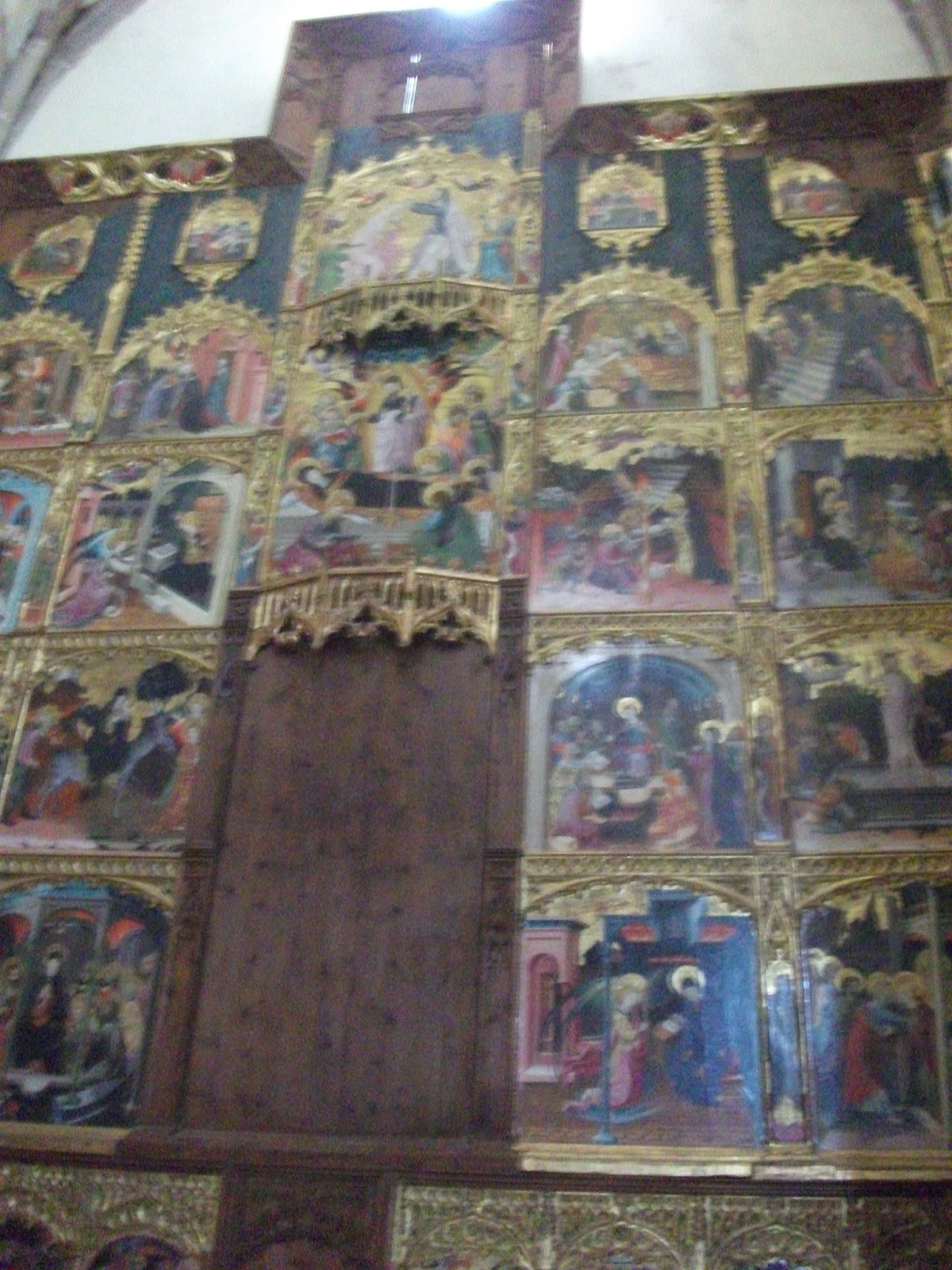


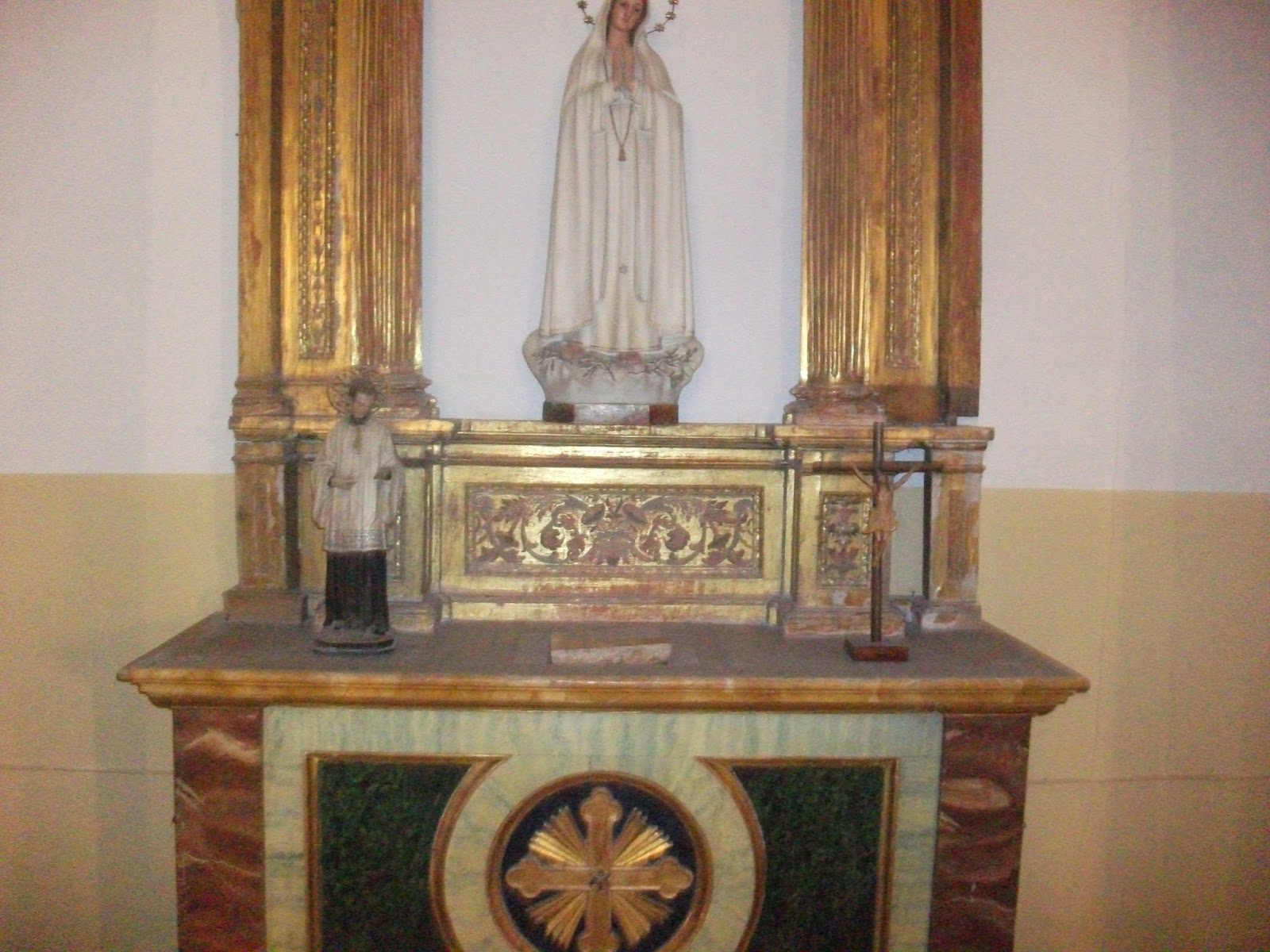


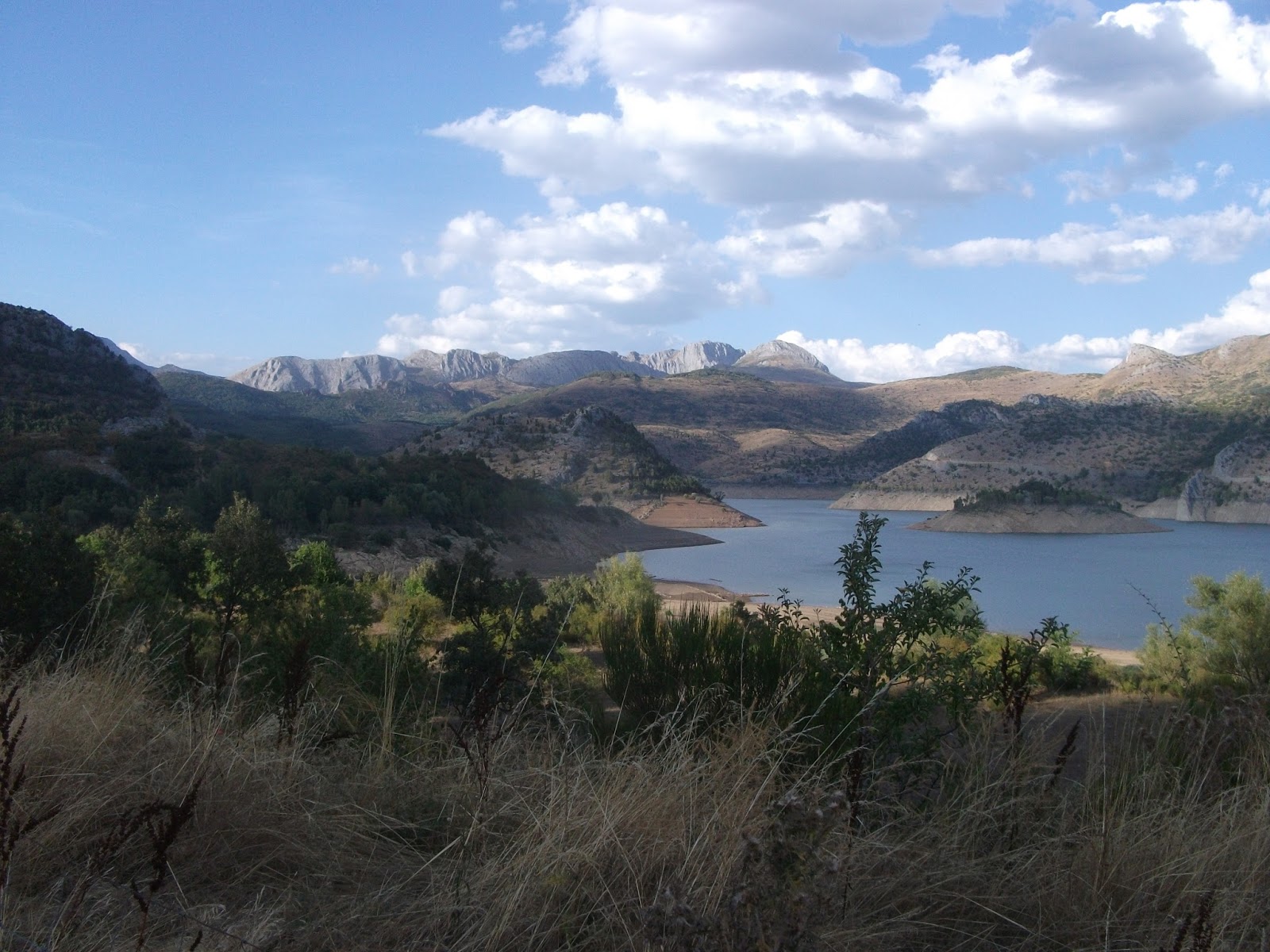


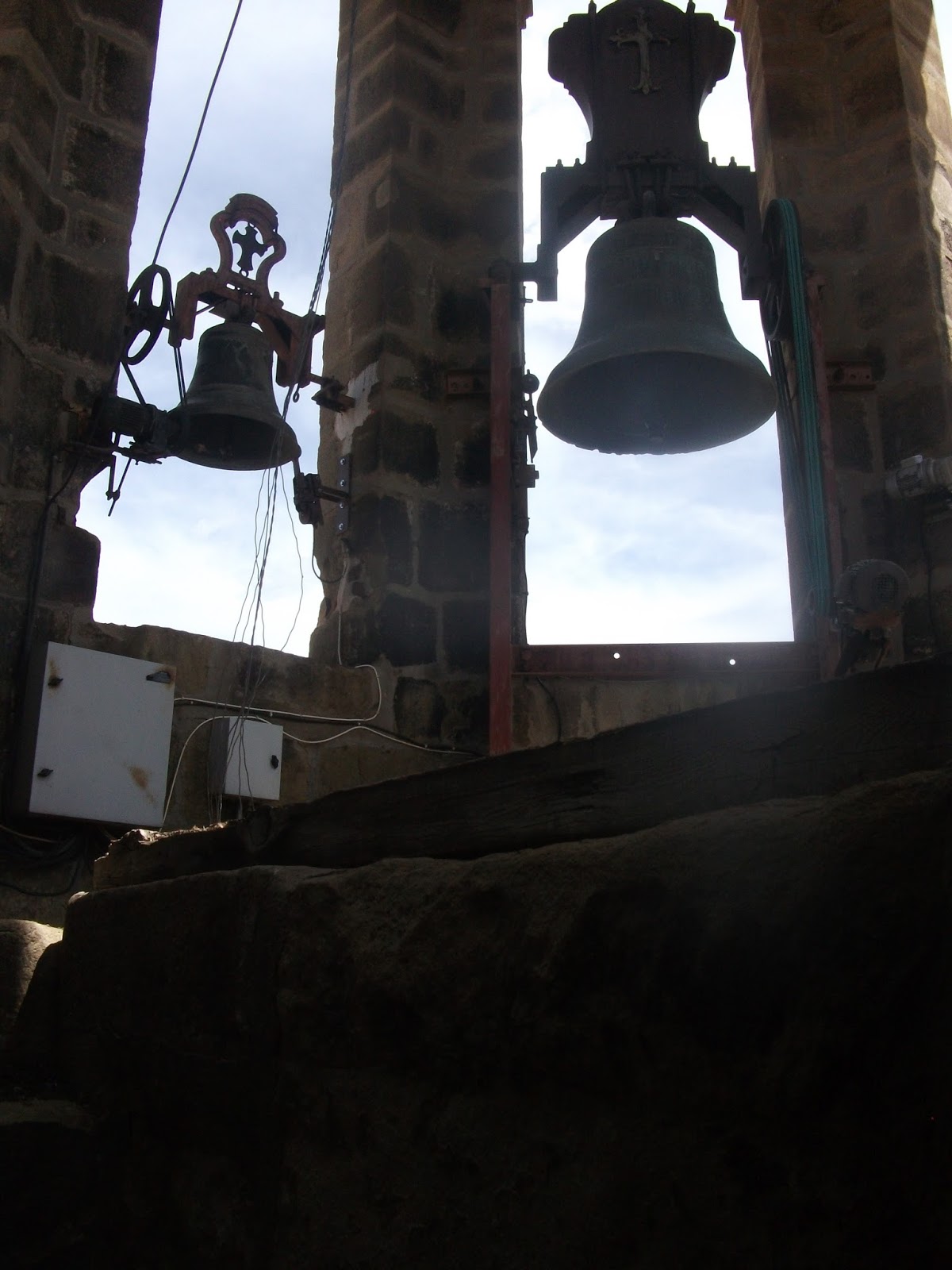

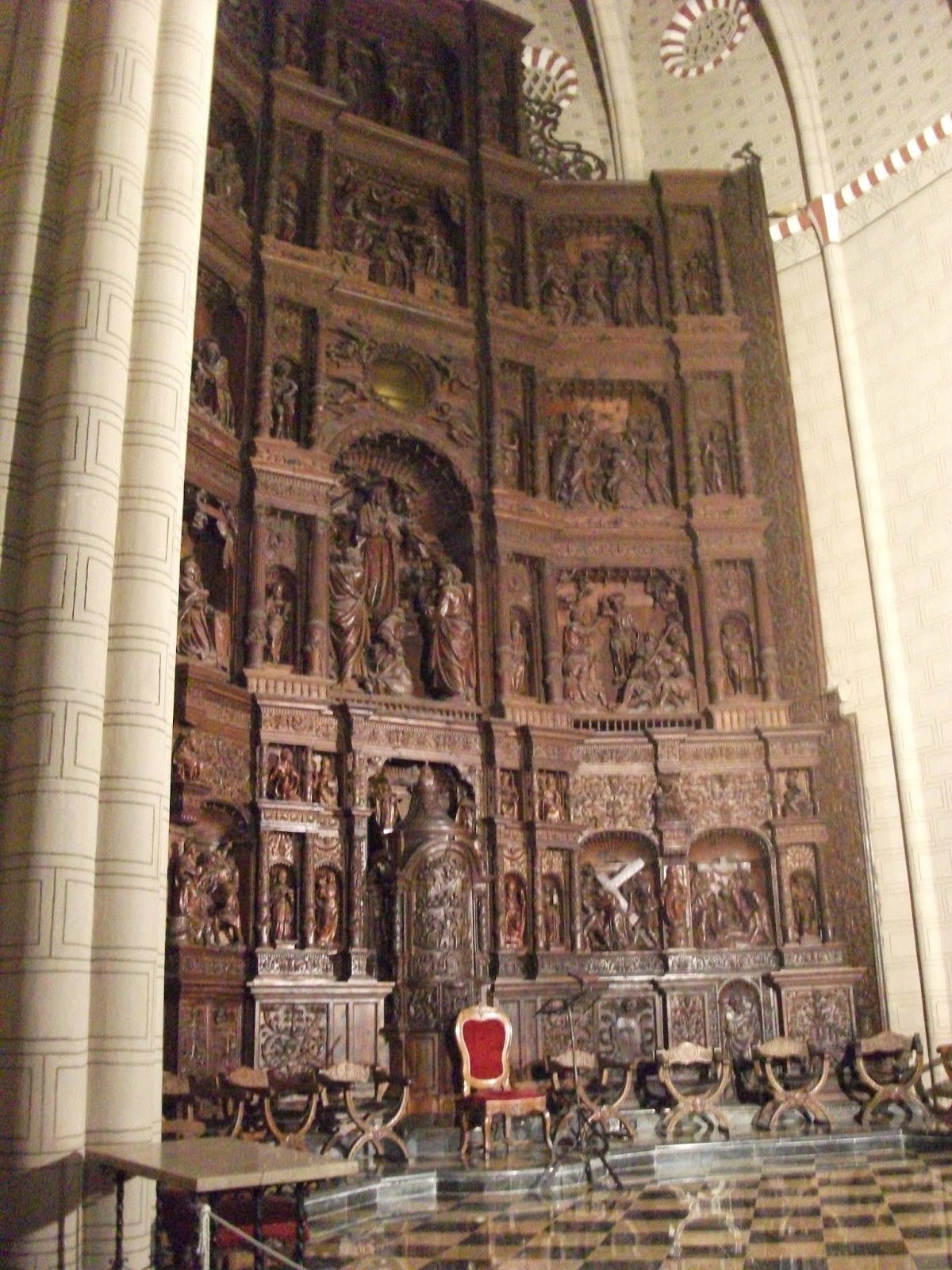



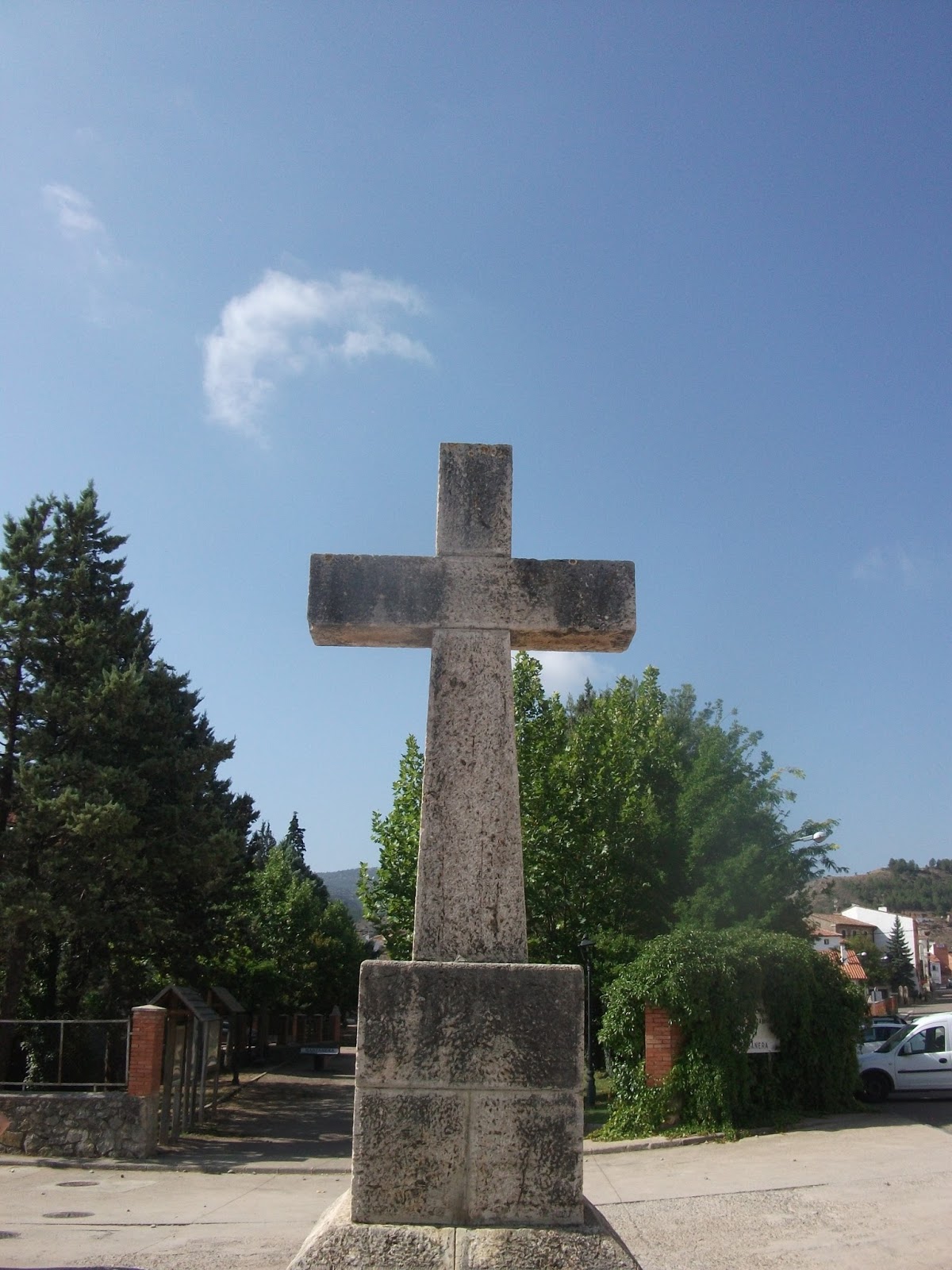


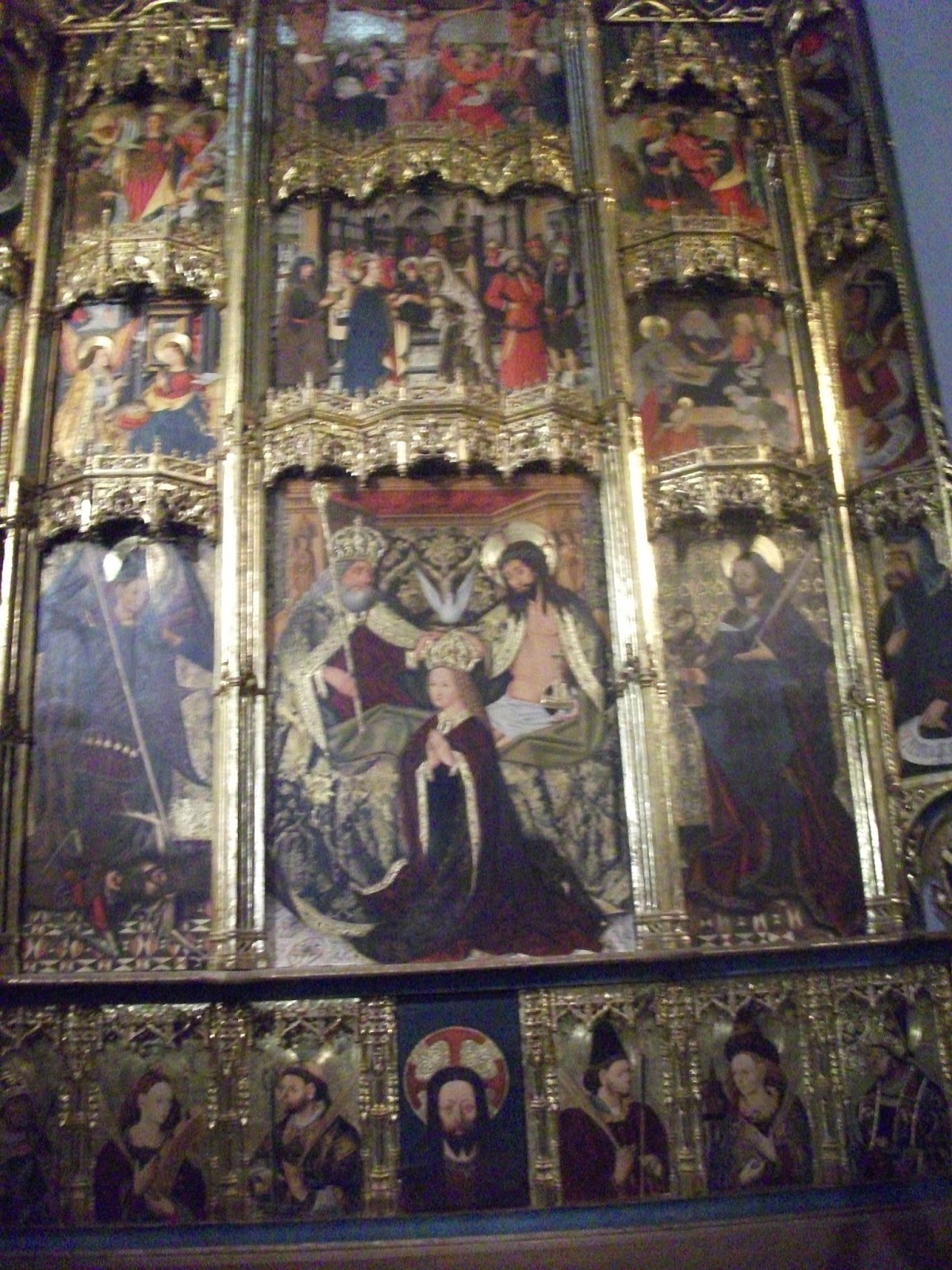



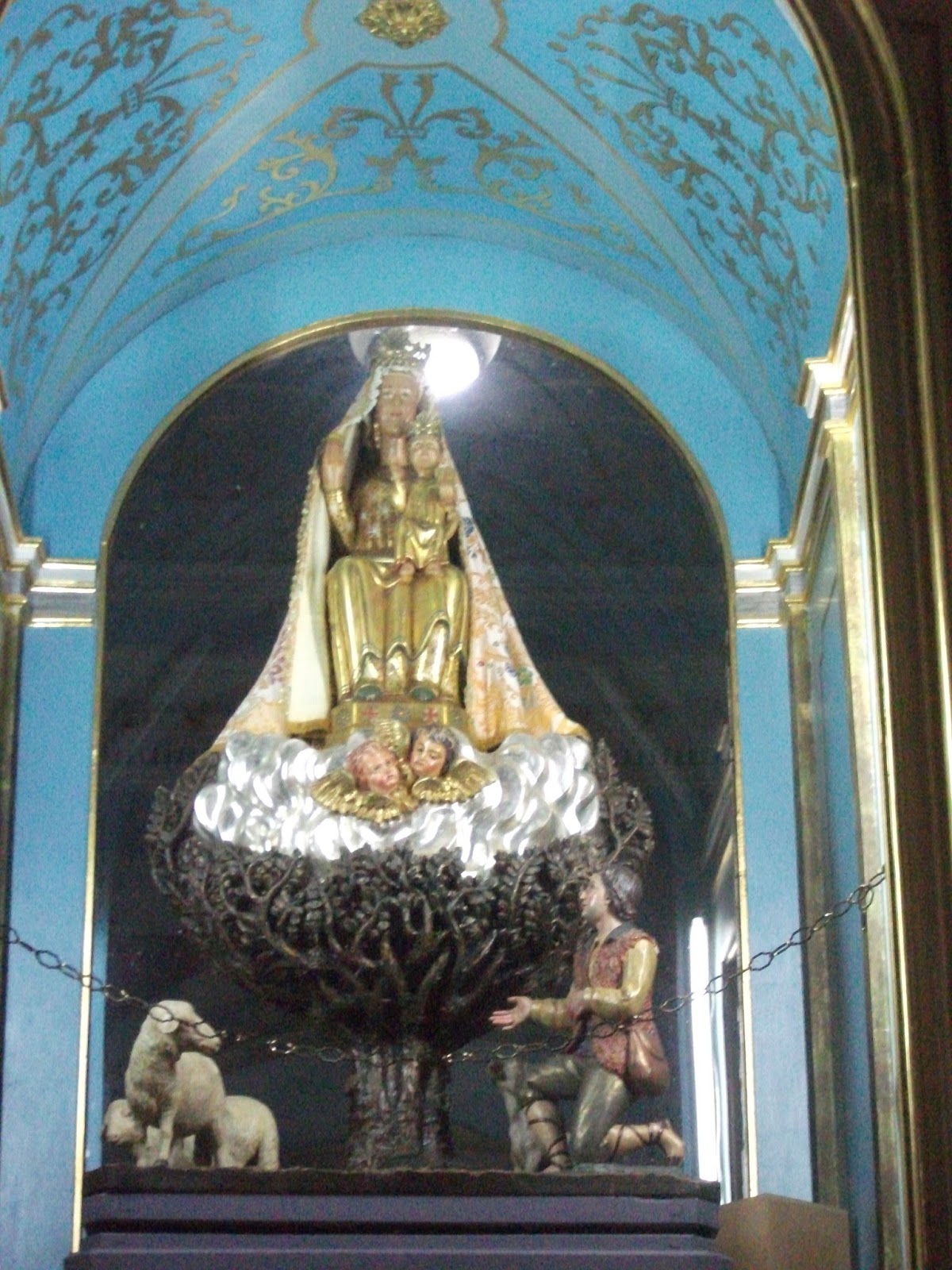
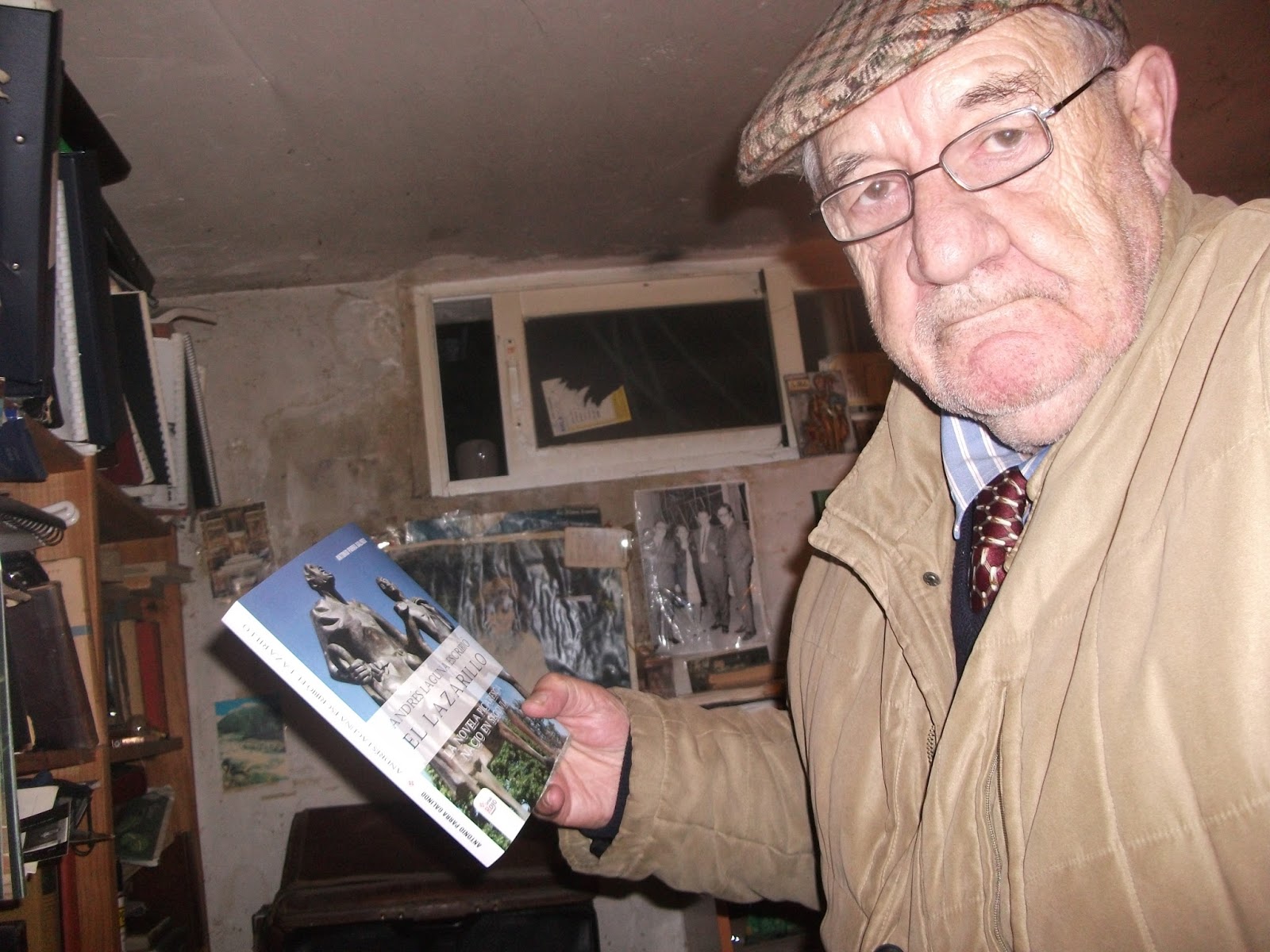


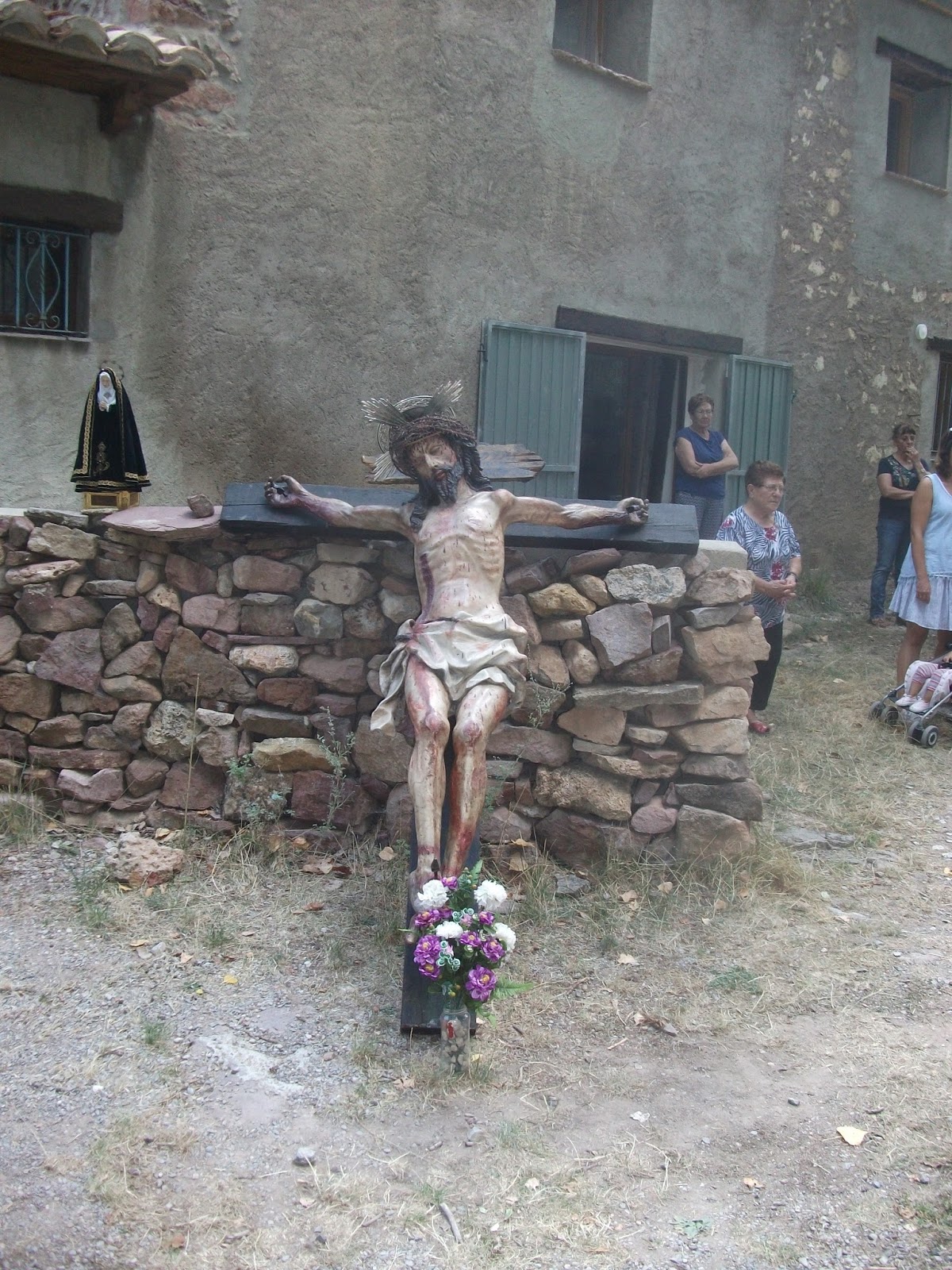


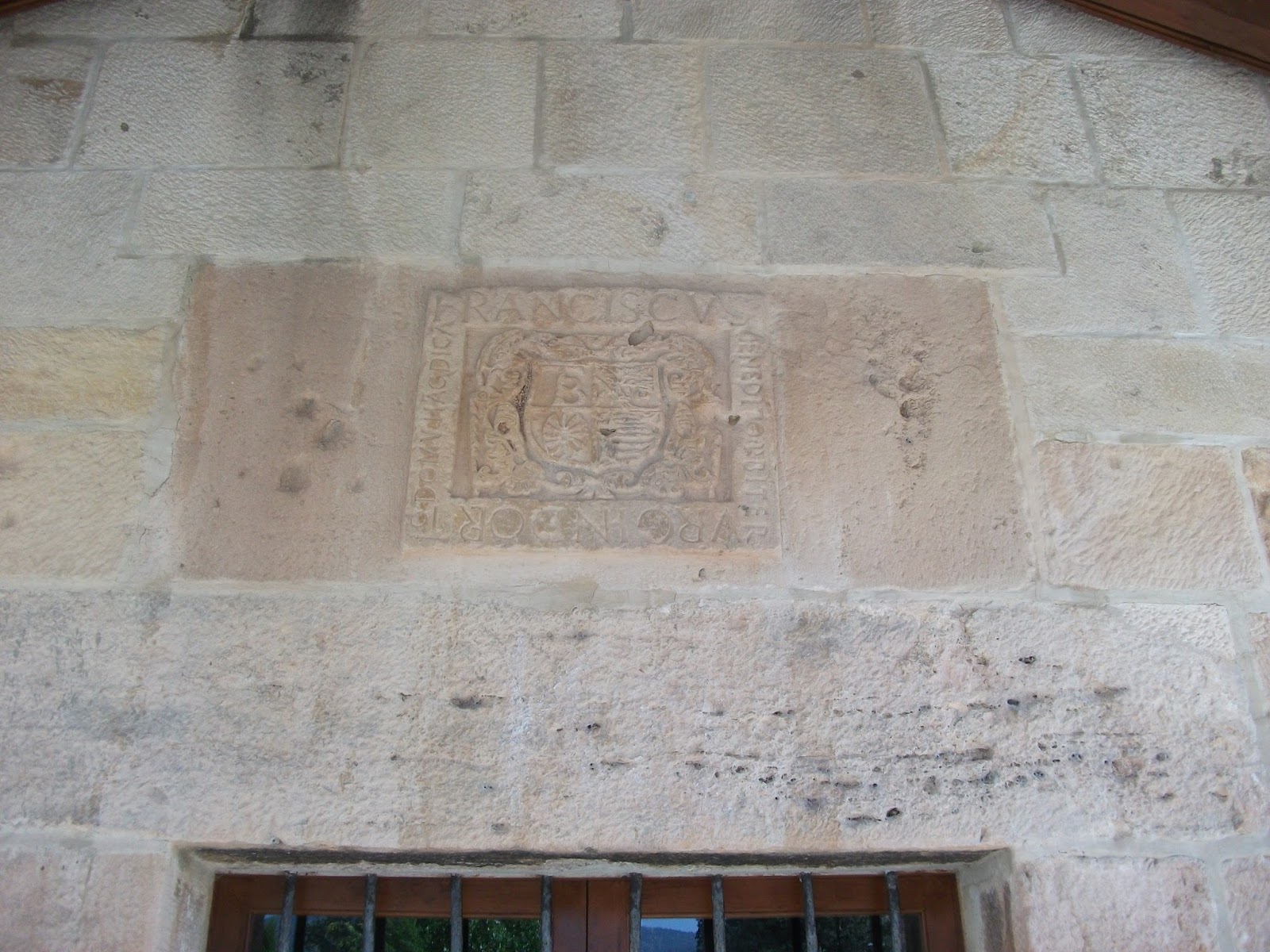


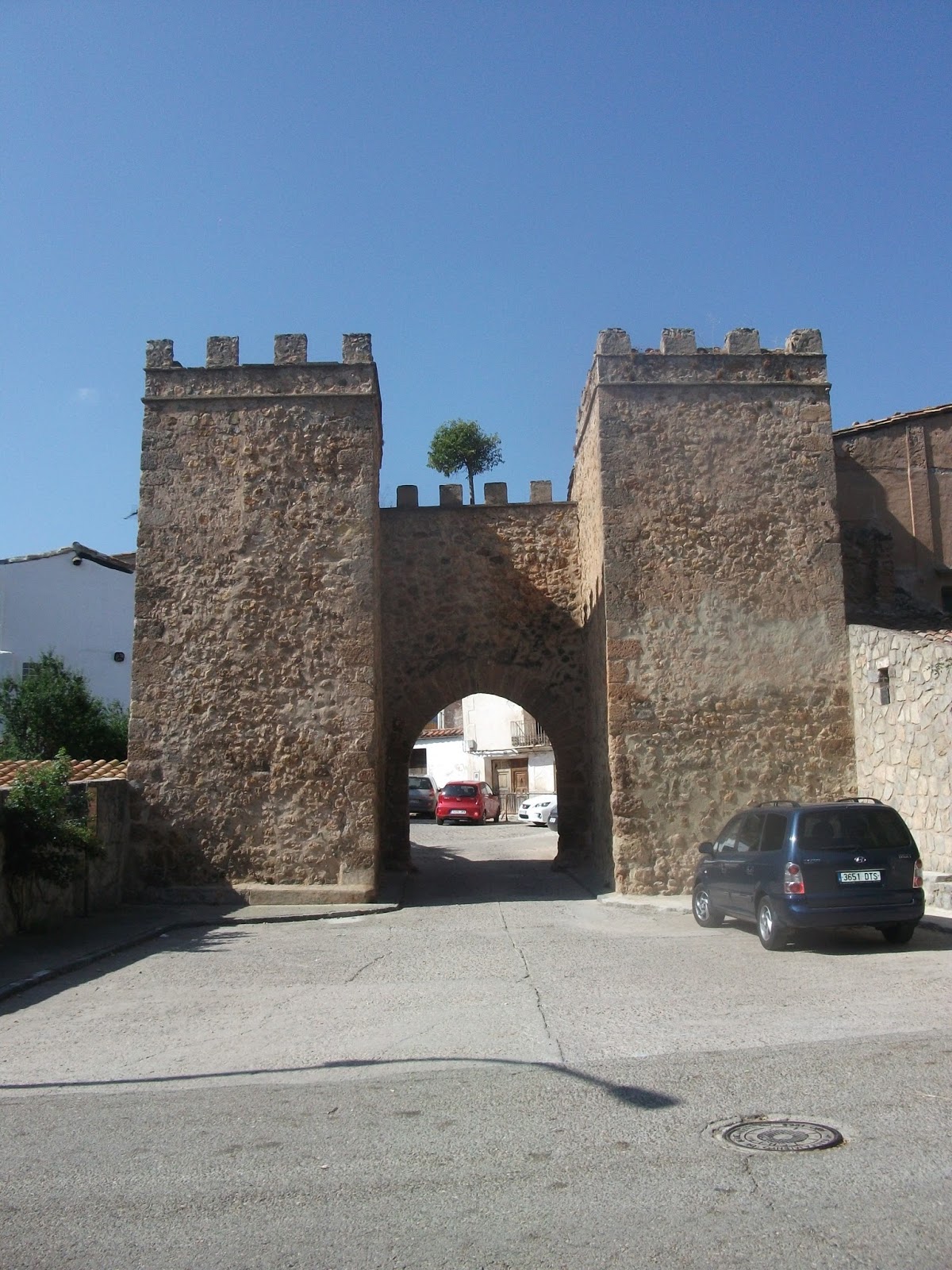





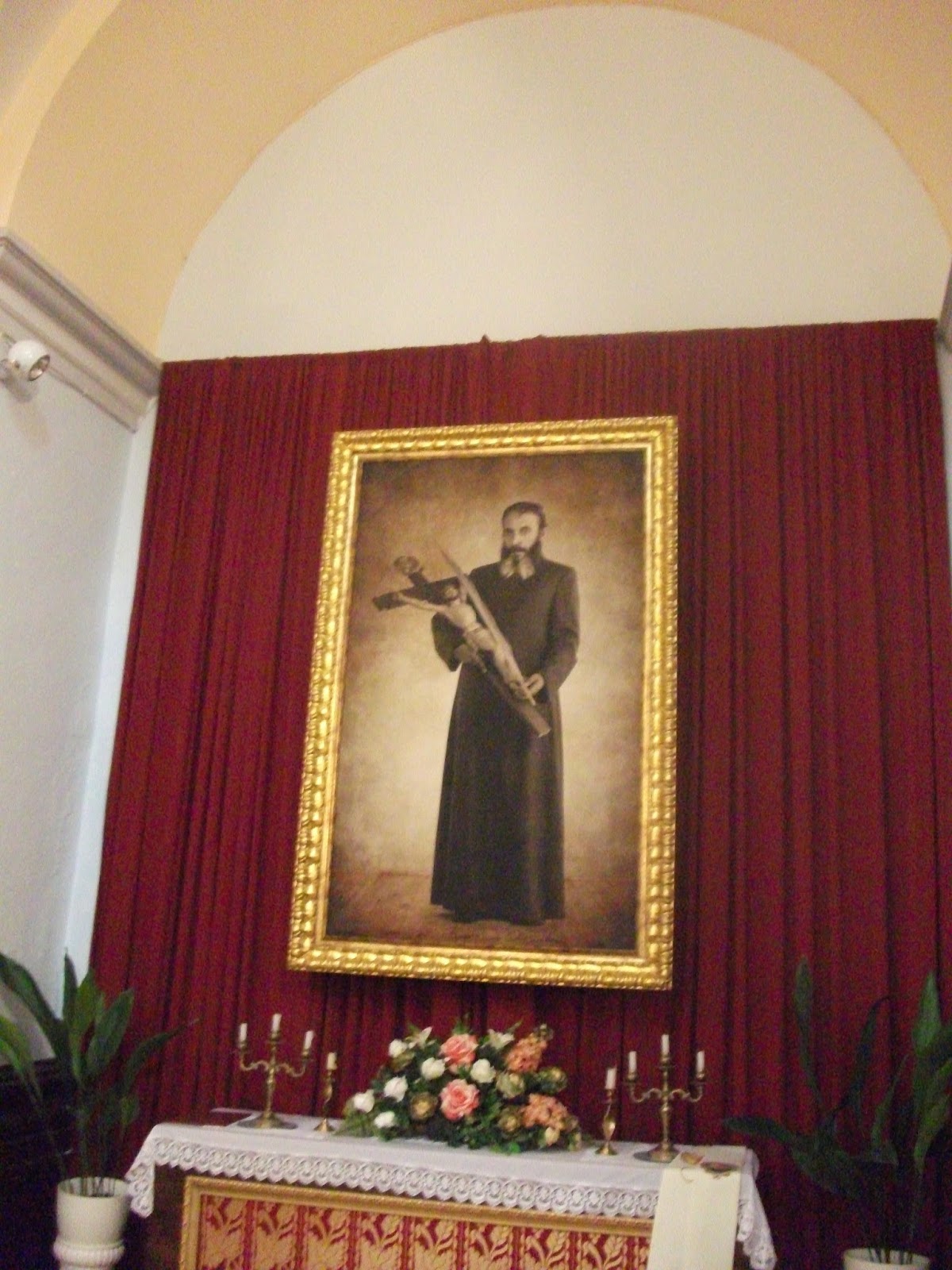



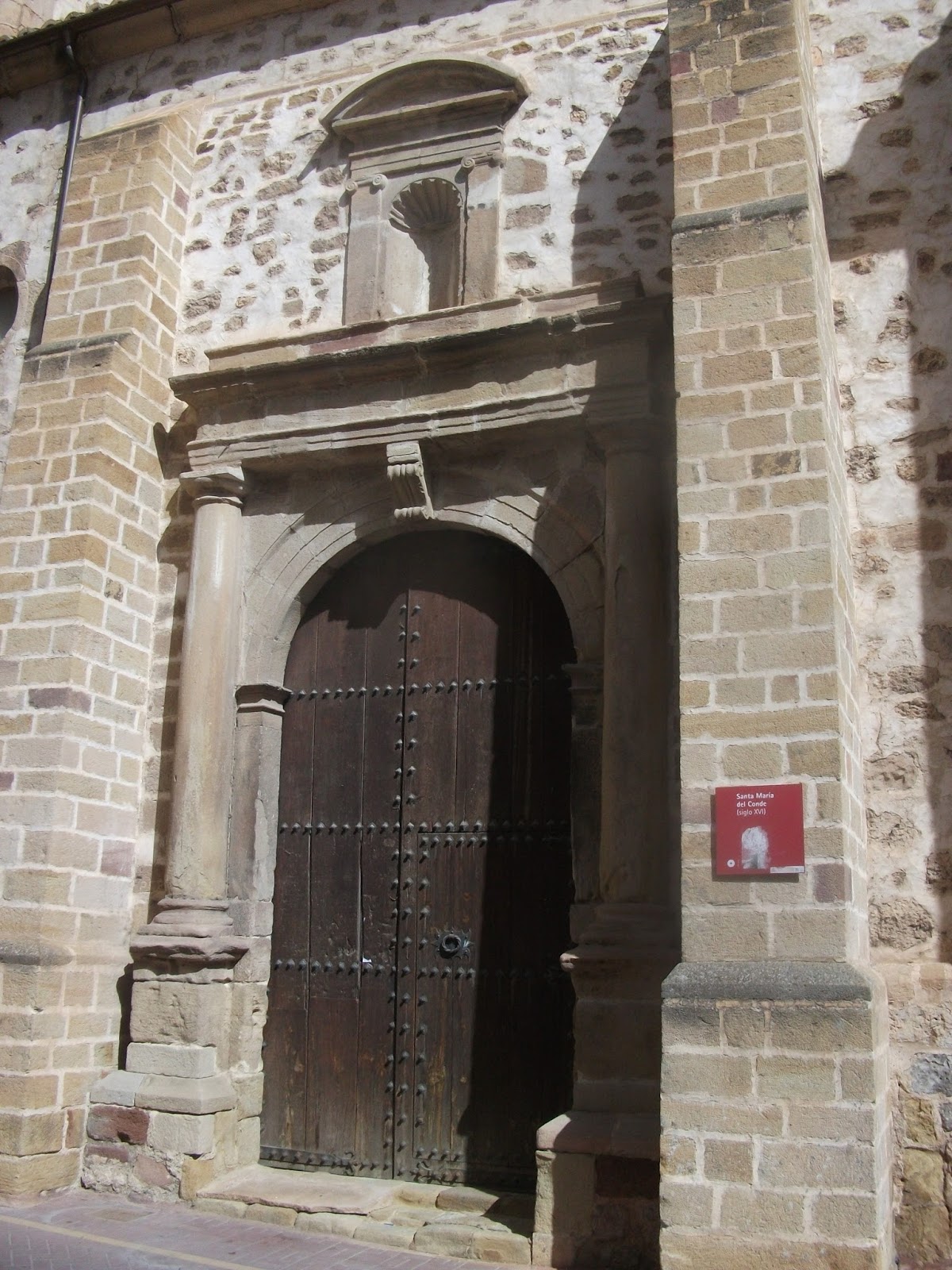
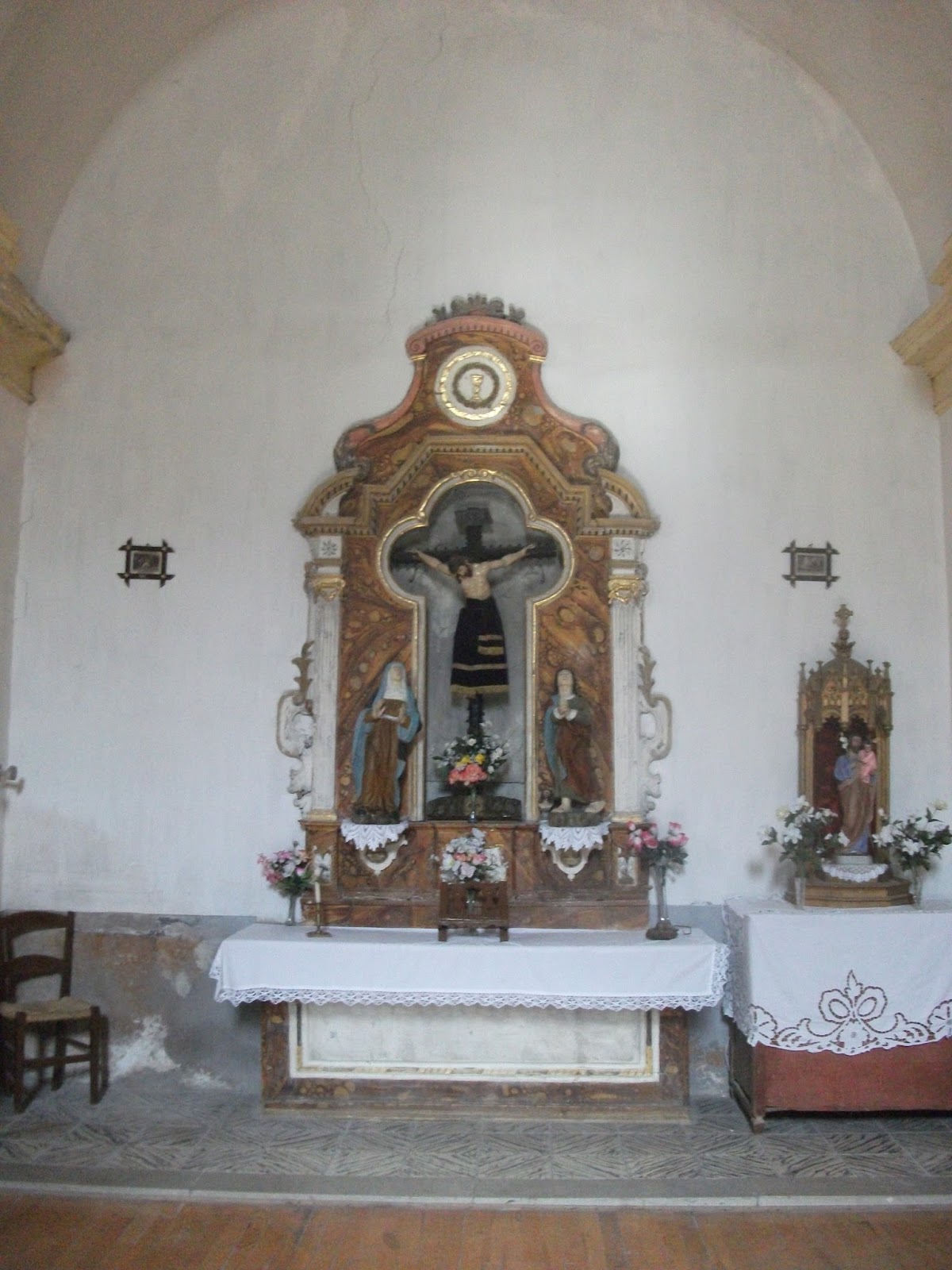














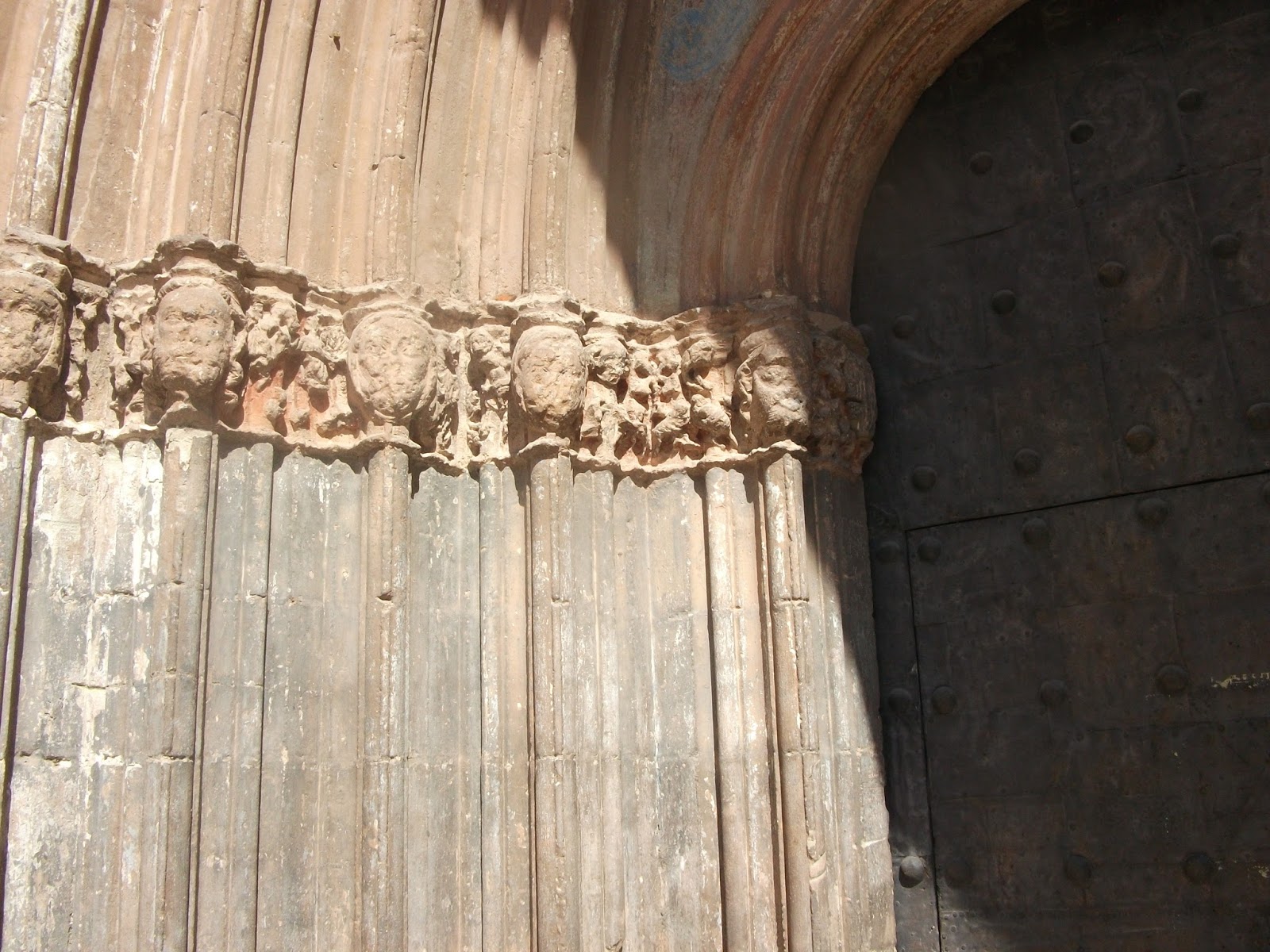
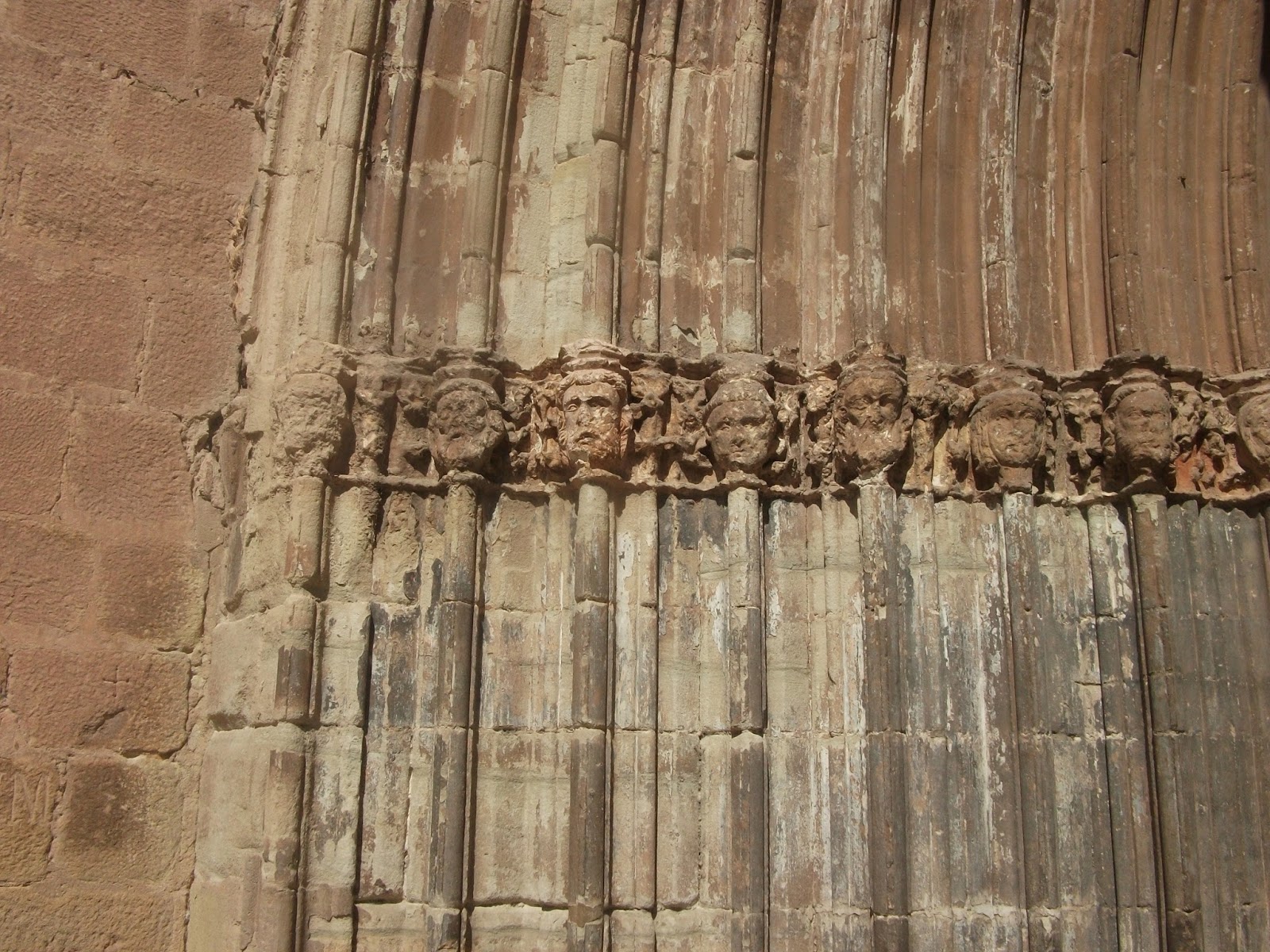




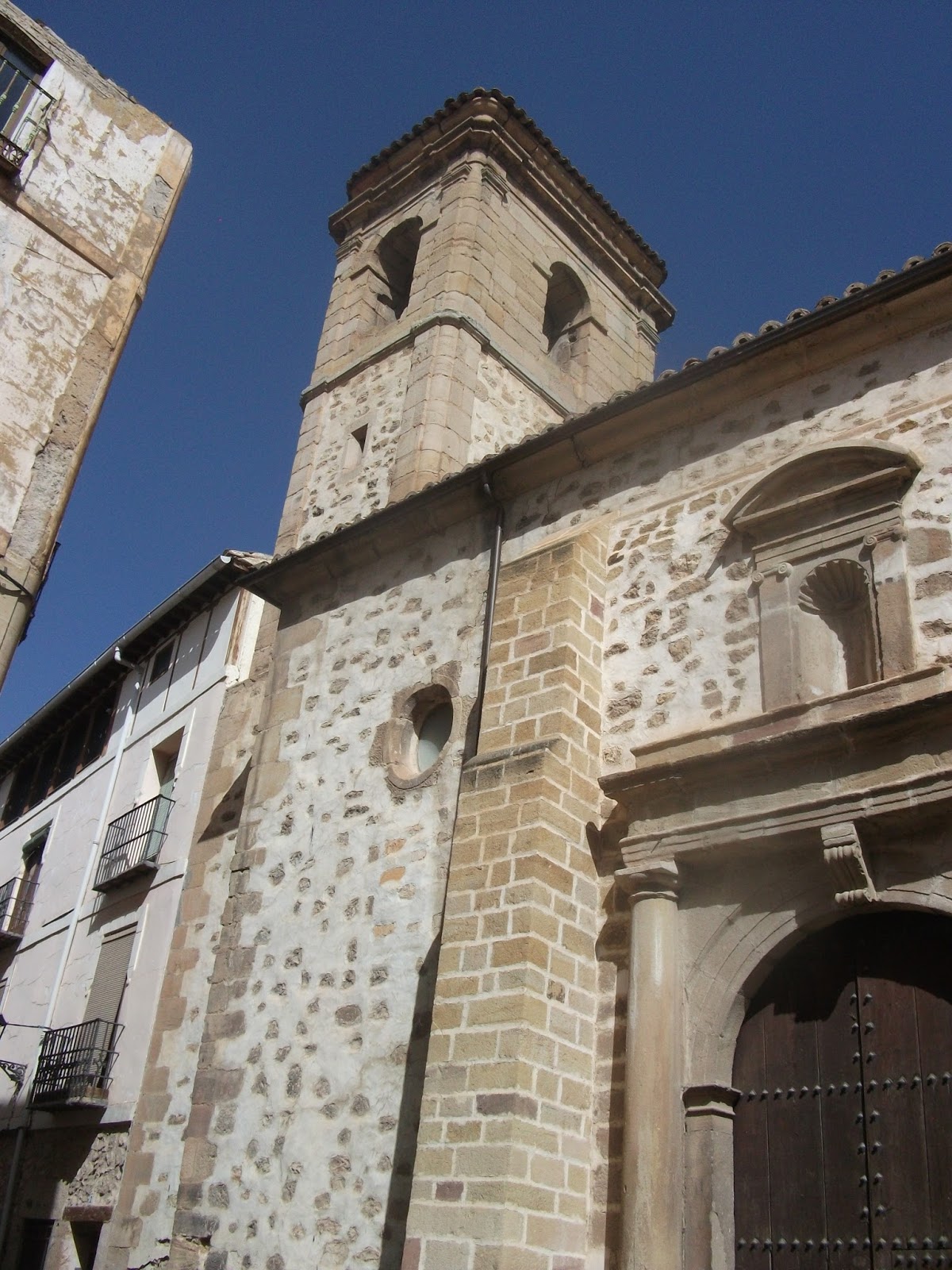


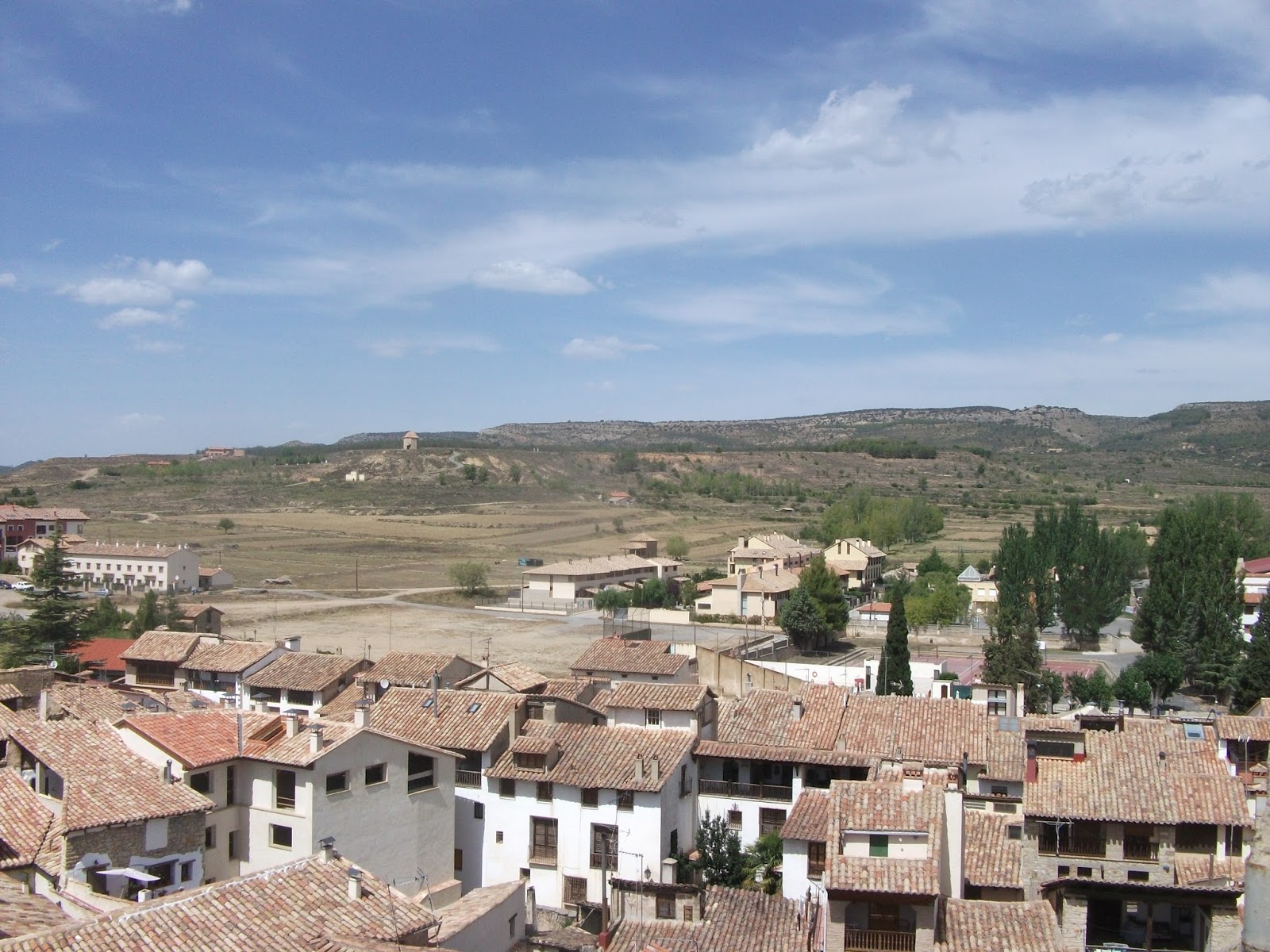









No hay comentarios:
Publicar un comentario