

antonioparragalindo
A
antonioparragalindo.blogspot.com<noreply+feedproxy@google.com>
Usted
Sáb 09/02/2019 11:00
antonioparragalindo |
- EL LABARO DE LA VERDAD ES MI ESTANDARTE
- adios a a. finey saturday night&sunday morning y o lucky jim representa la vieja inglaterra que amé y conocí y me enamoré
- de la radio rusa
- REZAN POR EL MUNDO Y LA SALVACIÓN DE LA HUMANIDAD. UN EREMITA RUSO EN LA TAIGA SIBERIANA VIEJO CREYENTE (STAOROI VIERUSHEI
- REQUIEM AETERNAM DONA EI DOMINE A SUS ORDENES MI GENERAL VELA POR ESPAÑA DESDE EL CIELO
- ENALGRAMADOS
EL LABARO DE LA VERDAD ES MI ESTANDARTE Posted: 08 Feb 2019 01:07 PM PST BIGOTERAS Y MARBETES Encontré llorando a mi amigo Liborio a las puertas del convento: "qué te pasa pues" "Leí los cuadernos de fuego y quemé mi alma". "Vaya por Dios" "¿Y es irreversible? Los lictores de las clases portaban las fasces (manojos de la gran insignia) del portaestandarte, yo llevé siempre el lábaro de la ignominia, y el gato de siete colas con las que azotaban a los reos. Metí la vertedera de los recuerdos y me salió el cromo balón de mi infancia triste, llantos y fracasos, malos pasos de los que me arrepentí. En 1981 viví unas navidades revolucionarias en Polonia y por la radio escuchaba las cartas desde América de sir Alistair Cook un inglesote de voz pulida y algo nasalizada. En Montesana cerca de Betulia me prendió la justicia e ingresé en prisiones; el diablo andaba por allí. Cuando me llevaban los civiles yo escuchaba una voz interior que me acariciaba y decía: "Villeguillo, tienes que buscar a Dios dentro de ti". Hacía bastante calor. Era en pleno de agosto y las cúpulas y las torres de las iglesias hervían como sartenes. En la celda hice lo posible por liberarme de mí mismo pero no podía evadir de la memoria el rostro de aquella mujer. Los presos gallegos habían organizado una queimada me invitaron y no fui. Sonaba en la galería de abajo el ronco fuelle de la gaita tocando muñeiras. Tristes fueron mis prisiones. Pasaba mis ocios en la hemeroteca del presidio donde había periódicos de los años 60. Me gustaba mirar las fotos que traía el ABC del canciller Erhardt que fumaba puros kilométricos, símbolo del desarrollo económico. Como soy fumador, en pipa las casas comerciales me traían sus brezos para que los desfogara. Luego se vendían a precio de oro aquellas cachimbas Dunhill, bien preparadas y desbastadas por nosotros. A los seis años cumplí condena y me vi a las puertas de la cárcel con mi hatillo en bandolera y el ancho mundo a mis pies. Aquel año emprendí mi viaje iniciativo subiendo por las peñas de la cordillera de la literatura, me asomaba a abismos desconocidos pero, como no tengo vértigo, salí indemne. Emprendí mi camino desde el penal de los Reyes hermoso paisaje de Valencia. Los mirlos ("ousel") saludaban al pobre vagabundo sin fortuna. ¿Adonde el camino irá? ESPAÑA MI NATURA |
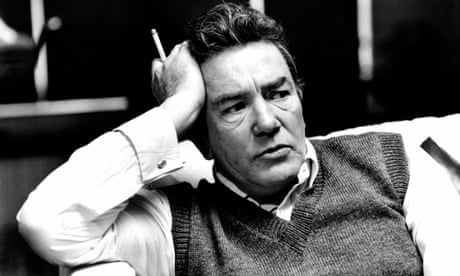
Posted: 08 Feb 2019 12:00 PM PST Albert Finney: the most almighty physical screen presenceFinney was the face of the vibrant new wave of working-class postwar British cinema, and maintained a fierce vitality in his distinguished later performances 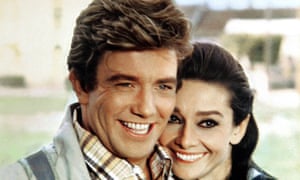 From moon-faced youth to weatherbeaten later years, Albert Finneywas an almighty force on screen: a clenched fist of physicality, a battering ram of uningratiating power, almost priapic with defiant confidence, with the battle-readiness of a prop forward or sumo wrestler. His presence was very different from the long-limbed spindliness or feline charm of contemporaries such as Peter O’Toole, Tom Courtenay and Terence Stamp, those other young lions of postwar British cinema who showed that regional and working-class voices had a new, real power. And, in retirement, Salford-born Finney lived long enough to hear his name invoked as a lost hero by those enraged that, in the 21st century, working-class actors were being marginalised in Britain once again. Finney was a unique actor, although it was his fate to be compared, wonderingly, to other people. Ken Tynan famously reeled away from Finney’s Rada graduation show calling the teenager a new Spencer Tracy. Later in his theatrical career, he was dubbed a new Olivier. I would say that he was Britain’s Jean Gabin. But none of that is quite right. He was a brilliant and utterly distinctive actor, deeply rooted in a theatrical tradition but capable of naturalistic performances, a product of Britain’s vital new “kitchen-sink” cinema. And as a producer, Finney gave early breaks to Tony Scott and Stephen Frears, helped get Lindsay Anderson’s If… off the ground, and was a driving force behind Mike Leigh’s first feature, Bleak Moments. 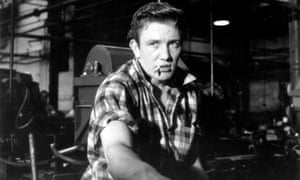 Advertisement Finney made his sensational breakthrough in 1960 in Karel Reisz’s Saturday Night and Sunday Morning, playing Arthur Seaton, a tough, good-looking young womaniser working in a factory, in permanent revolt against the pomposity and hypocrisy of a society determined to keep the likes of him in their place. Finney fused lust, boredom and anger into a single emotion. Later, he was the ne’er-do-well hero in Tom Jones – John Osborne’s 1963 adaptation of the 18th-century Henry Fielding novel, also directed by Richardson – rollicking around England with many New Wave mannerisms of freezeframing and fourth-wall-breaking. Play Video 2:55 It was this multi-Oscar-winning film that made Finney rich and famous, but it was atypical. His broad, open, likable face here did not feature the compressed emotion of his other roles, although the turn of his mouth had a certain sensual derision that was to become a fierce line of pain and rage in the famous performances of his later period: the doughty old lawyer in Steven Soderbergh’s Erin Brockovich (2000), playing opposite Julia Roberts; and his superb turn as the agonised, careworn father of criminals in Sidney Lumet’s 2007 thriller Before the Devil Knows You’re Dead. Finney was brilliant at conveying the state of being toughly unimpressed with everything around him. Especially in his younger roles, he reminded me of Bill Atkinson, the fierce-looking lodger in Kingsley Amis’s novel Lucky Jim: “Dixon liked and revered him for his air of detesting everything that presented itself to his senses, and not meaning to let this detestation become staled by custom.” 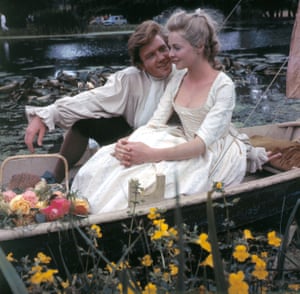 Advertisement At the end of the 1960s, Finney had his single film directing credit: Charlie Bubbles, written for the screen by Shelagh Delaney. He also starred in the film, giving one of his most captivating and revealing performances as Charlie, a hugely successful writer who returns in triumph to his hometown of Salford in a Rolls Royce, looking warily discontented with what he finds in memory lane – and with himself. There is an extraordinary, dreamlike scene in which, with an American photographer (an early role for Liza Minnelli), he drives around the vast, demolished gloaming where the old Victorian back-to-backs had been pulled down, and a brass marching band turn up out of nowhere. Other scenes show Charlie in a restaurant where an old waiter poignantly remembers his father, and also show him going to Old Trafford for a Manchester United match. Charlie Bubbles depicts how Britain was changing and what sudden, dizzying 60s-style success really felt like for Finney (and Delaney). And the scenes showing Charlie rowing with his ex-wife (Billie Whitelaw) are weirdly like in Saturday Night and Sunday Morning. In the old days, a bloke might be off gallivanting down the pub; now he’s off gallivanting in London with his fancy showbusiness friends. The sexual politics are the same. There is incidentally a bizarre scene in which Charlie and an old pal (Colin Blakely) amiably slosh food over each other in a posh London restaurant. It is far more interesting than the (overrated) sexy-eating scene in Tom Jones. 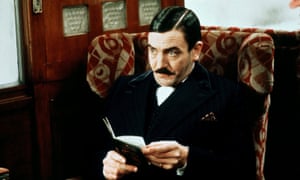 Finney’s screen career continued into the 70s, though without the zeitgeist thrill of the earlier decade. His most successful role of this decade was probably Hercule Poirot in Sidney Lumet’s all-star hit version of the Agatha Christie mystery Murder on the Orient Express (1975), which taught the film and television worlds what a very reliable moneyspinner Agatha Christie could be. Finney made Poirot a gimlet-eyed, severe, martinet figure, rather different from the more musing and cerebral Poirots of David Suchet and Kenneth Branagh. Advertisement One of my favourite Finney performances comes from the beginning of the next decade: the once raved-over but now underappreciated Shoot the Moon (1982), directed by Alan Parker and scripted by veteran dramatist and screenwriter Bo Goldman. It is a post-Bergman marital-anguish drama of the sort that hasn’t been fashionable for many a day. Finney plays George, a colossally successful writer, semi-openly having an affair, a fact that causes torment to his wife, Faith (Diane Keaton), and their four children. Emotional meltdown ensues. It has such a virile and vehement turn from Finney: his face is creased with agony, self-loathing and an awful kind of self-control that presages a yet larger explosion, which is to come with the film’s famous firework-display of destructive rage over a new tennis court. 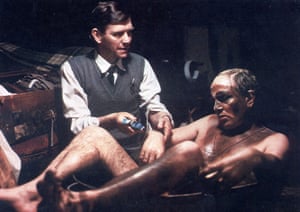 One of Finney’s great later performances is his glorious leading turn – and distinctively comic one, in a career not noted for comedy – in The Dresser (1983). This was adapted by Ronald Harwood from his stage play, which was based on his own experiences as a long-suffering personal assistant, or “dresser”, to the renowned Shakespearean actor Sir Donald Wolfit. Finney plays the imperious, mercurial and slightly mad “Sir”, as he leads a threadbare rep company around wartime Britain, and Tom Courtenay plays the camp dresser, the only man who can chivvy, bully and wheedle Sir into his costume, and out of whatever crazy or despondent mood he is in, in time for curtain up. Finney and Courtenay might easily have swapped roles for the film, though I think it was well cast this way around. The outrageously funny and hammy performances by Sir as Othello or Lear – all booming, screeching and whooping vowels – are supposed to show us what an old-fashioned and obsolete acting style that is. But perhaps it was not so far from the continuing Shakespearean tradition in which Finney appeared, night after night, because his stage career carried on alongside his screen work. Unlike Olivier, Finney never committed Shakespearean roles to the screen. Yet The Dresser, however cartoonish, gives us an interesting insight into Finney’s own classical acting persona. Perhaps the off-stage Sir in his dressing room – florid, verbose, panicky but often witty and relaxed – is a hint of the onstage Finney of that time. And maybe Sir is someone whom Finney did not himself despise. This quixotic old-stager performance is not far from his excellent interpretation of Winston Churchill in the 2002 TV movie The Gathering Storm. An awful lot of flavour and texture has left British acting with the departure of Albert Finney. ESPAÑA MI NATURA |
Posted: 08 Feb 2019 10:17 AM PST EL DIABLO DEL ACUEDUCTO De diablillo nada. Es un diablón, un diablazo, salaz, barrigudo y cornudo esta obra escultórica de un tal Abella al que la historia del arte le negará para siempre el ingreso en la Academia a la hora de zampar. Mis paisanos quieren instalar a este pateta barrigudo y sonriente que de la panza sale la danza y lujurioso un sátiro para que nos entendamos en el edículo donde figuraba la estatua de Júpiter, ara sagrada, representando al dios del Olimpo y a su sucesor Augusto (en ambas imágenes el cristianismo se da la mano con el paganismo) que fue el que edificó tan portentosa fábrica y no Trajano como ha venido creyendo el historicismo bobalicón de mis paisanos que cambian con facilidad de chaqueta de la mano abierta del fascio hemos pasado al puño cerrado del marxismo feminoide. En la cara norte estaba la representación de la virgen María con la bandera de España que yo de niño vi colocar a los cadetes el día de santa Bárbara. Que Segovia la ciudad de mis mayores y donde yo nací rinda culto al enemigo de los hombres me horroriza al tiempo que es un indicio de hasta qué punto hemos llegado en esta democracia caciquil todo para el pueblo pero sin el pueblo. Es lo que quiere el diablo el gran engañador y profanador y profazado, el que tentó a Cristo instándole a que se tirara desde el tejado del templo de Jerusalén y ahora parece empujarle a que se arroje desde los treinta metros del canal acto del acueducto. Los paganos le conocían bajo el nombre del "Vetus". Es obvio la alcaldesa doña Clara Luque es una pobre analfabeta que fregaba suelos en Abades antes de que la dieran la vara de alcaldesa, una fementida vara con la cual nos solmena las costillas a los segovianos de pro, aunque no te preocupes que al freír será el reír. Ya serán ellas. Satanás en lo alto del acueducto en sustitución de Augusto, Cristo y la Virgen María, pues vaya un plan. Lloran los ángeles y los pinos de la alameda se están muriendo de risa, de ver a los segovianos con corbata y sin camisa. Fuego al muñeco. ESPAÑA MI NATURA |
Posted: 08 Feb 2019 06:47 AM PST Lo que oculta el Pentágono sobre una posible intervención militar en Venezuela© AP Photo / Yonhap/ Jin Sung-chul La visceralidad con que Donald Trump maneja su política exterior, lo ha llevado a un callejón sin salida en Venezuela. Arrastrado por sus operadores político-militares en el eje Miami-Bogotá-Madrid, se encuentra a las puertas de una nueva derrota diplomática que hundirá aún más su precario liderazgo internacional. Una guerra, librada a través de sus aliados en Suramérica parece ser la única opción, pero una cosa es el marketing mediático y otra muy distinta la realidad operacional. Lo que no quieren que sepasLa Fuerza Armada Bolivariana se mantiene cohesionada en torno a la Constitución del país y del liderazgo de su Comandante en Jefe, Nicolás Maduro. A pesar de individualidades sin ningún peso real dentro del aparato militar, no existe nada que nos indique que el bastión que define la estabilidad del sistema político en Venezuela, vaya a derrumbarse. Gina Haspel, experta en operaciones encubiertas, ha sido la gran artífice de la campaña para intentar quebrar la voluntad de la Fuerza Armada Bolivariana. Su objetivo es organizar y alimentar al ejército paralelo que se está preparando en Colombia y que ya ha sido denunciado por el Gobierno venezolano. Para tal fin, cuenta con amplios perfiles de los oficiales que han sido dado de baja por actos ilegales o anti éticos, además de información sobre aquellos que poseen dinero, familiares y propiedades fuera de Venezuela. Cualquier elemento es usado como punto de presión.  © AP PHOTO / EVAN VUCCI Gina Cheri Haspel, es una oficial de inteligencia estadounidense, actual directora de la CIA Haspel necesita una vanguardia mediática, pues no puede mostrar a las cámaras de televisión el grueso del ejército paralelo, conformado mayoritariamente por paramilitares y elementos de bandas criminales ligadas fundamentalmente al narcotráfico. Sin embargo, a pesar de la cruenta guerra de intimidación, no se ha logrado más que puntuales y tímidas declaraciones desconociendo a Nicolás Maduro. Si pensamos en que la FANB cuenta con más de 500.000 efectivos y en estos momentos, se aproxima a incorporar más de dos millones de milicianos a la defensa del territorio, lo que ha logrado Haspel luce absolutamente insignificante. Otro aspecto se corresponde con la realidad interna de cada uno de los países que serán usados como punta de lanza para la agresión bélica.  © REUTERS / MIRAFLORES PALACE Colombia vive en guerra desde hace más de cincuenta años. En estos momentos, fracasadas las conversaciones con Ejército de Liberación Nacional (ELN) y con el incumplimiento de los acuerdos de paz firmado con las Fuerzas Armadas Revolucionarias de Colombia (FARC), el Ejército colombiano reconoce que dejaría amplias vulnerabilidades en su propio territorio si se comprometiera en un conflicto fuera de sus fronteras. A ello, le sumamos la imposibilidad que tiene Colombia para hacerle frente a los desplazados que provocaría un conflicto militar con Venezuela. Brasil, no se encuentra mejor. En estos momentos se especula muchísimo sobre el verdadero estado de salud del presidente Jair Bolsonaro. La narrativa oficial, atribuyen la operación a la que fue sometido hace más de una semana, al evento aún no aclarado del todo, en el que fue apuñaleado mientras era candidato presidencial. Una lucha por la sucesión del poder parece abrirse paso en Planalto. Si le agregamos a esta tensión, los señalamientos de corrupción que ha recibido Flávio Bolsonaro y la negativa del ejército brasileño a aceptar una base militar norteamericana en su territorio, podemos atestiguar que las condiciones políticas en Brasil no son del todo propicias para quienes desean involucrarlo en la guerra ESPAÑA MI NATURA |
Posted: 08 Feb 2019 06:40 AM PST Así vive este ermitaño ruso en la taiga siberianaURL corto © Sputnik . El ermitaño Timofei Líkov, de 58 años, ha vivido durante más de tres décadas en el lugar habitado más frío del planeta. En este vídeo de Sputnik, te mostramos cómo es un día normal en la vida de Timofei. El hombre vive solo en una casa de tierra y madera, y sus únicos amigos son un gato y un perro. Líkov tiene varios hermanos, sin embargo, el destino los separó hace muchos años. Te puede interesar: La increíble historia de la ermitaña rusa que ha pasado toda su vida en la taiga No obstante, recientemente, los familiares lograron encontrar al ermitaño, así que el hombre se está preparando para su visita. ESPAÑA MI NATURA |
REQUIEM AETERNAM DONA EI DOMINE A SUS ORDENES MI GENERAL VELA POR ESPAÑA DESDE EL CIELO Posted: 08 Feb 2019 06:20 AM PST  ESPAÑA MI NATURA |
Posted: 08 Feb 2019 06:16 AM PST  FUEGO AMIGO Miedo me da el fuego amigo. Yo te lo diga que aquí quien más chifla, capador La chambrana tiembla en la cerradura. Yo sé quien la abrió Aquí el que más chifla, capador Señor de la baila lo eligieron a Montesinos el del labio leporino diaquilón Fuerza de algarabía Zampalín zampolán Vas a donde dan Din don din dan campanitas de san Juan En las guerras es el que más mata el fuego amigo Aquí el que más chifla capador Viva el cinismo No le importa la traición que también al enalgramado lo hizo dios. ESPAÑA MI NATURA |




No hay comentarios:
Publicar un comentario